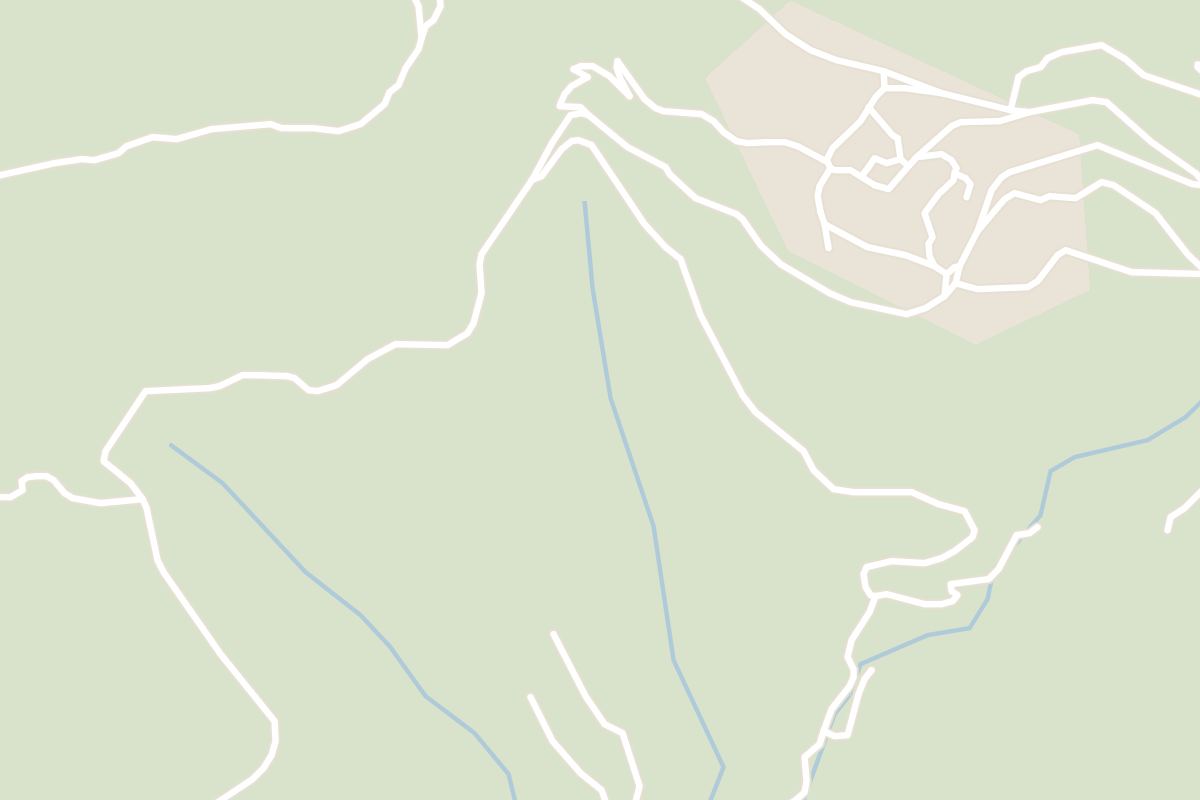
On the slopes of Vrmac, stone houses, many of them empty, gather round a church with Tivat and its bay spread out below. You come up from the coast for the narrow lanes and the old village on the hillside.
Village, Tivat. Meridian Dispatch.
By car or on foot. A road runs up from Tivat to the village, a short drive. Walkers climb a path uphill from the shore to the houses.
Yes. Gornja Lastva is an open village rather than a ticketed site, and it is free to walk into. The lanes, the church square and its view over the bay are all open to walk round.
Its families moved closer to the sea or to their work, usually settling in Donja Lastva or Tivat. Most now live there and visit the village daily.
On the first Saturday in August. It opens with the Boka Navy kolo, a circle dance performed by the fraternity's Tivat branch with a Tivat music society, then carries on with a party and feast at the village Cultural Centre.
Yes. The path climbs from the village to Vid, a hill with a panorama of the Bay of Tivat, then follows old Austrian military roads to the Vrmac fortress. The walk to the fortress takes about three and a half hours from the village.
The Church of the Nativity of the Virgin Mary dates from 1410, according to the local tourist board. Its 17th-century altar, with a statue of Our Lady holding the infant Jesus, was a gift from the people of Perast.
Gornja Lastva sits on the sunny side of Vrmac, among Mediterranean scrub and stone walls. About 20 plainly built stone houses line its narrow cobbled lanes. Many houses are deserted and some walls have fallen, but the old building style is unchanged.
In the first half of the 20th century the village had about 500 inhabitants and more than 100 houses.
St Mary's church stands on a small stone square. From the square the view runs down the Vrmac hills to Tivat and the bay beyond.
The village also has a 19th-century olive mill, which belongs to the church. It is still in working order, though it is no longer used for pressing.
The walking route starts in Donja Lastva on the shore, where you can leave the car, and climbs the hillside. The village has no shop, cafe or restaurant to speak of, so carry water for the climb.
Start at the church square, then walk the lanes past the deserted houses. The church may be locked when you arrive, so plan to see it from the square.
A path also climbs on from the village onto the Vrmac ridge. Coming back down that way, the ground turns rockier near the houses, with more shade from trees.
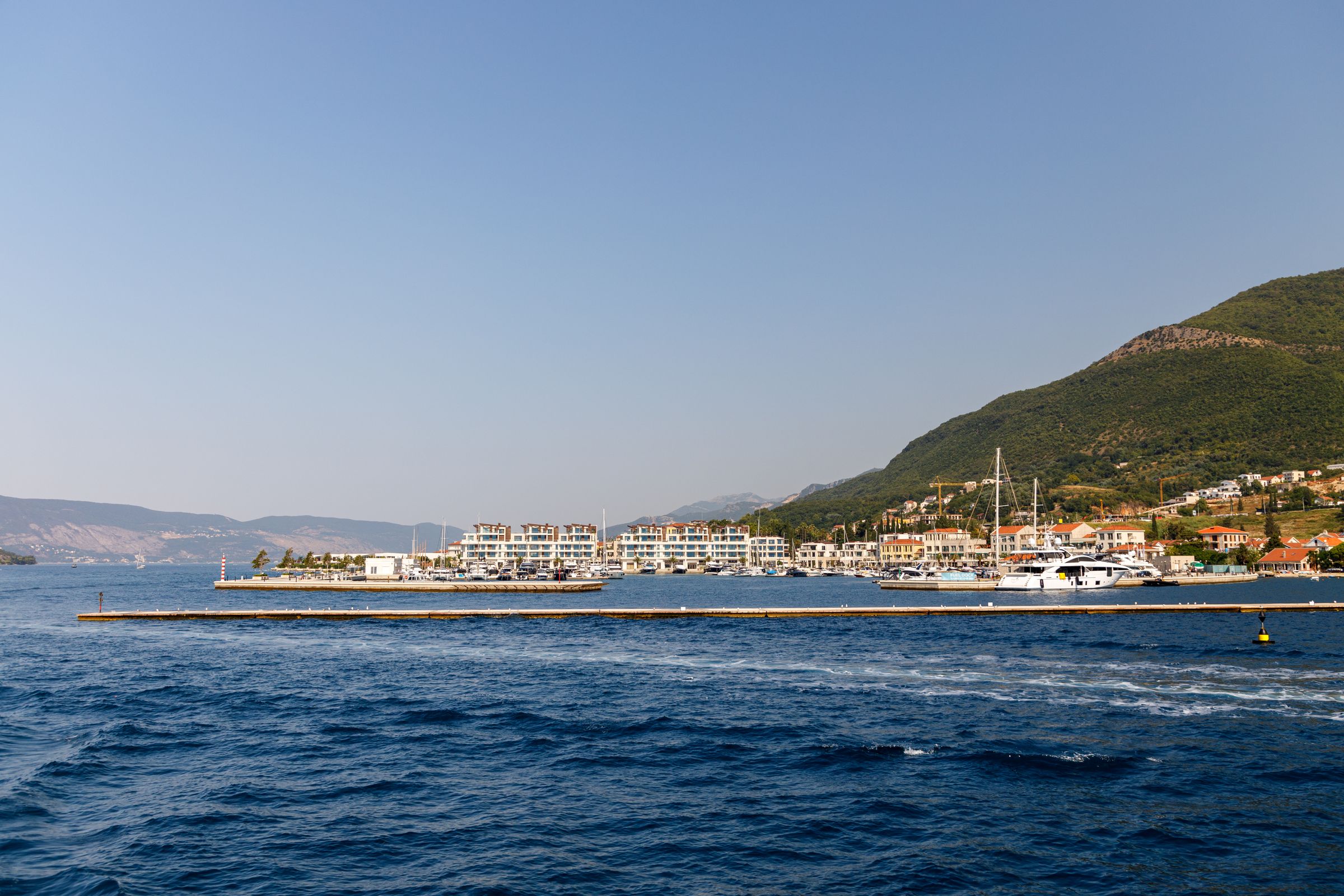
Base yourself in Tivat and spend your days on the water: boats for the whole bay leave from the seafront, and the quiet sand of Luštica is a short drive away.
Read the Tivat guideAround Tivat
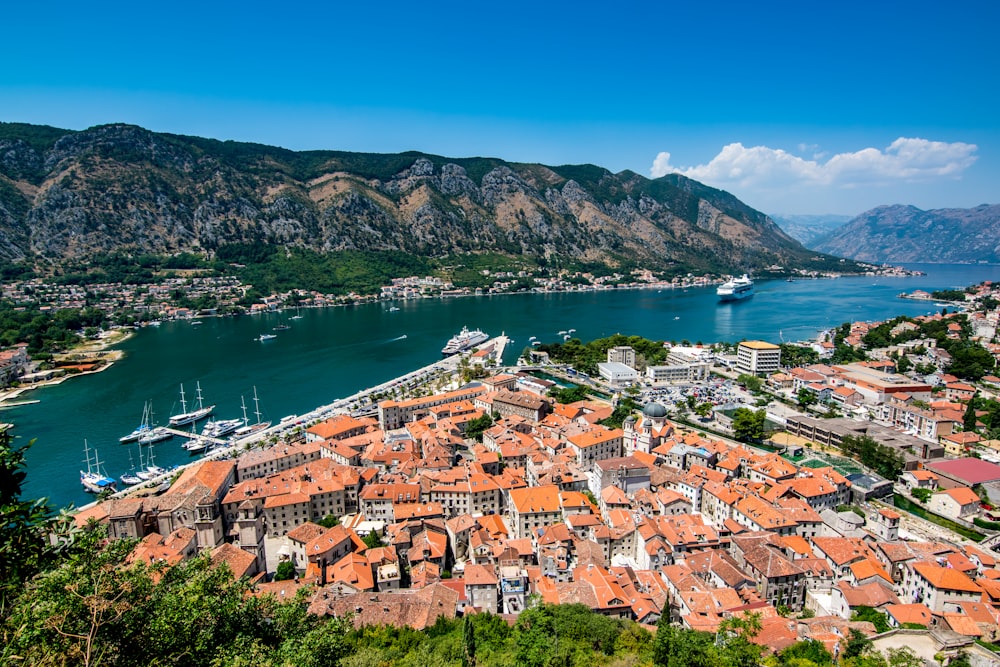

A 28-kilometre fjord-like inlet in the Adriatic, ringed by limestone walls and medieval towns, and a UNESCO World Heritage site. It is a…
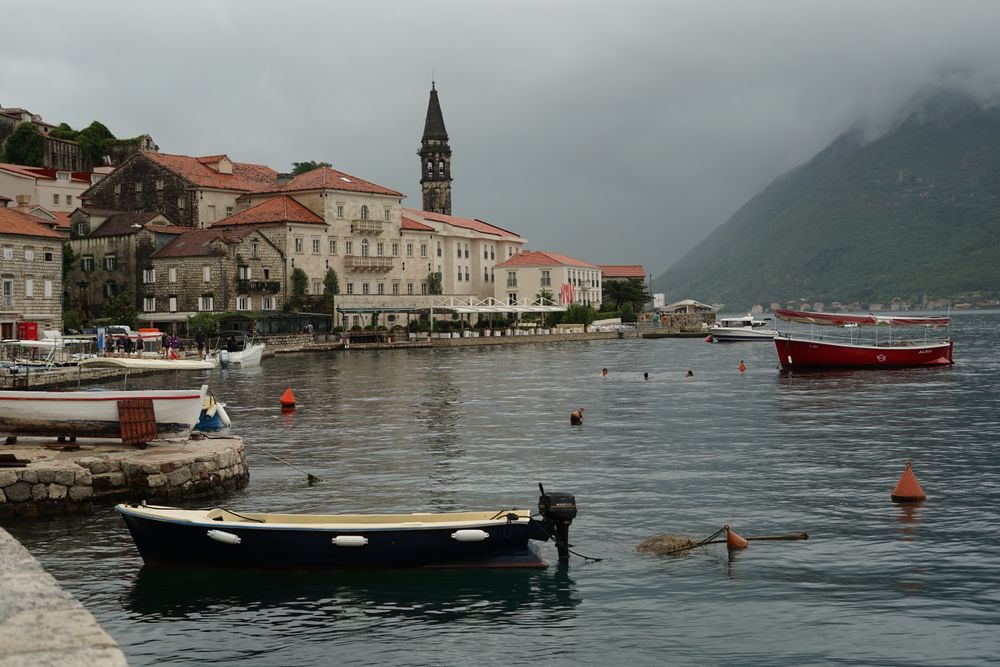
A single baroque street facing the narrows of the bay, built on the wealth of sea captains who once sailed for Venice. Stone palaces and…
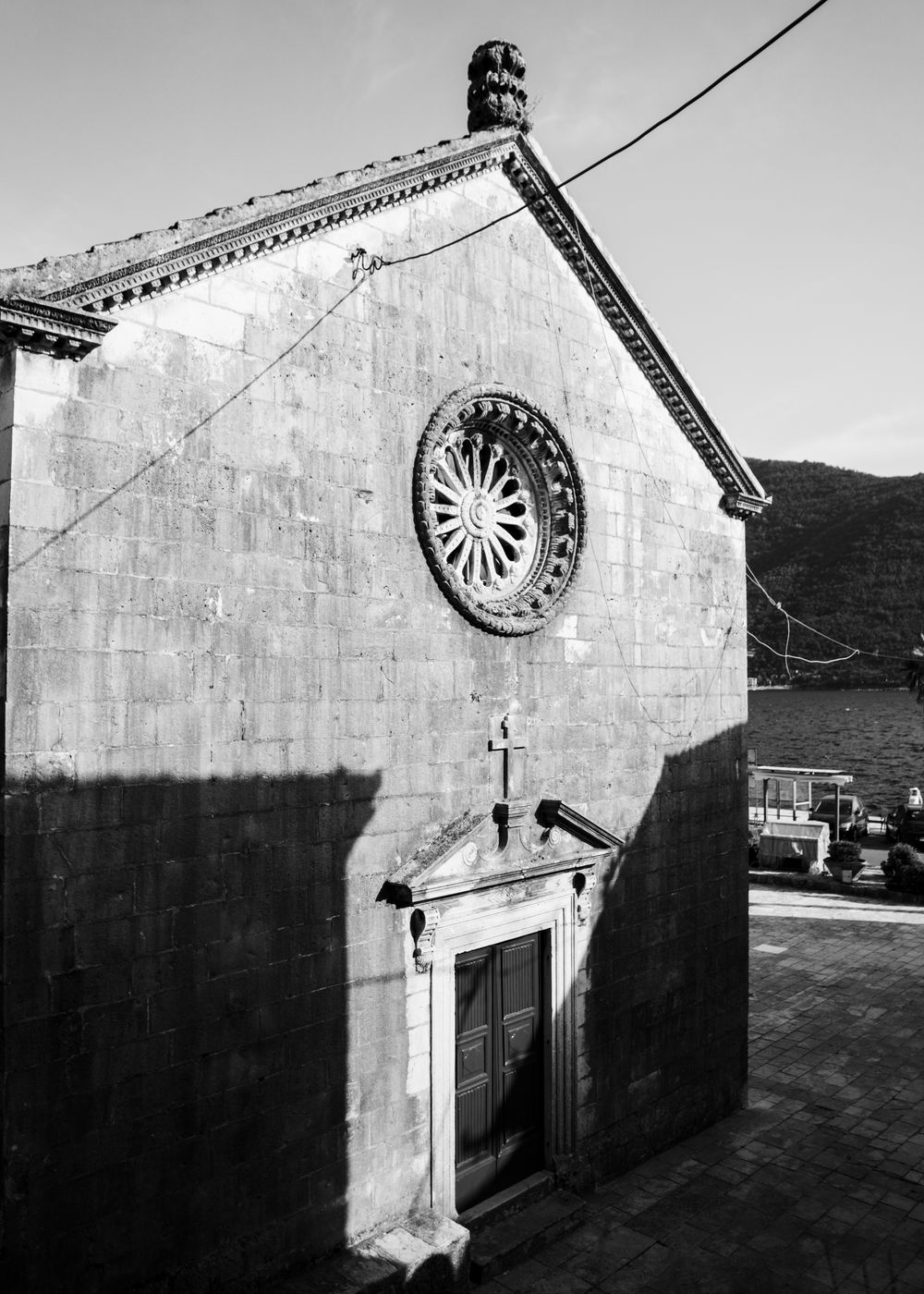
A Baroque parish church built in the 17th century and overlooking Perast's waterfront; notable for its bell tower and views across the Bay…
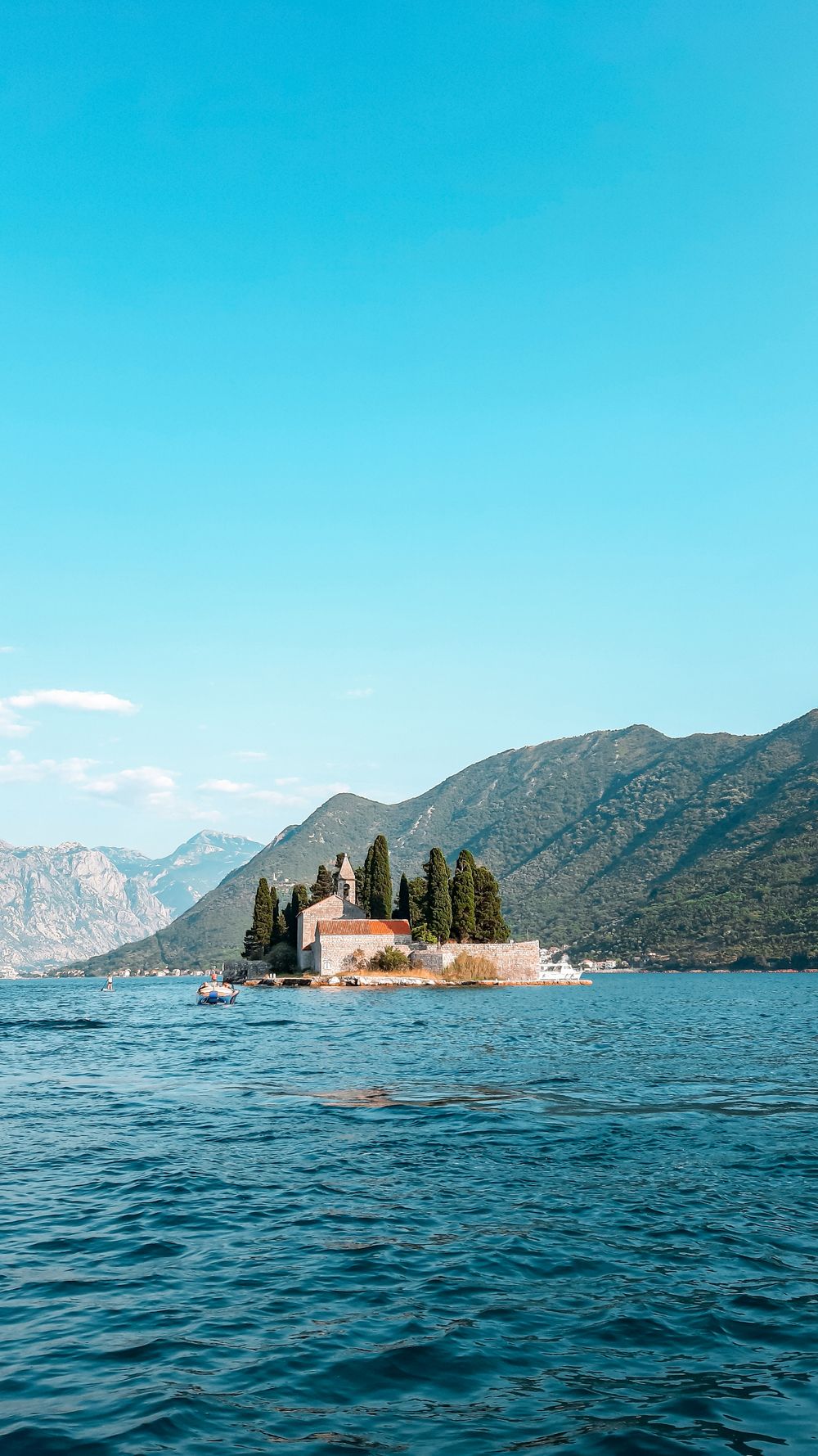
Boats out of Perast pass it on the way to Our Lady of the Rocks. Sveti Đorđe is the natural island of the pair, carrying a Benedictine…
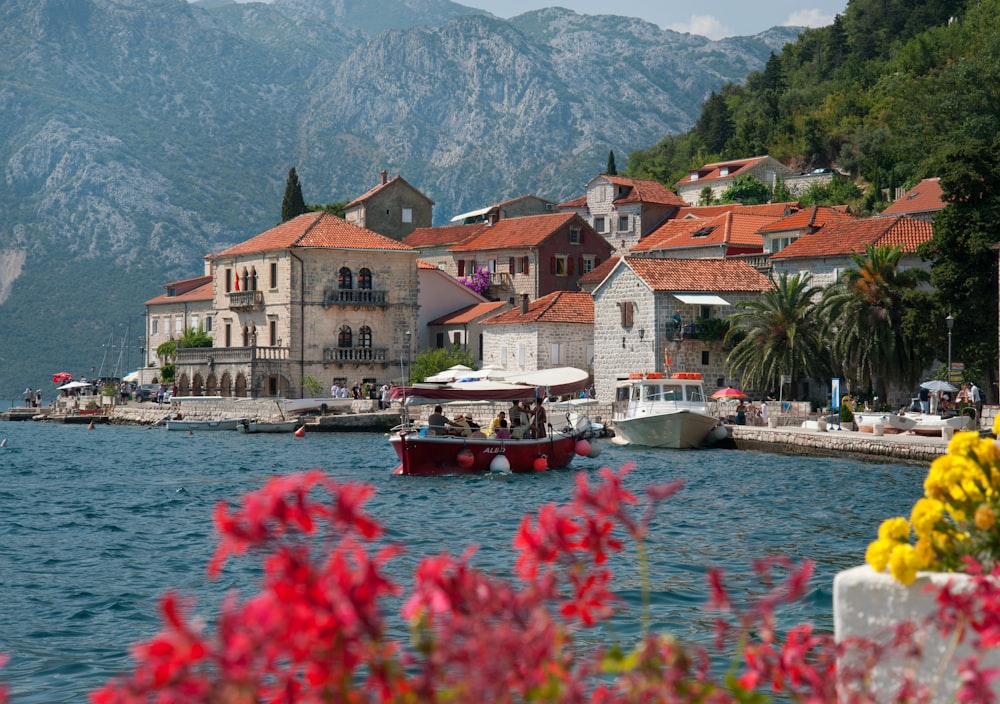
Perast contains some 17 baroque and Renaissance palaces built between the 16th and 18th centuries by wealthy sea captains and merchants.…
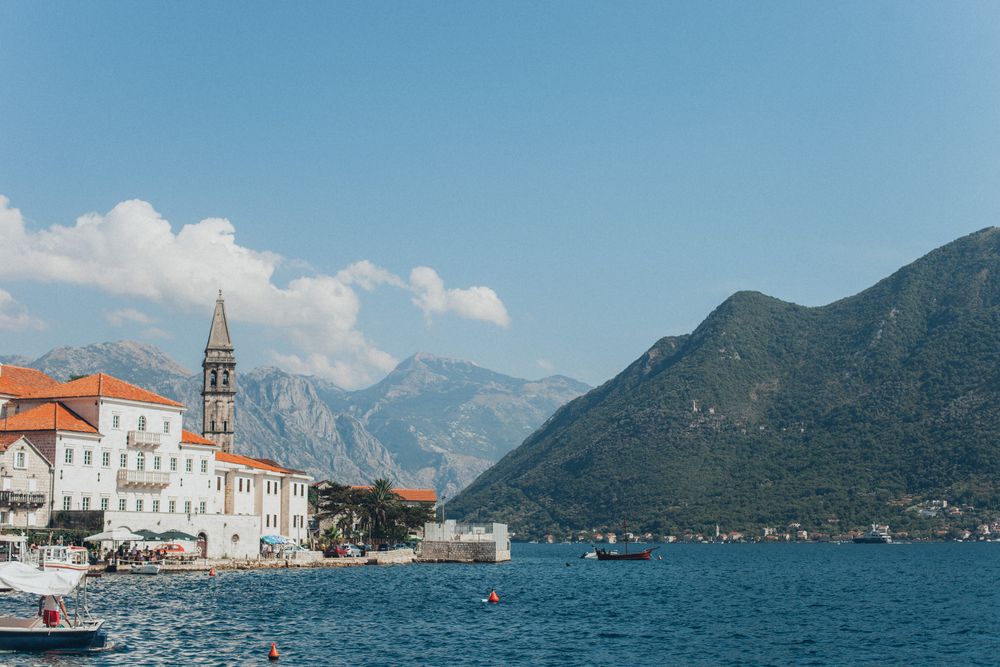
A five-star hotel in a restored 18th-century palace on the Perast waterfront. Breakfast is served in the Panoramic restaurant over the bay,…
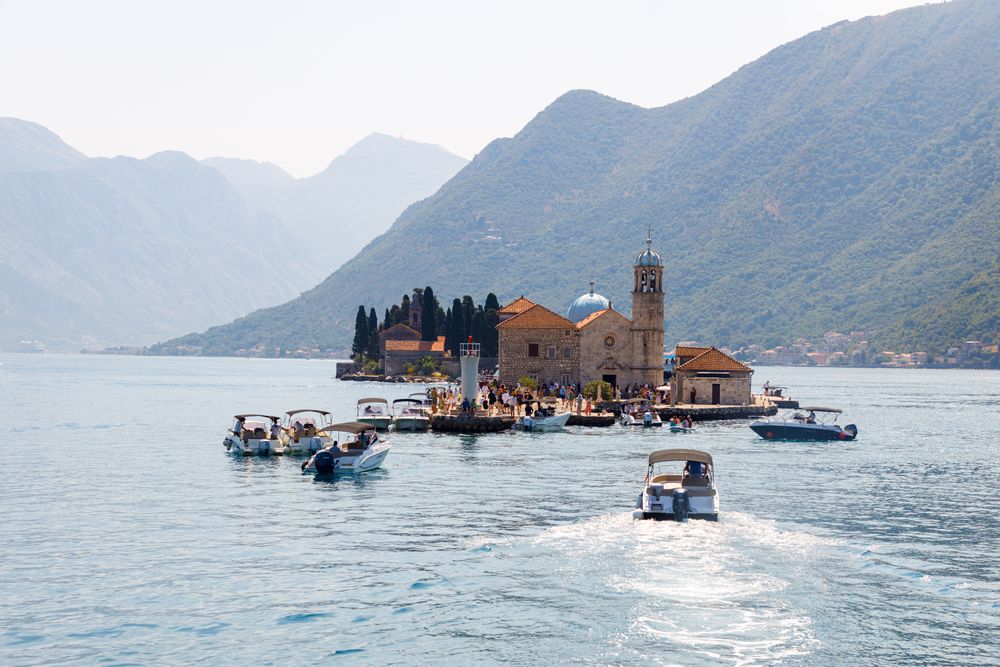
A man-made islet built up from rocks and scuttled ships, holding a church begun in 1630 with ceiling paintings by Tripo Kokolja and a…
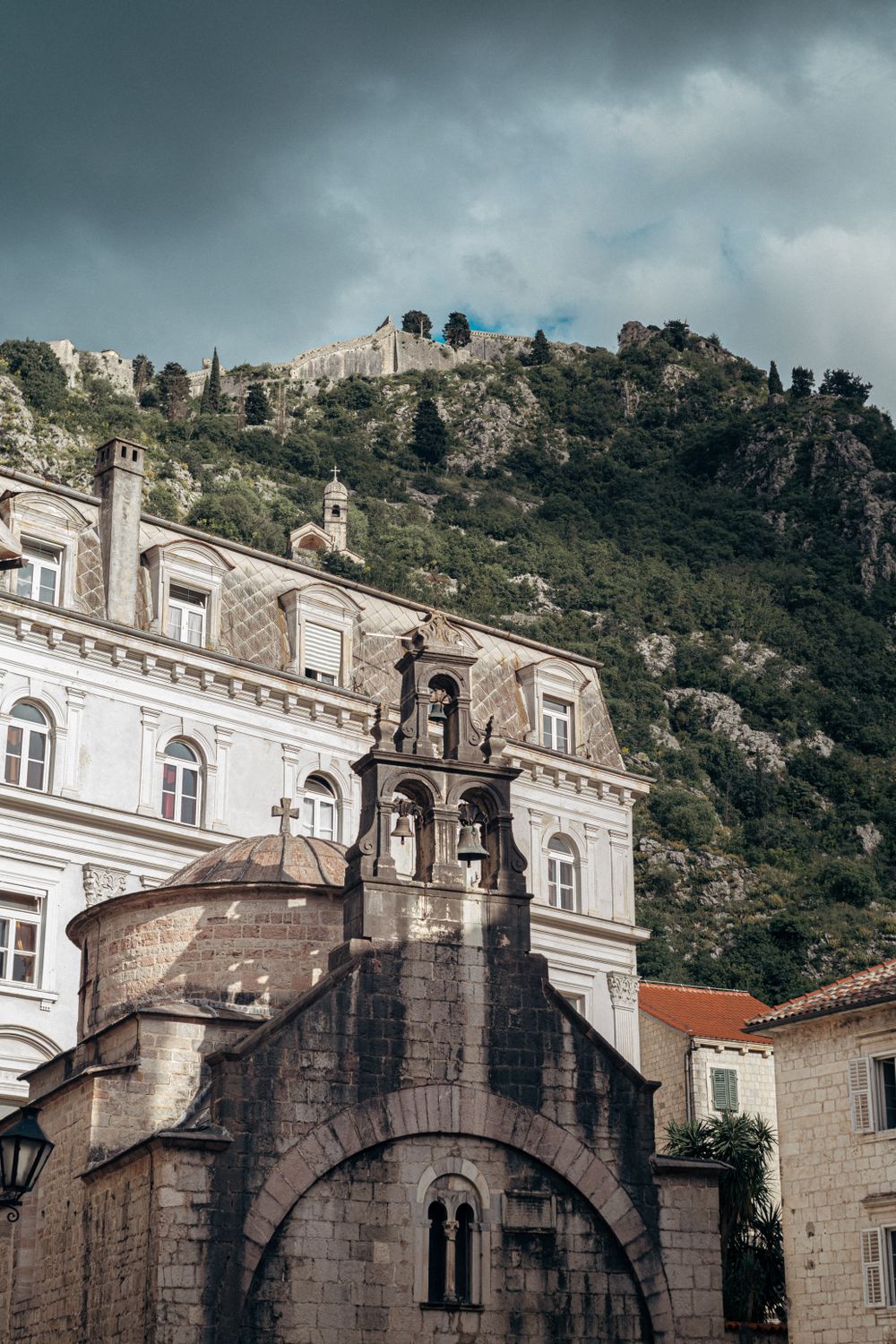
A small Romanesque church on St Luke’s Square in the old town of Kotor, with a dome over a single nave and a floor laid with tomb slabs. It…
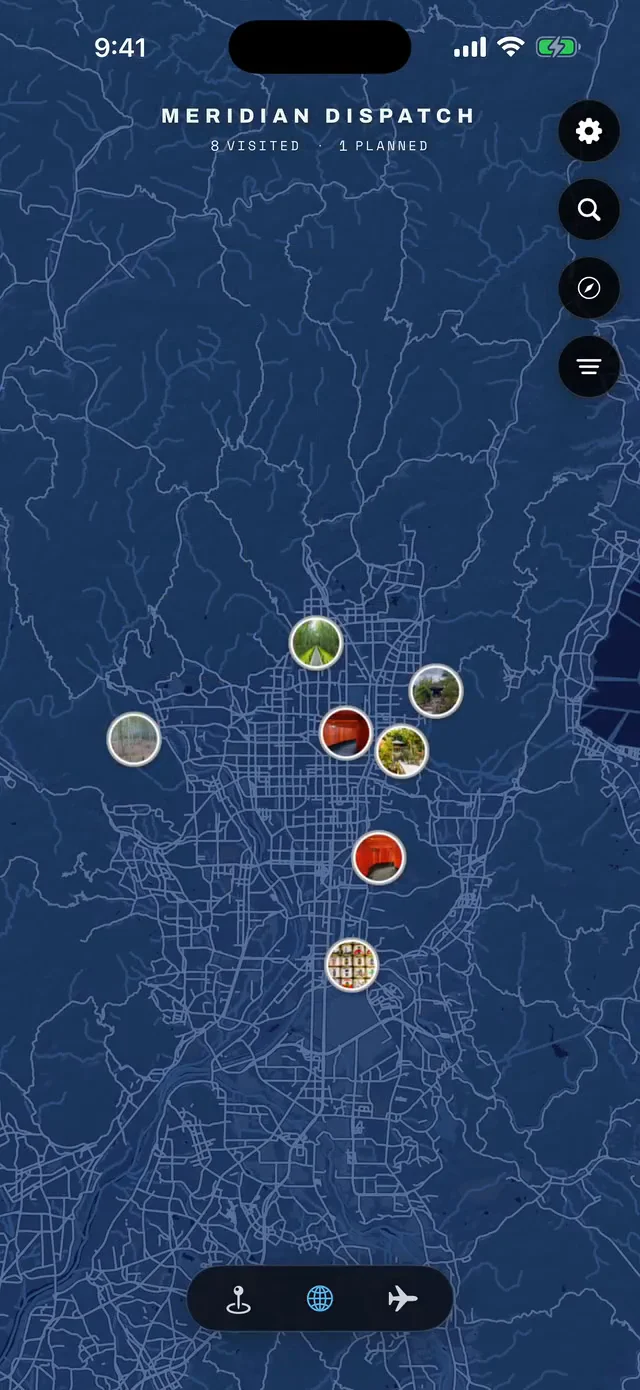



Save Gornja Lastva to your Montenegro trip in the Meridian Dispatch app and build the day around it, with the best of Tivat pinned on one map.
Download on the App StoreLast updated