 Submit a photo
Ninety seconds on Living Desert Snake Park
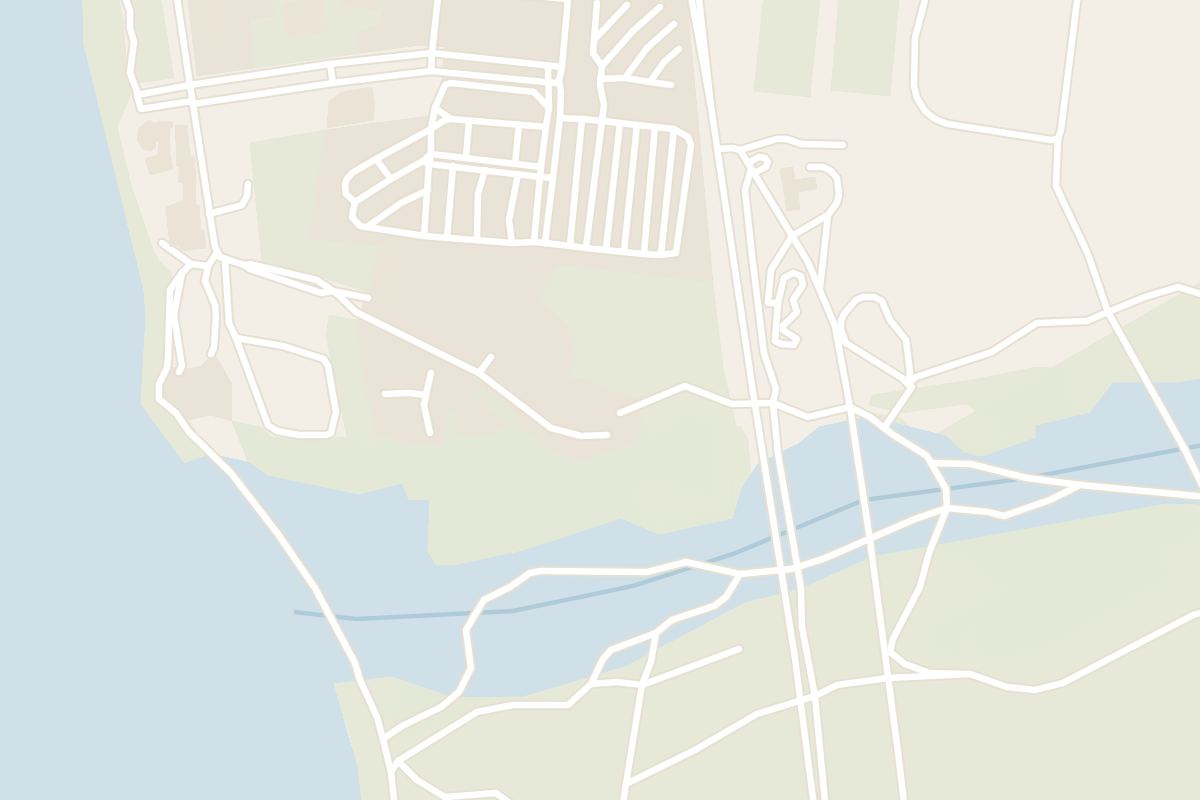
At the Swakopmund Paintball Centre and Adventure Park, on Strand Street South. The park moved there from its old building and reopened on 1 August 2026. The entrance stands at the very end of South Strand Street, with free parking on site.
9am to 5pm on weekdays and Saturdays. Sunday and holiday hours are shorter, 10am until 4pm. Ring the park on +264 64 405 100 before a holiday visit.
On Saturdays, between 10am and 1pm. Watching a meal is the highlight of the park, so a Saturday morning is the visit to aim for when travel dates allow it.
Yes, entry is paid at the park, with separate rates for adults and children. Namibian and SADC residents and school groups can ask for a discount.
Over 60 animals from 40 or more species live there, many found only or mostly in Namibia. The cobra collection takes in Cape, Anchieta's and coral species and three spitting species (zebra, black-necked and Mozambique), alongside black mambas, puff adders, horned adders, the sidewinding Peringuey's adder, boomslang and pythons. Tortoises, terrapins and monitor lizards share the park.
Yes. Every snake is behind glass or under a handler's control, so nothing can reach a visitor. The park hosts and teaches thousands of schoolchildren a year, alongside locals and tourists.
Standing within reach of some of the deadliest snakes in Namibia, with only glass between you, is why you give this small Swakopmund reptile park an hour.
The park is a small reptile centre that has been running in Swakopmund for three decades. It keeps more than 60 animals of at least 40 species, venomous and harmless, in glass tanks, along with monitor lizards, tortoises and terrapins. Its main job is teaching visitors, Namibians and tourists alike, about the snakes of Namibia.
The draw is seeing the dangerous ones up close. A black mamba, a Cape cobra, a horned viper, a Cape file snake and a sand racer are among the snakes you can stand right beside, with the glass between you.
Every reptile here was rescued from a conflict with people, and those too injured to survive in the wild stay for good. Some of the snakes and lizards, exotic species among them, were dumped at the park by unknown owners. It is also an important educational stop for schools from across Namibia.
From the entrance, the visit is a slow walk past the glass tanks, snake by snake, with the lizards and tortoises along the way. Allow about an hour.
Handling is not allowed. Only a licensed wildlife agent may catch, move or handle the snakes, so everything you see is through the glass.
Saturday is feeding day, between 10am and 1pm, and a feeding is the best time to watch. On other days the park opens from 9am to 5pm, and from 10am to 4pm on Sundays and public holidays.
Ask questions as you go. The owner is friendly and knows the collection well, and a few questions turn a row of tanks into a lesson on which Namibian snakes are dangerous.
On a misty day, pair it with the Swakopmund Museum on the seafront, whose natural history hall sets mounted Namibian animals, from a rhino to a brown hyena, beside the minerals. If your trip goes on into the desert, the snake park is the place to learn what the local snakes look like before you meet one.
Explore the rest of Swakopmund
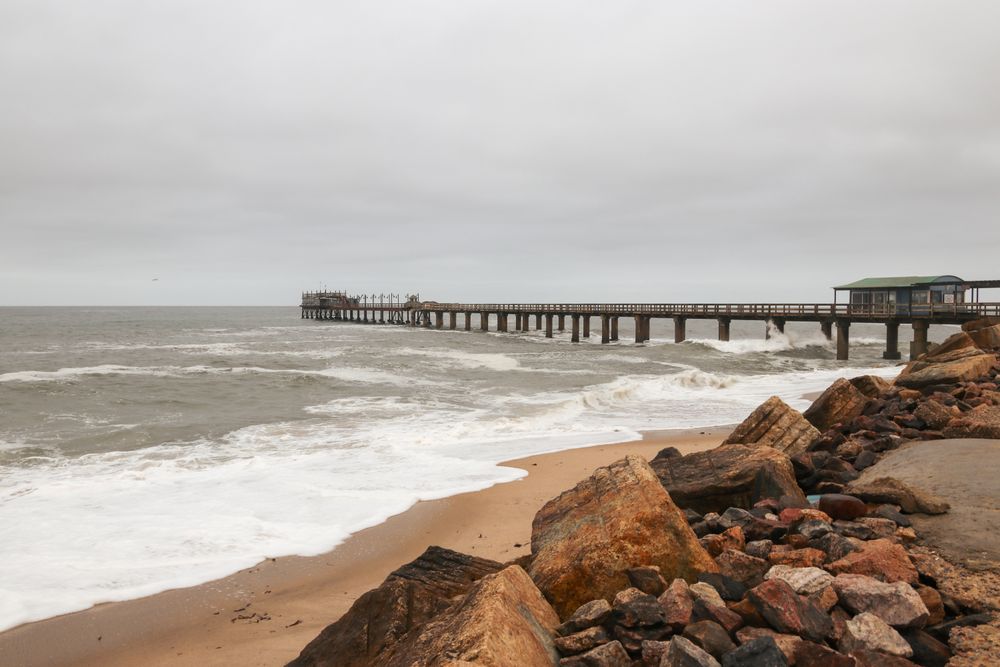
German colonial streets run down to a cold Atlantic here, and the town has served as Namibia's holiday coast since the railway reached it.…
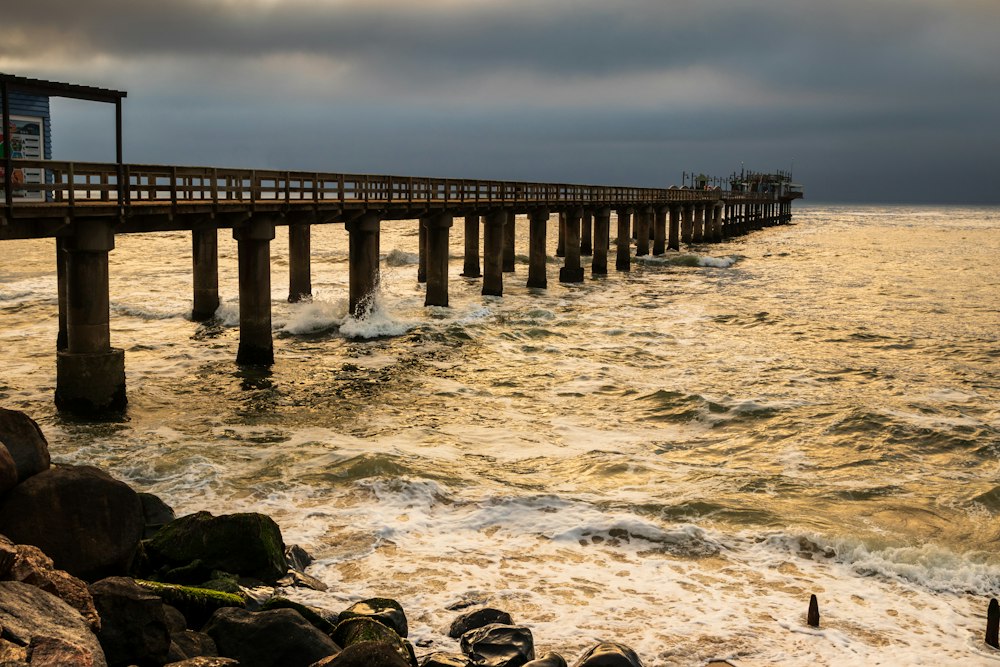
Iron and concrete replaced the first wooden pier in 1912, and the jetty now runs out over the surf with a restaurant at its seaward end.…
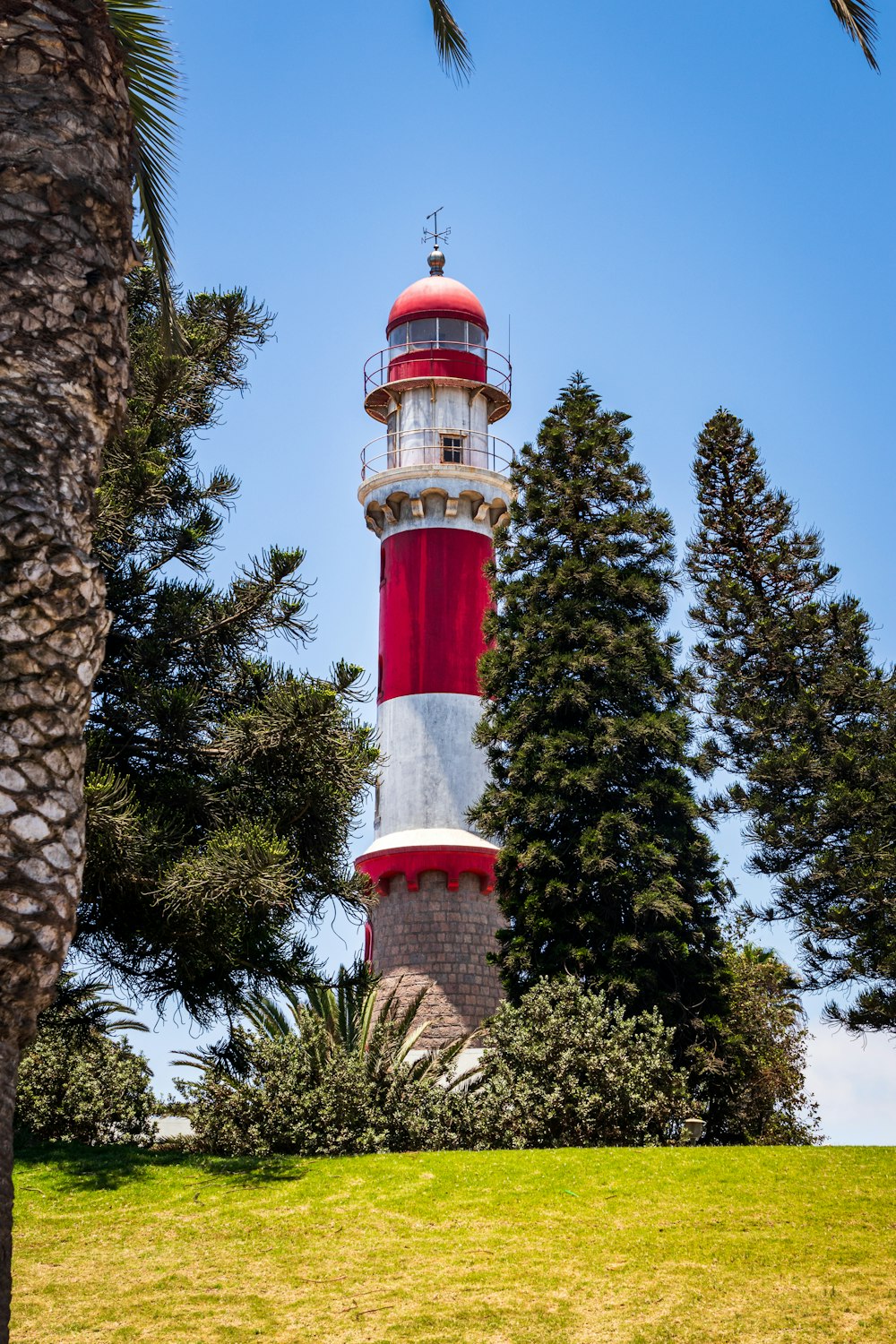
Red and white bands and a red lantern make this conical tower the landmark of the Swakopmund seafront, seen above the low roofs from most…
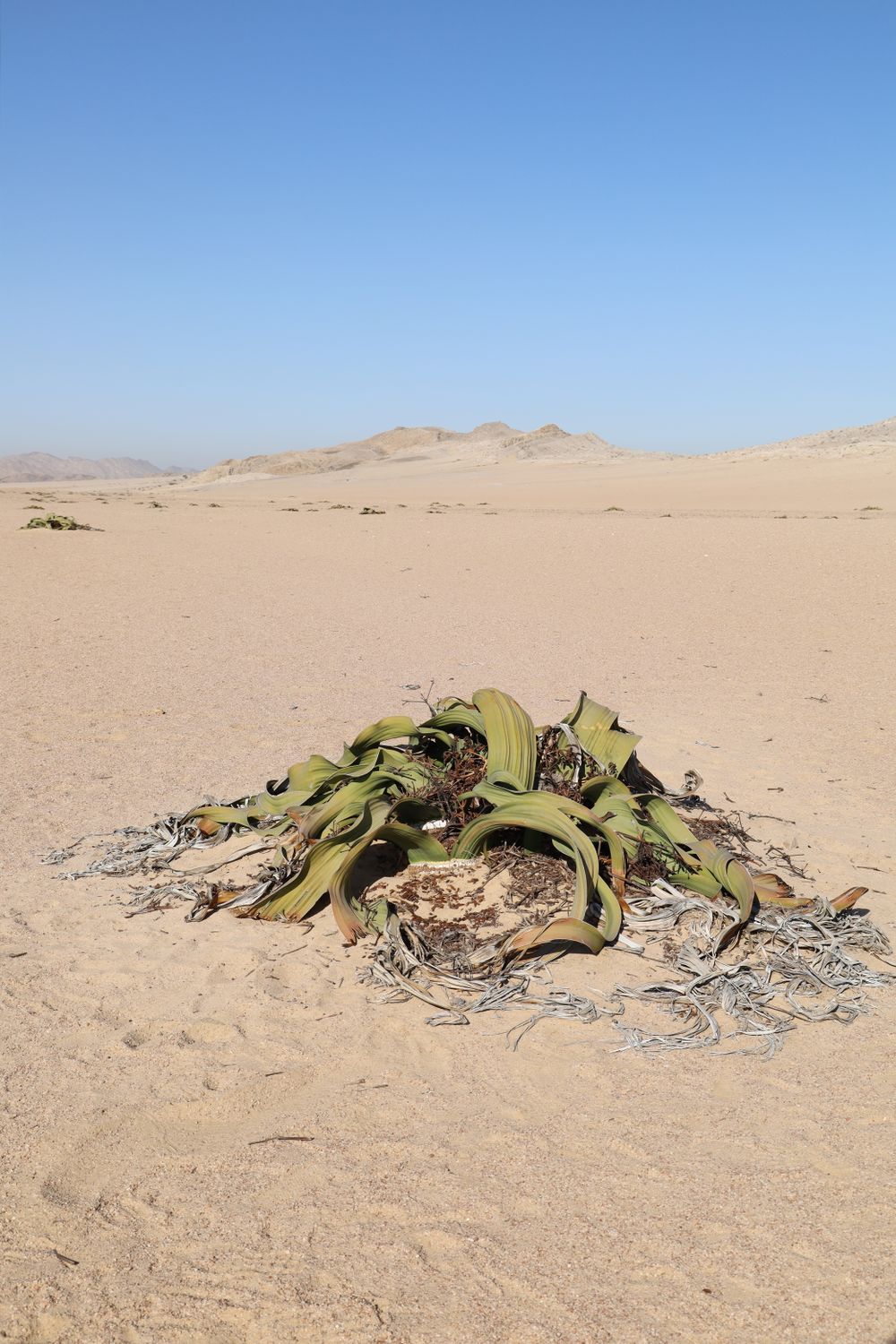
A marked gravel route east of Swakopmund into the Namib-Naukluft, with numbered beacons past lichen plains, the Moon Landscape and a black…
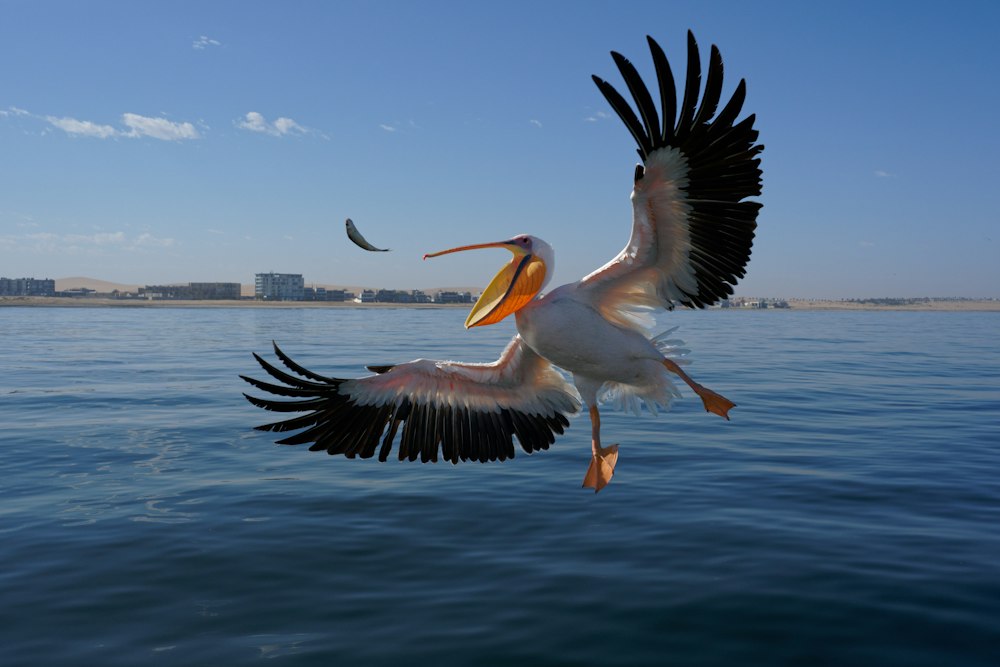
Namibia's deep water port works at one end of this town and a Ramsar wetland at the other. South Africa held the enclave until 1994, four…
Housed in the old customs building at the Mole, Namibia's largest private museum covers the country's plants, animals and minerals, its…
A long sand spit shelters Walvis Bay and ends at a black-and-white lighthouse, with a Cape fur seal colony of tens of thousands spread near…
Man-made pools beside the C14 at the edge of Walvis Bay, one part of a wetland that also takes in the lagoon and the salt works. Flamingos,…
Last updated