 Submit a photo
Ninety seconds on Swakopmund Lighthouse
It rises over the seafront in the middle of Swakopmund, beside the Mole. At 25.6 metres it is one of the tallest and most visible buildings in town, so it can be spotted from almost any street in the centre.
On foot from most of the centre: Swakopmund is a small town and the walk is short. Drivers can park on Ludwig Koch Street, which runs just below the tower.
Yes. The light has worked automatically since 1956 and its beam reaches 33 km out to sea. Fog rolls in often on this coast, which keeps the tower useful to passing ships, trawlers and sailing boats.
From the Mole. Seen from the beach there, the tower rises above the waterfront and fits into a single frame, and the shot works best in clear weather before the fog comes in.
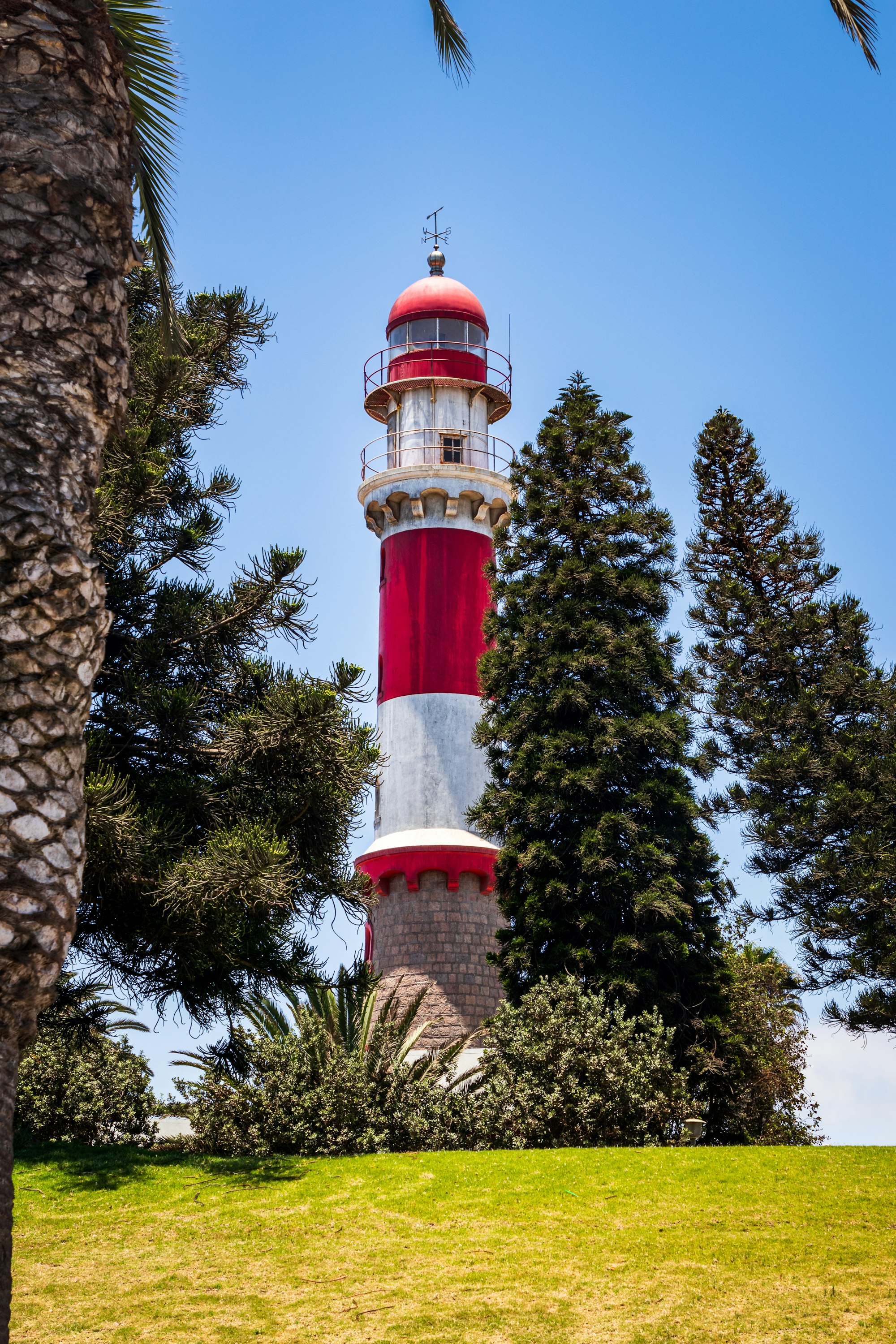
The red and white tower you can see above the low roofs from most of Swakopmund is a working lighthouse, still guiding ships through the coastal fog. It is the easiest landmark in town to find, and a good place to start a walk.
The tower is conical, banded red and white and capped by a red lantern, and it stands well above every other building in town. That height is why you can find it from almost any street. It is also among the most photographed sights in Swakopmund, on postcards and in local art.
It went up in stone in 1902, and the staff quarters beside it date from the same year; the top ten metres were added in 1910. Look up at the lantern for the light itself: several glass lenses set upright, side by side in a circle. Its beam carries 33 km out to sea and has run automatically since 1956.
Walk to it through the centre and look at the tower from the base, with the old staff quarters beside it. Then cross to the Mole: from the beach there you get the whole tower in one frame, and the photographs are best.
Plan it as a view from outside, then use the lighthouse as the start of a town walk that runs on along the seafront. Leave time at the end for the craft market near the lighthouse. It carries pieces that are hard to find elsewhere in Namibia.
Pair it with the Swakopmund Museum, which stands between the lighthouse and the sea. End at the Swakopmund Jetty, where the town gathers at sunset.
Save your photographs for a clear spell. On a grey morning the fog can hide the lantern completely, and in winter it can drop the temperature below 10°C, so carry a warm layer if you plan to walk on along the seafront.
If fog hides the lantern, pair the walk with the Living Desert Snake Park, an indoor stop where every snake is kept behind glass.
Explore the rest of Swakopmund
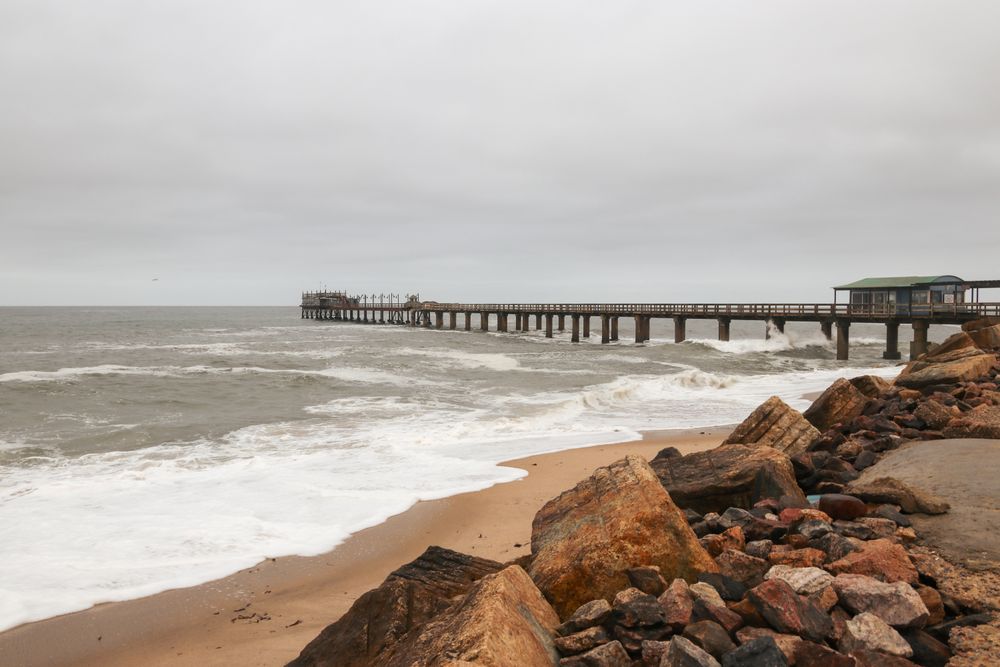
German colonial streets run down to a cold Atlantic here, and the town has served as Namibia's holiday coast since the railway reached it.…
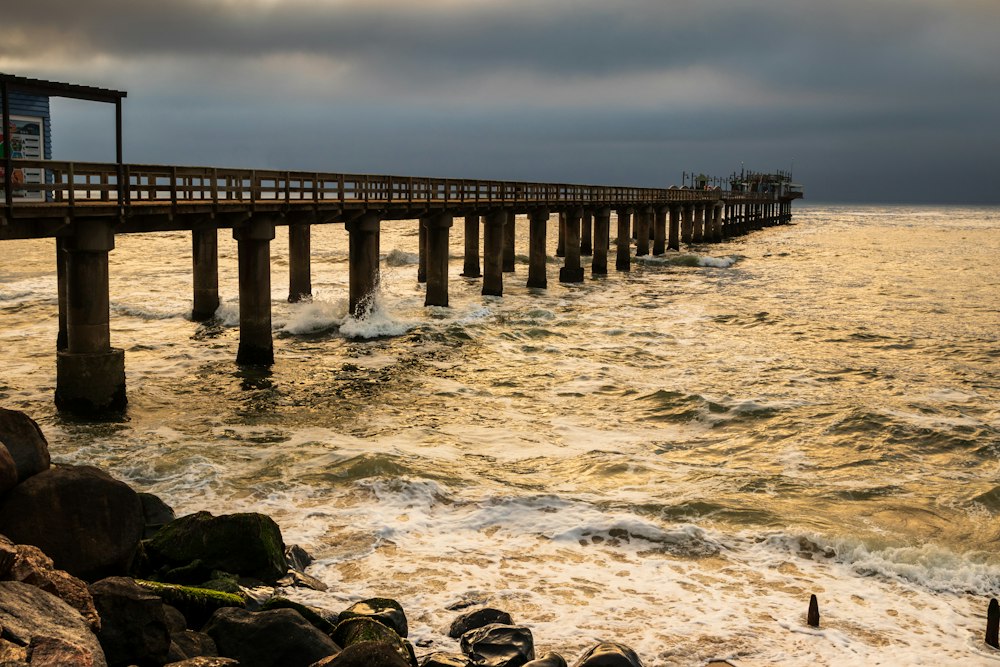
Iron and concrete replaced the first wooden pier in 1912, and the jetty now runs out over the surf with a restaurant at its seaward end.…
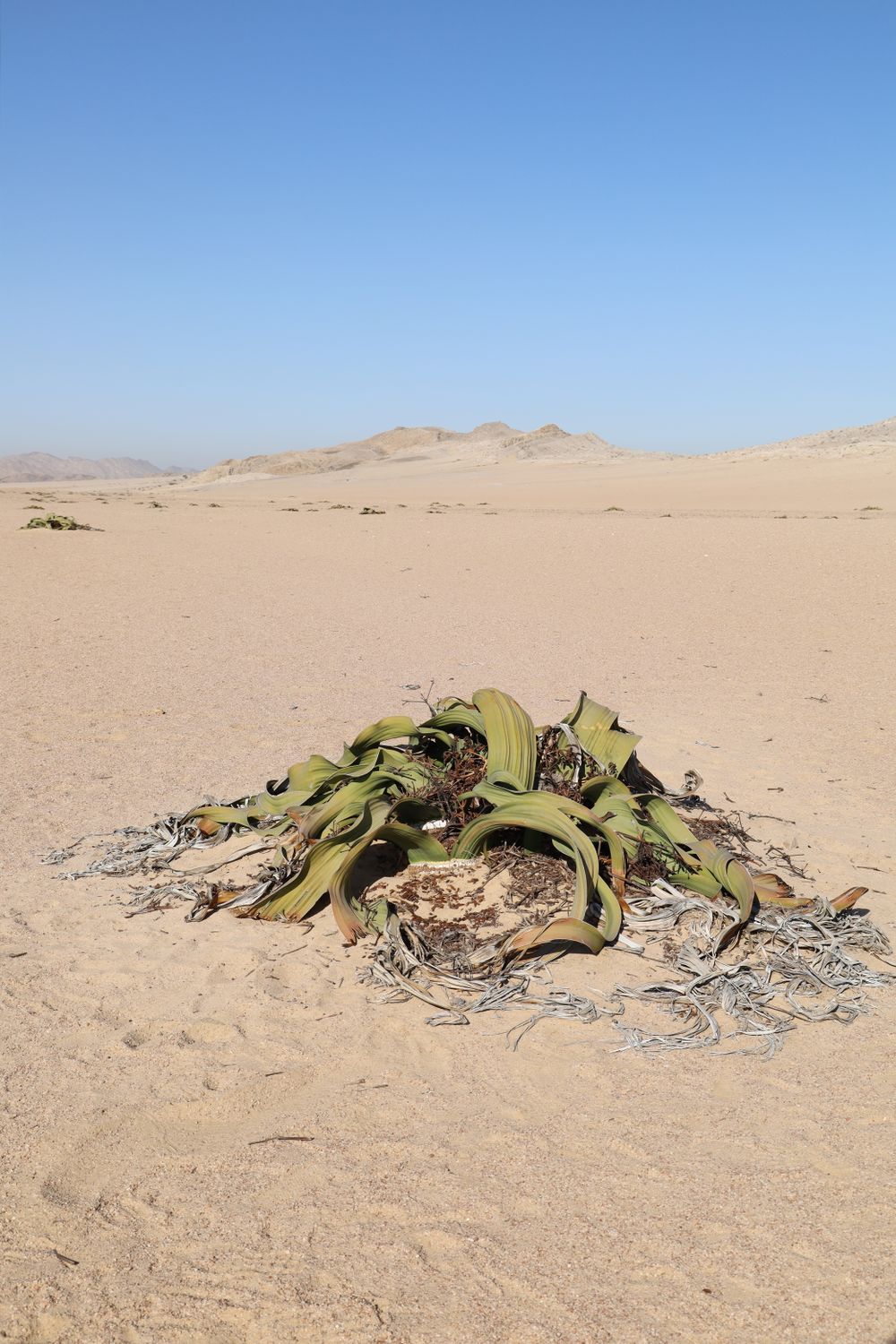
A marked gravel route east of Swakopmund into the Namib-Naukluft, with numbered beacons past lichen plains, the Moon Landscape and a black…
Namibia's deep water port works at one end of this town and a Ramsar wetland at the other. South Africa held the enclave until 1994, four…
Housed in the old customs building at the Mole, Namibia's largest private museum covers the country's plants, animals and minerals, its…
A small reptile centre in Swakopmund, running for three decades, with more than 60 animals of at least 40 species behind glass, among them…
A long sand spit shelters Walvis Bay and ends at a black-and-white lighthouse, with a Cape fur seal colony of tens of thousands spread near…
Man-made pools beside the C14 at the edge of Walvis Bay, one part of a wetland that also takes in the lagoon and the salt works. Flamingos,…
Last updated