Things to do
7-
Catedral de Cajamarca
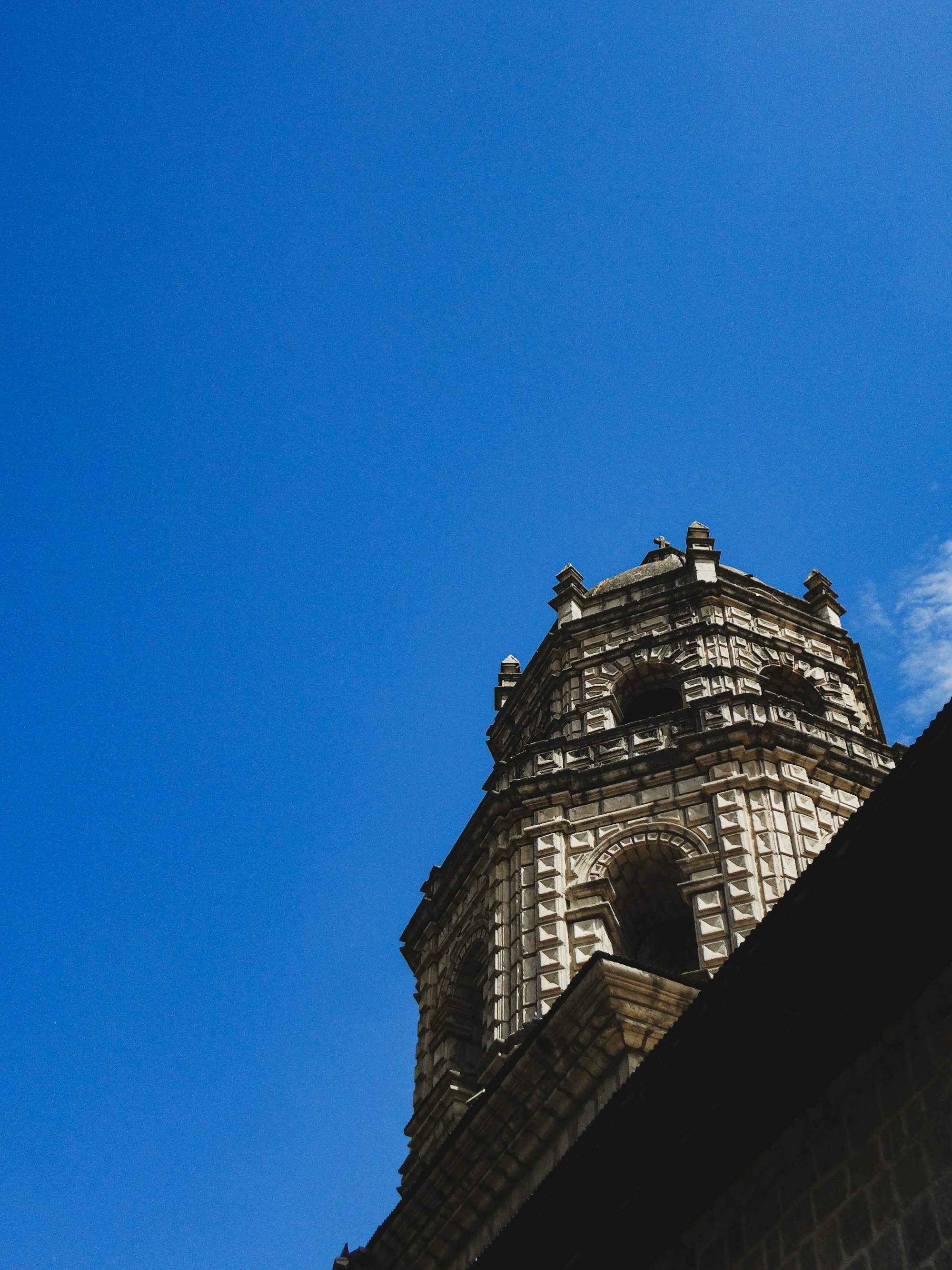
The cathedral on the main square, worked in the same white volcanic rock as the rest of the centre and covered in carving that was never finished. It has no bell tower, since the colonial crown taxed completed churches and the city declined to finish this one.
-
Baños del Inca
The thermal springs six kilometres east of the city, where Atahualpa was camped with his army when Pizarro arrived. The water leaves the ground at close to boiling and is cooled into private tiled tubs, which is how the town has used it for five centuries.
-
Cerro Santa Apolonia
The hill on the southern edge of the centre, climbed by a stone stair from the main square and topped by carved rock the Inca used, including the seat known as Atahualpa's throne. The whole valley and the grid of the old town lie below it.
-
Conjunto monumental de Belén
A church, hospital and orphanage worked in carved volcanic stone through the seventeenth and eighteenth centuries, now the city's museum complex. The church interior is the best baroque work in the northern highlands, and the old women's hospital keeps its rows of stone sleeping alcoves.
-
Cuarto del Rescate
The stone room where Atahualpa was held after his capture in 1532, and where he offered to fill the space with gold and silver for his release. It is the only Inca building left standing in the city, and the ransom line is still marked on the wall.
-
Cumbemayo
A stone aqueduct cut into bedrock around 1500 BC, running nine kilometres along a hillside at 3,500 metres and still carrying water in places. It passes through a field of eroded volcanic pillars known locally as the friars, and petroglyphs are cut along the channel.
-
Ventanillas de Otuzco
A cliff face cut with hundreds of small square niches, funerary chambers of the pre Inca Cajamarca culture worked into soft volcanic rock. From the road below the pattern reads as rows of windows, which is what the Spanish name records.