 Submit a photo
Ninety seconds on Carpaccio Square
Yes, Carpaccio Square is an open public square and costs nothing to enter. The tourist board lists free concerts in the Taverna on Mondays in summer, so a free evening of music is possible, though the programme changes from year to year.
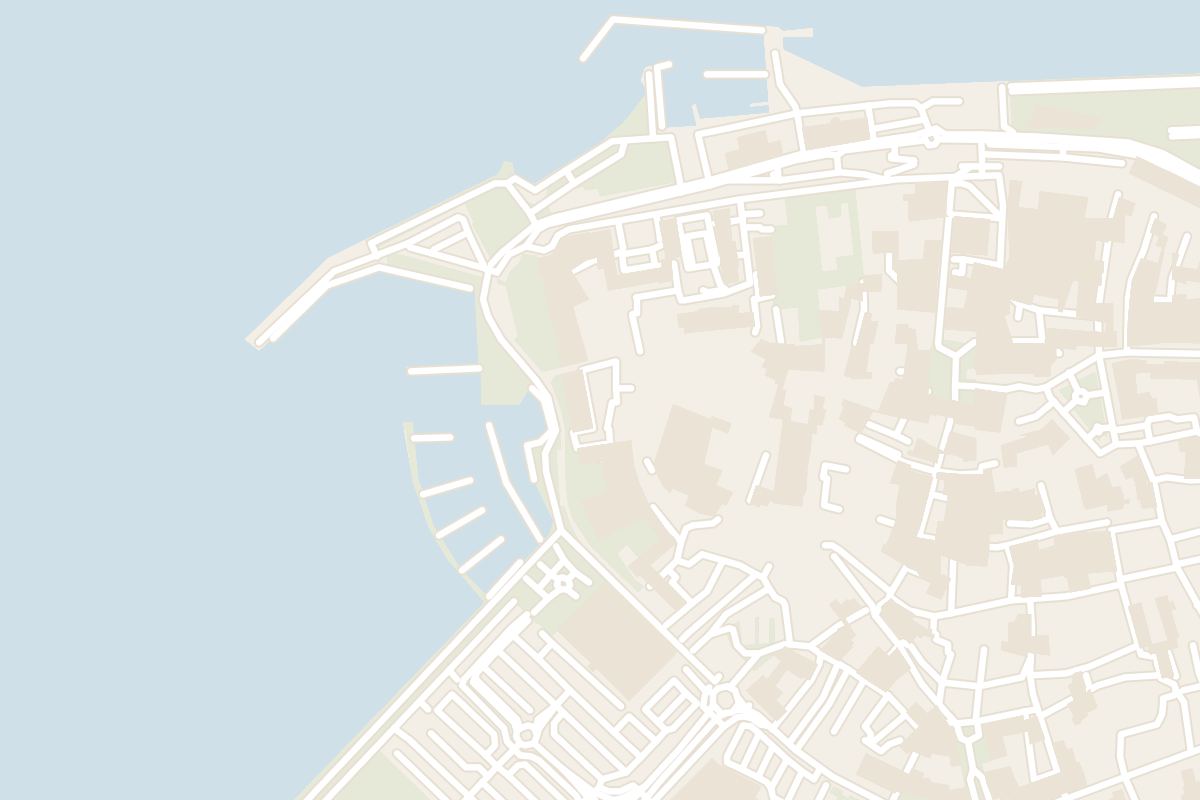
Koper's railway and bus stations stand side by side about 1 km south of the centre. From there, the walk north through the old-town lanes ends at the square, which sits on the western edge of the old town beside the water.
The Taverna stages concerts, shows, dancing, singing and culinary events throughout the year. The hall holds up to 800 people and is among the most popular venues in Koper in summer, when events spill out under the round arches.
The Carpaccio House at number 6 holds an interactive digital exhibition on Vittore Carpaccio, opened by the Koper Regional Museum, which manages the building and the nearby Ethnological Collection.
Spring and autumn evenings bring pleasant weather and low crowds on the square. Summer is livelier, with cultural events held under the round arches and medium crowds during local events, so the choice depends on the atmosphere wanted.
Come at dusk, cross the square and walk round the old salt warehouse to the water, where you can watch the sun drop into the sea and the lights of the port come on.
Three things stand on this small square, and you can see all of them from its centre. The column of St Justina rises in the middle, a memorial to Koper's part in a Venetian victory at sea in 1571. The long building filling much of the western edge is the Taverna.
The Taverna was a Venetian salt warehouse built into the town wall, and it is now Koper's event hall. Inside, a stone water basin and a Venetian lion watch over the guests at its concerts and dinners.
The third is the Carpaccio House at number 6, a two-storey Venetian-Gothic house and one of the oldest buildings in Koper. The square is named for the Venetian painter Vittore Carpaccio, whose family lived in the house.
One slow lap covers the square. Walk in through the narrow lanes of the old town, stop at the column in the middle, then cross to the Carpaccio House at number 6. Inside the house is an interactive digital exhibition, run by the Regional Museum of Koper.
The Taverna hides most of the sea from the square, so walk round it to the promenade on the far side. From there you can follow the water past the little port to the market, or head the other way along the coast towards Izola.
On a summer night, stay for whatever is on under the arches: concerts, plays and even dance lessons.
For a summer evening with music, look up the Taverna's events listing before you go, since the programme changes from one evening to the next.
Morning light is softer for photographs. If the old town was hot, follow the promenade from the Taverna and swim in the Adriatic.
Explore the rest of Koper
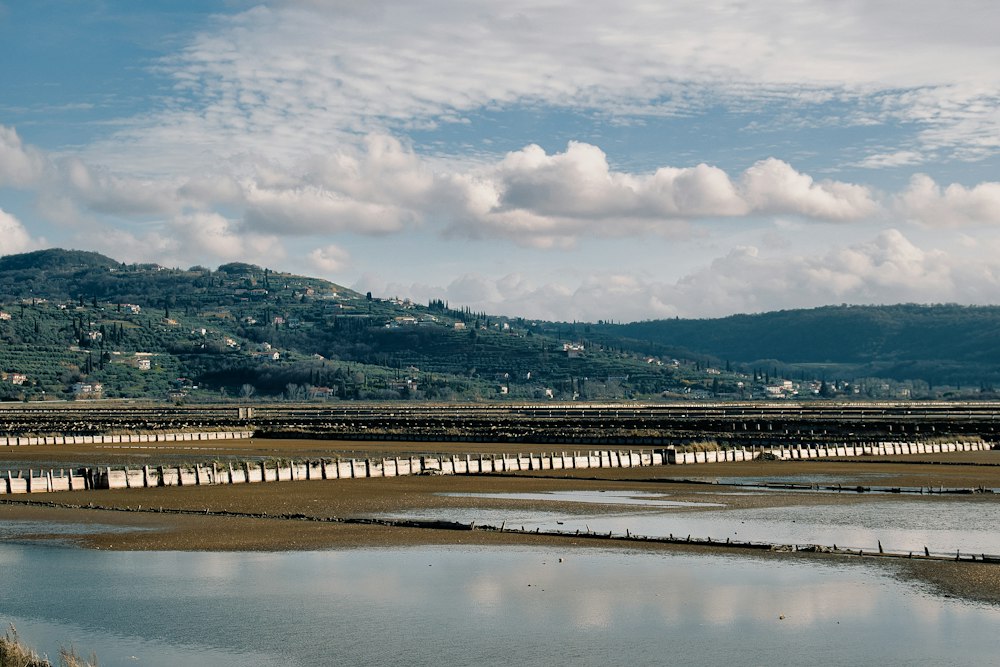
Salt is still raked by hand at Lera, on a thin microbial mat tended on the pan floor with wooden tools. The park south of Portorož also…
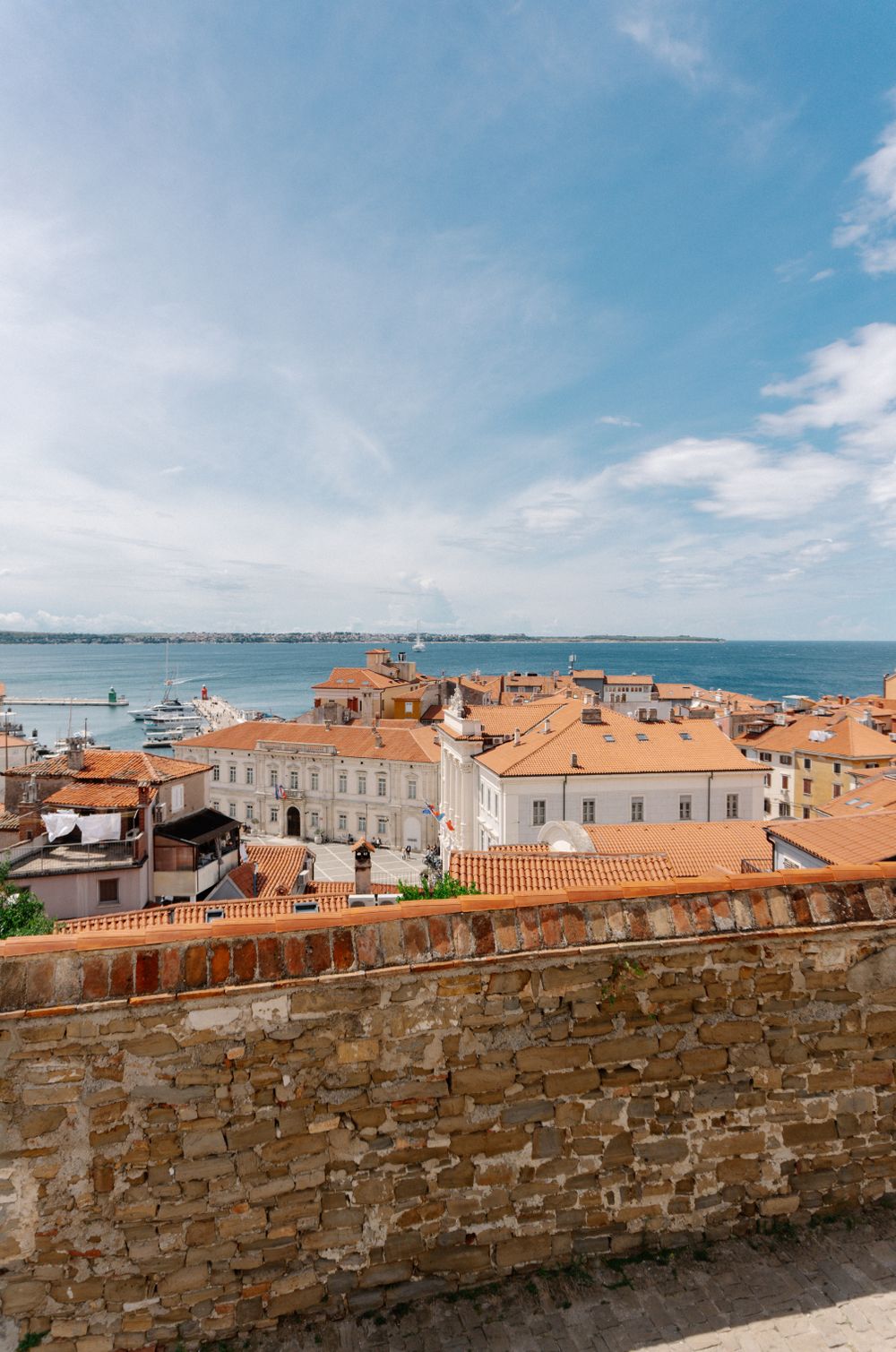
The longest surviving stretch of Piran's town walls climbs the slope of Mogoron Hill above the old town. A ticketed walk along it takes in…
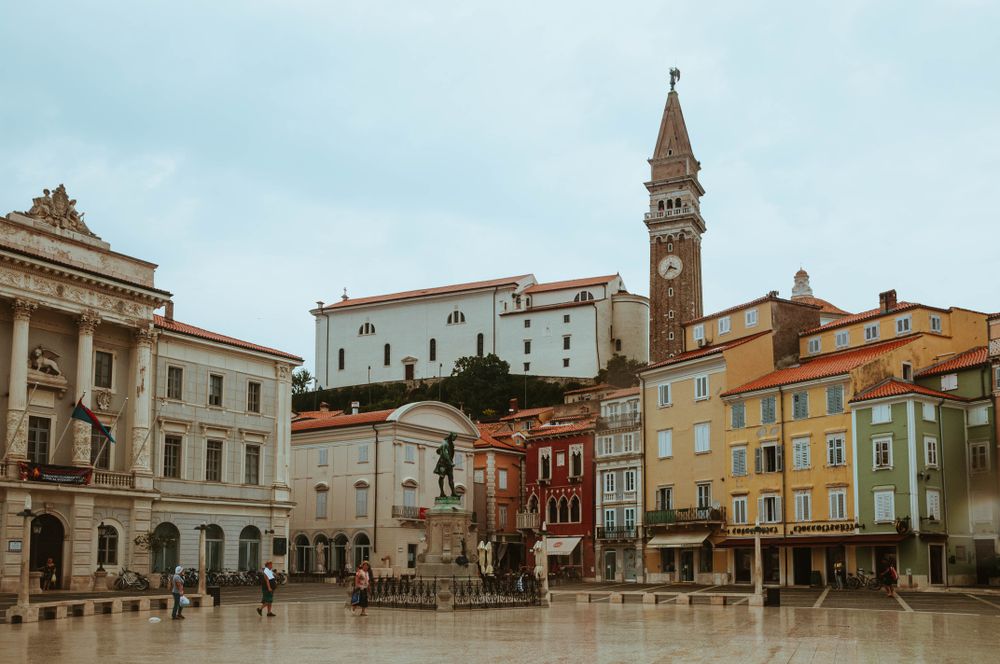
Facing the statue on Tartini Square, the house where the violinist Giuseppe Tartini was born keeps a memorial room with his violin, his…
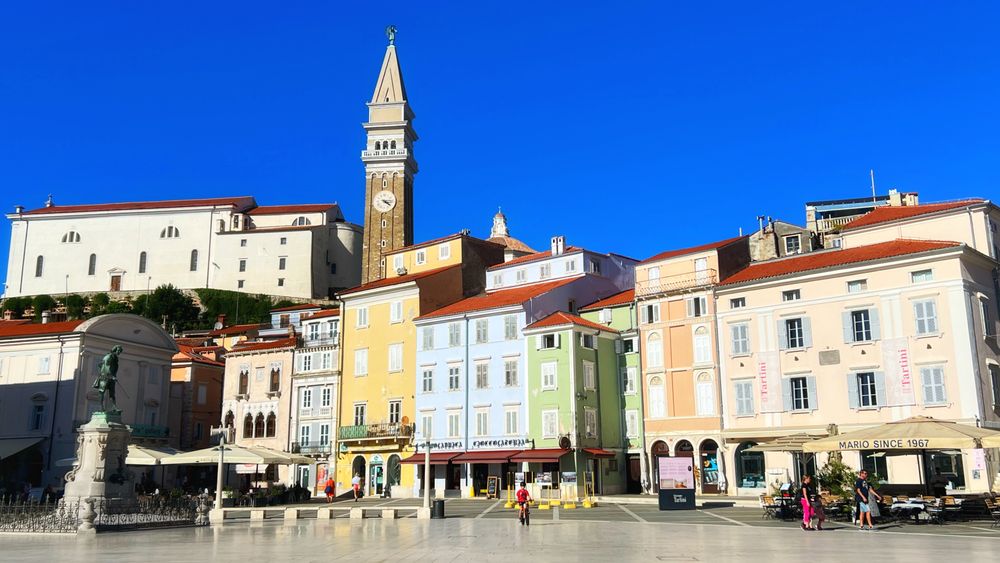
An oval of white Istrian stone in the centre of Piran, ringed with café terraces. A bronze statue of the violinist Giuseppe Tartini stands…
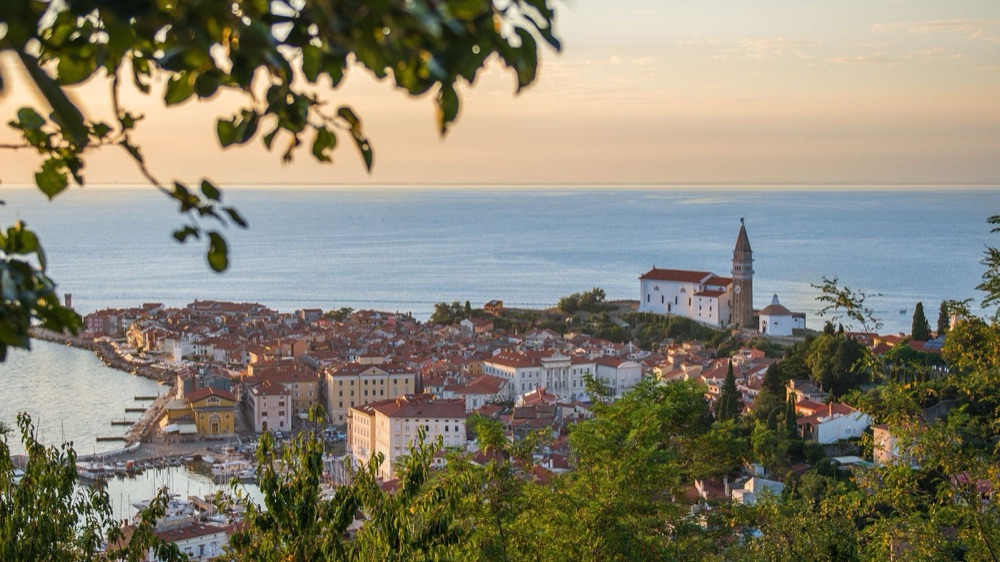
The old Venetian town fills a narrow peninsula at the tip of Slovenia's short Adriatic coast. It serves as the base for the salt pans at…
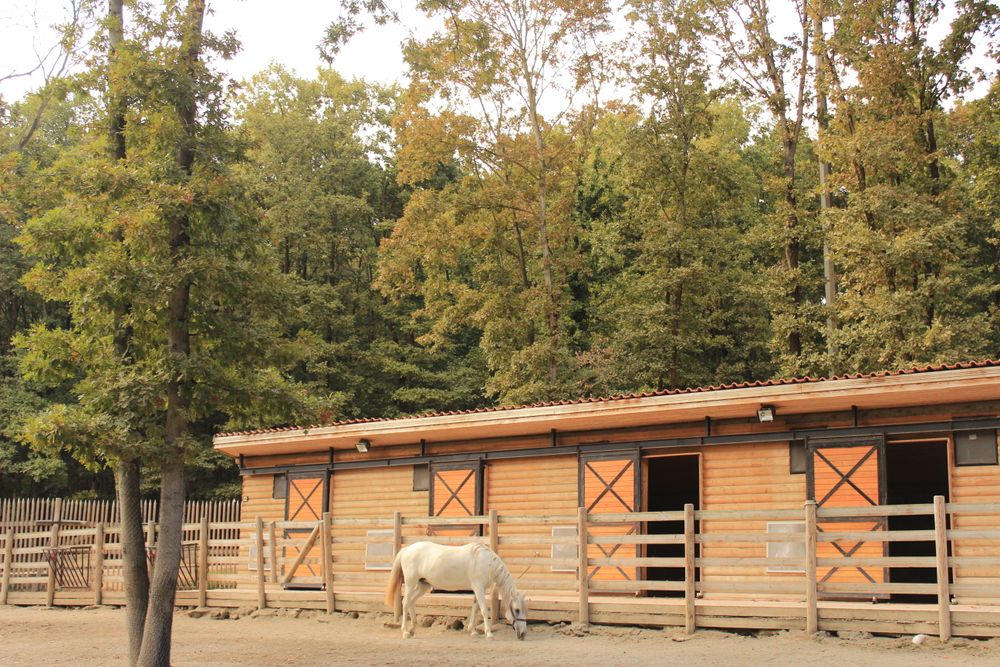
Lipica Stud Farm, founded by Archduke Charles of Austria in 1580, is the cradle of the Lipizzaner horse, on 311 hectares of Karst…
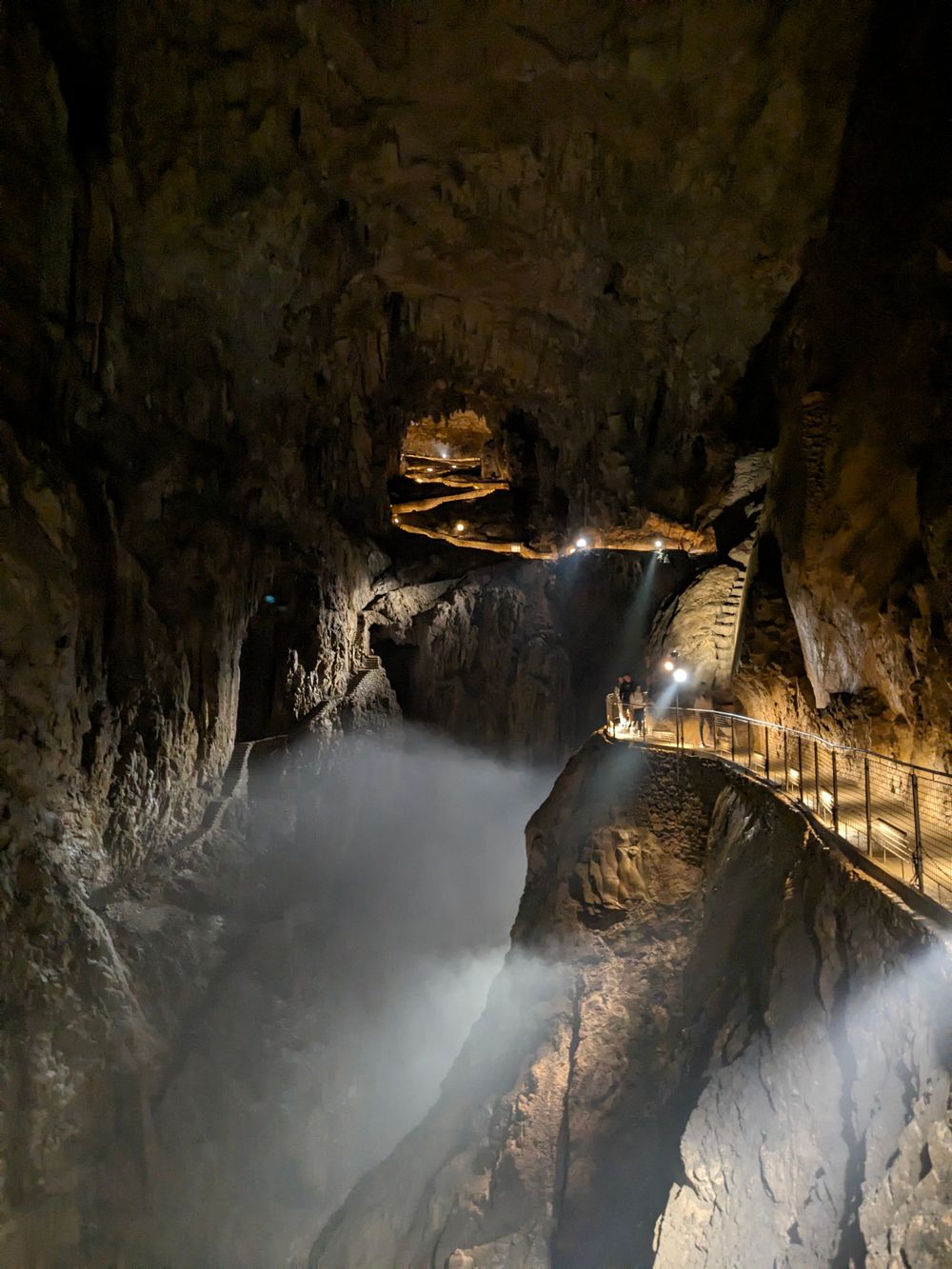
The Reka river disappears underground at Škocjan Caves and flows on out of sight for 34 kilometres, crossed inside the cave by the…
The largest museum in Slovenian Istria fills the Belgramoni Tacco Palace, an early seventeenth-century palace on Kidričeva Street in the…
The official pages this guide was checked against.
Last updated