 Submit a photo
Ninety seconds on Regional Museum of Koper
As of 2026, the museum is open Tuesday to Sunday from 9:00 to 12:30 and from 13:00 to 17:00. It is closed on Mondays, on 1 January, 1 May, 1 November and 25 December.
Entry is free on the first Sunday of each month from November to April. On all other days the museum is ticketed, so a ticket is needed to enter the palace rooms.
Most visitors spend about 45 minutes in the main rooms. The garden lapidarium adds a little more, so a slow visit with the mural takes most of an hour.
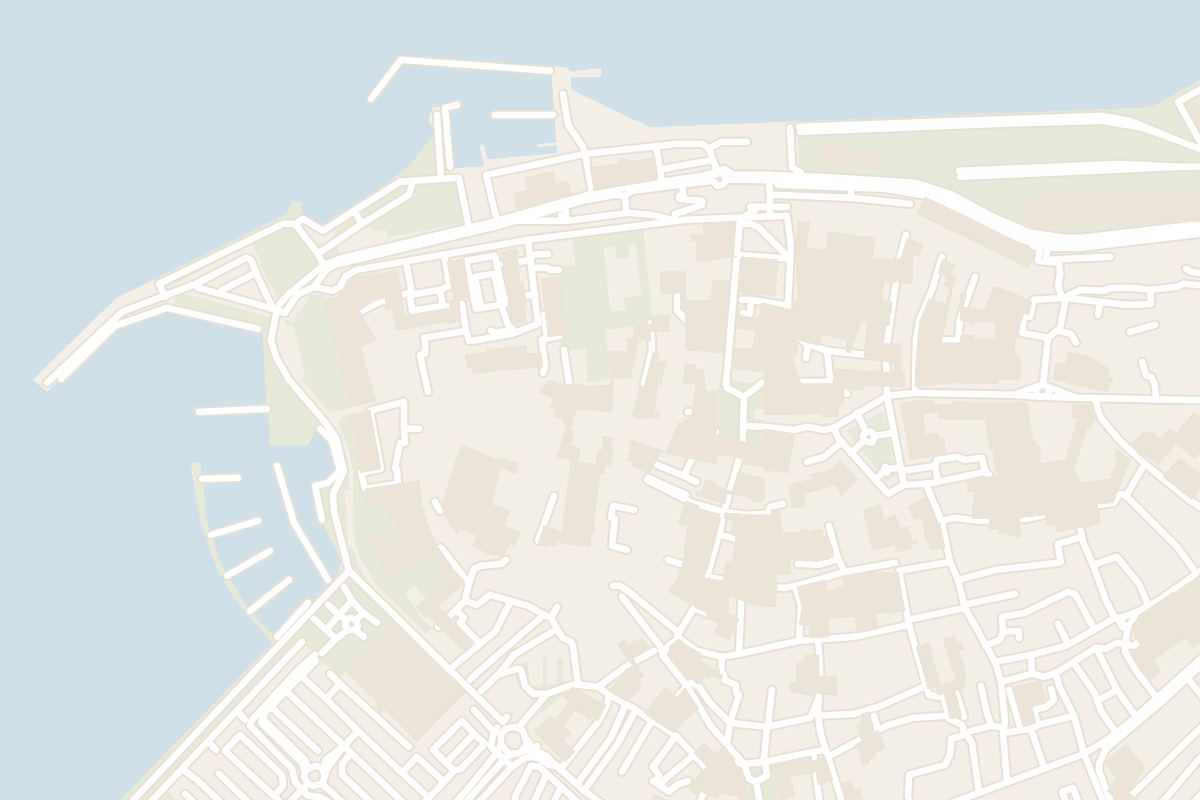
The museum is in the Belgramoni Tacco Palace at Kidričeva ulica 19, in the heart of Koper's old town. It sits among the old town's lanes, which are walked on foot, and the address is the one to enter in a map.
Yes, all premises can be visited in a wheelchair using a tracked stair-climbing device. A qualified operator is needed, so the museum asks for a booking at least 48 hours ahead, by email or telephone. The device is free for wheelchair users.
The museum follows the coast from Roman and prehistoric finds into the Venetian era. Rooms hold family crests, paintings, weapons and a musical collection, and the garden holds the lapidarium with its 1956 sgraffito mural.
Before you lose the afternoon in Koper's old town, give most of an hour to the largest museum in Slovenian Istria: a Venetian-era palace whose rooms cover the region from prehistory to its recent history.
The museum fills the Belgramoni Tacco Palace, an early seventeenth-century palace in the heart of the old town, and has been here since 1954. Its collections run from prehistoric and Roman finds through the Renaissance and Venetian centuries to the recent history of southern Primorska.
The art rooms hold sculpture, paintings and crafts from Istria. During the Second World War many precious works of art were sent away to Friuli, so the display you see today was rebuilt around what remained and what came after.
In the garden, the carved stone of the lapidary collection is the oldest material culture of the coast and the Karst.
In the lapidarium stands a large sgraffito mural, its design scratched through layers of plaster, made in 1956 by the painter Vladimir Lakovič on what was once a hotel terrace.
The panels in each room carry English translations and QR codes for an online audio guide, so bring your phone charged and a pair of headphones.
Look for the noble family crests, the paintings and the Renaissance statues, then the weapons and the musical collection. The grand hall sits on the main upper floor, furnished with seventeenth- and eighteenth-century pieces from the Venetian world, so give it a slow look.
Save the garden for last. Walk out to the lapidarium in front of the palace, find the large mural and step back to see the whole wall.
The museum also runs the Carpaccio House on Carpaccio Square, a short walk away, which holds an interactive digital exhibition on the painter.
Ask at the desk whether an event is on in the garden or the lapidarium while you are in Koper.
The outdoor lapidary and the garden in front of the palace make a pleasant place to pause between the rooms and the street. A seat there can also be a seat at a performance, since the museum holds them through the year.
Explore the rest of Koper
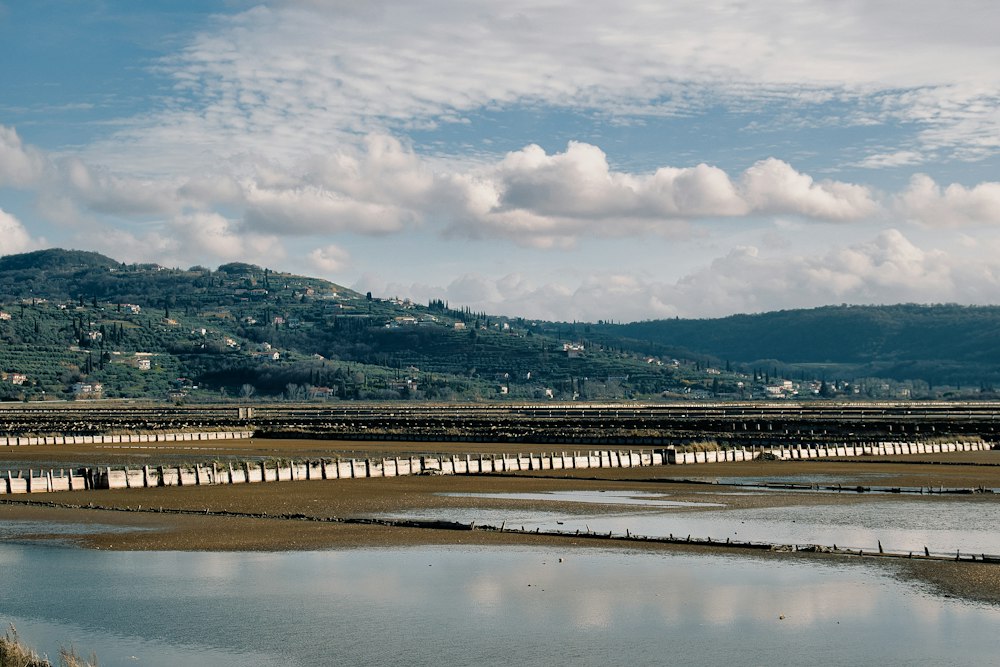
Salt is still raked by hand at Lera, on a thin microbial mat tended on the pan floor with wooden tools. The park south of Portorož also…
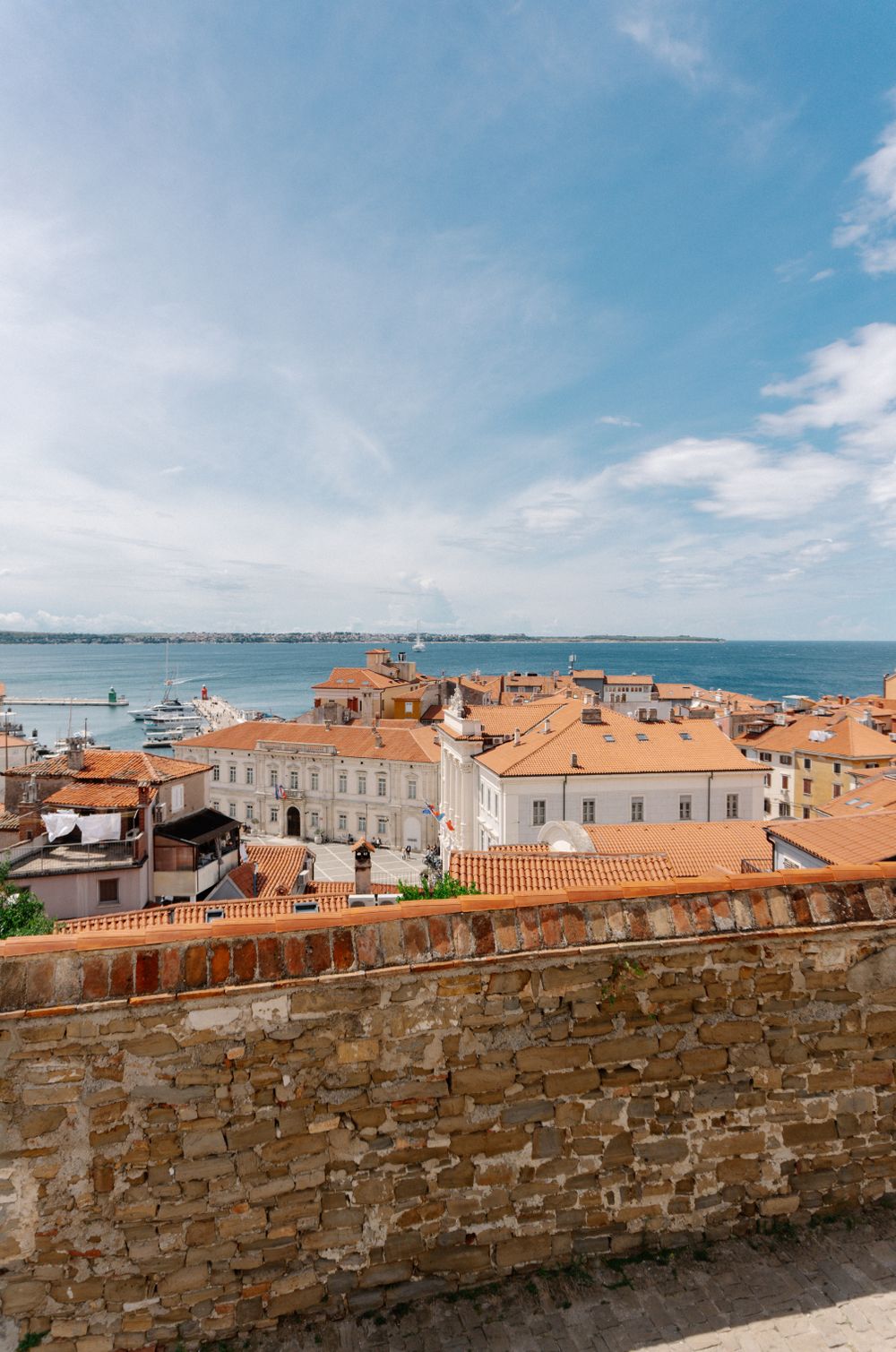
The longest surviving stretch of Piran's town walls climbs the slope of Mogoron Hill above the old town. A ticketed walk along it takes in…
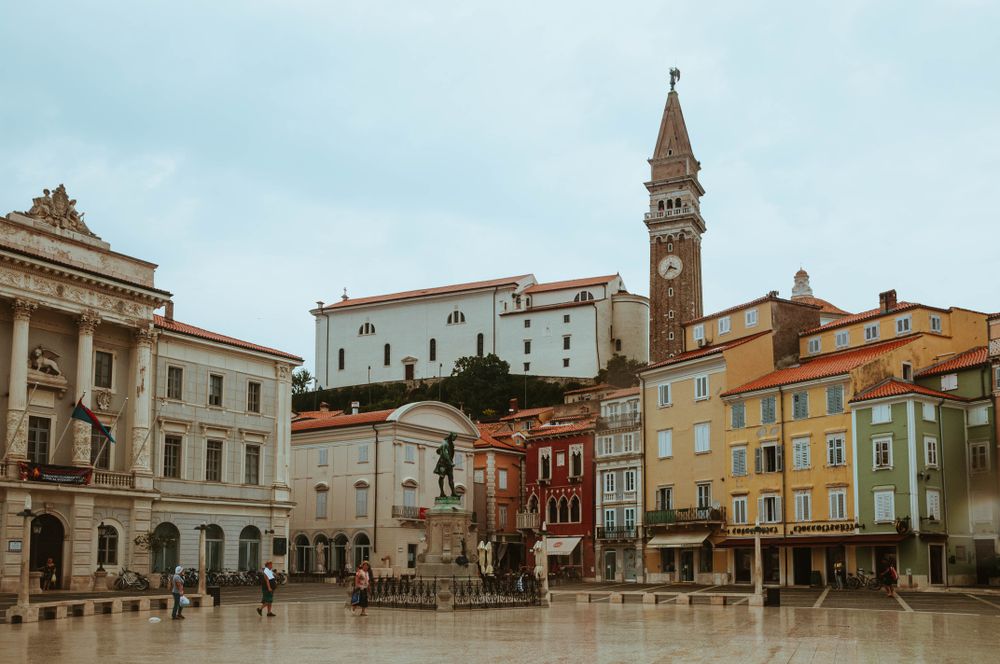
Facing the statue on Tartini Square, the house where the violinist Giuseppe Tartini was born keeps a memorial room with his violin, his…
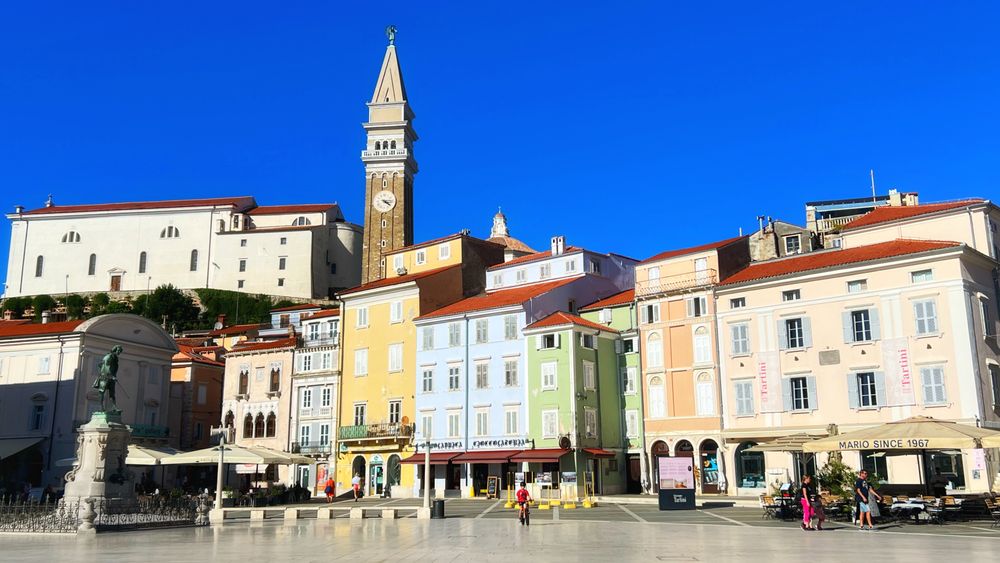
An oval of white Istrian stone in the centre of Piran, ringed with café terraces. A bronze statue of the violinist Giuseppe Tartini stands…
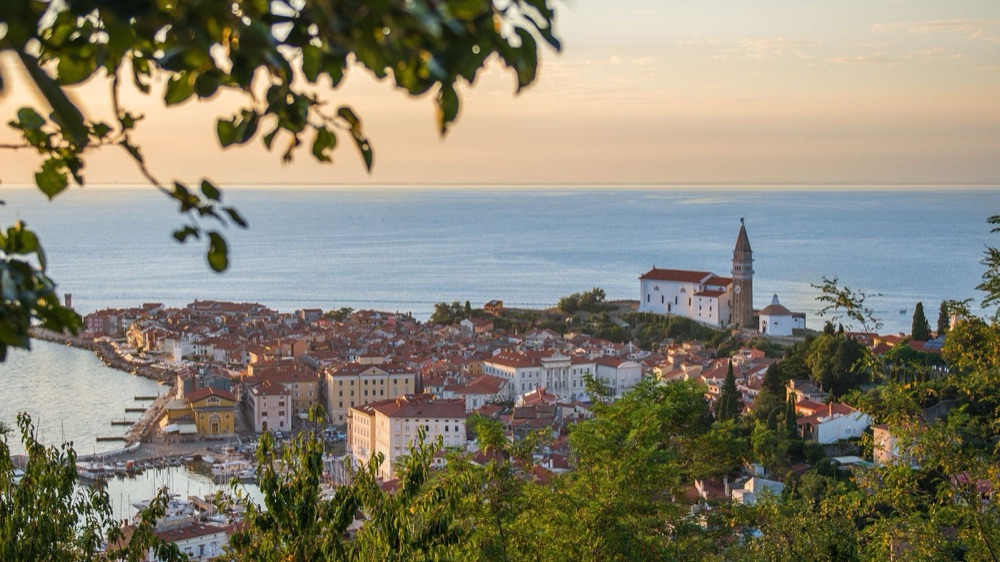
The old Venetian town fills a narrow peninsula at the tip of Slovenia's short Adriatic coast. It serves as the base for the salt pans at…
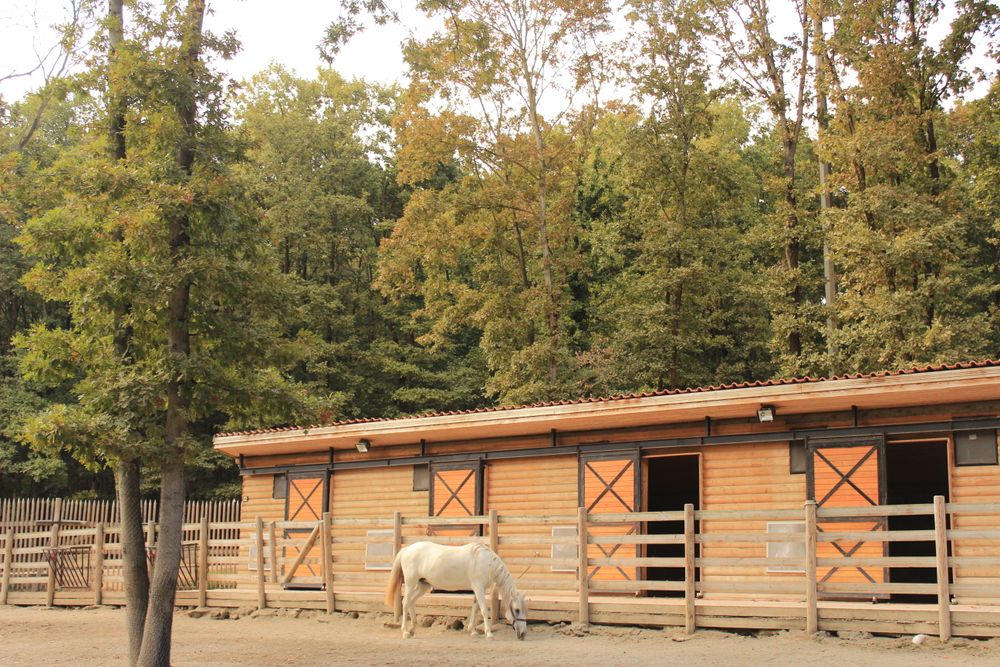
Lipica Stud Farm, founded by Archduke Charles of Austria in 1580, is the cradle of the Lipizzaner horse, on 311 hectares of Karst…
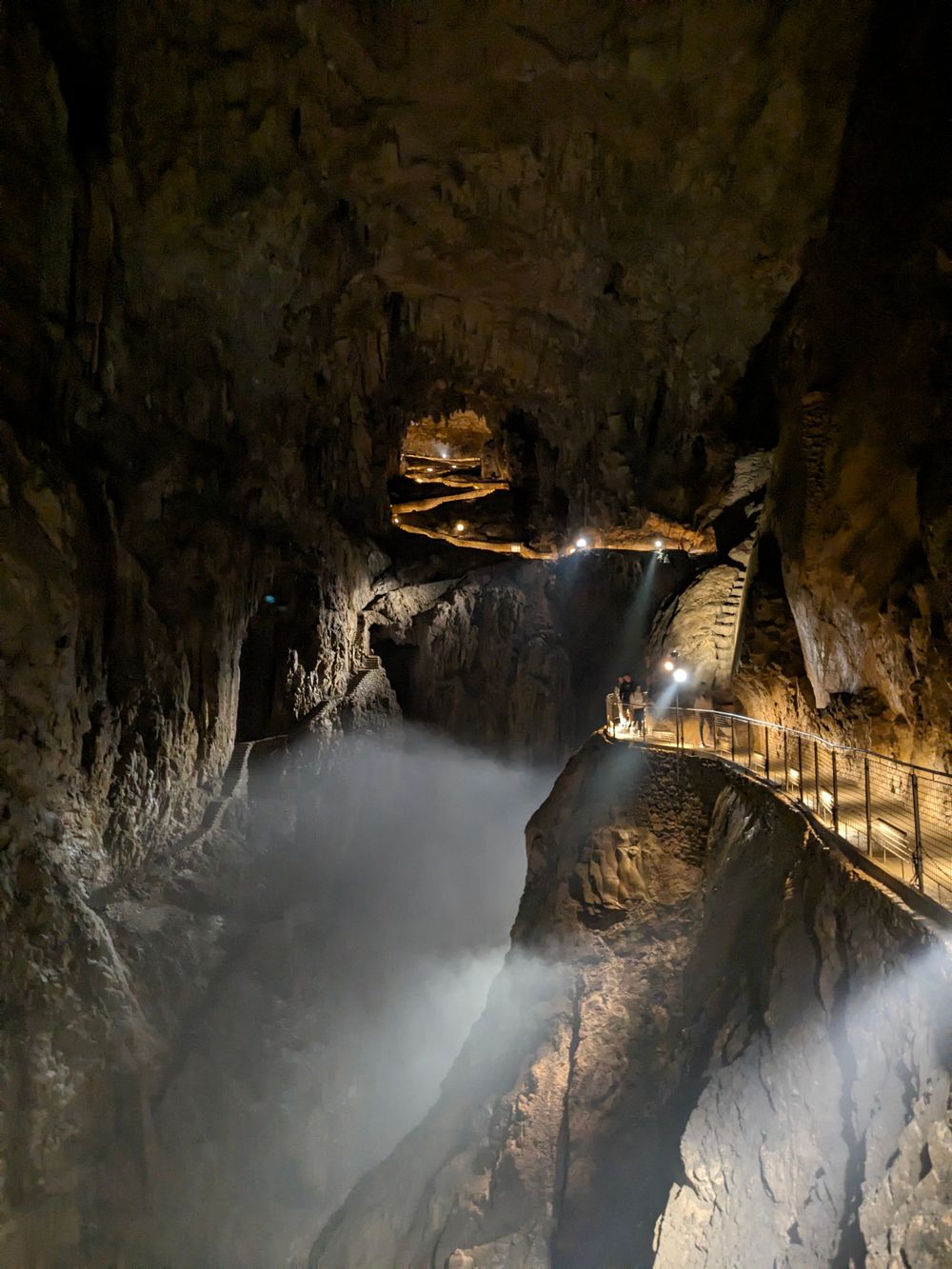
The Reka river disappears underground at Škocjan Caves and flows on out of sight for 34 kilometres, crossed inside the cave by the…
Facing Tito Square in Koper's old town, the Cathedral of the Assumption has a Gothic lower front and a Renaissance upper one. Its bell…
Last updated