 Submit a photo
Ninety seconds on Da Ponte Fountain
It is a Baroque fountain on Prešeren Square with an octagonal basin and an arch across it that stands for a bridge. Its present form dates from 1666, when the podestà Lorenzo Da Ponte had it rebuilt. It was the last station of the aqueduct that supplied the island town.
The fountain is named after Lorenzo Da Ponte, the Venetian podestà who had it rebuilt in 1666. The arch over the basin plays on his name, since ponte means bridge in Italian, and it also recalls the real bridge that once joined Koper to the mainland.
No. The fountain was used as the town's water source only until 1898, and it now stands as a monument. Water once reached it by aqueduct from the mainland, so the basin is a historic feature of the square, not a drinking point.
The Muda Gate stands beside the square. It recalls an ancient triumphal arch, and the sun, Koper's coat of arms, is its most prominent carving. A smaller side gate sits next to it, and part of the old defensive wall can still be seen.
The fountain stands on Prešeren Square at the edge of Koper's old town. It lies about 15 minutes' walk from the main bus and train stations, so no transport is needed once in town.
Da Ponte Fountain is where you can see how Koper lived as an island: a stone bridge spans a basin that once held the town's drinking water, beside the Muda Gate, the last town gate still standing.
The fountain is an octagonal stone basin with a bridge-shaped superstructure across the top, and it was once the largest fountain in town. Fifteen pilasters stand around it, each carrying the coat of arms of a noble family. The name comes from Lorenzo Da Ponte, the governor who had it rebuilt in 1666.
When Koper was still an island, this basin held its drinking water, piped in from the mainland.
At the edge of the square stands the Muda Gate. Built in 1516, it was the entrance for anyone crossing the bridge from the mainland, and it is the only intact Renaissance gate in Slovenia. Its carvings include the sun, the symbol of Koper, with lion heads beside it.
Worth doing first: start under the Muda Gate and look for the sun and the lion heads carved on it. The gate opens onto Prešeren Square, where the fountain stands.
Cross to the fountain and walk once round the basin, reading the coats of arms on the pilasters as you go. The square is a good place for a photograph of the bridge over the basin, so take a moment to pick your angle before moving on.
From the square, Čevljarska, a narrow street of small cafés and shops, leads on into the old town and toward Carpaccio Square, the next stop on the walk.
Explore the rest of Koper
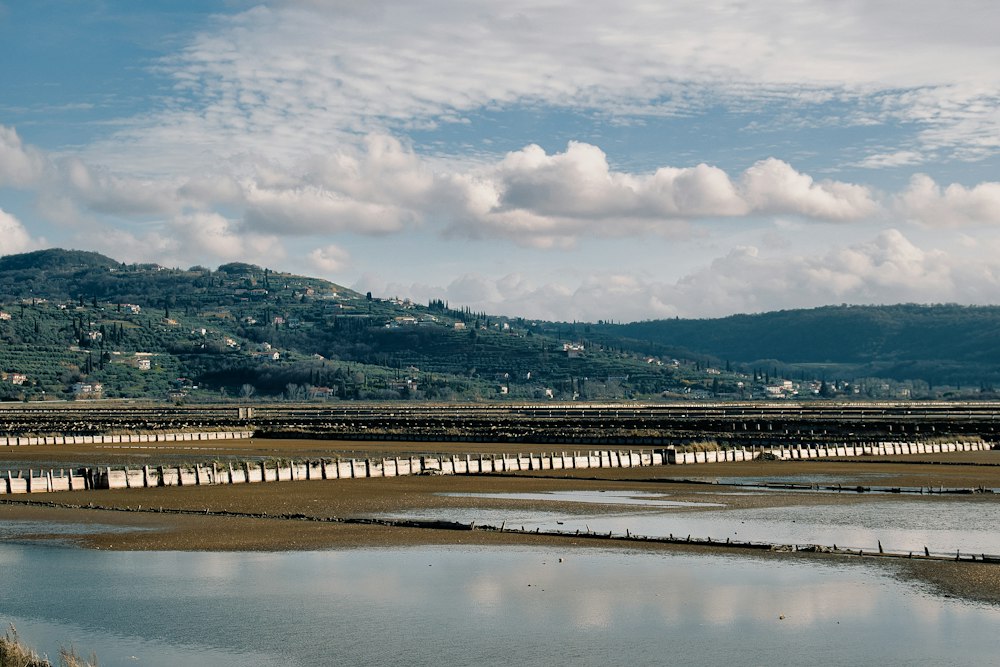
Salt is still raked by hand at Lera, on a thin microbial mat tended on the pan floor with wooden tools. The park south of Portorož also…
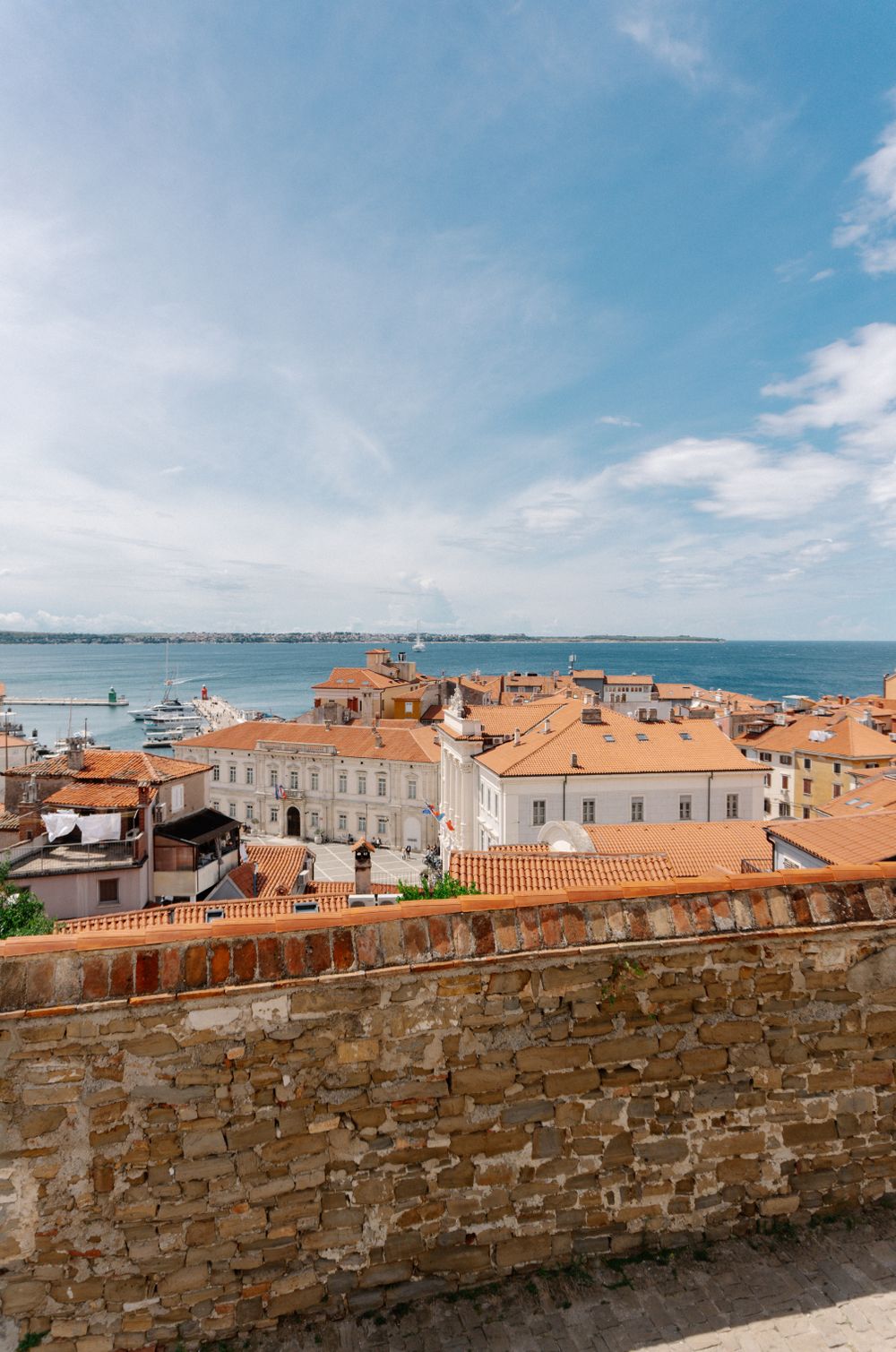
The longest surviving stretch of Piran's town walls climbs the slope of Mogoron Hill above the old town. A ticketed walk along it takes in…
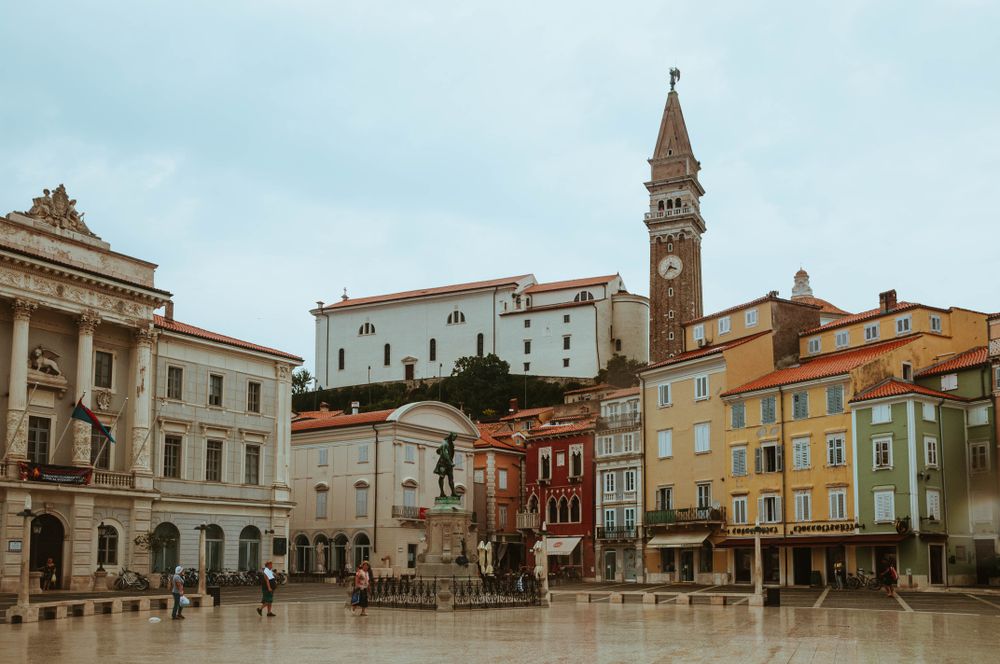
Facing the statue on Tartini Square, the house where the violinist Giuseppe Tartini was born keeps a memorial room with his violin, his…
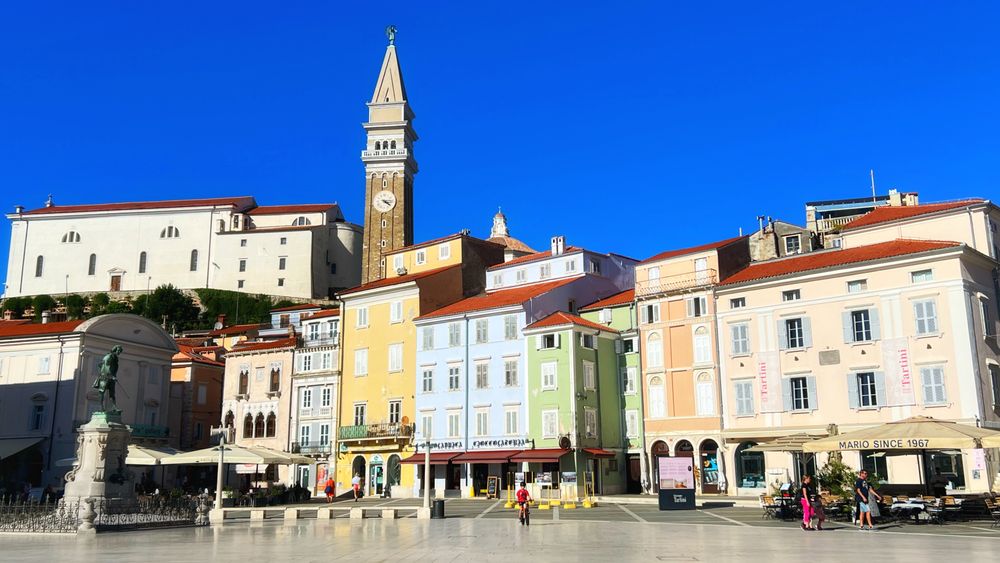
An oval of white Istrian stone in the centre of Piran, ringed with café terraces. A bronze statue of the violinist Giuseppe Tartini stands…
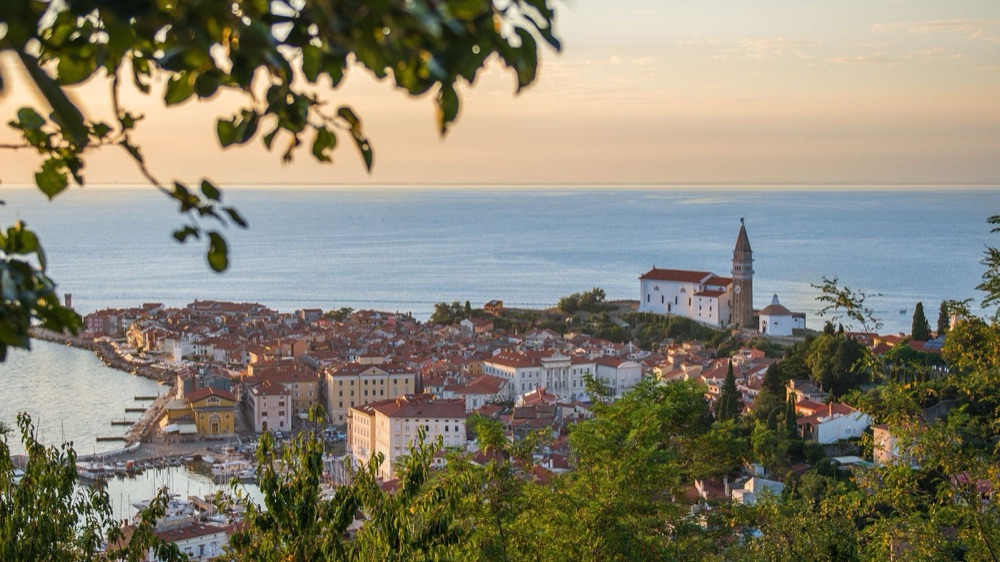
The old Venetian town fills a narrow peninsula at the tip of Slovenia's short Adriatic coast. It serves as the base for the salt pans at…
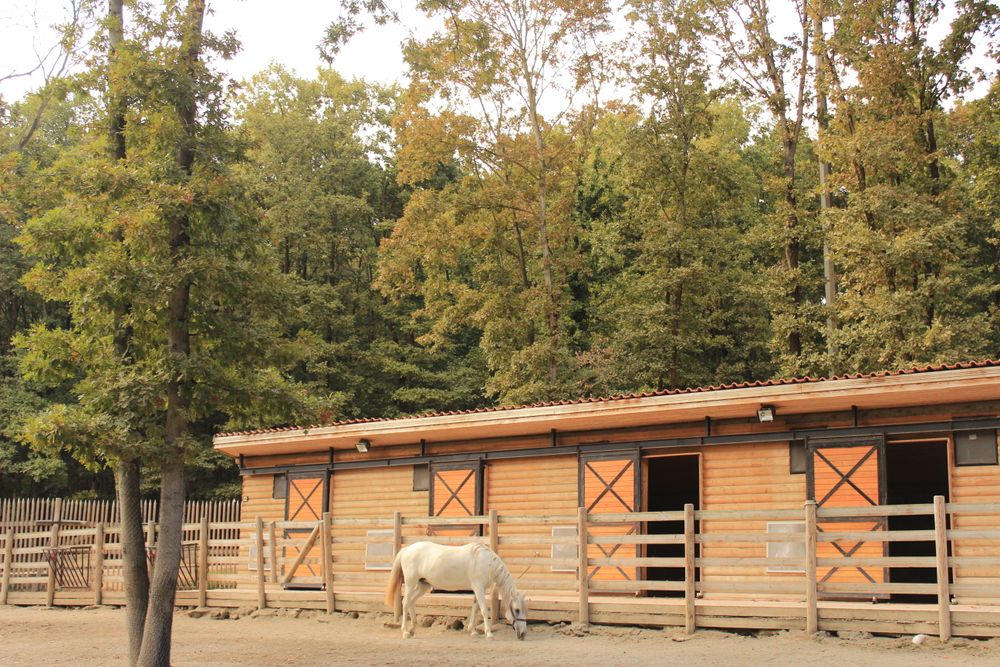
Lipica Stud Farm, founded by Archduke Charles of Austria in 1580, is the cradle of the Lipizzaner horse, on 311 hectares of Karst…
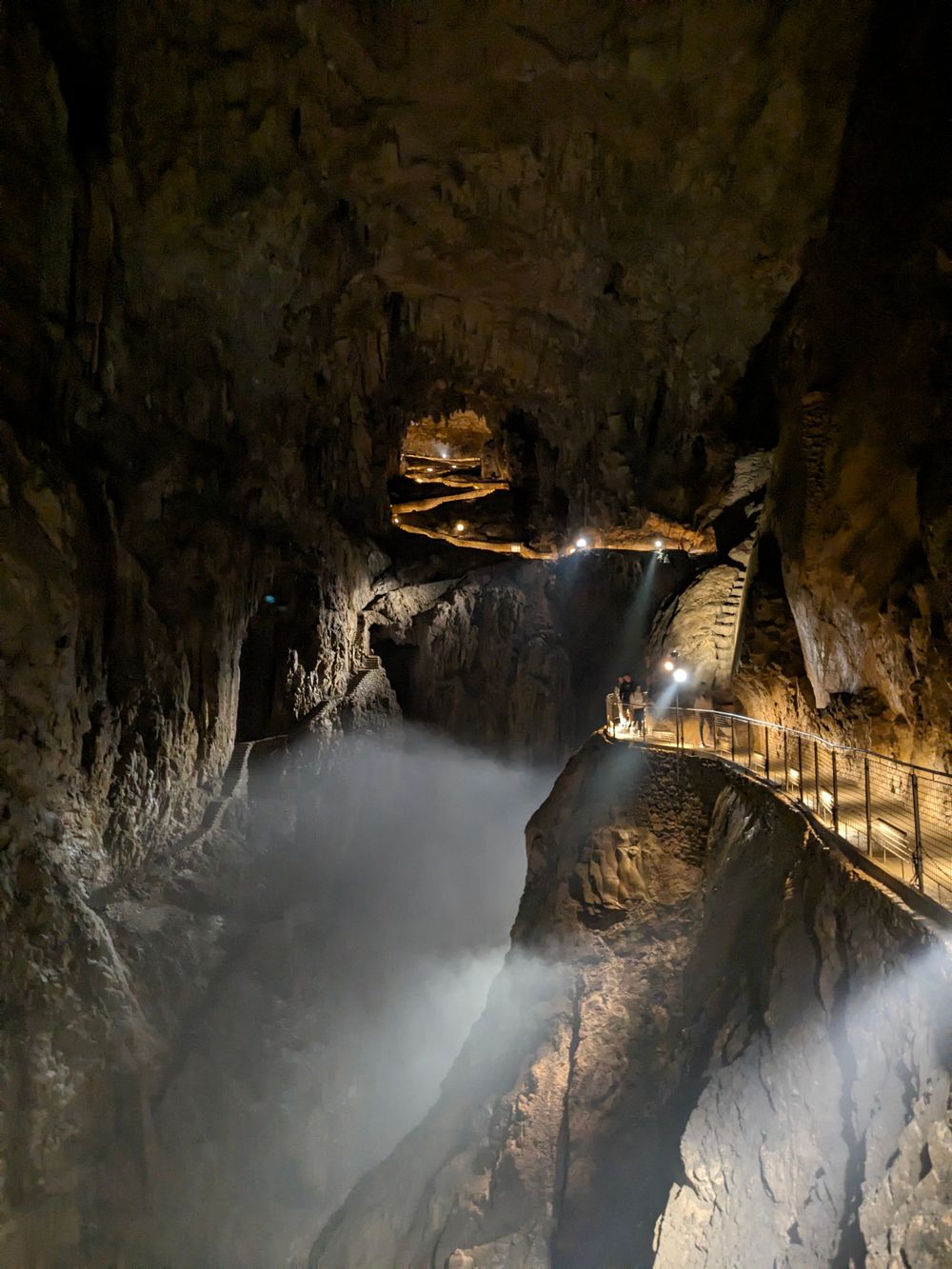
The Reka river disappears underground at Škocjan Caves and flows on out of sight for 34 kilometres, crossed inside the cave by the…
Facing Tito Square in Koper's old town, the Cathedral of the Assumption has a Gothic lower front and a Renaissance upper one. Its bell…
Last updated