 Submit a photo
Ninety seconds on Holy Trinity Church, Hrastovlje
As of November 2026, visits run every day between 9.00 and 17.00, by prior arrangement. There are no walk-in hours, so a visit has to be agreed by telephone.
Rozana Rihter is the named contact for visits. Her number is +386 31 432 231, and the church address is Hrastovlje 19a, 6275 Črni Kal.
It is a Gothic wall painting of figures from every social class being led away by Death. Nobles and peasants are led off alike, to show that death spares no rank. The motif spread through European art in the 15th century, probably in response to plague, famine and war.
The fortification was built in the 16th century as a defence against Turkish invasions, and villagers could shelter inside it. The two towers, at opposite corners, had levels for archers.
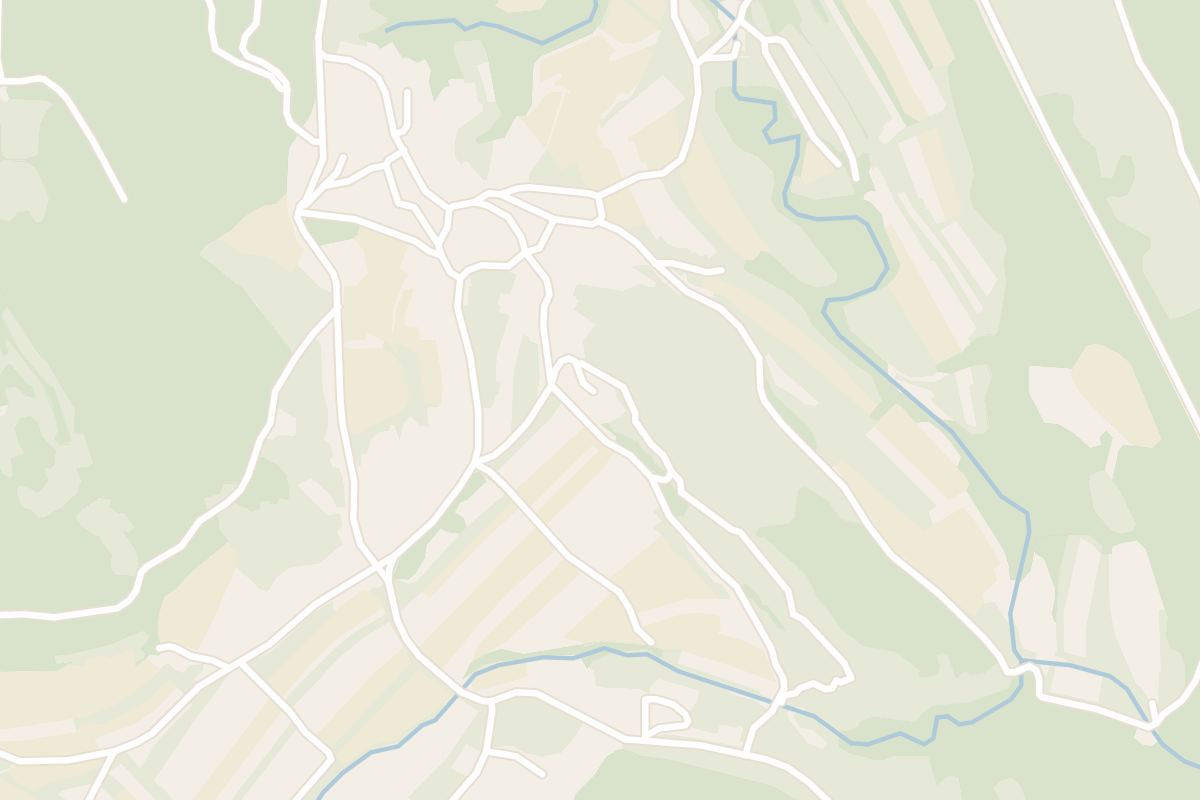
By car, the road runs from Koper through Dekani and Rižana to Hrastovlje, a drive of about 25 minutes. Free village parking lies below the church. Hrastovlje railway station is about 1 km southeast, and there are bus stops in the village.
They had been hidden under thick layers of plaster until the sculptor Jože Pohlen uncovered them. The discovery dates from 1949, and the interior was restored under his direction in 1951. The church became a monument of national importance in January 2026.
Follow a long line of skeletons along the foot of a wall at Hrastovlje, leading away nobles, peasants and children. It is the Dance of Death, the best-known scene in a small church painted all over in 1490.
From outside you see a stone wall with two defensive towers, and little of the church behind it. The building is under 12 metres long and just over 6 wide, set on living rock, with an interior divided by columns under barrel vaults.
The Dance of Death runs along the bottom of the southern wall. A Glagolitic inscription, in an old Slavic script, sits underneath. Scenes of the Passion fill the space above it and carry on across the western side.
Overhead in the central nave is the Creation, based on Netherlandish prints. The calendar is painted on the side arches: January to July in the southern nave, August to December in the northern. Each month shows its farm work.
The northern wall carries the Adoration of the Magi from end to end. In the apse on that side, find the signature of the painter, John of Kastav, with the year. The Three Wise Men appear again there, seated on a throne beside Saints Cosmas and Damian.
Agree a time by telephone before you drive out. If the gate is shut when you get there, ring the mobile number posted at the main entrance.
Pay the caretaker, who plays the recorded commentary. It comes in four languages, English among them. As it plays, the caretaker points out each painting with a laser pen, so stand back in the nave where you can see both sides.
Once it ends, look again at the details. Start with the Apostles under the arches of the central apse, then trace the months from one side arch to the next. Finish on the south side, where Saints Roch, Sebastian and Fabian are painted above the door as protectors against infectious disease.
Give your eyes a moment before the recording starts. There are only two windows, and the wall outside takes much of the light, so the interior is dark even in the daytime.
Ask to see the inner walls too, which can be visited by arrangement. The towers stand at the southeast and northwest corners. Look as well at the church roof, covered in thick slabs like older roofs around the Mediterranean.
Explore the rest of Koper
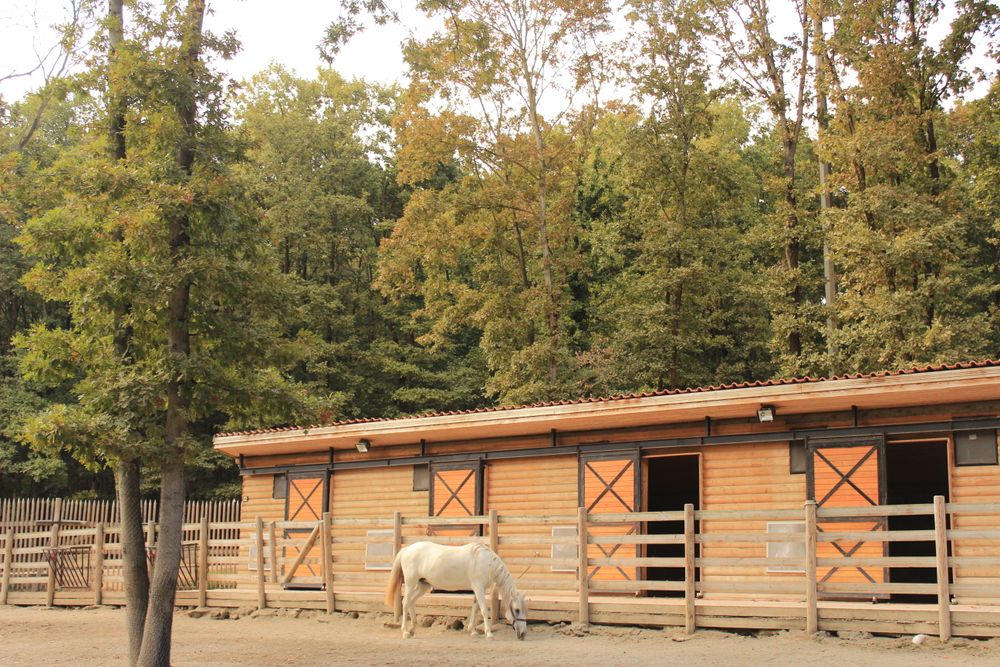
Lipica Stud Farm, founded by Archduke Charles of Austria in 1580, is the cradle of the Lipizzaner horse, on 311 hectares of Karst…
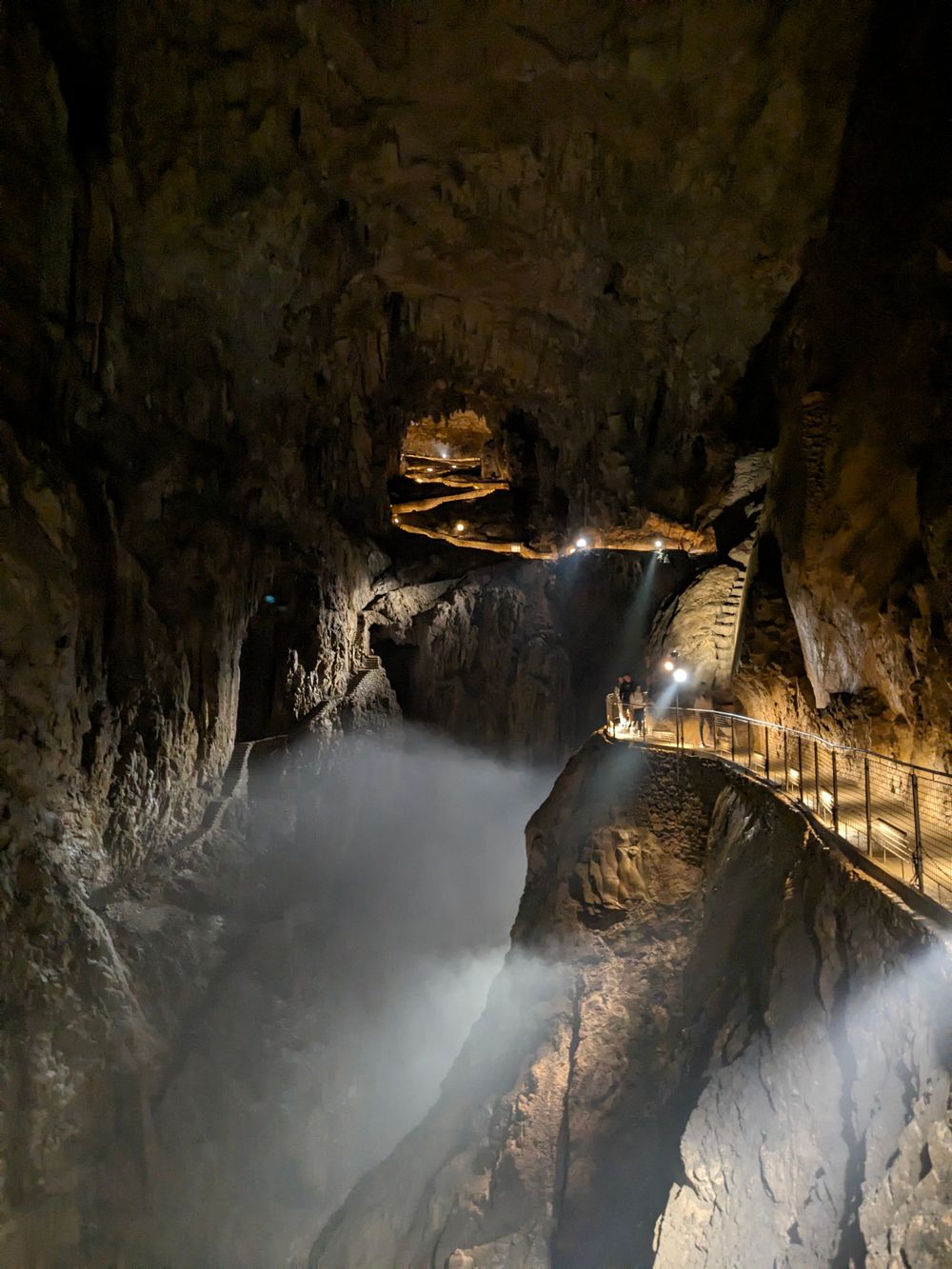
The Reka river disappears underground at Škocjan Caves and flows on out of sight for 34 kilometres, crossed inside the cave by the…
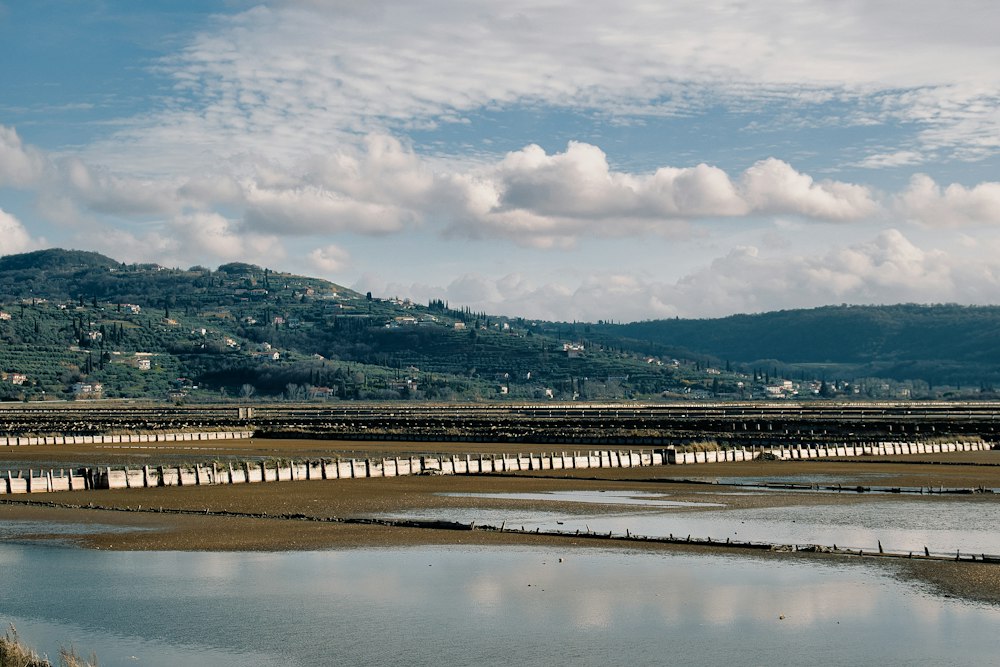
Salt is still raked by hand at Lera, on a thin microbial mat tended on the pan floor with wooden tools. The park south of Portorož also…
Shaped like a small bridge over an octagonal basin, this stone fountain from 1666 stands on Prešeren Square at the southern edge of the old…
Facing Tito Square in Koper's old town, the Cathedral of the Assumption has a Gothic lower front and a Renaissance upper one. Its bell…
An outside staircase, a balcony and a crenellated front mark this Venetian Gothic palace on Tito Square, once the seat of Koper's governors…
The largest museum in Slovenian Istria fills the Belgramoni Tacco Palace, an early seventeenth-century palace on Kidričeva Street in the…
Named for the Venetian painter Vittore Carpaccio, this small square sits on the western edge of Koper's old town, by the sea. The column of…
The official pages this guide was checked against.
Last updated