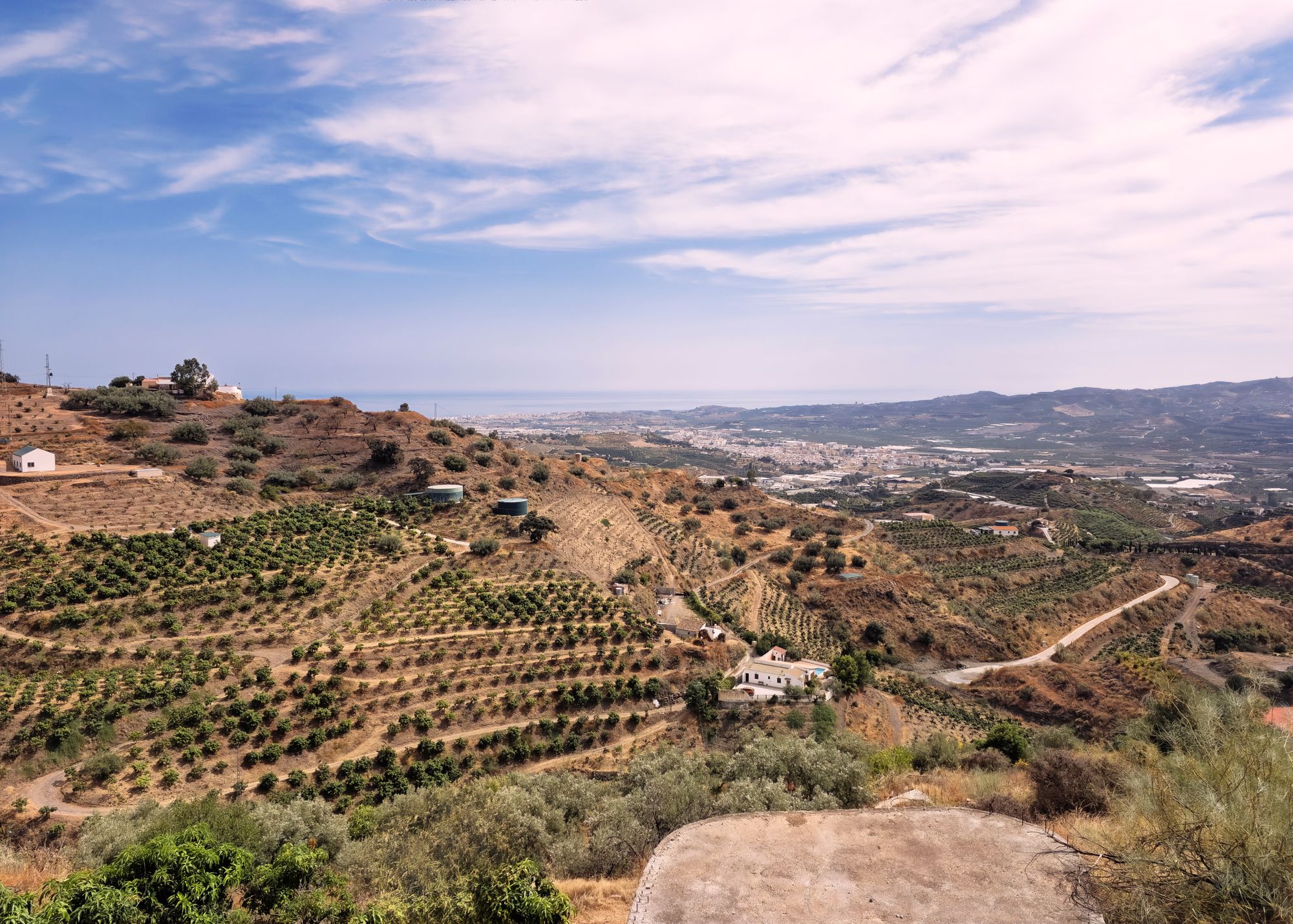
These pine hills give you lookouts over Málaga and the sea, old wine farms on short waymarked trails, and a long mountain lunch at a roadside venta to end the day.
Park, Málaga. Meridian Dispatch.
The park covers 4,762 hectares of hills, spread across the municipalities of Casabermeja and Málaga. One trailhead sits on the A-7000, the road known locally as the carretera de Colmenar, about 12 km from the city centre.
No bus or train stops near the trailheads, so the trip is made by car or taxi. The lane to the Lagar de Torrijos leaves the A-7000 about a kilometre past the Fuente de la Reina, roughly 20 km from the capital.
Yes. The park is free and open to walkers, with no ticket for the trails. Visits are managed from the Lagar de Torrijos visitor centre, which stands off the Colmenar road.
The El Cerrado loop measures 2.9 km and needs about 80 minutes of walking. Its lookout, the Mirador del Cochino, takes its name from the pig sculpture at the viewpoint.
No. The regional order bans fire across the park each year from the start of June until mid-October, and that covers barbecues in the picnic and camping areas.
Almost every tree you walk under here was planted. In the nineteenth century a vine disease killed the vineyards that covered these hills, and the bare slopes sent floods down into Málaga again and again. From 1930 the hills were replanted with Aleppo pine, and the native Mediterranean scrub is slowly returning beneath it.
The old farmhouses in the woods are lagares, where the grapes were pressed. The Lagar de Torrijos keeps its wooden beam press at the entrance, a stone bench along the front and a fountain with a marble mask.
From the Mirador de Pocopán the view turns a full circle, with Málaga to the south and the rocks of the Torcal de Antequera to the west. On the way up to Pocopán, strawberry trees line much of the path.
The Mirador del Cochino, the high point of the El Cerrado loop, is named for the pig sculpture at the lookout, made by a local craftsman from scrap metal found in the park. It looks across the coastal ranges to the city and the Mediterranean.
The park holds one of the largest chameleon colonies in Andalucía. Wild boar roam freely around the Hotel Humaina, near El Cerrado, and booted and short-toed snake eagles fly over the ridges, so bring binoculars to the Cochino.
There are easy, shaded paths from the car park at the Lagar de Torrijos. The Torrijos trail follows the Chaperas stream for 0.8 km each way and stays cool even in summer.
On a day the museum opens, step inside the old farmhouse to see how the wine was made. You see the half-buried clay jars where the grape juice fermented for forty days, the bread ovens, an oil mill and the family's living rooms.
For views instead, walk El Cerrado, a 2.9 km loop of about 1 hour 20 minutes that climbs about 206 m. The Pocopán loop from the Llano de Contadoras is the steeper climb, up to the Mirador de Pocopán.
Come down for a late lunch at a venta, one of the roadside inns along the A-7000 where a day in the hills traditionally ends. Order the plato de los montes: pork loin in red lard, fried potatoes, egg, chorizo, black pudding and peppers.
The trailhead car parks fill at weekends, so a weekday is easier. There is no drinking water on the trails, so carry all you need, and pack a jacket outside summer, because the hills are usually cooler than the coast.
Wear good boots for Pocopán, where a turned ankle is easy. Gibralfaro makes a good second stop.
Without a car, book your taxi back before you go up.
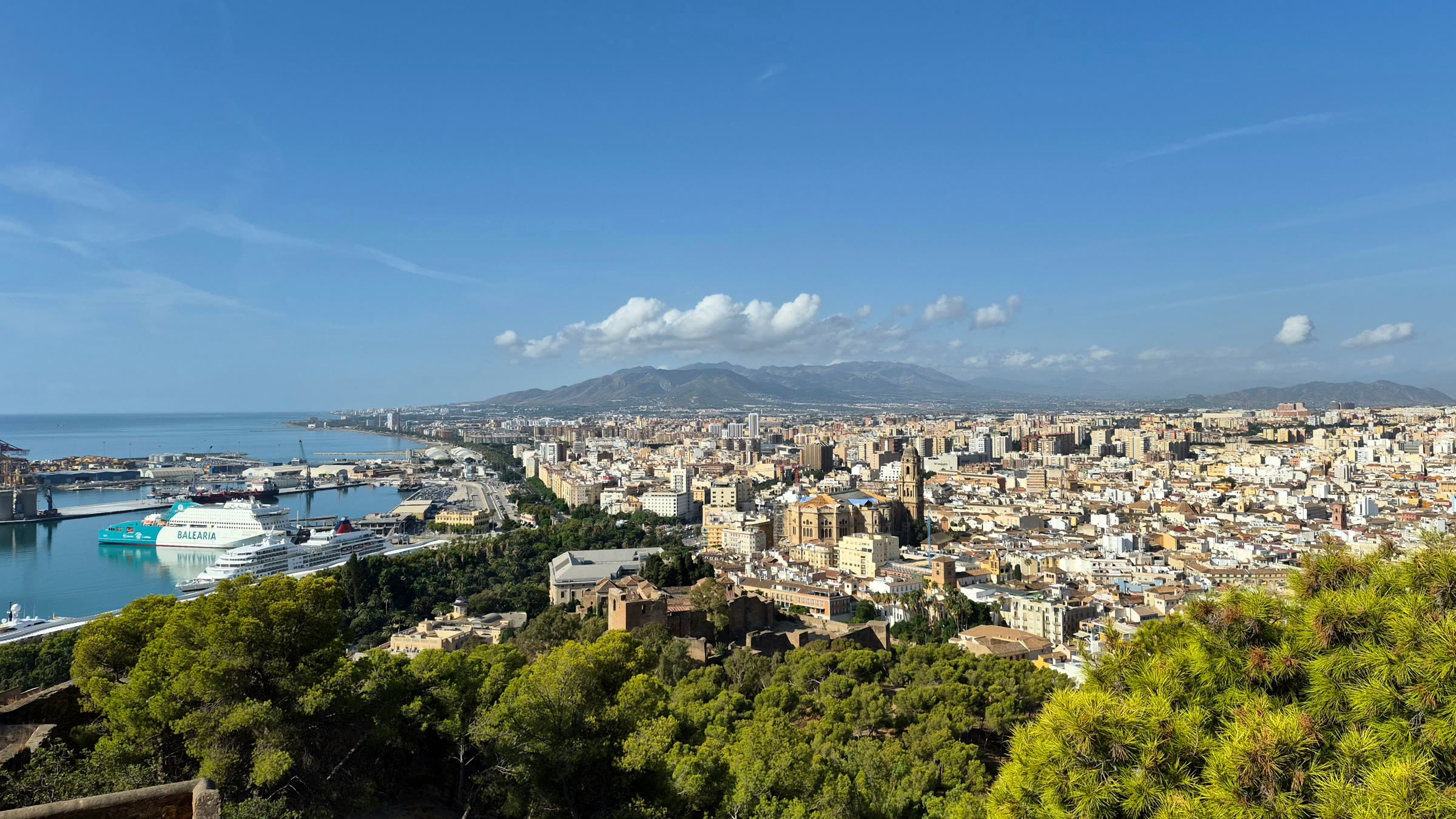
Land on the Costa del Sol and stay in the city, not a resort: two nights in Málaga give you a Moorish fortress, the Picasso museum and sardines grilled on the beach, all within walking distance.
Read the Málaga guideExplore the rest of Málaga
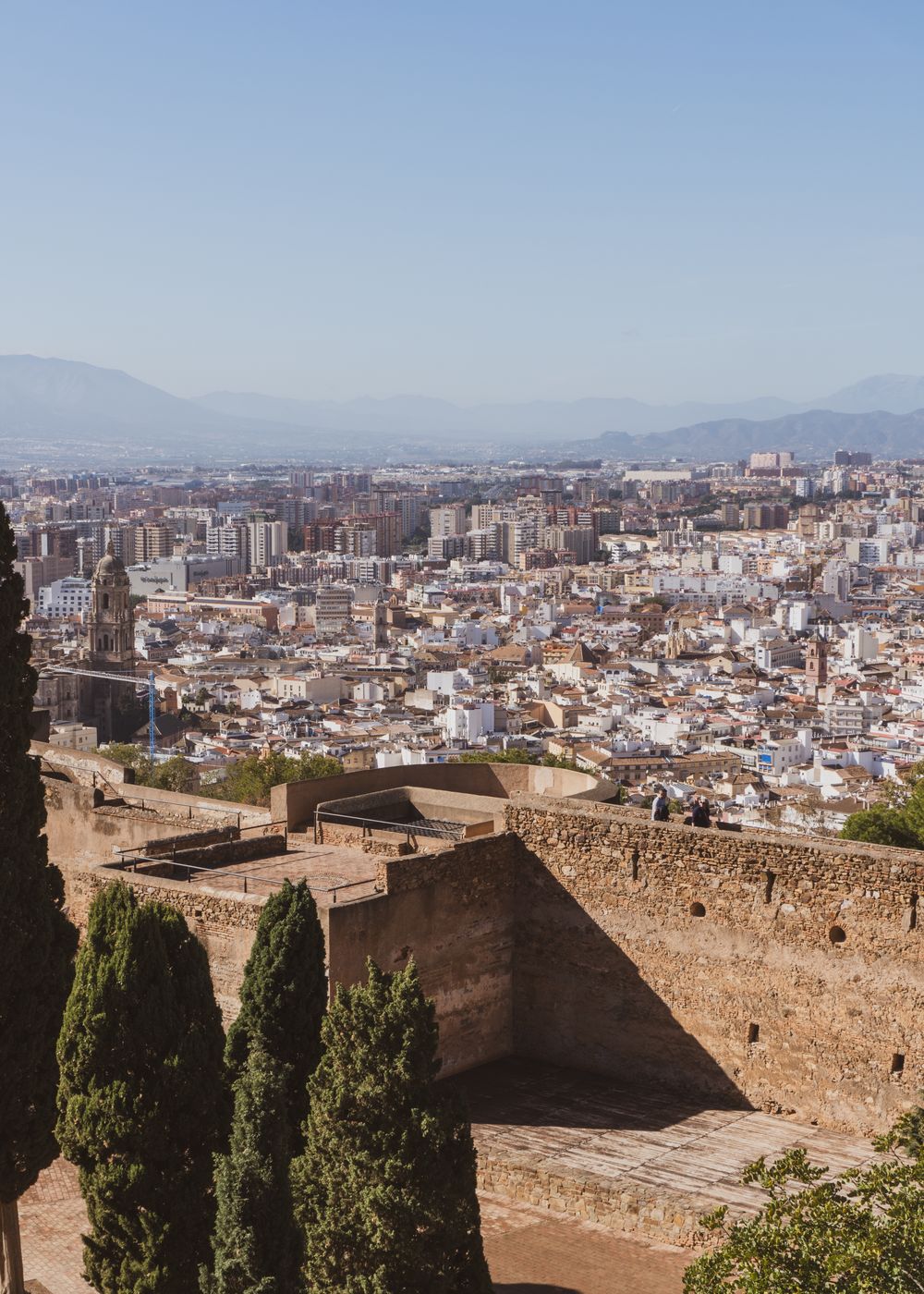
Castle walls along the summit of the hill above the Alcazaba, with the widest view in the city over the old town, the port and the bay.…
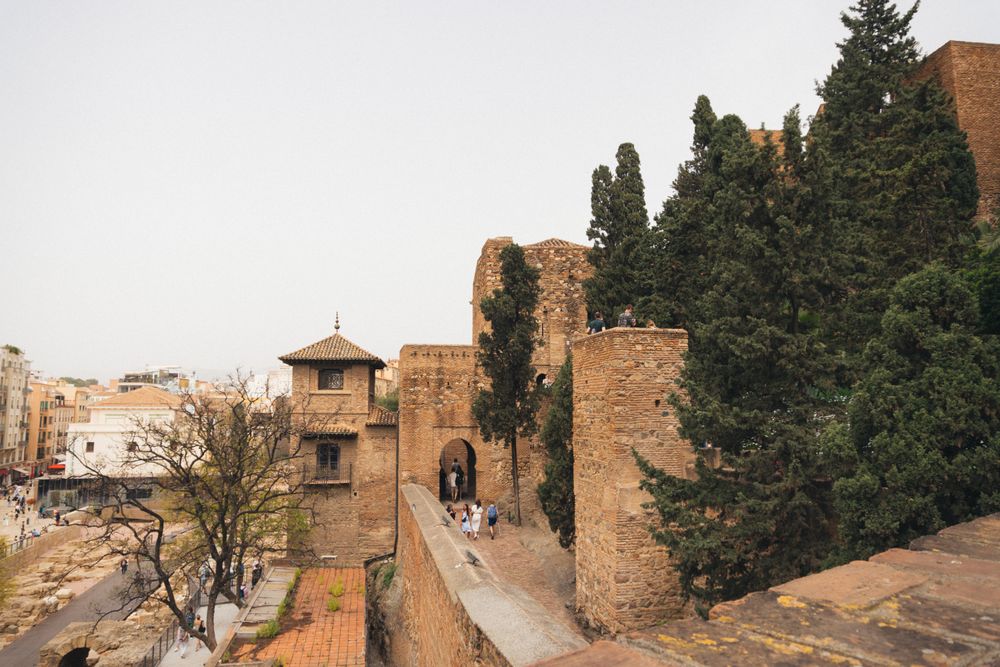
A Moorish palace-fortress climbing the hill above the port in rings of walls, with gateways set at angles to slow attackers. Higher up come…
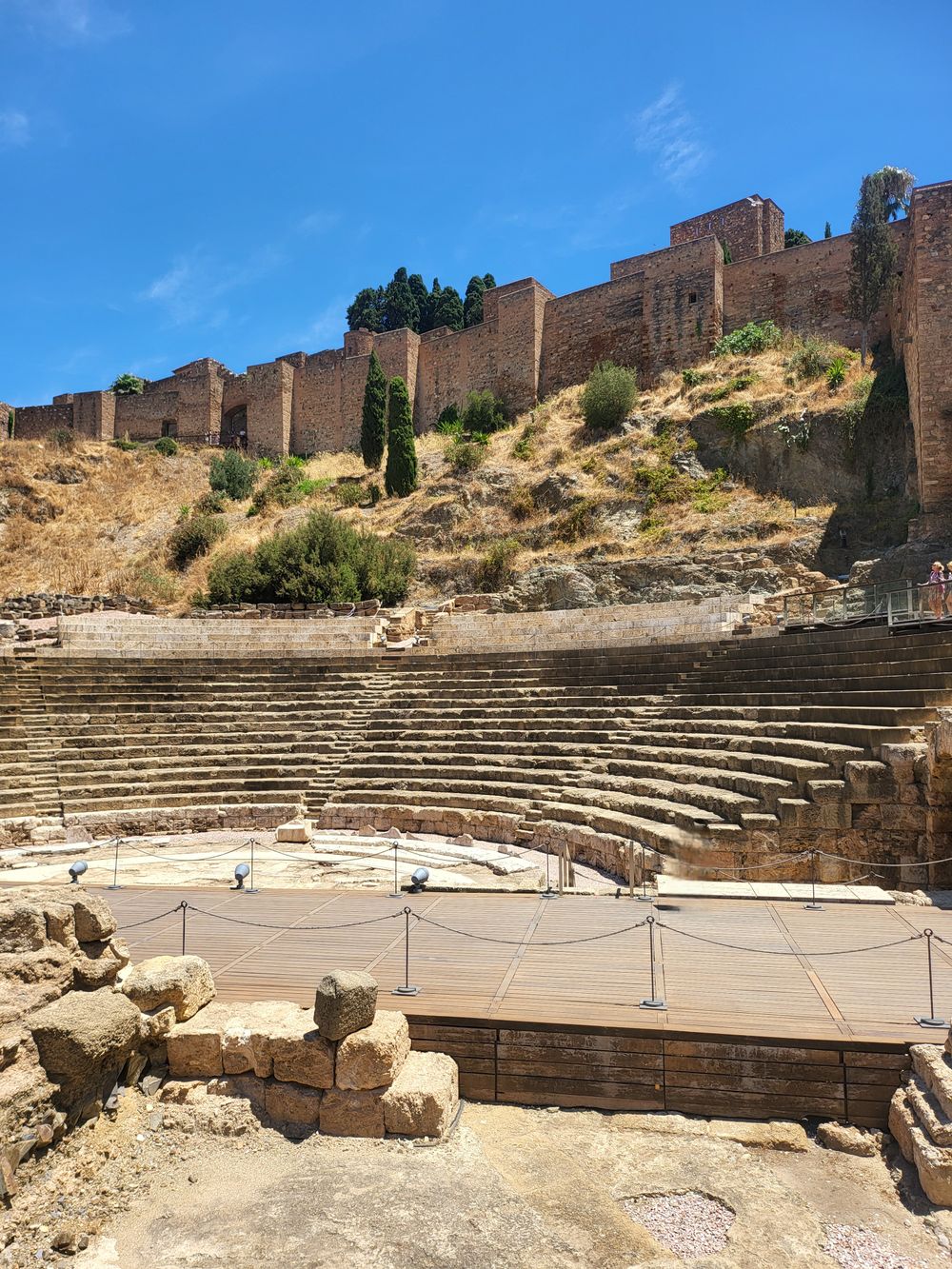
Stone seating cut into the foot of the Alcazaba hill, uncovered in 1951 and cleared once a cultural centre built over it was pulled down. A…
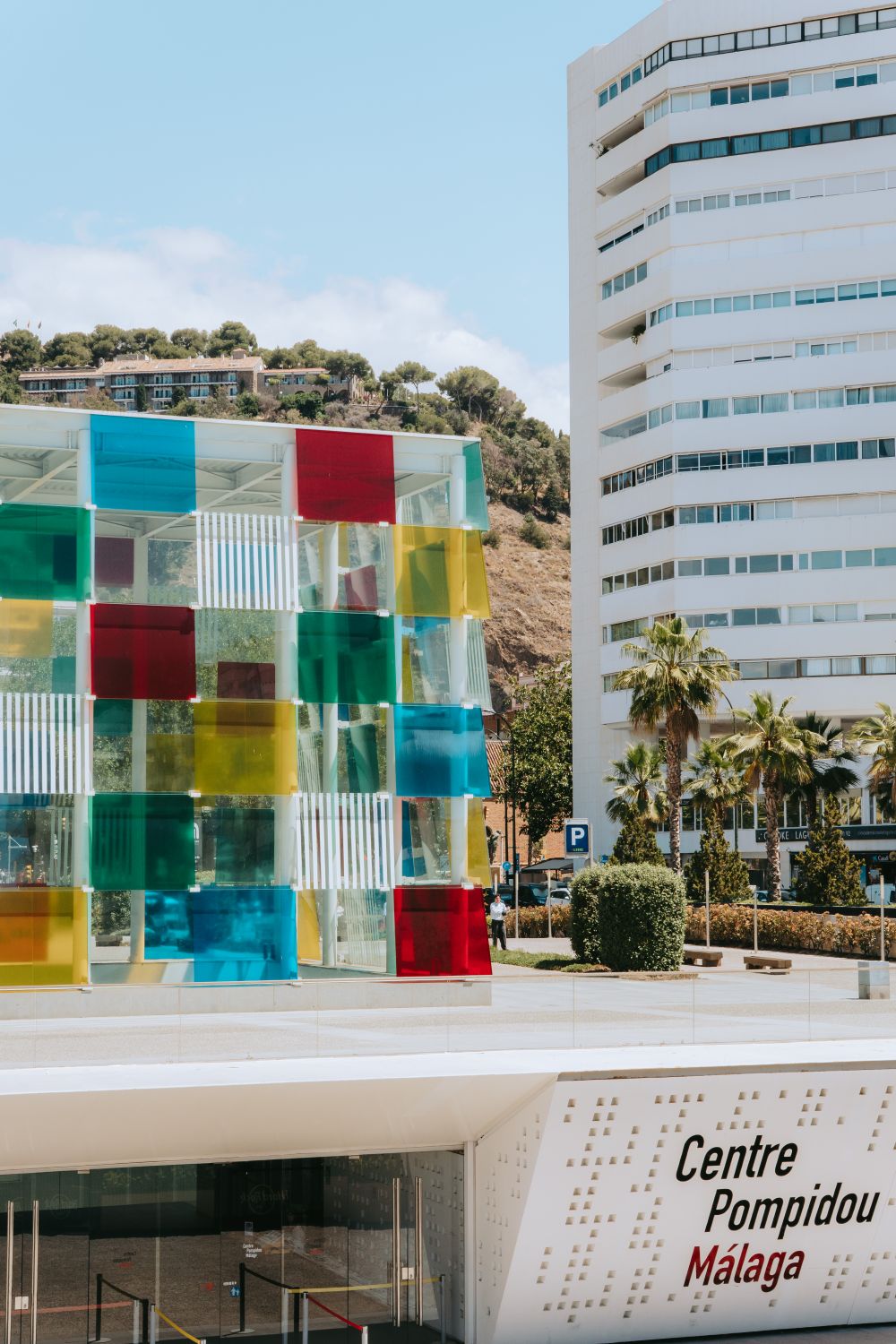
Modern and contemporary art from the Paris collection, shown in galleries under the quay at the head of Muelle Uno, beneath a glass cube…
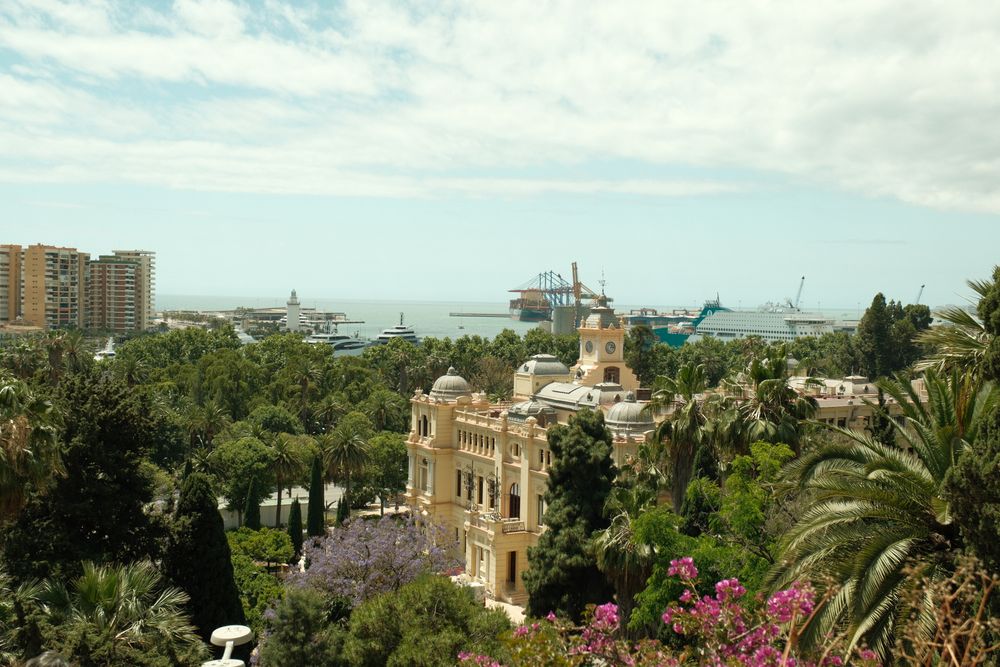
A long tree-lined avenue laid on land reclaimed from the sea, between the port and the old town. Its gardens hold palms, banana trees and…
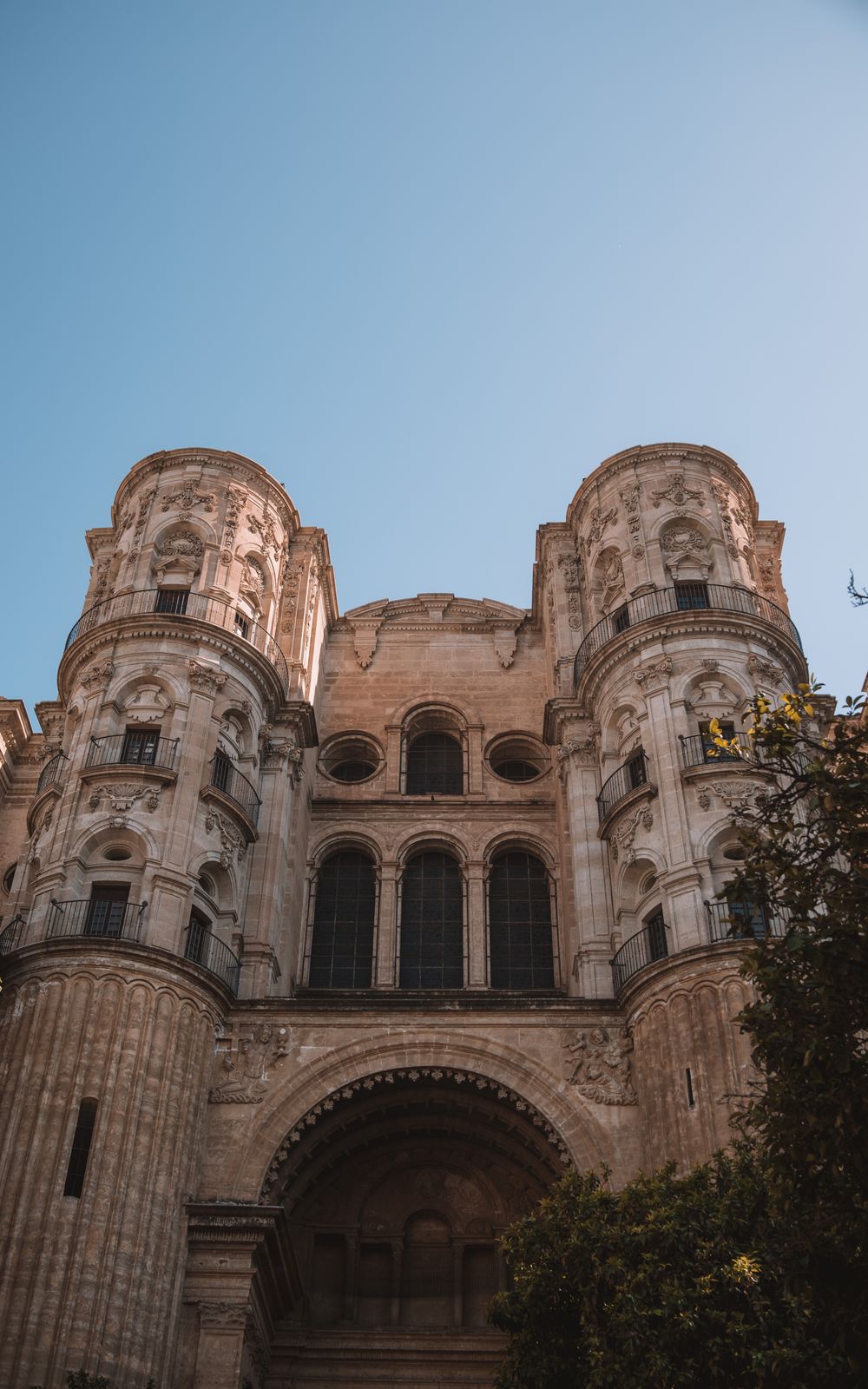
Known in the city as La Manquita, the one-armed lady, because its south tower was never finished and stops short beside the complete north…
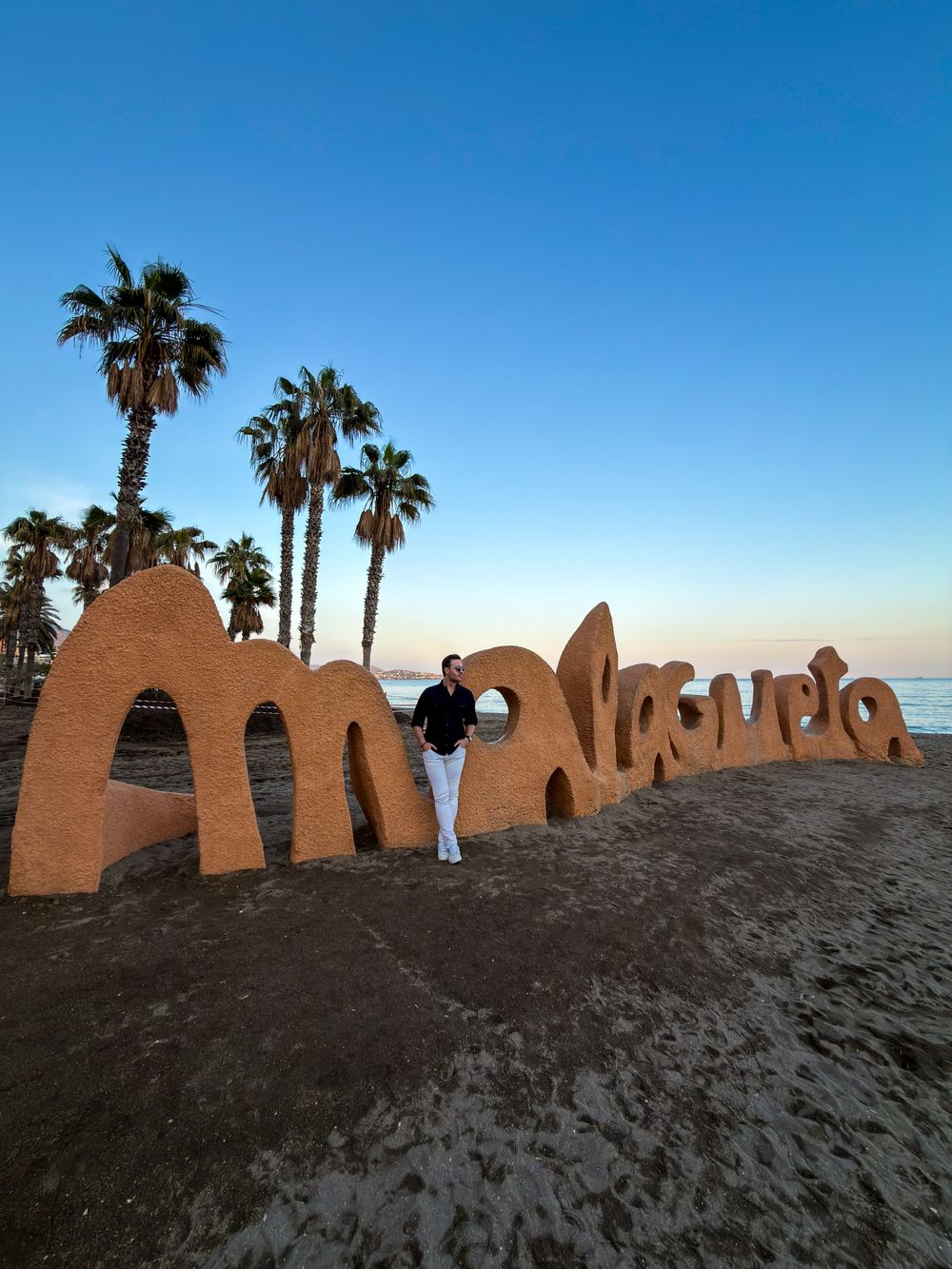
The city beach, a strip of dark sand a short walk east of the port, with a promenade, sunbeds, showers and chiringuitos grilling sardines.…
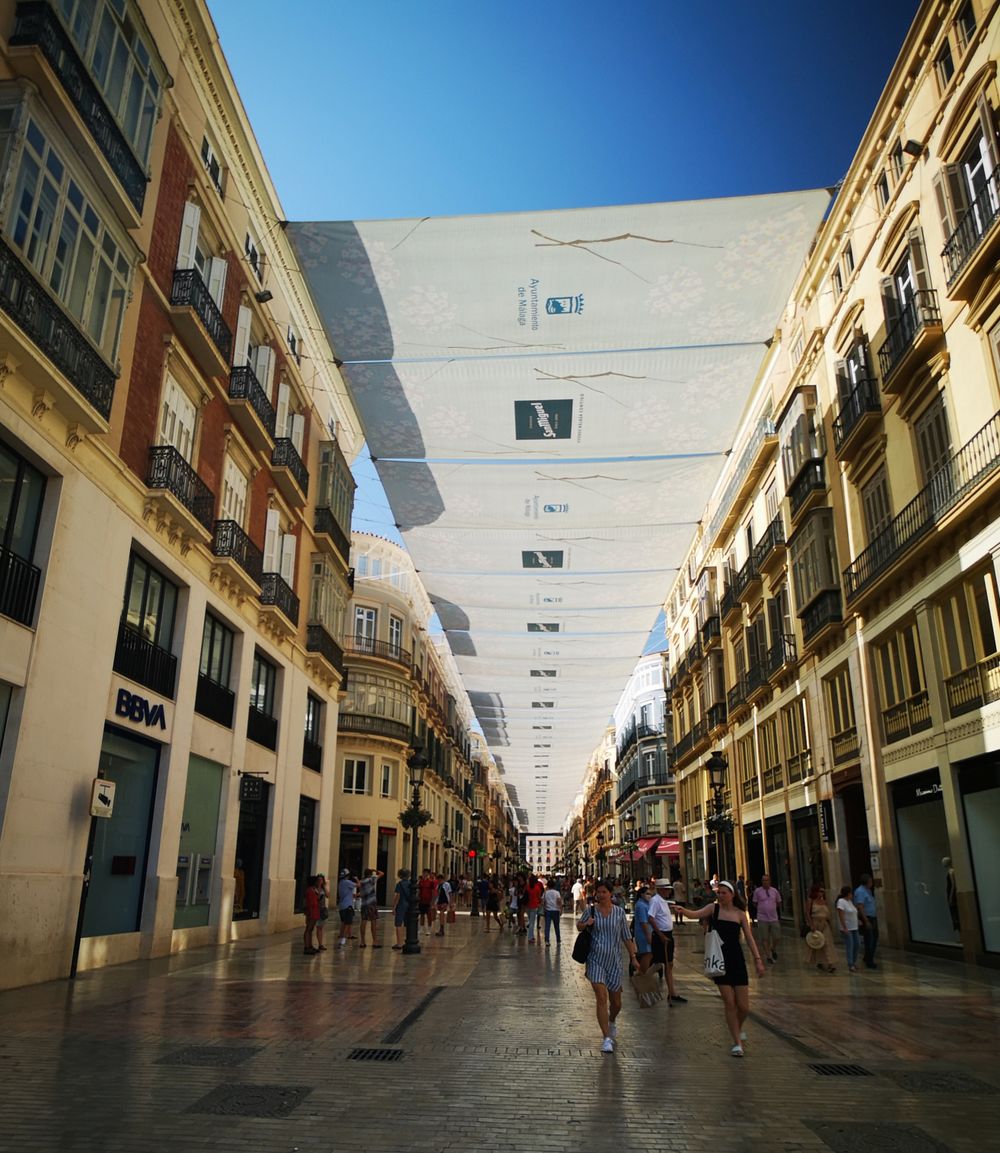
Málaga's main shopping street, paved in polished marble and lined with nineteenth-century buildings with rounded corners, running from the…




Save Montes de Málaga Natural Park to your Spain trip in the Meridian Dispatch app and build the day around it, with the best of Málaga pinned on one map.
Download on the App StoreThe official pages this guide was checked against.
Last updated