Things to do
10-
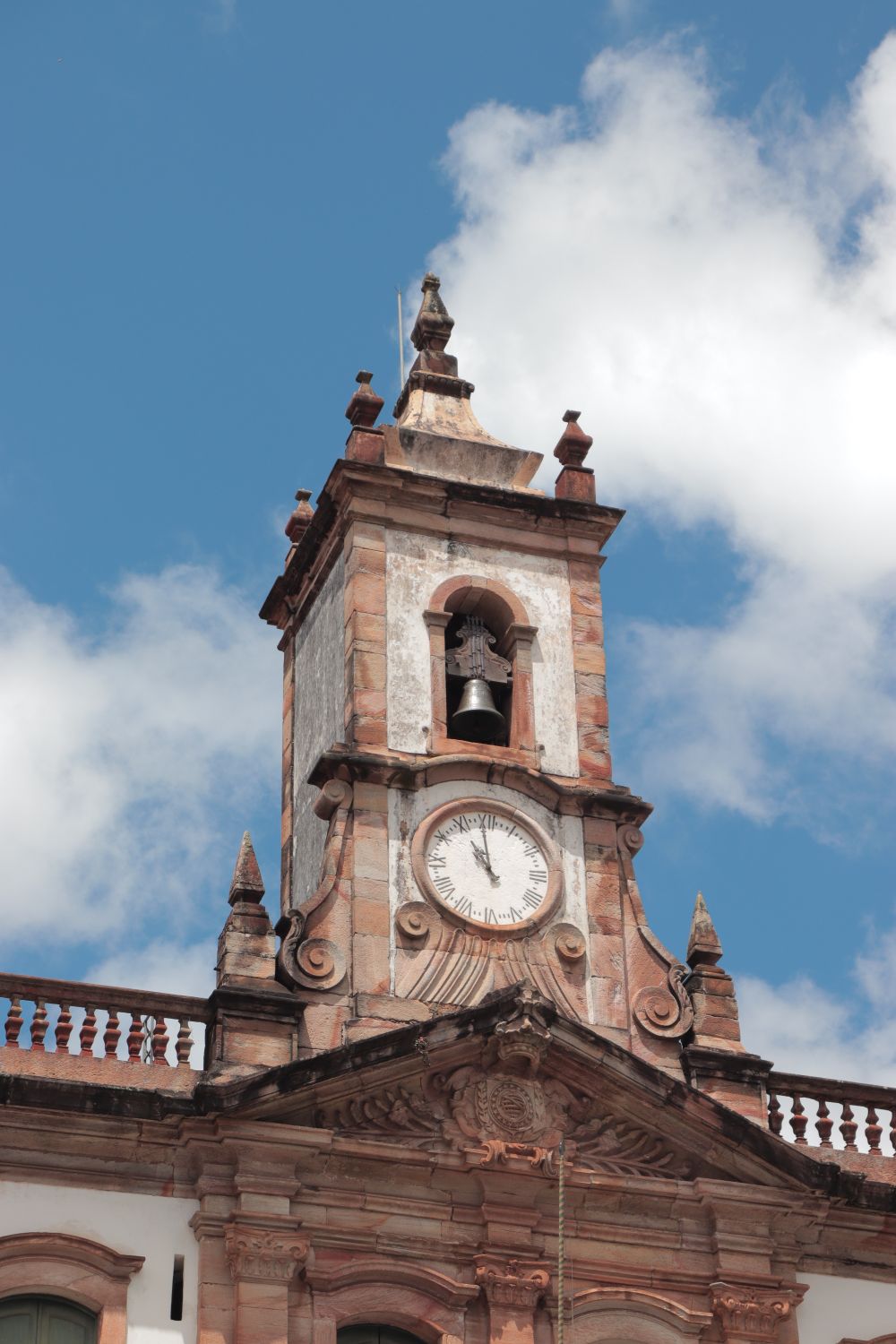
Museu da Inconfidência
The old town hall and jail on Praça Tiradentes, holding the remains of the Inconfidência conspirators along with work by Aleijadinho and Ataíde. It gives the clearest account of what daily life in a gold town actually looked like, and the building itself is worth the hour.
-
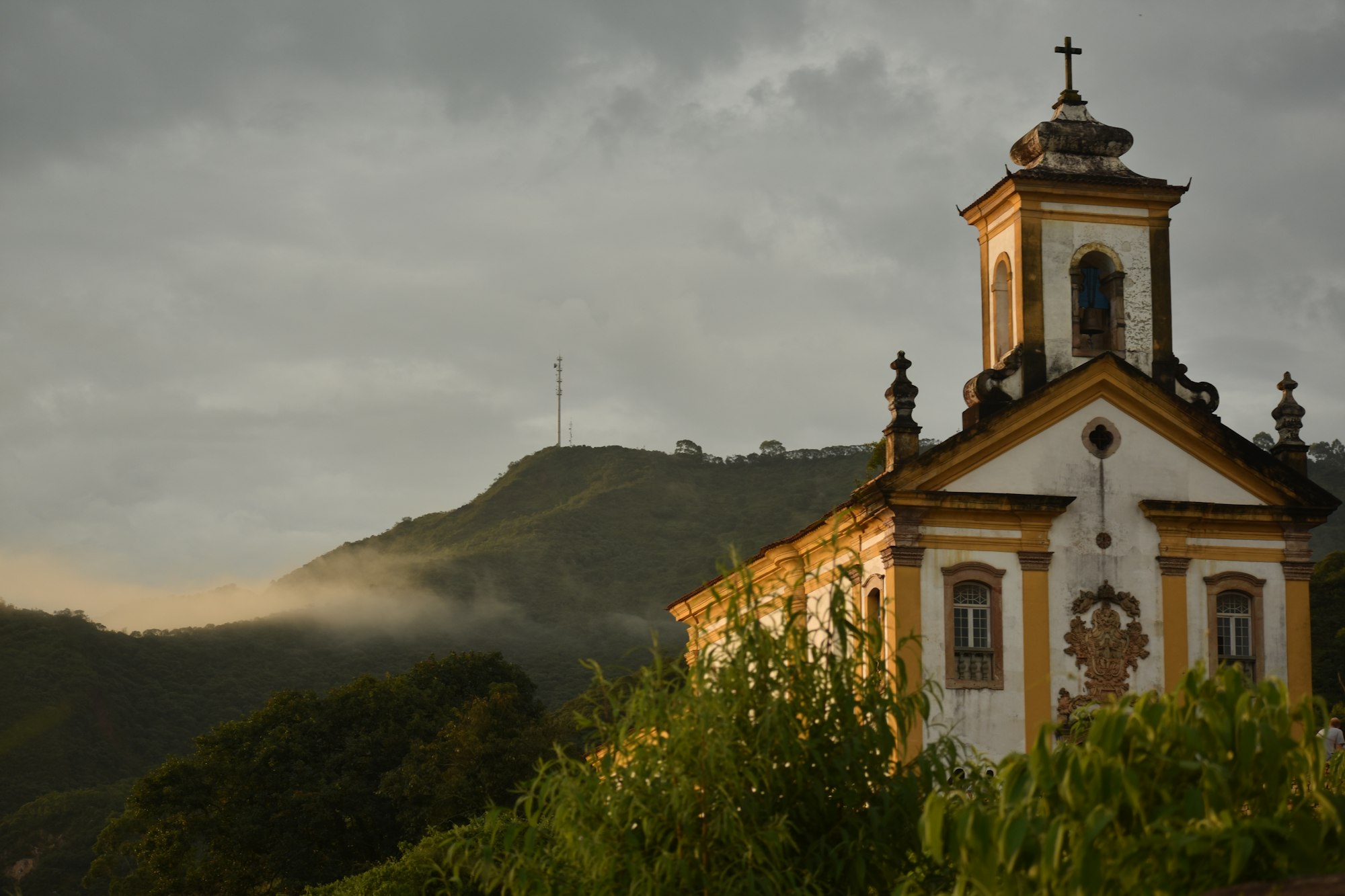
Museu de Ciência e Técnica da Escola de Minas
Twenty thousand rocks and minerals from around the world, kept in the 1741 governors' palace built by Aleijadinho's father, with a reconstructed gold mine gallery in one room. Sections open on set days, so the visit is worth checking before the walk up to Praça Tiradentes.
-
Basílica de Nossa Senhora do Pilar
The richest interior of the gold cycle, its nave carved and gilded between 1735 and 1737 under a rococo ceiling of fifteen Old Testament panels. The sacristy holds a sacred art museum of some eight thousand pieces from the seventeenth century on.
-
Cachoeira das Andorinhas
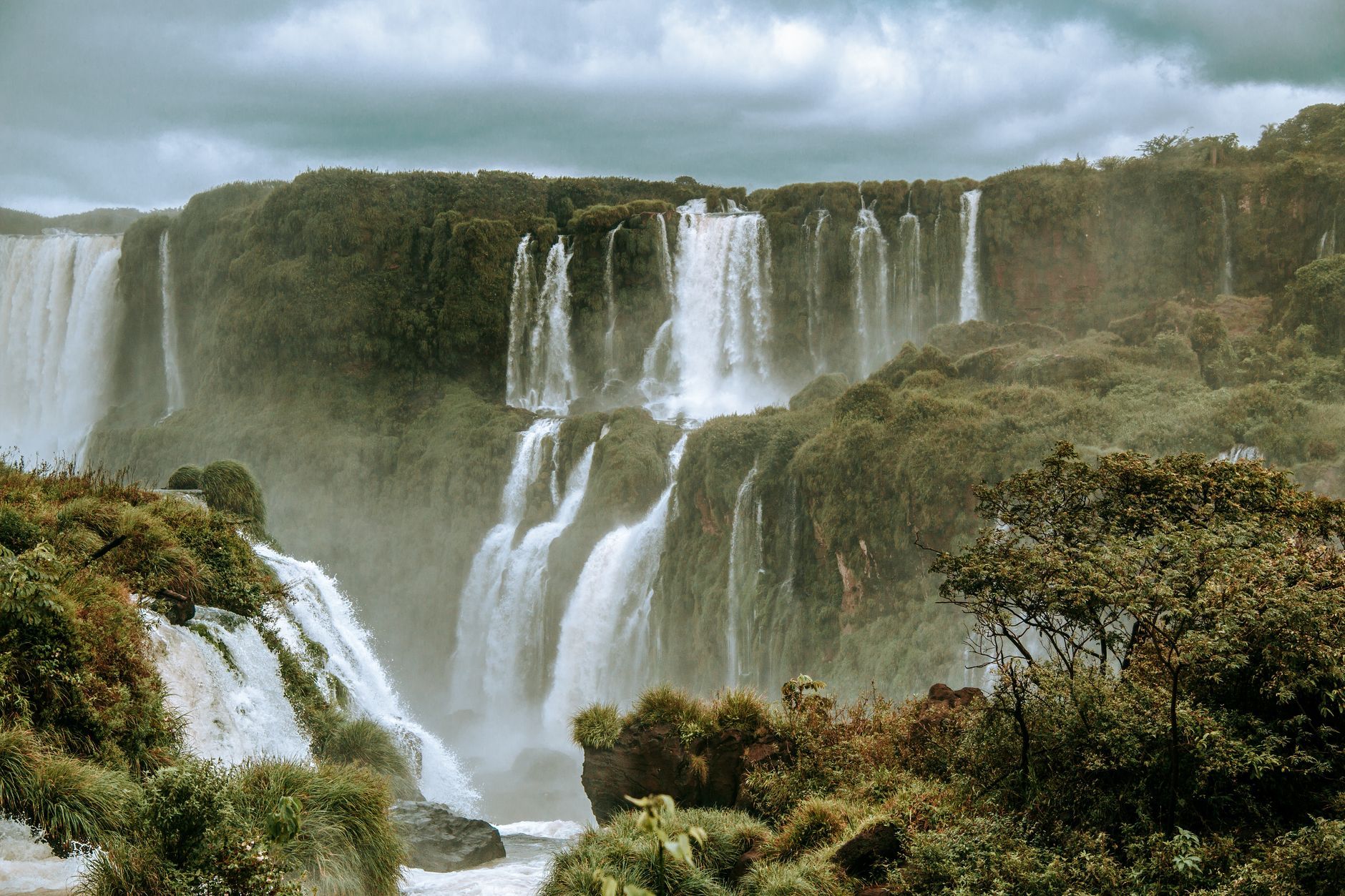
A ten metre fall inside a rock hollow north of the town, counted as the source of the Rio das Velhas and named for the swallows that nest there through spring and summer. The approach is a walk through protected cerrado.
-
Hotel Solar do Rosário
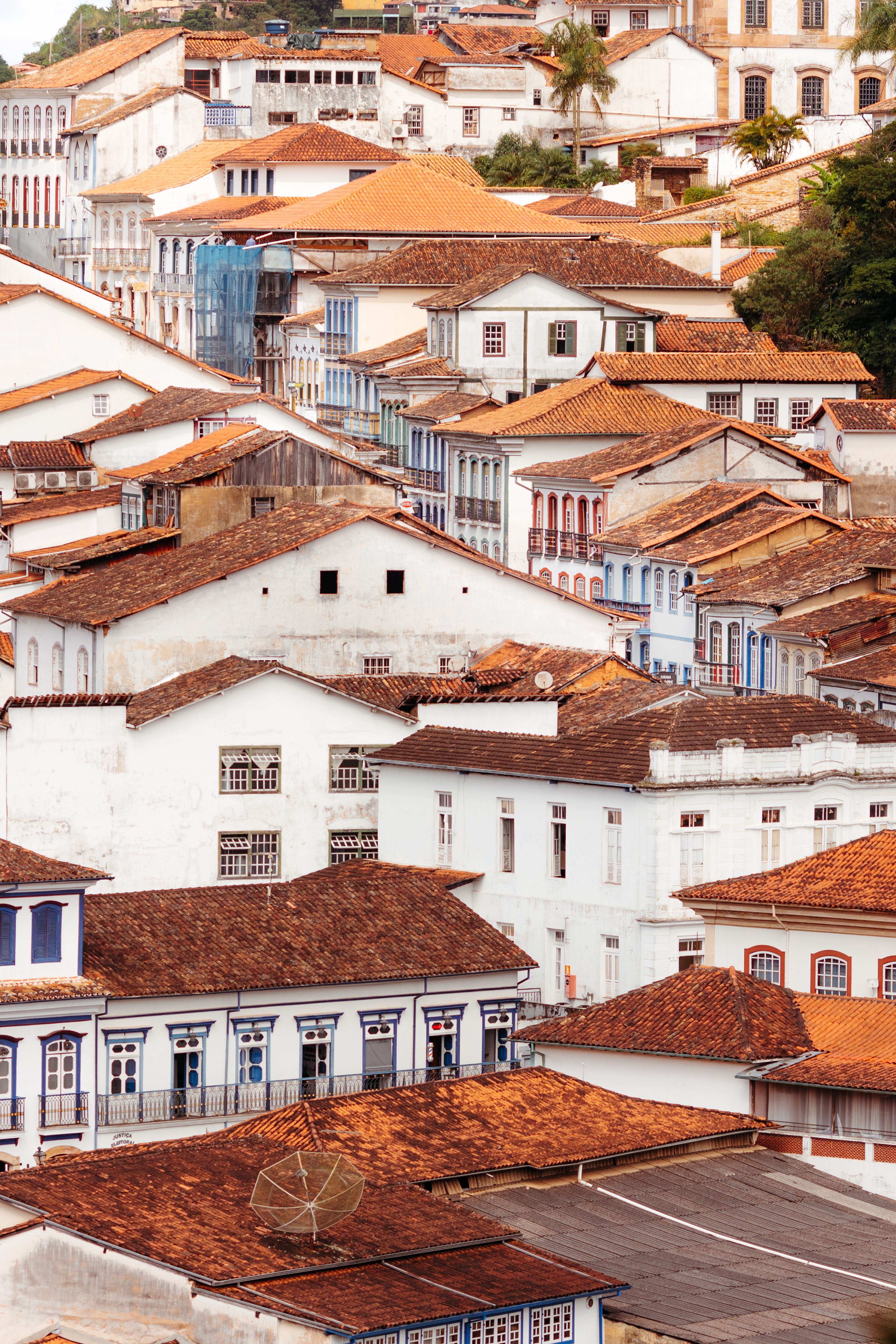
A colonial house on the slope below the Rosário church, extended into a small hotel with a pool, a spa and a gallery of contemporary Mineiro art. It is walking distance from the churches, which matters on hills this steep.
-
Igreja de Nossa Senhora do Rosário dos Homens Pretos
Built by the brotherhood of enslaved and freed Black Catholics who were kept out of the other churches, on a curved oval plan that nothing else in Minas Gerais repeats. The interior was never finished, and reads as the record of who paid for it.
-
Igreja de São Francisco de Assis
Aleijadinho drew the facade and carved much of the relief himself, and Mestre Ataíde painted the nave ceiling in what is still the most famous image in Brazilian colonial art. It is the single building that explains why the town is protected.
-
Mina da Passagem
A gold mine at Passagem de Mariana with thirty kilometres of tunnel, worked from the eighteenth century until 1954 and open to visitors since the 1970s. A cable trolley drops down the incline to flooded galleries of clear water at the bottom.
-
Praça Tiradentes
The high plateau at the centre of the town, where the head of Joaquim José da Silva Xavier was displayed in 1792 and where his statue now stands with its back to the governor's residence. Everything else is downhill from it.
-
Teatro Municipal
Built between 1769 and 1770 as the Casa da Ópera, and the oldest theatre still working anywhere in the Americas. The horseshoe of wooden boxes seats fewer than three hundred, and the programme still runs through the year. Daytime visits are possible when nothing is being rehearsed.