Things to do
9-
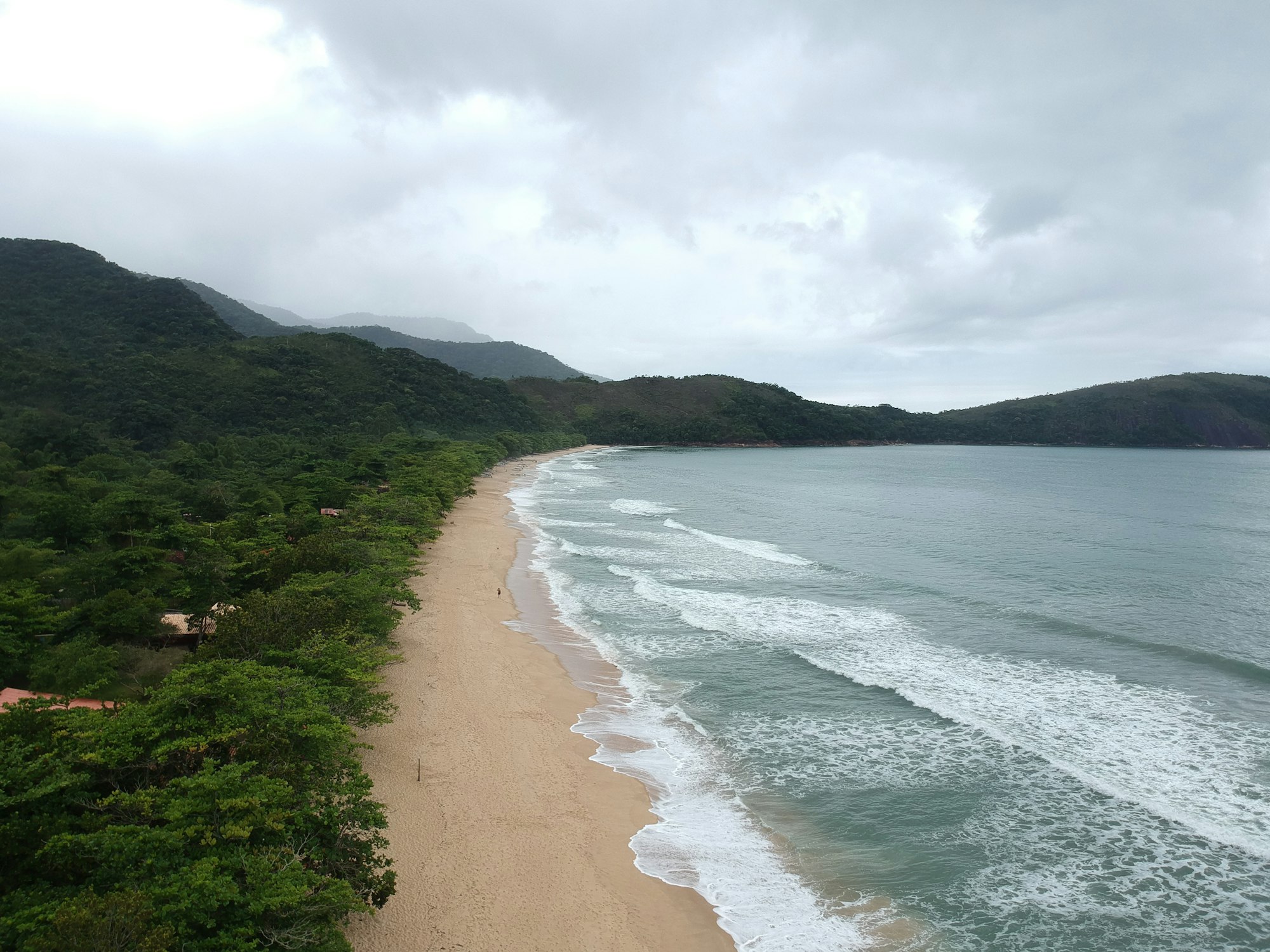
Praia do Sono
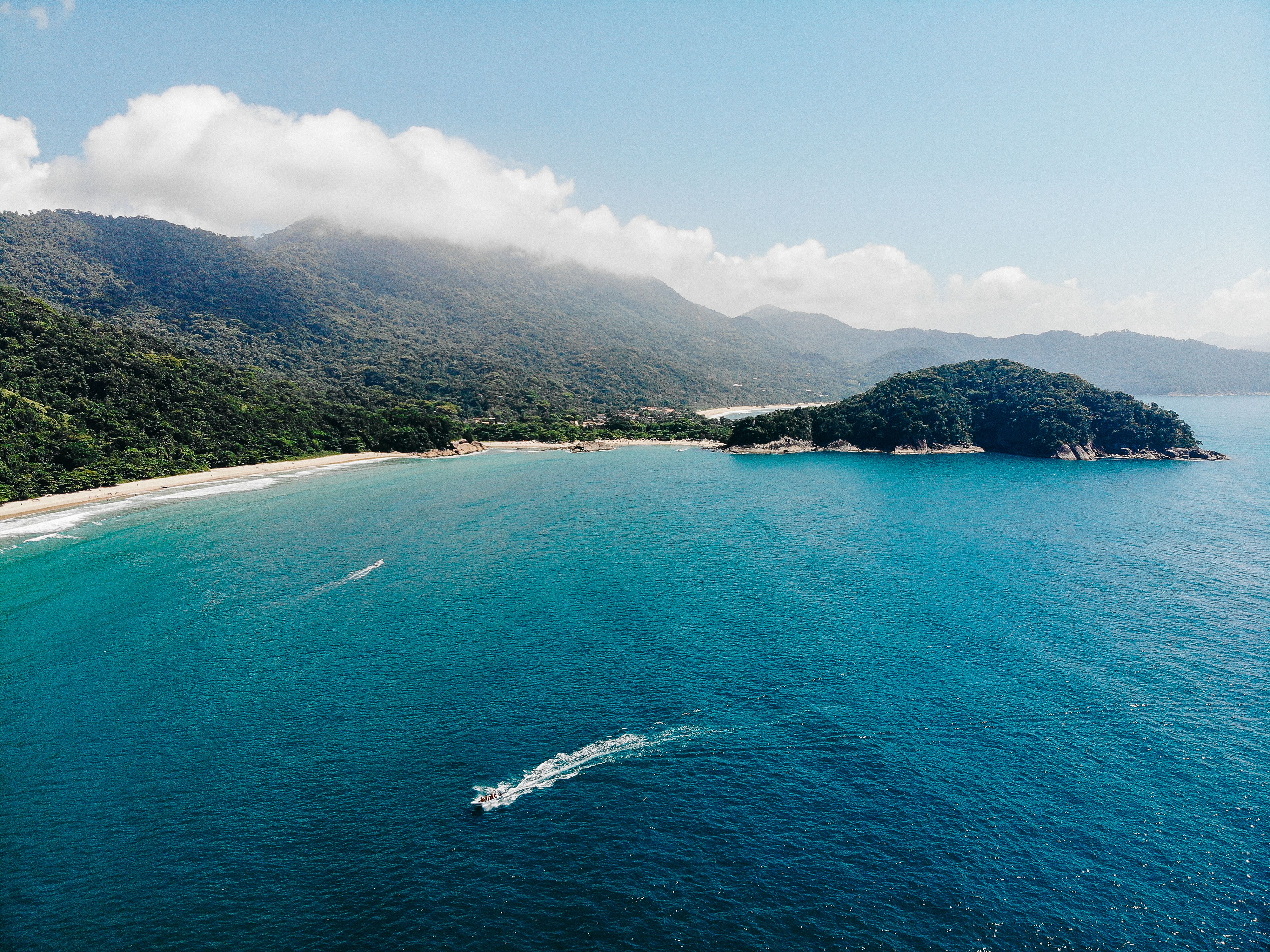
A wide beach with no road to it, reached by boat from Laranjeiras or by an hour of coastal trail, with campsites and caiçara houses behind the sand and nothing else. The path carries on to Ponta Negra and the waterfall at Saco Bravo.
-
Cachoeira do Tobogã
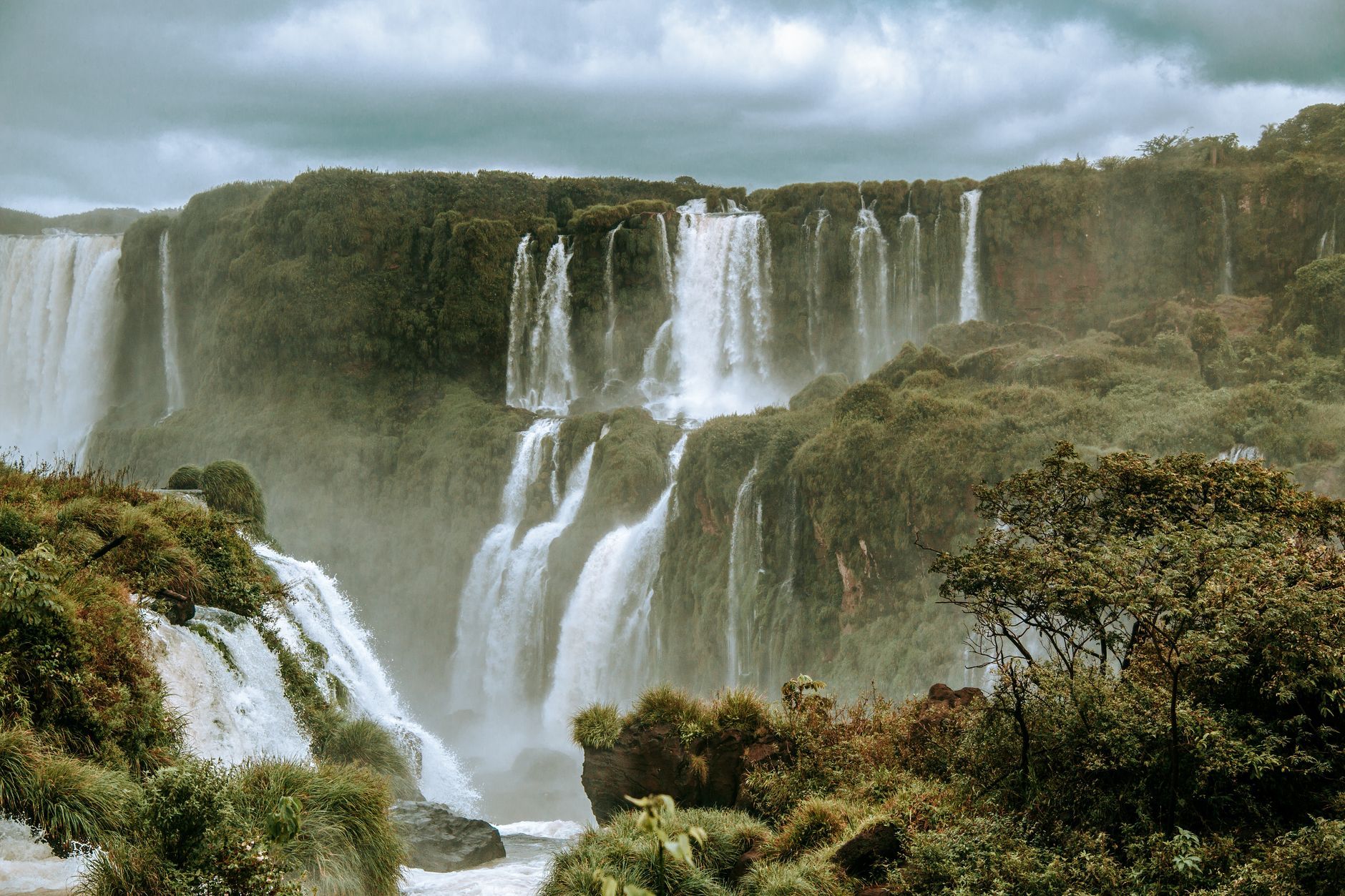
A granite chute in the Penha valley where the river runs over a smooth angled slab and swimmers ride it down into the pool. The rock is genuinely slippery and has caused serious injuries, so the safe line is the one a local guide shows first. A bar sits on the bank above it.
-
Caminho do Ouro
The stone paved road built with slave labour in the eighteenth century to bring gold from Minas Gerais down to the port, still walkable where it climbs the Serra do Mar toward Cunha. The surviving section is walked with a guide from the Penha valley.
-
Forte Defensor Perpétuo
Raised in 1793 on the Morro da Vila Velha, where the first settlement stood, to guard the gold coming down the Estrada Real and the sugar going out. The cannon still face the bay and the climb ends on the best view of the roofs.
-
Igreja de Santa Rita de Cássia
The oldest of the colonial churches, standing on an open green in front of the bay with a baroque facade and a bell tower set to one side. It now holds the town's collection of sacred art, and it is the building on every photograph of Paraty.
-
Igreja Matriz de Nossa Senhora dos Remédios
The parish church on the main square, dedicated to the patron the settlement carried in its full colonial name. Its plain white front faces a largo that the highest tides still flood through the open drains, which is how the streets were designed to work.
-
Pousada do Ouro
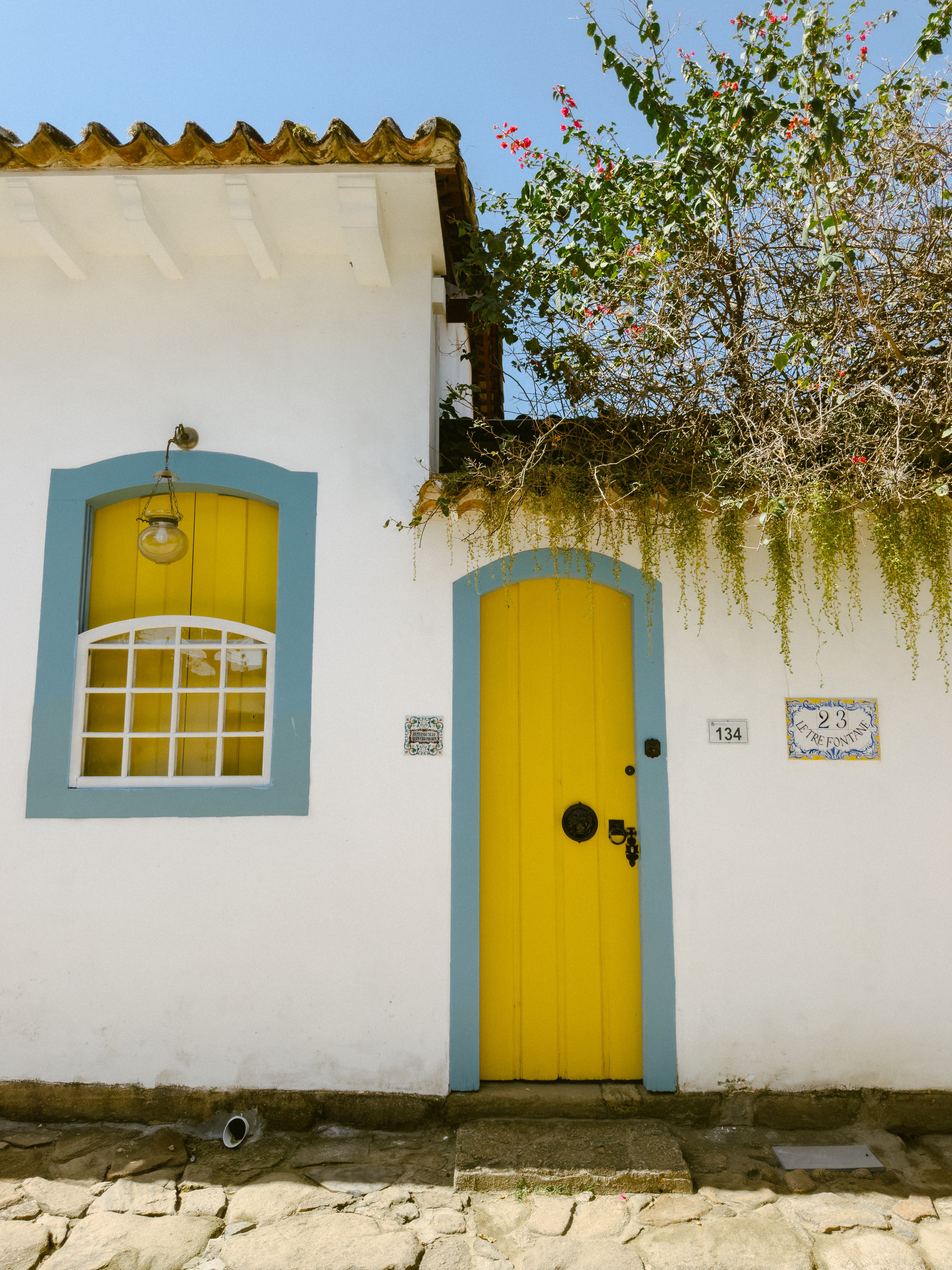
A colonial merchant's house on Rua da Praia turned into a small hotel, with a garden courtyard and a pool set behind the street front. It stands inside the historic grid, a few paces from the water and the boat quay.
-
Saco do Mamanguá
An inlet eight kilometres long and two wide, running between forested ridges and often called a tropical fjord, with 33 beaches along it and mangrove at its head. Kayaks put in at Paraty-Mirim, and the Pico do Pão de Açúcar above it is a two hour climb.
-
Trindade
A caiçara fishing village half an hour south, part of it inside the Serra da Bocaina national park, with four beaches strung along one sand road. The natural tidal pool at Cachadaço is reached by a rock path from the end of the last beach.