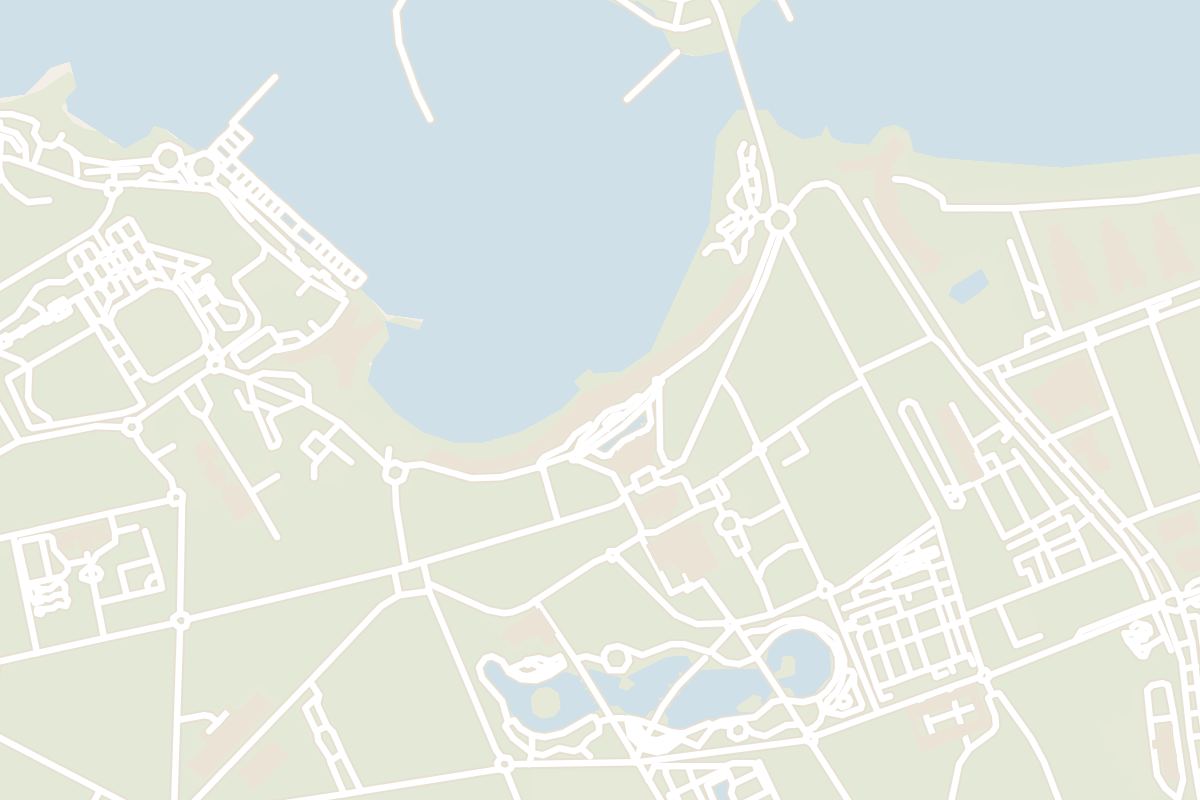
 16 km east by road
Citadel of Qaitbay
A limestone fort at the tip of the Eastern Harbour, with open sea on three sides. Walk through the courtyard to the square keep and look up at its four corner towers.
Read the guide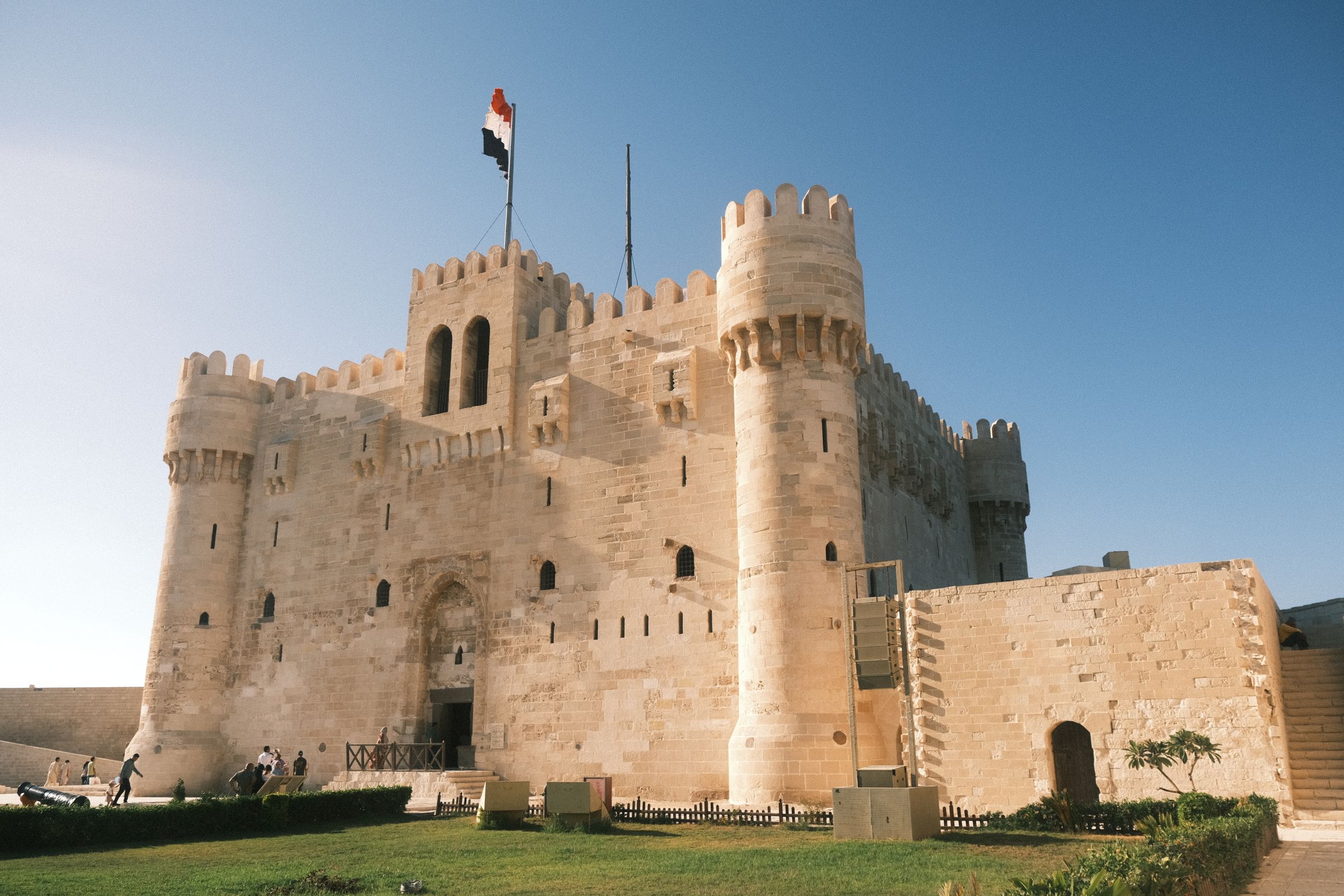
Give Alexandria two days and a night and you reach more than its seafront: the Roman tombs under Karmouz, the Bibliotheca on the corniche, then the walk west round the Eastern Harbour to Qaitbay.
Town guide, Egypt. Meridian Dispatch.
Ninety seconds on Alexandria
Two days, with a night between them, covers the catacombs, the Bibliotheca and Qaitbay, then a morning at Montaza or the Graeco-Roman Museum. A third day can go to Rosetta in the Nile delta or the war cemetery at El Alamein, west along the coast.
Mostly by taxi and ride-hail, because the sights lie far apart in a long, narrow coastal city. City buses take cash, paid to the conductor on board, and timetables are hard to find, so hotel staff are the best guide.
Spring and autumn, between the summer heat and the winter rain. August is the hottest month, with average highs near 30 °C. Summer is the beach season and the city is crowded. Winter is cooler and rainier, with the wetter season running from late November to early March.
Arabic is the main language. English is understood in the tourist hotels and restaurants, and a phone translation app covers the rest.
Both are needed. Carry a card and small Egyptian pound notes: drivers, microbuses and kiosks take cash only, and rarely have change for large bills. At the railway stations, the foreign ticket windows take dollars, euros or cards.
Alexandria International Airport at Borg El Arab, code HBE, in the desert on the city's southwestern side. Cairo International is the other option, about three hours away by road.
Stay a night in Alexandria, over two days, if you want the catacombs and the museums as well as the seafront. For Qaitbay and the Bibliotheca alone, a day trip by train from Cairo is enough.
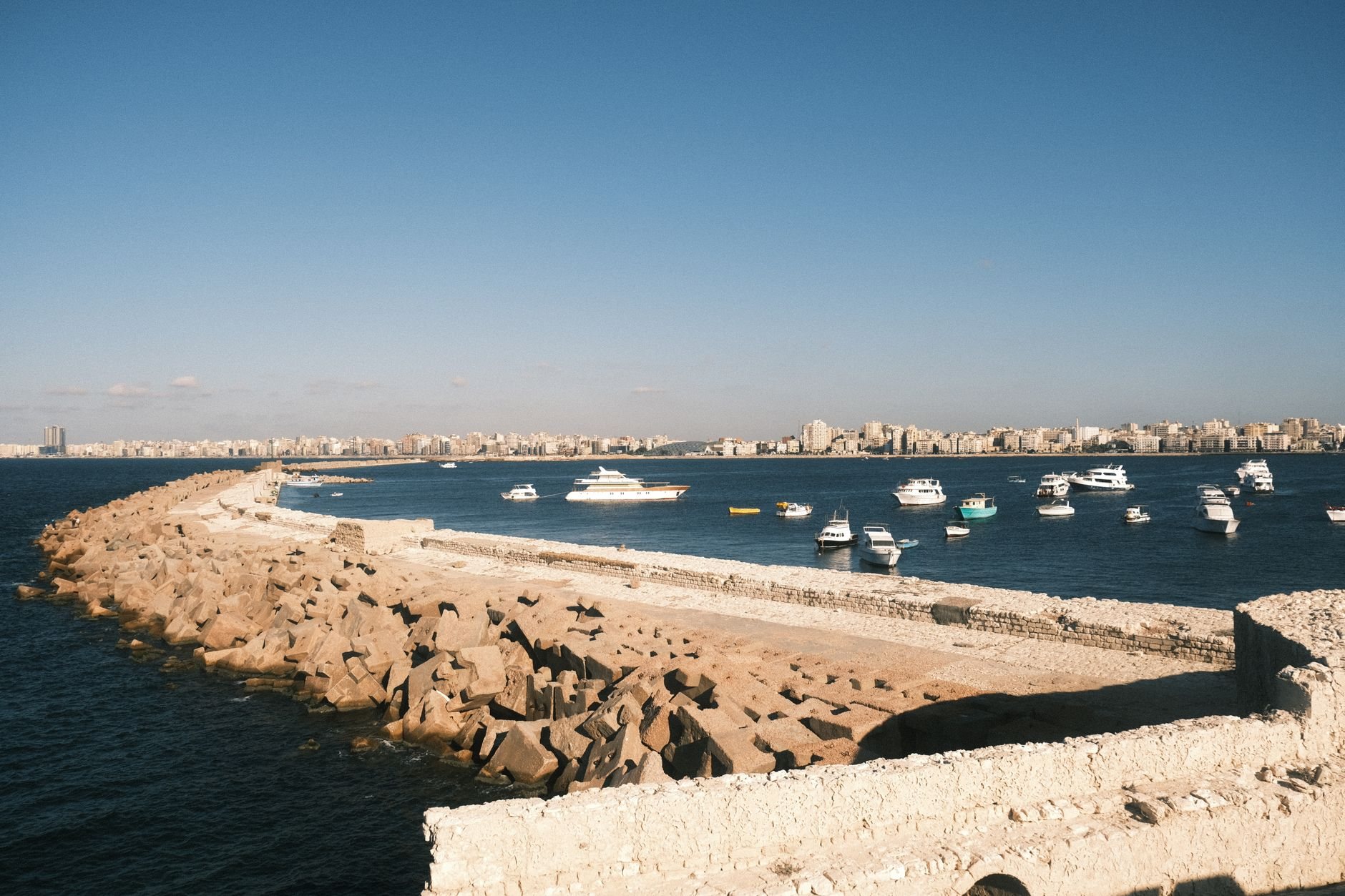
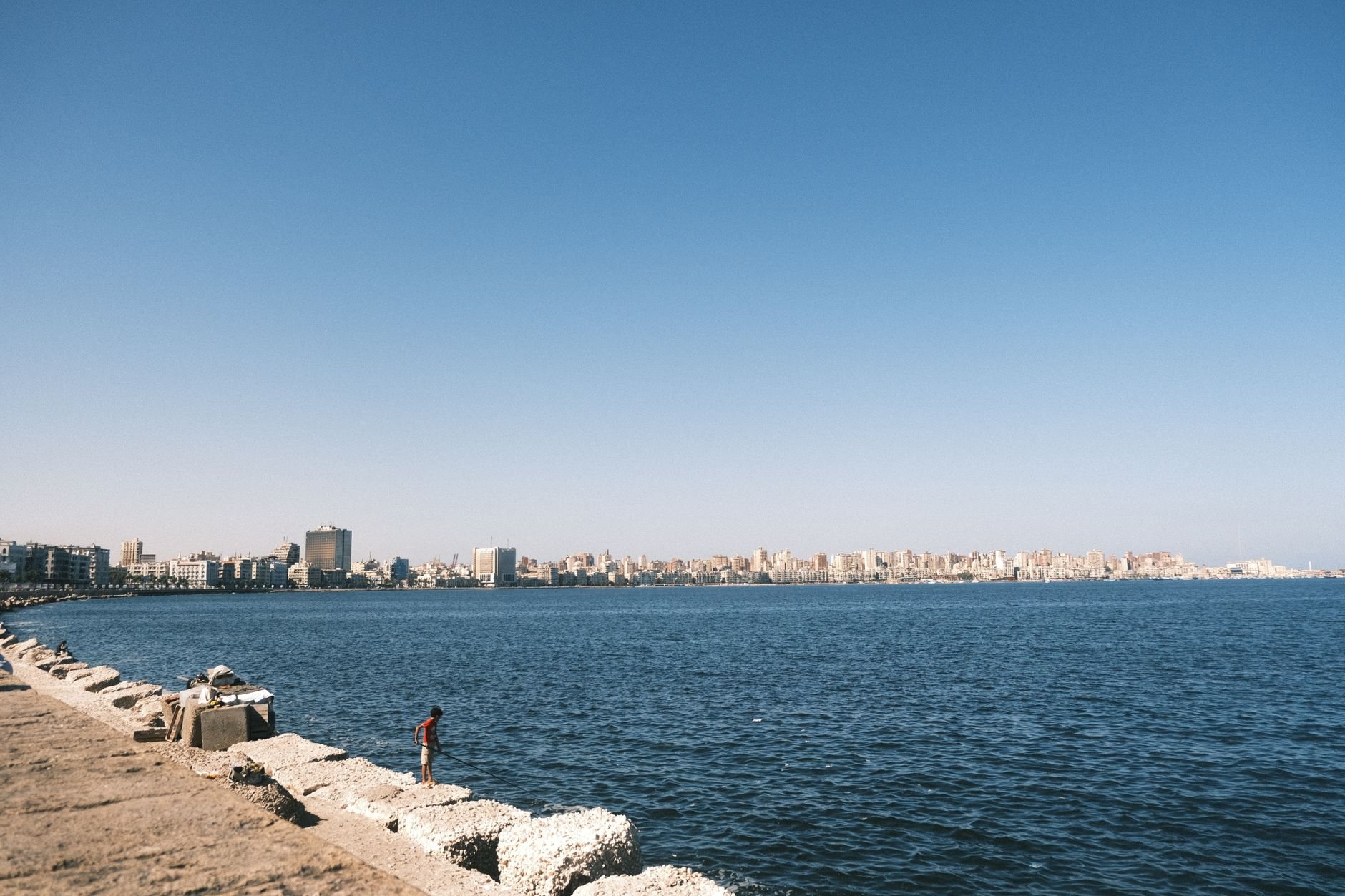
Alexandria runs for kilometres along the sea, so you plan it in stretches: the old harbour and Anfushi in the west, the ruins and museums inland from Raml, and the palaces and gardens out east. A taxi or ride-hail joins the stretches, and within each one you walk.
19 km
The hotel below stands at the far eastern end of the corniche, a taxi ride from the centre. For the harbour and the Roman sites on foot, look for a room on the corniche between Raml and Shatby.
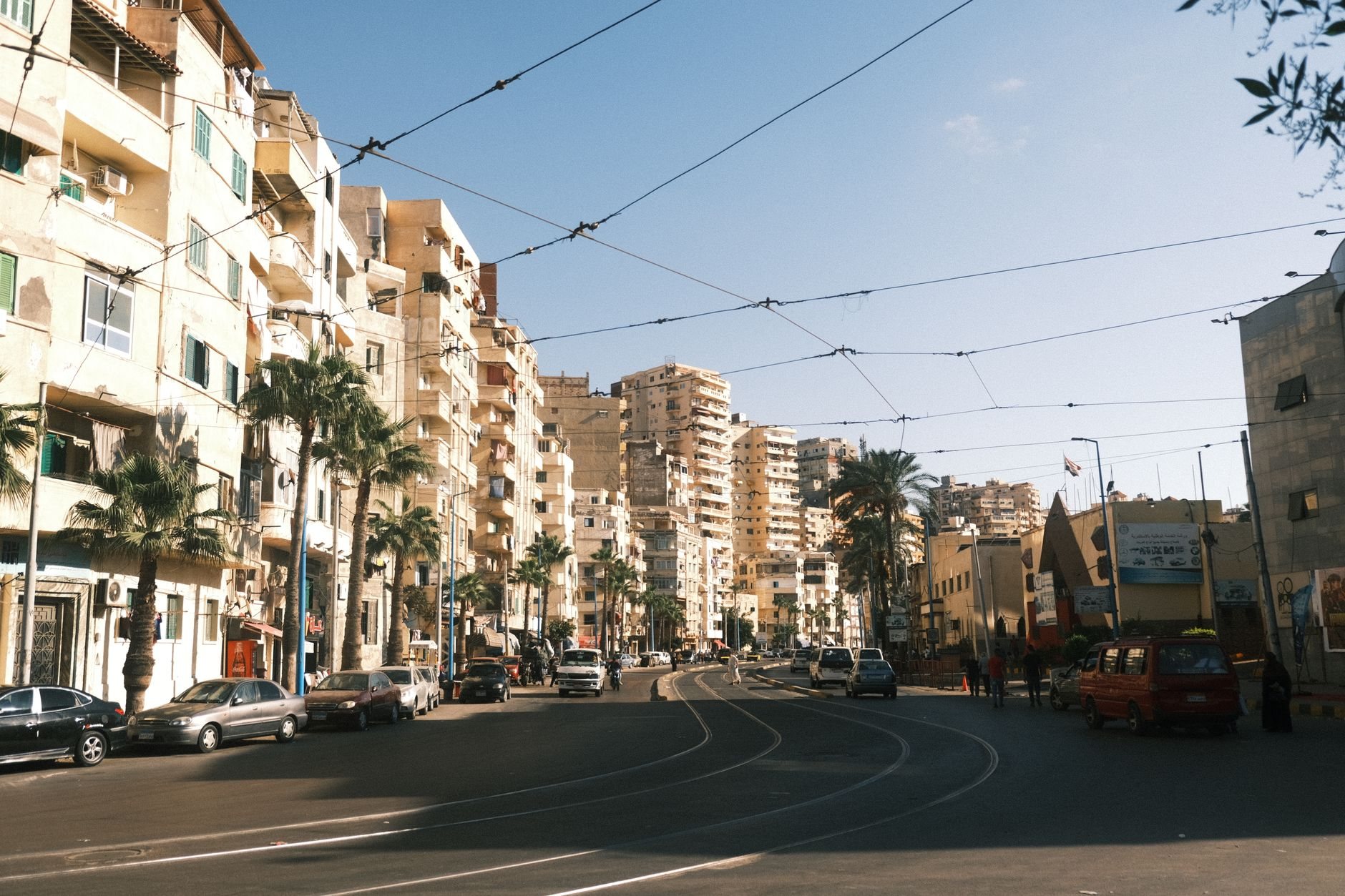
Grouped by what each place is best for, from the old harbour in the west to the gardens out east and the day trips beyond.
Downtown, the harbour and the Roman sites inland are each a short taxi ride apart. Montaza needs a ride east, and each day trip takes most of a day.
A limestone fort at the tip of the Eastern Harbour, with open sea on three sides. Walk through the courtyard to the square keep and look up at its four corner towers.
Read the guideYou descend to the best-known of ancient Alexandria's surviving cemeteries, a Roman-era tomb where Egyptian and Greek art share the walls.
Read the guideA granite disc on the corniche at Shatby, holding the library, its museums and a planetarium. The Main Library ticket opens the reading room and exhibitions; the Antiquities and Manuscripts museums need the inclusive ticket.
Read the guideA neo-Mamluk shrine mosque with two minarets, on the waterfront road between Anfushi and Qaitbay. It is a working mosque: visit outside prayer times, in modest dress, and leave your shoes at the door.
The old central square, with a bronze of Muhammad Ali on horseback at its centre and the courthouse close by. It sits a few minutes inland from the Eastern Harbour, at the edge of the Attarin quarter.
A single granite column on the hilltop in Karmouz, with two granite sphinxes on plinths in front. The Catacombs of Kom El Shoqafa are about 13 minutes away on foot.
Little of the temple stands above ground, so the visit goes below the old platform into long rock-cut galleries. It is inside the same fenced site as Pompey's Pillar.
A Roman quarter dug out in the city centre, near the main railway station: a small theatre of marble seats, a bath complex and rows of lecture halls. The Villa of the Birds keeps its floor mosaics under a roof, where they were laid.
Four rock-cut family tombs in Rushdy, the finest with a courtyard of Doric columns and a painted frieze of riders. Not every tomb is always open, and the site is reached by taxi.
The city's own museum of the Ptolemies and Rome, behind a six-column facade, with a black granite Apis bull, the Sophilos mosaic and a garden of sculpture.
An Italianate mansion on Tariq al-Horreya, with the city's past arranged one floor per period, from pharaonic pieces to Coptic and Islamic work. Its size makes it a good first stop before the sites.
The Greek poet's apartment, a few minutes on foot from Raml Station, with his manuscripts, portraits and translations of the poems. It is small and quiet; check its opening days before you go.
Paintings from older European canvases to modern Egyptian work, with a calligraphy section, in the Arts Complex in Moharram Bey. It is a taxi ride inland from the corniche.
The Alexandrian painter's family villa in Gianaclis, with his canvases, easel and palettes on the ground floor and modern Egyptian art below. It stands on a side street behind the San Stefano complex.
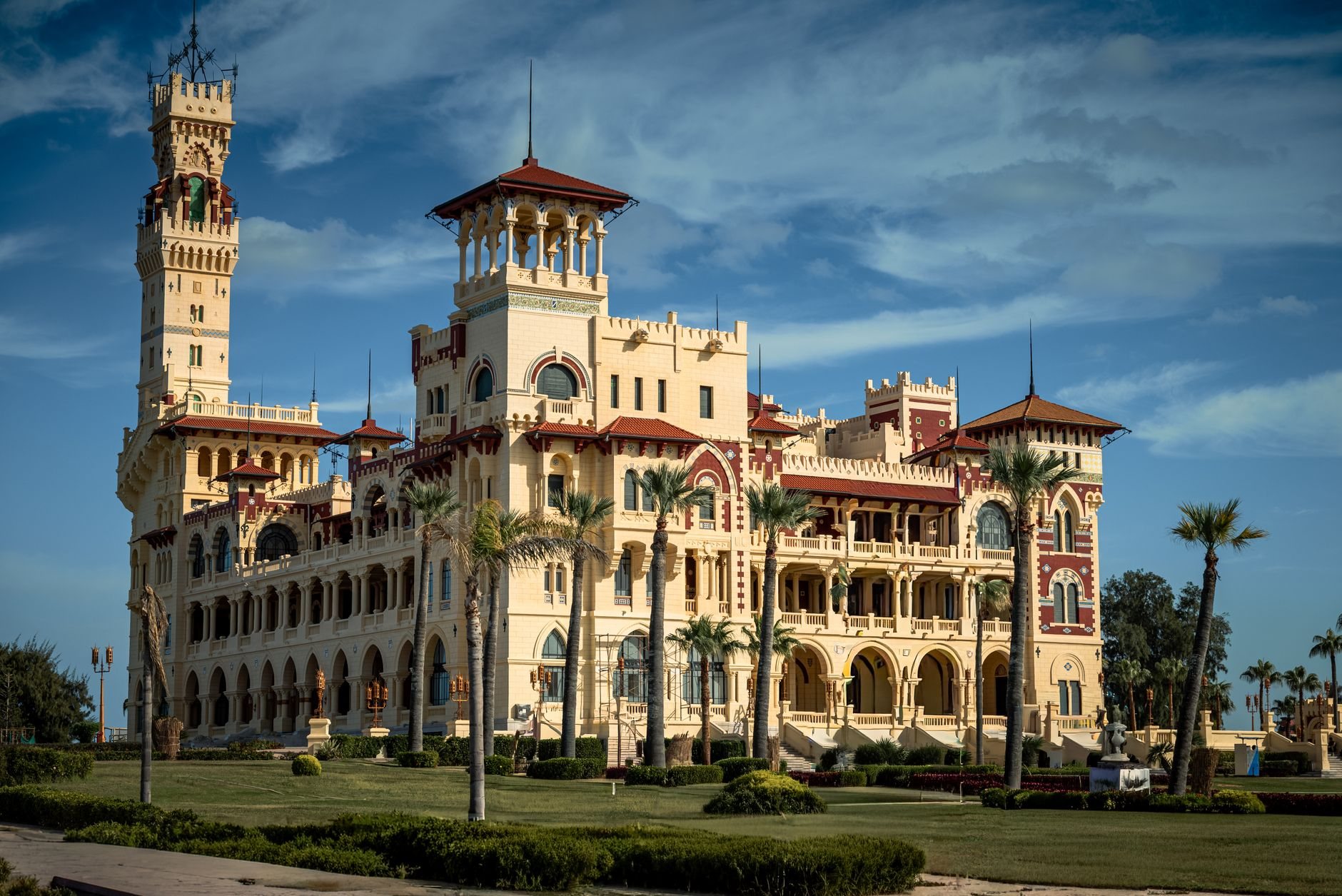
The jewels of Egypt's last royal family, shown in a palace in Zizinia with painted walls and ceilings and windows of coloured glass. It sits in its own garden, a taxi ride east of the centre.
The historic seat of the Coptic pope, near Raml Station, with two older bell towers and marble columns in the portico. Look in outside the services.
A neoclassical hall of Italian marble on Nabi Daniel Street. It is not a walk-in visit: guards check passports at the gate, so carry yours.
The palace rooms are closed, but a gate ticket opens the grounds: gardens and woodland running down to small beaches at the eastern end of the corniche. Bring a hat, as there is little shade on the open lawns.
A road bridge across the mouth of Stanley Bay, with Florentine-style towers at its ends. The best view of its arches is from Stanley beach in the small bay below.
Formal gardens east of the centre beside Nouzha Park, with shaded paths, statues and lawns where picnics are allowed. The villa itself is seen from the grounds.
A Nile port east of Alexandria, with brick merchant houses behind carved wooden screens, a museum holding a replica of the Rosetta Stone and a fort at the river mouth. Microbuses run from the city, and the afternoon returns thin out.
Rows of Commonwealth headstones behind the Alamein Memorial, whose cloister walls carry the names of the missing. It lies west along the coast road, close to the military museum.
Separate halls for each army of the desert battle, with uniforms, maps and dioramas, and tanks and guns in the garden. A hired car covers the museum and the war cemetery in one day.
The ruins of a late Roman pilgrim town, where the plan of the basilica, baths and lodgings is easy to follow. It lies southwest of the city beside the working Monastery of Saint Menas, reached by car.
The stone walls of a temple of Osiris stand on the ridge between the sea and Lake Mariout, near Borg El Arab. Digging goes on, and the site is reached by taxi or hired car.
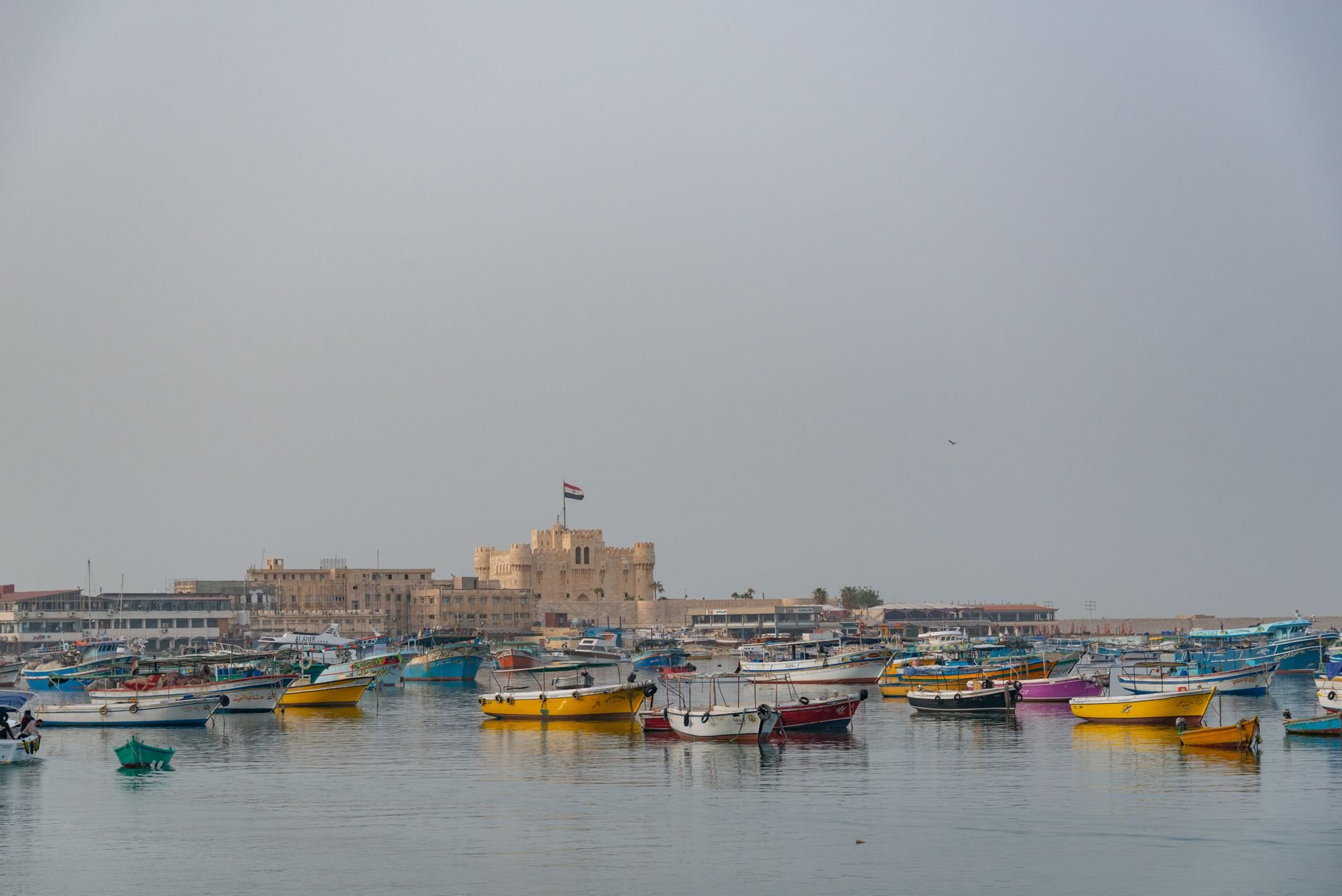
The fort of Qaitbay, then the fishing boats and Anfushi's mosques on the walk back.
A limestone fort at the tip of the Eastern Harbour, with open sea on three sides. Walk through the courtyard to the square keep and look up at its four corner towers.
Read the guideA neo-Mamluk shrine mosque with two minarets, on the waterfront road between Anfushi and Qaitbay. It is a working mosque: visit outside prayer times, in modest dress, and leave your shoes at the door.
The old central square, with a bronze of Muhammad Ali on horseback at its centre and the courthouse close by. It sits a few minutes inland from the Eastern Harbour, at the edge of the Attarin quarter.
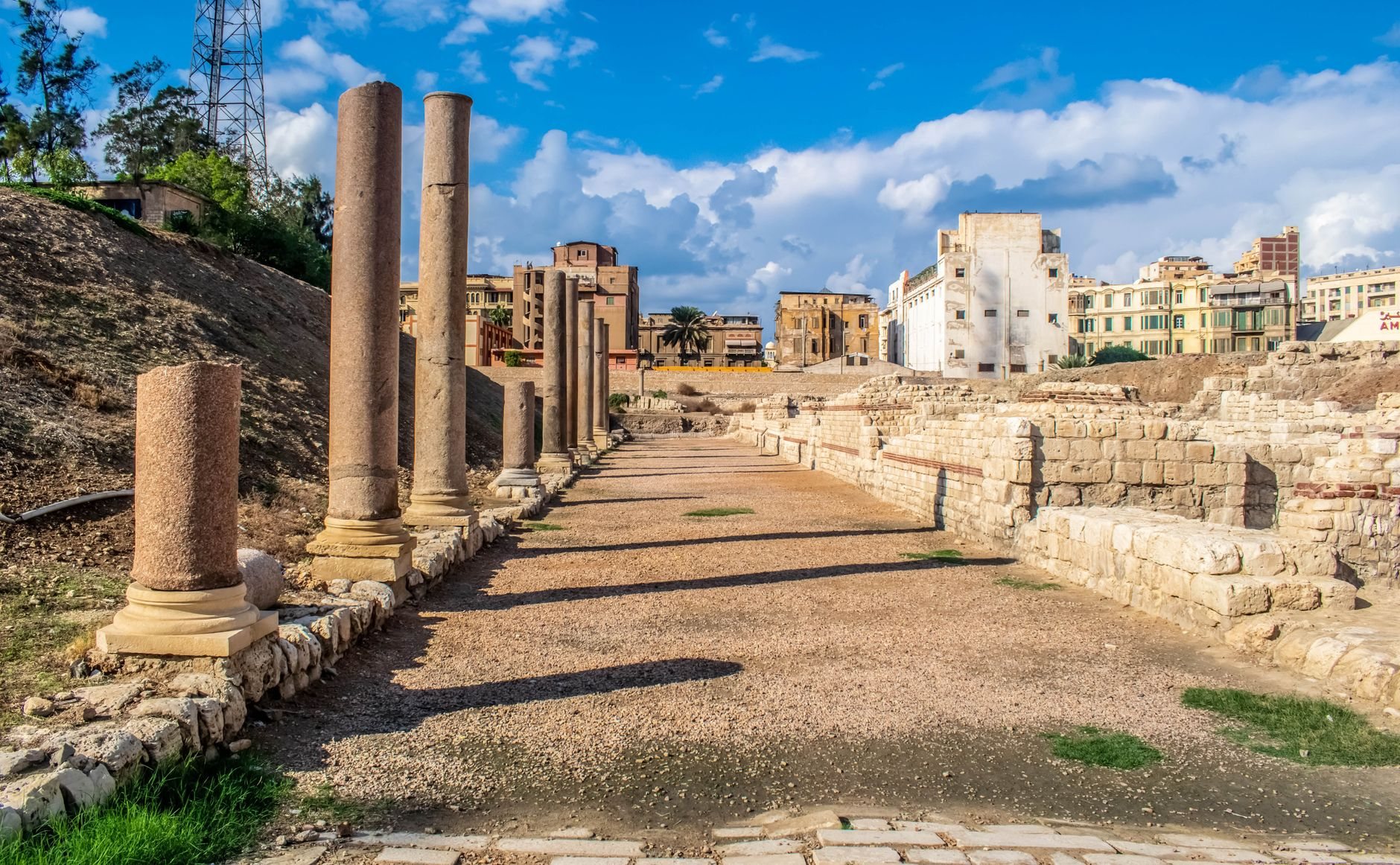
A tomb cut deep into the rock, a granite pillar on its hill and a Roman theatre downtown.
You descend to the best-known of ancient Alexandria's surviving cemeteries, a Roman-era tomb where Egyptian and Greek art share the walls.
Read the guideA single granite column on the hilltop in Karmouz, with two granite sphinxes on plinths in front. The Catacombs of Kom El Shoqafa are about 13 minutes away on foot.
Little of the temple stands above ground, so the visit goes below the old platform into long rock-cut galleries. It is inside the same fenced site as Pompey's Pillar.
A Roman quarter dug out in the city centre, near the main railway station: a small theatre of marble seats, a bath complex and rows of lecture halls. The Villa of the Birds keeps its floor mosaics under a roof, where they were laid.
Four rock-cut family tombs in Rushdy, the finest with a courtyard of Doric columns and a painted frieze of riders. Not every tomb is always open, and the site is reached by taxi.
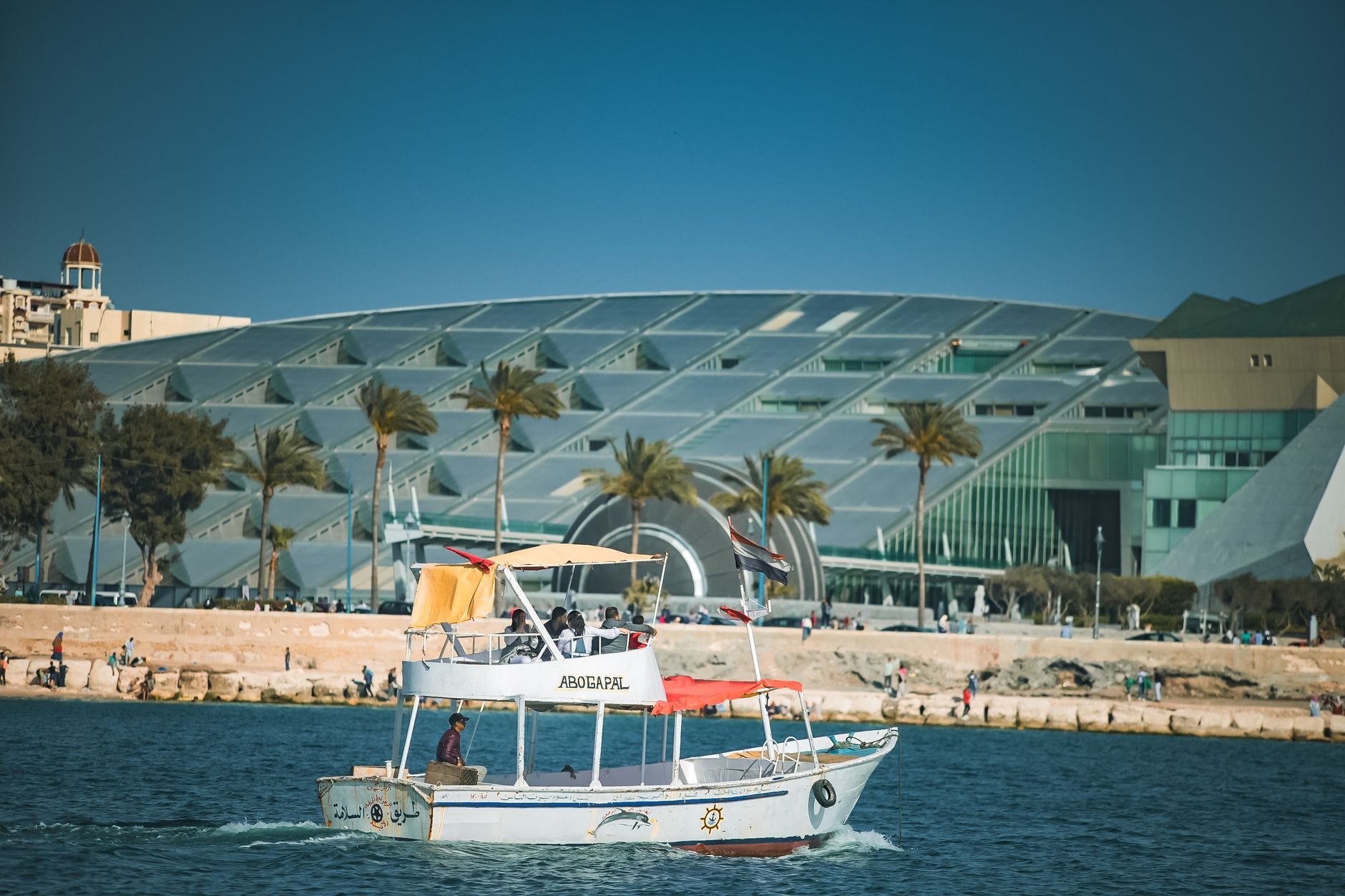
The Bibliotheca on the corniche, and the city's past room by room in the Graeco-Roman and National museums.
A granite disc on the corniche at Shatby, holding the library, its museums and a planetarium. The Main Library ticket opens the reading room and exhibitions; the Antiquities and Manuscripts museums need the inclusive ticket.
Read the guideThe city's own museum of the Ptolemies and Rome, behind a six-column facade, with a black granite Apis bull, the Sophilos mosaic and a garden of sculpture.
An Italianate mansion on Tariq al-Horreya, with the city's past arranged one floor per period, from pharaonic pieces to Coptic and Islamic work. Its size makes it a good first stop before the sites.
The Greek poet's apartment, a few minutes on foot from Raml Station, with his manuscripts, portraits and translations of the poems. It is small and quiet; check its opening days before you go.
Paintings from older European canvases to modern Egyptian work, with a calligraphy section, in the Arts Complex in Moharram Bey. It is a taxi ride inland from the corniche.
The Alexandrian painter's family villa in Gianaclis, with his canvases, easel and palettes on the ground floor and modern Egyptian art below. It stands on a side street behind the San Stefano complex.
The jewels of Egypt's last royal family, shown in a palace in Zizinia with painted walls and ceilings and windows of coloured glass. It sits in its own garden, a taxi ride east of the centre.
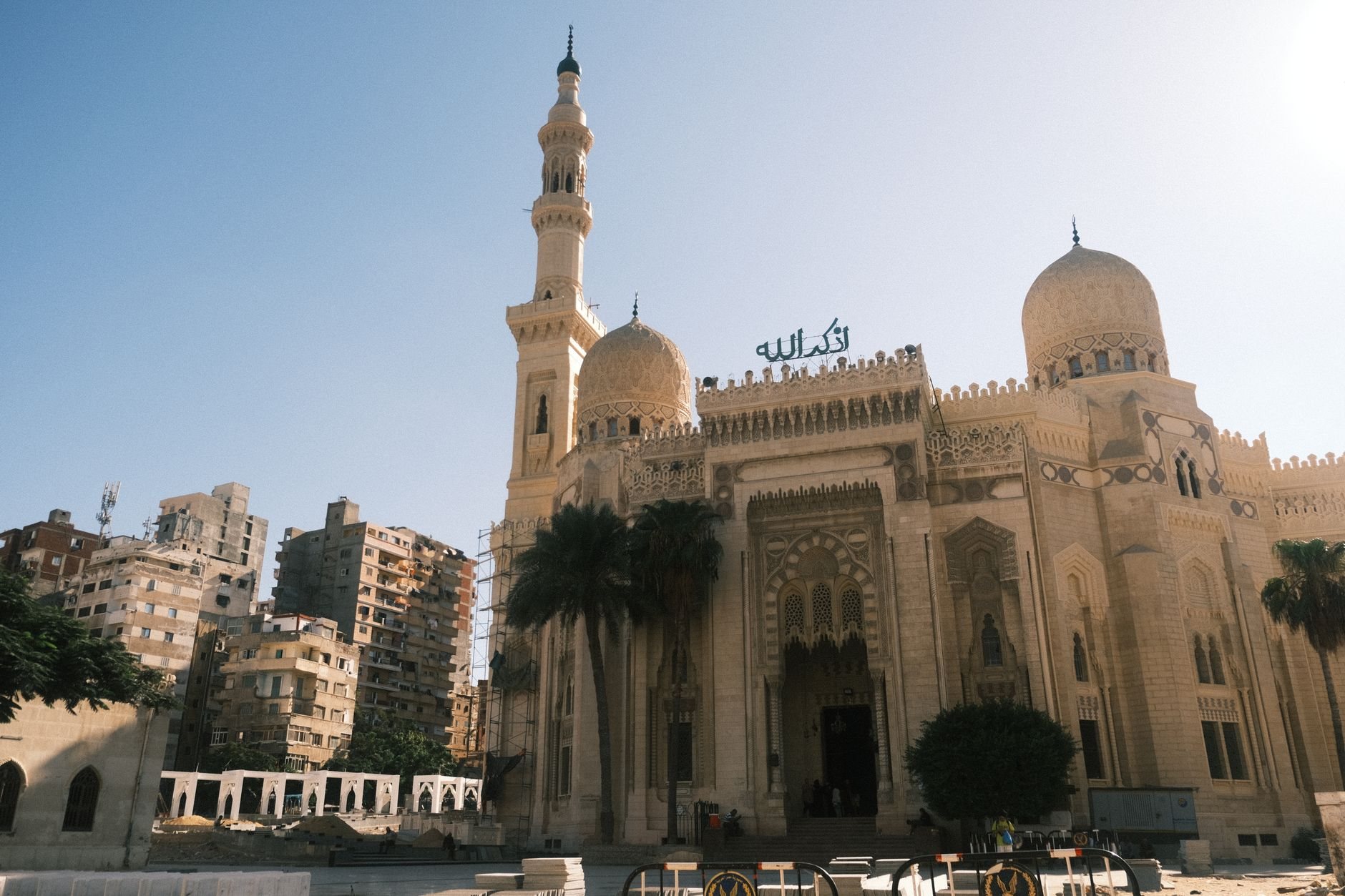
A shrine mosque in Anfushi, the Coptic cathedral near Raml and a marble synagogue downtown.
A neo-Mamluk shrine mosque with two minarets, on the waterfront road between Anfushi and Qaitbay. It is a working mosque: visit outside prayer times, in modest dress, and leave your shoes at the door.
The historic seat of the Coptic pope, near Raml Station, with two older bell towers and marble columns in the portico. Look in outside the services.
A neoclassical hall of Italian marble on Nabi Daniel Street. It is not a walk-in visit: guards check passports at the gate, so carry yours.
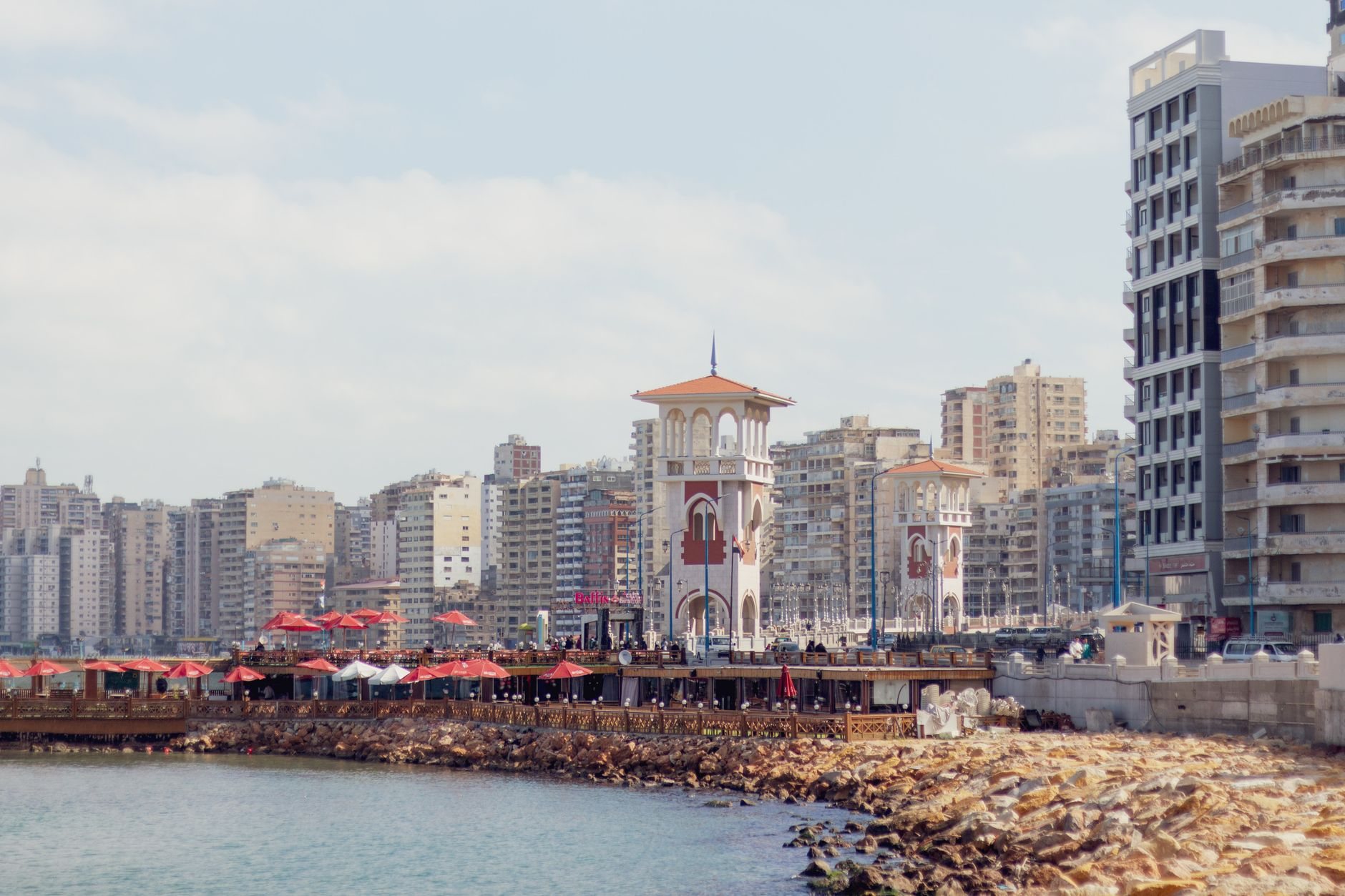
Stanley's bridge and beach, a royal jewel collection in Zizinia and the palace gardens out east.
The Alexandrian painter's family villa in Gianaclis, with his canvases, easel and palettes on the ground floor and modern Egyptian art below. It stands on a side street behind the San Stefano complex.
The jewels of Egypt's last royal family, shown in a palace in Zizinia with painted walls and ceilings and windows of coloured glass. It sits in its own garden, a taxi ride east of the centre.
The palace rooms are closed, but a gate ticket opens the grounds: gardens and woodland running down to small beaches at the eastern end of the corniche. Bring a hat, as there is little shade on the open lawns.
A road bridge across the mouth of Stanley Bay, with Florentine-style towers at its ends. The best view of its arches is from Stanley beach in the small bay below.
Formal gardens east of the centre beside Nouzha Park, with shaded paths, statues and lawns where picnics are allowed. The villa itself is seen from the grounds.
A Nile port with Ottoman houses, the El Alamein battlefield and two ancient sites in the desert to the west.
A Nile port east of Alexandria, with brick merchant houses behind carved wooden screens, a museum holding a replica of the Rosetta Stone and a fort at the river mouth. Microbuses run from the city, and the afternoon returns thin out.
Rows of Commonwealth headstones behind the Alamein Memorial, whose cloister walls carry the names of the missing. It lies west along the coast road, close to the military museum.
Separate halls for each army of the desert battle, with uniforms, maps and dioramas, and tanks and guns in the garden. A hired car covers the museum and the war cemetery in one day.
The ruins of a late Roman pilgrim town, where the plan of the basilica, baths and lodgings is easy to follow. It lies southwest of the city beside the working Monastery of Saint Menas, reached by car.
The stone walls of a temple of Osiris stand on the ridge between the sea and Lake Mariout, near Borg El Arab. Digging goes on, and the site is reached by taxi or hired car.
Begin inland at the Catacombs of Kom El Shoqafa in Karmouz, where a spiral stair of about 100 steep steps leads down to the tombs. Last entry is at 16:00, or 15:00 in Ramadan, every day of the week. Pompey's Pillar stands on its hill a short walk away.
Take a taxi or ride-hail to the Bibliotheca Alexandrina on the corniche at Shatby. It is closed on Fridays and closes at 14:00 on Saturdays, so keep the Library for Sunday to Thursday if you can. Suitcases go into its deposit boxes, which makes it a useful stop on the day you arrive.
From the Library, walk west along the corniche past Saad Zaghloul Square and round the curve of the Eastern Harbour, about an hour on foot. The Citadel of Qaitbay is open on Fridays too. Last entry is 19:00 in summer, 17:00 in winter and 15:00 in Ramadan, so in winter leave the Library by 15:30 to reach the citadel before the 17:00 last entry. In Ramadan, go to the citadel before the Library.
Walk back from the citadel through Anfushi, past the fishing boats, to the Abu al-Abbas al-Mursi Mosque, about 18 minutes on foot. From there a taxi takes you back to the hotels on the corniche.
On a second morning, ride east to the gardens of Montaza Palace, or stay central for the Graeco-Roman Museum and the Roman theatre at Kom El Deka. If Alexandria was a day trip, the trains back to Cairo leave from Misr Station and stop at Sidi Gaber on the way out.
Alexandria's airport is at Borg El Arab, in the desert southwest of the city, and the way in is by car.
Both apps show the fare before you book. Request the car once you have your bags, then meet it at the pickup point the app gives.
Taxis wait outside the arrivals hall. Settle the fare to your hotel before you get in.


Every object from Tutankhamun's tomb is on show together here for the first time since its discovery.

Giza is a city of several million on the west bank of the Nile, continuous with Cairo.
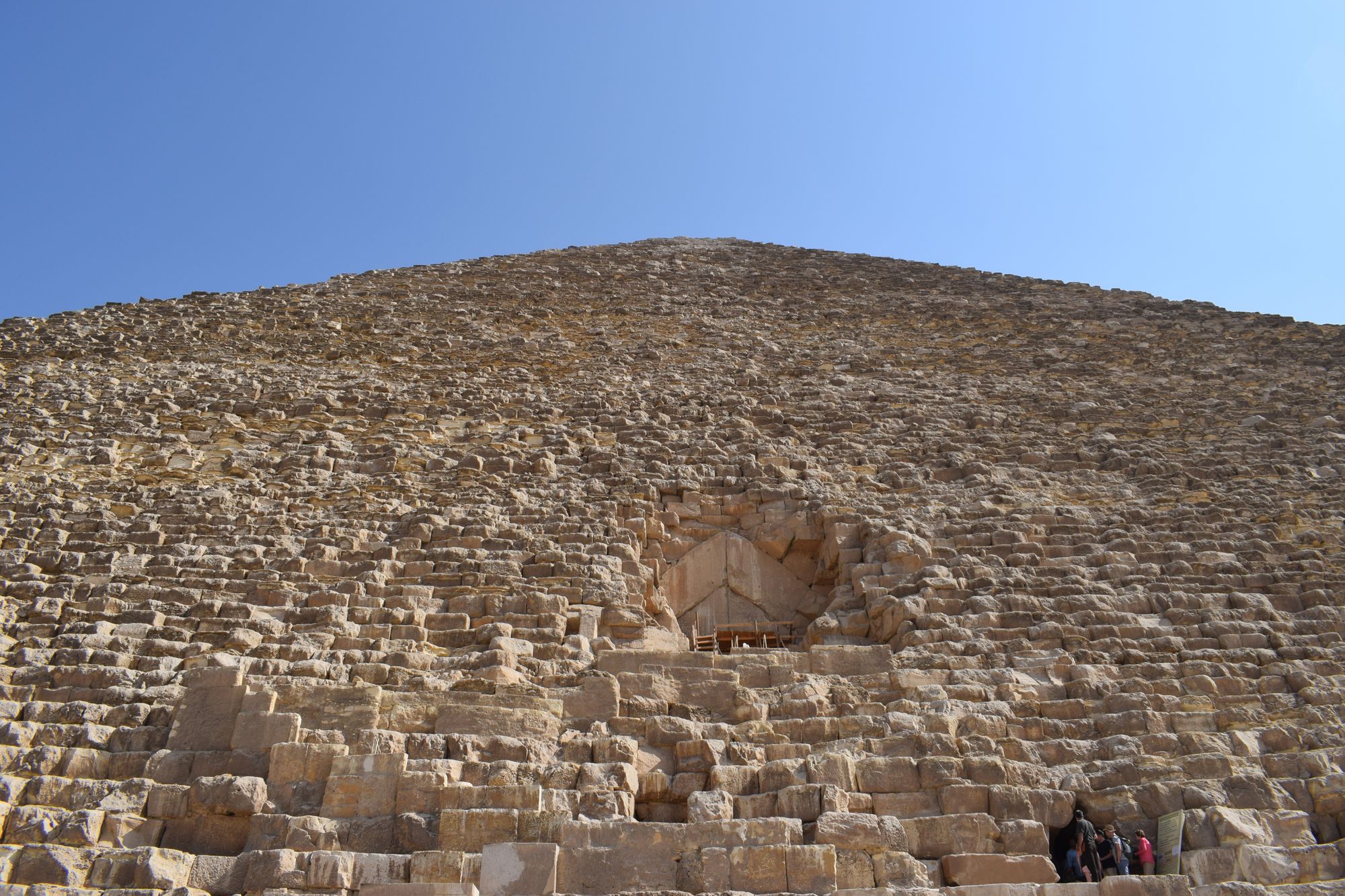
Three pyramids stand on the Giza plateau, and Khufu's, the biggest and oldest, is the one to touch at the base and climb inside.
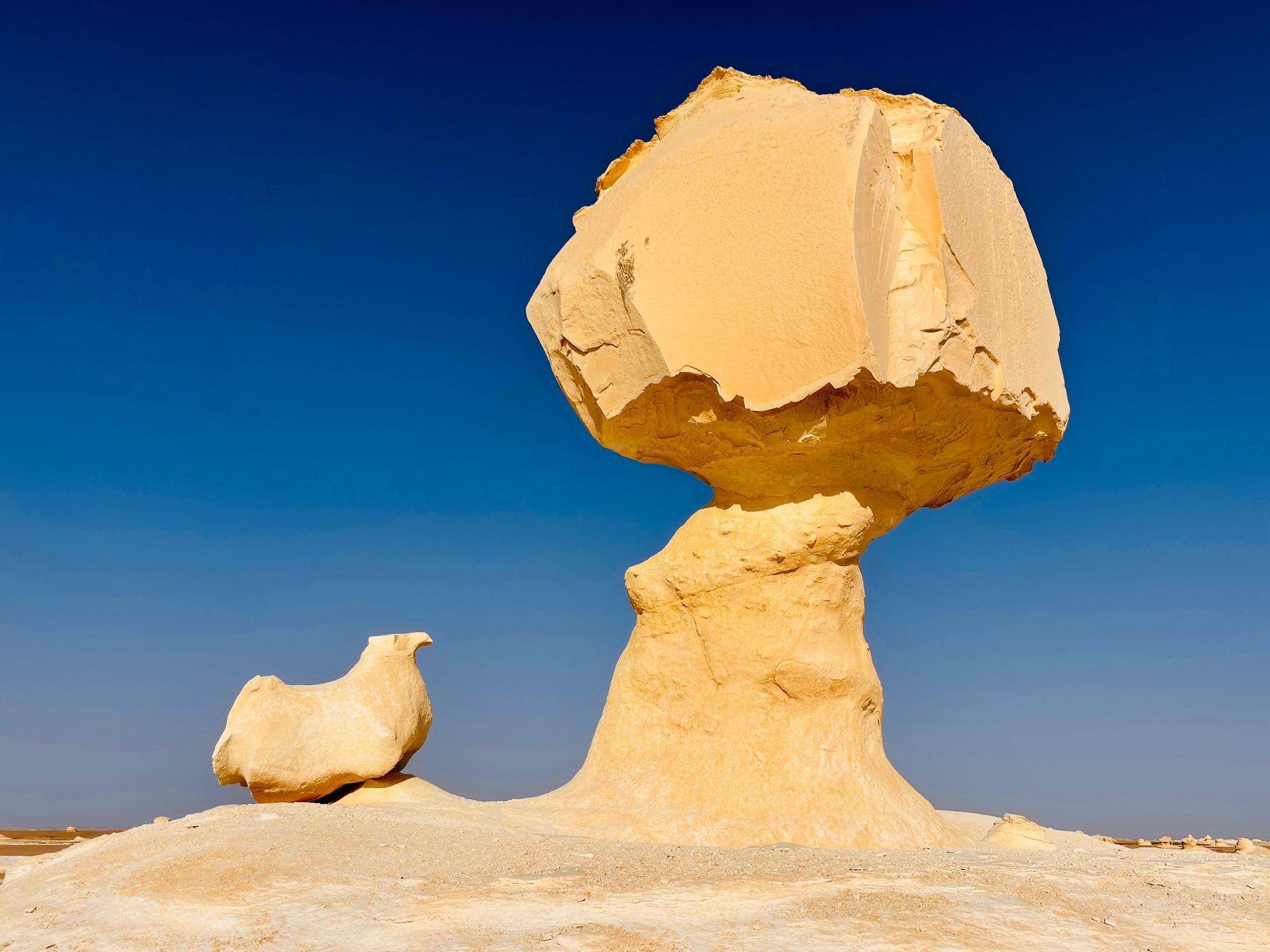
Remote even by Western Desert standards, this oasis village of mud-brick lanes and walled palm gardens sits about 180 km south of Bahariya.
Last updated