
A French formal garden of roses and clipped hedges, an open English lawn and a Japanese stroll garden round a pond lie inside one 3.5 km circuit in central Tokyo, so you can walk all three in one visit.
Garden, Tokyo. Meridian Dispatch.
From 15 March to 30 September the garden opens 9:00 to 18:00, except from 11 June to 31 July, when it stays open until 19:00. From 1 October to 14 March it opens 9:00 to 16:30. Last entry is 30 minutes before closing, and the greenhouse opens at 9:30 and closes half an hour before the garden.
Yes, on most Mondays, or on the following weekday when a Monday is a public holiday, and from 29 December to 3 January. The garden opens every day, Mondays included, from 25 March to 24 April for the cherry blossom and during the Chrysanthemum Exhibition.
Yes. The gates accept transport IC cards, and seniors aged 65 and over and students pay a reduced rate. An E-ticket bought online in advance is scanned as a QR code at the gate and stays valid for six months from purchase.
The varieties flower in turn: Kanzakura in February, Somei-yoshino from late March to early April, Ichiyo and Kanzan in mid-April and Baigo-ji Juzukakezakura in late April. On weekends and national holidays in the season, entry may need an advance reservation, which the garden's official site sets out.
Alcohol, animals other than assistance dogs, bicycles, drones and bug nets may not be brought in. Ball games, frisbees, badminton and skateboards are banned, though children of elementary-school age or younger may use soft play equipment in the Kid's Area. Musical instruments and loudspeakers are not allowed.
The Shinjuku Gate is a 10-minute walk from the South Exit of Shinjuku Station on the JR, Keio and Odakyu lines, or 5 minutes from Exit 1 of Shinjuku-gyoemmae Station on the Marunouchi Line. Exit 2 of that station is 5 minutes from the Okido Gate, and the Sendagaya Gate is 5 minutes from Sendagaya Station on the JR Sobu Line.
Yes. The Japanese Traditional Garden holds two teahouses, Rakuu-Tei and Shouten-Tei, and Shouten-Tei serves matcha with Japanese sweets in an open room with views over that garden. Restaurant Yurinoki Tsuburano, between the Shinjuku Gate and the Japanese garden, serves lunch from 11:00 to 15:30.
The exhibition runs from 1 to 15 November. Professional camera equipment for photographing or filming particular people is not allowed during it, as in cherry blossom season.
The official site of Shinjuku Gyoen is policies.env.go.jp.
policies.env.go.jp →The Formal Garden is built on symmetry: two large lawns edged with rose beds and low hedges, clipped topiary at the centre and some 500 rose bushes.
Around 160 sycamores stand in eight straight rows on either side, and their leaves turn bright gold in autumn. From here the Vista Line runs straight across the Landscape Garden, an open lawn dotted with tulip trees and Himalayan cedars. About a thousand cherry trees colour the grounds in spring, most of them round the edge of that lawn.
The red-roofed pavilion on the pond is Kyu-Goryo-Tei, built in 1927 to mark the wedding of Crown Prince Hirohito, in a style from Taiwan. Look at the ceiling and pillars of dark Taiwanese cypress and cedar, and at the round window carved in the shape of Chinese characters.
Near Lower Pond, the bridge rails that look like old gnarled wood are textured concrete. The greenhouse holds about a thousand kinds of plants, from tropical lowland and mountain species to Okinawan flora and plants of arid regions.
Shinjuku Gate is the start of the route: walk the Landscape Garden lawn first, then the Formal Garden, then the Japanese garden, following the path along the Upper Pond.
End at the hothouse and leave by the Okido Gate beside it. The three gates sit on different sides of the garden, so the wrong one can add a twenty-minute walk. Coin lockers stand beside each gate's ticket office.
In cherry blossom season the Shinjuku Gate gets very crowded, so start at Okido Gate and walk the route in reverse.
Roses in the Formal Garden peak in May and again around October, and volunteers lead rose walks in those weeks.
For a meal on the lawn, NATIONAL PARKS CAFÉ Under the Tree, inside the Information Center, sells curry, paninis and rice dishes you can carry out into the garden. SASAYAIORI+, run by a Kyoto confectioner, sells sweets to take away.
To walk the Japanese garden in kimono, the rental desk at Rakuu-Tei opens at 10:00 and stops taking customers an hour before the desk closes.
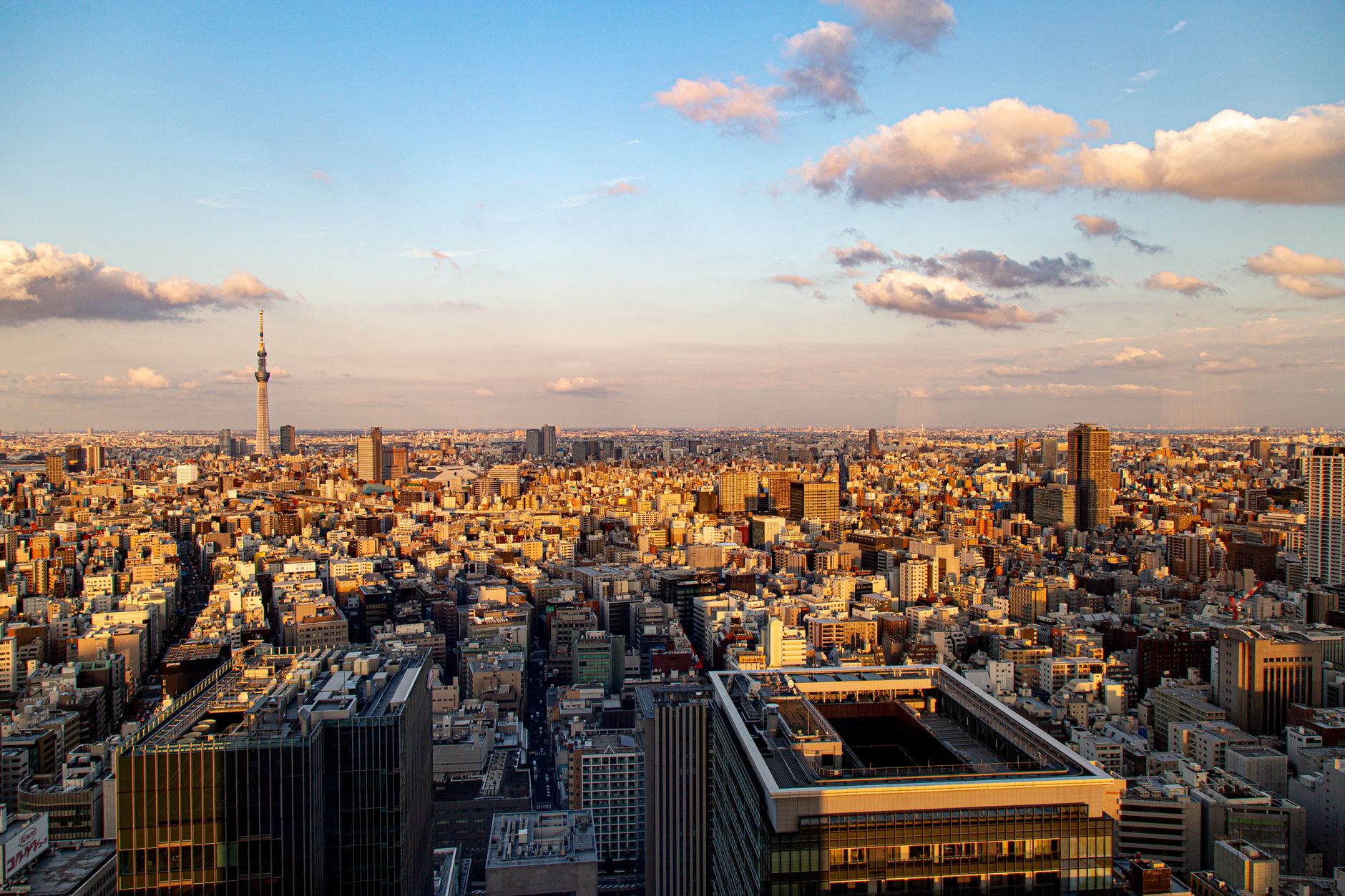
Tokyo, Japan: Thirty-seven million residents share this plain, and the city works because it is really a ring of separate towns on one loop line. Sensō-ji.
Read the Tokyo guideExplore the rest of Tokyo
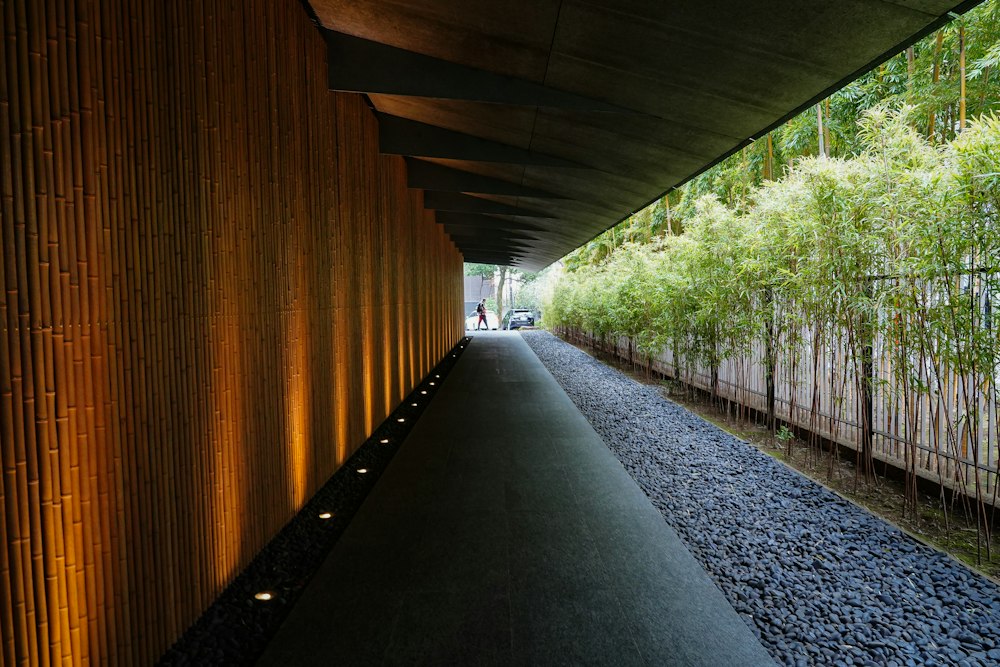
Kaichirō Nezu's collection of about 7,600 Japanese and East Asian works, including Ogata Kōrin's National Treasure screens of Irises. The…
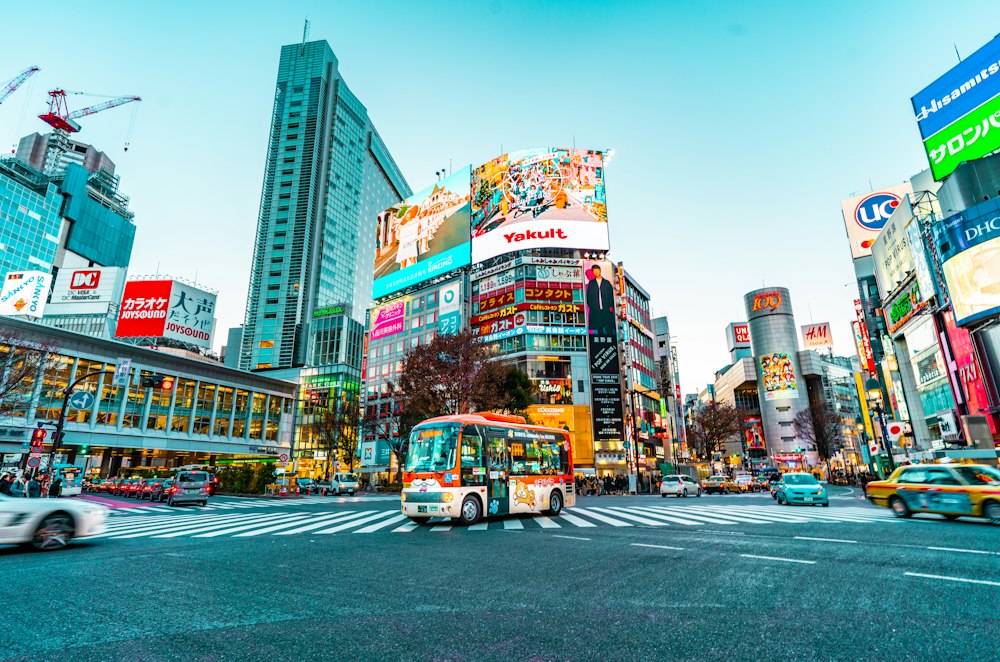
Shibuya Scramble Crossing is the junction outside Shibuya Station where, when the lights change, pedestrians set off in every direction at…
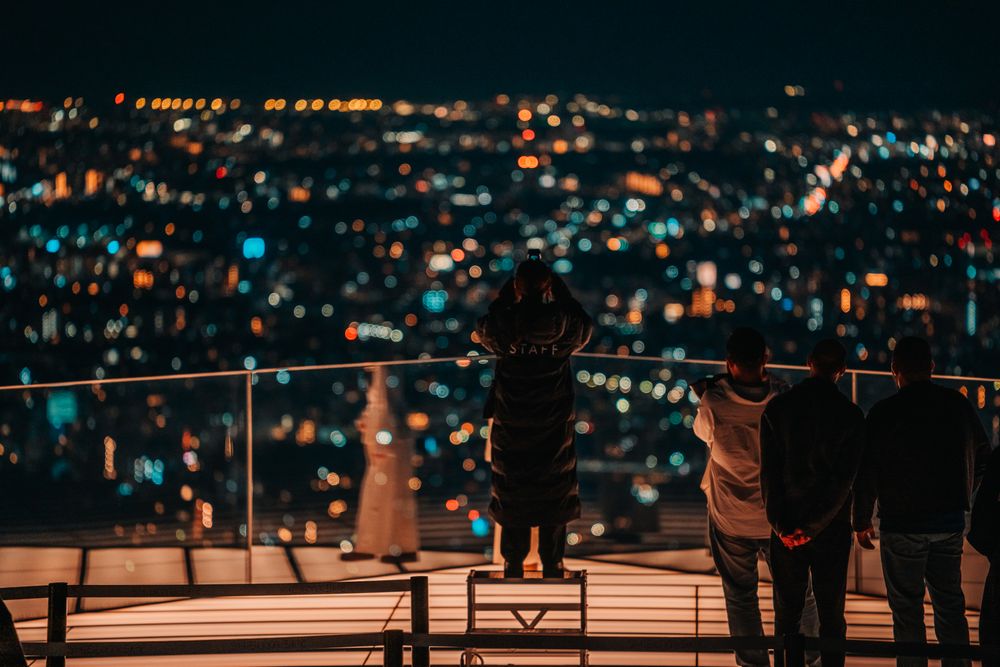
An open-air rooftop on Shibuya Scramble Square, about 230 metres above the crossing, with glass walls, hammocks and nothing overhead. The…
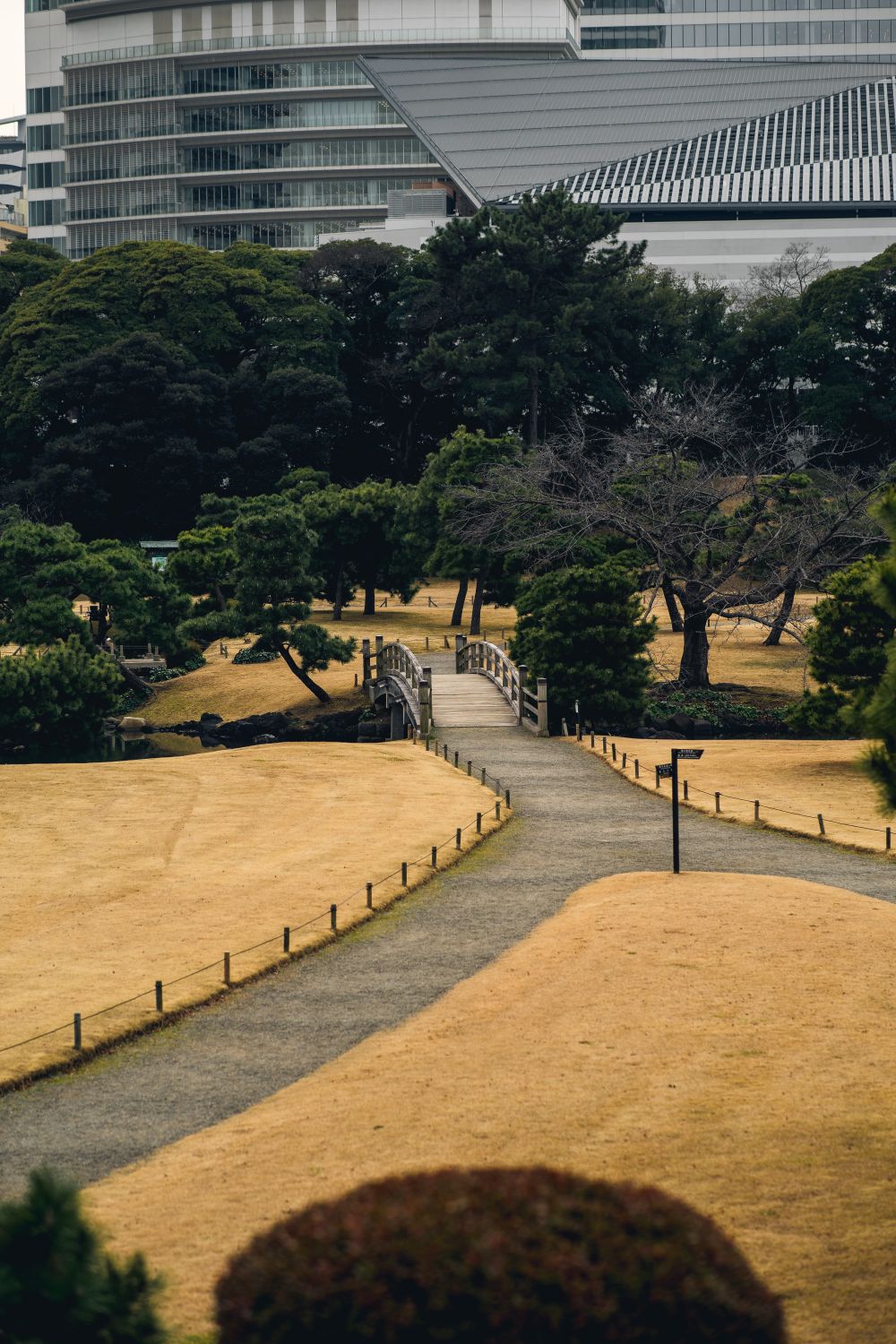
A shogun's duck-hunting ground at the mouth of the Sumida, now ringed by the glass towers of Shiodome. The central pond is filled from…

A black market in radio parts grew up under the railway arches here after the war, and those component stalls still trade beneath the…
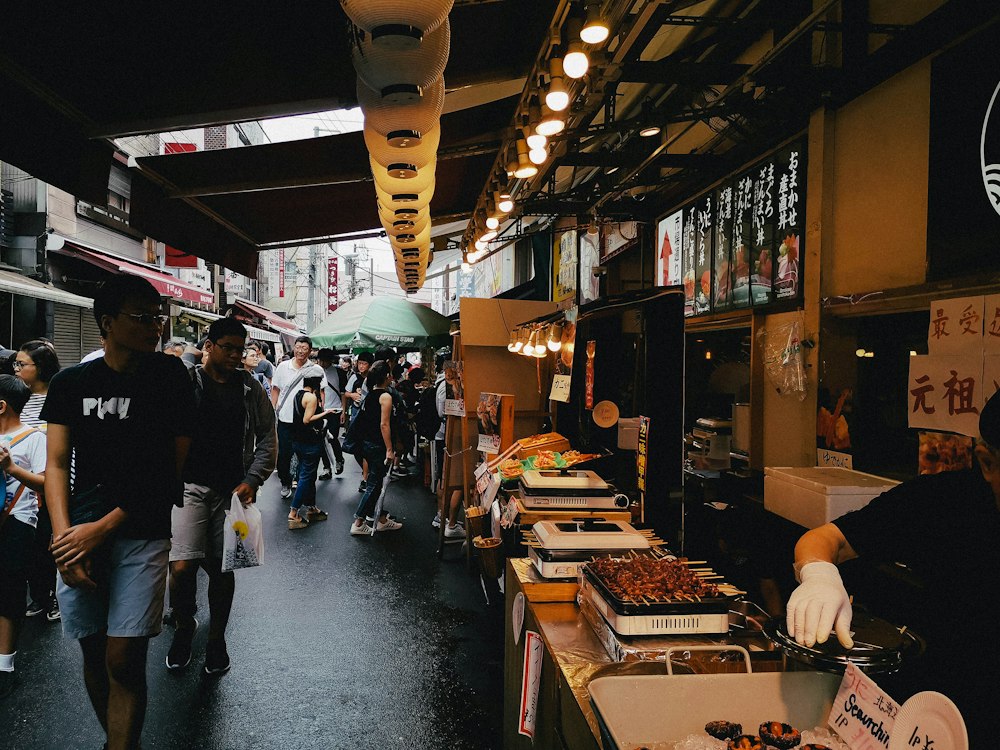

Tsukiji Outer Market is a quarter of more than 400 food and kitchenware shops in central Tokyo, within walking distance of Ginza. It sits…
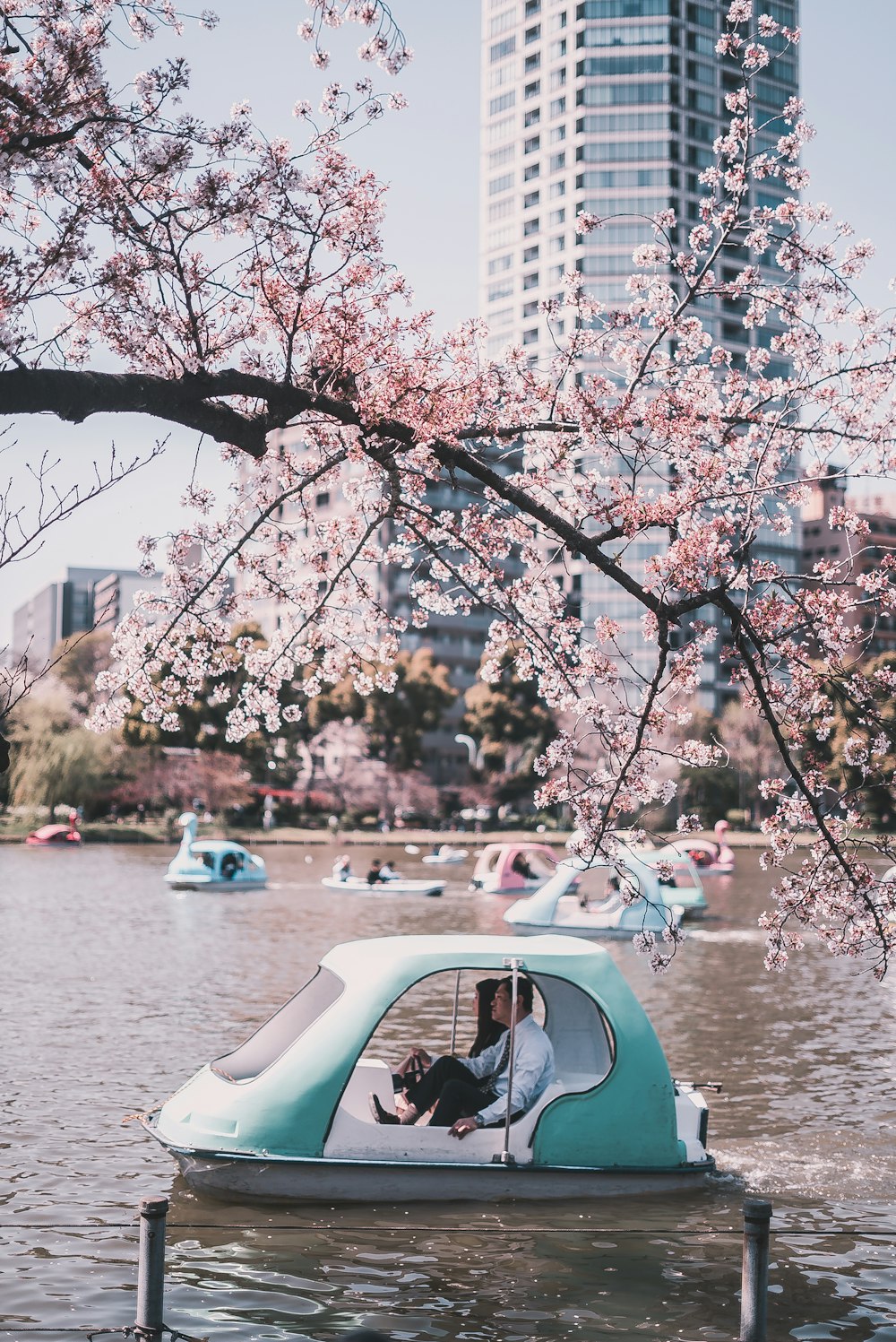
A temple precinct until a battle in 1868 burned most of it, then one of the country's first public parks. Four major museums, a concert…
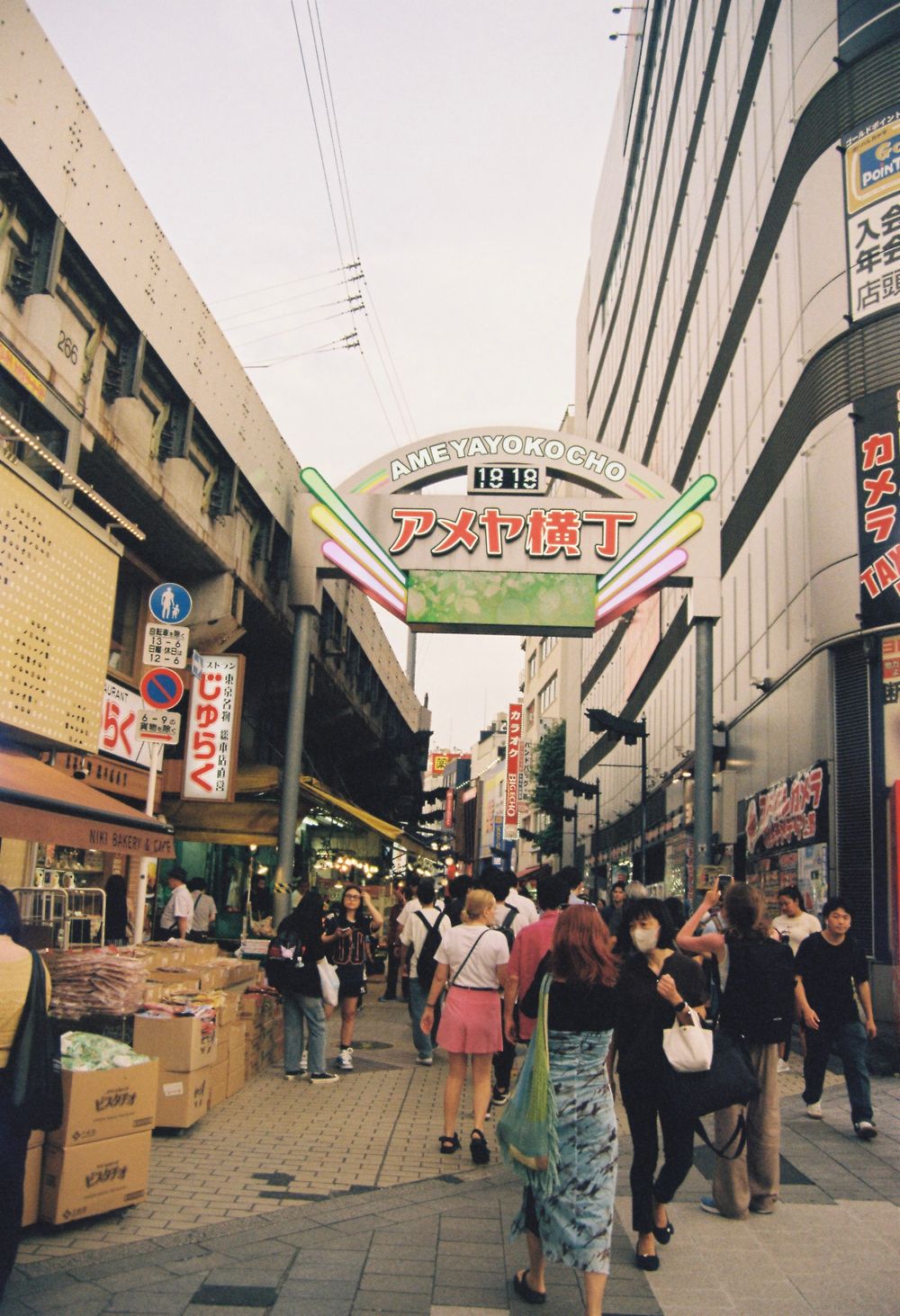
Some four hundred stalls crowd this market street under and beside the elevated tracks between Ueno and Okachimachi stations, selling dried…
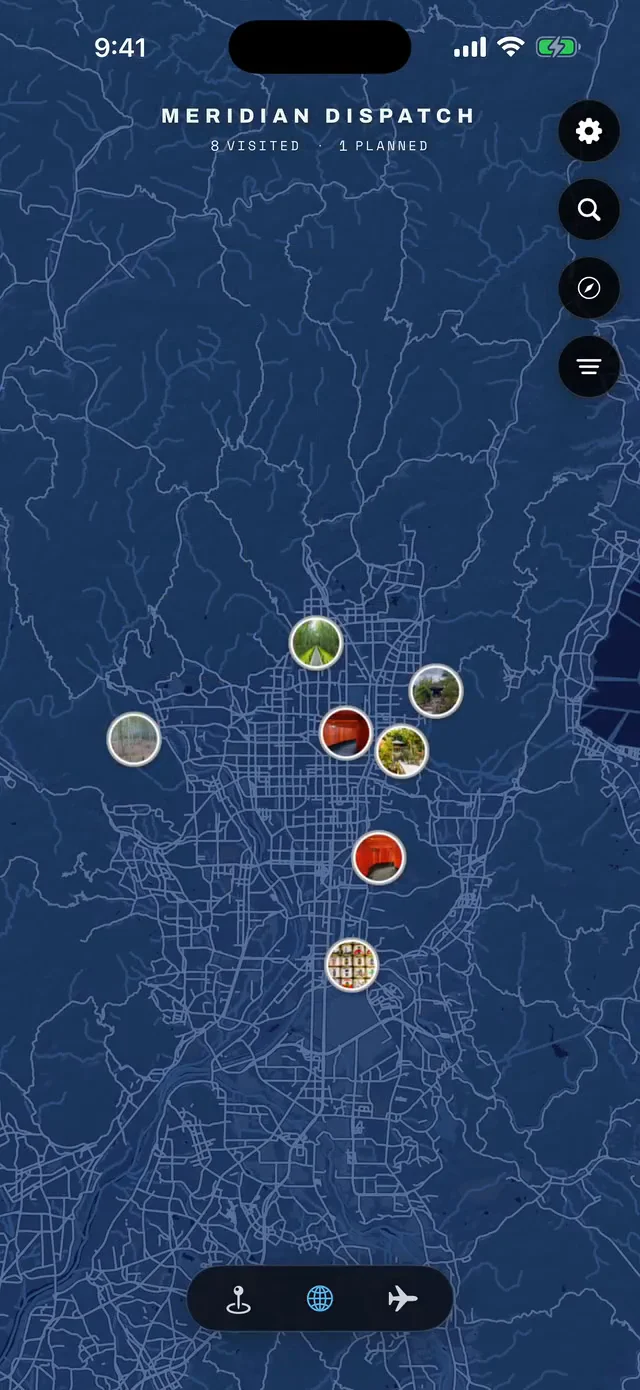
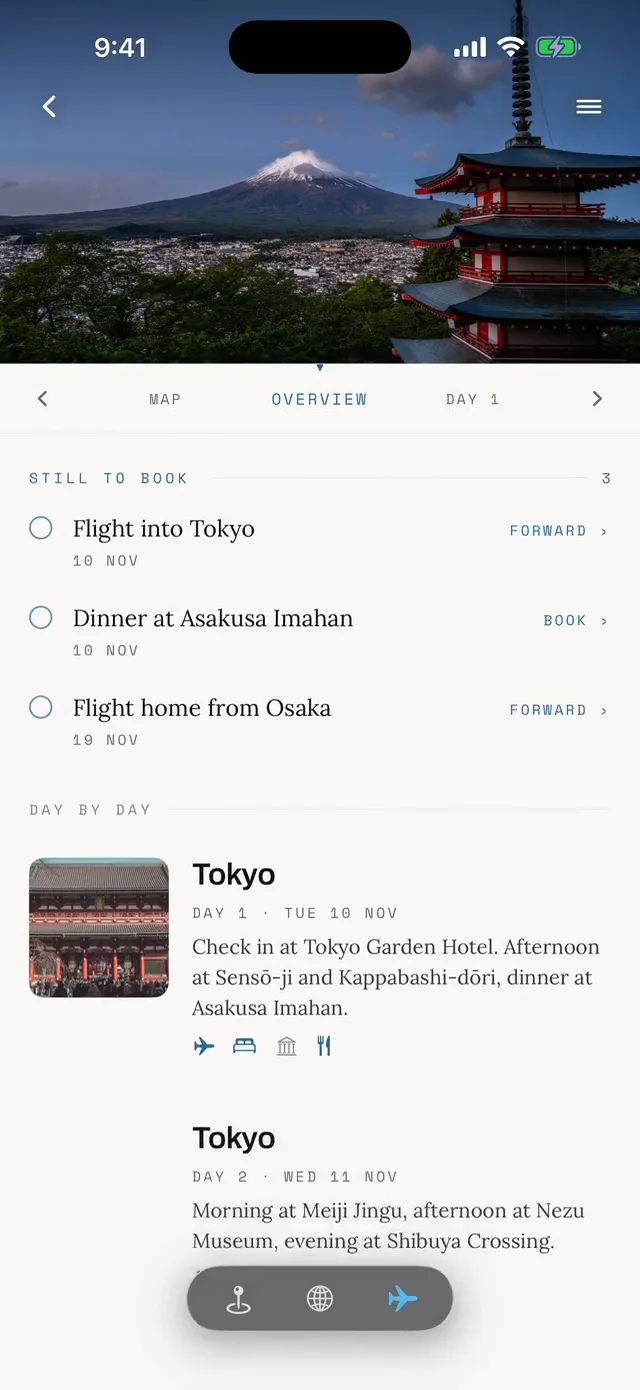


Save Shinjuku Gyoen to your Japan trip in the Meridian Dispatch app and build the day around it, with the best of Tokyo pinned on one map.
Download on the App StoreLast updated