
Ueno Park fits a shogun's shrine, two temple halls and a pond into one short loop, and the zoo and the big museums stand beside it.
Park, Tokyo. Meridian Dispatch.
Yes. The park itself has no entry charge. Some facilities inside it, among them Ueno Zoo, the museums and the boat pond, charge their own admission.
The park grounds open from 5:00 to 23:00 every day, and entry outside those hours is not allowed. The museums and the zoo keep shorter hours of their own, set by each facility.
The Park Exit of JR Ueno Station. Ueno Station is sprawling, but this dedicated exit is easy to find, and the park is directly across the street from it, about two minutes on foot.
Keisei Ueno Station, where the Skyliner from Narita Airport arrives, is one minute on foot from the park. Ueno Station on the Tokyo Metro Ginza and Hibiya lines is four minutes away, and Ueno-okachimachi on the Toei Oedo Line is five.
The Somei-Yoshino, the park's signature cherry, is at its best from late March to early April. Counting the early kanzakura before it, blossom runs for about two months, and double-flowered trees follow in mid to late April. Nearly 3.3 million visits are counted over the hanami season.
On the main path near the entrance to Ueno Zoo, where most of the spring crowd gathers. Ueno is Tokyo's most crowded hanami site, so expect that stretch to be packed through late March and early April.
The boat pond on Shinobazu Pond rents swan boats for up to two adults and two children, as well as rowing boats for up to three adults, by the half hour. It opens 10:00 to 17:50 from April to September (last rental 16:50), 9:30 to 17:20 in October and March (last rental 16:20), and 9:30 to 16:50 from November to February (last rental 15:50). It closes on Wednesdays from December to February.
No. Ueno Zoo closes every Monday, moving the closure to Tuesday when the Monday is a public holiday, and from 29 December to 1 January. On other days it opens 9:30 to 17:00, with last entry at 16:00.
The official site of Ueno Park is kensetsu.metro.tokyo.lg.jp.
kensetsu.metro.tokyo.lg.jp →Six museums stand among the ginkgo, camphor and zelkova trees on the hill: the Tokyo National Museum, the National Museum of Western Art, the National Museum of Nature and Science, the Tokyo Metropolitan Art Museum, the Ueno Royal Museum and the Shitamachi Museum. The fountain at the centre was laid out as the museum's forecourt, with lawns set symmetrically either side.
Shinobazu Pond is at the park's southwest corner. Bentendo, the hall on its island, is eight-sided so that worshippers can pray toward it from all four shores. In summer lotus spreads across the whole pond, its flowers opening at daybreak and closing slowly toward noon.
Kiyomizu Kannon-do was built in 1631, modelled on Kyoto's Kiyomizu-dera. Ueno Toshogu, the shrine to the shogun Tokugawa Ieyasu, keeps its Kara-mon gate, worship hall and main hall, built with the best building skills of the day. The bronze of Saigo Takamori stands near the south entrance.
Around 1,200 cherry trees grow here. In late November and into December the ginkgo leaves turn gold.
The walk starts where the Park Exit of the JR station faces the park. Cross the street and go on to Kiyomizu Kannon-do. From its stage you look out over Shinobazu Pond.
Next, walk out to Bentendo on its island, then follow the path around the pond, where ducks and cormorants feed. The Hakamagoshi plaza by the Shinobazu entrance has a frog fountain that is lit after dark and serves as a meeting point.
The zoo and each museum charge separately, so choose one or two to add to the loop.
Some of the museums close on Mondays, but the park, the pond and the shrines stay open, so a Monday suits the outdoor walk alone.
Two cafés sit in the middle of the park, and toilets are spread throughout it. Ameyoko, the market street, is a short walk from the park.
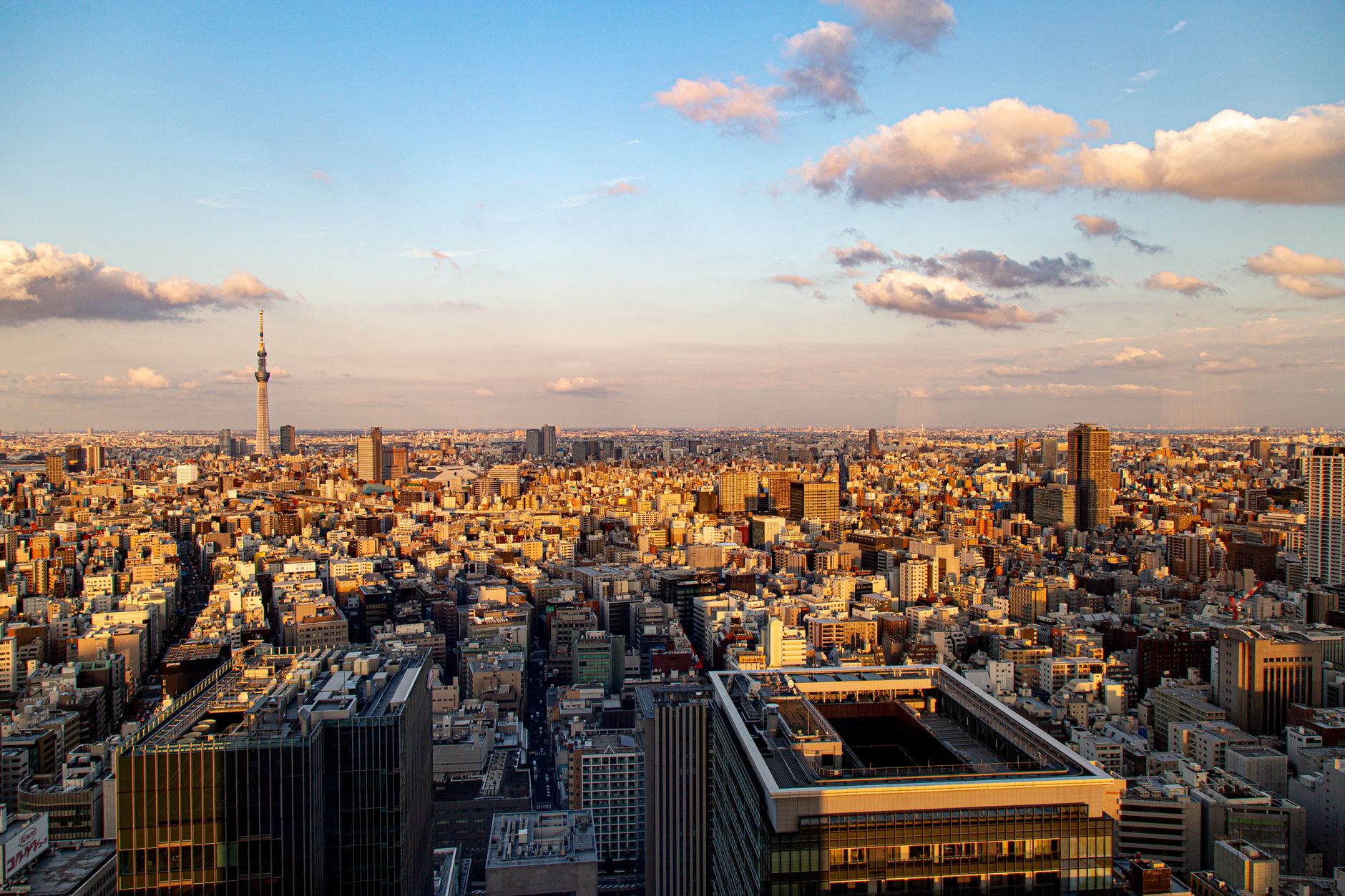
Tokyo, Japan: Thirty-seven million residents share this plain, and the city works because it is really a ring of separate towns on one loop line. Sensō-ji.
Read the Tokyo guideExplore the rest of Tokyo
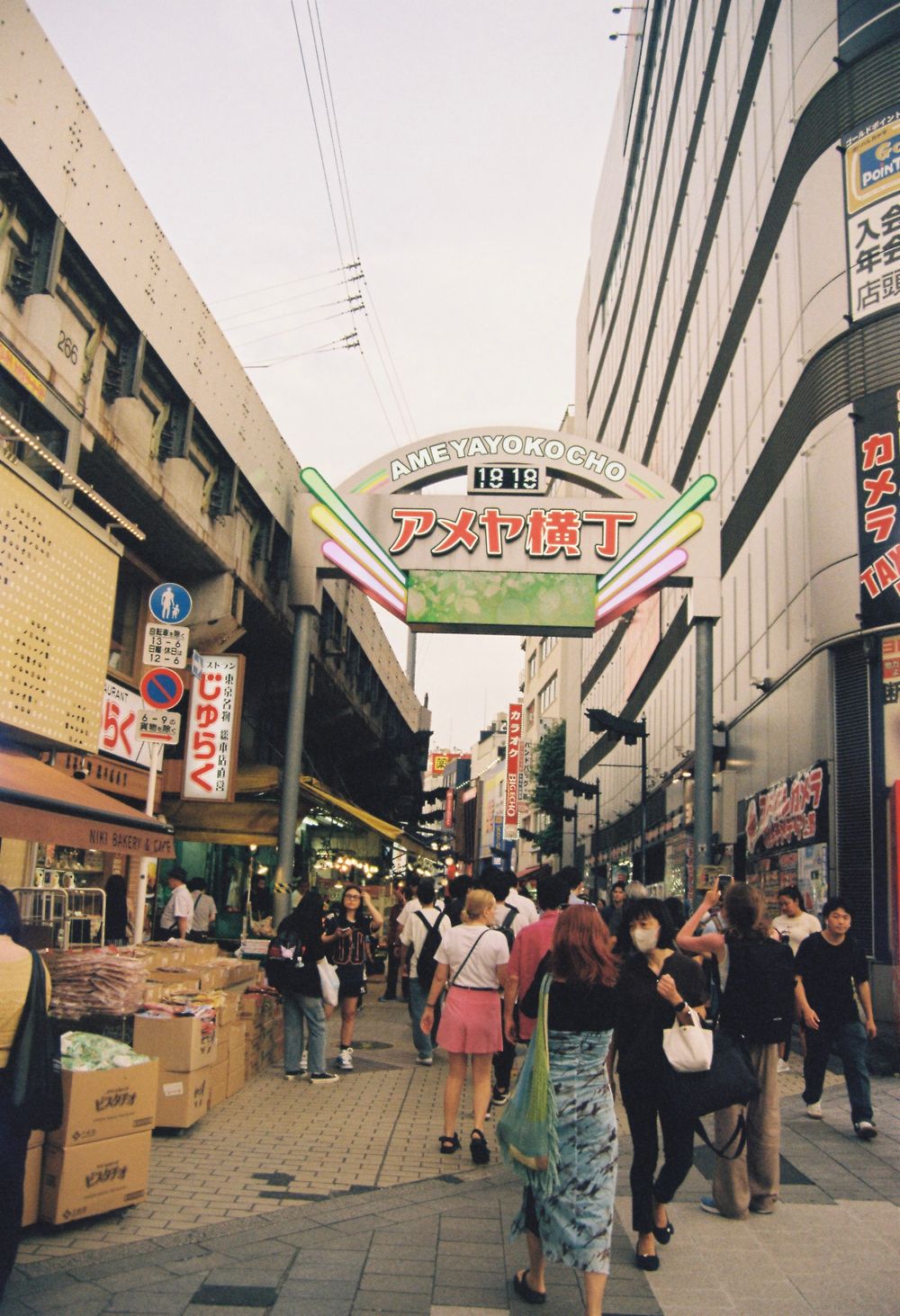
Some four hundred stalls crowd this market street under and beside the elevated tracks between Ueno and Okachimachi stations, selling dried…
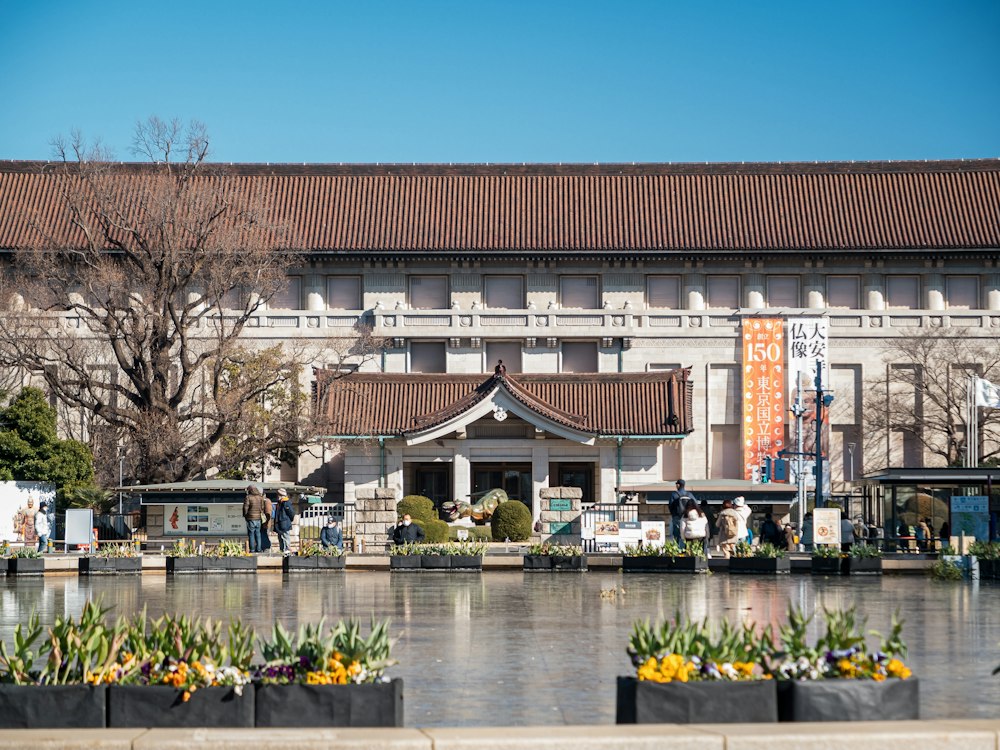

Five buildings of Japanese and Asian art at the north end of Ueno Park, set around a large garden with old teahouses.
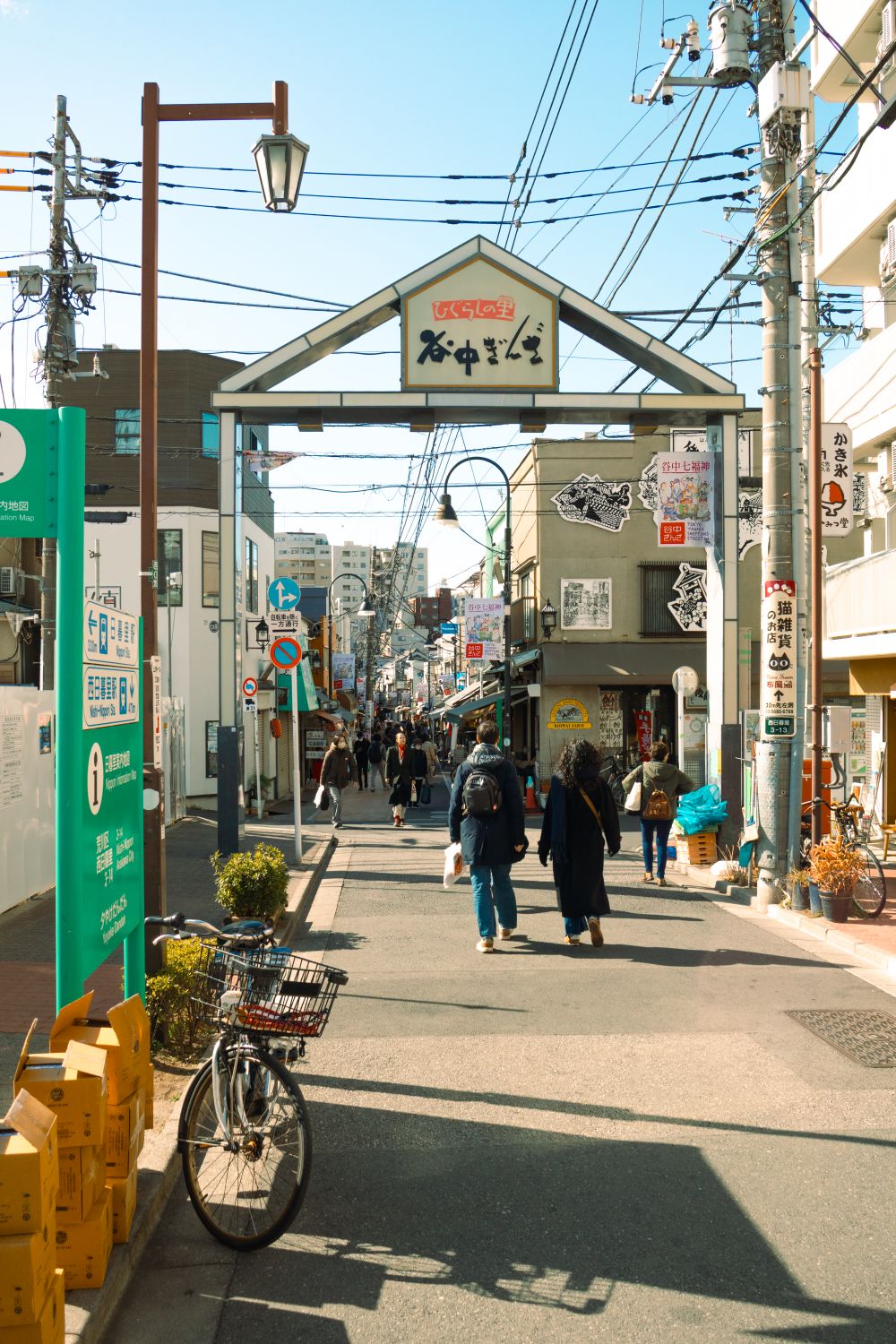
A low-rise shitamachi district that largely escaped both the 1923 earthquake fires and wartime bombing, centred on the Yanaka Ginza…
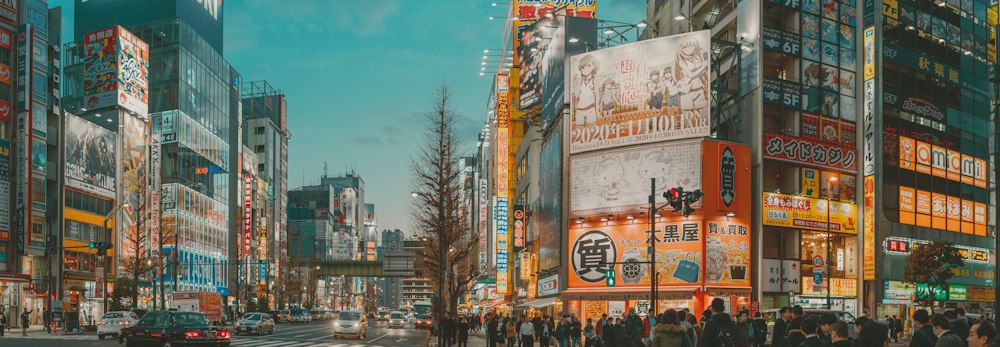
A black market in radio parts grew up under the railway arches here after the war, and those component stalls still trade beneath the…
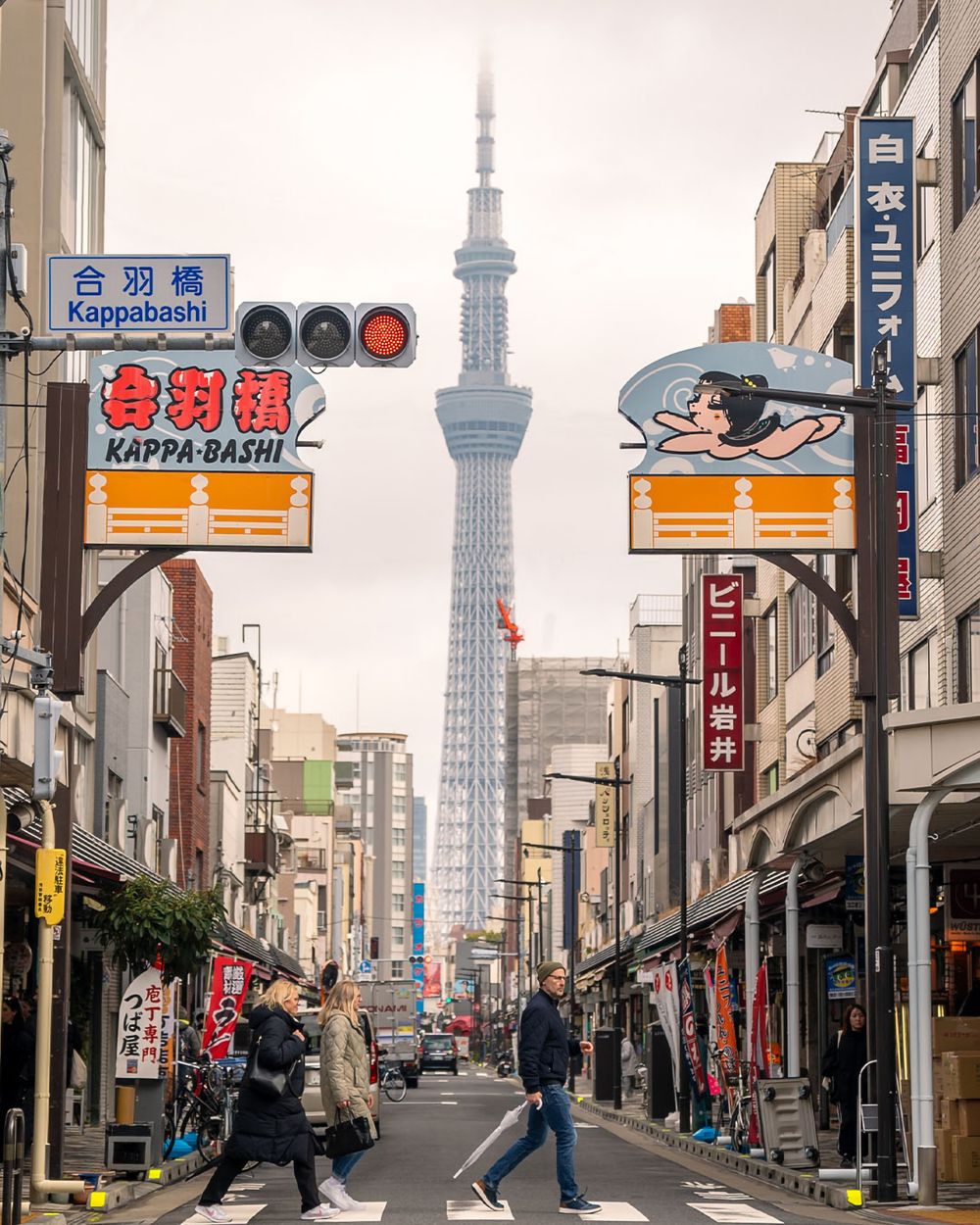
Restaurant suppliers line this street between Ueno and Asakusa, selling knives, lacquer bowls, noren curtains, paper lanterns and the…
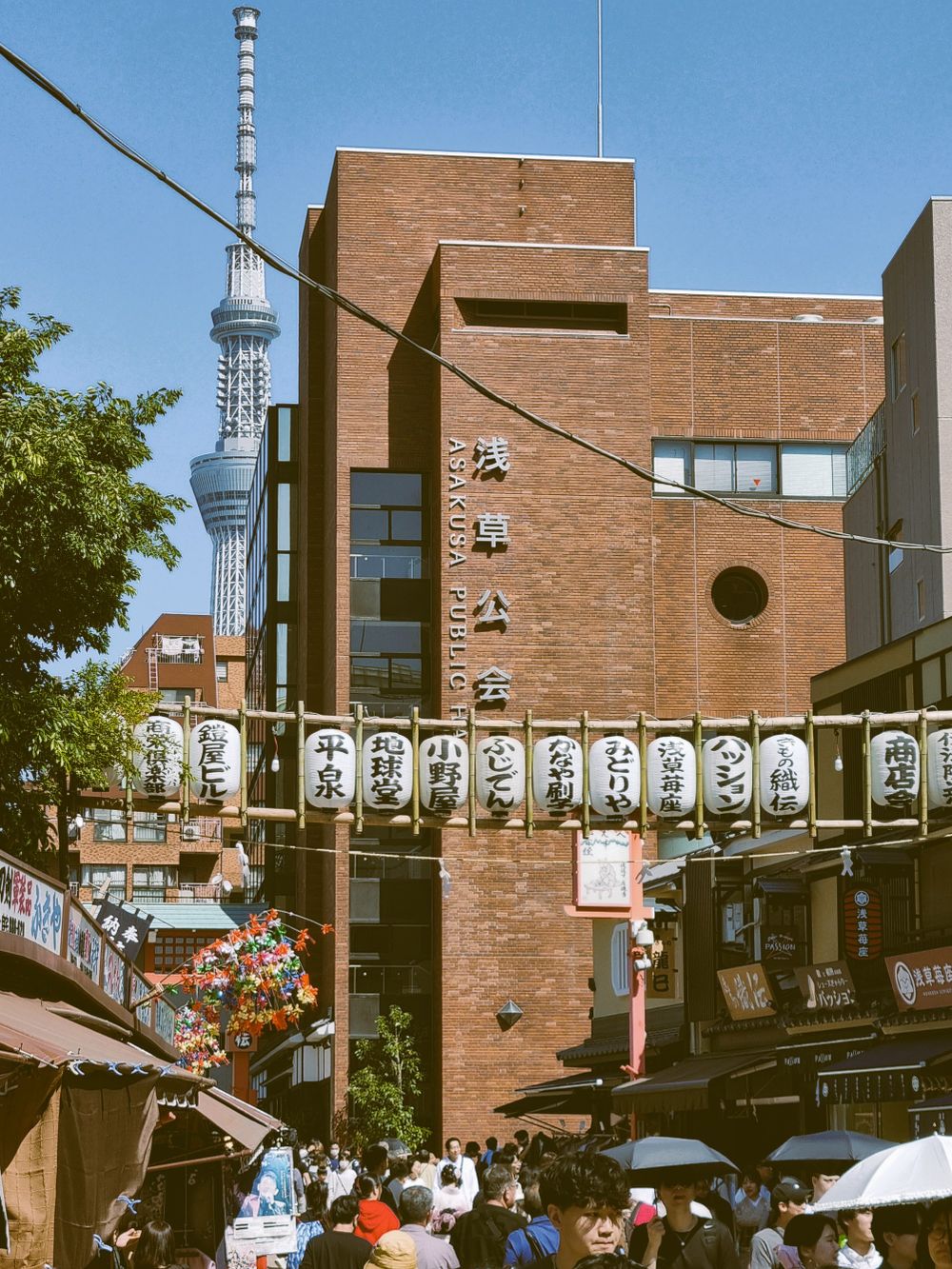
Asakusa is the temple quarter of old Tokyo, built around Senso-ji and approached through the Kaminarimon gate and the shopping street of…
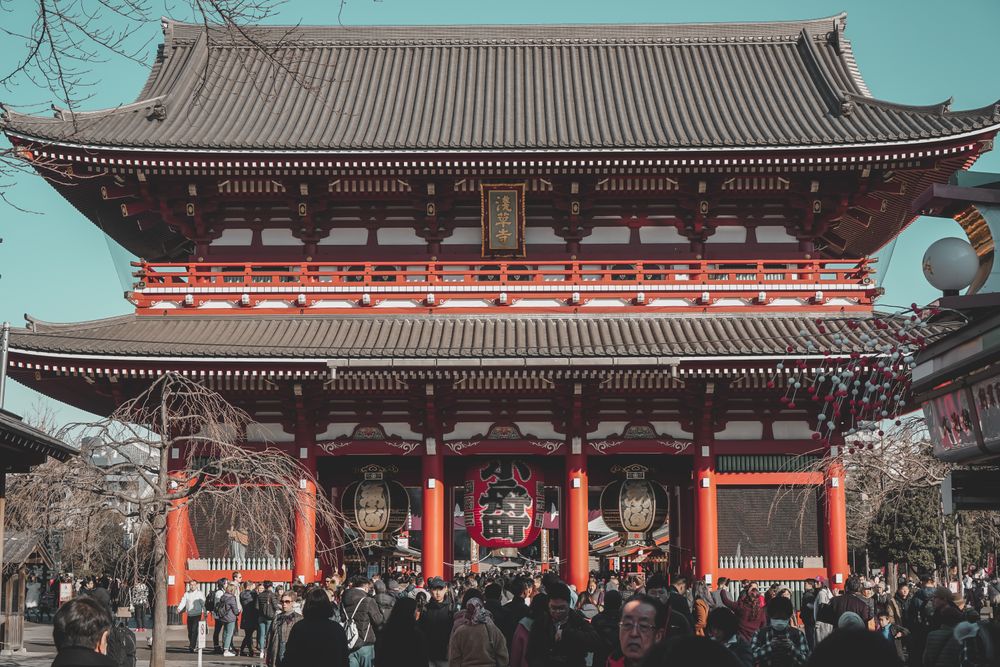
Asakusa's great Buddhist temple, built around a statue of Kannon that tradition says two fishermen pulled from the Sumida River; the main…
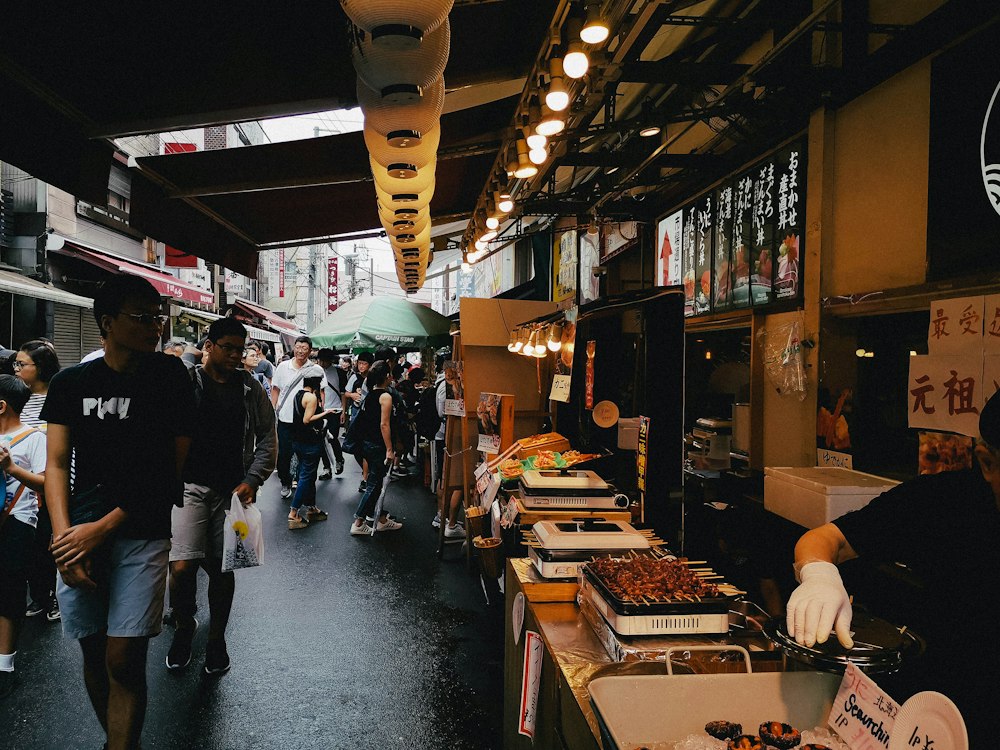
Tsukiji Outer Market is a quarter of more than 400 food and kitchenware shops in central Tokyo, within walking distance of Ginza. It sits…
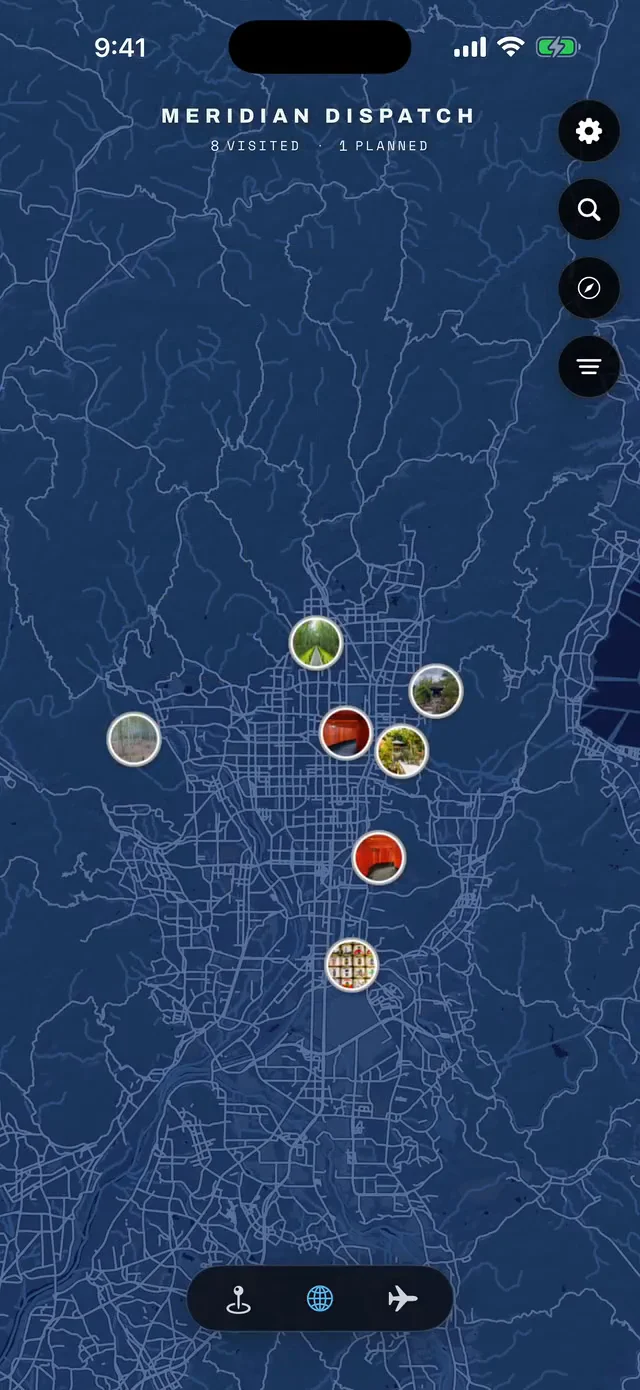
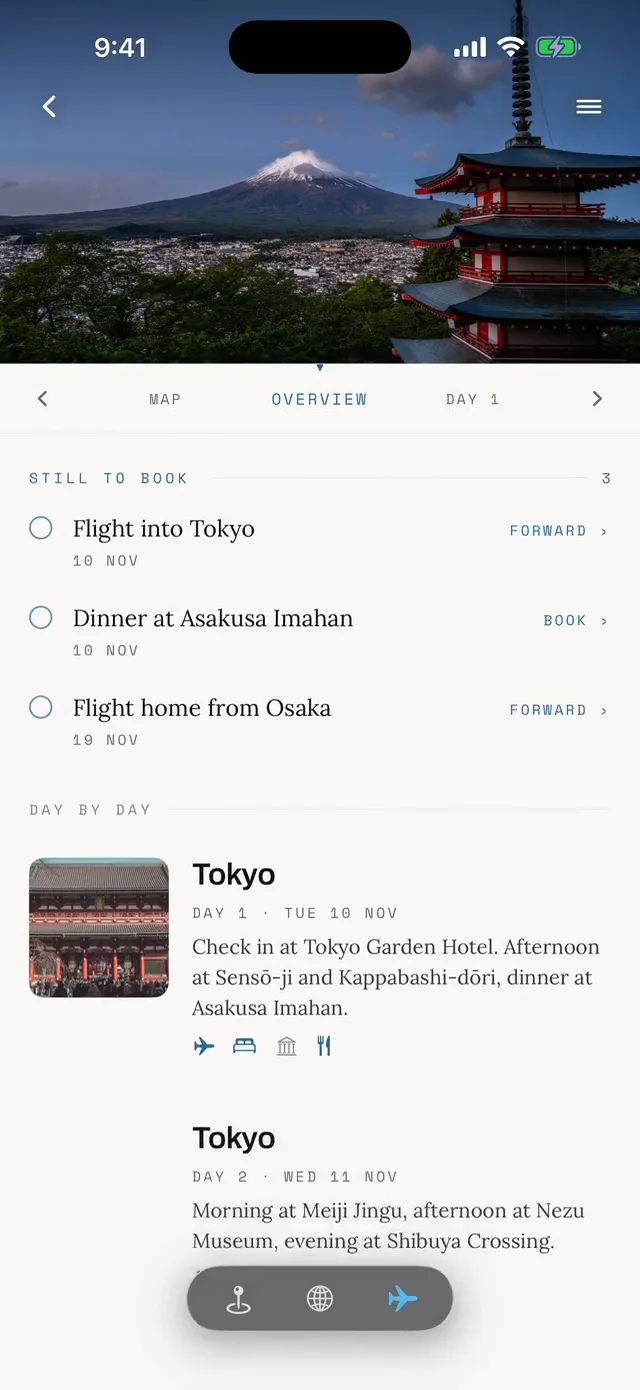

Save Ueno Park to your Japan trip in the Meridian Dispatch app and build the day around it, with the best of Tokyo pinned on one map.
Download on the App StoreThe official pages this guide was checked against.
Last updated