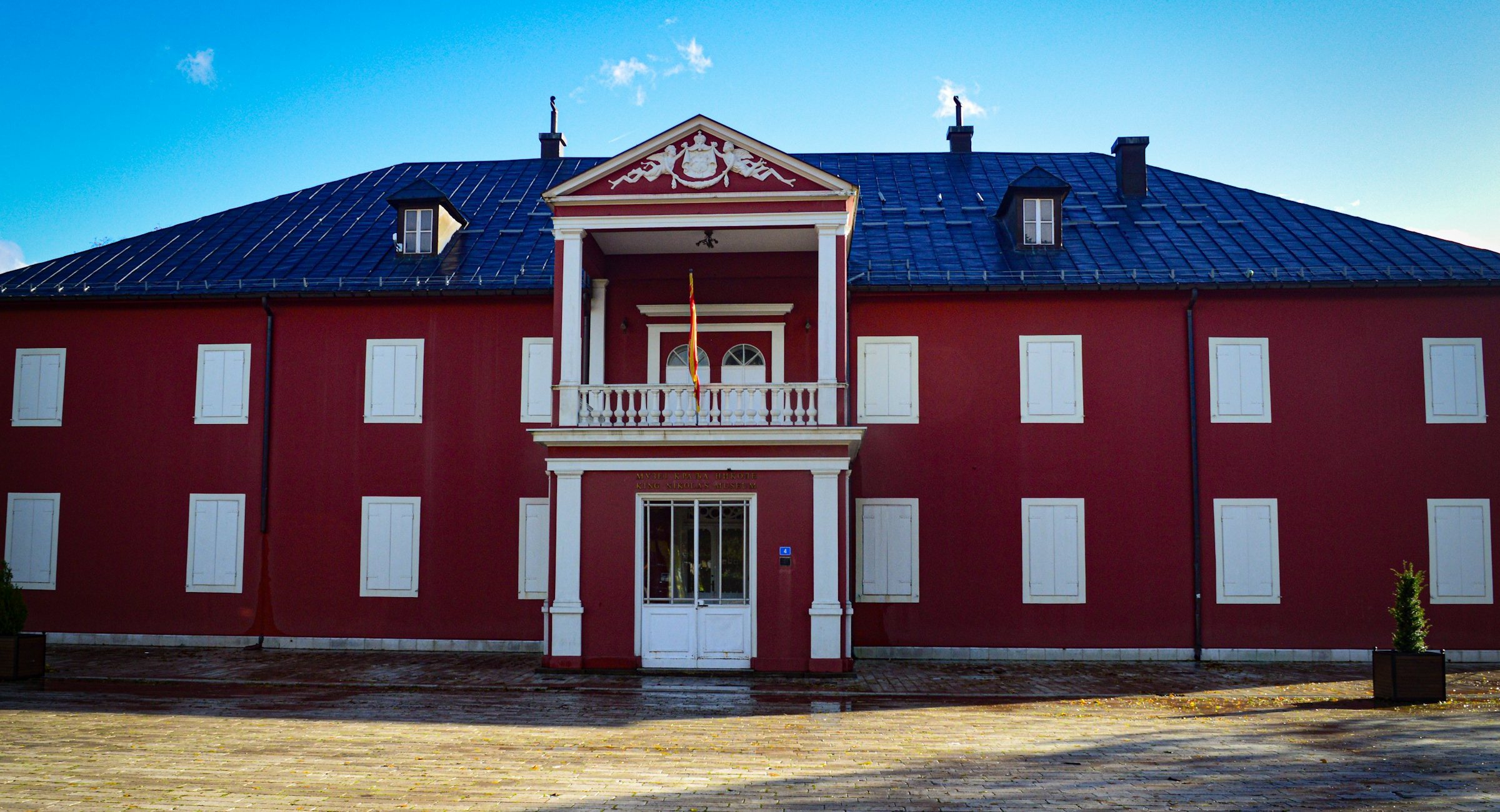
Half an hour here shows you how the Montenegrin countryside dressed, spun and worked, in silk, silver and carved wood.
Museum, Cetinje. Meridian Dispatch.
Everyday things of rural Montenegro, from a collection of more than 4,000 objects dating to the 19th century and the 20th century's first decade. Traditional costumes fill the upper floor, set out as the natural continuation of the rooms below. Since 2002 the museum has occupied the former Serbian legation on Dvorski Trg.
As of 2026, daily from 15 April to 15 November, 9am to 5pm. In winter, 16 November to 14 April, it opens weekdays only, 9am to 3pm. Last entry is half an hour before closing, so 4.30pm in season.
Yes. It counts as one of the National Museum's units, and the collective ticket for all of them also takes in Njegoš's mausoleum on Lovćen. Standing across the street from King Nikola's Palace, it fits easily between the palace and the Biljarda on a single ticket.
It stands at Dvorski Trg bb, 81250 Cetinje, in the town centre and directly opposite King Nikola's Palace. Most visitors simply cross the road after the palace tour, and the other National Museum buildings are a short stroll away.
Allow half an hour to an hour. The building is small: trades and household tools fill the ground floor, while regional dress, guns and swords take up the floor above, so the visit fits neatly before or after the palace across the road.
The official site of Ethnographic Museum of Montenegro is en.narodnimuzej.me.
en.narodnimuzej.me →More than 4,000 objects make up the collection, most of them from the 19th century and the first decade of the 20th. They are the things of rural daily life: costumes, mats, coverlets, bags, rugs and prayer rugs. The surprise is the setting, with each piece spaced and lit like a work in a gallery rather than stacked like a farmhouse store.
Folk dress is the heart of it. The top floor holds the clothing, with old guns and swords displayed alongside. Look for the ceremonial women's dress from Paštrovići, made of silk, and a woman's belt worked in silver.
Two gusle, a traditional instrument, stand in their own cases and look like sculpture. Give the distaffs a close look too: these were the hand tools for spinning wool into yarn, and they carry fine carving. The permanent display opened in 2018, in a partly rebuilt space.
Dvorski Trg, opposite King Nikola's Palace, is where you find the door, so walk over when the palace tour ends. Buy a ticket at the desk, or use the combined National Museum ticket, which is valid on the same day at the other collections.
The building is small, so no route planning is needed: start downstairs and work up. The ground floor shows the tools and objects of particular trades. The dress and weapons are on the top floor, so save most of your time for those cases.
If you hold the combined ticket, see this museum on the same day as the other collections rather than coming back for it, because the ticket runs out when the day ends. Cigarette smoke can linger in the rooms, so if smoke bothers you, keep the visit short and step outside between floors.
If there is time, add the National Art Museum of Montenegro, another of Cetinje's museums.
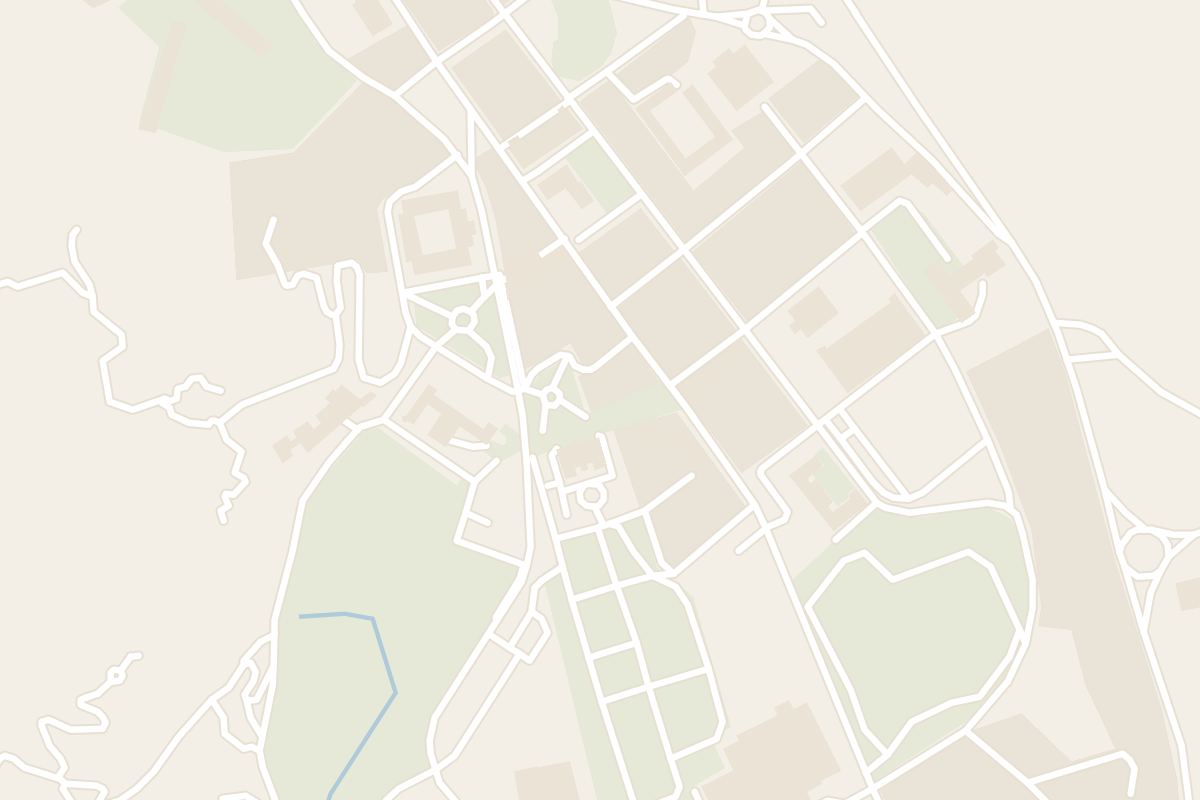
Give Cetinje, the old royal capital, one day from the coast: Lovćen's mausoleum in the morning, then the museums, monastery and churches, a few minutes' walk apart, in the afternoon. Stay a night only for the river at Rijeka Crnojevića.
Read the Cetinje guideExplore the rest of Cetinje
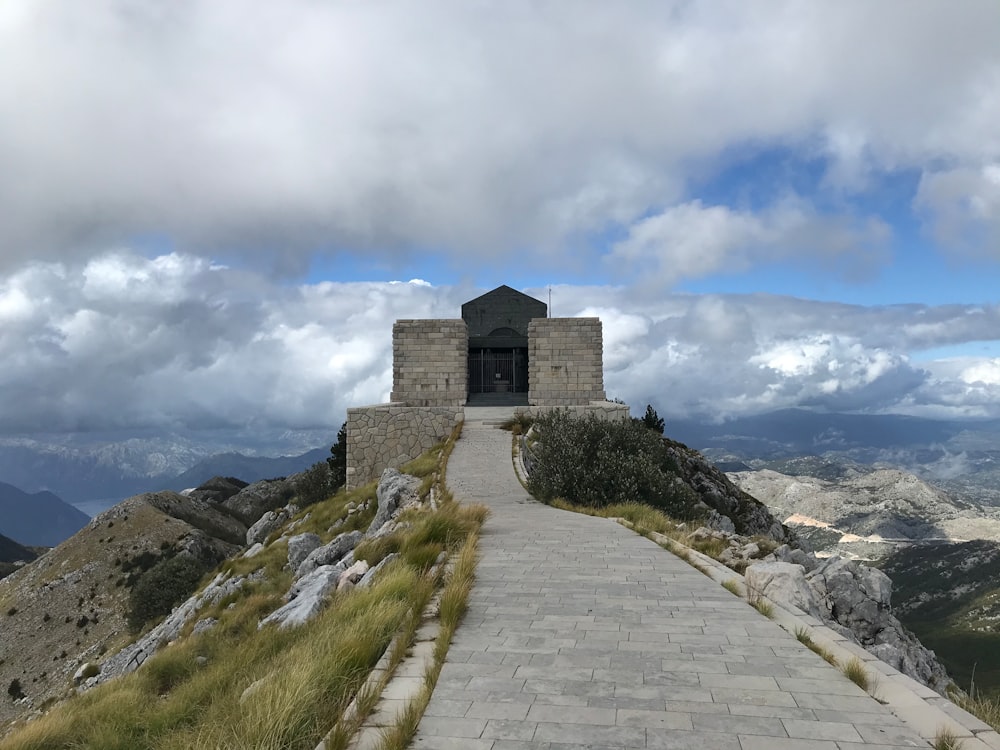
The mausoleum of Petar II Petrovic Njegos crowns Jezerski Vrh at 1,657 metres, reached by a tunnel and 461 steps from the summit car park.…
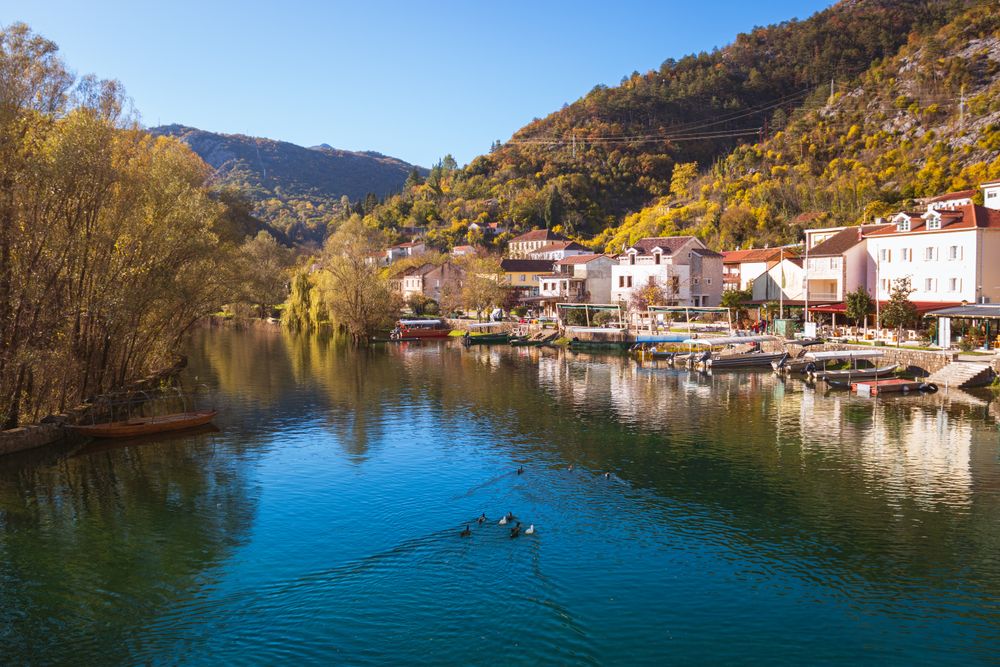
A stone arched bridge built in 1853 under Prince Danilo, spanning the Crnojevic River in what was once the main trading port of old…
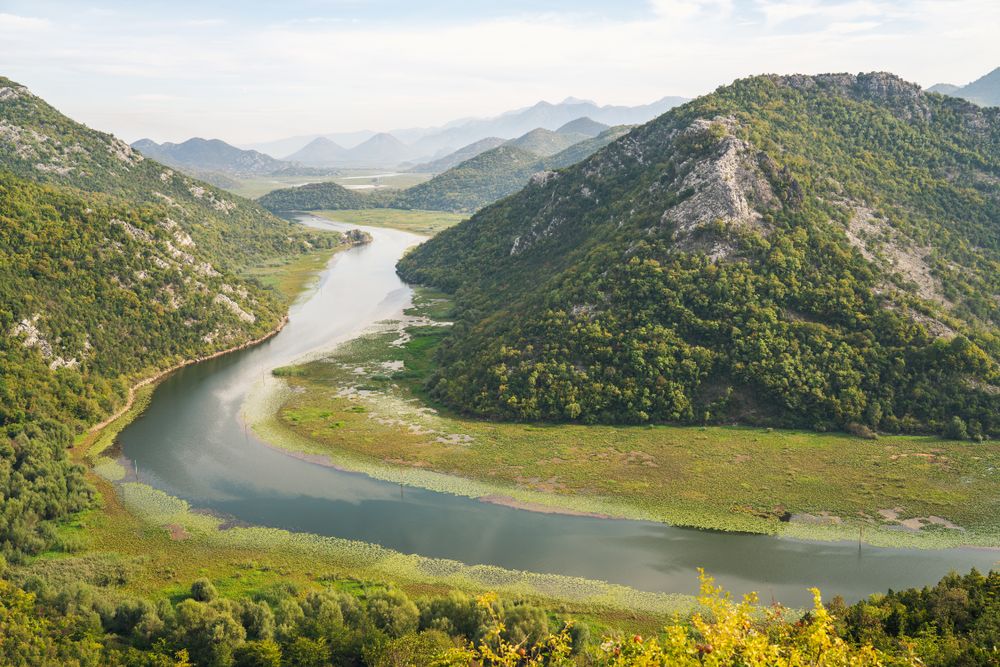
A narrow limestone gorge where the Crnojević river winds toward Lake Skadar between steep wooded walls, best seen by boat from the village…
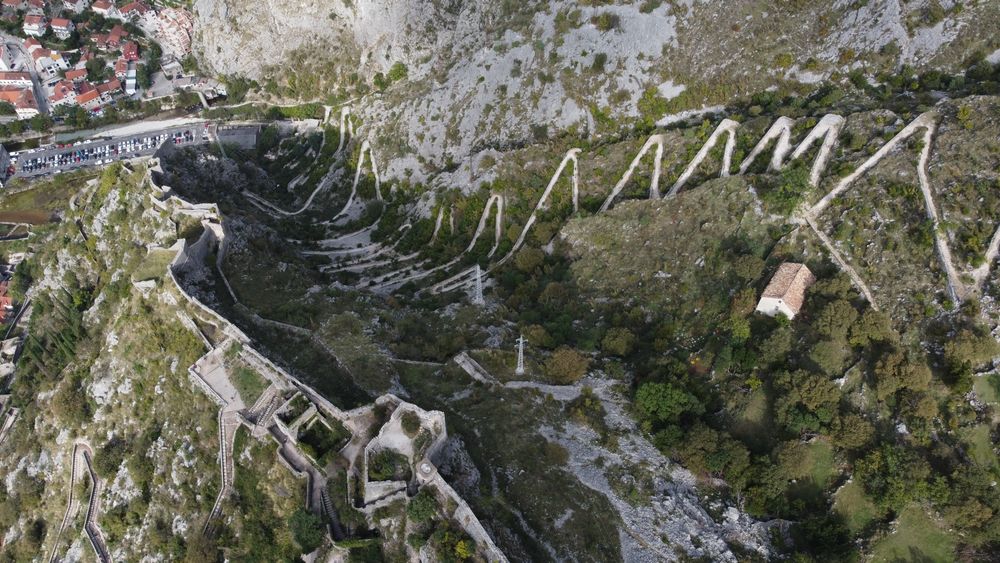

A path built in the 19th century as a supply route climbs the mountain behind Kotor's walls in about seventy hairpin bends, gaining 940…
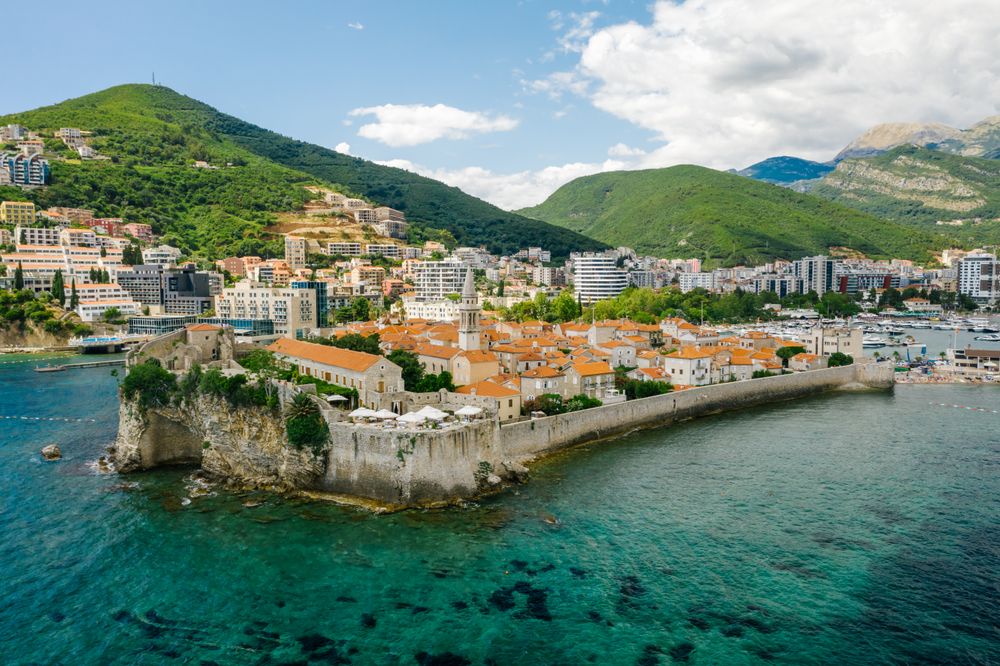
The busiest resort town on the Montenegrin coast, and among the oldest settlements on the Adriatic, with a walled old town of narrow lanes,…
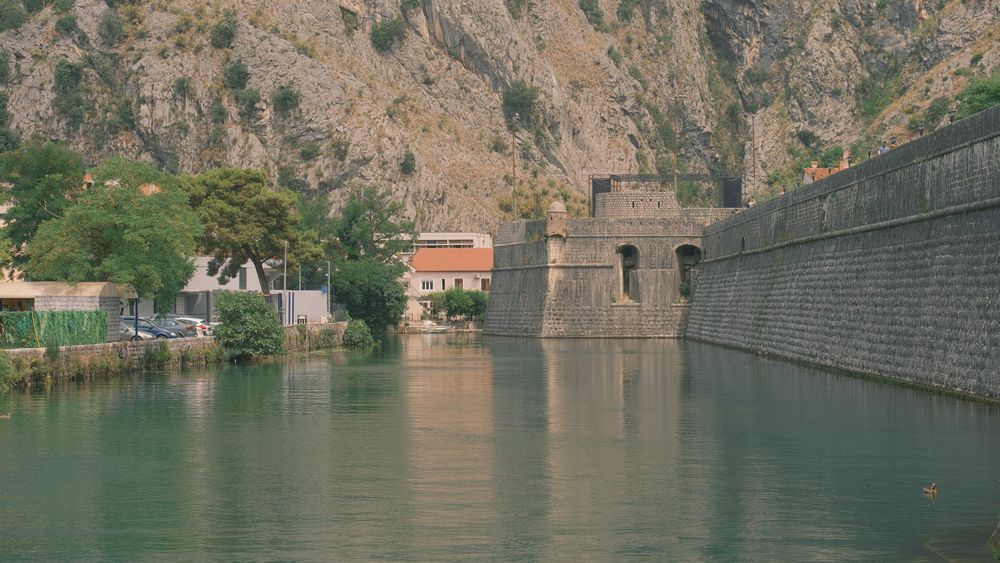
Venetian fortifications encircling Kotor's old town, built between the 9th and 19th centuries and restored in recent decades; accessible…
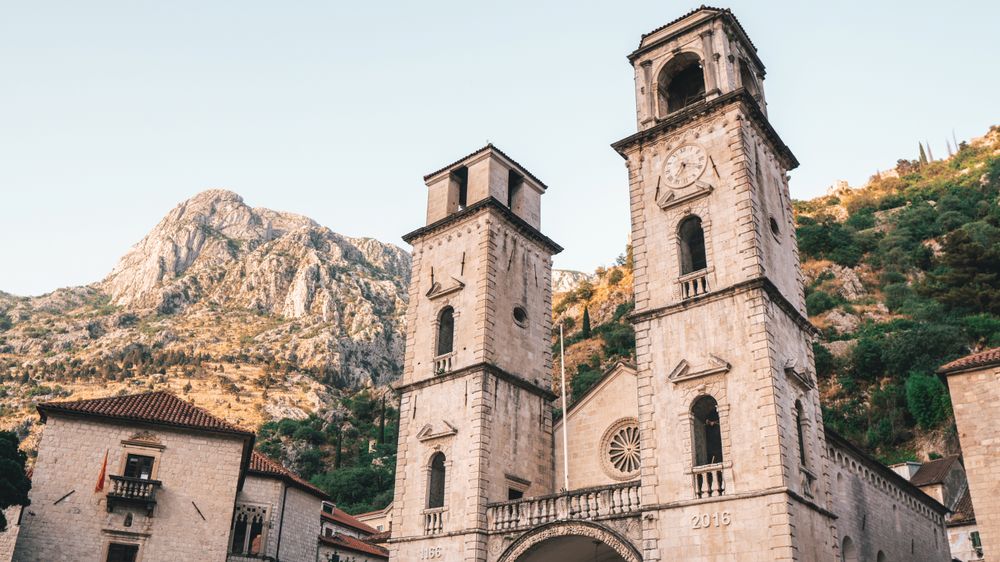
Kotor's Romanesque cathedral, consecrated in 1166 and rebuilt after earthquakes, with a carved stone ciborium over the main altar and a…
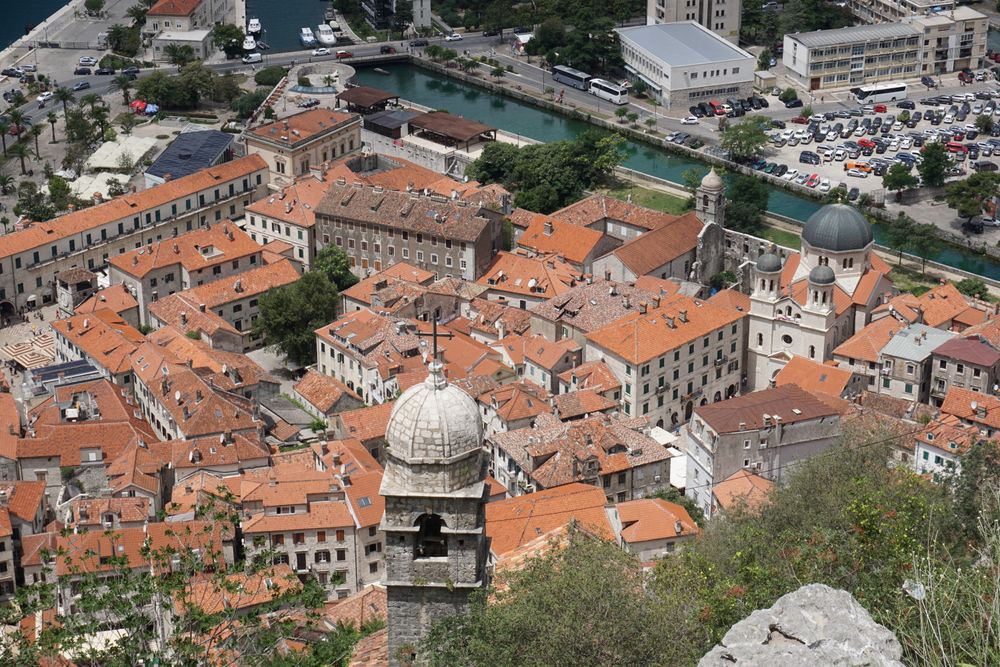
A fortified town at the head of the Bay of Kotor, wedged between the water and the near vertical wall of Mount Lovcen. Venetian ramparts…
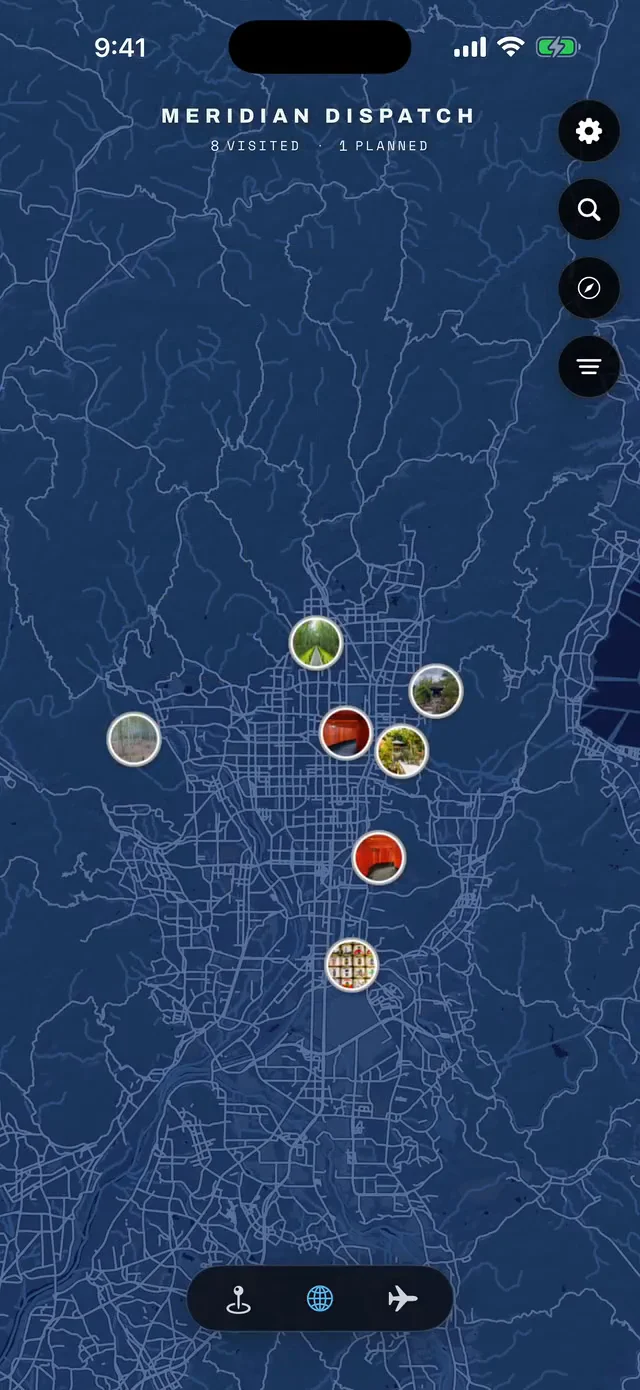
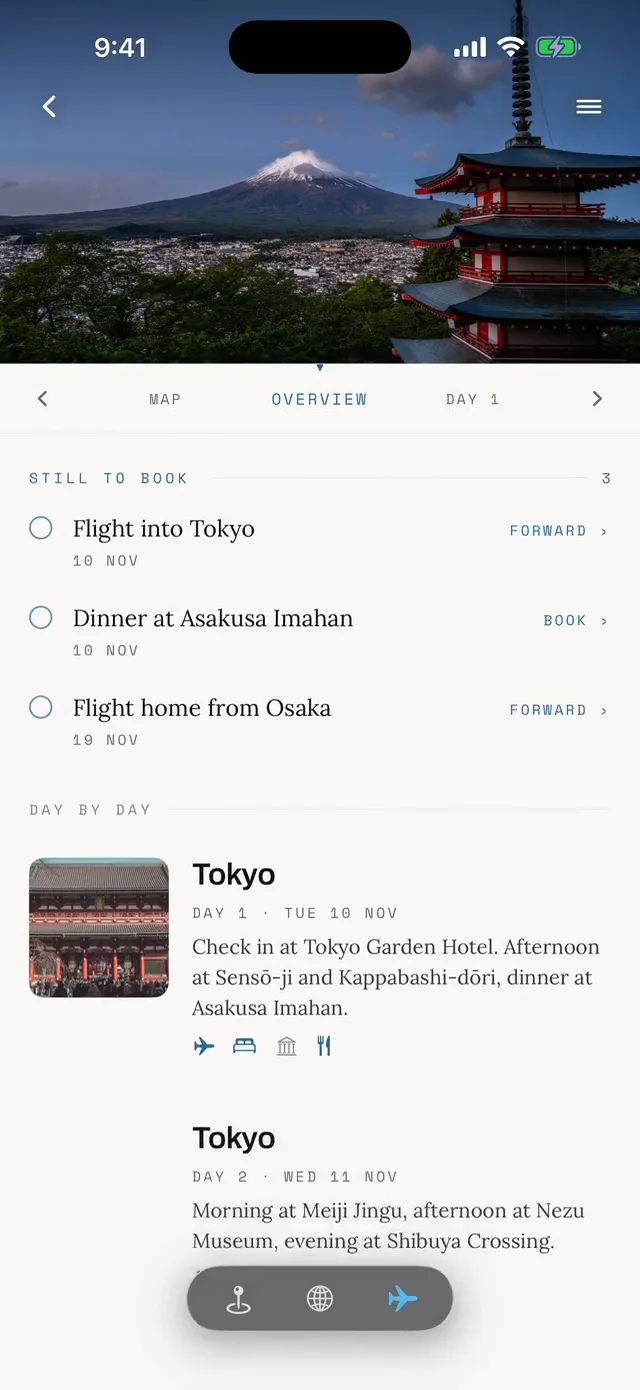

Save Ethnographic Museum of Montenegro to your Montenegro trip in the Meridian Dispatch app and build the day around it, with the best of Cetinje pinned on one map.
Download on the App StoreThe official pages this guide was checked against.
Last updated