Things to do
9-
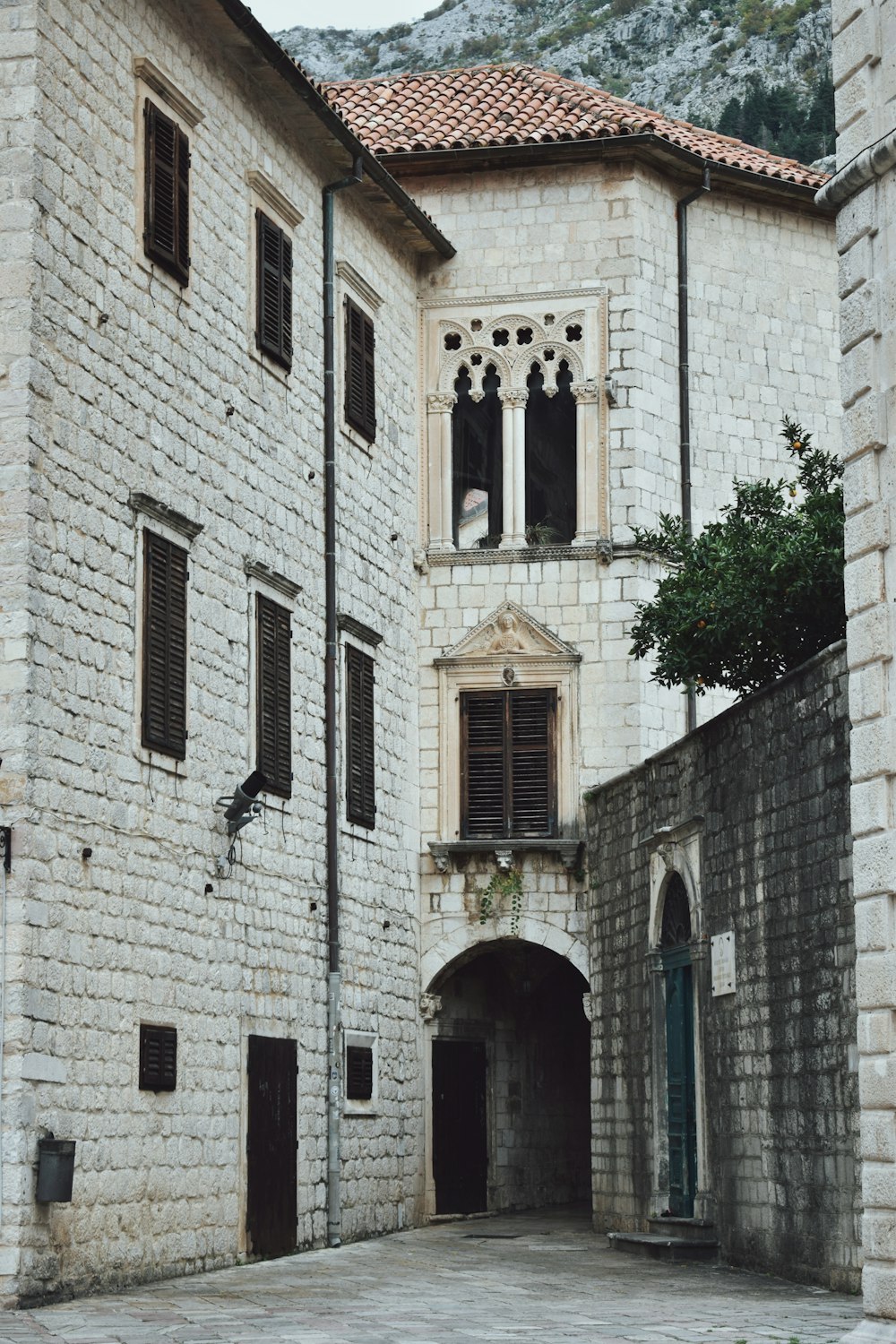
National Art Museum of Montenegro
Our Lady of Philermos is kept here, an icon that reached Cetinje from Rhodes by way of Malta, Saint Petersburg and Belgrade, and it is the reason to choose this collection if only one is getting an hour.
View more → -
Ethnographic Museum of Montenegro
The smallest of the Cetinje collections and the quickest, half an hour of highland dress, looms and household iron. It is already covered by the combined ticket, which is the only real argument for going in.
View more → -
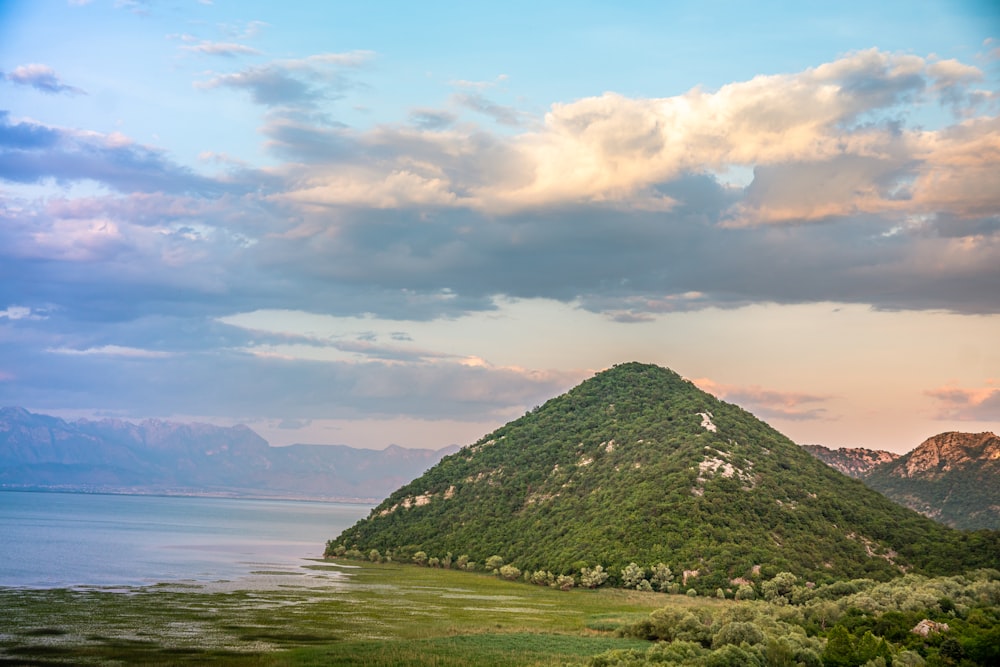
National Museum of Montenegro
Five collections in four separate palaces across a small town, on one ticket, and the history one is shut. Which of the rest earn an afternoon depends on how much the old royal capital is the reason for coming to Cetinje at all.
View more → -
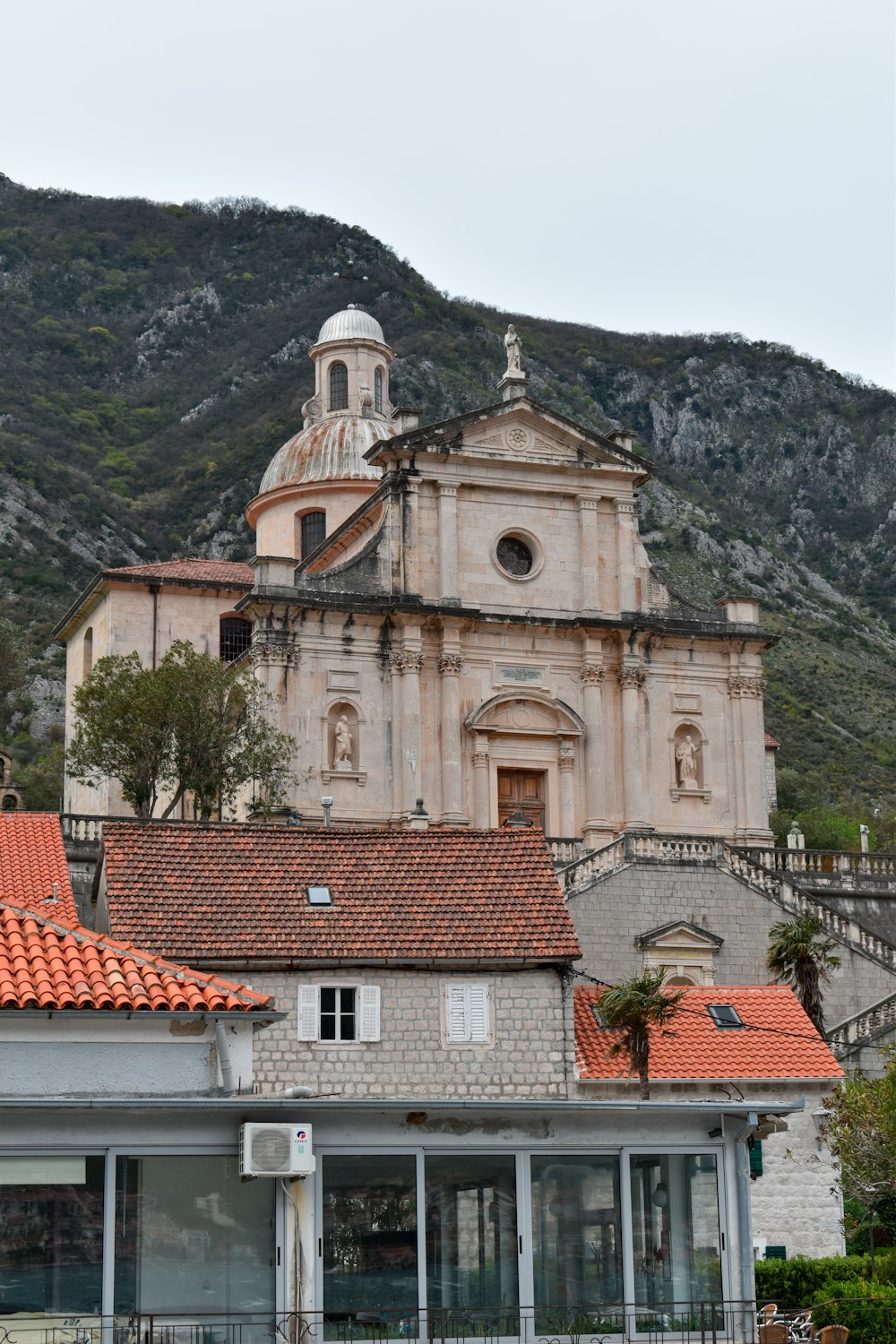
Art Museum of Montenegro
An hour is right, and it pairs naturally with the palace a few minutes' walk away.
-
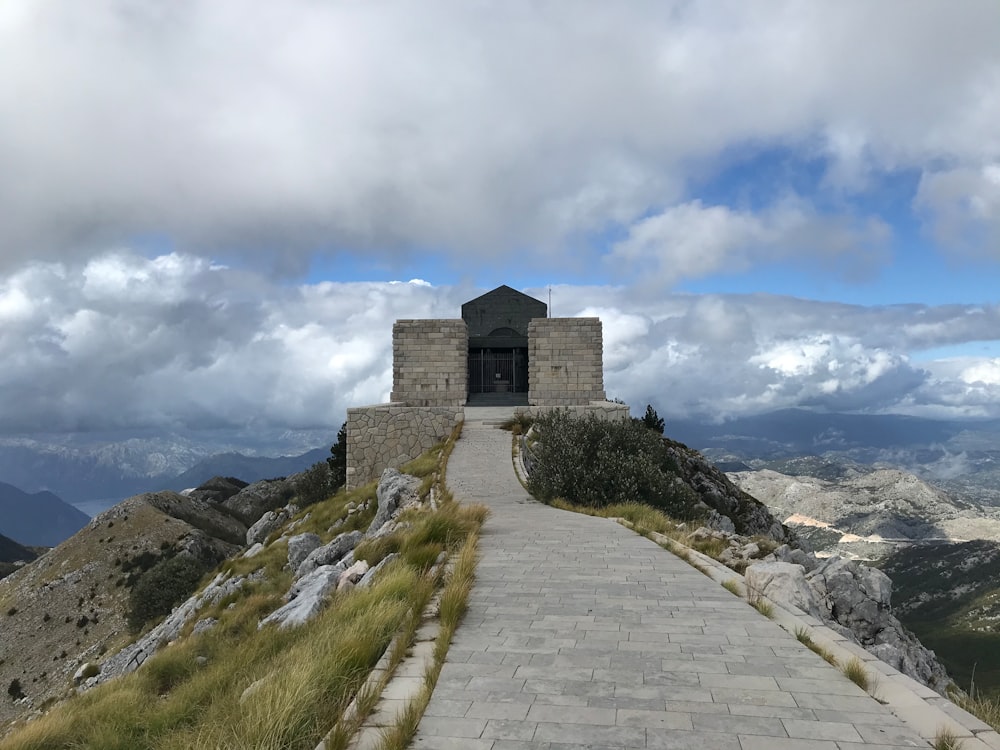
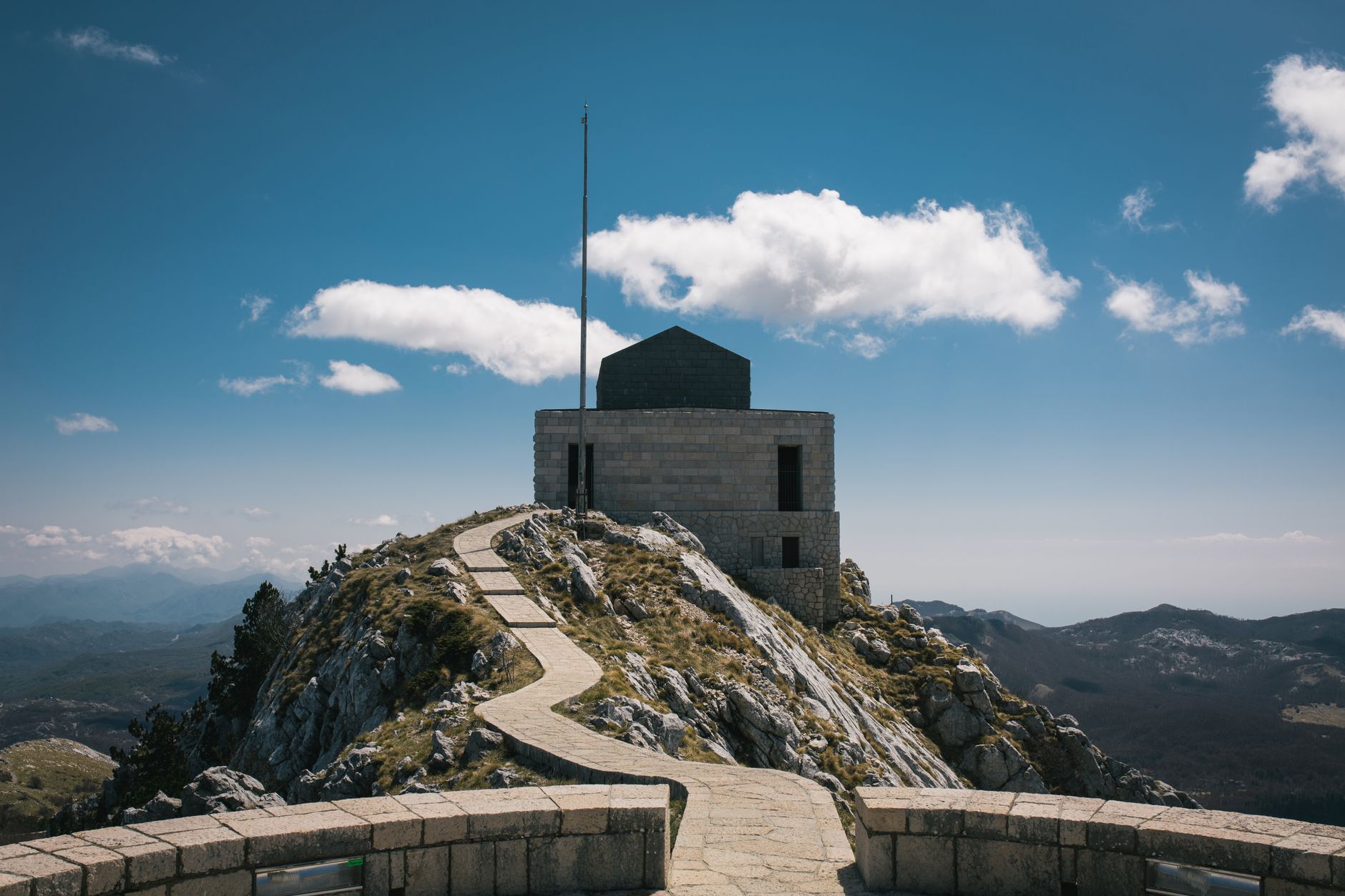
Lovćen National Park and Mausoleum of Petar Petrović Njegoš
Two roads reach the car park and they are not the same day out: the Cetinje approach is ordinary, the Kotor serpentine is the drive worth planning around. Go on a clear morning or the terrace gives back nothing.
View more → -
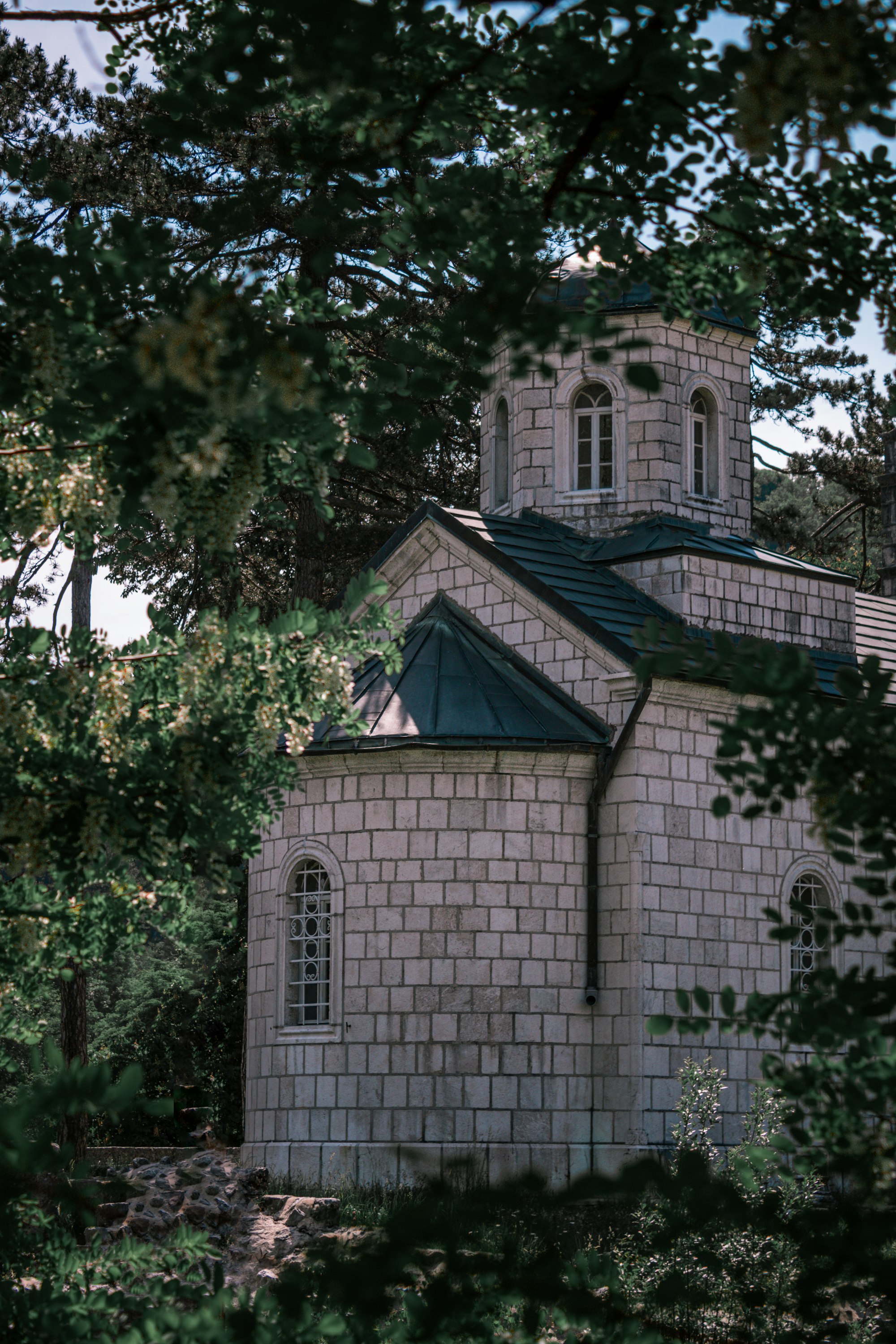
Cetinje Monastery
Dress modestly; the relics are shown from a chest on request, and photography inside is not allowed.
-
Njegoš Museum
The single most rewarding Cetinje stop if time is short; the relief map alone justifies it.
-
Historical Museum of Montenegro
The history collection is closed for visiting and the National Museum says so on its own hours page. What stands at this address is Government House, which it shares with the art museum, and that half is open.
-
King Nikola's Museum
Montenegro's crown jewels are in the entrance hall, and they are the most visited exhibit the National Museum owns. The palace was built between 1863 and 1867, housed the royal family for more than fifty years, and became a museum in 1926. Its garden was laid out in 1870.