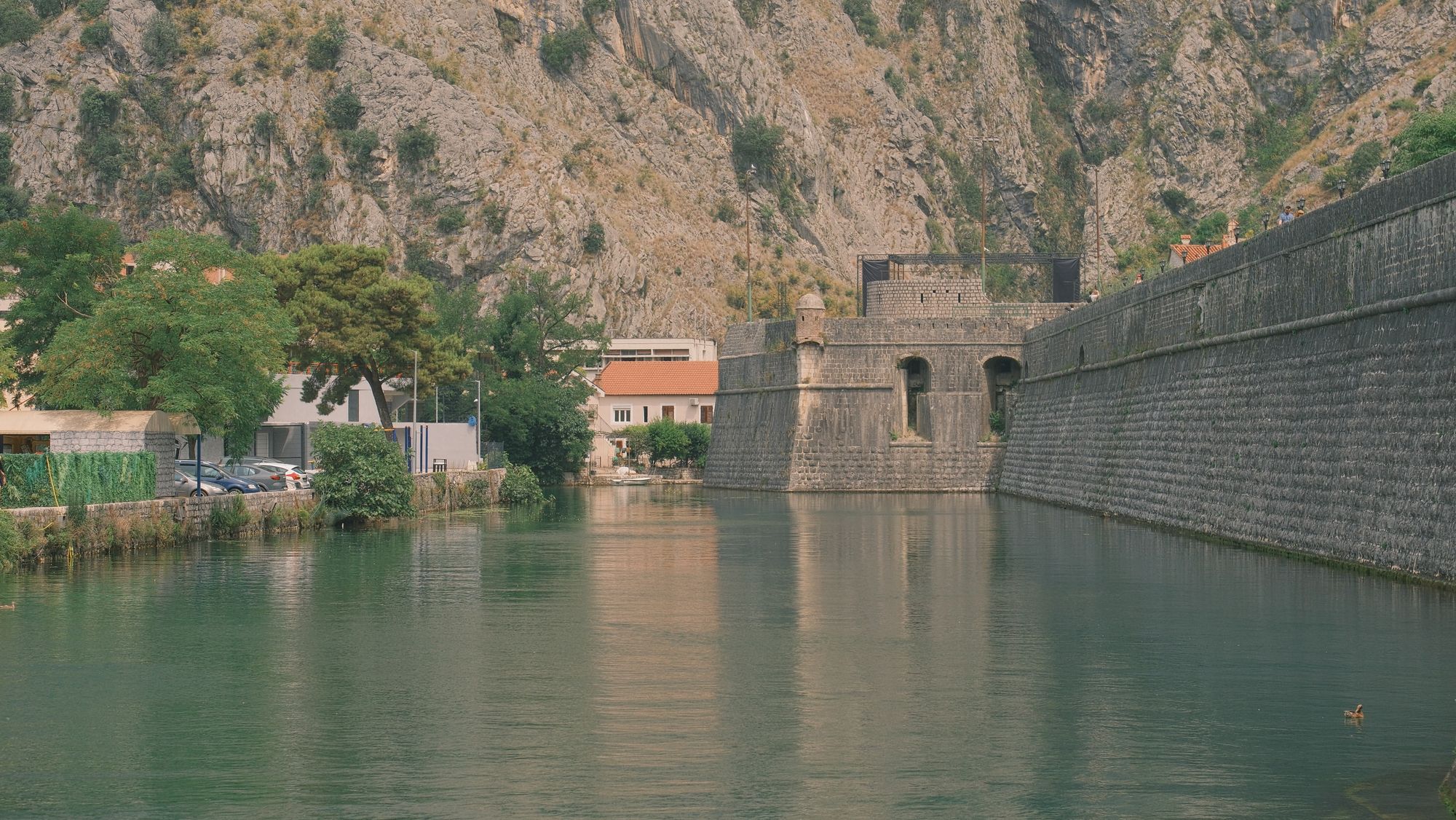
At San Giovanni, the ruined fortress at the top of the ramparts, you look straight down on the old town's roofs. The upper climb has no shade, so in summer avoid the middle of the day.
Landmark, Kotor. Meridian Dispatch.
Only in winter, when the booths close. From March to November every visitor to the walls and St John Fortress needs a valid ticket from the Municipality of Kotor's system. Permanent residents of Montenegro, children under 12, people with disabilities and school groups are exempt from the fee but still need a ticket. From 1 December to the end of February the climb is open at the climber's own risk.
Yes. The Municipality of Kotor sells e-tickets on its official city walls site, kotorcitywalls.me, and a ticket bought ahead skips the line at the entrance. Each one carries a unique QR code, shown on a phone or printed, which serves as proof of payment. The booths at the two entrances also sell tickets; street sellers are not part of the system.
As of 2026, 07:00 to 20:00 daily from May to September, 08:00 to 18:00 in March and April, and 08:00 to 17:00 in October and November. From December to February the booths are closed. Climbing or lingering on the ramparts after 22:00 is prohibited all year.
Inside the Old Town, at either of two official entrances. The Parilo North Entrance sits just behind the Church of St Mary Collegiate, better known as the Church of Blessed Ozana. The Škaljarska pjaca South Entrance is on Salata Square at the southern end of town. Both lead onto the main trail up to San Giovanni.
About an hour up, or 45 minutes at a brisk steady pace, and roughly 30 minutes down. The route climbs about 1,350 steps to San Giovanni, the ruined castle at 280 metres that looks down on the eastern bay. Stops for the view and the summer heat both stretch the time.
The ruined fortress of San Giovanni, also called St John, which once served as the command centre for Kotor's defences. It sits where the walls reach their summit on Sveti Ivan hill, and its plateau looks across the bays of Kotor, Tivat and Risan towards the Lovćen and Orjen massifs.
The steps run along the ramparts themselves, so the climb is a walk on the fortifications rather than beside them. The outer wall is 4.5 km round and up to 20 m high, with towers, bastions, gates and cisterns built into it. Most of what you see went up under Venice, which ruled the town from 1420.
San Giovanni, the fortress at the top, is a ruin on the highest point of the ramparts on Sveti Ivan hill. From its plateau you see the Bay of Kotor, the Bay of Tivat and the Bay of Risan, with Lovćen and Orjen behind them.
At night the walls are lit, and you can trace their line up the hill from the town below.
From either entrance you come to a ticket booth, where tickets are sold and checked; one bought online carries a QR code that works on a phone or on paper. Keep yours on you, because it is your proof that you paid.
Past the booth the steps leave the old town in tight zigzags, with resting places beside the bends. The small church of Our Lady of Remedy stands partway up. You cannot go inside, but climb a few steps past it and look back down over it.
Above the church the steps carry on to San Giovanni. Allow 45 to 60 minutes up and 30 down at a steady pace, longer with stops. The steps are worn and slippery in places, and on the way down you will often step onto the rocky path beside them to let climbers pass.
Buy your ticket online from the official city walls site or at the booth by the entrance, never from street sellers. In July and August the upper two thirds of the climb have no shade, and the midday heat makes the path dangerous. Carry water, sunscreen and a hat whatever time you go.
For a quieter walk up the same mountain, take the Ladder of Kotor instead. It starts outside the city walls, while the fortress steps are where the cruise ship crowds go.
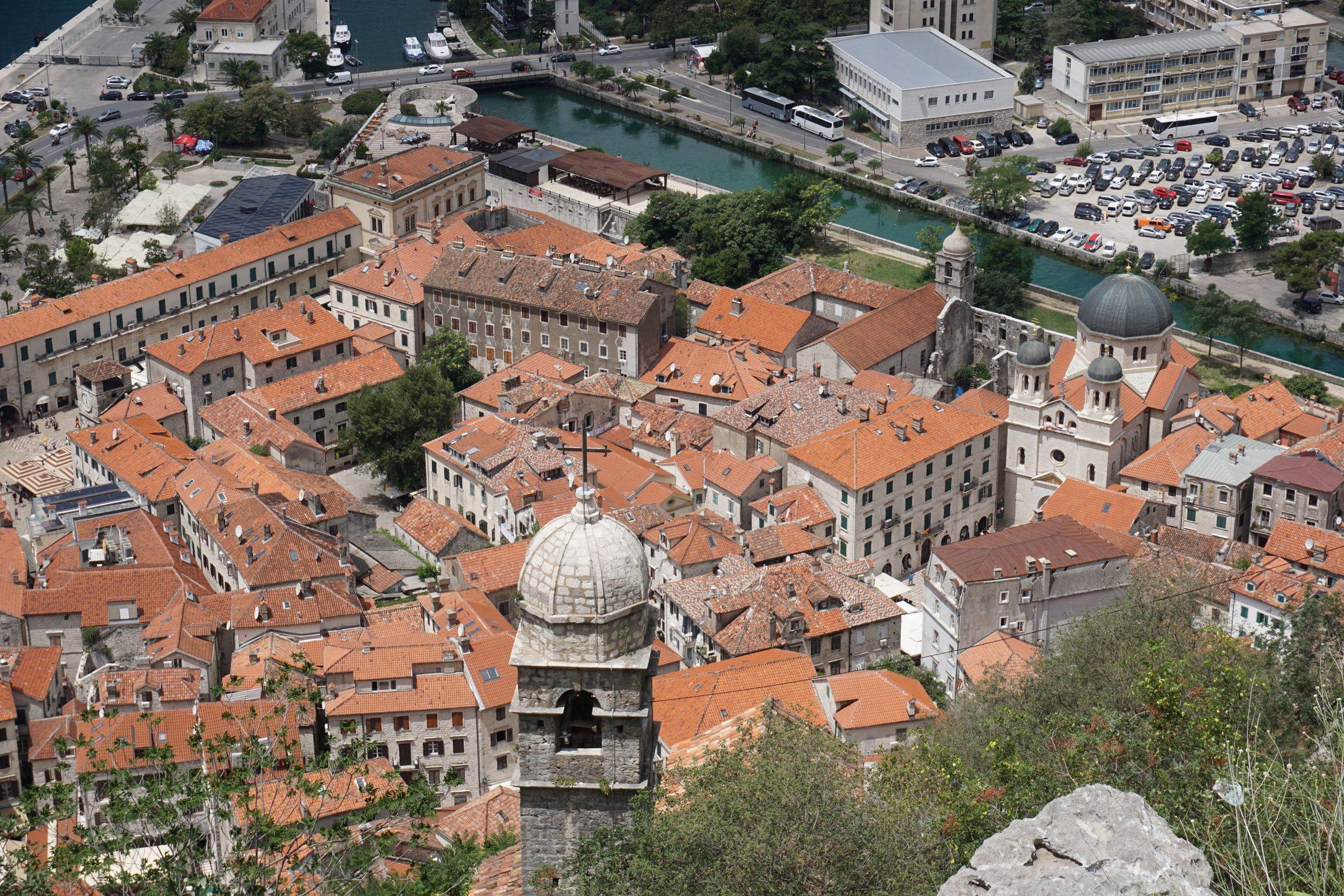
Kotor is a town for evenings: once the cruise ships sail, you have the lanes and squares inside the walls almost to yourself.
Read the Kotor guideExplore the rest of Kotor
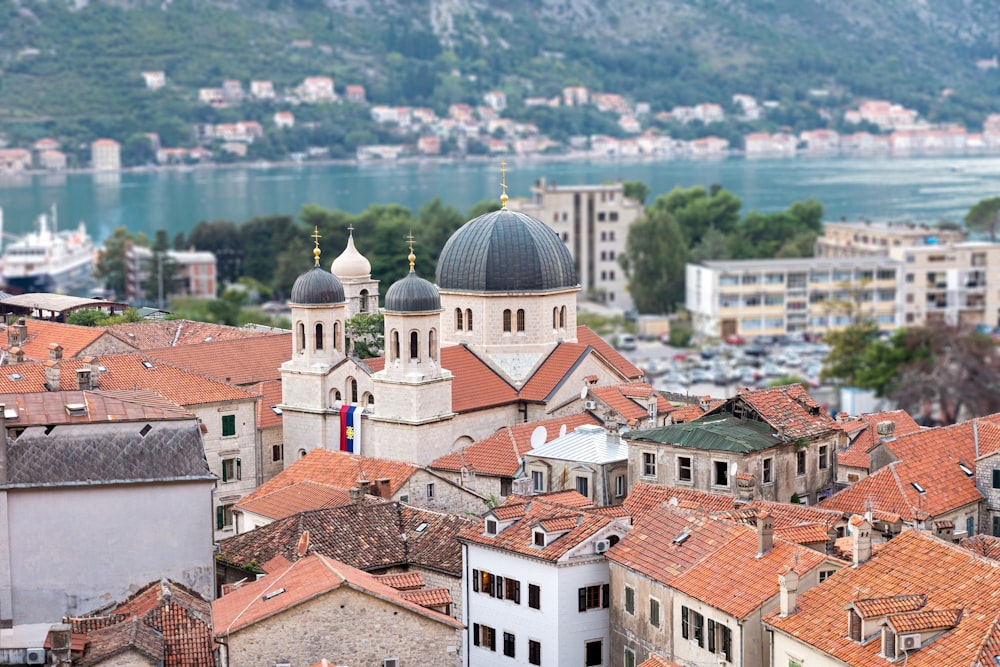
The principal Serbian Orthodox church of Kotor, completed in 1909 on the Piazza of St Luke, its twin towers rising over the north end of…
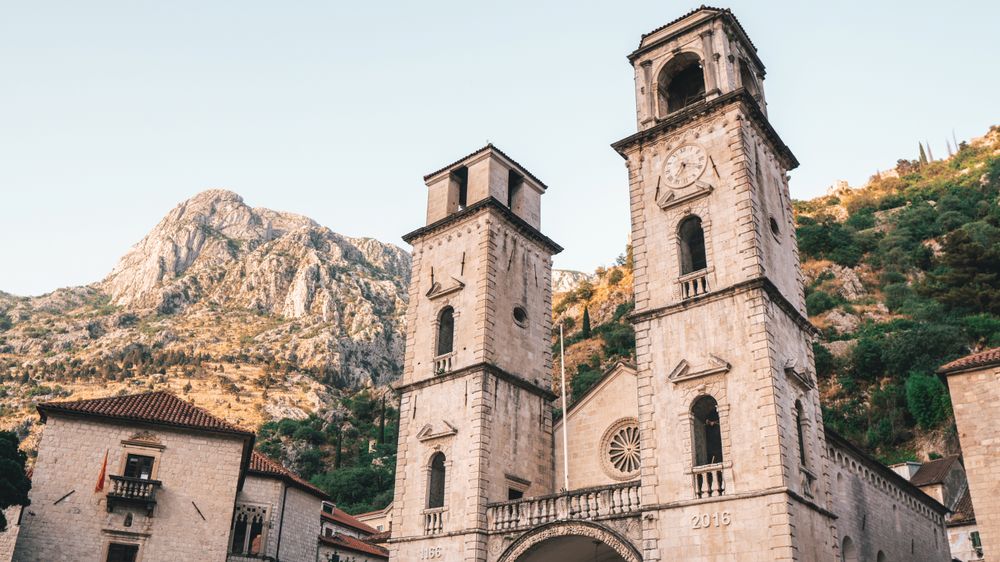
Kotor's Romanesque cathedral, consecrated in 1166 and rebuilt after earthquakes, with a carved stone ciborium over the main altar and a…
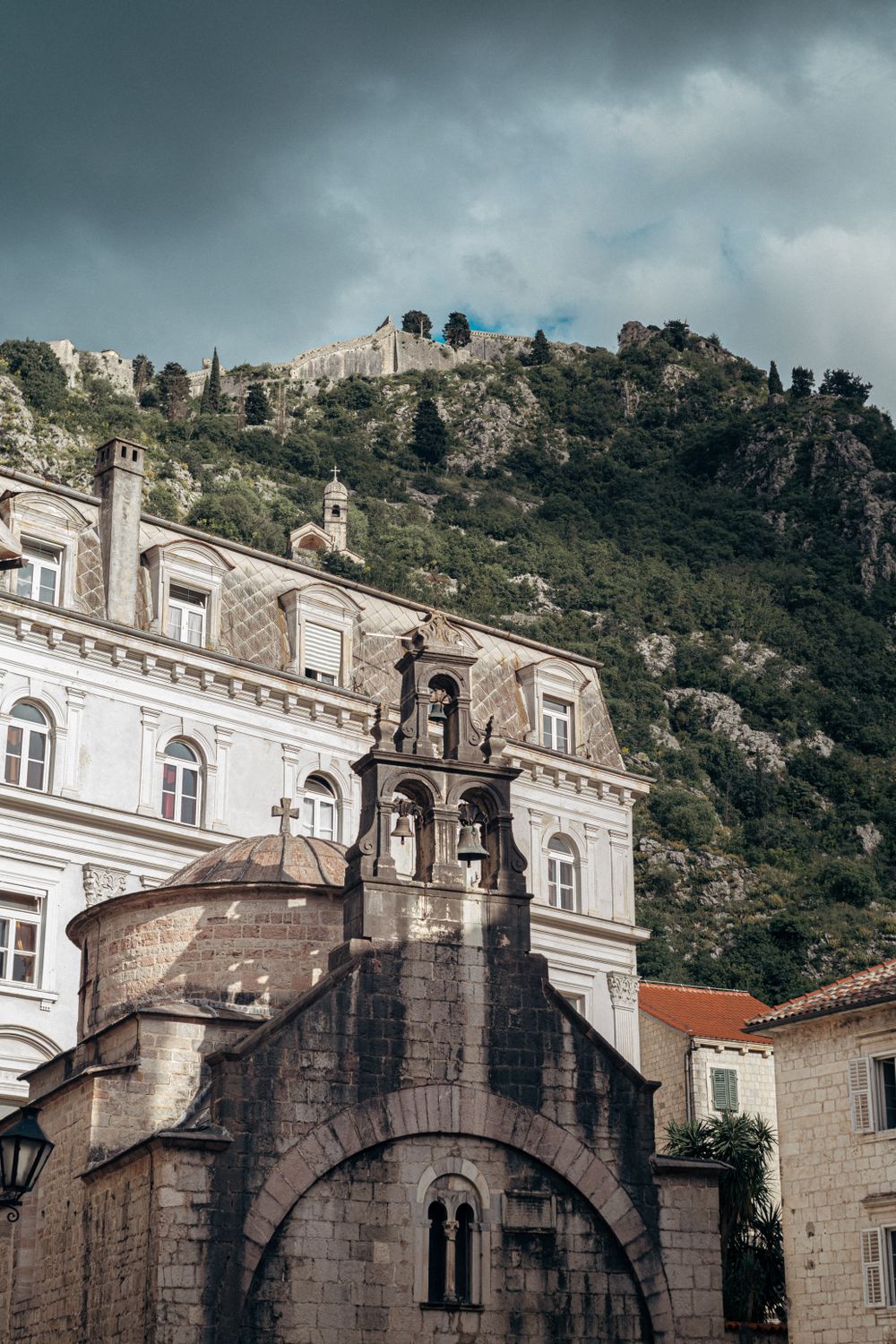
A small Romanesque church on St Luke’s Square in the old town of Kotor, with a dome over a single nave and a floor laid with tomb slabs. It…
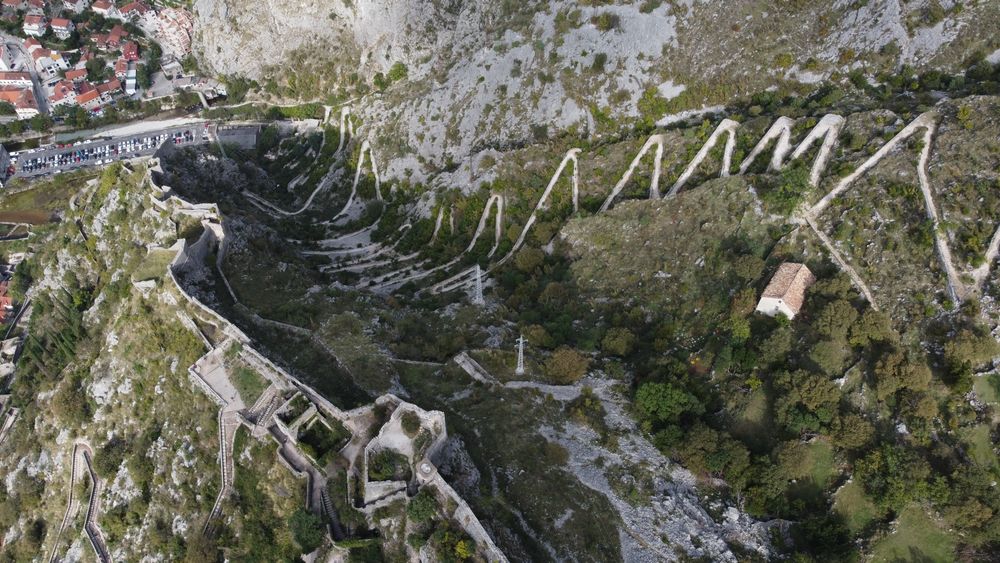

A path built in the 19th century as a supply route climbs the mountain behind Kotor's walls in about seventy hairpin bends, gaining 940…
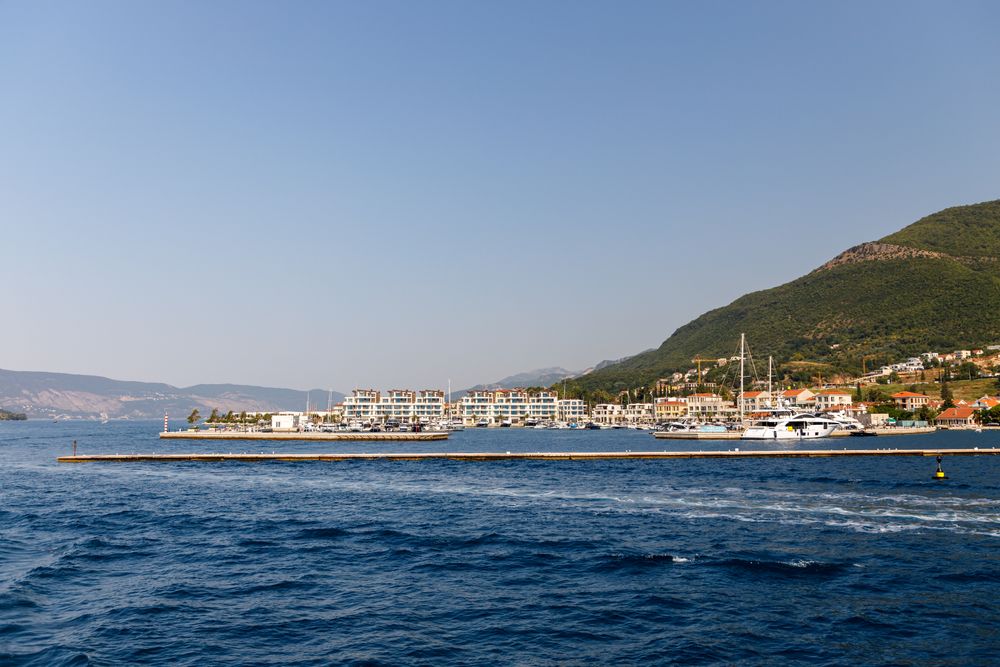
Tivat is the arrival town for the Bay of Kotor, with the international airport on its edge. Porto Montenegro, the superyacht marina, holds…
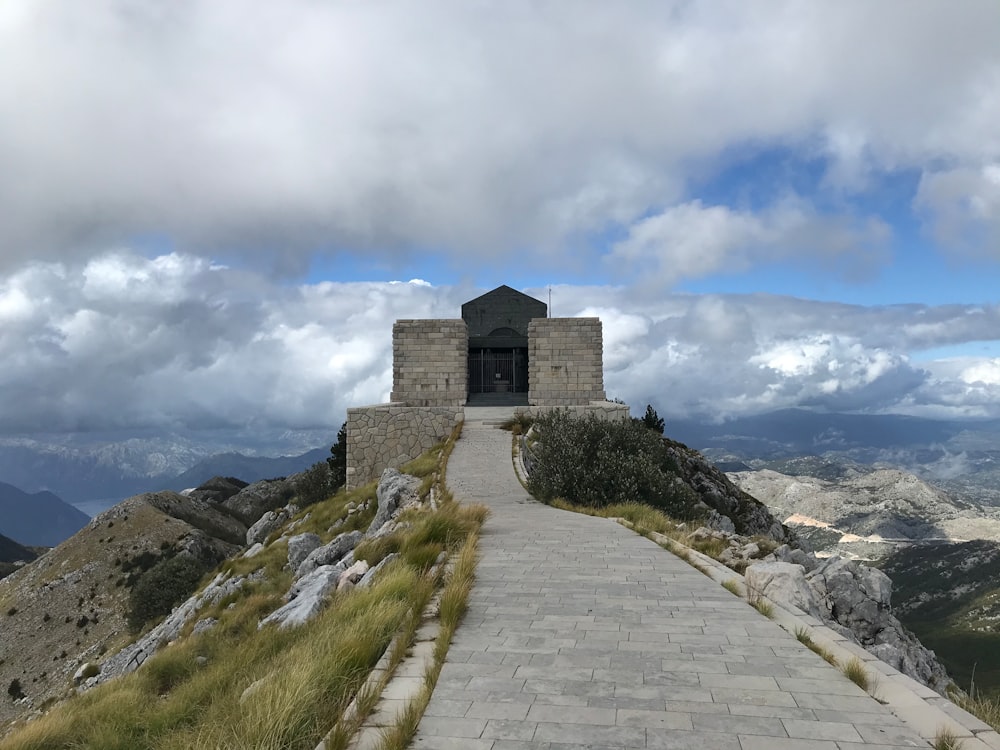
The mausoleum of Petar II Petrovic Njegos crowns Jezerski Vrh at 1,657 metres, reached by a tunnel and 461 steps from the summit car park.…
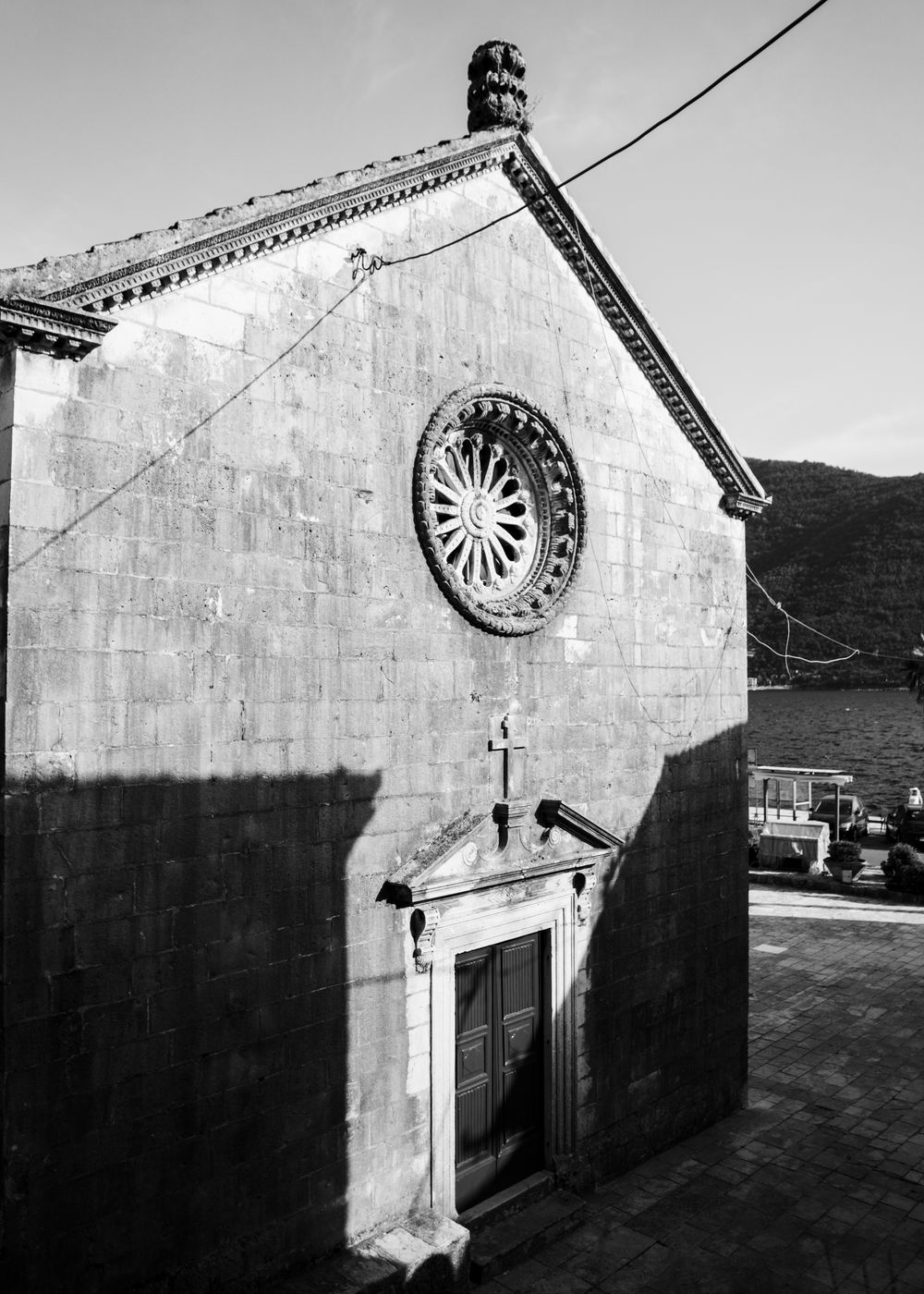
A Baroque parish church built in the 17th century and overlooking Perast's waterfront; notable for its bell tower and views across the Bay…
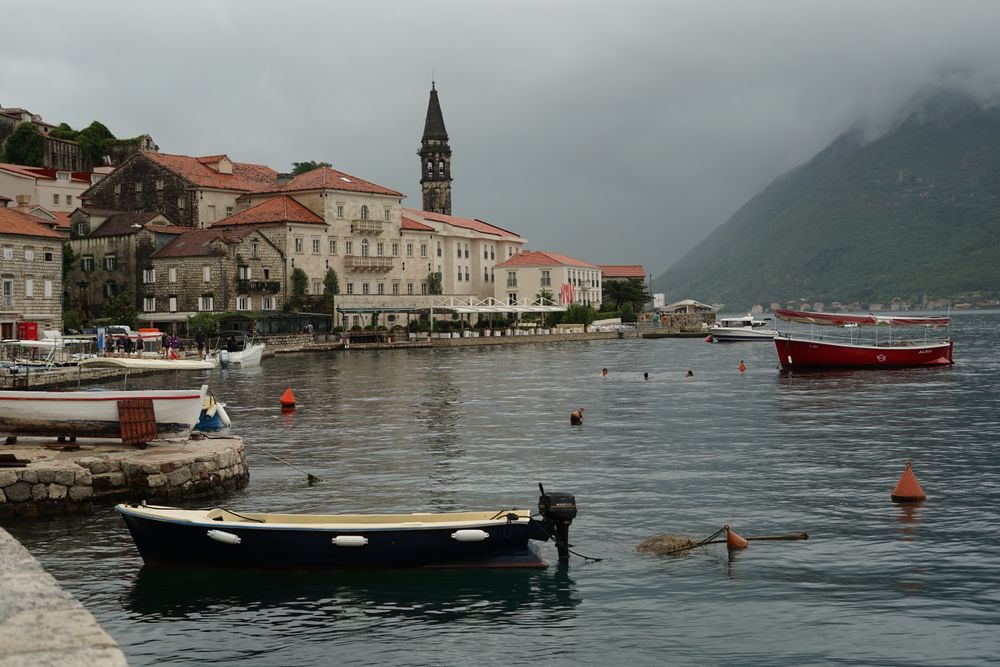
A single baroque street facing the narrows of the bay, built on the wealth of sea captains who once sailed for Venice. Stone palaces and…



Save Kotor City Walls and Fortress to your Montenegro trip in the Meridian Dispatch app and build the day around it, with the best of Kotor pinned on one map.
Download on the App StoreLast updated