 Submit a photo
Ninety seconds on Sandwich Harbour
Sandwich Harbour is on Namibia's Atlantic coast, about 80 km south of Walvis Bay in the Erongo Region. A bay sits at its northern end and a lagoon at the southern end, both inside Namib-Naukluft National Park.
Guided 4x4 tours run from Walvis Bay as half-day or full-day trips, or combined with other stops on the coast. Self-drive trips are also offered, and anyone entering the park needs a permit.
Yes. Entry to Sandwich Harbour requires a permit, issued by the Ministry of Environment and Tourism office in Swakopmund, because the bay and lagoon lie inside the national park.
Yes. The route in runs along the beach, so trips are timed to low water. At high tide the sea covers the beach track and vehicles cannot pass beyond that point.
The dry winter months, June to mid-September, give the best conditions at Sandwich Harbour. Whatever the month, the timing of each trip still follows the low tide.
A half-day 4x4 tour from Walvis Bay takes roughly four hours, out to the dunes and lagoon and back. Full-day tours and longer combined trips along the coast are also available.
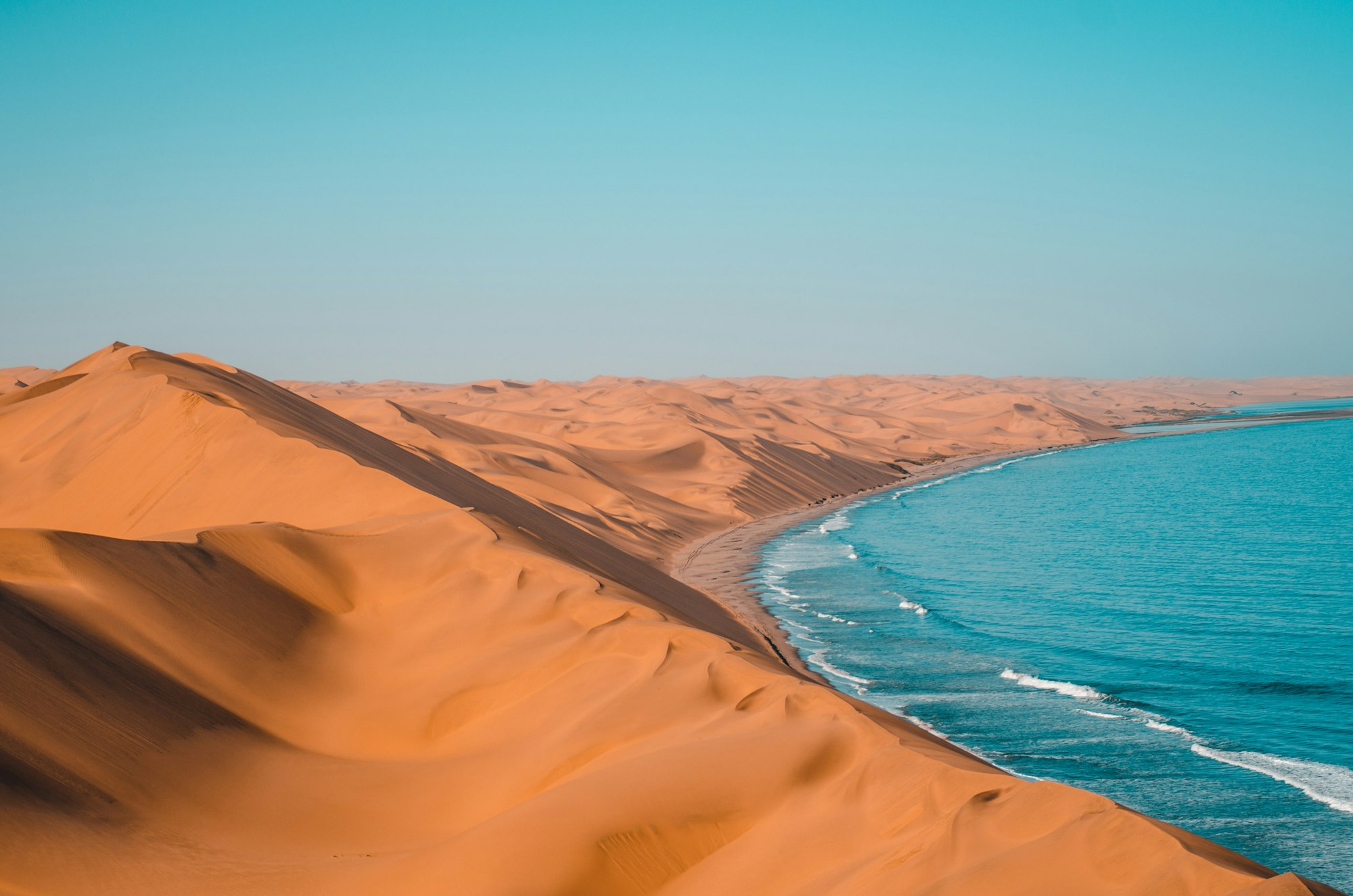
Sandwich Harbour's dunes drop straight into the Atlantic, and from a crest high above the surf you can see the desert end and the ocean begin. A guided 4x4 gets you there and back from Walvis Bay in half a day.
The dunes here reach up to 100 metres and run straight into the Atlantic, with nothing between the sand and the surf. The best views come from the high dunes overlooking the ocean.
Behind the beach lies the lagoon, 3.7 km long and 1 km wide, with open sand desert along its eastern side. Together with the salt pans and a bird sanctuary, it forms one of Africa's most diverse coastal wetlands, inside Namib-Naukluft National Park.
The lagoon is best known for its birds. Most of the flamingos in the area gather here, with herons and other waterbirds working the salt flats. Along the park's shore, the lagoons and mudflats draw hundreds of thousands of birds.
Tours from Walvis Bay set off in the morning or around midday. Ask your operator which slot suits the tide, because a high tide closes the beach route. Around a full moon the tides run especially high, and access can shut after lunchtime.
Past the national park sign the 4x4 runs along the beach, then up and down dunes as high as a six-storey building. Watch for ostrich, oryx and springbok on the way, since the place holds far more wildlife than its bare look suggests.
The stop that matters is the crest of the high dunes, looking down on the breakers and back over the lagoon. Some tours stop for a meal outdoors before the drive back. Pelican Point or Walvis Bay Bird Sanctuary makes a good second stop.
Bring warm layers, because the mornings are chilly and strong wind is a regular feature of the harbour. Wear sunscreen, sunglasses and sturdy shoes, and if lunch is set up outdoors, ask your guide to place it out of the wind.
Sand ends up all over you, so plan to go straight back to your hotel afterwards rather than on to dinner. If photographs matter most, ask your operator for the earliest slot, since sunrise gives the best light.
Explore the rest of Walvis Bay
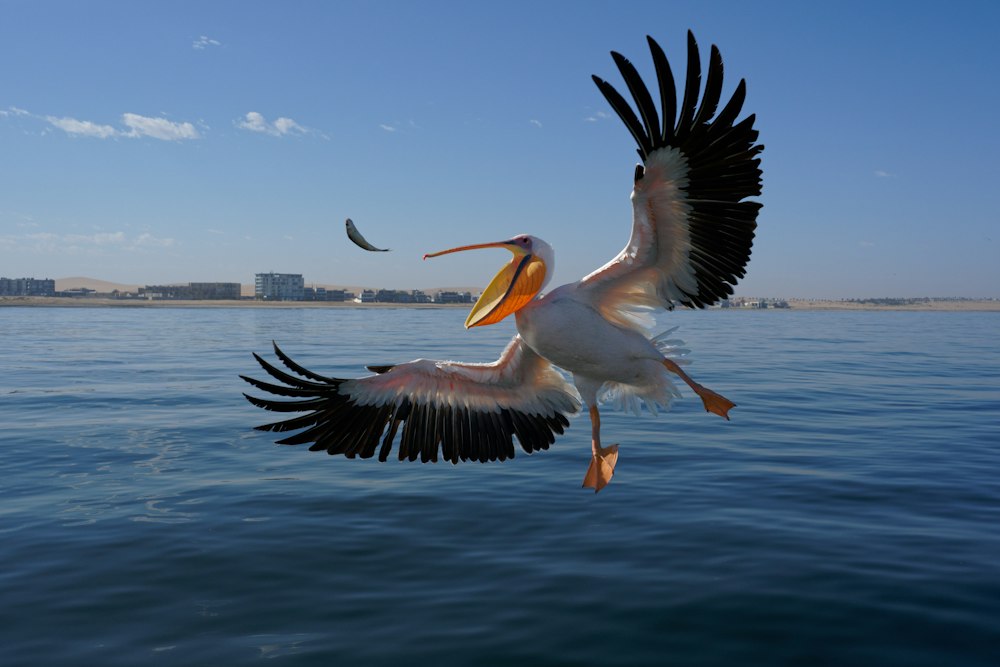
Namibia's deep water port works at one end of this town and a Ramsar wetland at the other. South Africa held the enclave until 1994, four…
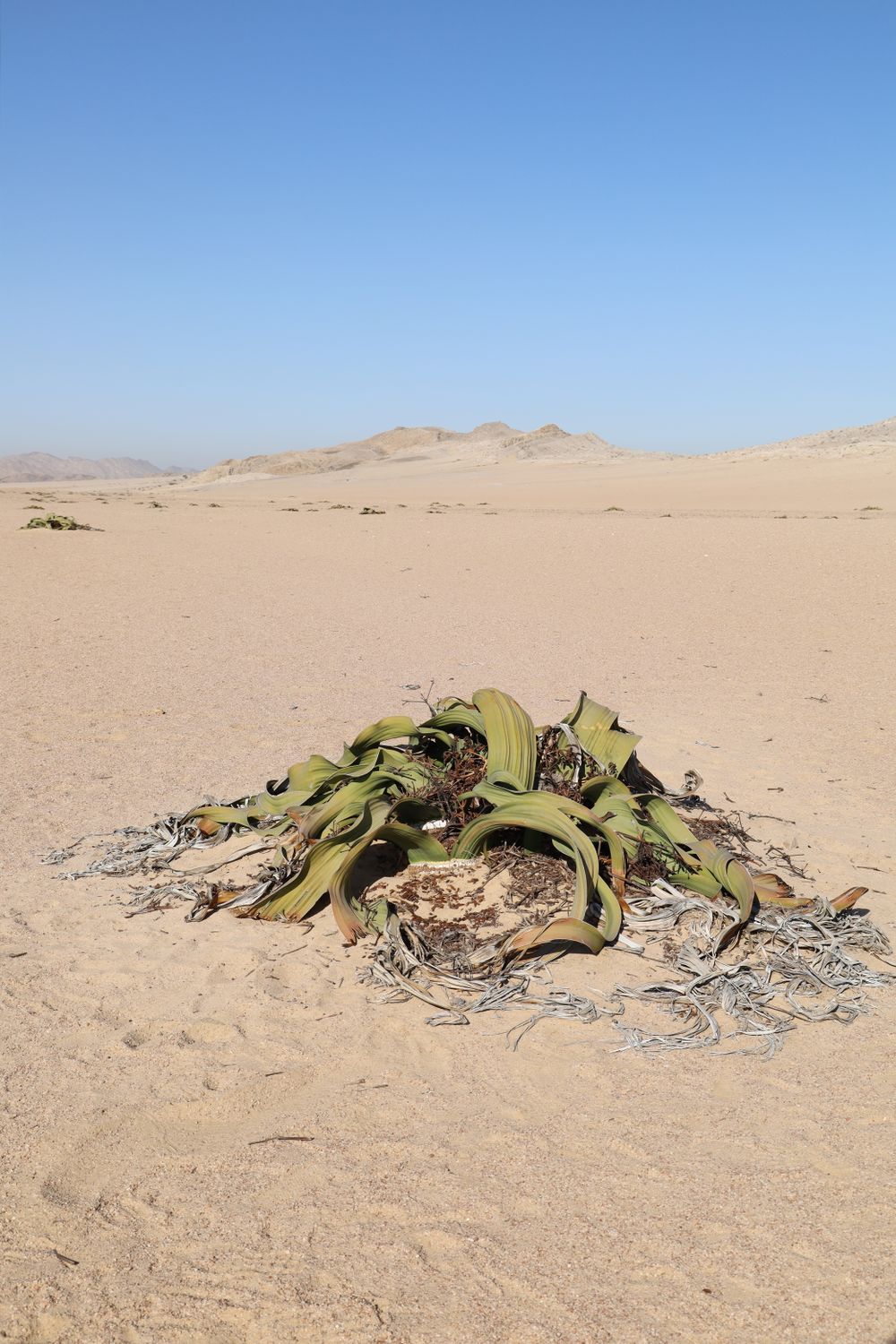
A marked gravel route east of Swakopmund into the Namib-Naukluft, with numbered beacons past lichen plains, the Moon Landscape and a black…
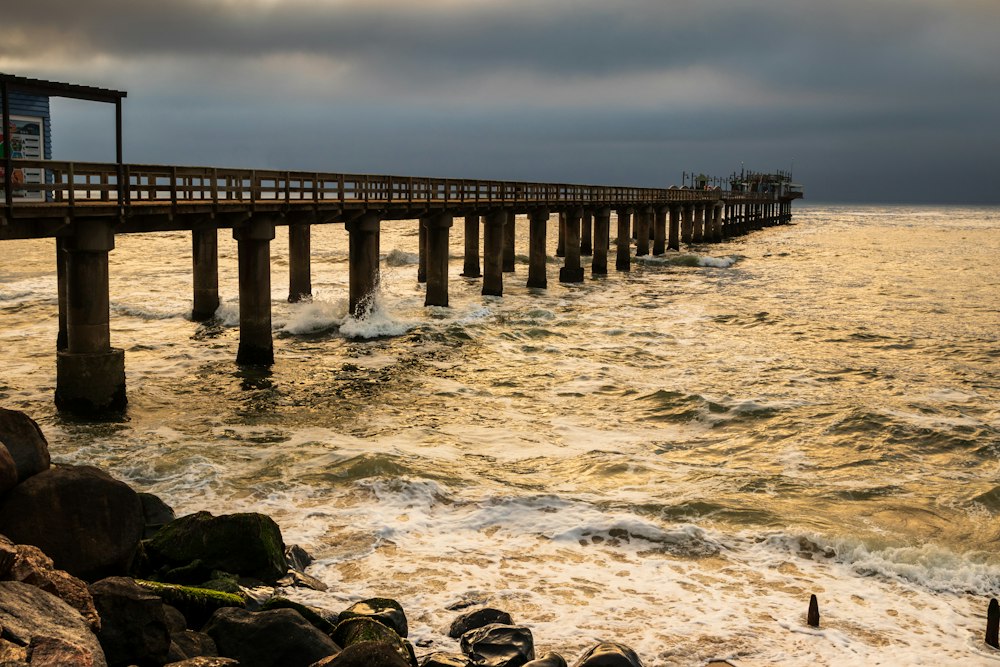
Iron and concrete replaced the first wooden pier in 1912, and the jetty now runs out over the surf with a restaurant at its seaward end.…
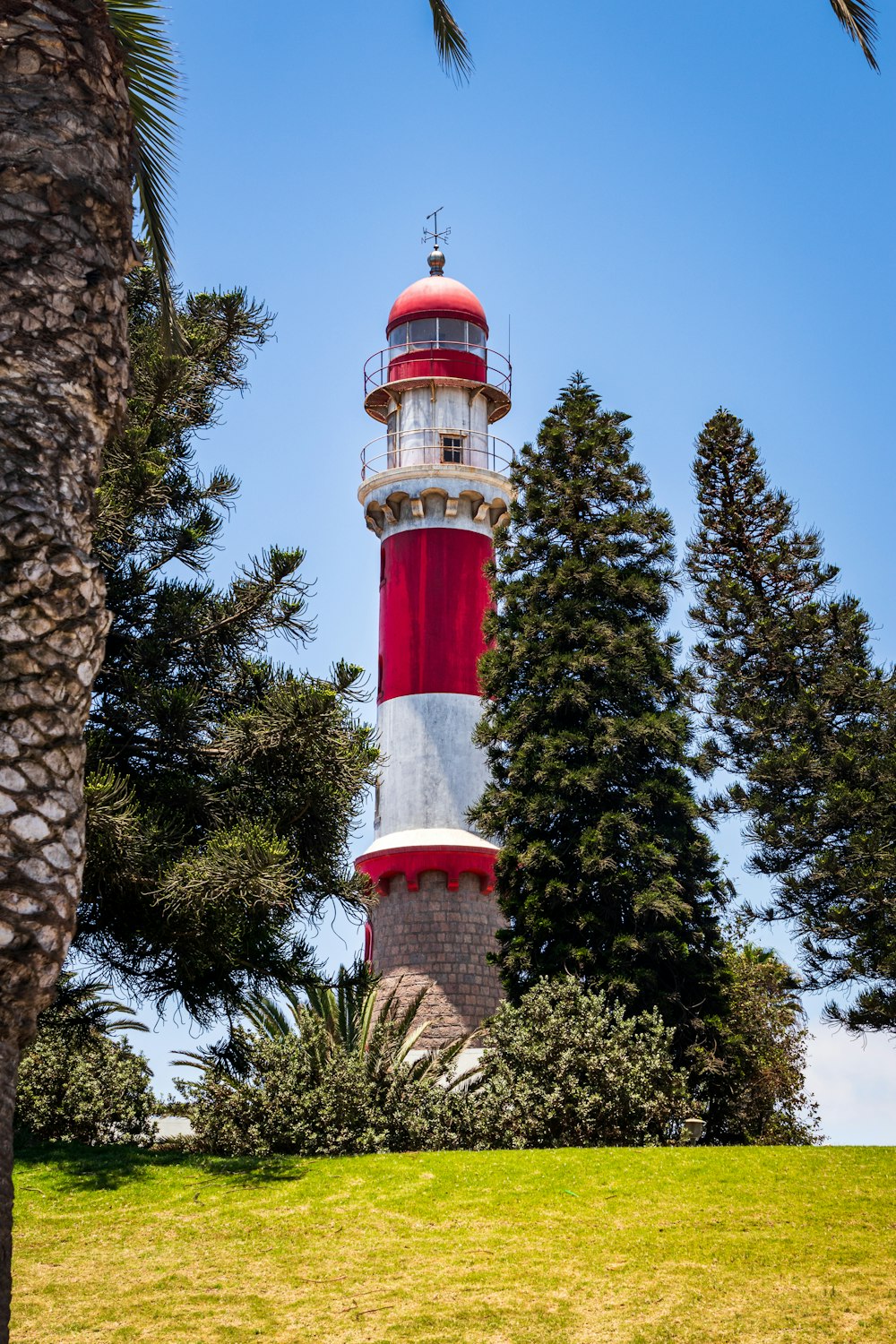
Red and white bands and a red lantern make this conical tower the landmark of the Swakopmund seafront, seen above the low roofs from most…
Man-made pools beside the C14 at the edge of Walvis Bay, one part of a wetland that also takes in the lagoon and the salt works. Flamingos,…
A long sand spit shelters Walvis Bay and ends at a black-and-white lighthouse, with a Cape fur seal colony of tens of thousands spread near…
A small reptile centre in Swakopmund, running for three decades, with more than 60 animals of at least 40 species behind glass, among them…
Housed in the old customs building at the Mole, Namibia's largest private museum covers the country's plants, animals and minerals, its…
Last updated