 Submit a photo
Ninety seconds on Basilica Cistern
From the street, a stone stair takes you down into a sixth-century Byzantine reservoir, where you walk a raised walkway between rows of reused stone columns standing in shallow water, out to two Medusa heads carved into column bases.
The hall is a grid of 336 columns, each about nine metres high, set in 28 rows one way and 12 the other. Most were taken from older buildings, which is why the capitals at the top do not match. Of the capitals, 98 are Corinthian and some are plain Doric.
The emperor Justinian had the cistern built in the sixth century to hold aqueduct and rain water for the Great Palace, and a shallow layer of that water still covers the floor. In Turkish the cistern is called Yerebatan.
One column is carved all over with a relief that looks like the eyes on peacock feathers.
The two Medusa heads serve as bases under two columns. The western head stands upside down and the eastern one lies on its side. Both came to light during the municipal repair of 1985 to 1987, and which building they were taken from is unknown.
Buy your ticket at street level, then go down the stone staircase. Down in the hall, a light modular walkway carries you between the columns above the water.
Follow it to the Medusa heads in the northwest corner, the stop that draws the most attention. Then walk back slowly along the rows to look at the mismatched capitals and find the peacock-eye column.
Art installations stand along the route under low, shifting light, and descriptive panels line the way if you want to read as you go.
A guide is optional here. Skip-the-line tours sold by third parties usually mean a guide who buys the tickets in advance and joins a shorter group line. You still go through the same security check at the entrance.
Wear shoes with grip, because the walkway and floors are damp and slippery. Bring a light layer for the cool air below ground, and a hat or scarf against the water that drips from the vaults.
Leave the tripod at your hotel, since tripods are usually not allowed. A phone in night mode copes well with the low light if you brace your elbows on the railing.
Explore the rest of Istanbul
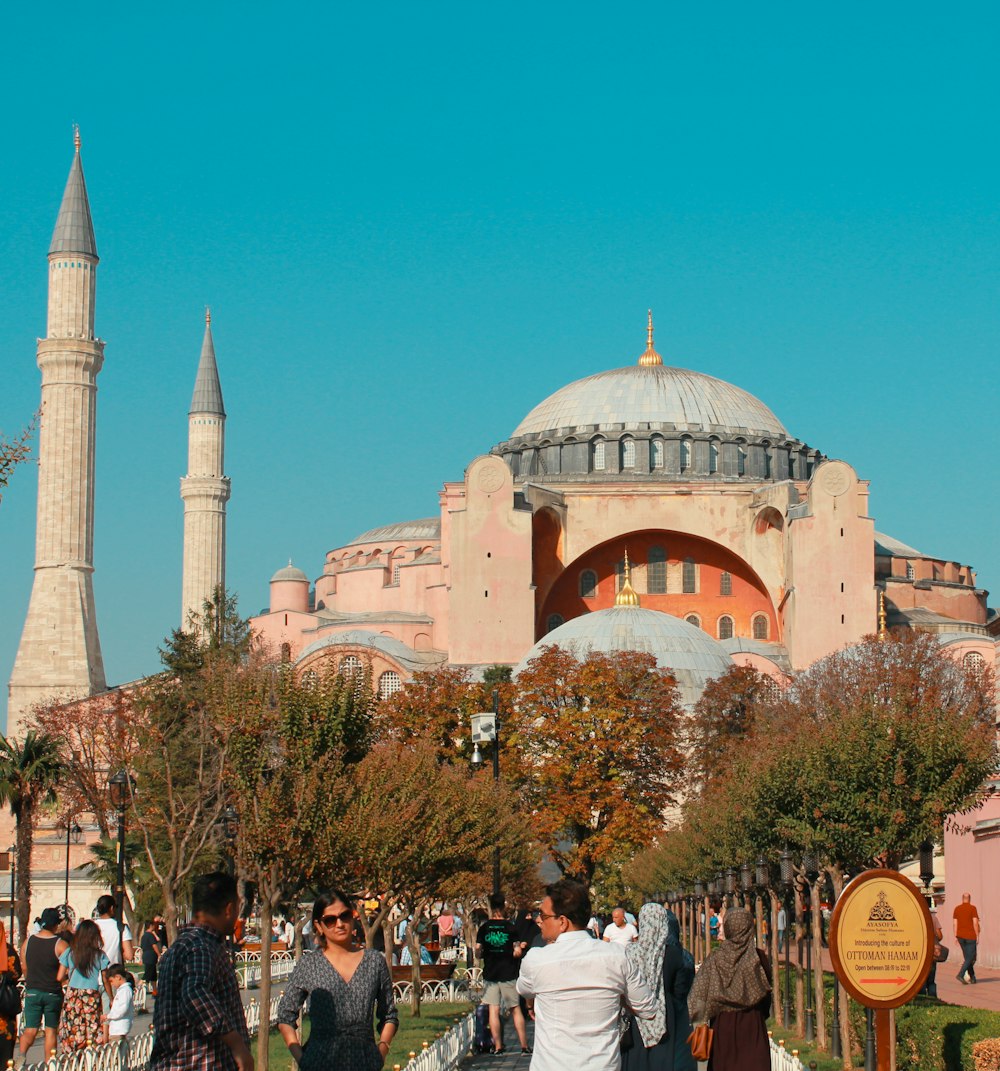
Built in 537 CE under Byzantine Emperor Justinian, this massive domed structure served as a cathedral, mosque, and museum before becoming a…
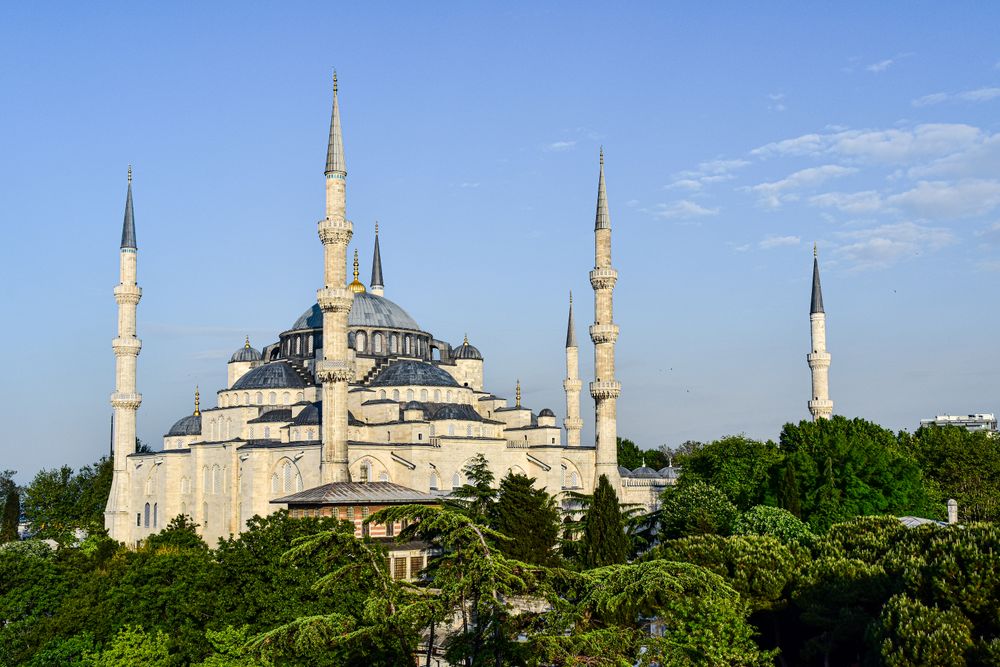
Constructed between 1609 and 1616, this Ottoman mosque features six minarets and an interior decorated with over 20,000 blue Iznik tiles.…
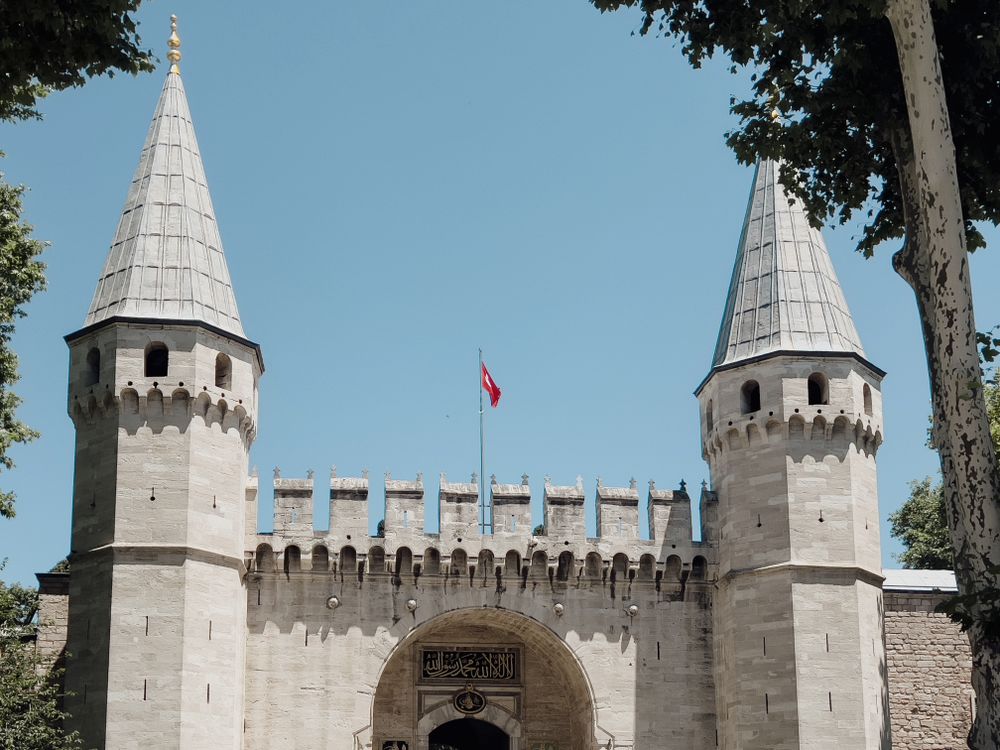
The residence and administrative center of Ottoman sultans from the 15th to 19th centuries, now a museum containing the palace treasury,…
Last updated