 Submit a photo
Ninety seconds on Dolmabahçe Palace
Look up in the Ceremonial Hall and a Bohemian crystal chandelier of 750 lights hangs over you. Sultans held state ceremonies in this room and received the empire's notables here on religious holidays.
Dolmabahçe is one long building laid along the Bosphorus, the largest palace in Turkey by ground area, with 285 rooms. It falls into three parts: the Selamlık, where the state was run, the Harem, where the sultan's family lived, and between them the Ceremonial Hall used for state ceremonies.
Sultan Abdülmecid had it built between 1843 and 1856 on a bay filled in for an imperial garden, which is what the name, "filled garden", means. Under the Baroque, Rococo and Neo-Classical decoration, the plan is a traditional Turkish house: a central hall with rooms opening off it.
The floors carry Hereke carpets, and the rooms hold Baccarat crystal, Sèvres and Yıldız porcelain, gifts from foreign heads of state and paintings by Western artists. The palace is shown with its original furnishings. One staircase climbs on red carpet between banisters of crystal.
In the Harem, eight interconnecting apartments housed the sultan and his family. Atatürk worked from the palace until his death in 1938. The clock in his bedroom is still set to 9:05, the time he died.
Three sections make up the visit: the Selamlık, the Harem and the Painting Museum. One ticket covers all three and stays valid for a week, while a separate ticket covers the Selamlık alone.
Security comes first, at the outer gate, where bags go through an X-ray machine and you walk through a metal detector. Past the clock tower are the ticket booths, and at the palace door staff may hand you plastic covers to pull over your shoes.
Inside, a one-way route leads through the halls with little chance to leave it, so give each room its time as you pass.
An audio guide gives you the story of each room along the fixed route. Staff keep an ID as a deposit until you hand the unit back, so carry one you can do without for a few hours.
Groups holding three or more full-fare tickets are eligible for the palace's thematic tours.
Come with a small daypack rather than luggage, since large suitcases are not allowed inside and slow your way through security. Wear comfortable shoes for the hard floors.
If one room is your reason for coming, such as the Crystal Kiosk, ask on the day whether it is on the route, since it is not always open to visitors. With limited mobility, ask at the entrance which parts of the route involve stairs.
Explore the rest of Istanbul
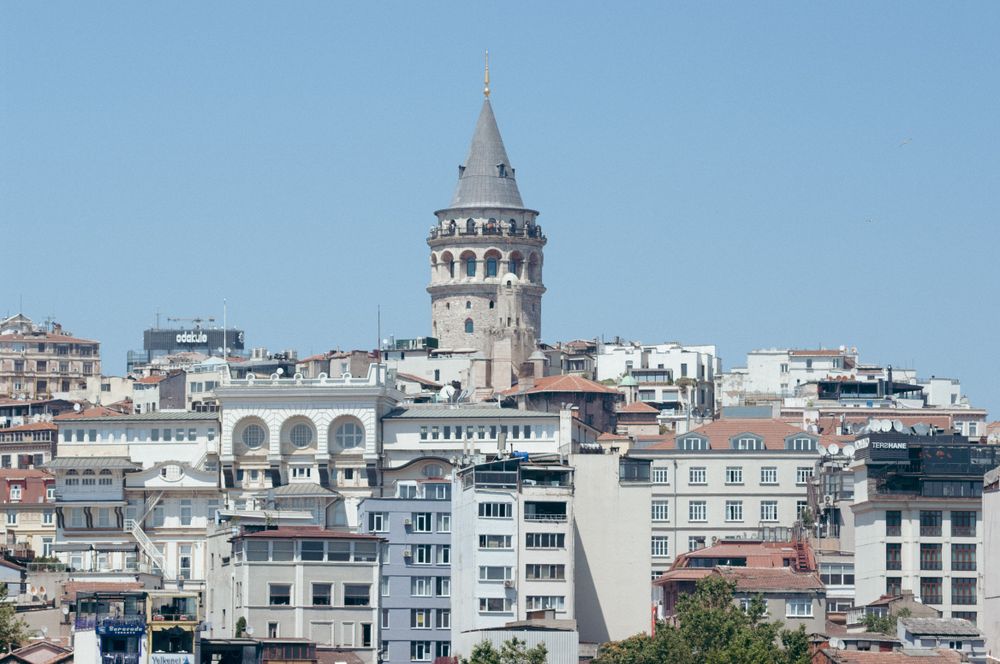
A 14th-century Genoese tower standing 67 meters tall, offering panoramic views of Istanbul's three sides of water and the city skyline. The…
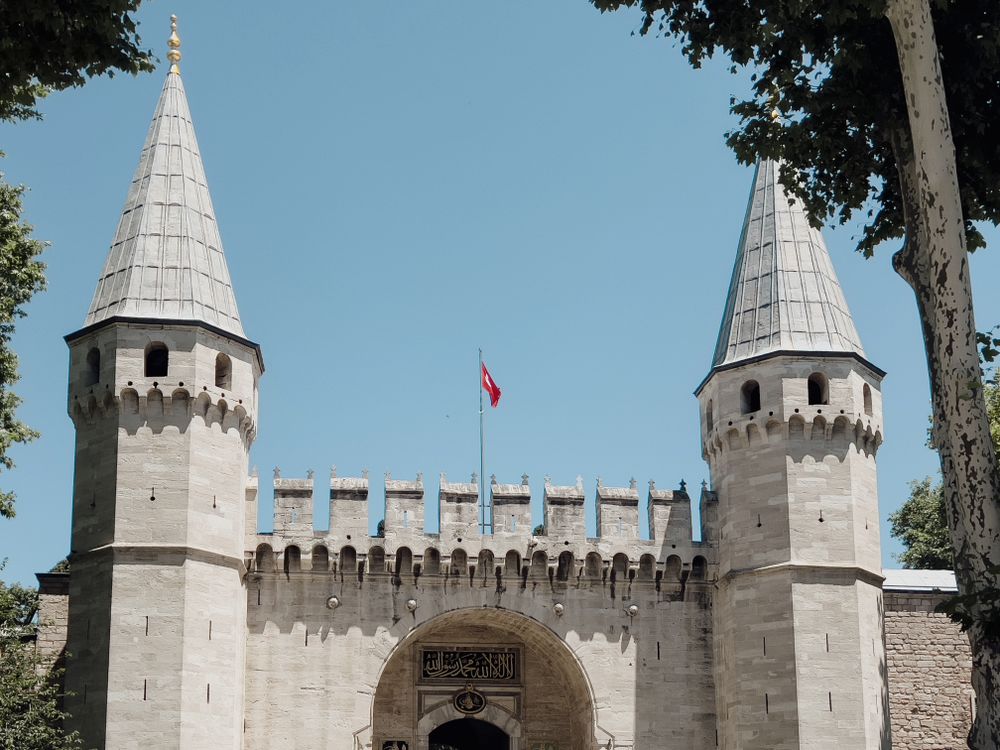
The residence and administrative center of Ottoman sultans from the 15th to 19th centuries, now a museum containing the palace treasury,…
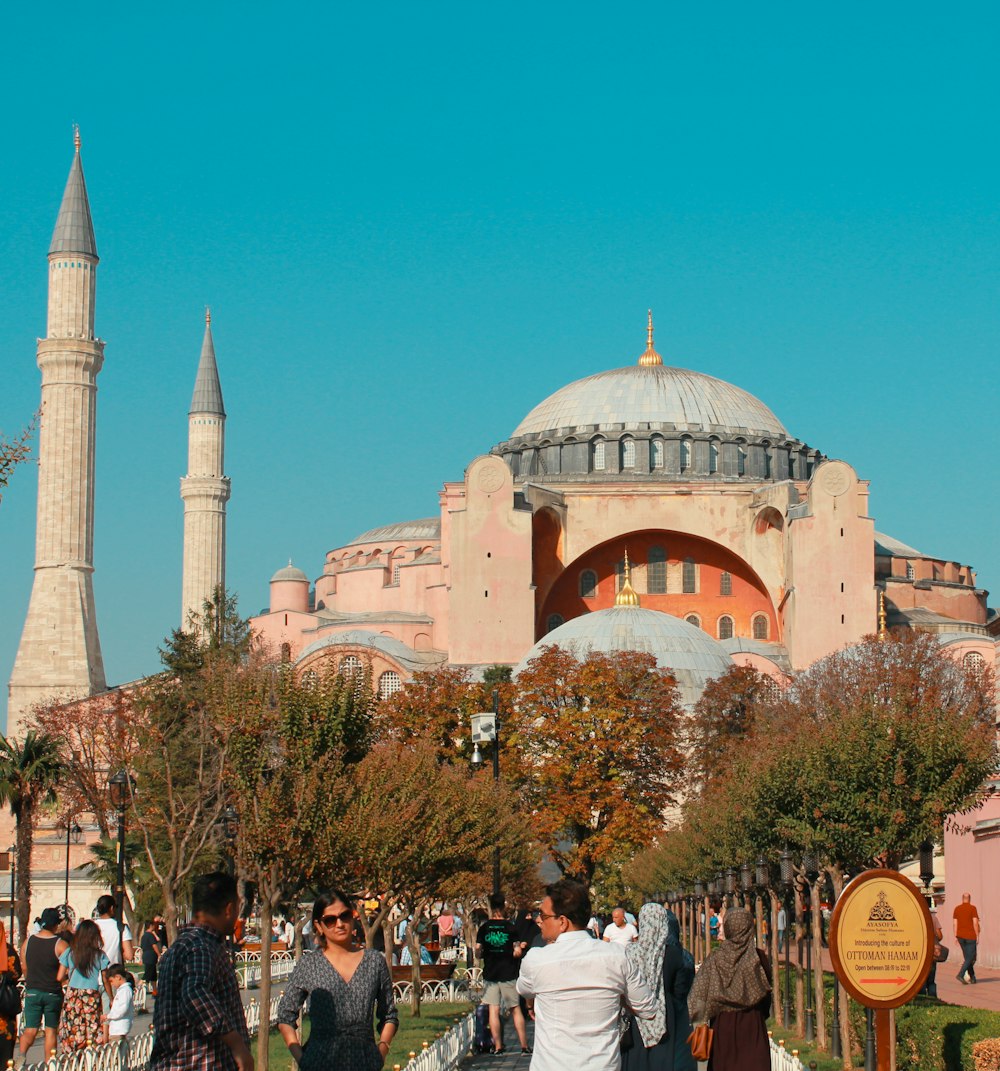
Built in 537 CE under Byzantine Emperor Justinian, this massive domed structure served as a cathedral, mosque, and museum before becoming a…
Last updated