 Submit a photo
Ninety seconds on Spice Bazaar
The listed hours run from 08:00 to 19:30 on weekdays and from 08:00 to 20:00 on Saturdays. On Sundays the bazaar opens later, from 09:30 to 19:00.
Yes, it is open on Sundays, with listed hours of 09:30 to 19:00. That is a later opening than on any other day of the week, when the doors open at 08:00.
Both, on the same day, since only a short downhill walk separates them. The Spice Bazaar is the smaller of the two, more fragrant and far less of a maze. Start at the Grand Bazaar and end here.
Yes, even for visitors with no plans to buy spices. The hall is smaller and less of a maze, and the market streets around the building add a second part to the visit.
In Eminönü, on Istanbul's Historic Peninsula, directly beside the New Mosque (Yeni Cami). The simplest way there is the T1 tram to its Eminönü stop.
On a weekday morning, the Egyptian Bazaar gives you counters of spice and lokum with samples to try, and street trade outside livelier than the hall. Then leave by the Hasırcılar Gate for Rüstem Paşa Mosque and its İznik tiles.
Mısır Çarşısı, the Turkish name, means the Egyptian Bazaar: the market was paid for with taxes collected from Cairo. It was built as part of the complex of the New Mosque, Yeni Cami, which stands right beside it.
The hall is laid out as an L, with six gates. Inside, rows of spices line the counters in strong colours and smells.
Most of the shops sell spices and lokum, the Turkish delight, with goldsmiths and souvenir shops trading between them.
Stalls and shops also fill the streets around the building, and this outdoor trade is the liveliest part of the market. Give those streets as much of your time as the hall itself.
If you are seeing the Grand Bazaar on the same day, go there first, then walk ten minutes downhill along Mahmutpaşa Yokuşu and finish here. Whichever gate you go in by, note its name so you can find your way back to it.
Leave by the Hasırcılar Gate and follow the busy trading street outside it to number 62, Rüstem Paşa Mosque.
Its entrance is a flight of stairs between the shops and easy to miss, so ask a shopkeeper if you cannot find it. The mosque stands above vaulted storerooms and shops.
Shopkeepers hand out free samples, so taste before you buy.
Ask for anything you are taking home to be vacuum-packed, and check that every food item is properly sealed for the journey.
Saffron needs the most care. Real saffron is costly because it is labour-intensive to produce, and cheaper safflower is sometimes sold looking like it. Quality varies a great deal between stalls, so compare several before you choose.
Explore the rest of Istanbul
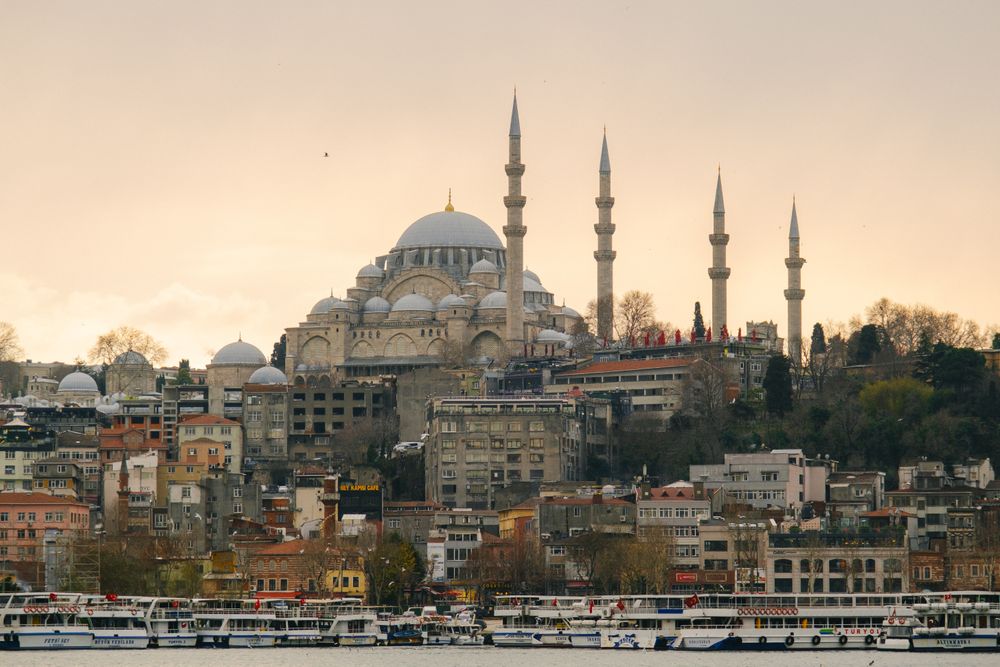
Built for Süleyman the Magnificent by the architect Mimar Sinan and inaugurated in 1557, this mosque crowns Istanbul's third hill above the…
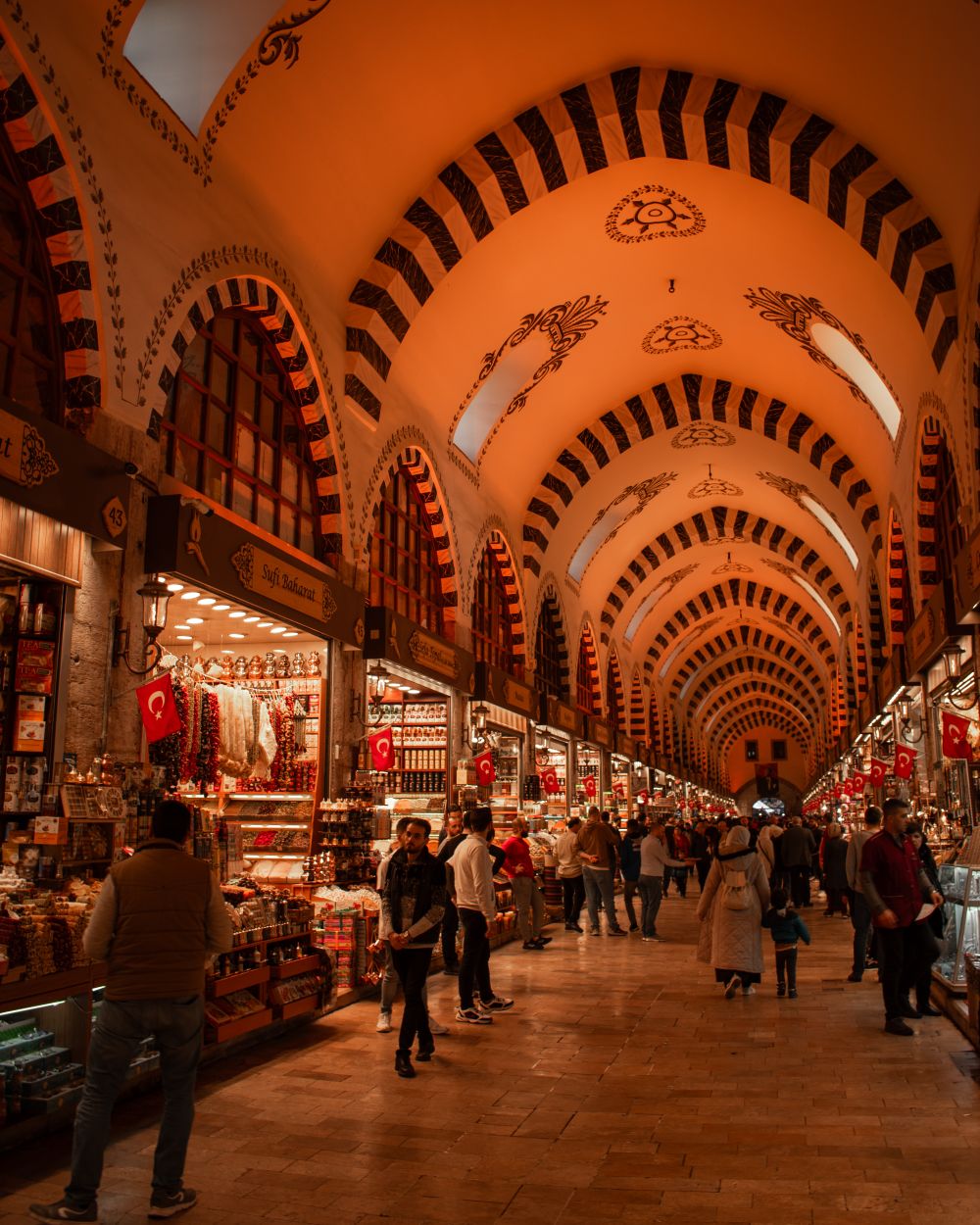
A covered market of vaulted streets between the Beyazıt and Nuruosmaniye mosques, selling jewellery, carpets, lanterns and hand-painted…
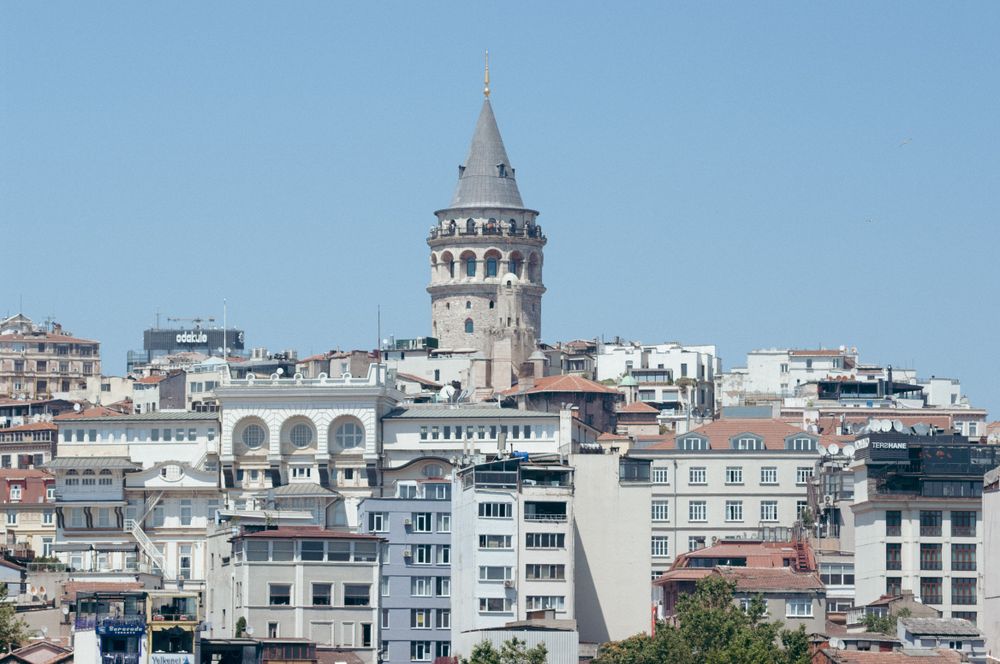
A 14th-century Genoese tower standing 67 meters tall, offering panoramic views of Istanbul's three sides of water and the city skyline. The…
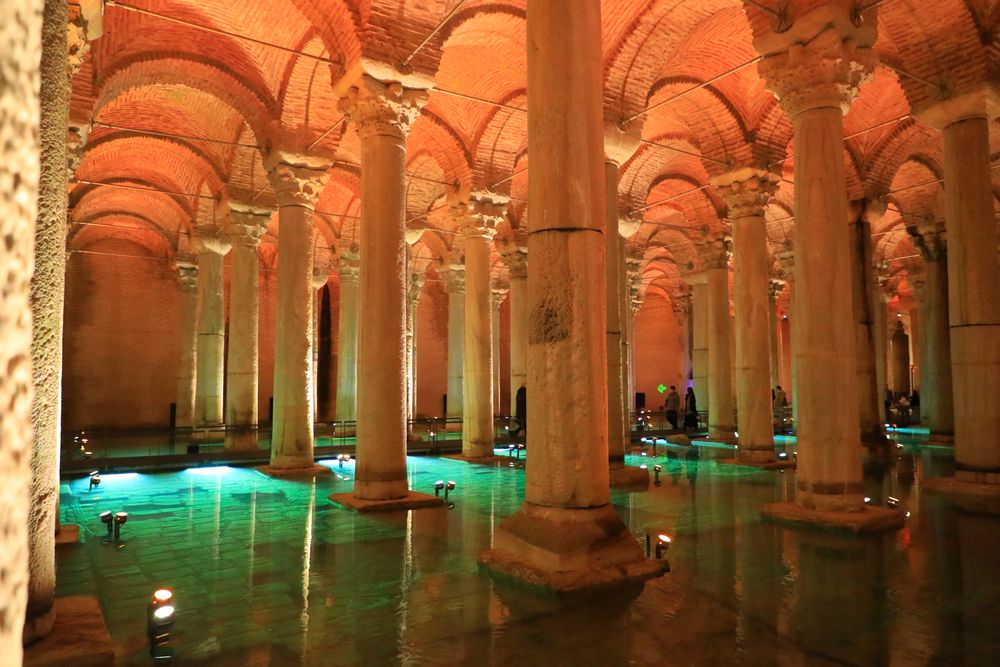
A 6th-century underground water reservoir built during the reign of Emperor Justinian, featuring 336 marble columns supporting the vaulted…
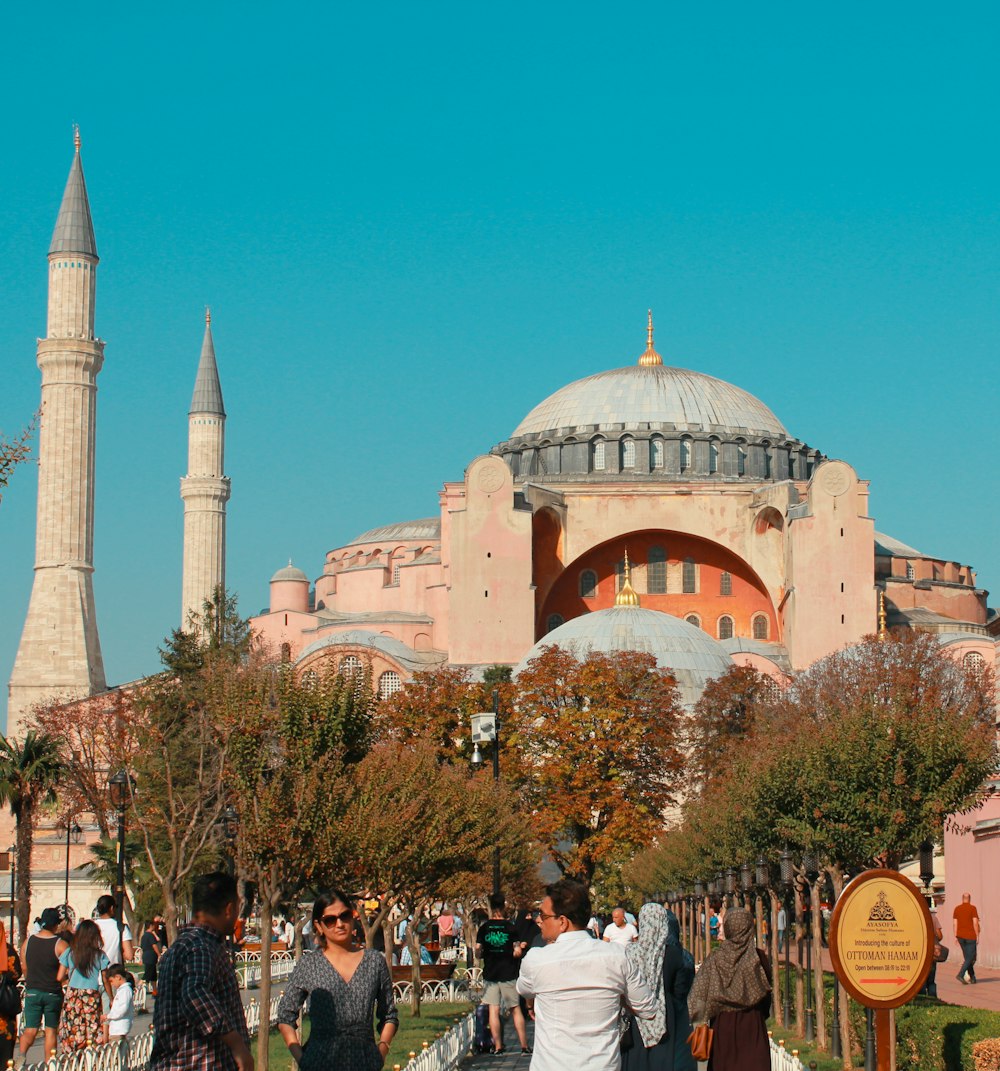
Built in 537 CE under Byzantine Emperor Justinian, this massive domed structure served as a cathedral, mosque, and museum before becoming a…
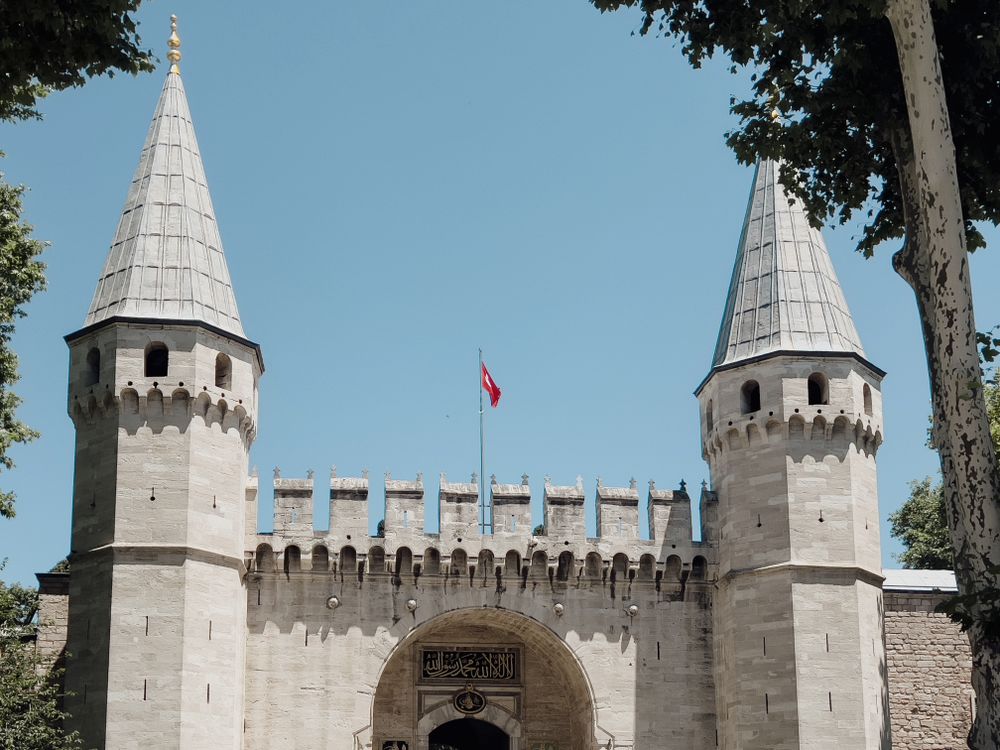
The residence and administrative center of Ottoman sultans from the 15th to 19th centuries, now a museum containing the palace treasury,…
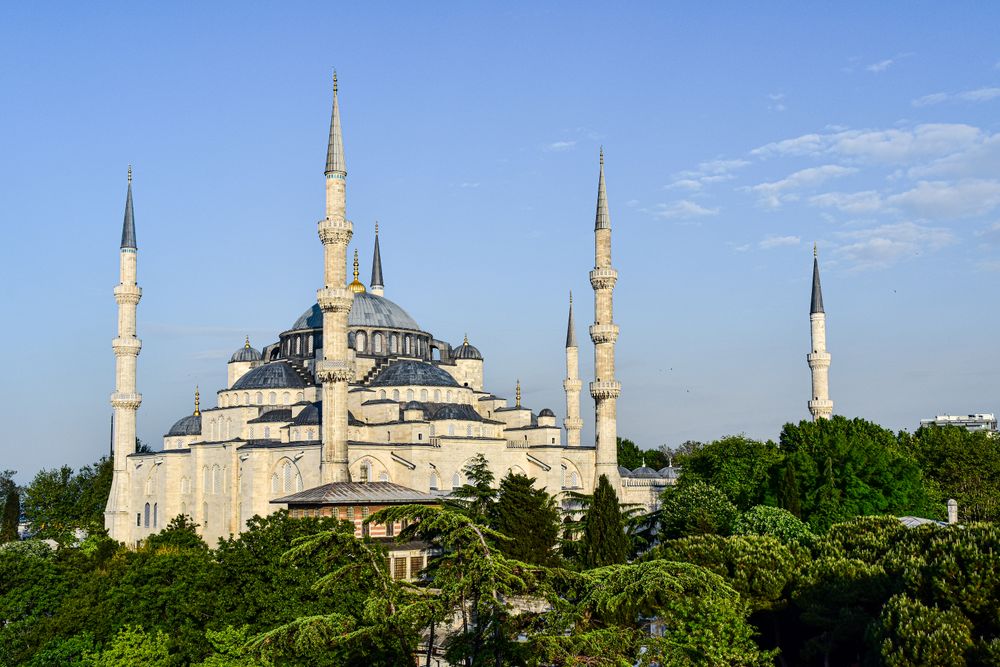
Constructed between 1609 and 1616, this Ottoman mosque features six minarets and an interior decorated with over 20,000 blue Iznik tiles.…
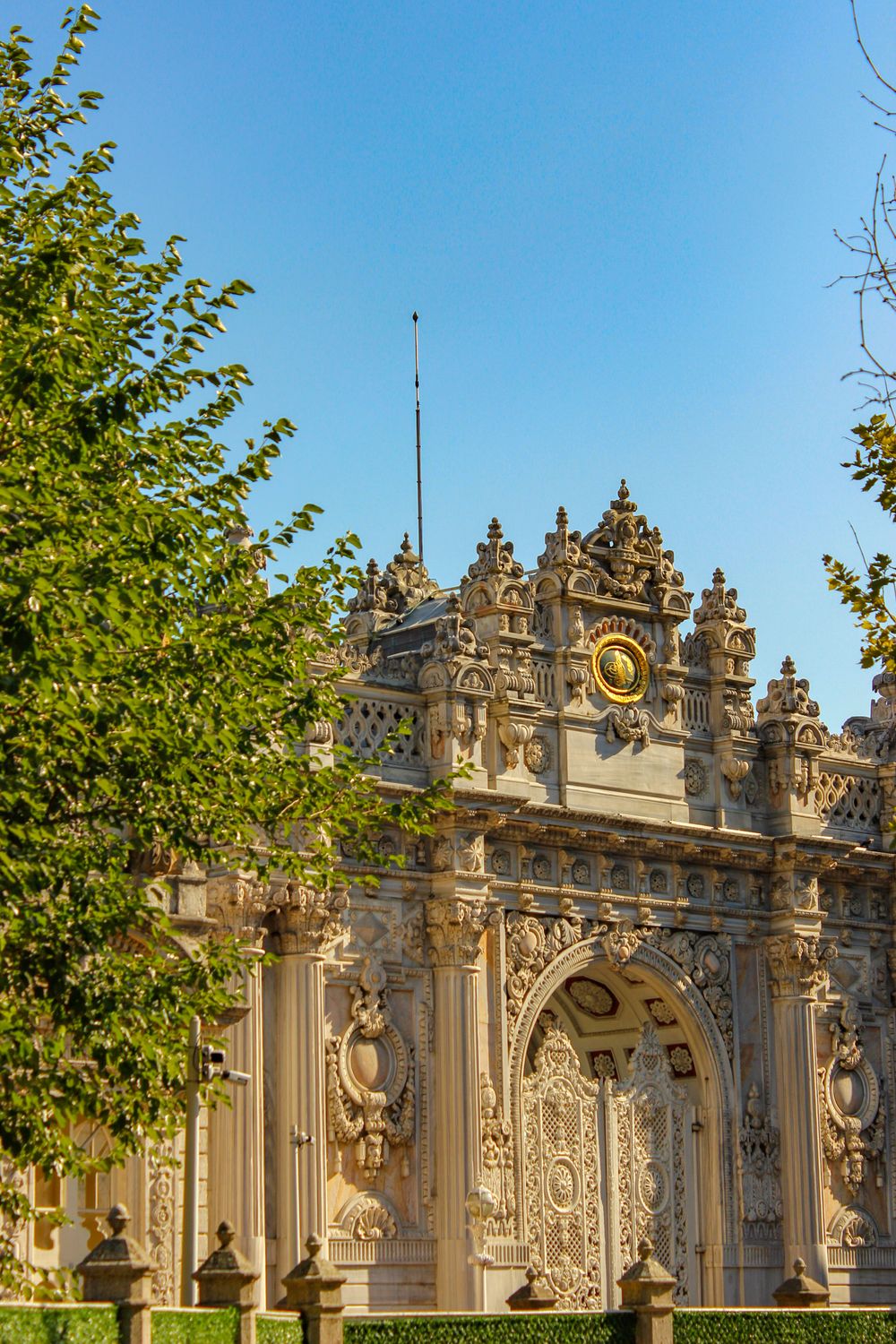
An ornate 19th-century Ottoman palace on the Bosphorus with 285 rooms, featuring European neoclassical and Baroque architecture. It served…
Last updated