Things to do
14-
Bermuda Aquarium, Museum and Zoo
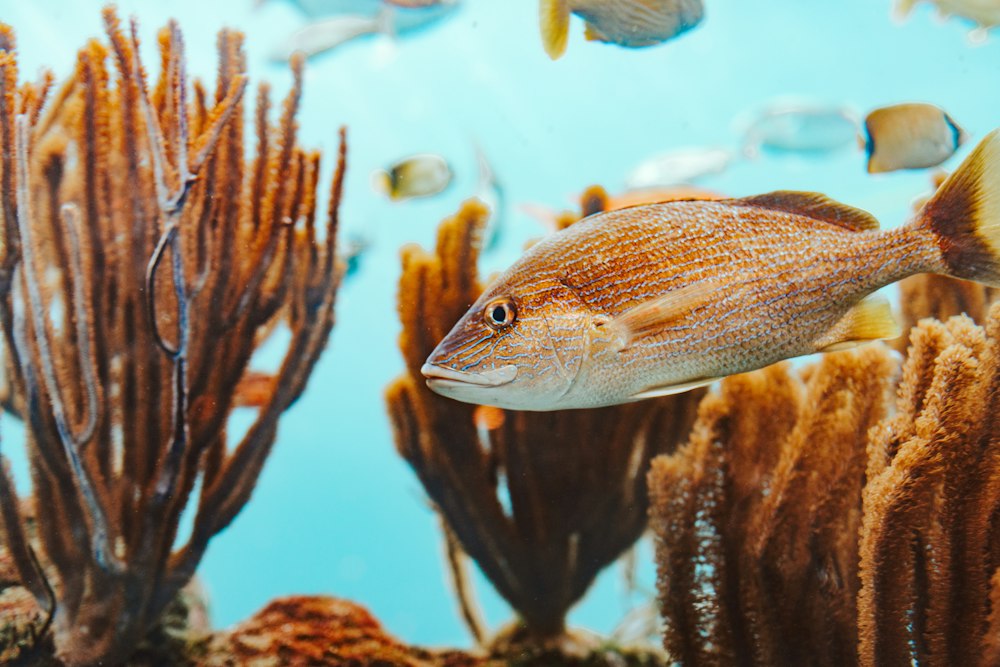
Bermuda's reef fish, harbour seals and sea turtles are all in one place here, so in a single afternoon you can watch the seals and the turtles being fed, then walk through a natural history museum and an island zoo.
View more → -
Bermuda Railway Trail
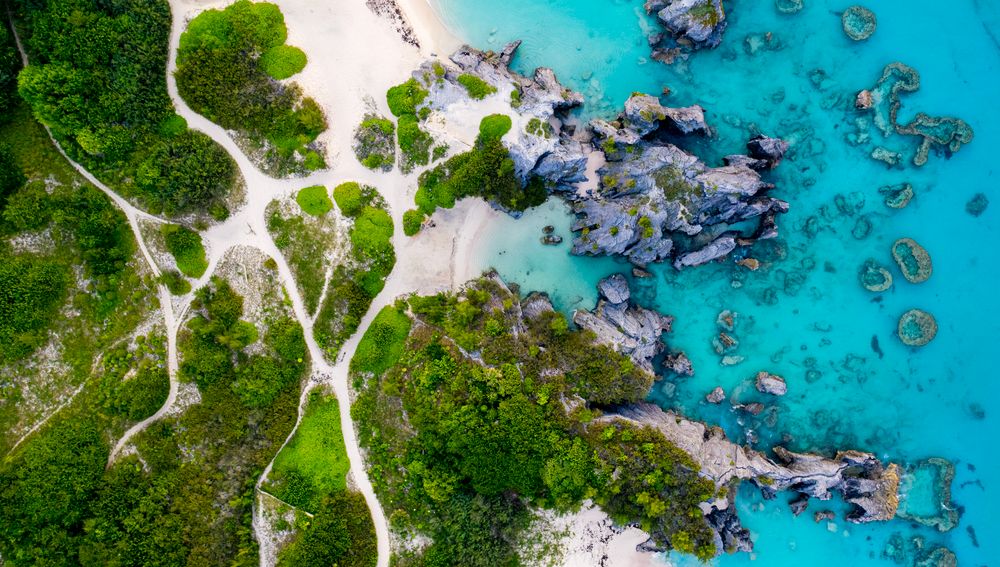
East of the aquarium the trail stays close to the water all the way to Coney Island, and ends by crossing Bailey's Bay on a footbridge near water level.
View more → -
Crystal Caves
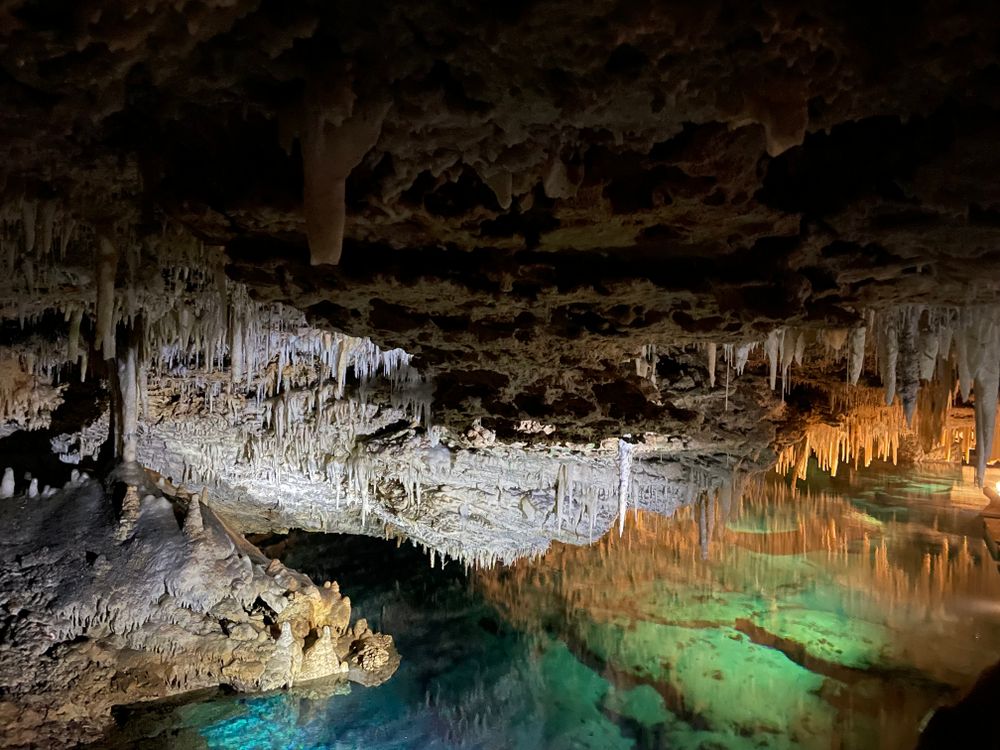
One walk across a floating pontoon puts you over an underground lake clear enough to show the cave's formations below the waterline. Of the two show caves on this property, this is the one with the lake; Fantasy Cave is next door.
View more → -
Flatts Village
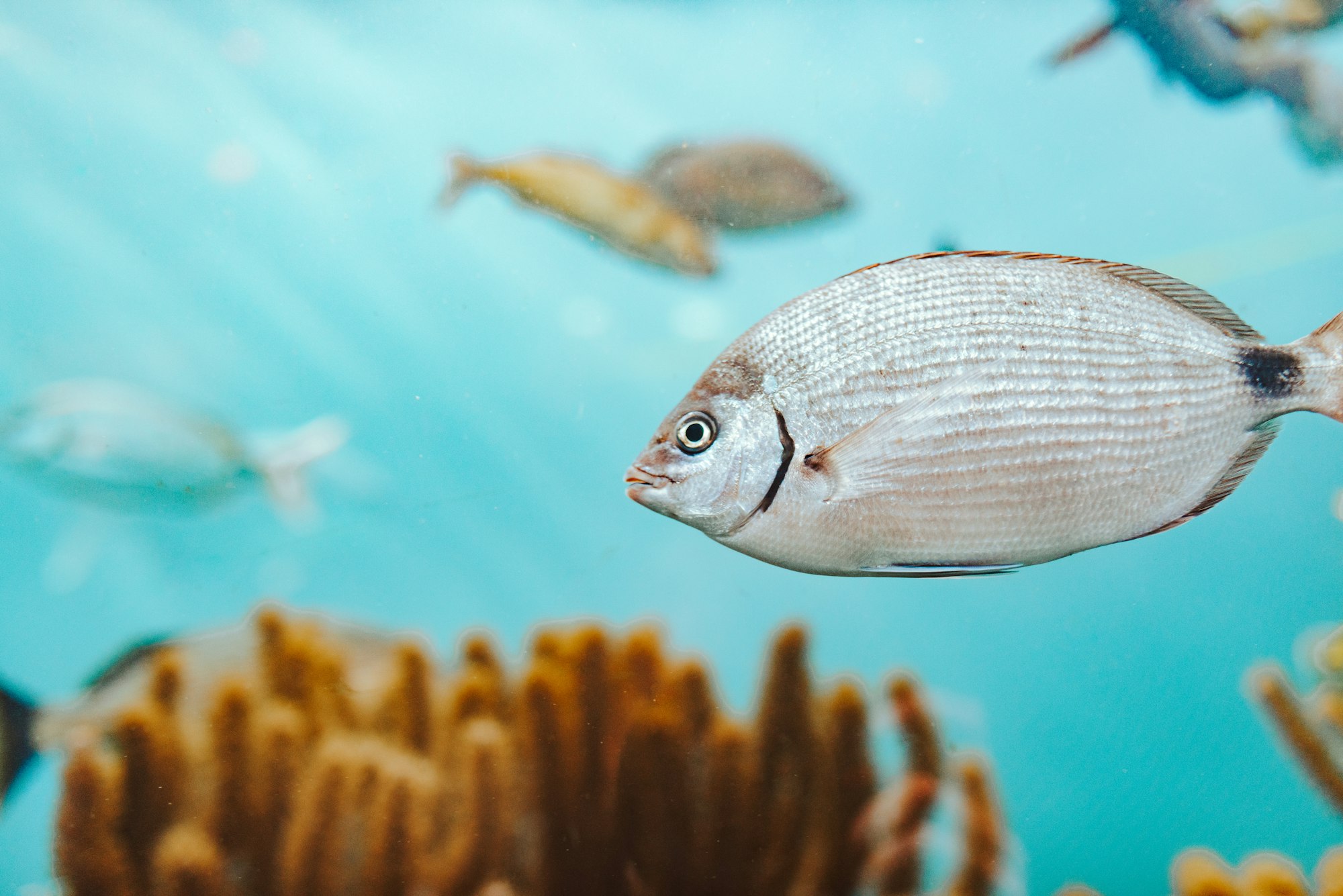
Stand on Flatts Bridge at the turn of the tide, when the current slackens and eagle rays and turtles pass between the sound and the sea.
View more → -
Spittal Pond Nature Reserve
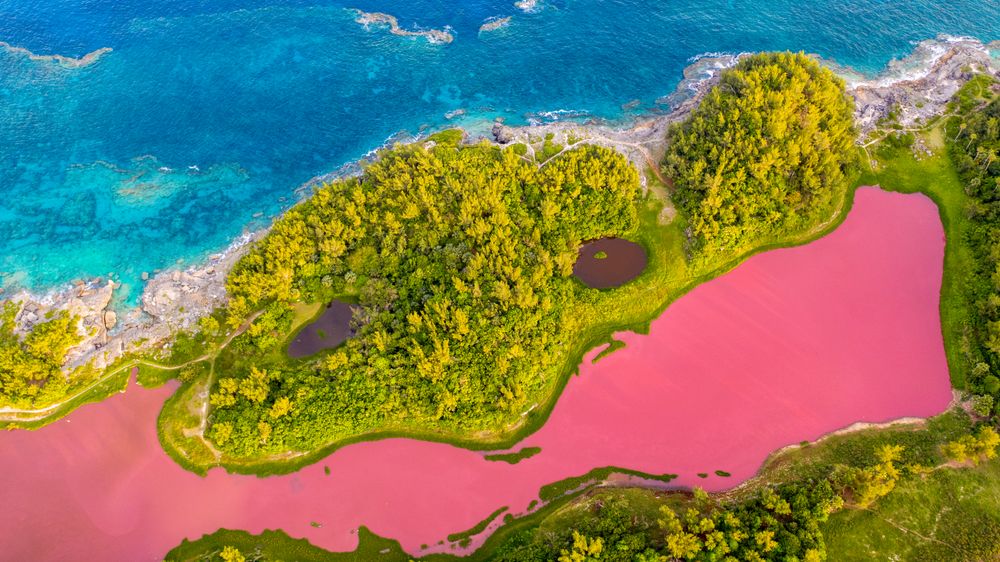
In April and May you can watch for humpback whales from the cliff trail as they pass offshore, while longtails fly along the rock face.
View more → -
Blue Hole Park
Bring a swimsuit: the Blue Hole is a free pool under open sky, where jumping in from the rocks is the custom. This gate also has the best parking in the whole reserve.
-
Devil's Hole
Skip it: the attraction shut in 2009, and the site is now private property listed for sale.
-
Fantasy Cave
Here the calcite formations hang right above you; in Crystal Cave next door you see them through water. Add it as the second half of a combined ticket.
-
Grotto Bay Beach Resort
Few Bermuda hotels sell an all-inclusive plan, and this one covers three meals, bar drinks, afternoon tea and the non-motorised water sports off the dock. Take it if you plan to stay put.
-
Harrington Sound
Paddling here is the easiest start on Bermuda: small islands to circle, an easy crossing for a beginner, and a rock shore with an underwater notch to look into from the kayak.
-
John Smith's Bay
Quieter than Horseshoe Bay and one of only four guarded beaches on the island, it suits a family where one of you snorkels the reef edge and another stays in the shallows.
-
Shelly Bay Beach
Bring small children here: the bay is flat enough for a toddler to paddle, and trees give shade. There is no lifeguard at any time of year, so an adult has to watch the water.
-
Verdmont
The 11am and 1pm guided tours take in the kitchen, the quarters and the lives of those enslaved here, which you miss walking the rooms alone.
-
Walsingham Nature Reserve
Tom Moore's Tavern is at one end of this shaded path and the Blue Hole car park at the other, under a kilometre apart. Walk it for the caves and grottoes along the way.