
Short films made for this museum play in its little basement cinema and nowhere else. Hayao Miyazaki designed the whole house for wandering, with no set route and Inokashira Park outside the windows.
Museum, Tokyo. Meridian Dispatch.
The museum opens from 10:00 to 18:00 and closes every Tuesday. Its other closed days, longer maintenance breaks included, change from year to year and are marked on the calendar on its tickets page.
Only in advance: the museum sells nothing at its own counter. From overseas, tickets are sold online through Lawson Ticket's English site, linked from the museum's tickets page. Children under 4 enter free with no reservation.
Each month's tickets go on sale at 10:00 Japan time on the 10th of the month before. Tickets for February, for example, are released on 10 January. Each ticket is for a set date and entry hour.
Mitaka is about 20 minutes from Shinjuku on the JR Chuo Line. From Mitaka's south exit, the museum is about 15 minutes on foot along the Tamagawa Josui canal, where signs point the way, or about 5 minutes by community bus. The bus runs every 15 minutes during opening hours and stops on closed days.
About an hour and a half covers all three floors, the short film and the roof garden. Three hours is realistic with a queue for the café or a long sit in the reading room.
Yes. The museum treats every child as a guest in their own right, so even small children stand on a platform at reception to be handed their own ticket. The Cat Bus room is only for children aged 12 and under.
No. The museum asks visitors not to take photos or video anywhere inside the building, and to switch mobile phones off once indoors. The roof garden, above the second floor, is outdoors.
MAMMA AIUTO! is the museum shop, named after the sky pirates in Porco Rosso, selling Ghibli character goods and items made only for the museum. The Straw Hat Café serves handmade cutlets, hot dogs and desserts; its indoor room opens at 10:30 and its deck at 11:00.
The official site of Ghibli Museum is ghibli-museum.jp.
ghibli-museum.jp →Hayao Miyazaki designed the building himself, drawing it in storyboards like those for his films. Its central hall is a maze of spiral stairways, bridged passages and overhanging terraces. Overhead, the glass dome holds a yellow whale in an ocean scene, and the blades of a giant fan turn.
Stained glass fills every window and lamp, with Ghibli characters, flowers and forest animals. On a sunny day it throws patches of coloured light across the stone floors. Look up carefully and you may spot Kiki on her broom or Nausicaä on her glider flying across the sky.
On the first floor, five rooms called "Where a Film is Born" are set up as an animator's workplace. Sketches cover the walls, books and toys crowd the shelves, and the desk looks as if someone left it a minute ago. Walking through all five shows how an animated film gets made.
The Saturn Theater, a small cinema of about 80 seats, has flowers and a blue sky drawn on its walls and ceiling. When the film ends, the windows open and daylight floods in.
Upstairs waits the fluffy Cat Bus from the Totoro film, scaled down a little so it would fit. Children 12 and under can climb on it. Above it is a grassy roof garden, where a five-metre Robot Soldier from Castle in the Sky looks down over the trees.
The reservation time opens an hour in which you can walk in at any point, and there is no set time to leave. At reception, staff swap the reservation for the museum's own ticket, a strip of real 35mm film from a Ghibli feature.
Hold the strip up to the light to see which scene you were given. Admission to the Saturn Theater is limited to one screening per visit, so choose when to go down.
No route is laid out, by design. Wander the floors in whatever order suits you, and double back as often as you like.
In the central gazebo, a hand-pumped well gives fresh, cool water if you pump it hard.
Lockers take small bags, and staff will help with larger luggage. Bring yen in cash; the shop, the reading room and the café take cash.
Make it a half day in western Tokyo by walking on through Inokashira Park to Kichijoji afterwards, about 20 minutes. The park paths start right outside the museum.
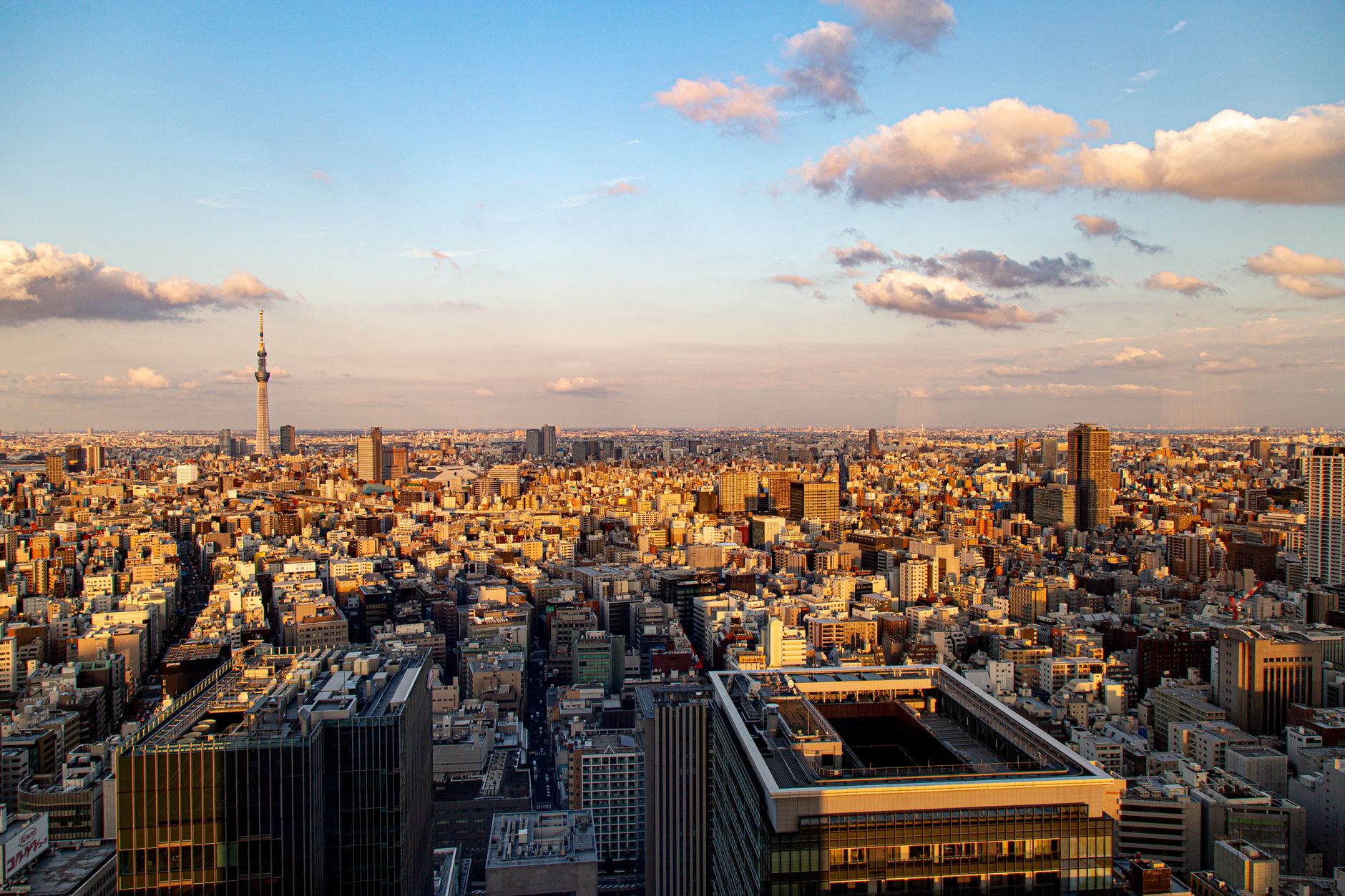
Tokyo, Japan: Thirty-seven million residents share this plain, and the city works because it is really a ring of separate towns on one loop line. Sensō-ji.
Read the Tokyo guideExplore the rest of Tokyo

Shibuya Scramble Crossing is the junction outside Shibuya Station where, when the lights change, pedestrians set off in every direction at…
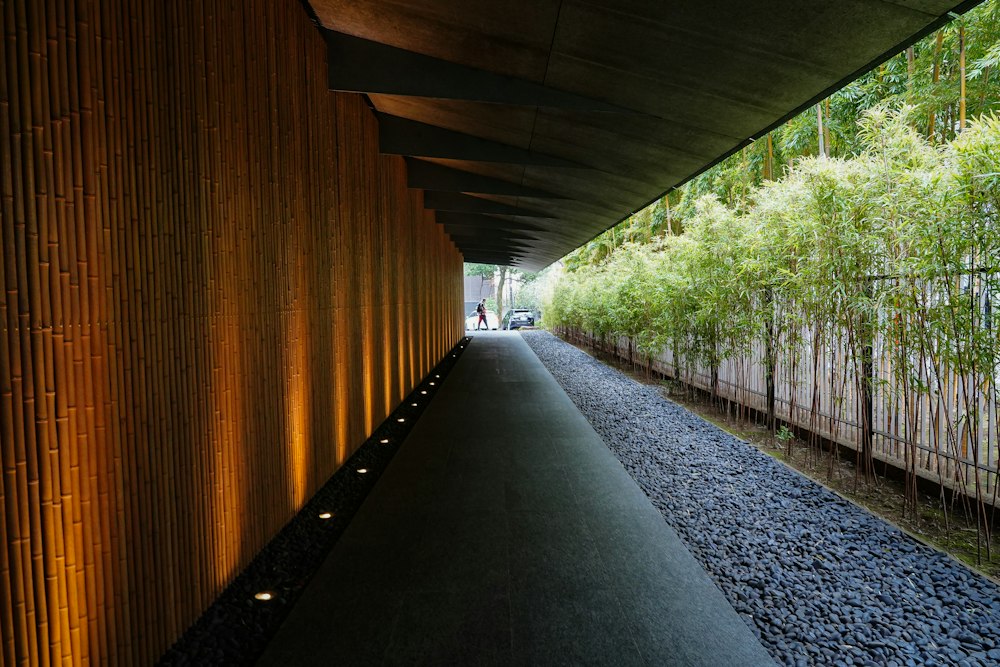
Kaichirō Nezu's collection of about 7,600 Japanese and East Asian works, including Ogata Kōrin's National Treasure screens of Irises. The…
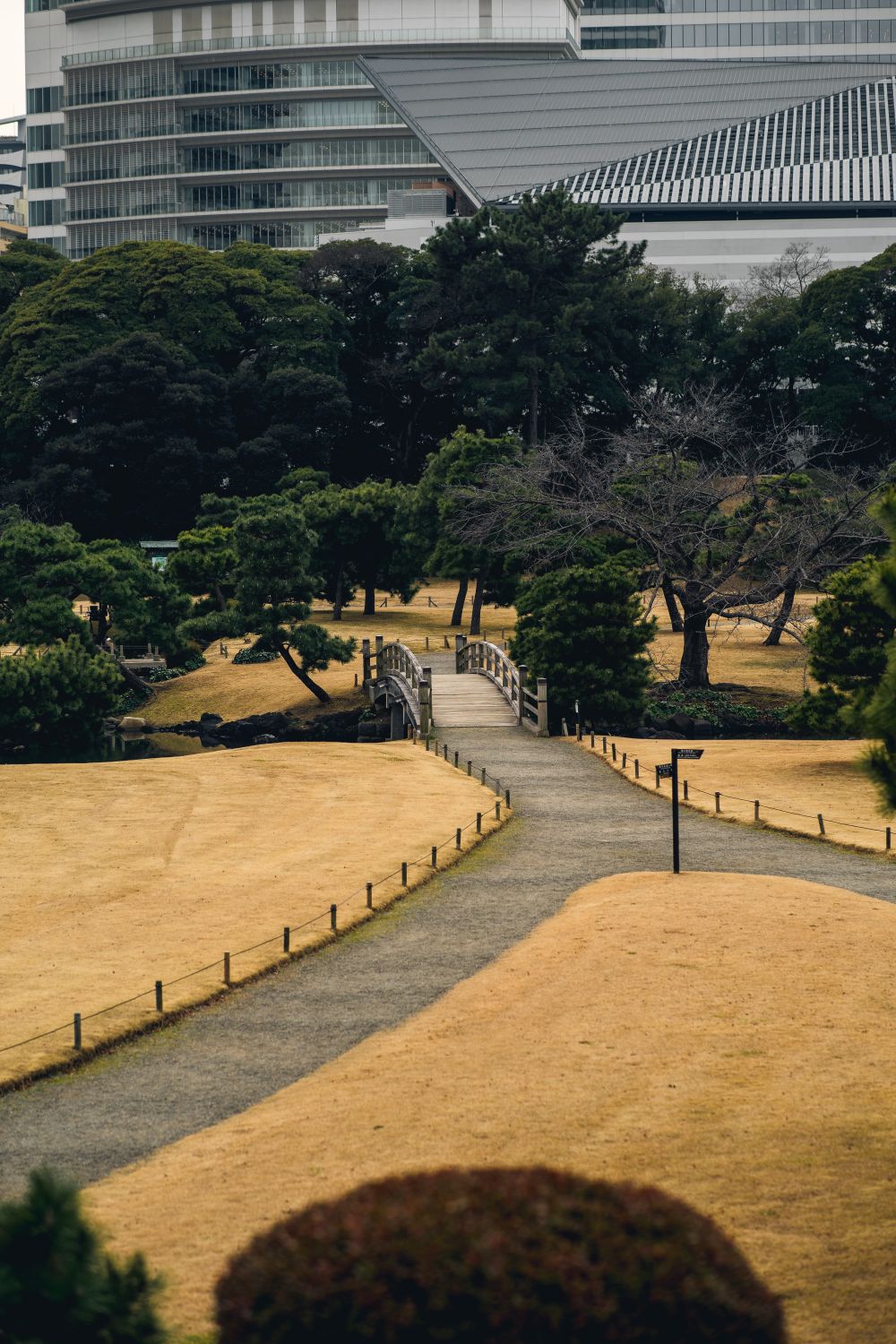
A shogun's duck-hunting ground at the mouth of the Sumida, now ringed by the glass towers of Shiodome. The central pond is filled from…
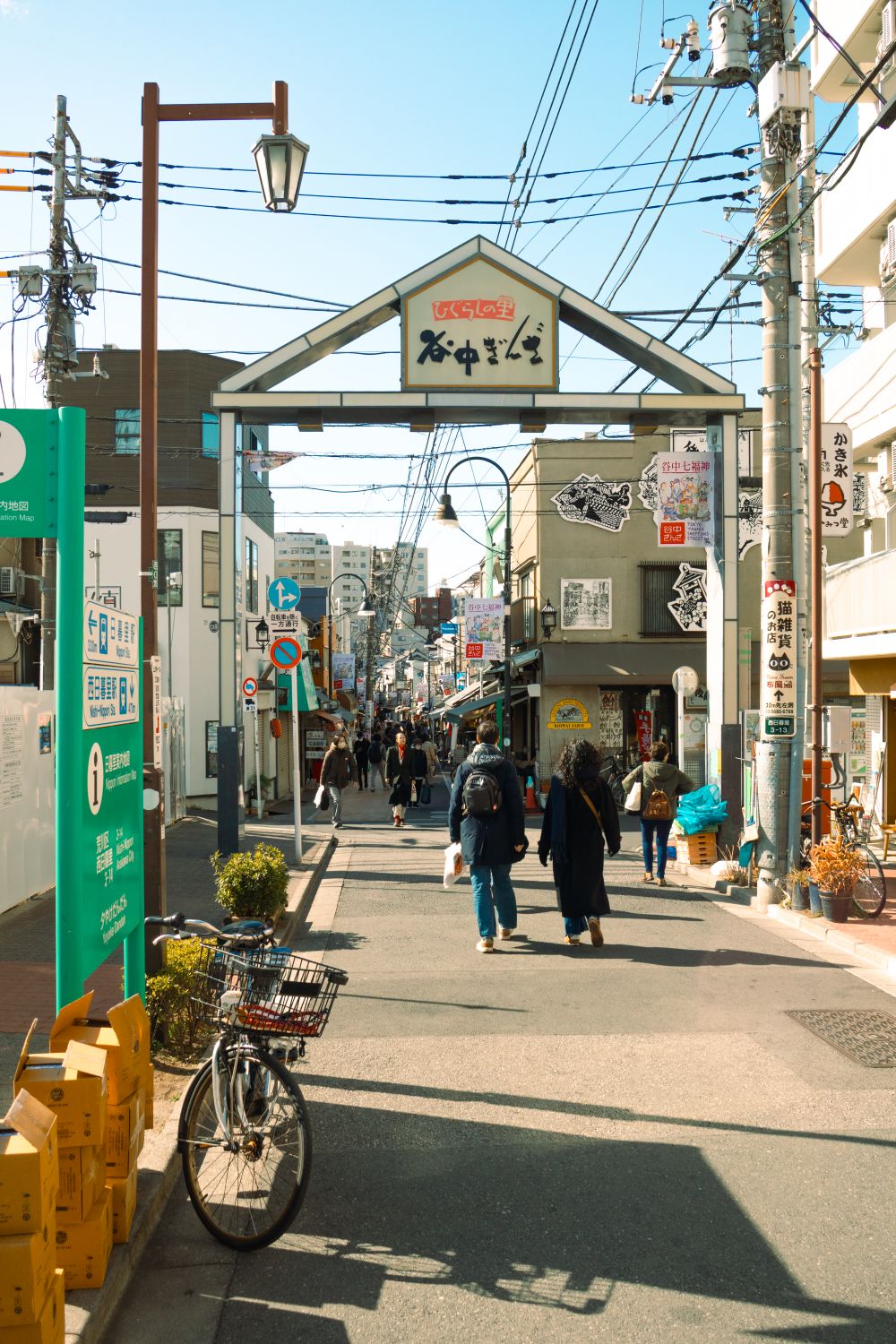
A low-rise shitamachi district that largely escaped both the 1923 earthquake fires and wartime bombing, centred on the Yanaka Ginza…
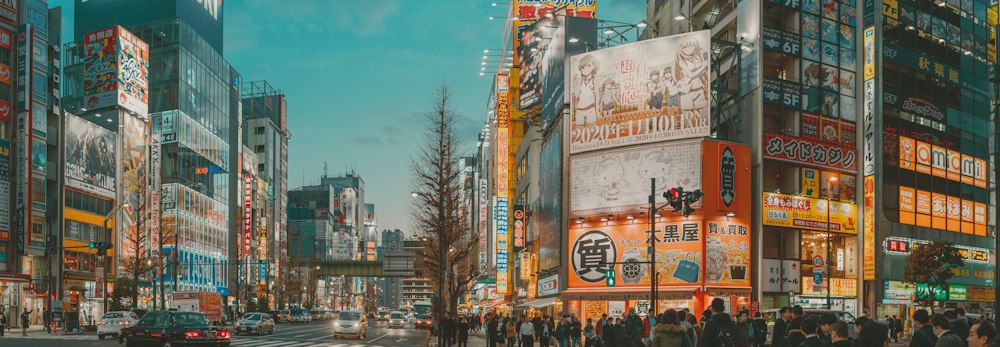
A black market in radio parts grew up under the railway arches here after the war, and those component stalls still trade beneath the…
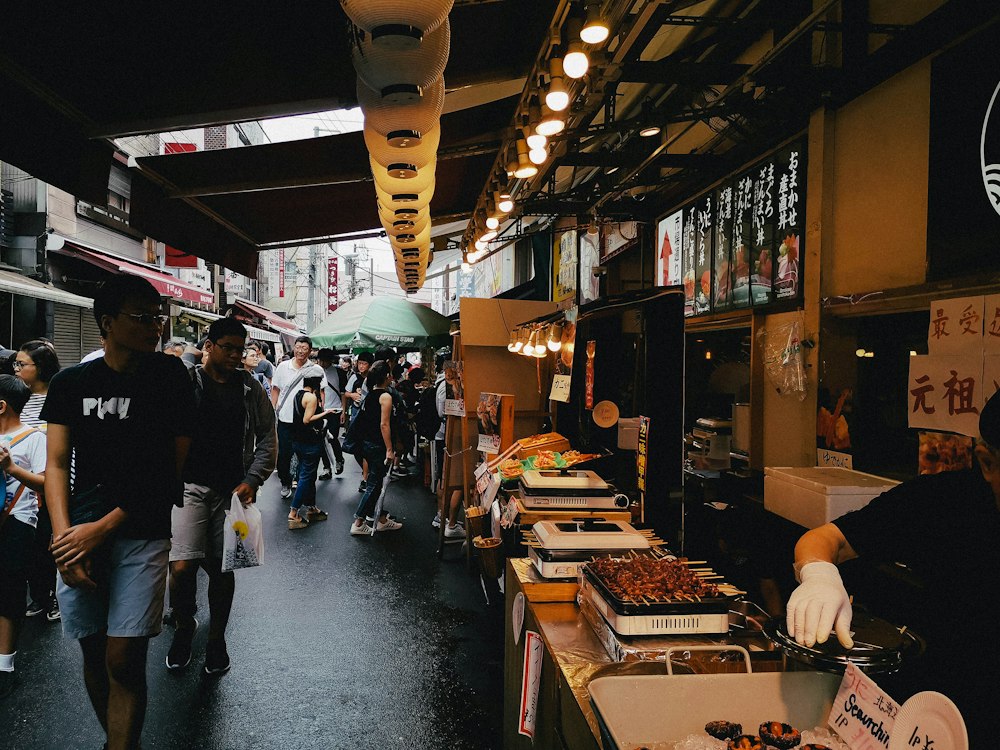

Tsukiji Outer Market is a quarter of more than 400 food and kitchenware shops in central Tokyo, within walking distance of Ginza. It sits…
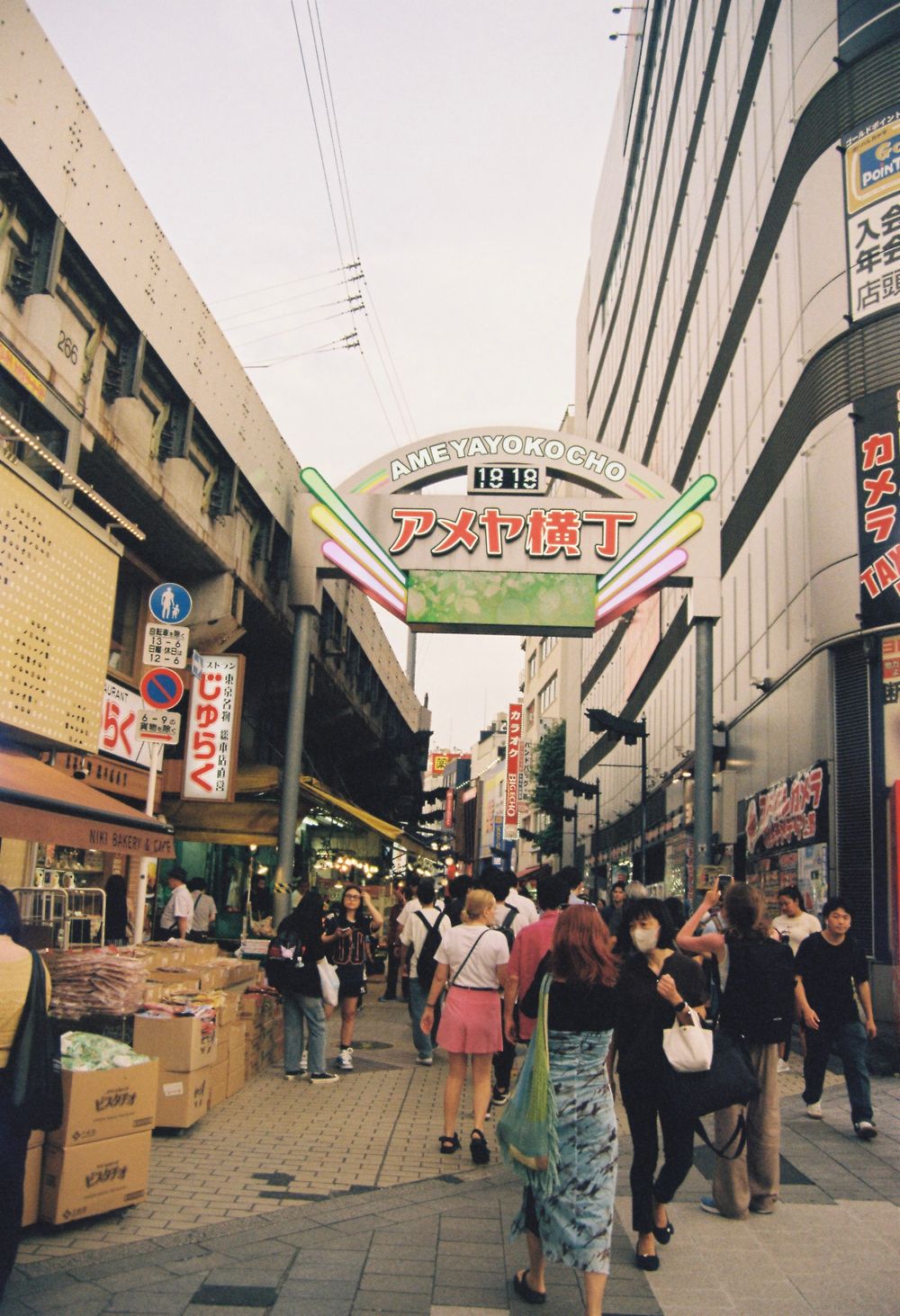
Some four hundred stalls crowd this market street under and beside the elevated tracks between Ueno and Okachimachi stations, selling dried…
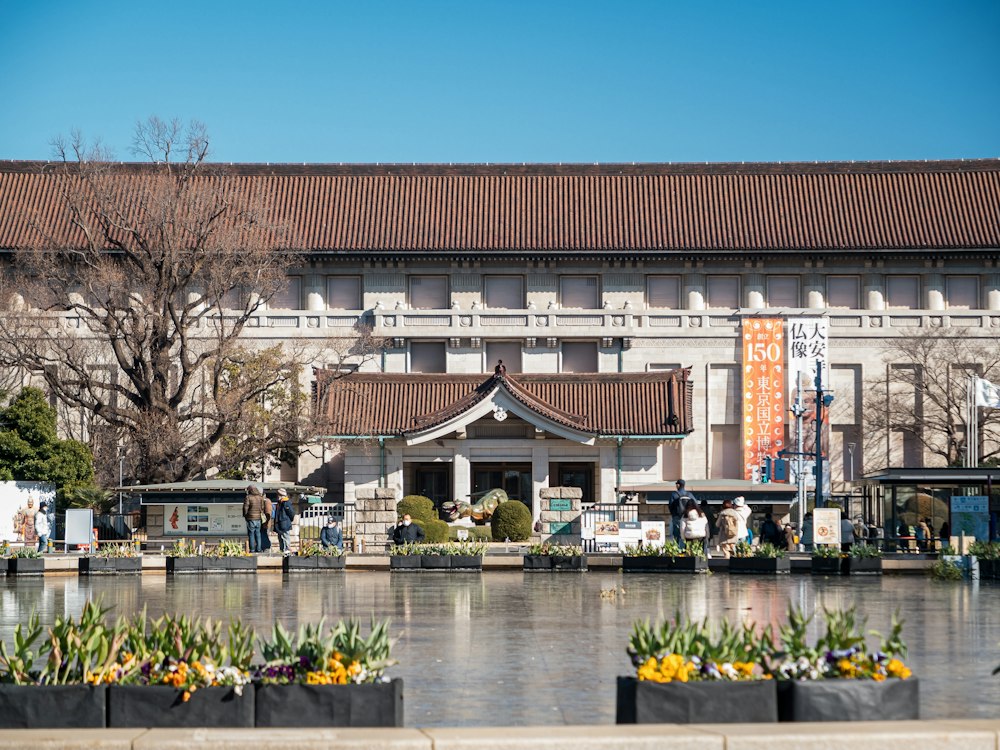
Five buildings of Japanese and Asian art at the north end of Ueno Park, set around a large garden with old teahouses.


Save Ghibli Museum to your Japan trip in the Meridian Dispatch app and build the day around it, with the best of Tokyo pinned on one map.
Download on the App StoreLast updated