
Worth doing as one outing: a royal palace, the poet Njegoš's house and the art and folk collections sit a few minutes apart in Cetinje, and a single ticket gets you into all of them.
Museum, Cetinje. Meridian Dispatch.
As of 2026, King Nikola's Museum opens every day from 9am to 5pm between 15 April and 15 November, then from 9am to 3pm on weekdays only until mid-April. Njegoš's mausoleum on Lovćen stays open to 6pm in season and shuts for the winter. The Historical Museum does not currently admit visitors, and admission ends 30 minutes before closing.
Yes. The museum sells one collective ticket for all of its units, and it reaches beyond the town to Njegoš's tomb on Lovćen. That makes it the ticket for a full museum day, since the palace, the Biljarda and the art and ethnographic collections stand minutes apart on foot.
Children up to 12, residents of Cetinje, ICOM members and organised visits from Montenegrin primary and secondary schools. Anyone else needs a ticket for the unit, or the collective one. Group visits are booked by email at posjeta@narodnimuzej.me.
By bus, with several departures a day from Podgorica to Cetinje. Once in town, no further transport is needed: every open unit of the museum stands in the centre, a few minutes on foot from the next.
A three-dimensional map of Montenegro at a scale of 1:10,000, made of concrete on a stone base in 1917, during the Austro-Hungarian occupation, from precise Austrian survey maps. It also takes in parts of Bosnia and Herzegovina, Croatia, Albania and Serbia, and stands in a glass pavilion by the Biljarda.
The official site of National Museum of Montenegro is en.narodnimuzej.me.
en.narodnimuzej.me →The National Museum of Montenegro is a group of collections in four buildings in the centre of Cetinje. The museum runs them as separate units: King Nikola's Museum, the Njegoš Museum in the Biljarda, the Art Museum with its contemporary gallery, the Ethnographic Museum and the Historical Museum.
King Nikola's Palace is the grandest of them, a royal residence whose rooms are filled with artwork and furniture. Directly opposite, the Ethnographic Museum occupies the former Serbian legation.
The Biljarda was the home of the poet Njegoš and takes its name from billiards, his favourite game. It holds his library and manuscripts, with a relief map of the country beside it.
Government House, a neo-Renaissance building, is the museum's headquarters; its Historical Museum is closed to visitors. The combined ticket covers every other unit and Njegoš's tomb on Lovćen as well, so one purchase does for the town and the mountain.
King Nikola's Palace comes first. Entry is by guided tour only, so allow time for the whole tour before you plan the next stop.
The Ethnographic Museum is straight across the road. From there walk on to the Biljarda, and give the relief map in its glass pavilion a few minutes before you go into the house.
The art museum comes last. Start it well before closing time, because the last groups go in half an hour before the doors shut. Save time for Cetinje Monastery for a change of pace as well.
Several museums in a row can leave you too tired to look properly by the third. If your time is short, see the palace and the Biljarda and keep the rest for another day.
Children up to 12 and residents of Cetinje enter free. Visits outside the published hours need notice in advance and carry an extra charge on top of the ticket. Ask before you take photographs inside.
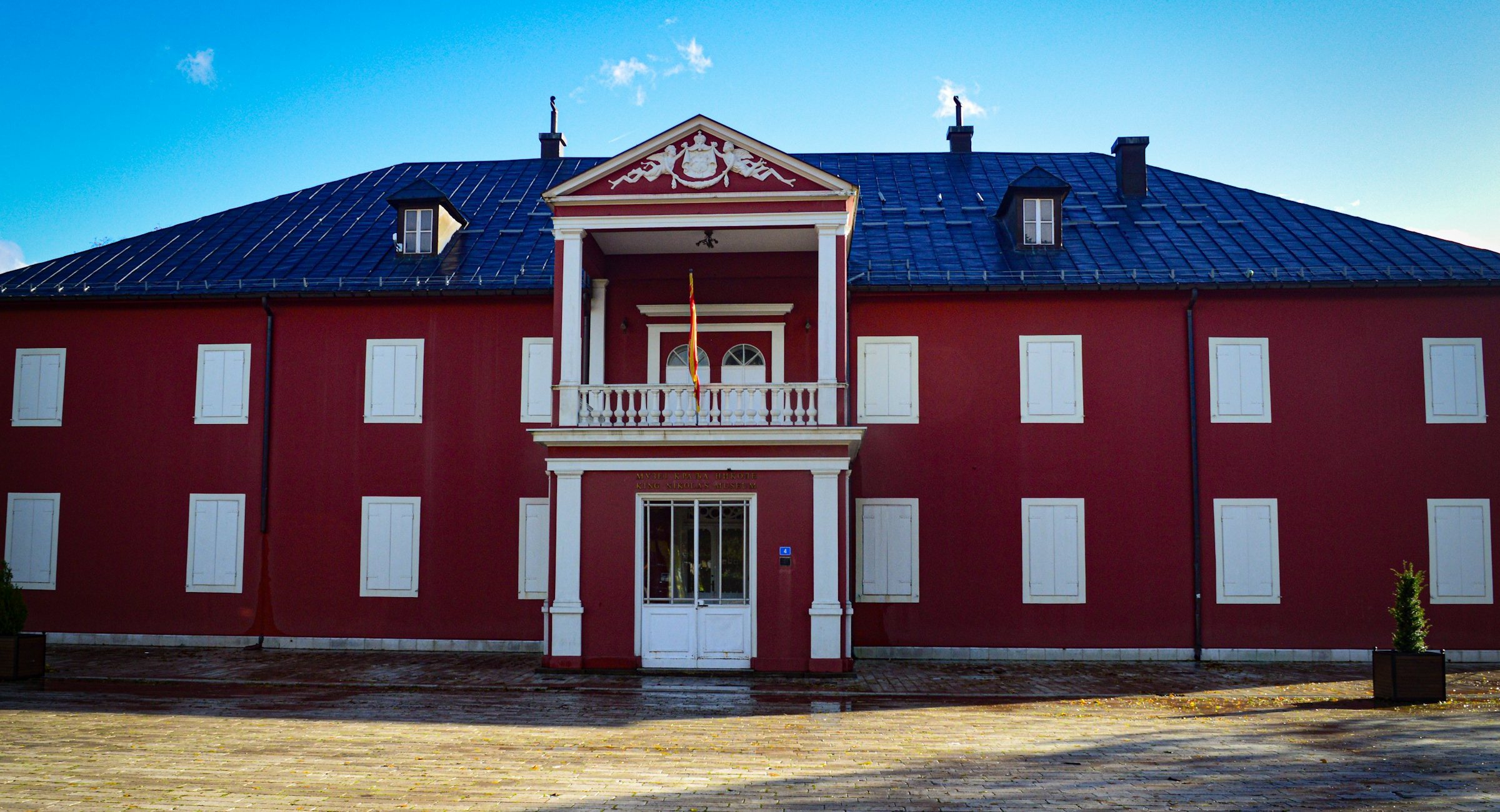
Give Cetinje, the old royal capital, one day from the coast: Lovćen's mausoleum in the morning, then the museums, monastery and churches, a few minutes' walk apart, in the afternoon. Stay a night only for the river at Rijeka Crnojevića.
Read the Cetinje guideExplore the rest of Cetinje
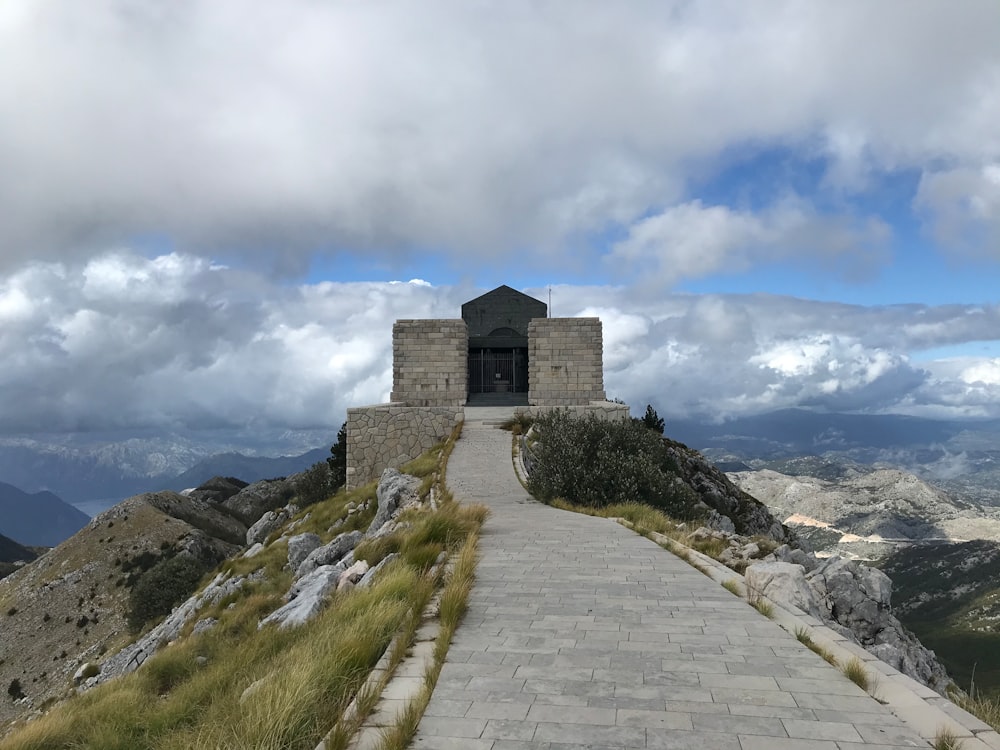
The mausoleum of Petar II Petrovic Njegos crowns Jezerski Vrh at 1,657 metres, reached by a tunnel and 461 steps from the summit car park.…
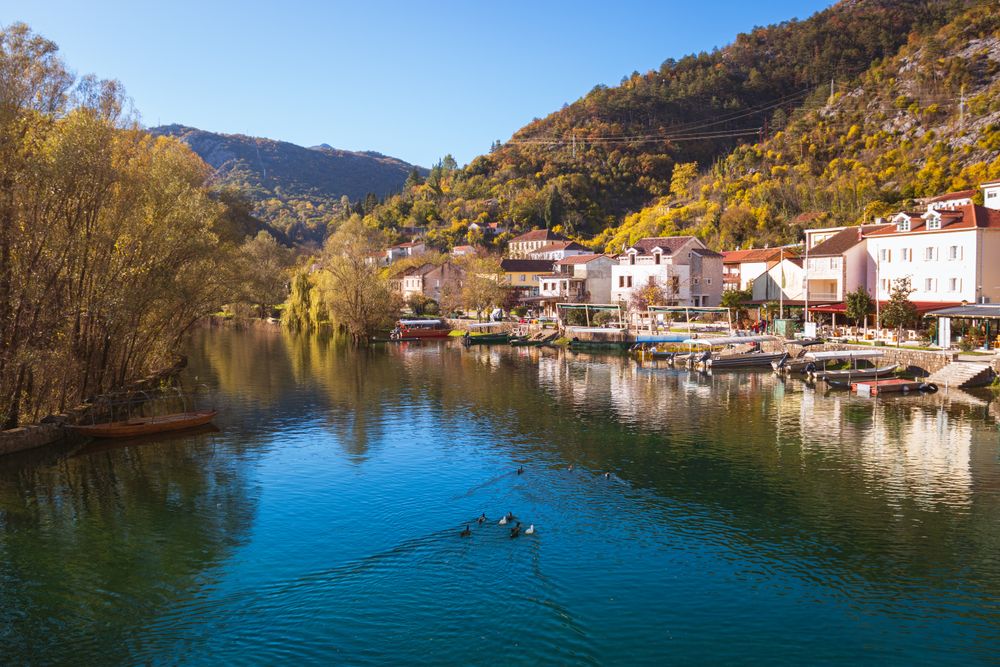
A stone arched bridge built in 1853 under Prince Danilo, spanning the Crnojevic River in what was once the main trading port of old…
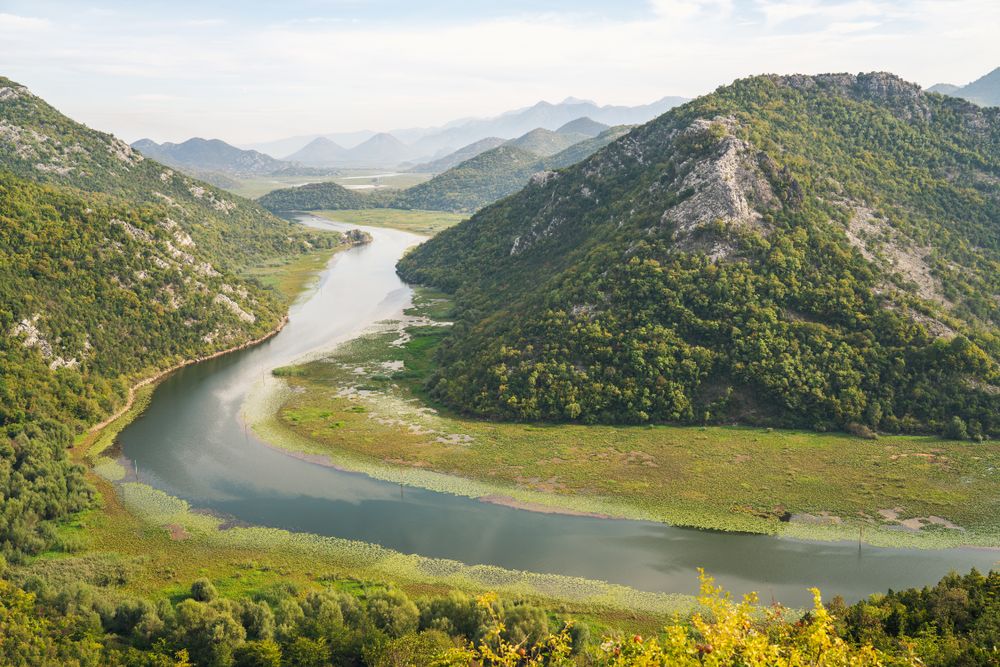
A narrow limestone gorge where the Crnojević river winds toward Lake Skadar between steep wooded walls, best seen by boat from the village…
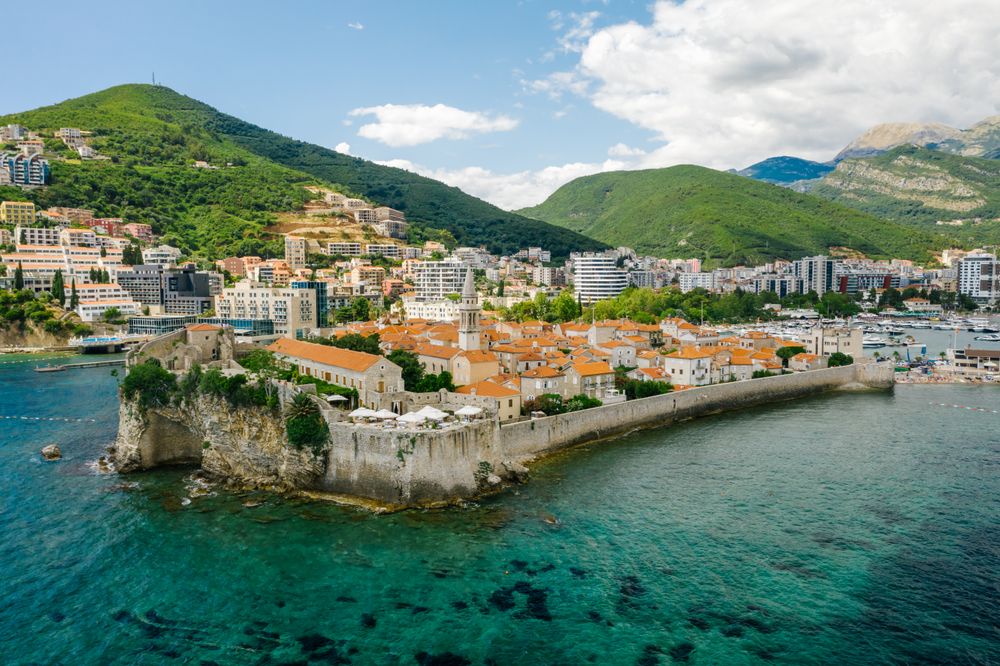
The busiest resort town on the Montenegrin coast, and among the oldest settlements on the Adriatic, with a walled old town of narrow lanes,…
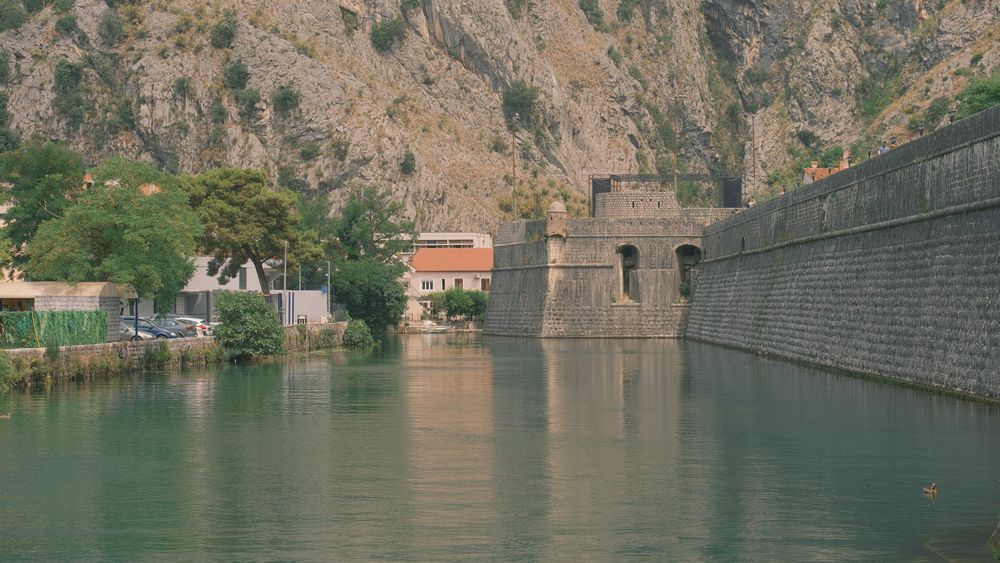
Venetian fortifications encircling Kotor's old town, built between the 9th and 19th centuries and restored in recent decades; accessible…
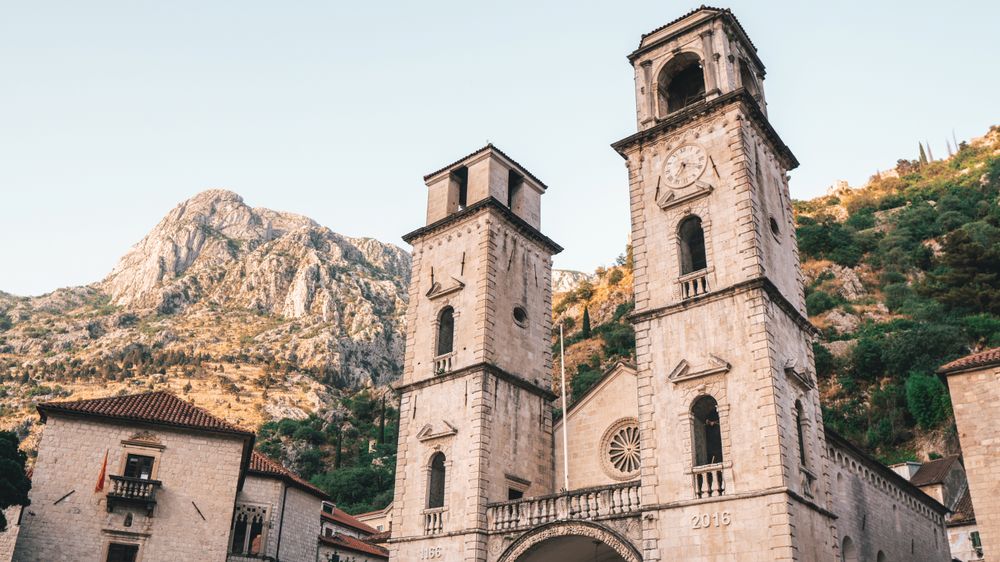
Kotor's Romanesque cathedral, consecrated in 1166 and rebuilt after earthquakes, with a carved stone ciborium over the main altar and a…
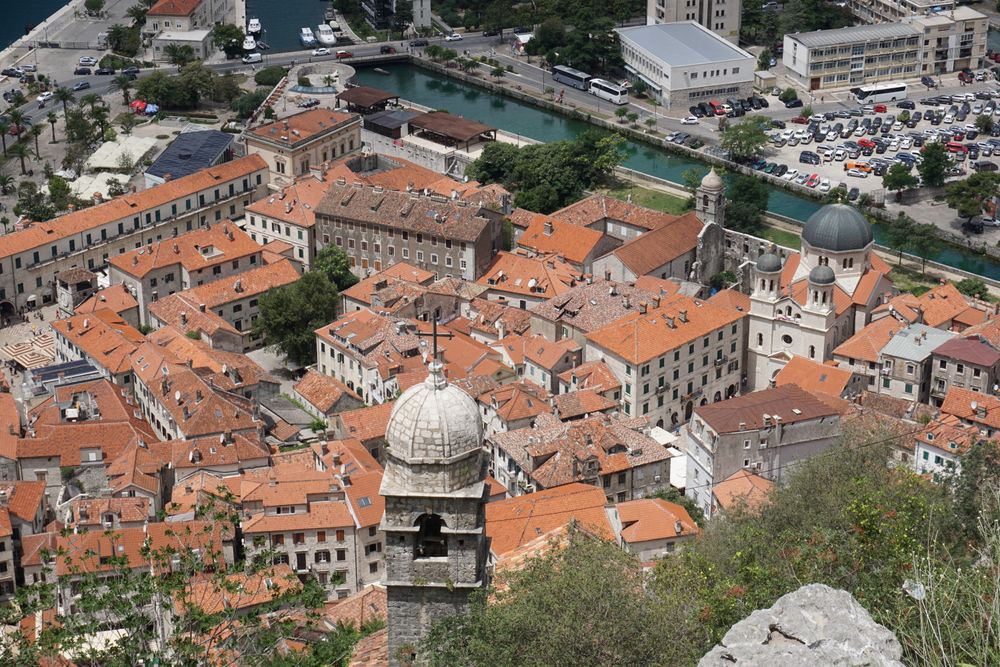
A fortified town at the head of the Bay of Kotor, wedged between the water and the near vertical wall of Mount Lovcen. Venetian ramparts…
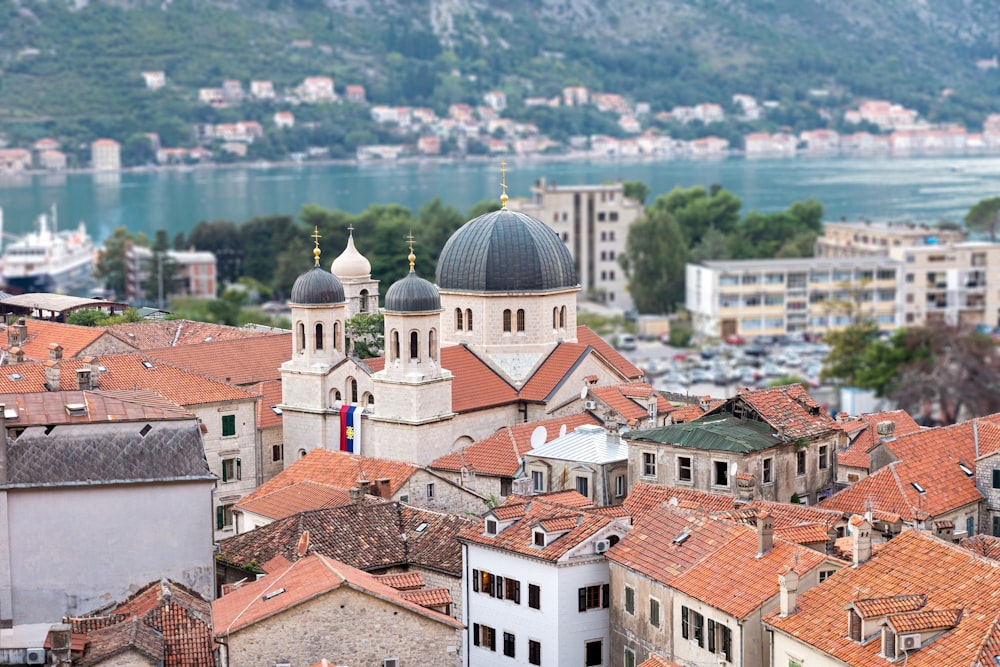
The principal Serbian Orthodox church of Kotor, completed in 1909 on the Piazza of St Luke, its twin towers rising over the north end of…

Save National Museum of Montenegro to your Montenegro trip in the Meridian Dispatch app and build the day around it, with the best of Cetinje pinned on one map.
Download on the App StoreLast updated