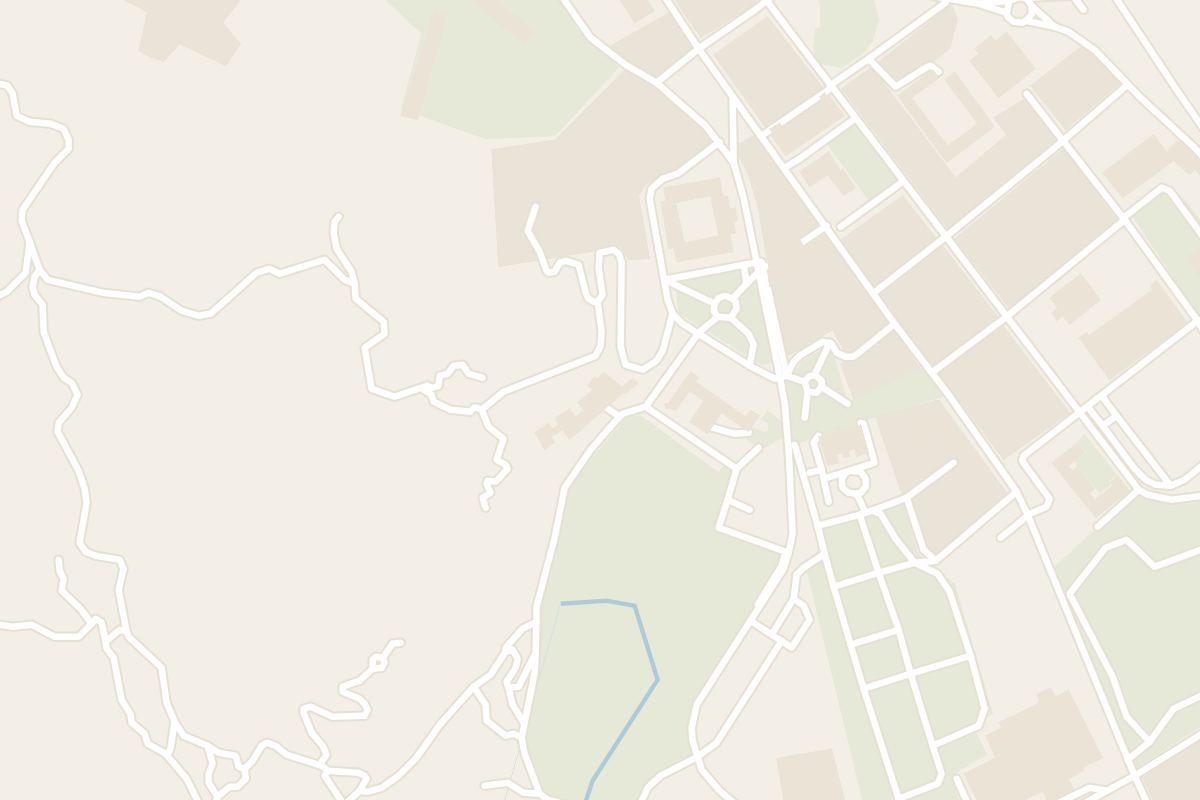
Cetinje’s monastery keeps the relic venerated as the right hand of John the Baptist, one of the most important relics in Christianity, in the same small church compound as the relics of Saint Peter of Cetinje.
Monastery, Cetinje. Meridian Dispatch.
Yes. The right hand of Saint John the Baptist is kept here in a gold casket set with precious stones, together with a fragment of the Holy Cross. Saint Peter of Cetinje, the metropolitan later venerated as a saint, also rests in the church.
Metropolitan Danilo, the first ruler of the Petrović-Njegoš dynasty, built the monastery between 1701 and 1704 on the site of the demolished Crnojević palace. It did not stay intact for long. The monastery was destroyed and burned in 1712, in 1714 and again in 1785, and restored after each attack.
Graves and a treasury. Prince Danilo and Grand Duke Božo Petrović are buried in the monastery. The treasury ranks among the richest collections of sacred art in the Balkans, with manuscripts, early printed books, icons and church embroidery kept alongside the relics.
On foot, once in Cetinje. The monastery is about a ten-minute walk from King Nikola's Palace, and the Biljarda museum is its immediate neighbour, so it fits easily into a walking round of the town's museums.
On 31 October. Saint Peter of Cetinje was a metropolitan of Montenegro, and his holy relics are kept in the monastery church, so his feast is one of the great days in the monastery's year.
Yes. Cetinje Monastery is a working Orthodox monastery rather than a museum, with services held in its church. Easter and the other great feasts draw believers in their thousands, and those are the days the church is at its fullest.
Saint Peter of Cetinje lies in a coffin in the southern choir of the church of the Nativity of the Virgin. The church itself is modest in size, built like the rest of the complex from grey local stone. The church’s frescoes are 18th century.
The hand of John the Baptist is kept in the treasury with a particle of the True Cross, and it comes out for veneration only rarely. When a priest does show it, he opens a gold chest set with jewels.
The same rooms hold jewelled vestments, handwritten manuscripts, engravings, embroidery and icons. Among the books is the 1494 Oktoih, the first Serbian book ever printed.
Inside the gate is a quiet courtyard enclosed by grey stone walls, with the church standing in the middle. Go into the church first, for Saint Peter’s coffin and the frescoes.
Then find someone in religious dress and ask to see the treasury. A priest has to agree to take you in, and he may wait until a group has gathered.
Once inside, a monk may lead you through the rooms at a brisk pace. There is a church shop selling candles, icons and souvenirs. Pair it with the National Museum of Montenegro and the National Art Museum of Montenegro, both in Cetinje.
Keep the request simple and polite: say you would like to see the Baptist's hand. The staff are not always friendly, so a short answer is not necessarily a refusal.
Major feast days such as Easter bring thousands of believers, so pick an ordinary day for a quiet visit. The feast of Saint Peter of Cetinje falls on 31 October.
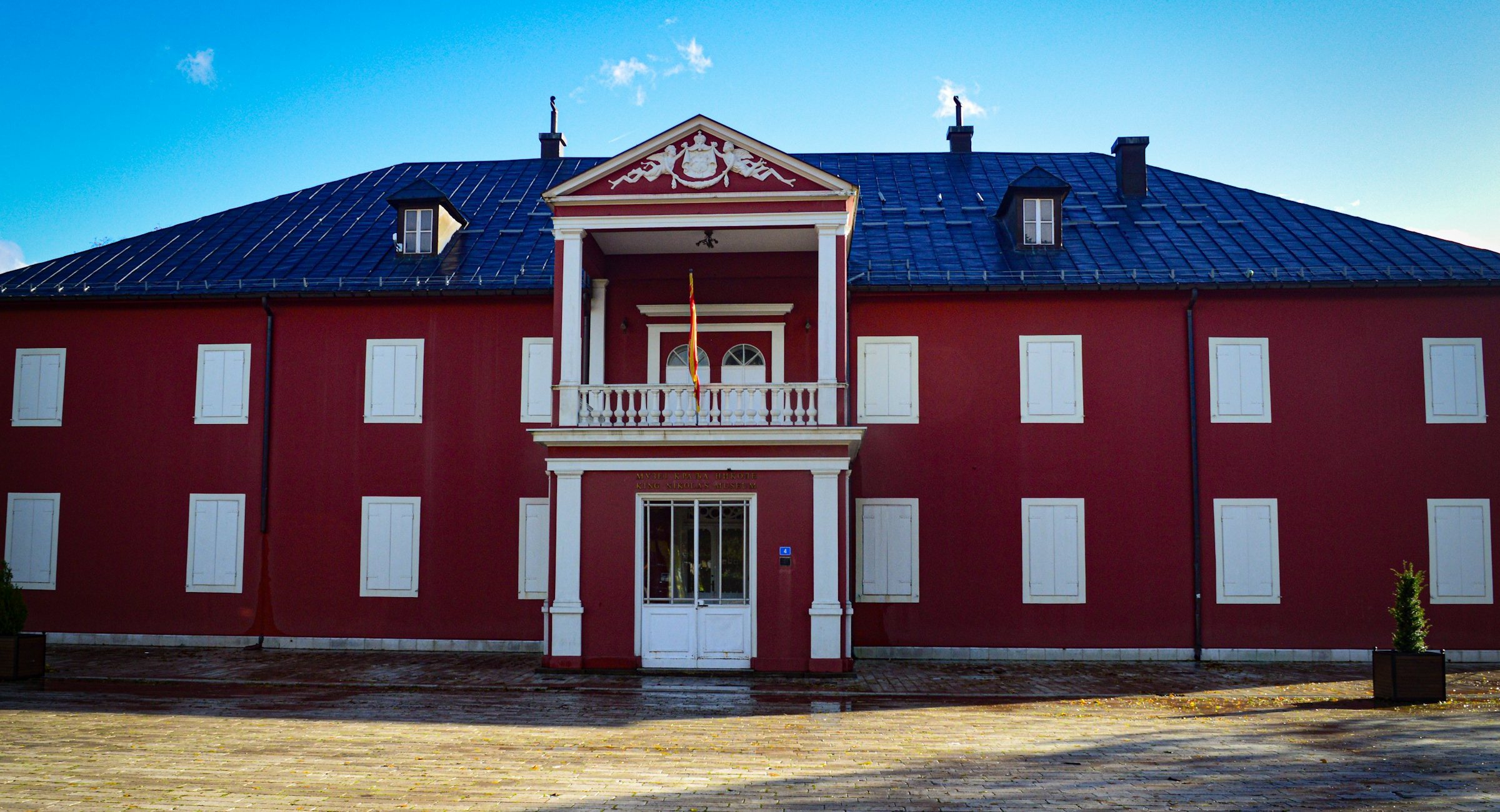
Give Cetinje, the old royal capital, one day from the coast: Lovćen's mausoleum in the morning, then the museums, monastery and churches, a few minutes' walk apart, in the afternoon. Stay a night only for the river at Rijeka Crnojevića.
Read the Cetinje guideExplore the rest of Cetinje
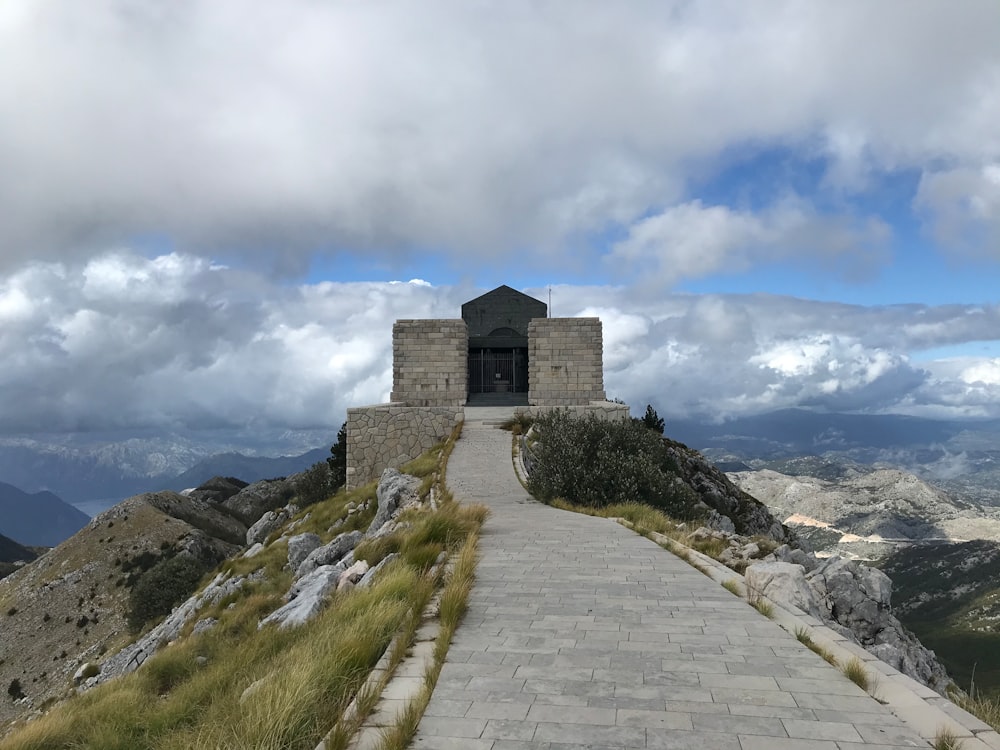
The mausoleum of Petar II Petrovic Njegos crowns Jezerski Vrh at 1,657 metres, reached by a tunnel and 461 steps from the summit car park.…
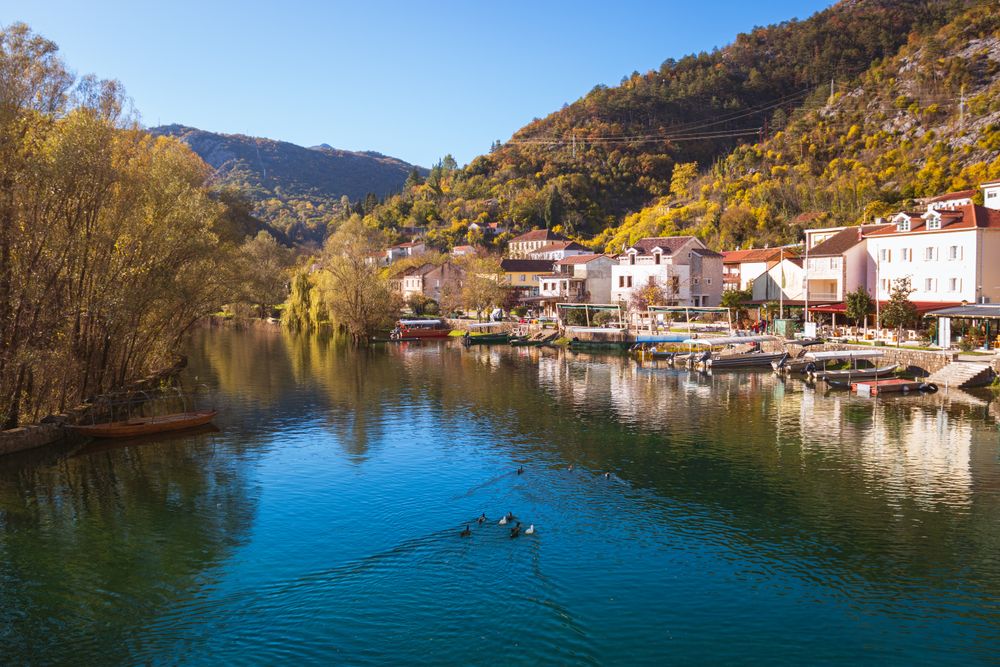
A stone arched bridge built in 1853 under Prince Danilo, spanning the Crnojevic River in what was once the main trading port of old…
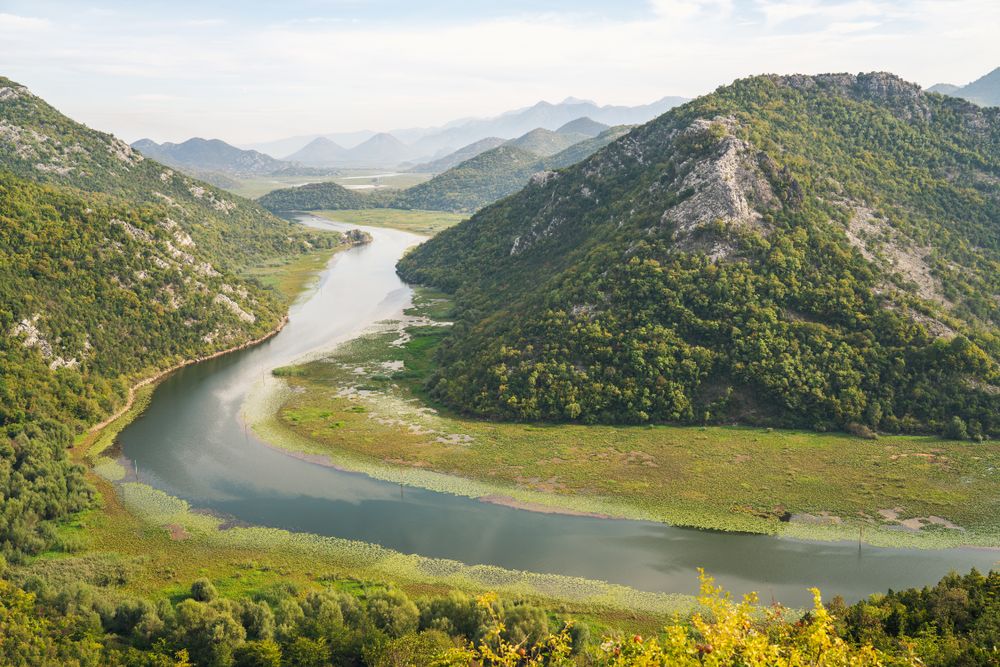
A narrow limestone gorge where the Crnojević river winds toward Lake Skadar between steep wooded walls, best seen by boat from the village…
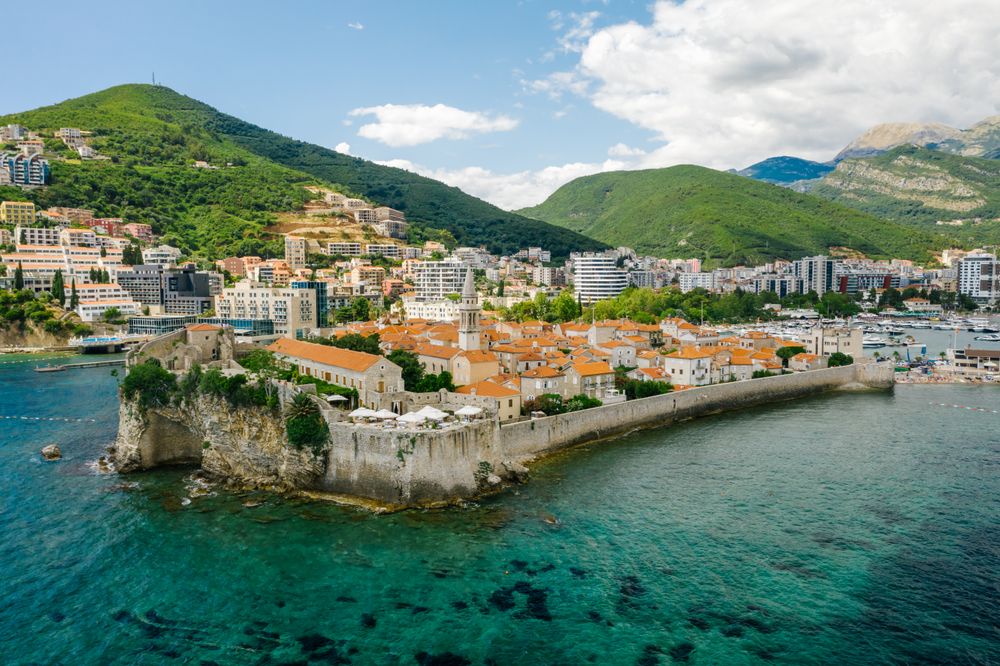
The busiest resort town on the Montenegrin coast, and among the oldest settlements on the Adriatic, with a walled old town of narrow lanes,…
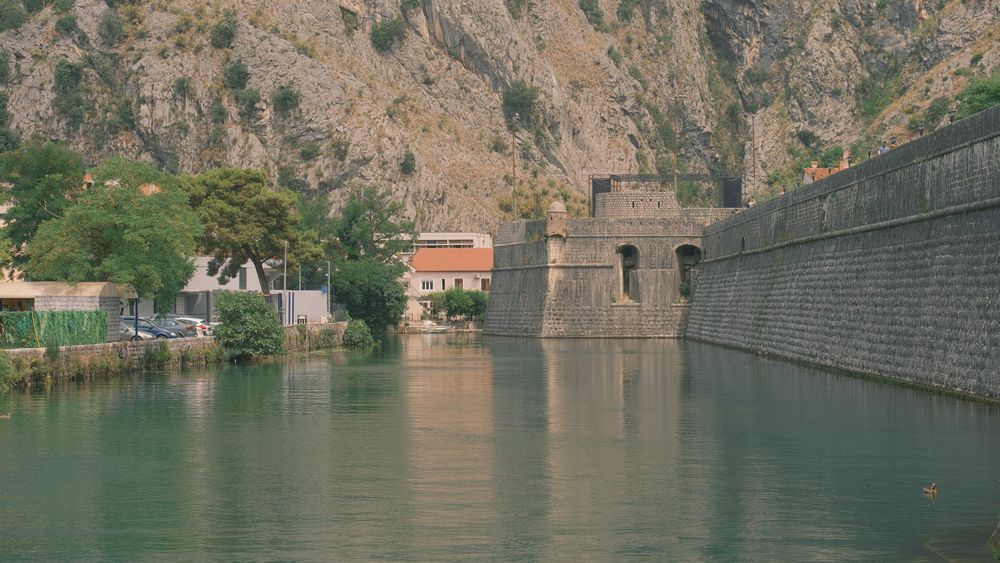
Venetian fortifications encircling Kotor's old town, built between the 9th and 19th centuries and restored in recent decades; accessible…
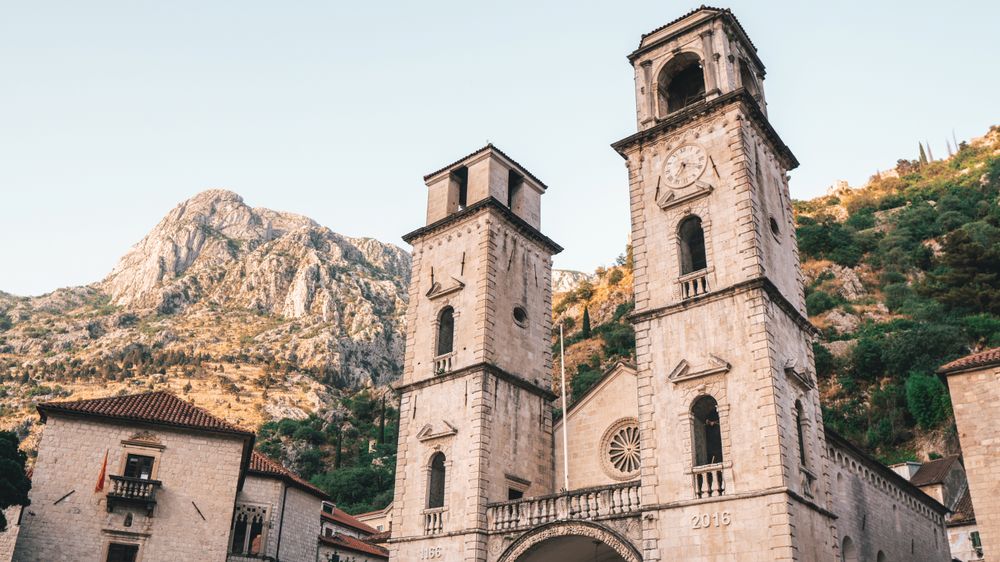
Kotor's Romanesque cathedral, consecrated in 1166 and rebuilt after earthquakes, with a carved stone ciborium over the main altar and a…
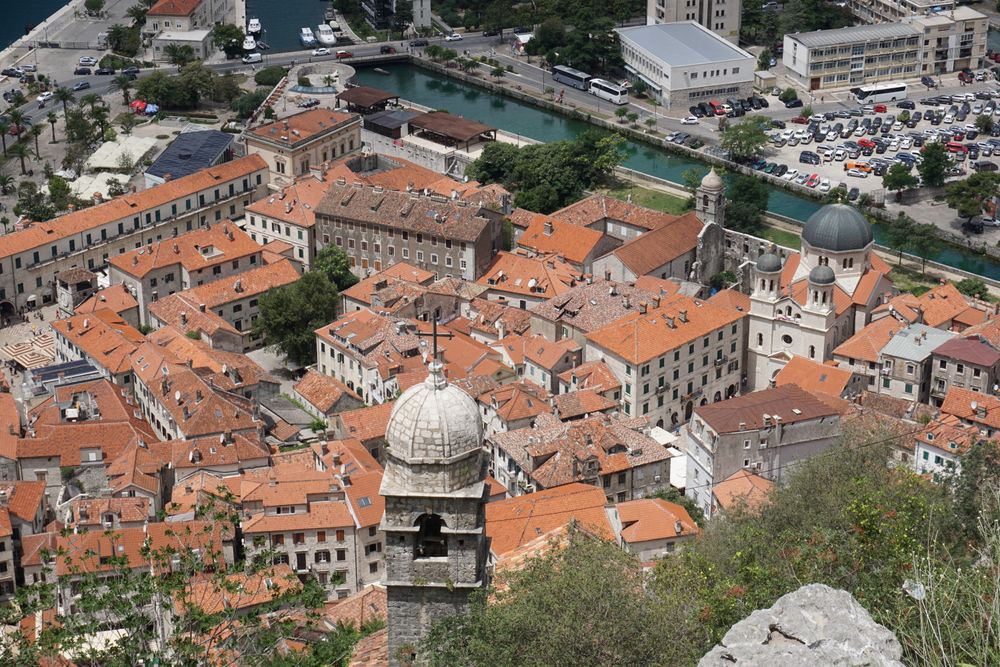
A fortified town at the head of the Bay of Kotor, wedged between the water and the near vertical wall of Mount Lovcen. Venetian ramparts…
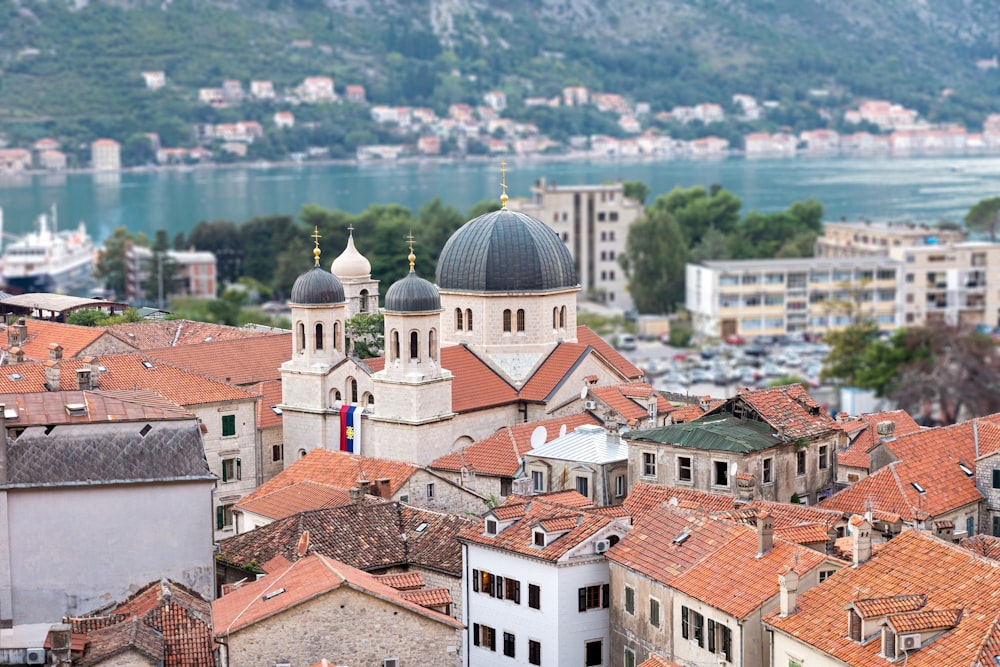
The principal Serbian Orthodox church of Kotor, completed in 1909 on the Piazza of St Luke, its twin towers rising over the north end of…
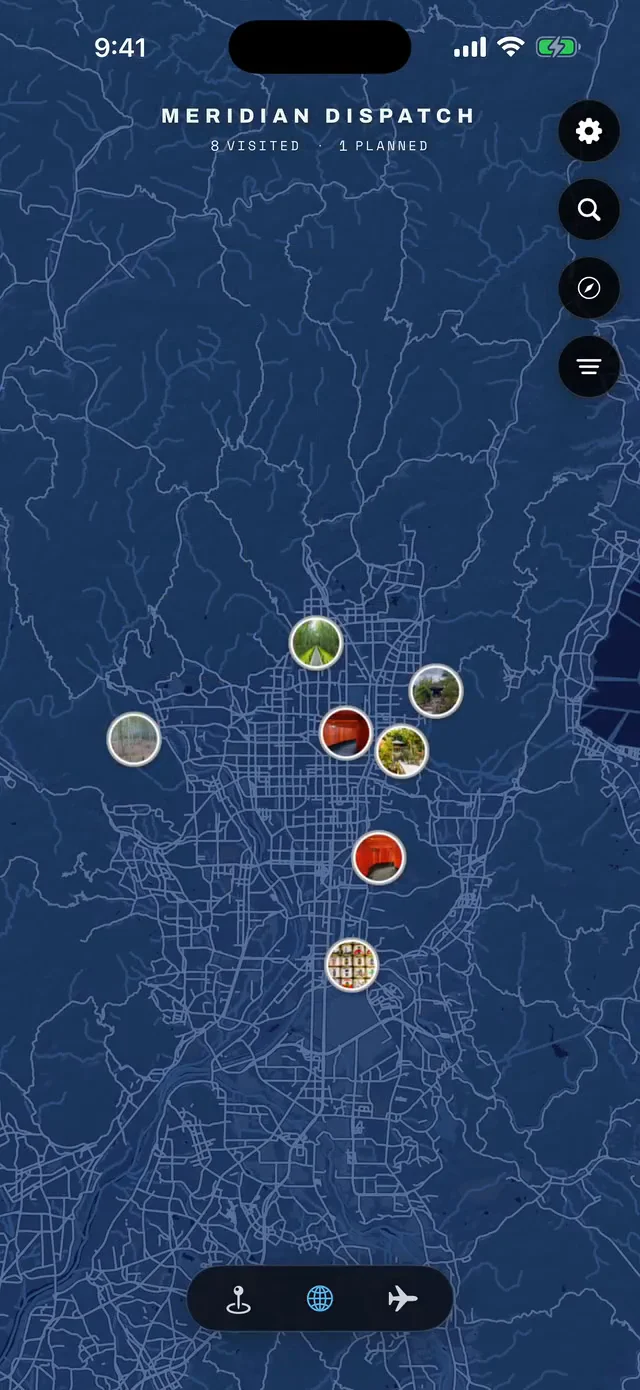
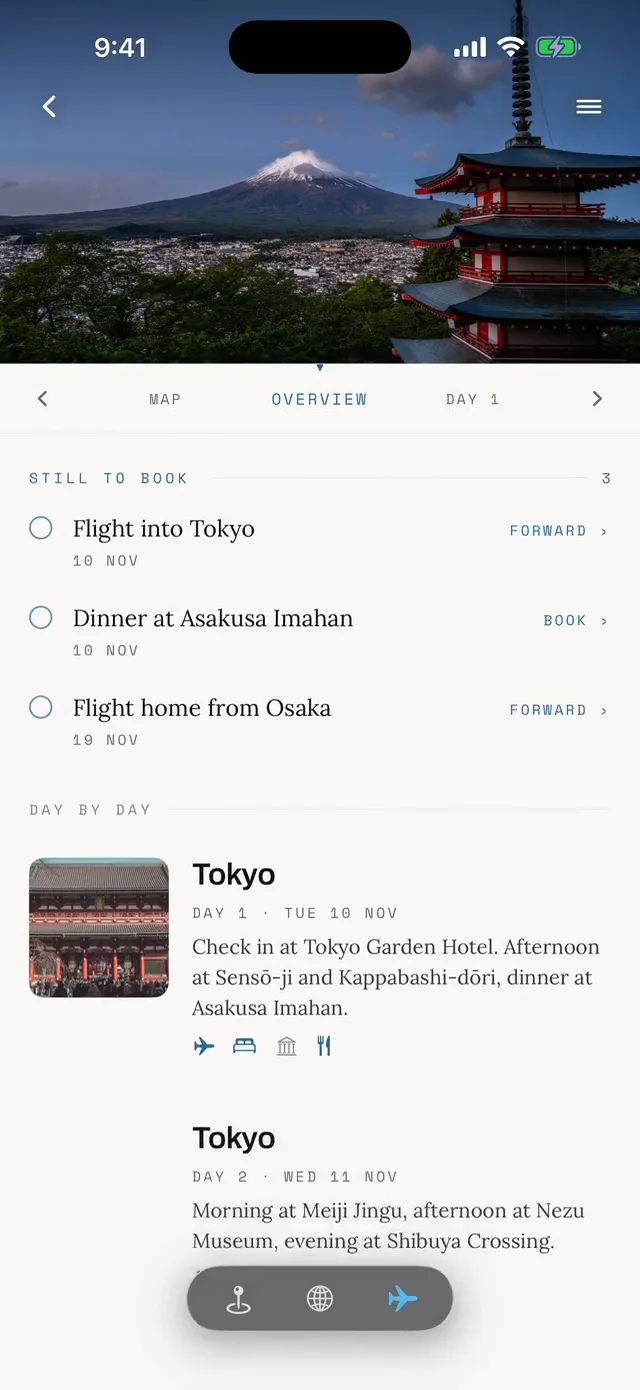

Save Cetinje Monastery to your Montenegro trip in the Meridian Dispatch app and build the day around it, with the best of Cetinje pinned on one map.
Download on the App StoreThe official pages this guide was checked against.
Last updated