Things to do
20-
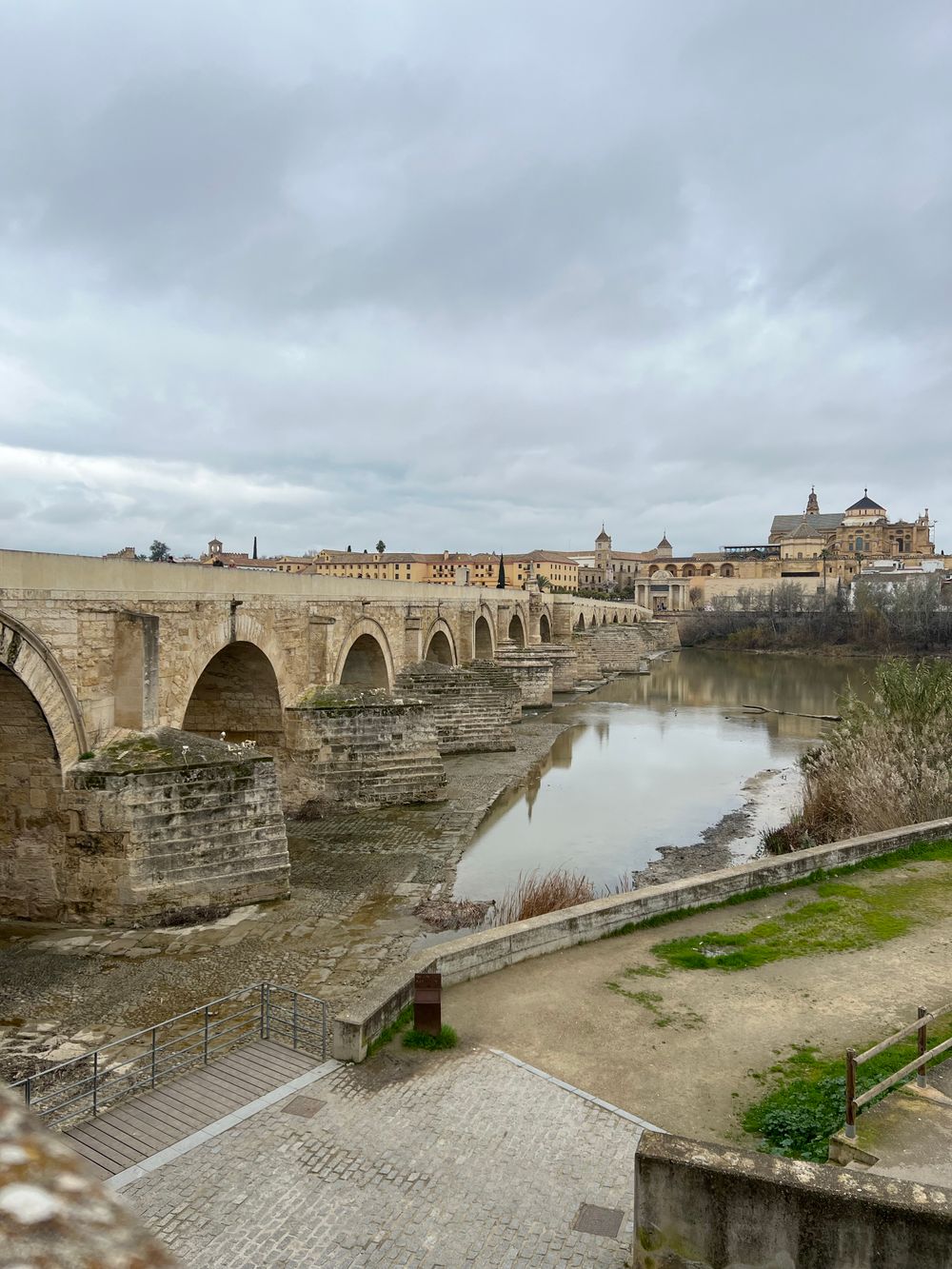
Roman Bridge
Ten minutes on foot from the Mezquita door and worth the walk across for the view back at the city.
-
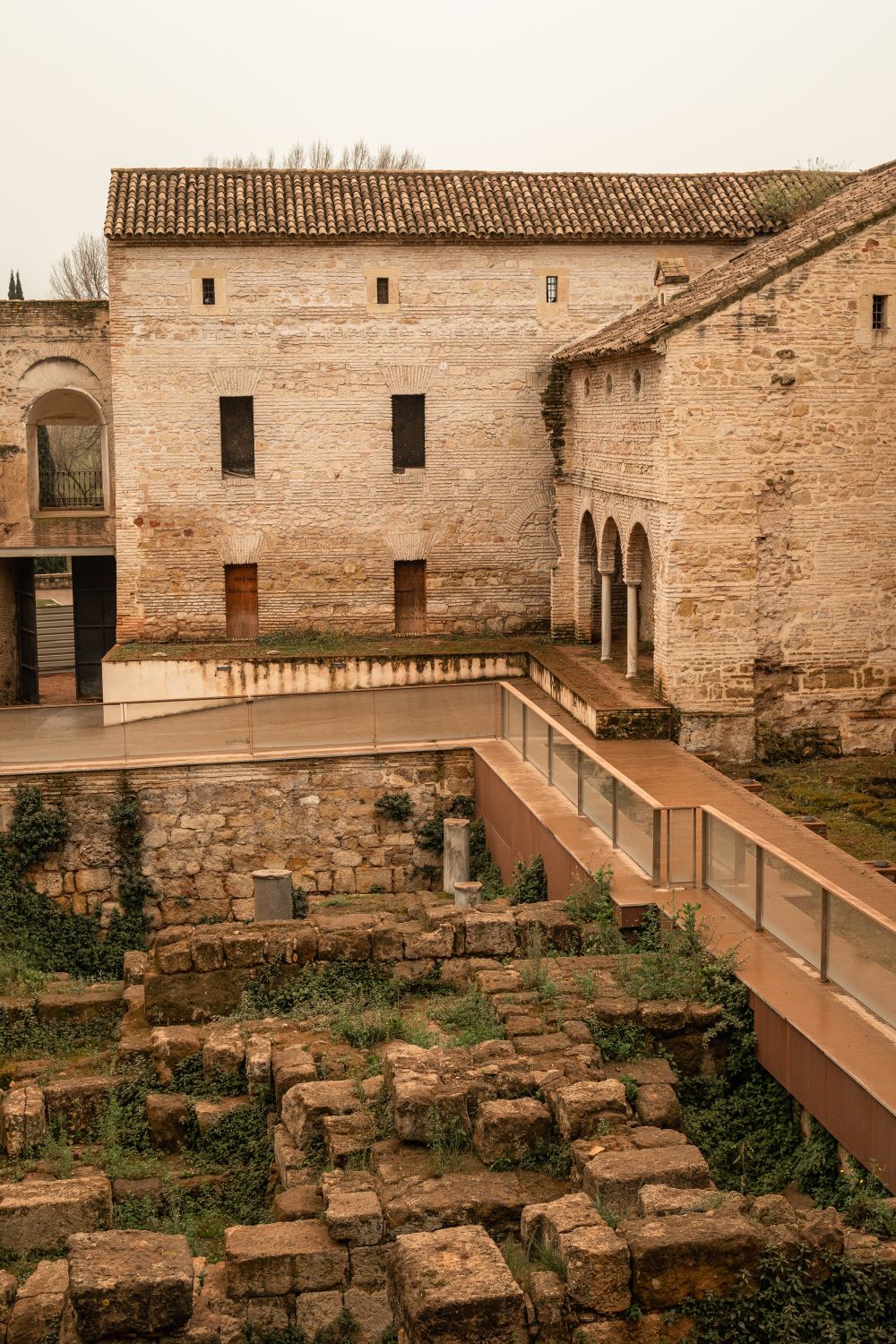
Archaeological Museum
Roman mosaics, Visigothic carving and objects from Medina Azahara fill a Renaissance palace and a modern wing built over the excavated seats of a Roman theatre. The caliphal pieces make it a useful stop before or after the palace city. Few visitors find it, so the galleries are quiet even when the Mezquita is crowded.
-
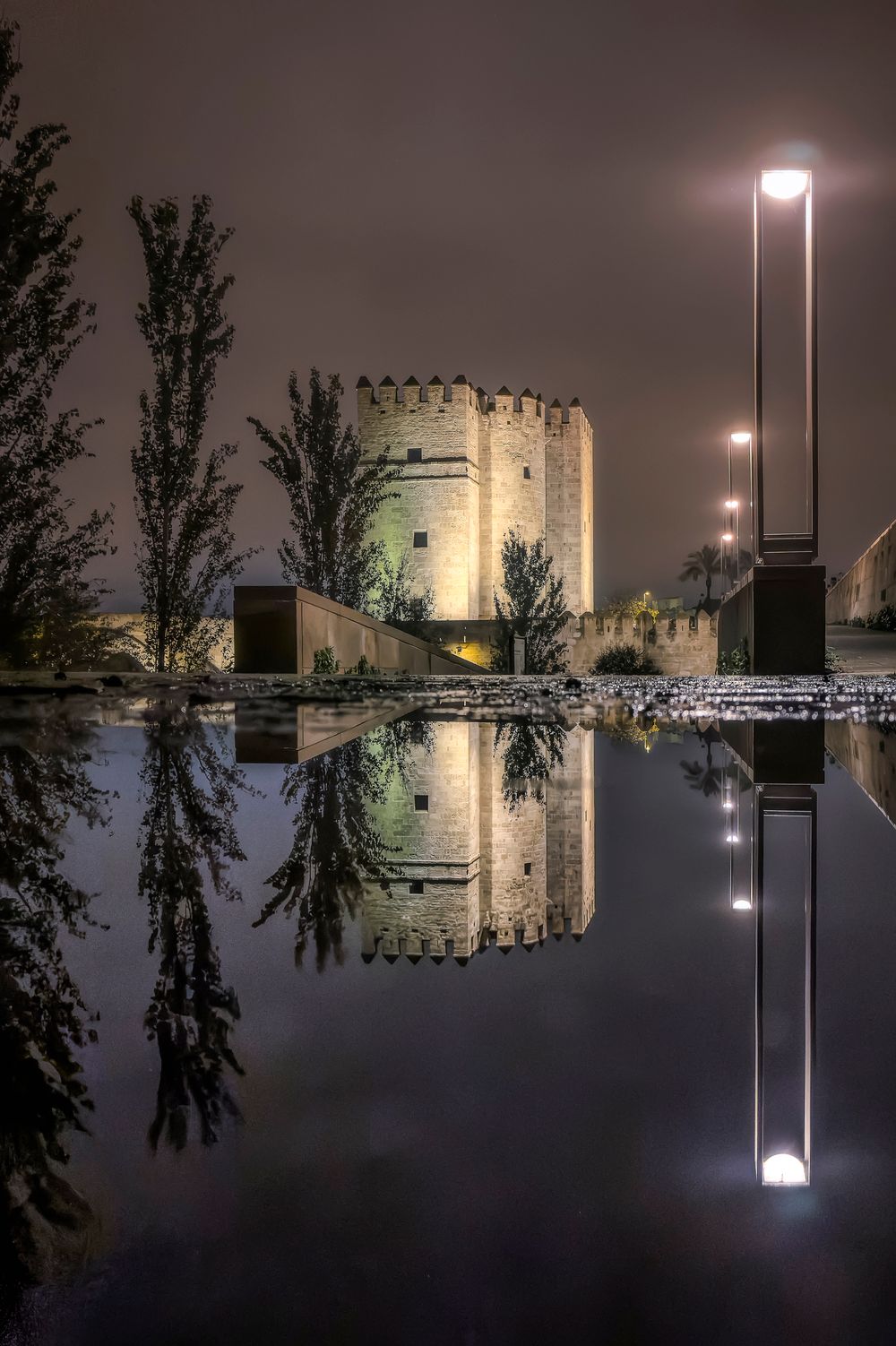
Calahorra Tower
A fortified gate tower guards the southern end of the Roman Bridge, across the river from the old town. Inside, a museum with models and an audio tour covers the Christian, Muslim and Jewish life of the medieval city. The roof gives the best close view back across the bridge to the Mezquita, and the riverbank outside is quiet at sunset.
-
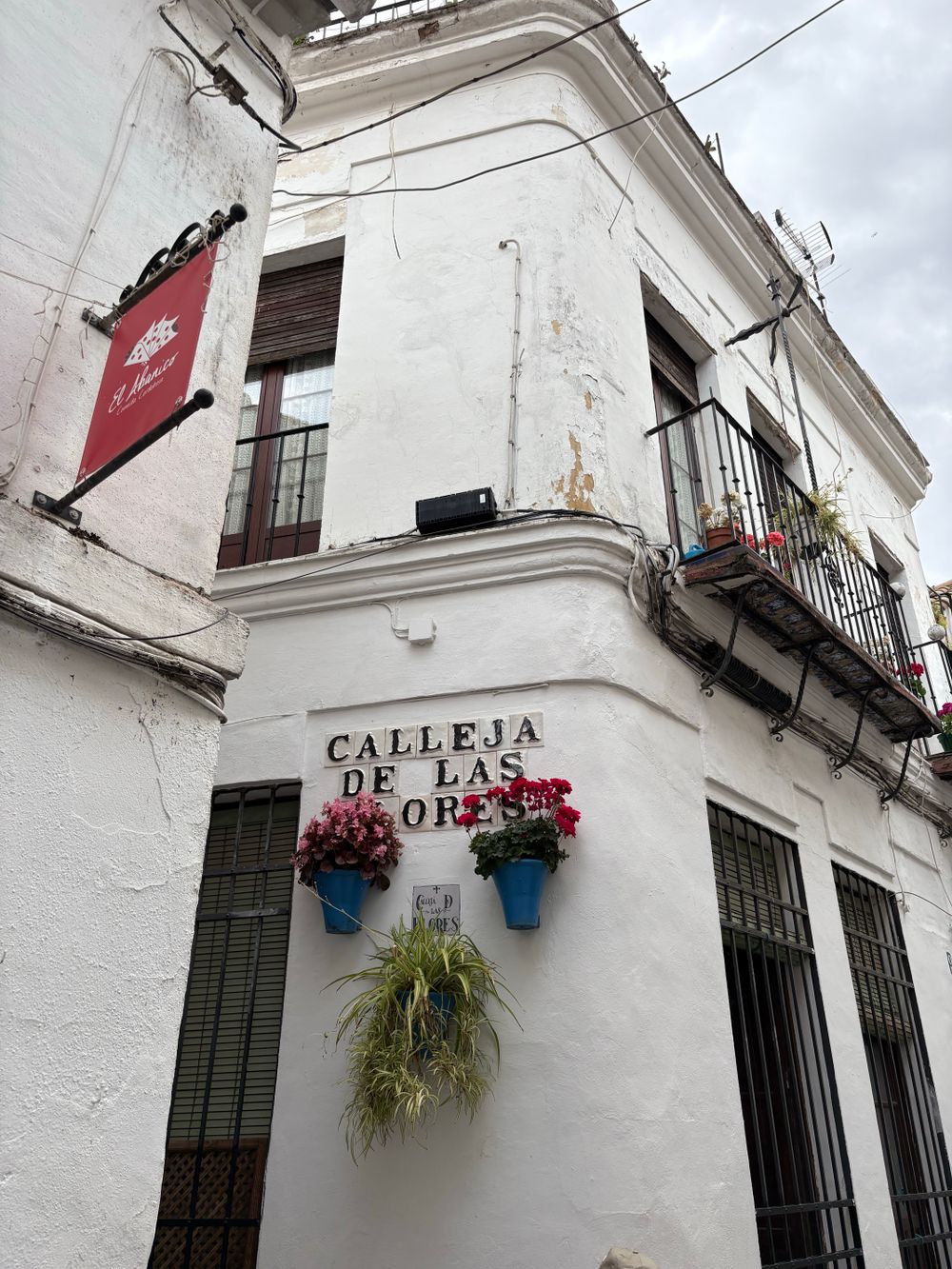
Calleja de las Flores
Only a few metres long, this alley of geranium pots ends in a tiny square framing the Mezquita's bell tower between its walls. Getting the classic photograph clear of other visitors means coming before ten in the morning. By midday the lane is a queue, and there is nothing else to see once the picture is taken.
-
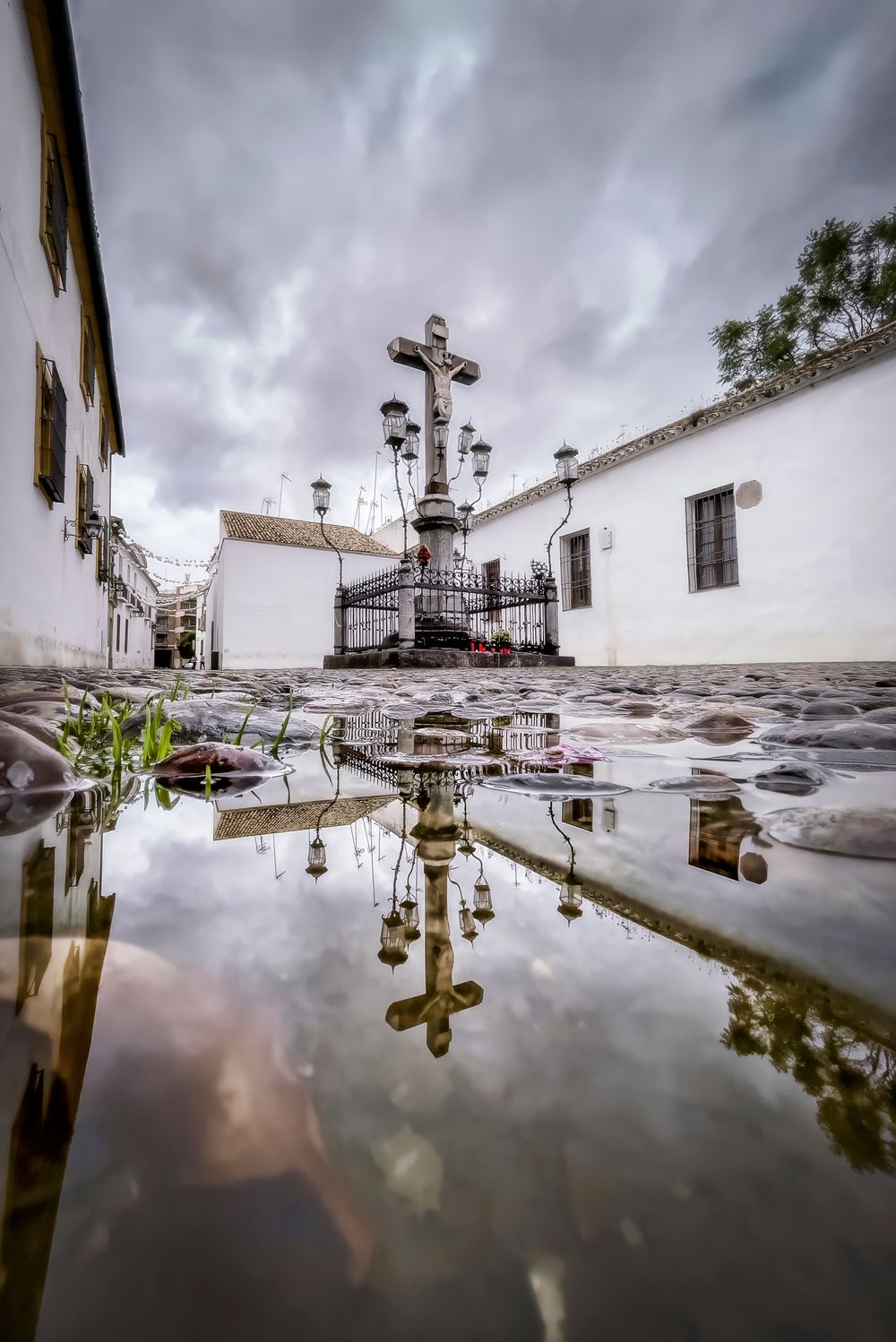
Cristo de los Faroles
A stone crucifix surrounded by eight wrought-iron lanterns stands in the plain Plaza de Capuchinos, a small whitewashed square north of the centre. The lanterns are lit after dark, which is the time to come. It pairs well with an evening walk to the Palacio de Viana quarter and the churches of Santa Marina.
-
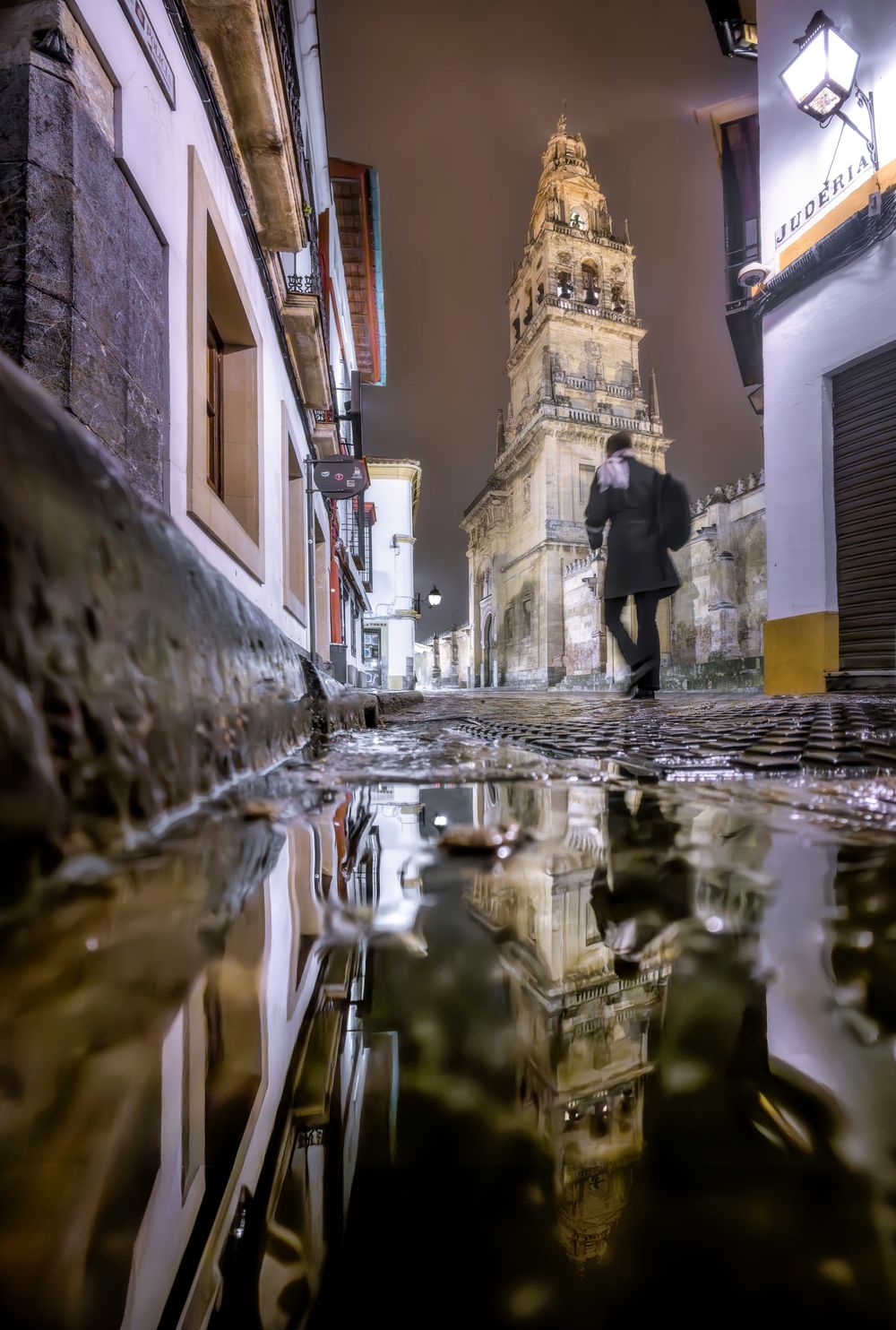
Jewish Quarter
Narrow whitewashed lanes run north and west of the Mezquita, lined with iron-grilled windows, souvenir shops and doorways that open onto tiled courtyards. The synagogue, the Calleja de las Flores and the old city gate of Almodóvar are all inside it. The lanes are busiest around midday and quieter in the evening.
-
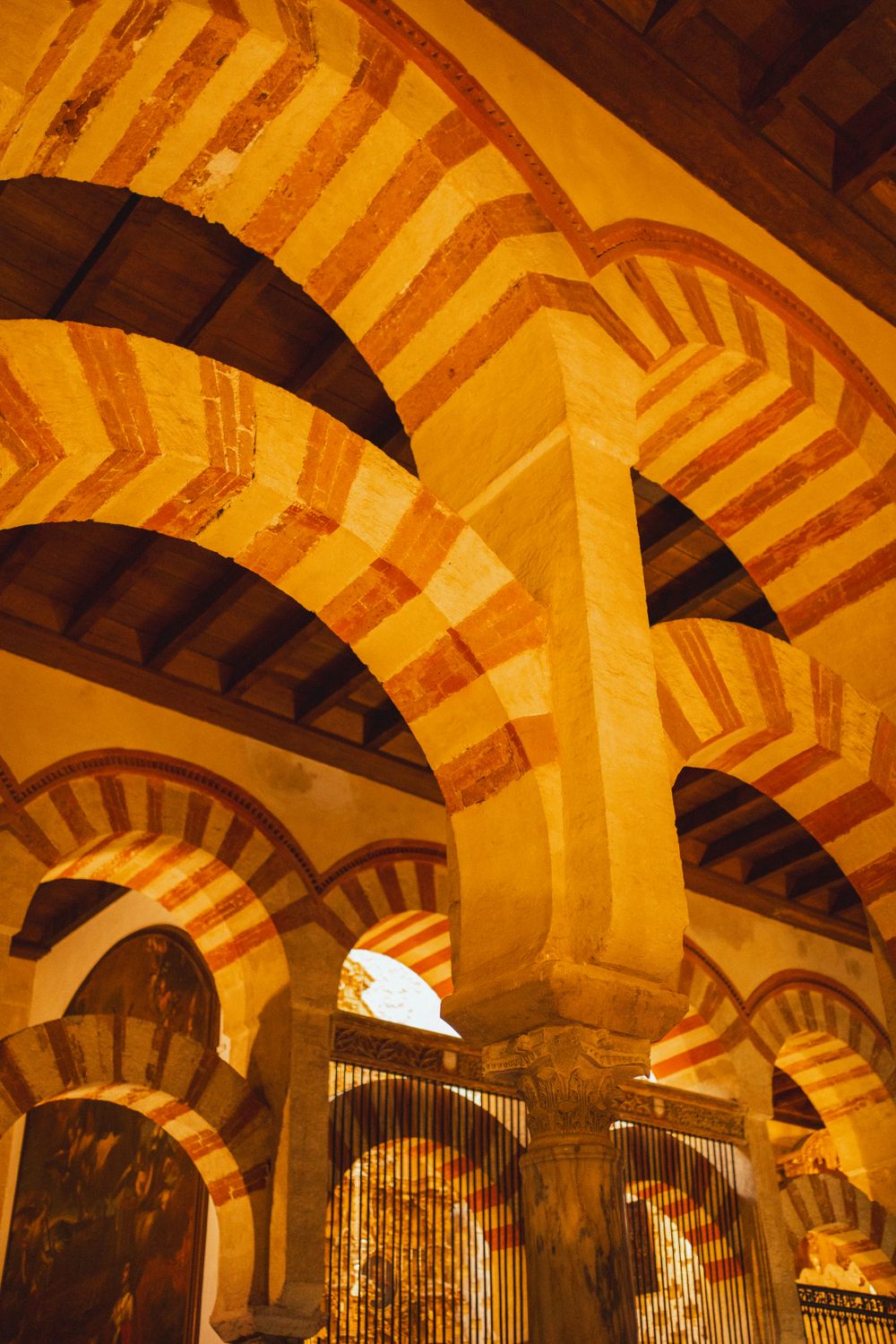
Mosque-Cathedral of Córdoba
Red and white horseshoe arches march over a forest of columns inside the Mezquita, built as the great mosque of the caliphate and given a Renaissance cathedral through its middle in the sixteenth century. Entry is free from half past eight to about twenty past nine, Monday to Saturday, and the building is emptiest then. The bell tower is ticketed separately and climbed by timed slot.
-
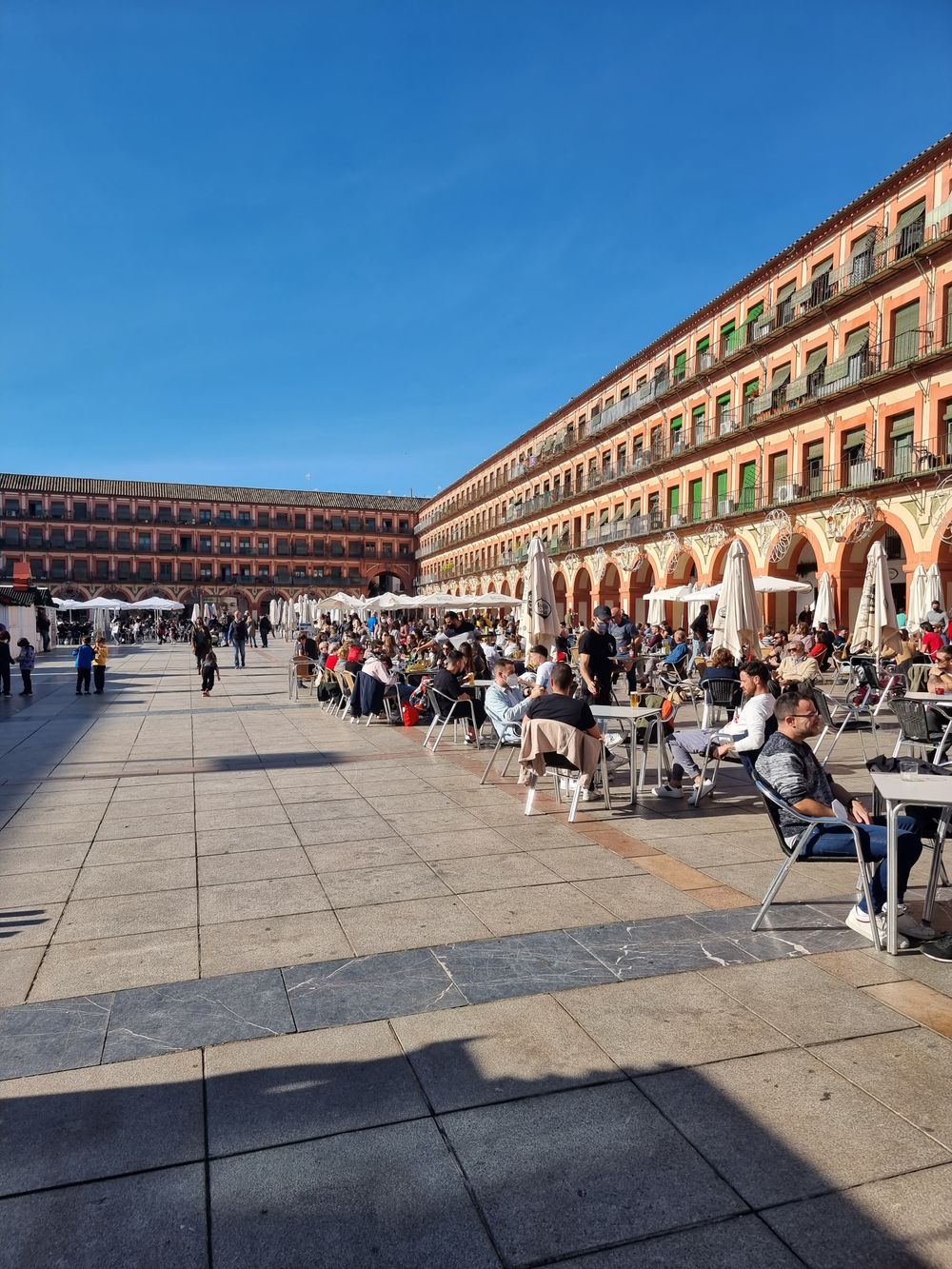
Plaza de la Corredera
Arcaded on all four sides, with brick façades and rows of balconies, this enclosed square once held bullfights and markets. Café terraces now line the arcades, and a covered food market stands on its south side. It is a local place more than a sight, and the terraces fill from late morning on weekends.
-
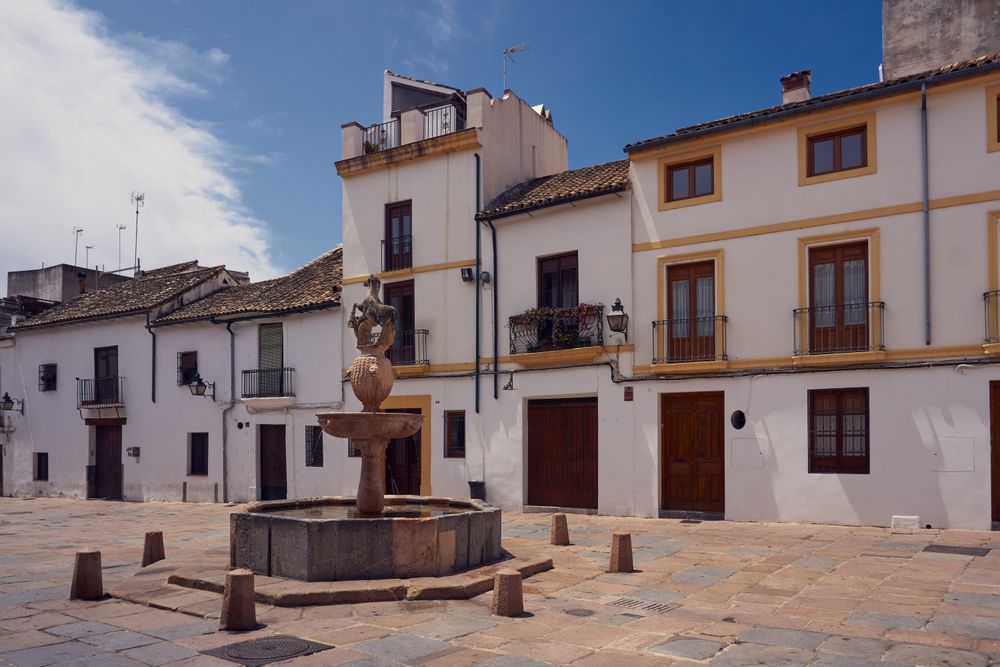
Plaza del Potro
Named for the small colt on its fountain, this square east of the Mezquita holds an old coaching inn mentioned in Don Quixote and, opposite, the museum of the painter Julio Romero de Torres. His dark portraits of Córdoba women share the building with the Fine Arts Museum. The square is calm by day and a short walk from the river.
-
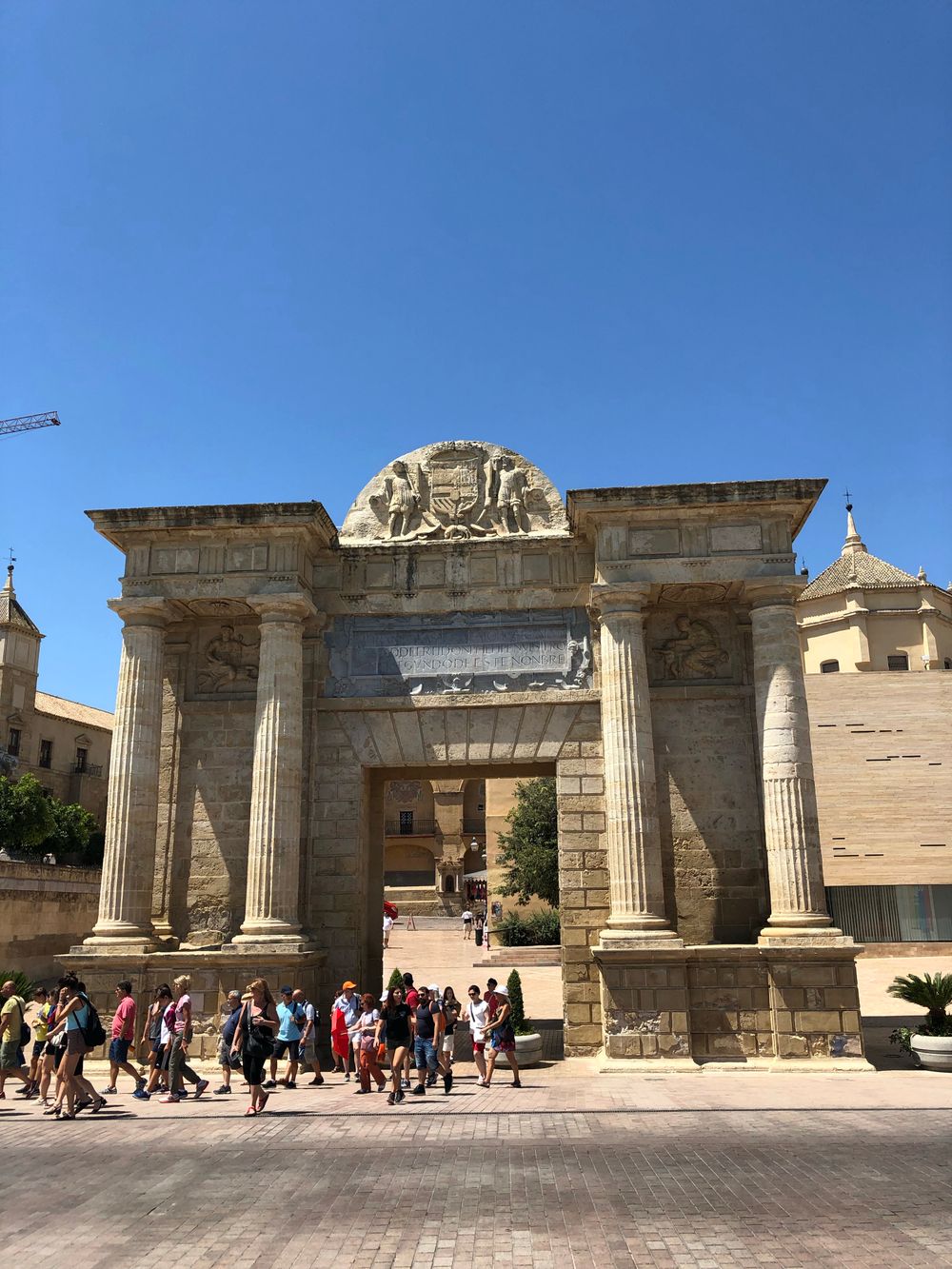
Puerta del Puente
A Renaissance gateway in the shape of a triumphal arch marks the city end of the Roman Bridge, between the Mezquita and the river. A staircase inside climbs to a small viewing terrace, open on some days only. Most visitors pass under it without stopping, so the square in front is a good place to wait out a tour group.
-
Alcázar de los Reyes Cristianos
Forty-five minutes covers the towers and gardens; skip if the Mezquita has already taken the morning.
-
Medina Azahara
Allow two hours including the shuttle bus from the museum, and note it sits the wrong way out of town, so decide before leaving.
-
Albolafia
A rebuilt water wheel turns beside the river just below the Alcázar, on the site of a medieval mill that lifted water to the palace gardens. It is seen best from the riverside path or from the Roman Bridge. Herons and egrets nest on the river islands around it, part of a small protected reserve.
-
Caliphal Baths
Excavated bath halls of the caliphs' palace lie below street level beside the Campo Santo de los Mártires, with star-shaped skylights in the brick vaults. Cold, warm and hot rooms follow one another as in a Roman bath. It is a short stop, cool on a hot afternoon, and it closes on Mondays like most of the city's museums.
-
Castle of Almodóvar del Río
Restored towers and battlements crown a hill above the Guadalquivir about 25 kilometres west of the city, visible from far across the plain. Inside are walkways along the walls, furnished halls and views over the river valley. The castle is reached by car or a local bus to the village, followed by a steep walk up.
-
Córdoba Synagogue
A single small prayer hall on a lane of the Jewish quarter, its walls covered in carved plaster with Hebrew inscriptions and a women's gallery above. It is the only medieval synagogue left in Andalusia. Entry is free for EU citizens and ticketed for other visitors, the visit takes a quarter of an hour, and it closes on Mondays.
-
Mercado Victoria
An iron and glass pavilion on the Paseo de la Victoria houses a food hall of stalls for salmorejo, fried fish, ham, sushi and local wine. It stays open late and suits a casual dinner when restaurant kitchens are still closed. The tourist bus to Medina Azahara leaves from the pavement outside.
-
Palacio de Viana
Twelve courtyards open one into another inside this noble house north of the centre, each planted differently with orange trees, cypress, roses or pots on whitewashed walls. Tickets cover the patios alone or the patios with a guided tour of the rooms. Closed on Mondays, and in July and August it opens in the morning only.
-
Roman Temple
Several tall fluted columns stand again on a raised platform beside the town hall. The site is fenced and seen from the pavement, so a look takes a few minutes. It sits on the walk between the Plaza de la Corredera and the churches of the northern quarters.
-
San Basilio
Low houses with blue flowerpots and some of the most admired courtyards in the city fill this quiet neighbourhood behind the Alcázar. Calle San Basilio and Calle Martín de Roa hold several patios that win prizes in the May festival. Outside May many doors stay closed, though a few houses open as small patio museums through the year.