Things to do
13-
Barcelona Cathedral
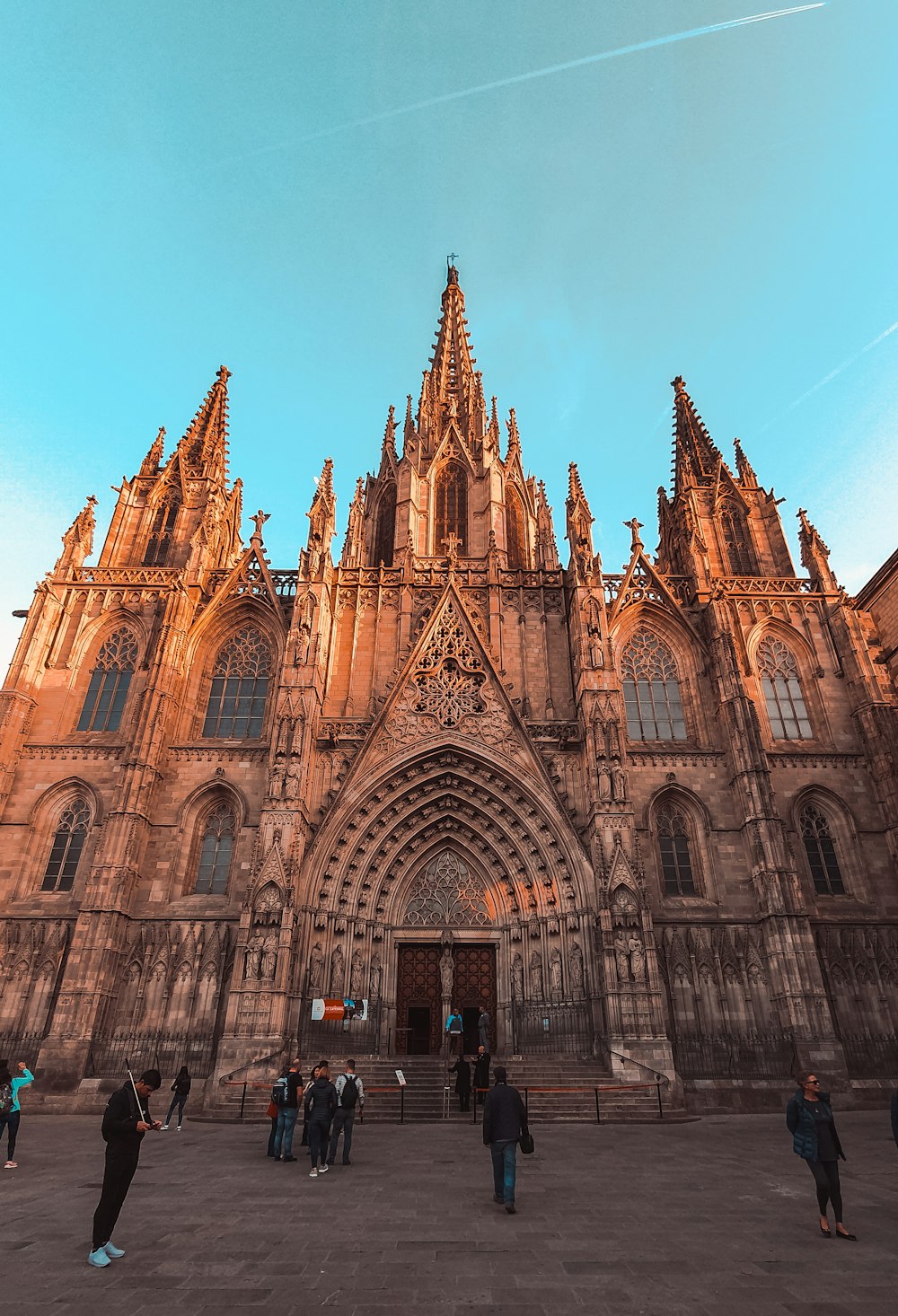
Raised between the thirteenth and fifteenth centuries, though the spired west front is a neo-Gothic addition of the 1890s. Thirteen white geese live in the cloister among palms and a mossy fountain, one for each year of the martyr Eulalia, who is buried in the crypt. A lift reaches the roof for a view over the old town. Shoulders and knees should be covered.
-
Casa Batlló
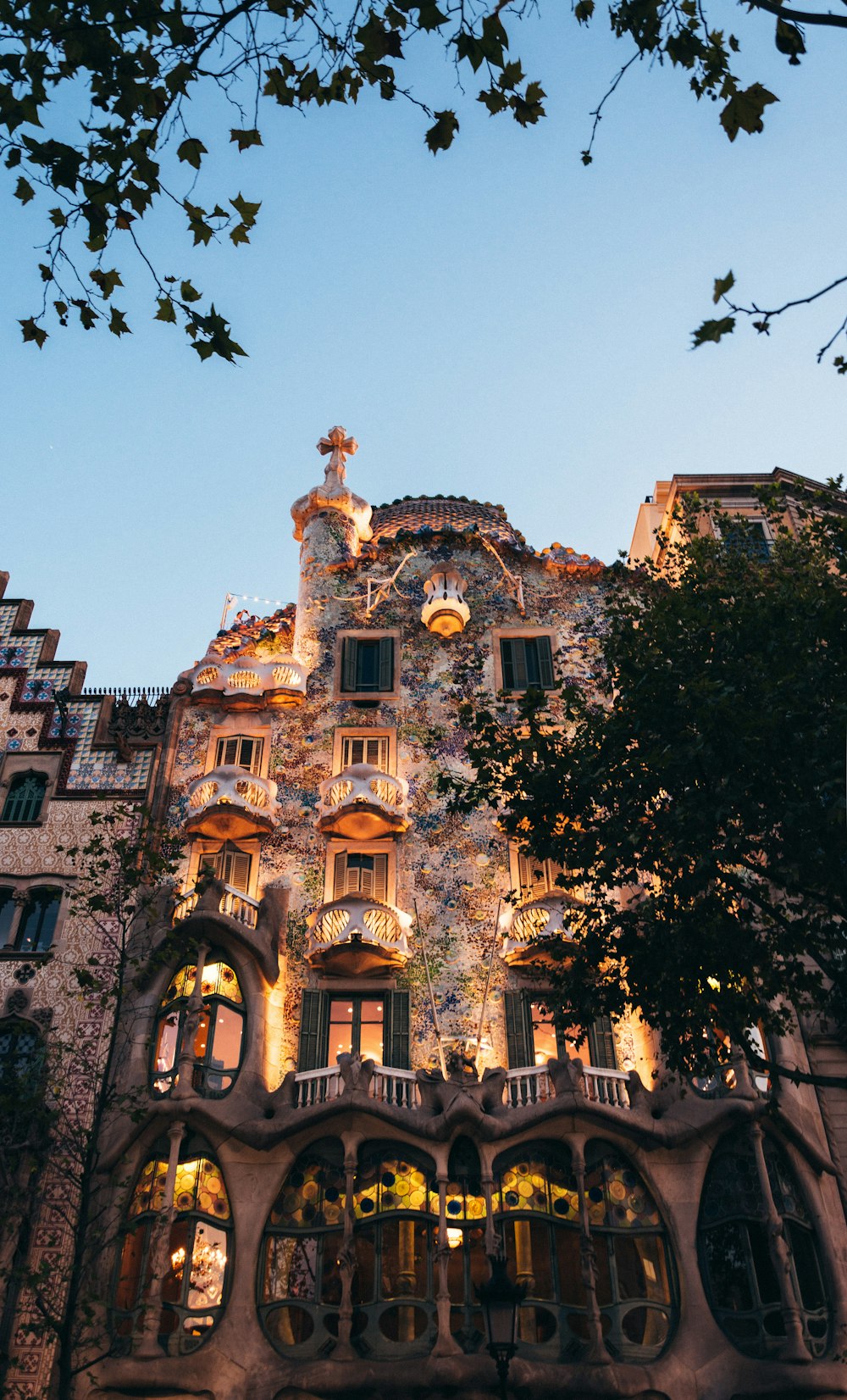
Gaudí's 1906 remodelling of an ordinary apartment block on Passeig de Gràcia, read locally as the legend of Saint George: a roof humped and scaled like a dragon's back, a turret for the lance, balconies like the skulls of the victims. Inside there is scarcely a straight line, and a light well tiled in deepening blue. It stays open into the evening, when the queue on Passeig de Gràcia is shorter.
-
Casa Milà
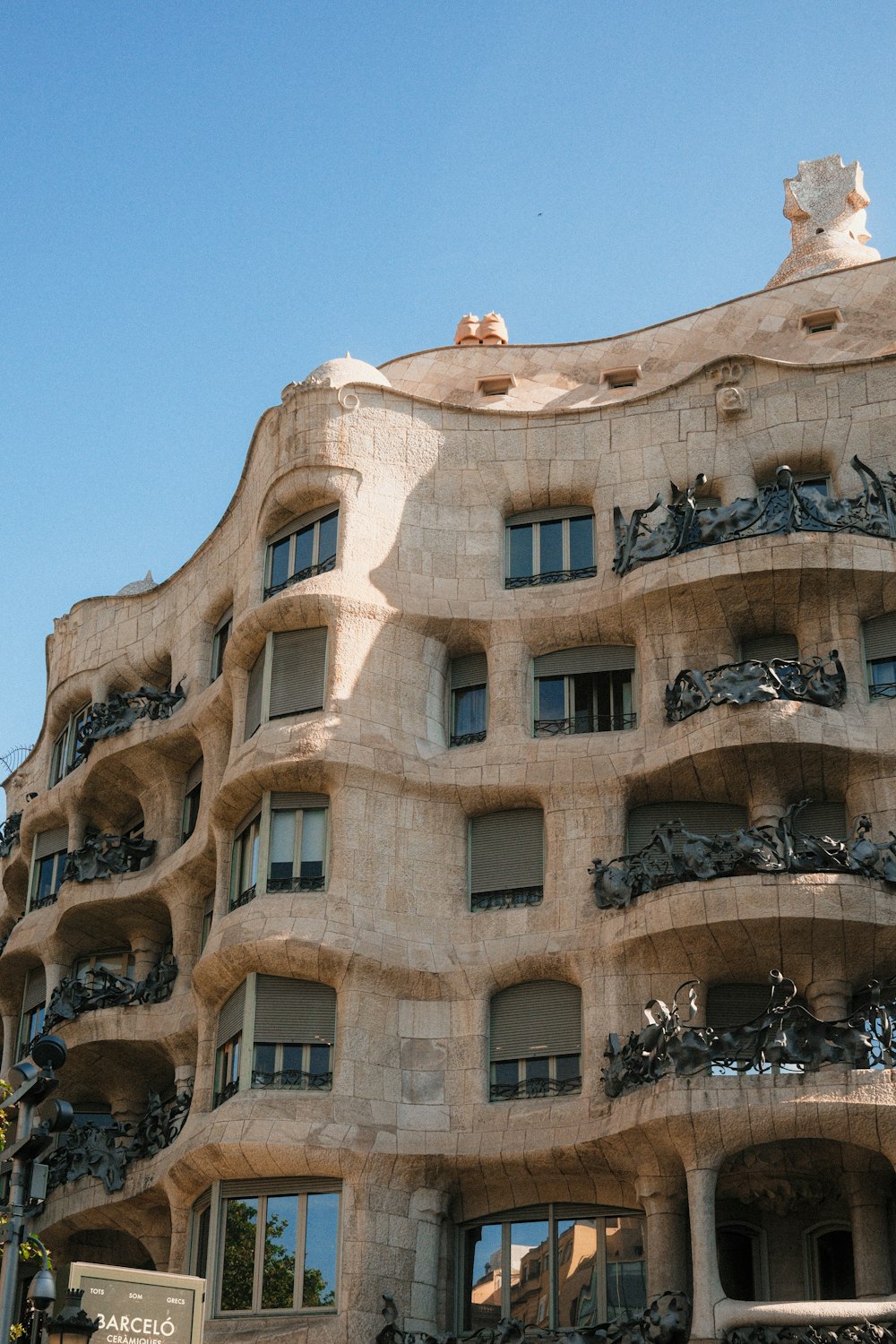
Nicknamed La Pedrera, the quarry, by neighbours who disliked its rippling stone front when it went up in 1912. This was Gaudí's last private commission. The roof is the reason to go: a rolling terrace of stairwells and chimneys shaped like helmeted sentinels, with the Sagrada Família framed through one arch. The attic below is a spine of brick parabolic arches.
-
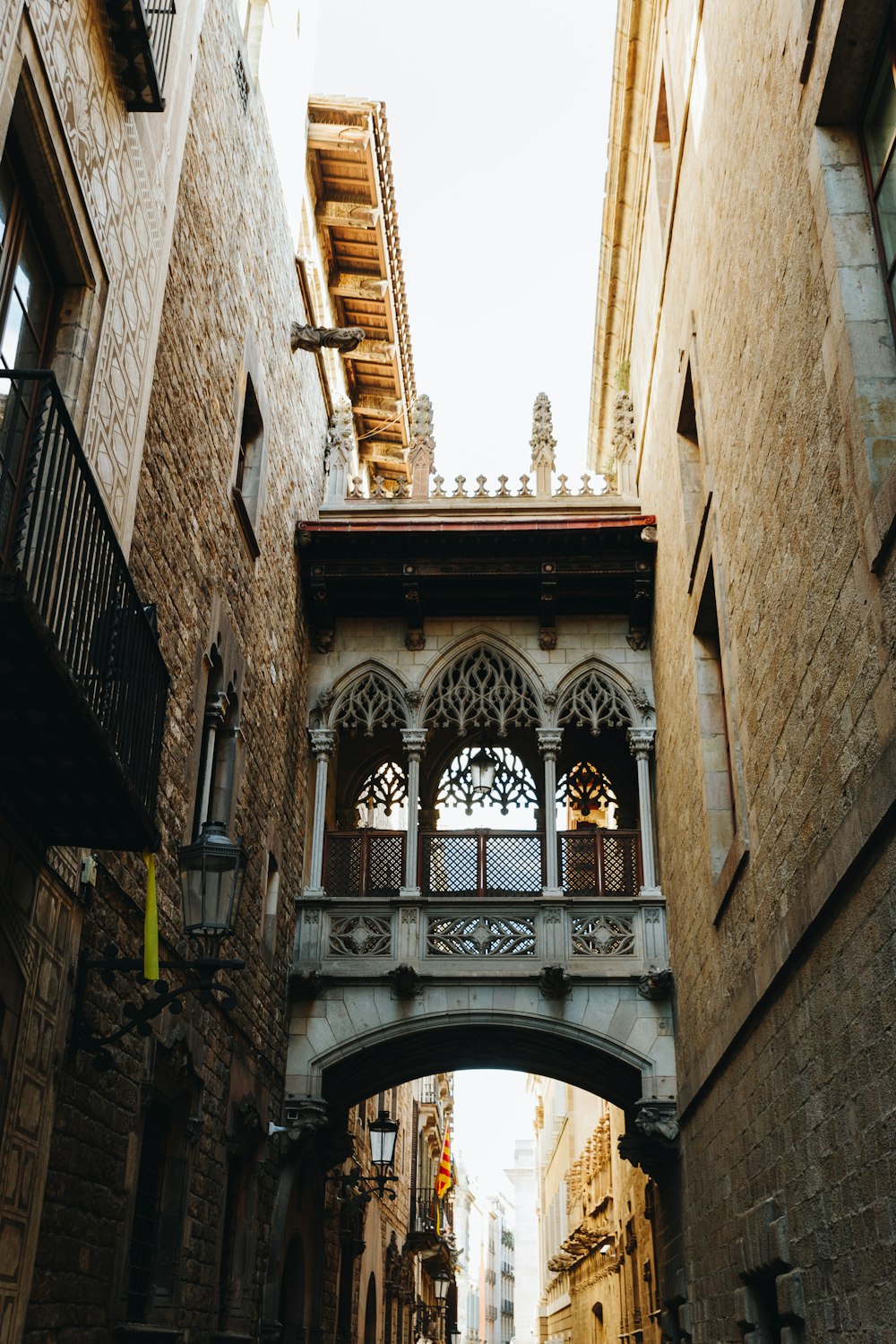
Gothic Quarter
The Roman colony of Barcino lies under these lanes, and stretches of its wall and temple columns still stand among the medieval houses. A good deal of the Gothic detail is younger than it looks, added around 1900 when the city dressed the district for visitors. Plaça del Rei and the old Jewish streets of El Call are the real thing. Bag thieves work these lanes after dark, as they do La Rambla.
-
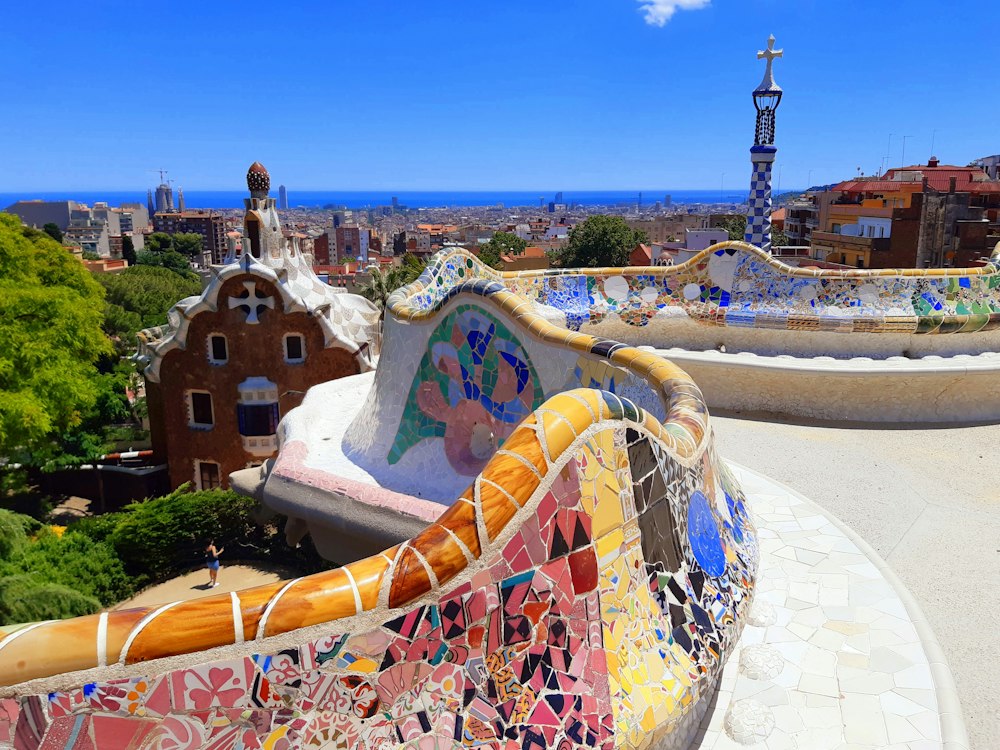
Park Güell
A hillside housing estate for the wealthy that failed completely: of sixty plots, two sold. What Gaudí had finished became a public park, with a gingerbread gatehouse, a mosaic salamander on the stair and a long serpentine bench of broken tile above a hall of leaning columns. That core is ticketed by time slot and sells out. The wooded paths above it stay open to anyone without a ticket.
-
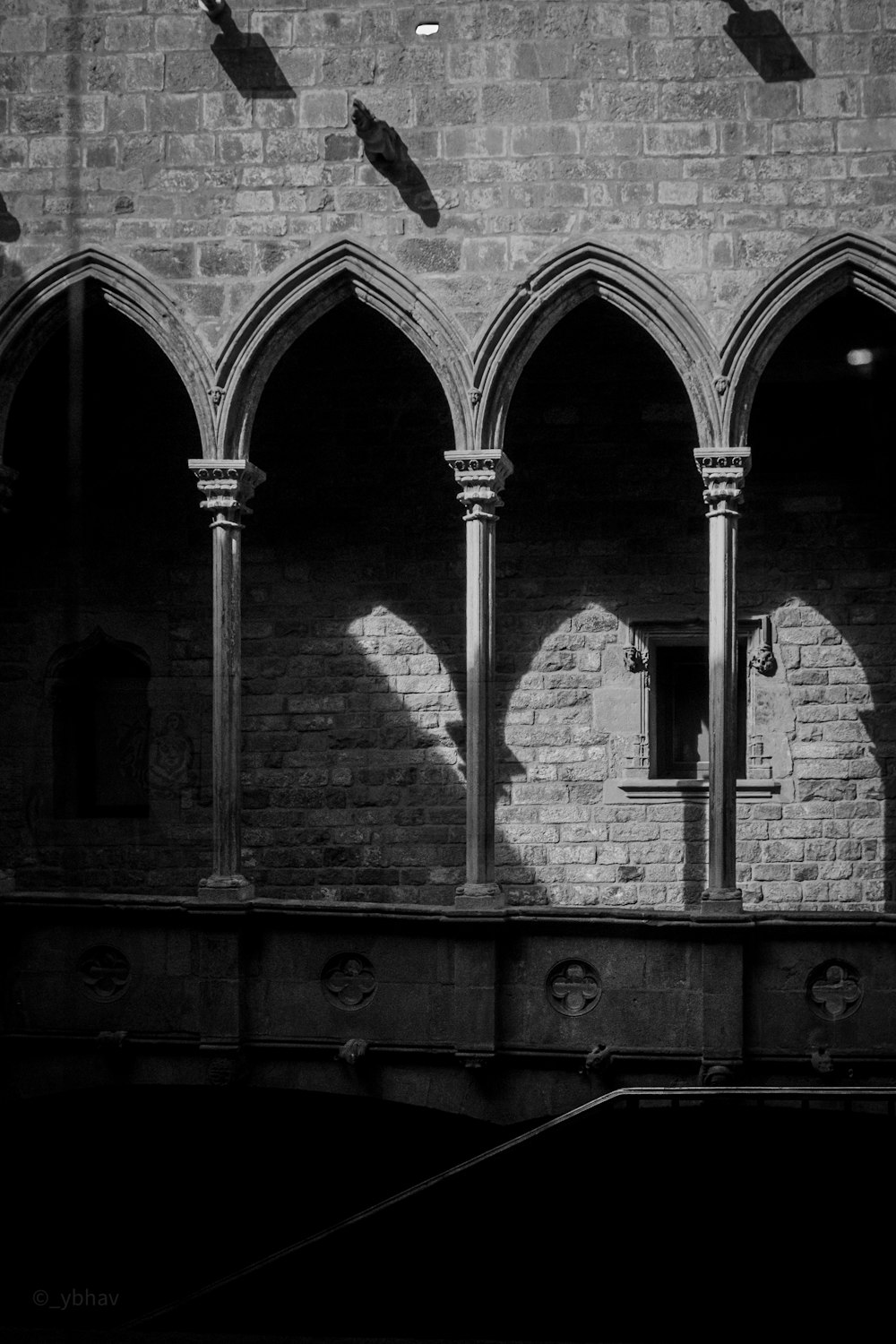
Picasso Museum
Five connected medieval palaces on Carrer Montcada hold the work of Picasso's youth, much of it given by the artist, who spent his formative years in this city. Academic paintings done at fifteen show how early the skill arrived. The other highlight is his 1957 series taking apart Velázquez's Las Meninas, canvas after canvas. Timed tickets sell out in high season, so book before arriving in Barcelona.
-
Barceloneta
A tight grid of fishermen's flats laid out in the 1750s, fronting the city beach that was cleared of shacks and rebuilt with imported sand for the Olympics. The sand is packed from June to September and thieves work the towels. The better reason to come is lunch: rice and fish in the back streets, a block inland from the promenade restaurants.
-
La Rambla
A tree-lined promenade over a buried stream, running just over a kilometre from Plaça de Catalunya to the Columbus column at the port. Flower stalls, a Miró mosaic set in the paving and the opera house mark the walk. It is also the pickpocketing capital of Spain, and the terrace restaurants are poor. Walk its length once, then eat somewhere else.
-
Mercat de la Boqueria
A food market on this site since the Middle Ages, under an iron roof of 1914. The front stalls now sell fruit cups and ham cones to the crowd from La Rambla. Push to the back and the sides for the fishmongers, wild mushroom sellers and counter bars where market workers eat. Come before eleven. Closed on Sundays, and groups are restricted at busy hours.
-
Montjuïc
The broad hill above the port, landscaped for the 1929 exhibition and reworked for the Olympics. It carries the national art museum, the Miró foundation, the Olympic stadium, botanical gardens and a grim fortress on the summit with a view over the container docks. A funicular and a cable car climb from the metro. Half a day covers two of those stops comfortably, and no more.
-
Museu Nacional d'Art de Catalunya
In the 1920s, with foreign dealers buying up the wall paintings of remote Pyrenean churches, Catalan curators stripped the remaining frescoes themselves and brought them here. They are remounted on full-scale replicas of the original apses, and nothing like the collection exists elsewhere. The Christ in Majesty from Taüll, painted in 1123, is the masterpiece. The terrace outside looks down the exhibition avenue to Plaça d'Espanya.
-
Palau de la Música Catalana
A concert hall of 1908 by Domènech i Montaner, Gaudí's great rival, built for a choral society in a cramped street of the old town. The auditorium is lit by day through walls of stained glass and an enormous skylight that sags into the room like a drop of gold. Sculpted muses lean out of the stage wall. Take the guided tour, or better, buy a concert seat.
-
Sagrada Família
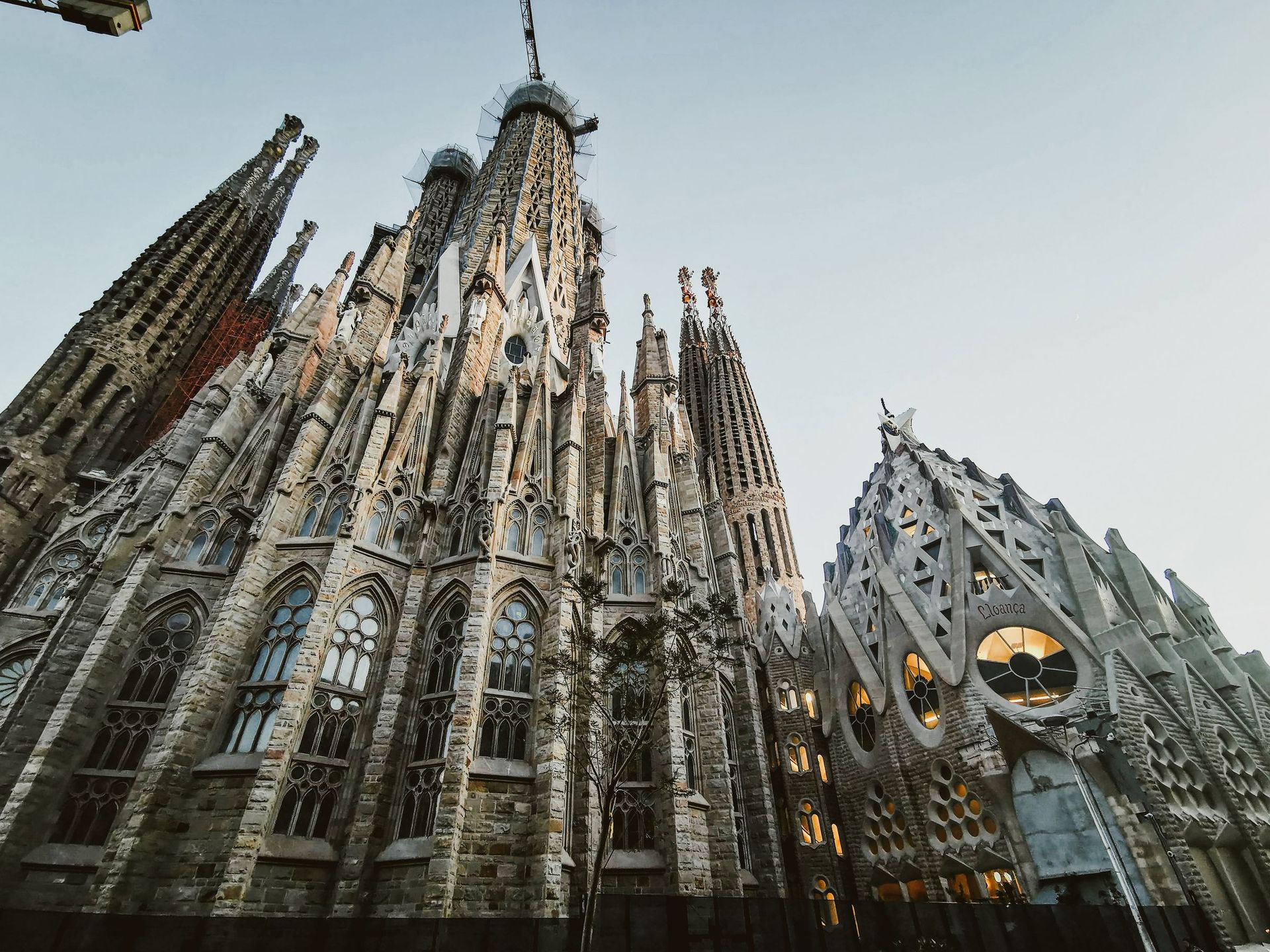
Begun in 1882 and taken over a year later by Antoni Gaudí, who worked on it until a tram killed him in 1926 with a quarter built. Inside, columns branch like a forest canopy and the glass runs from cool blues on the morning side to reds on the evening one. The central tower, topping 170 metres, is the last great piece. Entry is by timed ticket, booked online, and summer days sell out early.