Things to do
6-
Alhambra
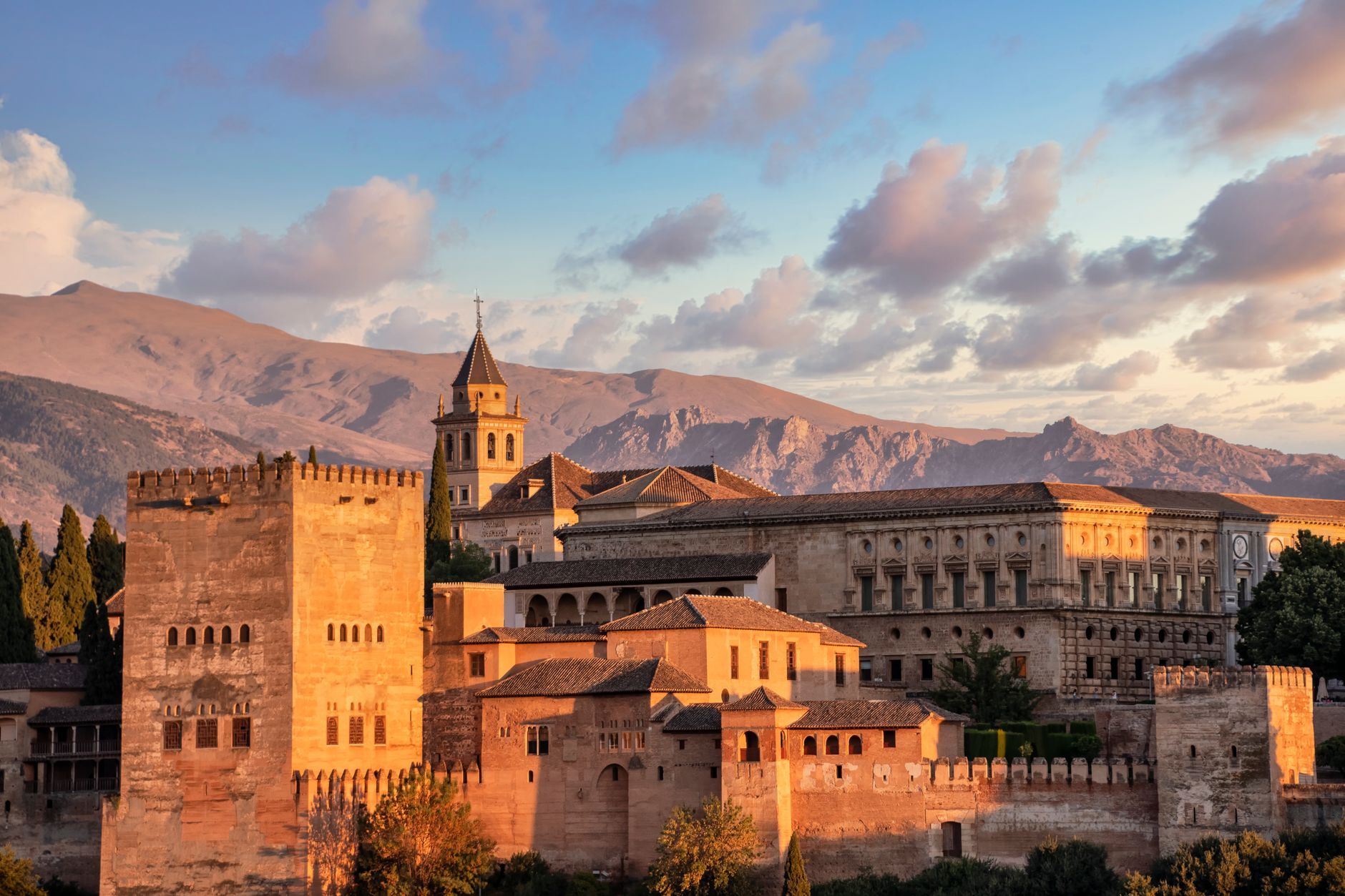
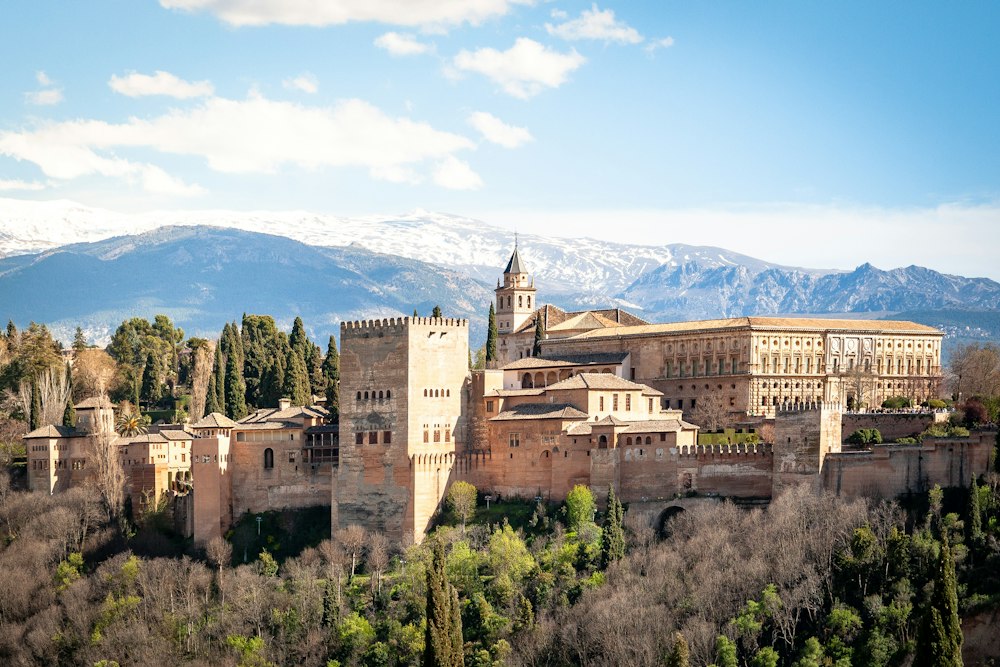
The fortified palace-city of the Nasrid sultans, mostly fourteenth century: rooms of carved stucco and honeycomb vaulting arranged around still pools and the Court of the Lions. The ticket prints a fixed half-hour for entering the Nasrid Palaces, and a missed slot is not honoured. Bring the passport used to book. Tickets regularly sell out weeks in advance, and night visits are sold separately.
-
Granada Cathedral
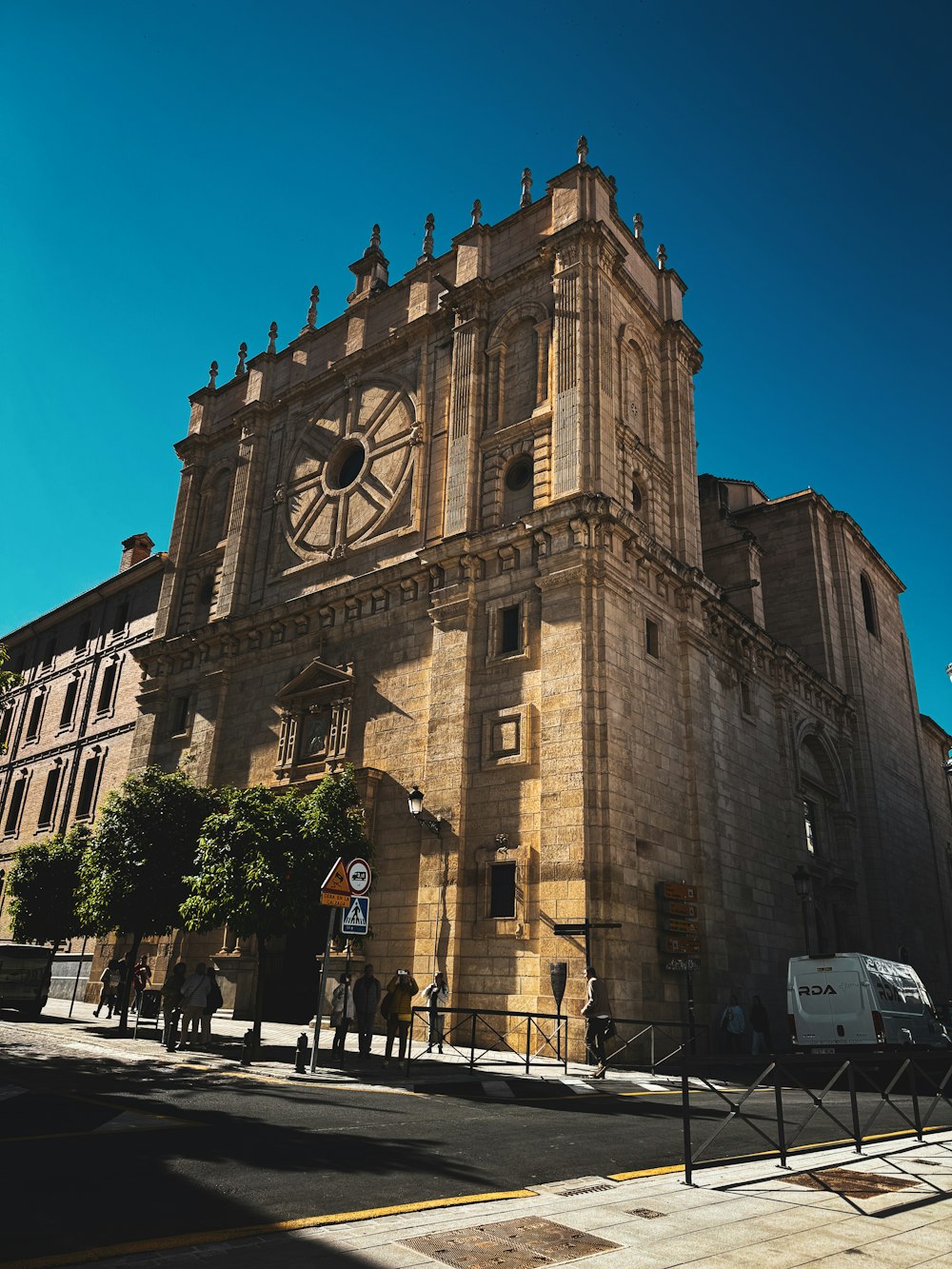
Built over the city's main mosque from 1523 and redesigned five years in by Diego de Siloé, who turned a Gothic plan into the first Renaissance cathedral in Spain. The interior is white, bright and enormously tall, with a circular chancel ringed by stained glass. It took 181 years and one of the two planned towers was never finished.
-
Albaicín
The Moorish quarter on the hill opposite the Alhambra, a tangle of cobbled lanes between whitewashed walls that hide gardens with fruit trees and fountains. The terrace at San Nicolás has the classic sunset view of the palace against the mountains, shared with guitarists and a large crowd. Minibuses climb from Plaza Nueva. The lower lanes are lined with teahouses.
-
Generalife
The sultans' summer retreat, on the slope facing the main palace and included in the general ticket. A long pool lined with arching jets runs the length of the central court, and higher up a stair has water flowing down channels cut into its handrails. The planting is largely twentieth century; the water engineering is medieval. Cypress walks give shade in the afternoon.
-
Royal Chapel
Ferdinand and Isabella chose to be buried in the city whose conquest completed their reign. Marble effigies lie above, and a short stair leads down to the plain lead coffins themselves, visible through a grille. The sacristy holds the queen's crown and sceptre, the king's sword, and her private collection of Flemish panel paintings, including works by Memling and van der Weyden.
-
Sacromonte
A hillside of whitewashed cave houses beyond the Albaicín, settled by the city's Roma after the conquest and the home of zambra, Granada's own form of flamenco. Several caves stage nightly shows, of mixed quality, and a small museum explains how the dwellings work: cool in August, warm in January. The road along the valley gives a fine side view of the Alhambra.