Things to do
7-
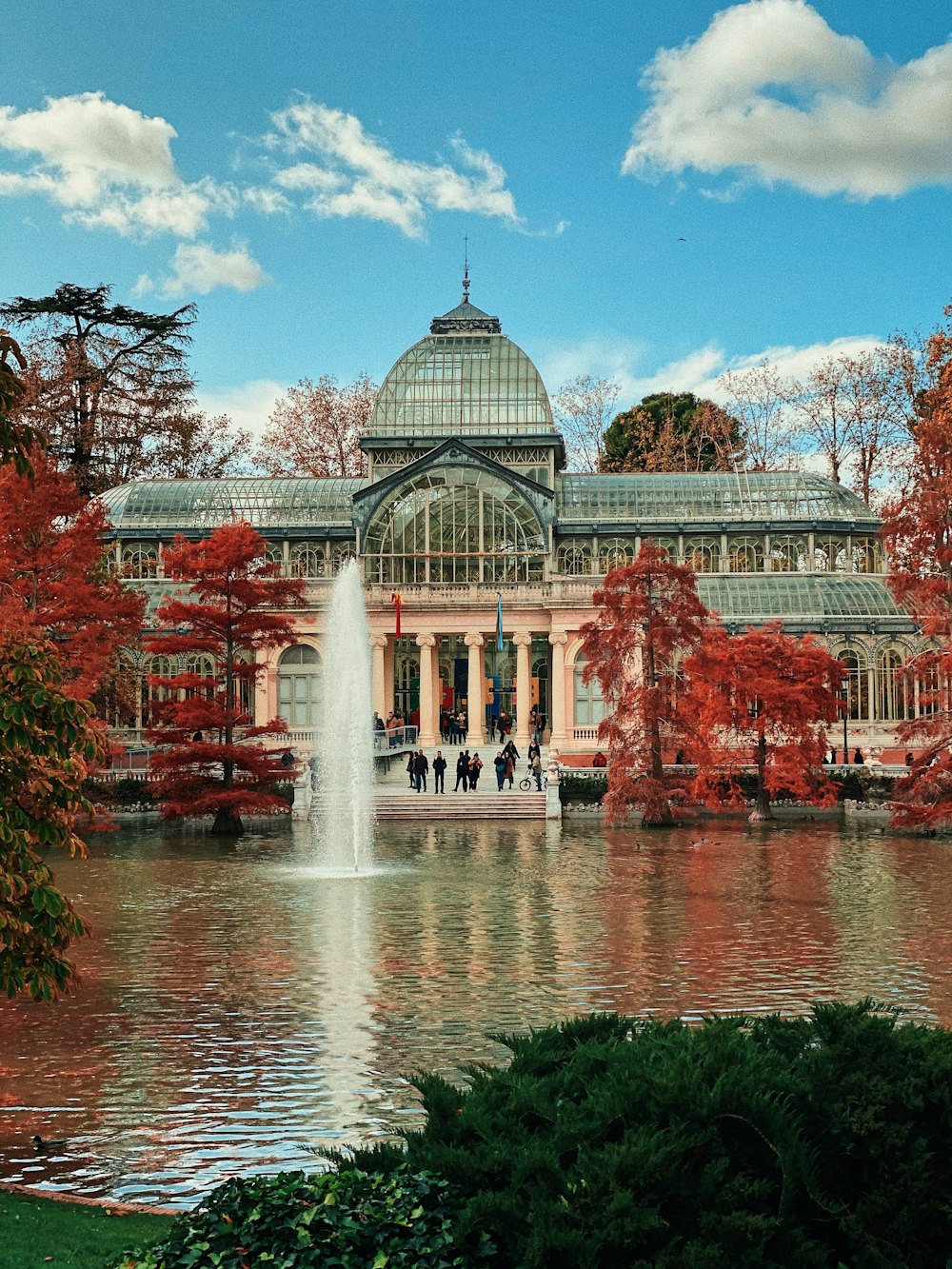
El Retiro Park
The grounds of a vanished royal palace, opened to the city in 1868 and now its main park, listed by UNESCO in 2021 together with the boulevard of museums beside it. Rowing boats circle a lake under a colonnaded monument. An iron and glass pavilion built for a colonial exhibition hosts contemporary art. On Sunday mornings half of Madrid is here with a pushchair.
-
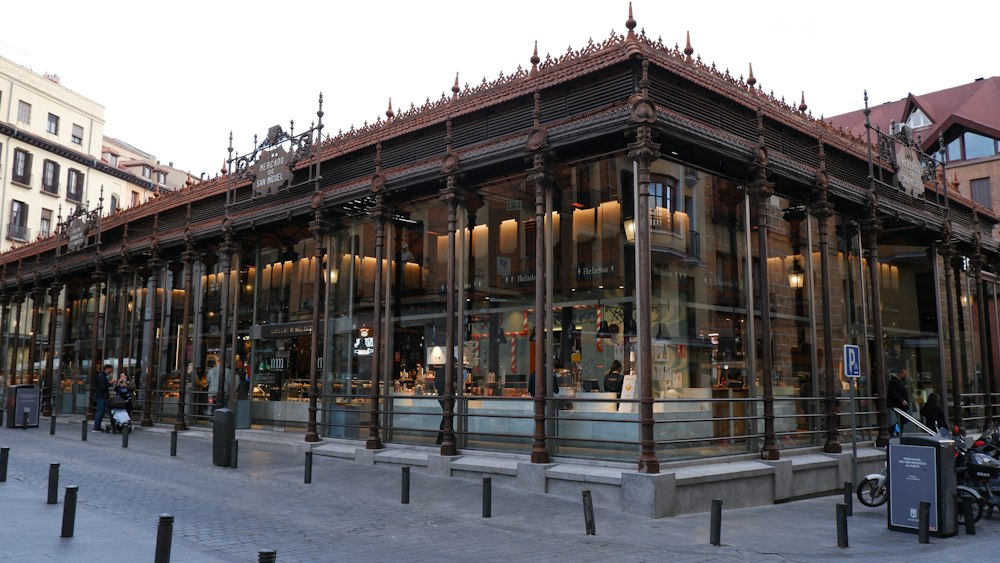
Mercado de San Miguel
The last of Madrid's iron market halls, put up in 1916 beside the Plaza Mayor and reopened in 2009 as a hall of counters selling oysters, croquettes, vermouth on tap and ham carved to order. It is a place to graze, plate by plate, and an expensive one. Weekend evenings are shoulder to shoulder. Mid-afternoon on a weekday is comfortable.
-
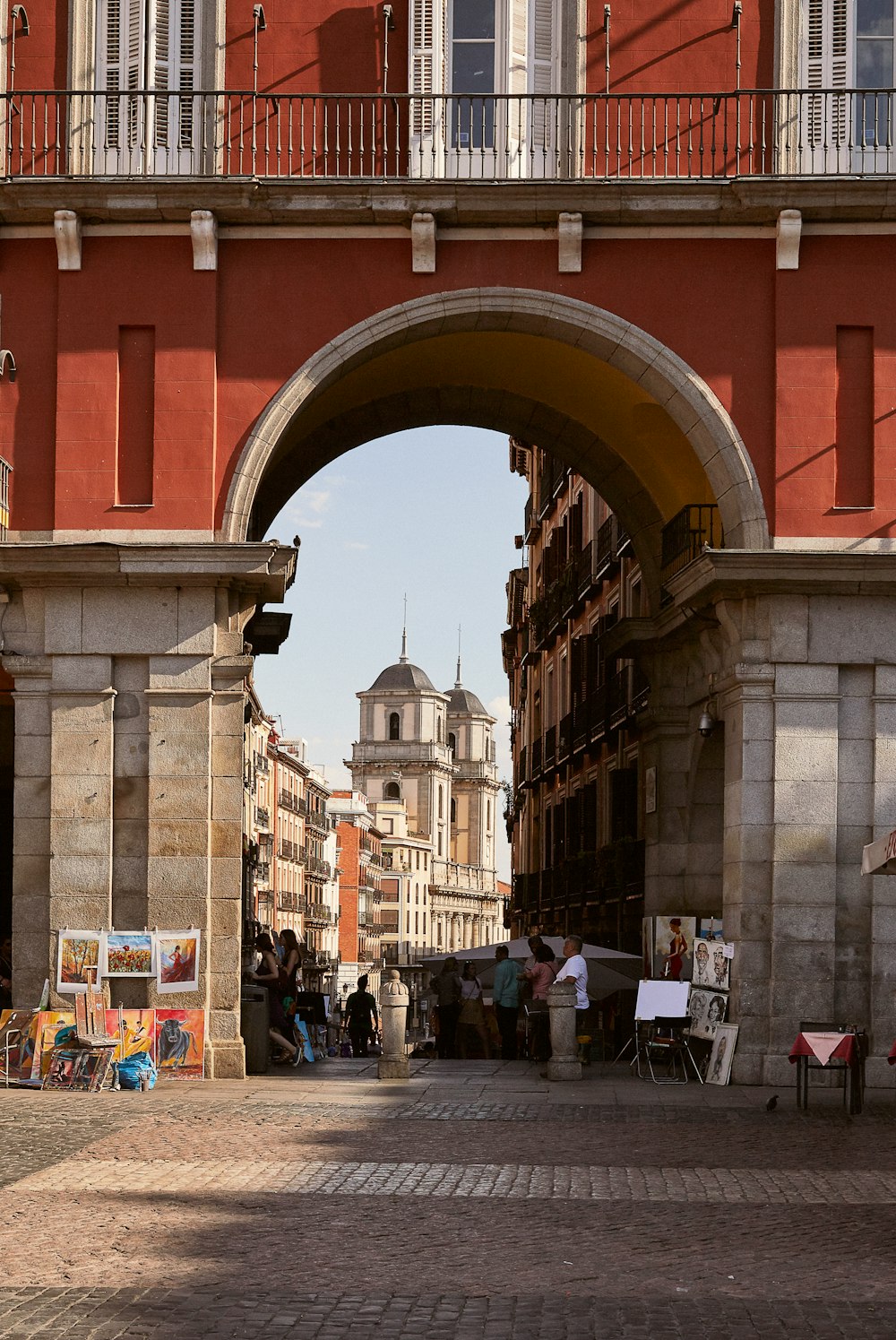
Plaza Mayor
An enclosed arcaded square finished in 1619, with over two hundred balconies from which the court watched bullfights, coronations and the trials of the Inquisition. Nine arched gateways lead in. The terrace cafés charge for the setting. The local habit is a fried squid sandwich from one of the bars just outside the arches, eaten standing. A Christmas market fills it in December.
-
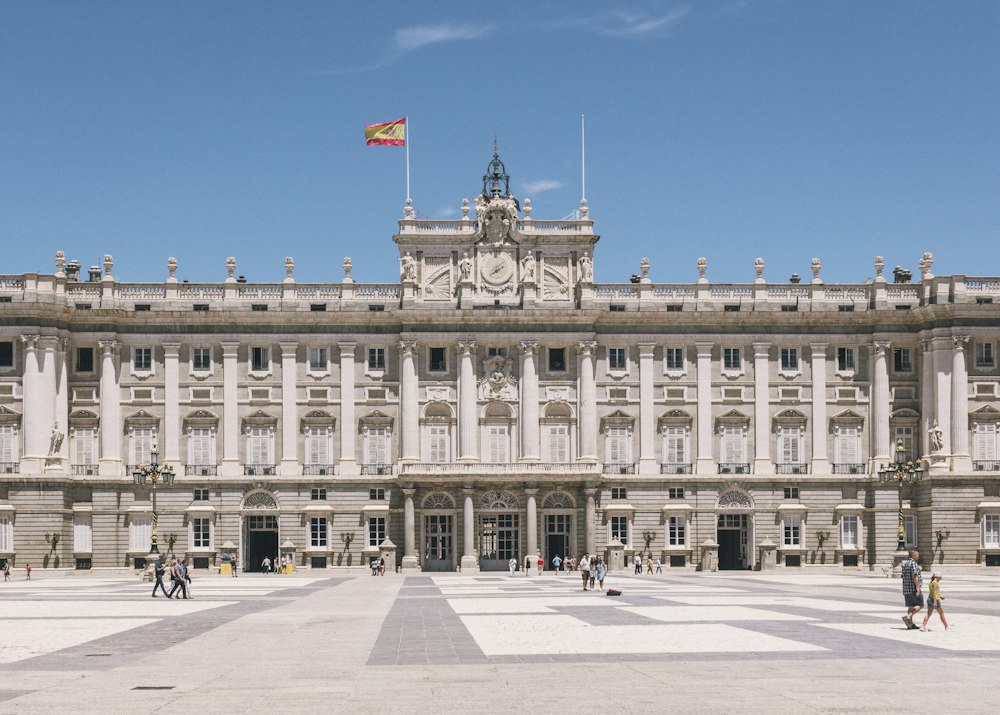
Royal Palace
After the old fortress burned on Christmas Eve 1734, the Bourbons replaced it in stone so it could not burn again, on a scale of over three thousand rooms. The royal family lives elsewhere and uses it for state occasions, when it closes without much notice. The throne room, a Tiepolo ceiling, a quartet of Stradivarius instruments and the armoury are on the visitor route.
-
Museo del Prado
The Spanish royal collection, opened to the public in 1819, and unmatched for the painters the kings favoured: Velázquez, Goya, Titian, Rubens, Bosch. Las Meninas hangs at the centre of the main floor. Goya's Black Paintings, lifted from the walls of his own house, fill a dim room downstairs. Entry is free for the last two hours of each day, with queues to match.
-
Museo Reina Sofía
An eighteenth century hospital converted to hold Spain's modern art, with glass lifts bolted to the front. Picasso's Guernica is the reason most visitors come. Painted in Paris in 1937, it stayed abroad at the artist's insistence until democracy returned, arriving in 1981. The surrounding rooms of sketches, photographs and civil war posters make sense of it. Dalí and Miró are well shown too.
-
Thyssen-Bornemisza Museum
A private collection assembled by a steel baron and his son, bought by the Spanish state in 1993 and hung in a palace facing the Prado. It covers what the other two museums lack: early Italian gold-ground panels, Dutch interiors, Impressionists, German Expressionism, Hopper and American pop. Start on the top floor and walk down through seven centuries in order.