Things to do
10-
Merkur
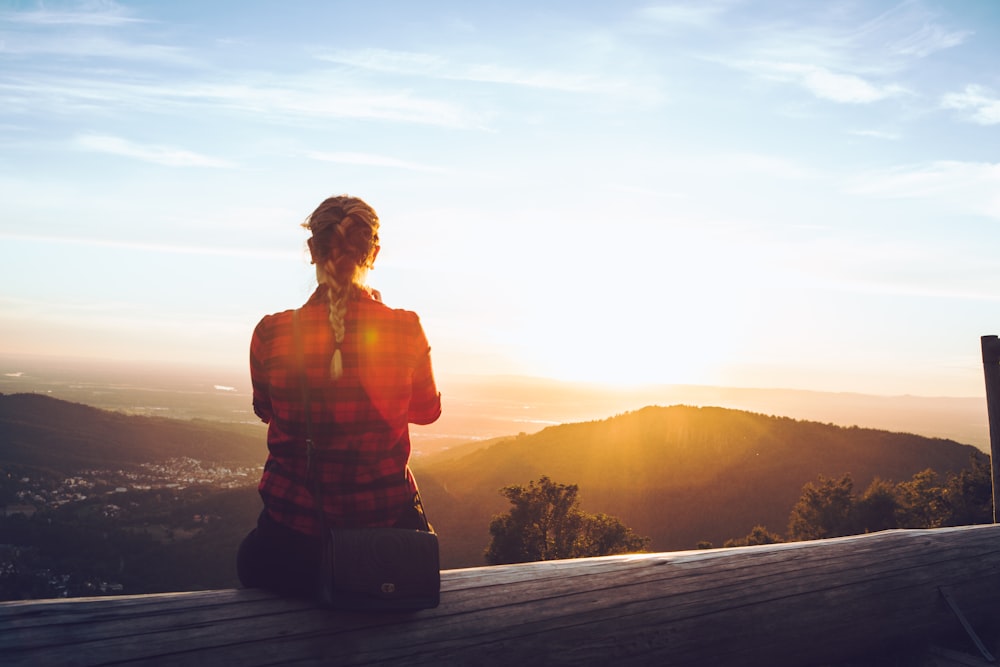
The wooded mountain east of the town at six hundred and sixty-eight metres, reached by a funicular that has run since 1913 on a gradient of up to fifty-four per cent. A tower at the top adds twenty-three metres and takes in the Rhine plain and the Vosges. Paragliders launch from the meadow below it.
-
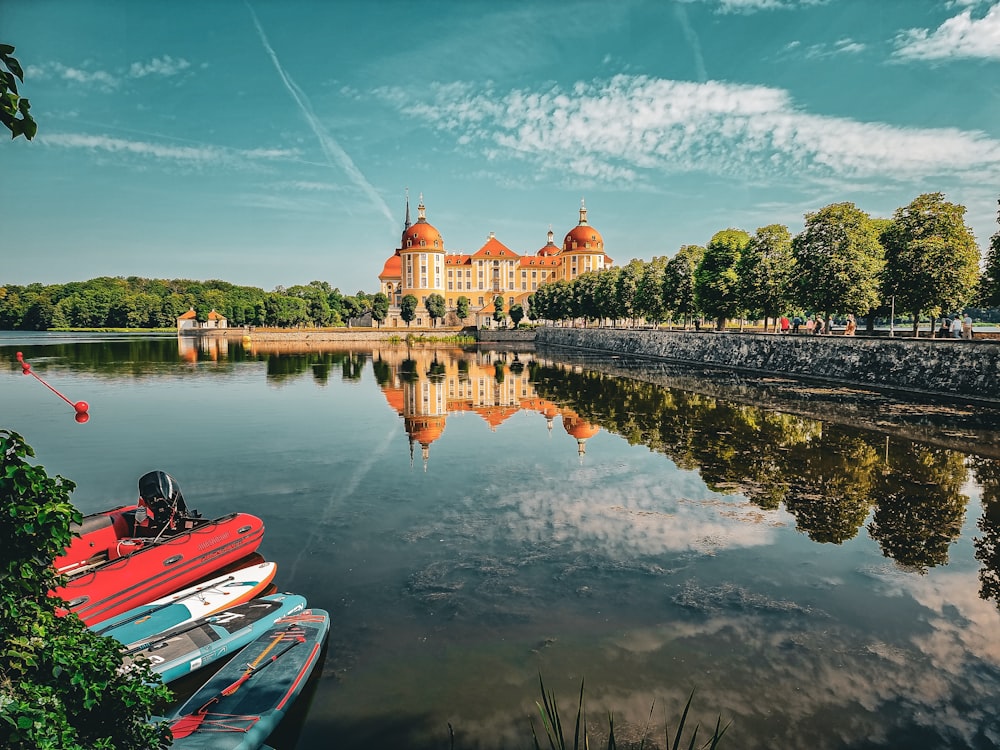
Neues Schloss
The margraves moved down from the ruined old castle to this hillside seat in 1479 and stayed until 1918. A Kuwaiti owner bought it in 2003, and after two decades of stalled plans a hotel conversion is under way. The terrace and the walk up through the vineyard remain open and give the town from above.
-
Caracalla-Therme
The modern spa across the square, opened in 1985, with indoor and outdoor thermal pools, current channels and grottoes, taking swimwear on the ground floor and none in the saunas upstairs. It is the one to choose with children or without an appetite for the Roman-Irish ritual next door. Tickets are sold by the hour.
-
Festspielhaus Baden-Baden
The largest opera and concert house in Germany, seating two thousand five hundred, built in 1998 behind the preserved neoclassical facade of the old railway station. It runs without a resident company or a state subsidy, buying in orchestras and singers, which makes the programme unusually starry. Booking opens a season ahead.
-
Friedrichsbad
A Renaissance-revival bathhouse of 1877 running a fixed circuit of seventeen stations over about three hours: showers, hot air rooms, a soap and brush scrub, thermal pools under a tiled dome and a wrap on a bed at the end. Swimwear is not worn and most days are mixed. Mark Twain's line about forgetting time here is on the wall.
-
Kloster Lichtenthal
Cistercian nuns have lived here without interruption since 1245, which almost no house in Germany can say, having survived the Reformation, secularisation and two wars. The princes' chapel holds the tombs of the margraves of Baden. Part of the abbey is open, the enclosure is not, and the shop sells what the sisters make.
-
Kurhaus Baden-Baden
A Corinthian colonnade of 1824 fronting the casino Marlene Dietrich called the most beautiful in the world, its rooms modelled on Versailles and the Palais Royal. Dostoevsky ruined himself at these tables in 1867. Guided visits run in the mornings before play begins; evenings require a jacket and identification.
-
Lichtentaler Allee
An arboretum along the Oos, laid out from 1655 and planted with about three hundred species including tulip trees and sequoias, running two and a half kilometres from the Kurhaus to the abbey. Queen Victoria and half the Russian aristocracy walked it. It is level, free, and the rose garden sits on the slope above.
-
Museum Frieder Burda
Richard Meier's white pavilion of 2004 on the Lichtentaler Allee, joined by a glass bridge to the older state gallery next door. It holds a publisher's private collection of German expressionism, Picasso and American abstraction, shown in changing hangs rather than a fixed one. Two hours covers both buildings comfortably.
-
Trinkhalle
A ninety-metre colonnade of 1842 with fourteen frescoes of Black Forest legends along its rear wall, built so that guests could walk under cover while drinking the water. A tap at one end still runs the thermal supply, hot and faintly salty. Free, open at all hours, and the tourist office is inside.