Things to do
10-
Alpsee
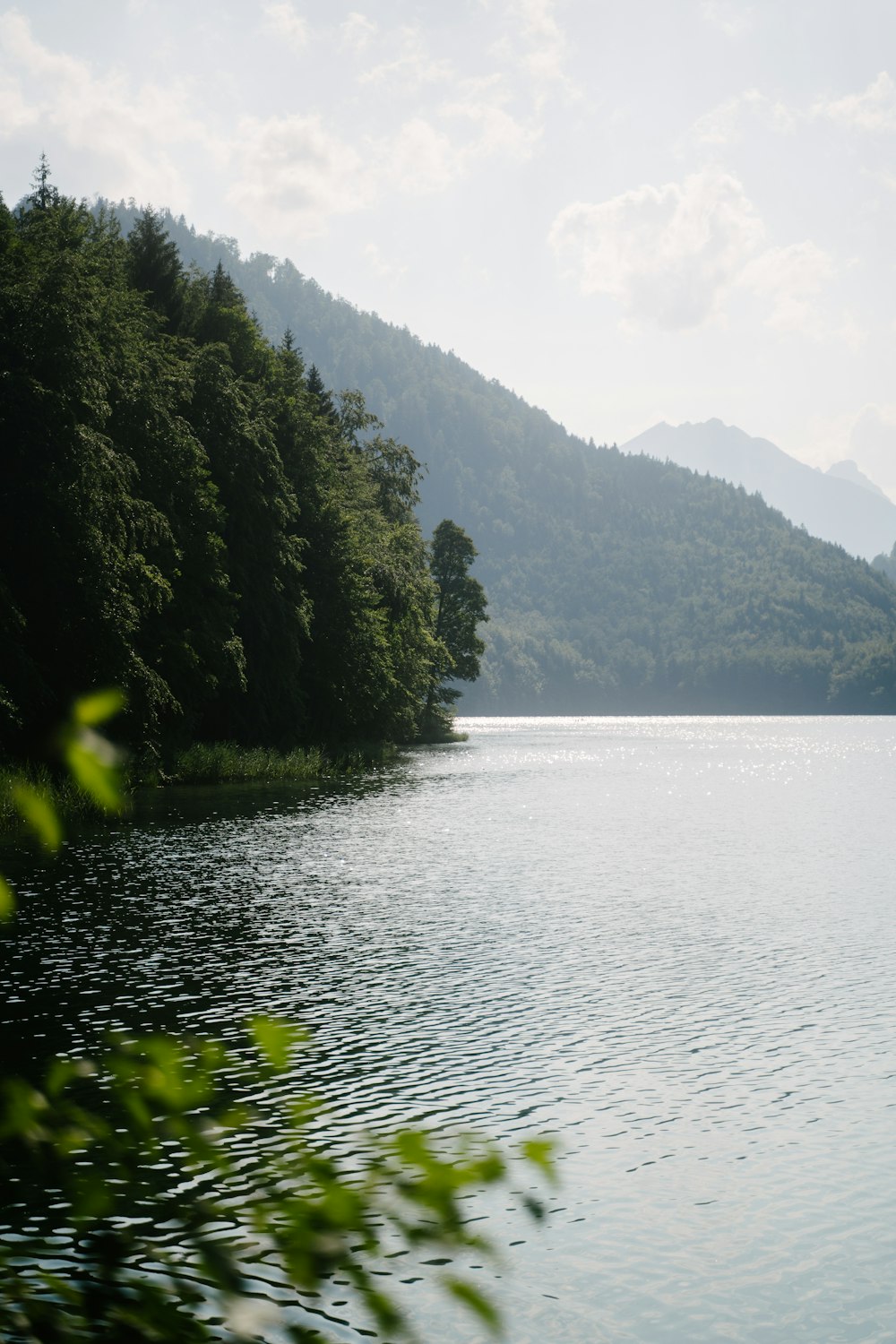
A clear lake under the two castles, ringed by a level path of about five kilometres through woodland that takes ninety minutes and loses the crowds within five. Swimming is allowed and the water is cold. The bathing place on the northern shore has a boat rental and a view straight up at Hohenschwangau.
-
Hohes Schloss
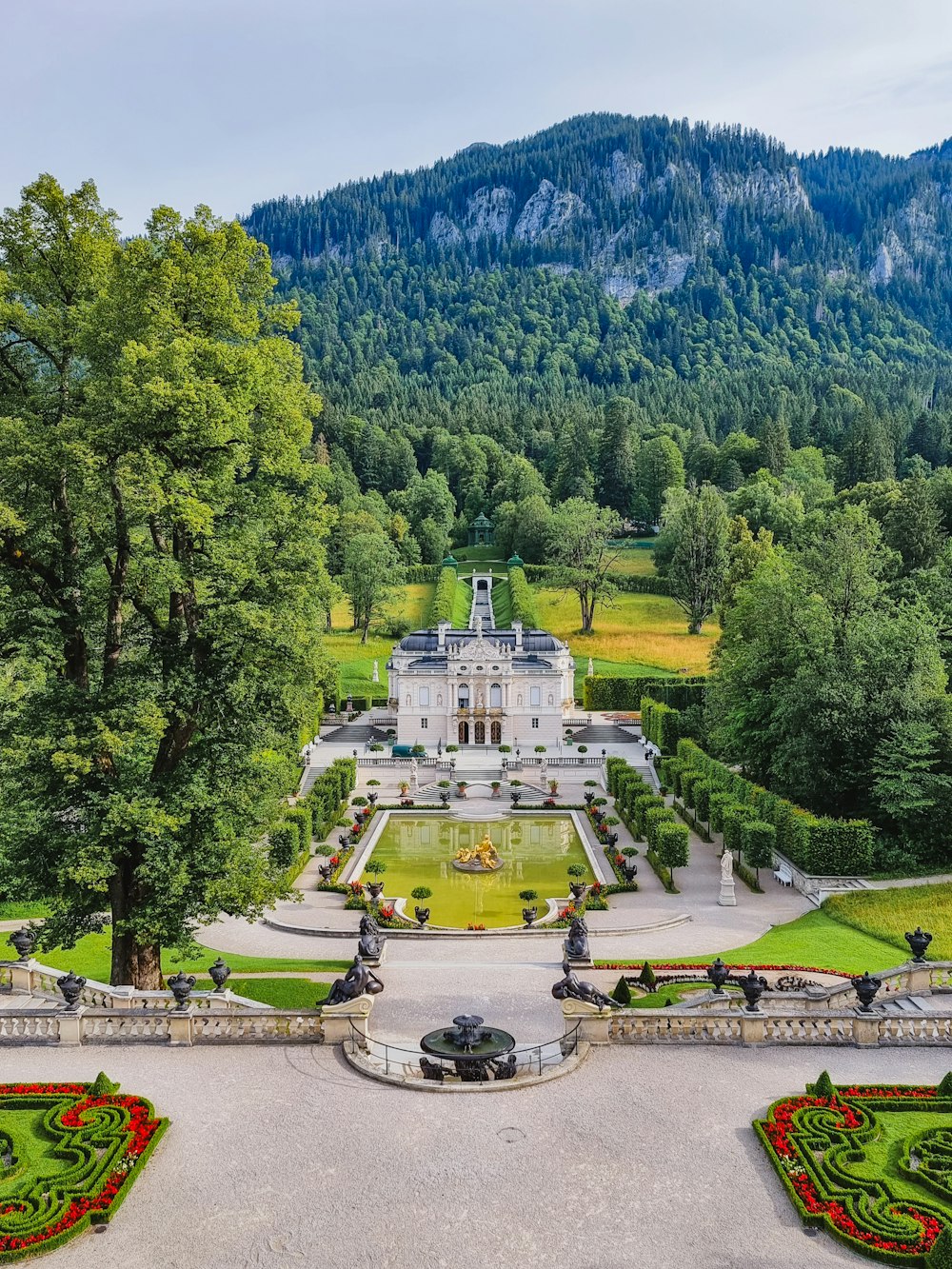
The summer residence of the prince-bishops of Augsburg, above the old town, with a late Gothic courtyard whose windows, oriels and battlements are painted flat onto the walls in trompe l'oeil rather than built. A gallery of Bavarian panel painting occupies the upper floor. The tower opens in season for the valley view.
-
Lechfall
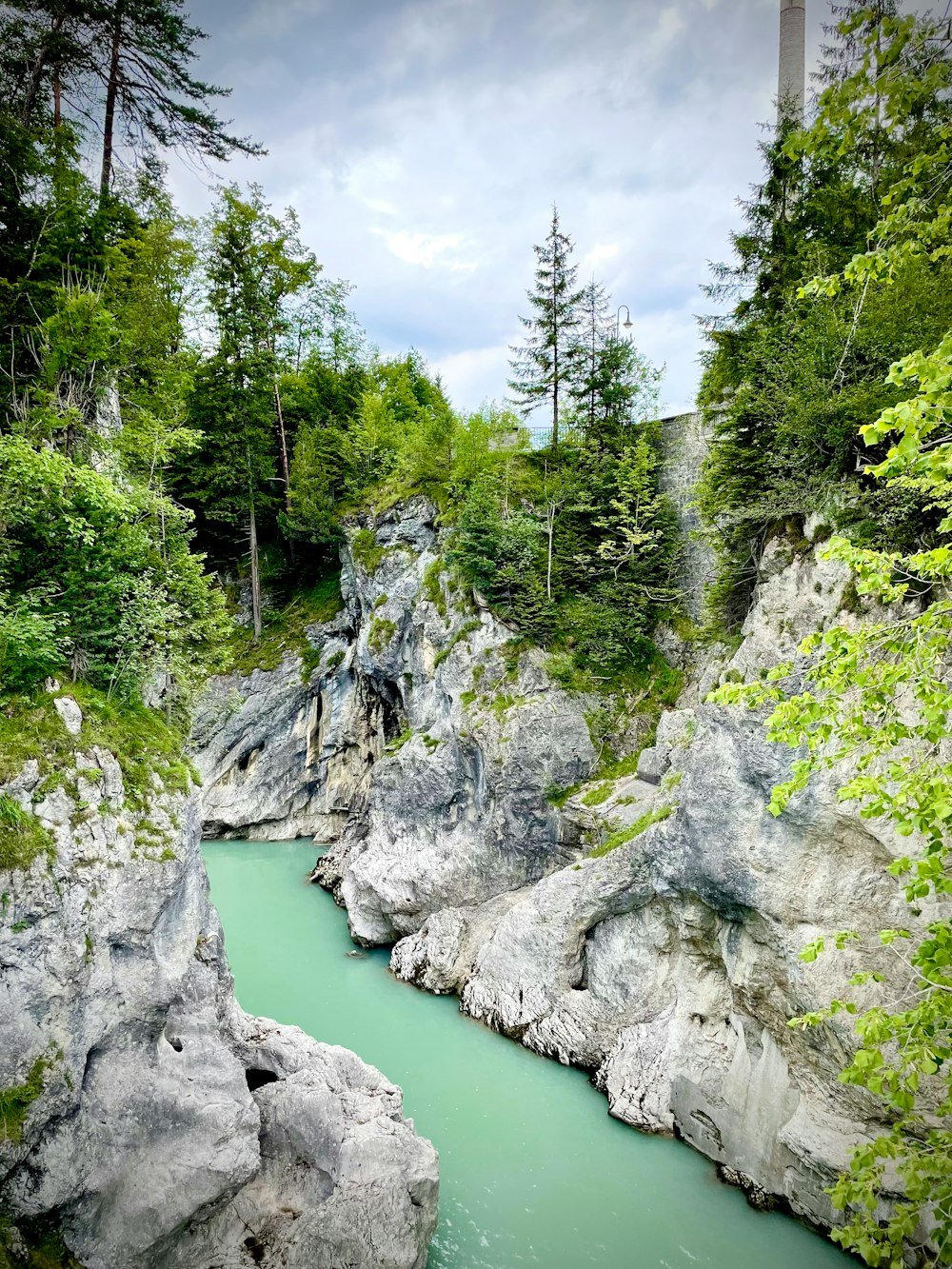
The Lech drops about twelve metres over a stepped weir at the edge of the town and then runs into a narrow limestone gorge, turquoise with rock flour. A footbridge crosses directly above it. It is ten minutes on foot from the old town and free, and the gorge path continues south from there.
-
Schloss Neuschwanstein
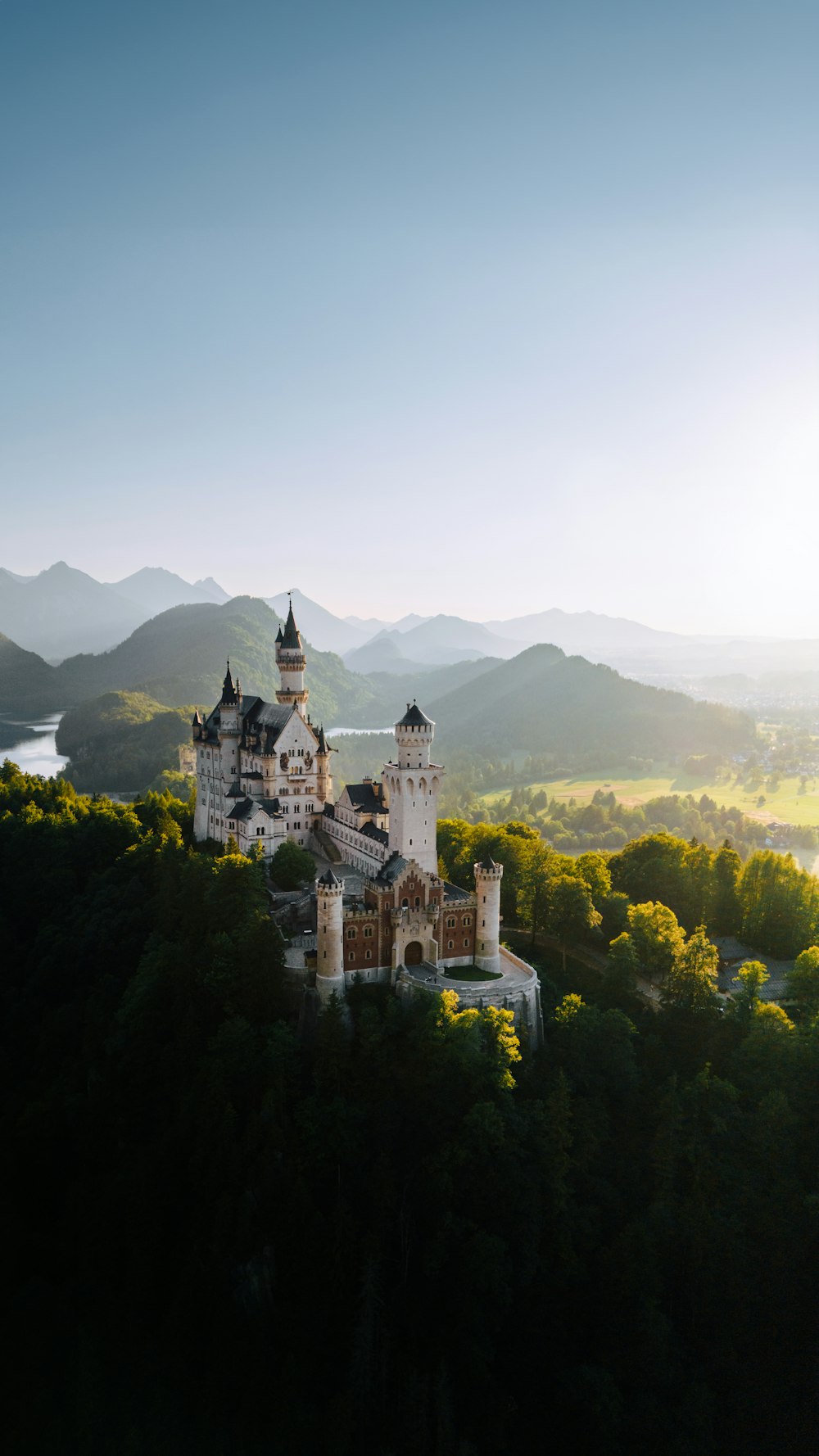
A stage designer drew the first elevations, which explains the building: a Romanesque revival fantasy on a crag, with a throne room modelled on a Byzantine church and a grotto in the corridor. Only fourteen rooms were finished. Timed tickets sell out weeks ahead in summer and the walk up from the ticket office takes forty minutes.
-
Forggensee
A reservoir on the Lech, filled only from June to October and drained for the winter, when a Roman road and the foundations of drowned farms reappear on the mud. Boats sail from Füssen in season and a cycle path of about thirty-two kilometres circles it. The castles stand on the skyline the whole way.
-
Kloster St. Mang
A Benedictine house founded on the grave of an eighth-century missionary, rebuilt in baroque in the 1720s and now the town museum. Its collection covers the lute and violin makers who worked here from the fifteenth century, the earliest such trade north of the Alps. A painted dance of death runs round the Anna chapel.
-
Marienbrücke
An iron footbridge thrown across the Pöllat gorge at ninety metres for Ludwig's mother, and the one place the famous view of Neuschwanstein is taken from. It closes in ice and for repairs, sometimes for whole seasons. Numbers are capped, the queue is long in summer and there is no way to hurry it.
-
Museum der bayerischen Könige
On the Alpsee shore below the castles, covering the Wittelsbach dynasty rather than Ludwig alone: seven hundred years of it, ending with the family's own account of the deposition and the death in the Starnberger See. The king's coat and a fold-out banqueting table are here. It answers questions the castle tours leave open.
-
Schloss Hohenschwangau
The yellow castle on the lower hill, rebuilt from a ruin by Ludwig's father in the 1830s and the house the king actually grew up in, its walls painted with the swan-knight legends that produced Wagner and then the castle opposite. Furnished as the family left it. Quieter, smaller and more revealing than its neighbour.
-
Tegelbergbahn
A cable car climbing to seventeen hundred and twenty metres on the ridge east of the castles, in use since 1968 and a main launch site for paragliders, who leave from the platform in numbers on any thermal day. Marked paths and a summit house sit at the top. Roman villa foundations lie beside the valley station.