Things to do
12-
Brühlsche Terrasse
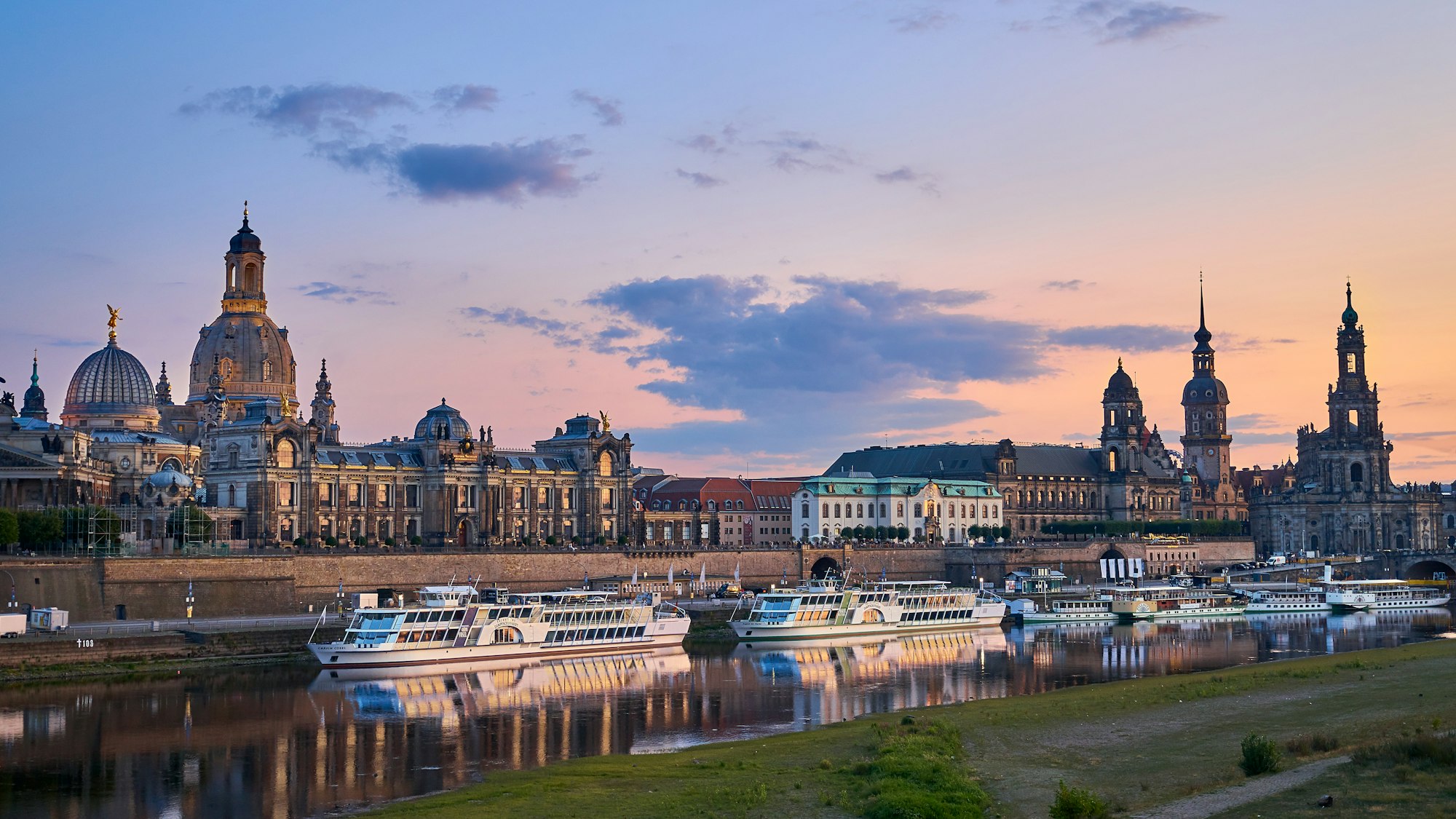
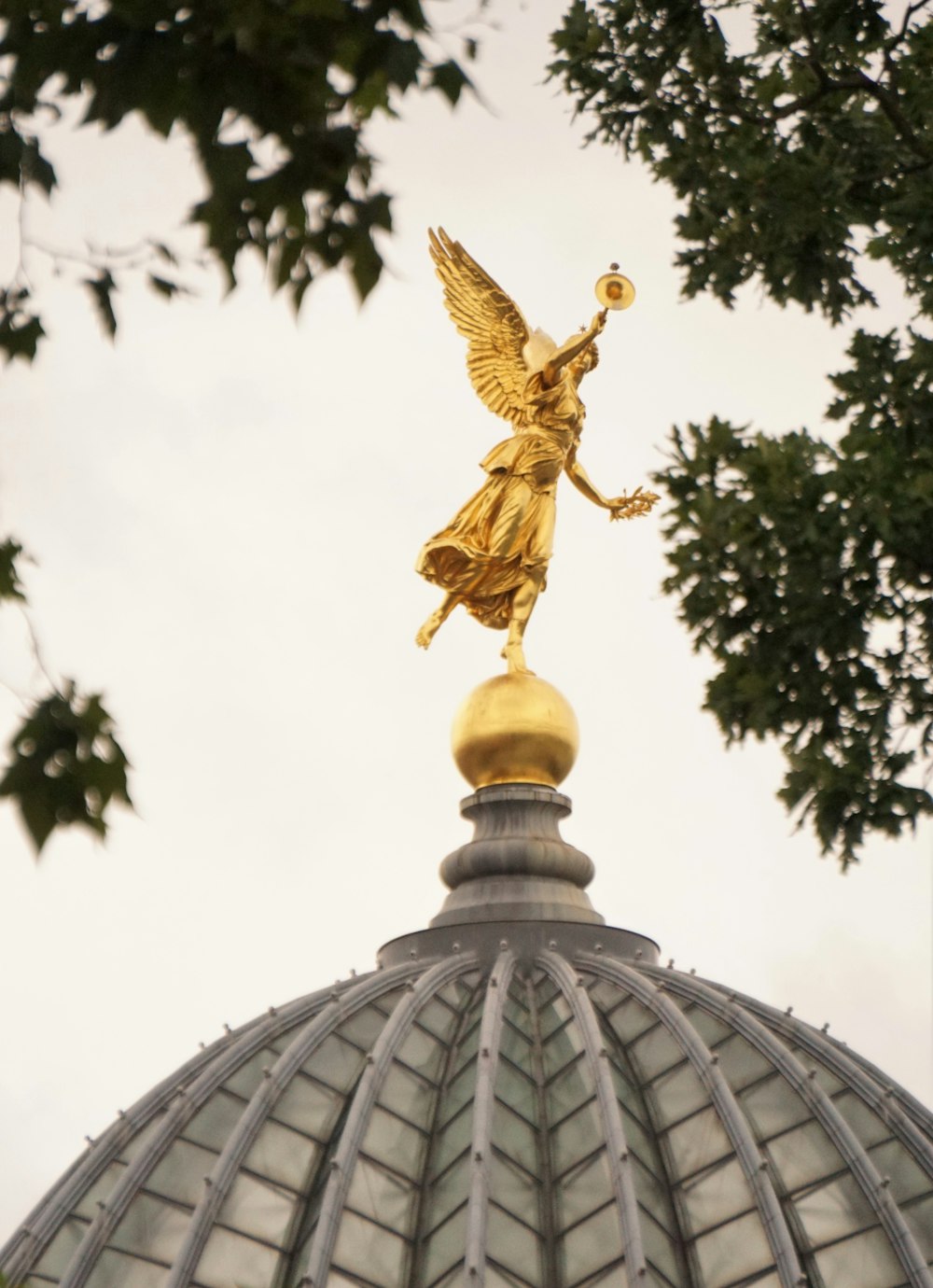
A stretch of the old ramparts turned into a private garden by a count in 1739 and opened to the public in 1814, running five hundred metres above the Elbe with the art academy's glass dome at one end. Goethe called it the balcony of Europe. Steamers moor below and the cafes on it are priced accordingly.
-
Frauenkirche
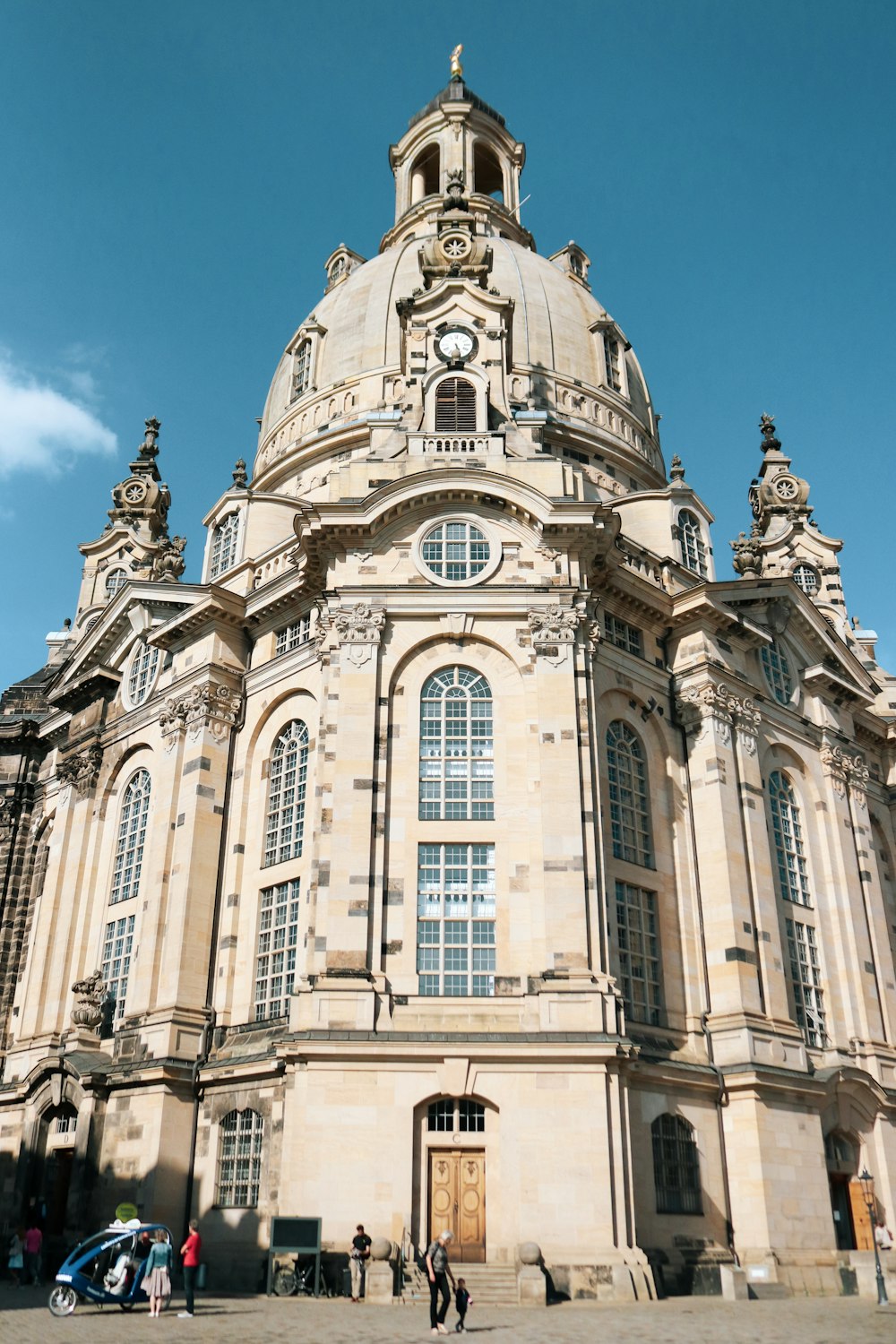
A Protestant church of 1743 whose stone dome stood for two days after the raids before collapsing, rebuilt from 1994 using computer-matched fragments recovered from the pile. The dark blocks in the pale facade are those originals. The cross on top was made by a British silversmith whose father flew in the raid.
-
Residenzschloss Dresden
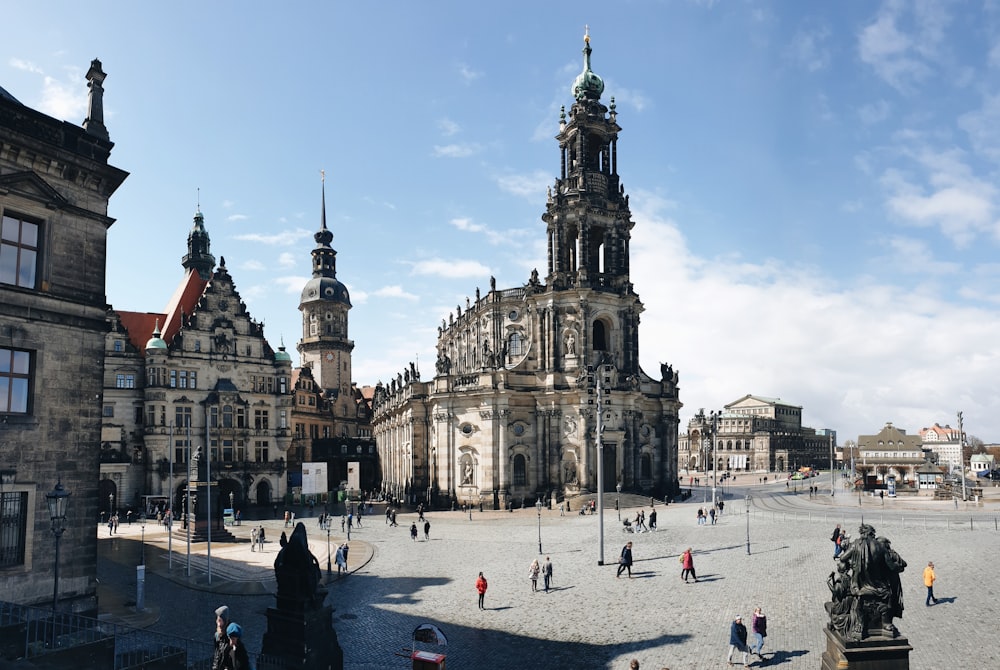
The Wettin seat for four centuries, burnt out in 1945 and rebuilt slowly from 1985, now holding the treasury, the armoury, the Turkish chamber and the print room under one ticket. The Turkish collection is the largest outside Istanbul and includes a full three-masted tent. Allow a long afternoon.
-
Semperoper
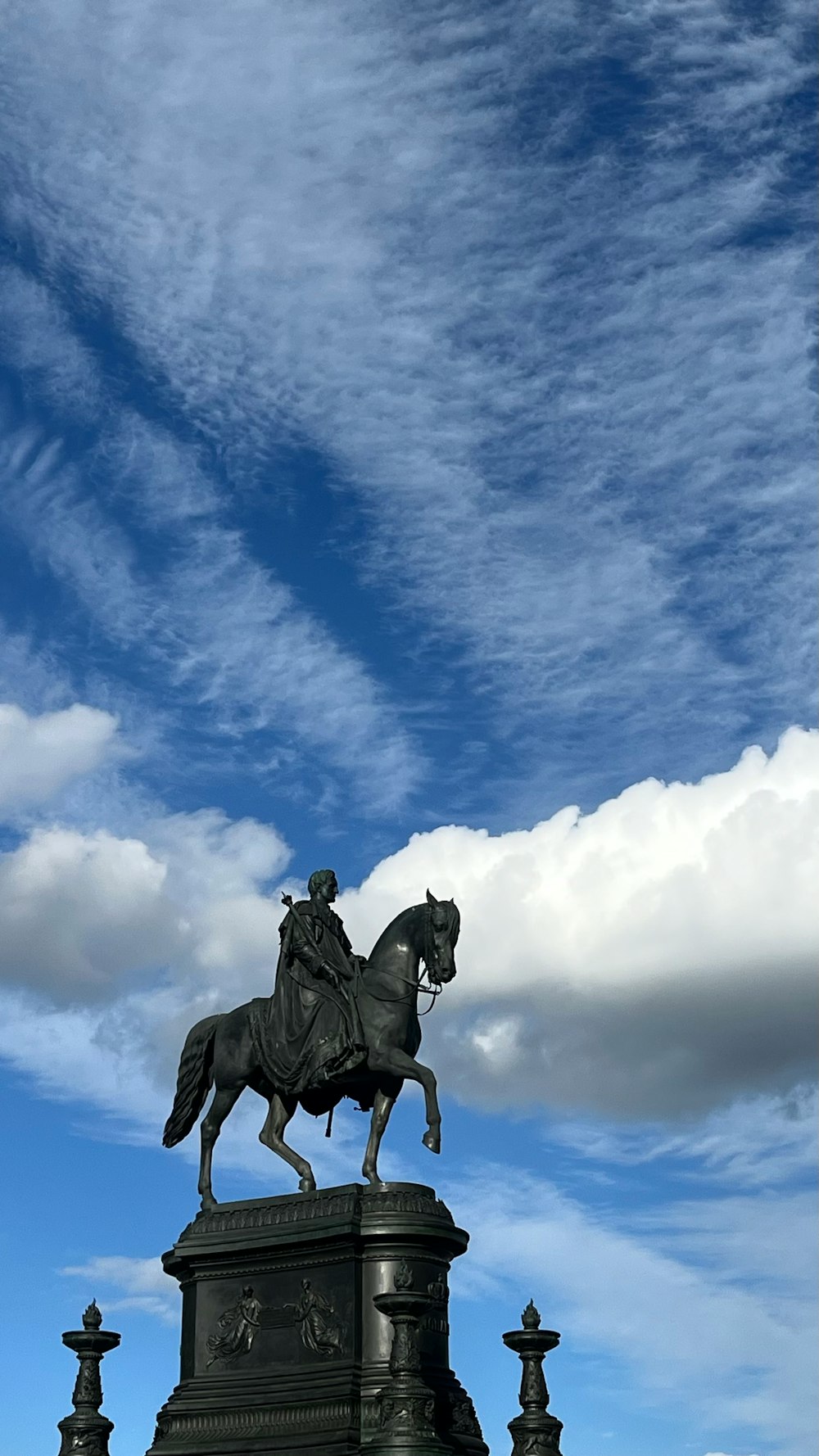
Gottfried Semper's opera house, burnt in 1869, rebuilt, destroyed in 1945 and reopened in 1985 with the same work that was playing the night it closed. Wagner and Strauss both premiered here. Guided tours run in the mornings when there is no rehearsal, and they go into the auditorium.
-
Fürstenzug
A hundred metres of wall showing thirty-five Saxon rulers on horseback, painted in 1876 and transferred to about twenty-three thousand Meissen porcelain tiles in 1907 so the weather would stop eating it. That decision saved it: the tiles came through 1945 almost intact. It is on the outside of the castle stables and free.
-
Gemäldegalerie Alte Meister
Augustus III bought most of this in bulk in the 1740s, including a hundred paintings from the Duke of Modena in one transaction. Raphael's Sistine Madonna is the centrepiece, with the two bored cherubs at the bottom that have escaped onto every mug in Europe. Vermeer, Giorgione and Canaletto's views of the city follow.
-
Grünes Gewölbe
The Saxon treasury, in two parts: the historic vaults restored to Augustus the Strong's arrangement of 1730 with objects on open shelves and no cases, and a modern hall next door with the pieces lit individually. Timed tickets are compulsory for the historic rooms. A 2019 burglary took several sets; some have been recovered.
-
Katholische Hofkirche
Built from 1739 for a Saxon elector who converted to Catholicism to take the Polish crown, in a Protestant city that resented it, which is why the entrance faces the palace and not the square. Seventy-eight saints stand on the balustrade. The crypt holds the Wettin hearts, and a Silbermann organ survived the war in storage.
-
Kunsthofpassage
Five linked courtyards in the Neustadt, each given to a different artist in the late 1990s: one hung with metal funnels and gutters that play when it rains, one blue with mirrors, one yellow with light. Shops and cafes occupy the ground floors. It sits in the alternative quarter across the river.
-
Militärhistorisches Museum der Bundeswehr
Daniel Libeskind drove a steel wedge through a nineteenth-century arsenal in 2011, pointing at the district where the firebombing began, and the building is the argument. Inside, the chronological wing and a thematic one on violence and society cross each other. It is unusually unflattering about its own subject.
-
Schloss Pillnitz
A summer palace upriver in a Chinese manner as the eighteenth century imagined it, with upturned roofs and painted galleries, reached by paddle steamer in about ninety minutes. Its garden holds a camellia brought from Japan in 1801 that is now nine metres across and gets a mobile glasshouse over it each winter.
-
Zwinger
An orangery and festival court of 1728, built for a single wedding and never given the fourth side it was designed to have, with pavilions of carved sandstone around a formal garden. Three museums sit in the wings: the old masters, the porcelain and the mathematical and physical salon. The courtyard is free and open at all hours.