Things to do
16-
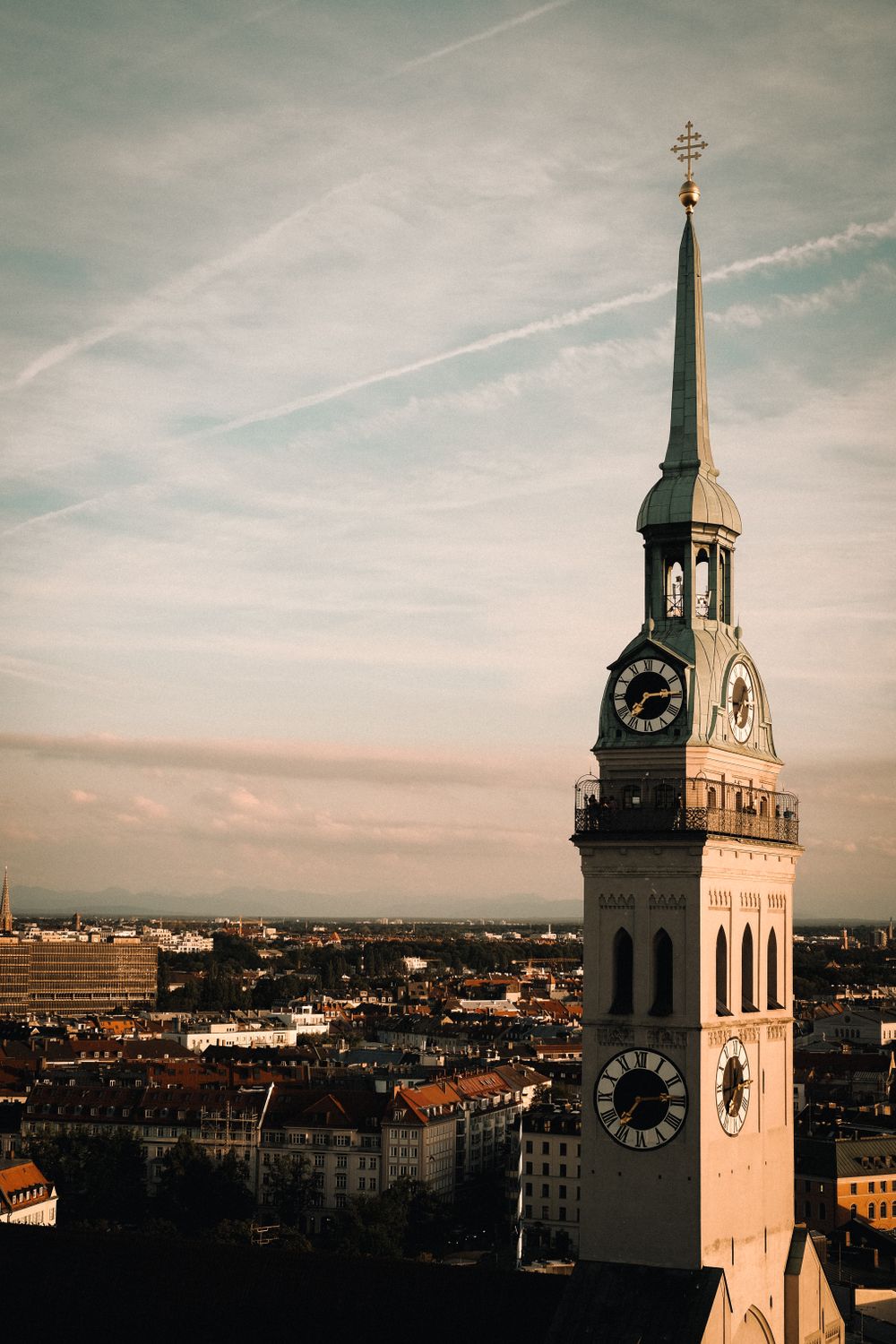
Alter Peter
The tower of St Peter’s Church stands a short walk from Marienplatz and is climbed by about three hundred steps, many of them steep. From the platform the view runs all the way round the old town. The tower shuts in high wind or heavy rain, and the church posts closures on its own website, which is the place to check the night before a climb.
-
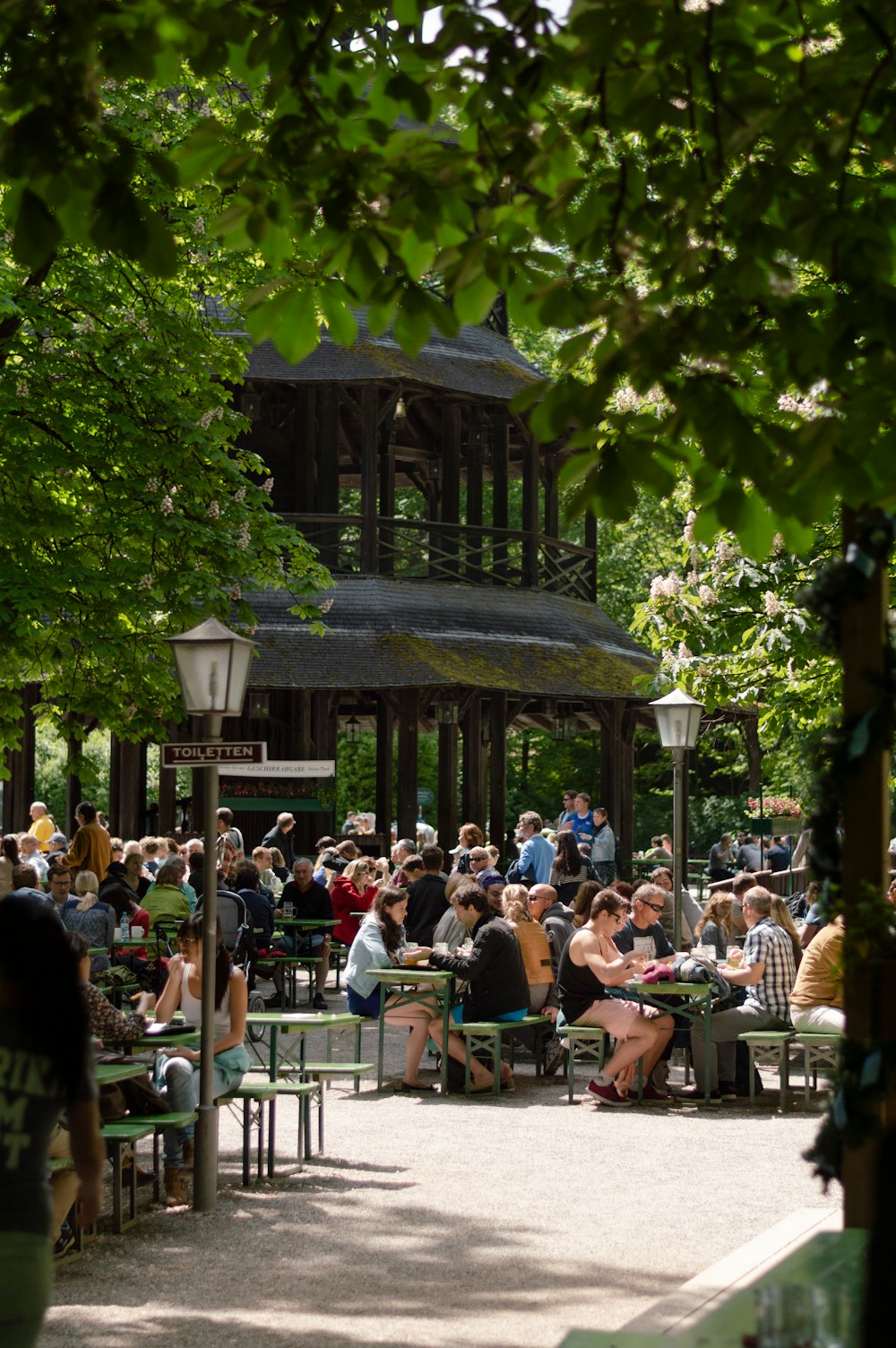
Englischer Garten
Three and a half square kilometres of parkland laid out from 1789 and open to all classes from the start, which was the political point. A standing wave on the Eisbach at the southern entrance is surfed all year, including in snow. Beer gardens sit under the Chinese tower and by the Kleinhesseloher lake.
-
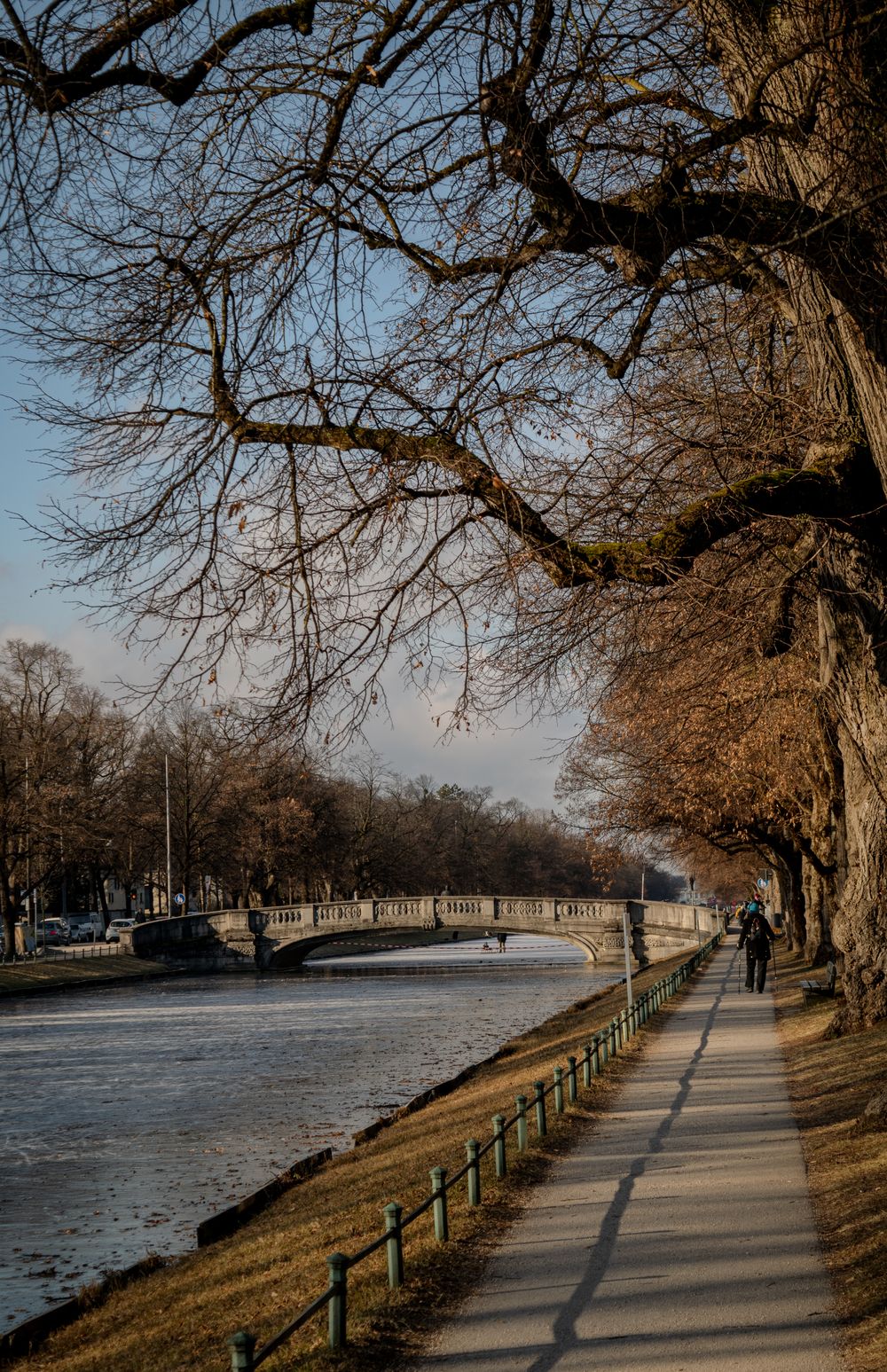
Isar
The river runs through the centre a short walk east of Marienplatz. A riverside path starts at the Ludwigsbrücke and follows the water south, flat and easy underfoot the whole way. It is the quickest way out of the old town's traffic and onto open ground beside the river.
-
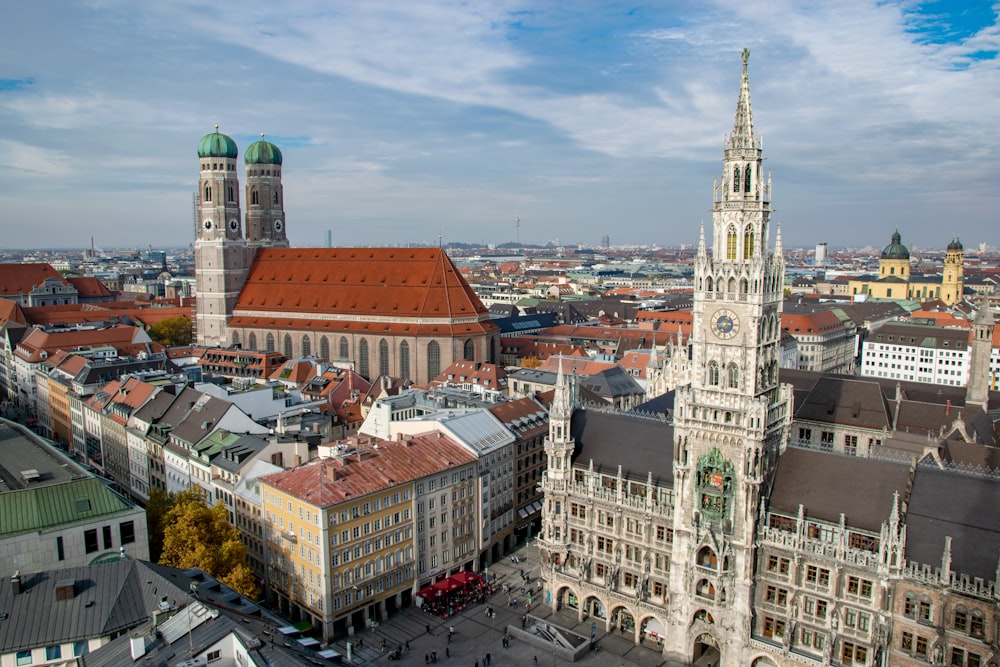
Marienplatz
The market square since 1158 and still the centre of everything, with a neo-Gothic town hall on the north side whose carillon performs at eleven and noon: forty-three bells, thirty-two figures, a jousting tournament and a coopers' dance that takes fifteen minutes. The column in the middle was raised in 1638 for surviving Swedish occupation.
-
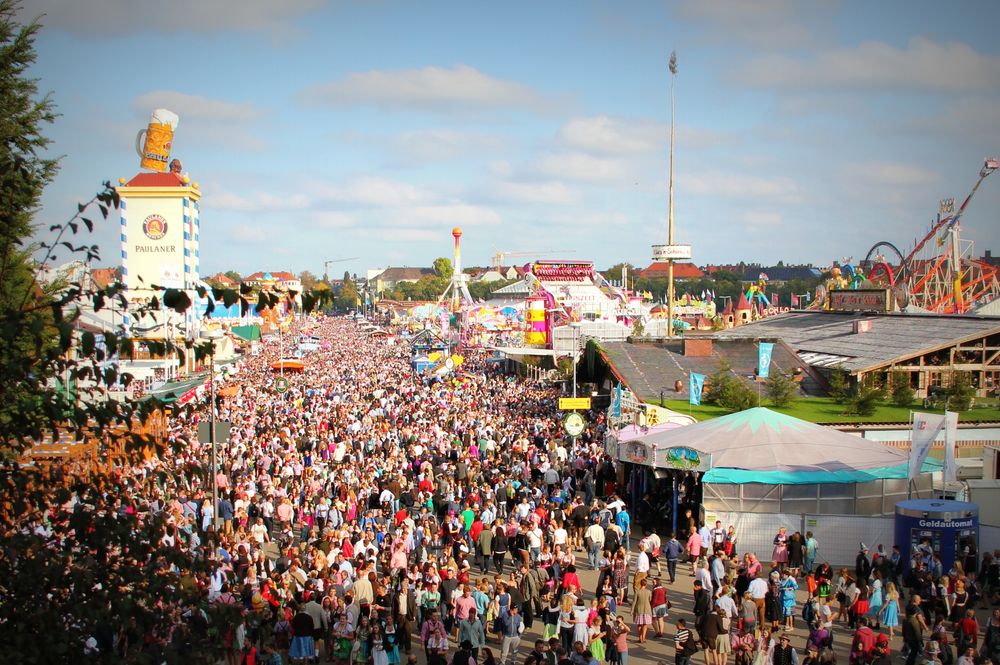
Oktoberfest
Go on a weekday and be at a big tent's door by ten: unreserved benches are easy to find, the band starts at noon, and you never need a reservation. Evenings and weekends are when the doors shut.
View more → -
Olympiapark
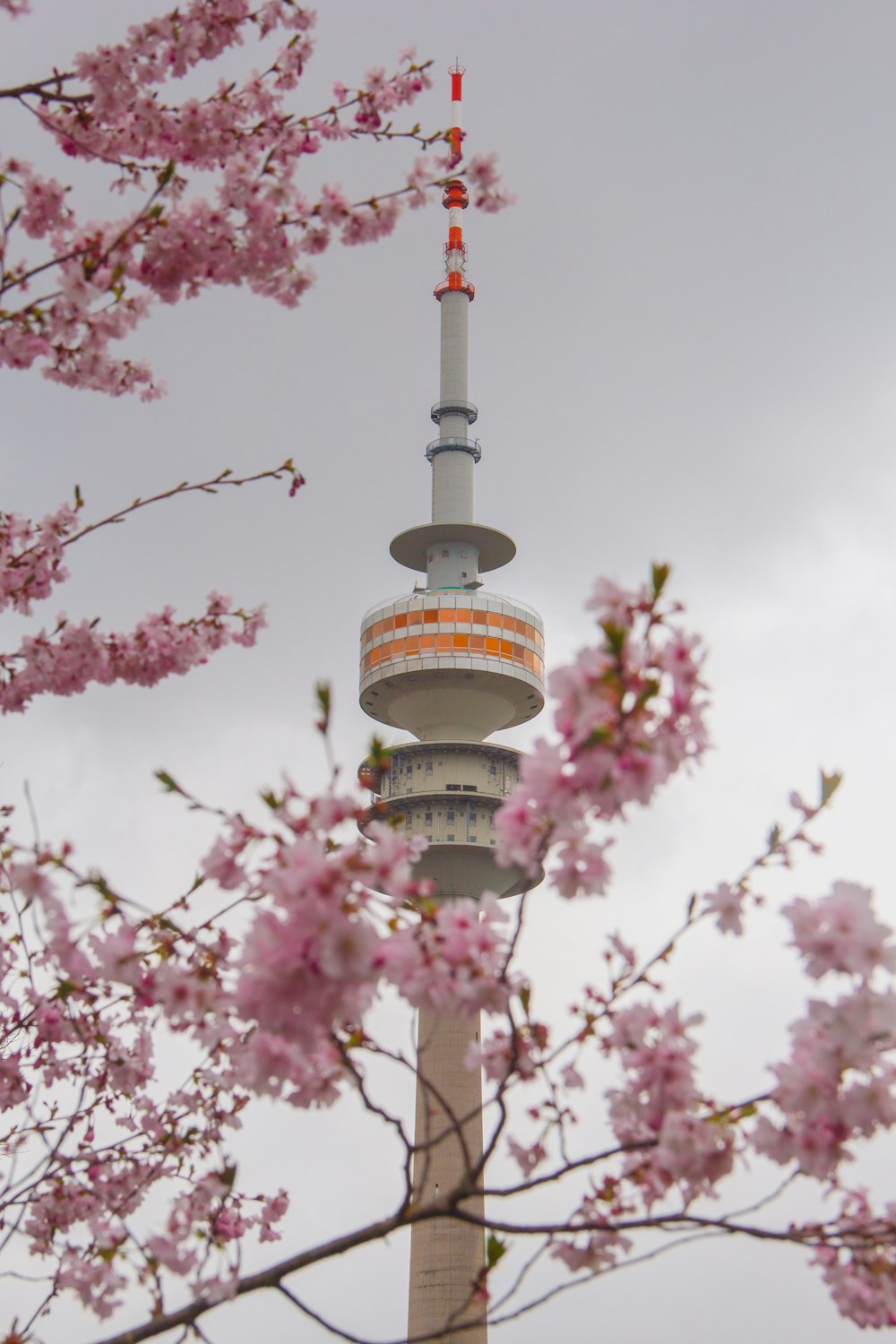
Built on wartime rubble for the 1972 games, with Frei Otto's tented acrylic canopy sweeping over the stadium and pool on cables, an engineering answer to the monumentalism of Berlin in 1936. A memorial marks the eleven Israeli athletes murdered here. The hill gives the Alps on a clear day and the roof can be walked.
-
Schloss Nymphenburg
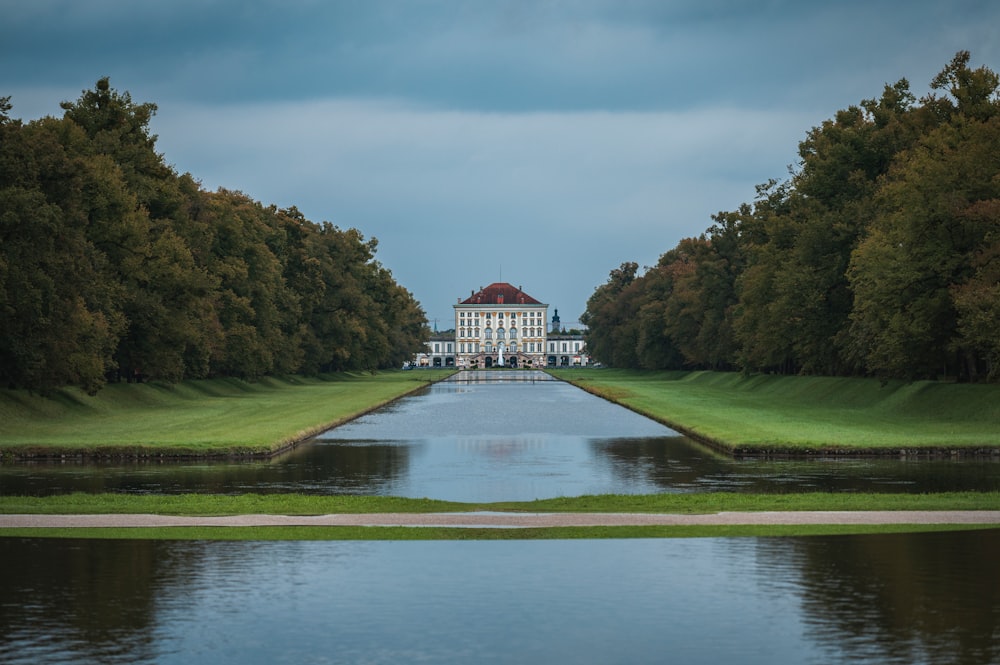
A summer palace begun in 1664 and stretched to a front of over six hundred metres, with a canal running away from it in both directions. Ludwig the First's gallery of beauties hangs in the main block. The park behind holds four smaller pavilions, one of them a mirrored rococo hunting lodge that is the best thing here.
-
Viktualienmarkt
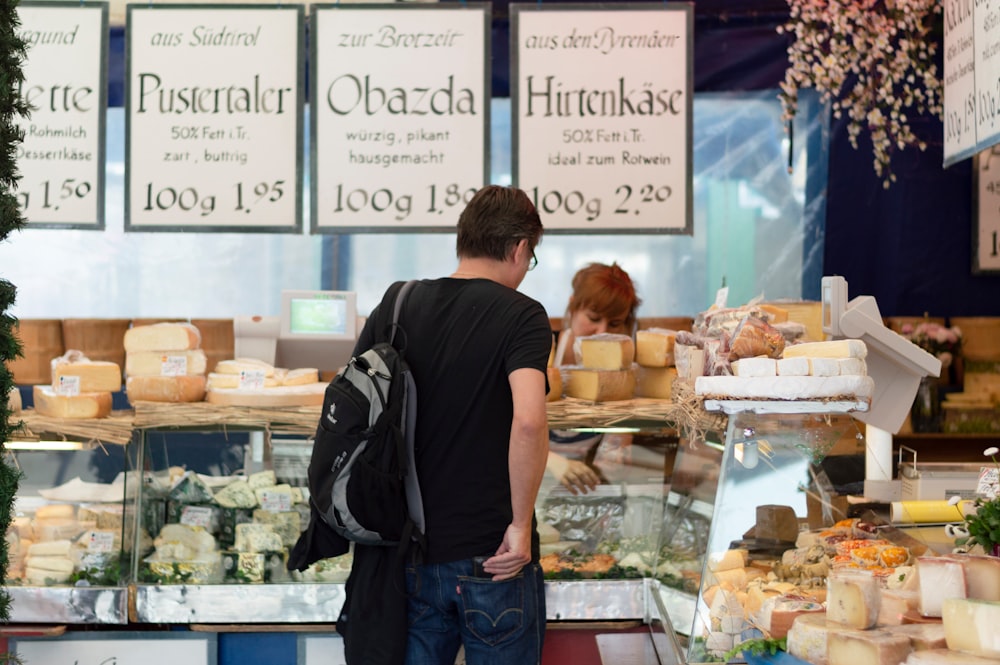
A daily food market since 1807 on a square just off Marienplatz, with about one hundred and forty stalls of cheese, game, honey and flowers, and prices that reflect the address. A beer garden in the middle lets customers bring their own food, which is the local rule and worth knowing. Closed Sundays.
-
Alte Pinakothek
Ludwig the First's picture gallery of 1836, holding what the Wittelsbachs bought over four centuries: the largest group of Rubens anywhere, Dürer's self-portrait as Christ, Altdorfer's battle of Alexander and a full room of Italians. The postwar patch of plain brick across the facade was left unrendered on purpose.
-
Asamkirche
Two brothers built this on their own land in the 1730s as a private chapel, twenty-two metres wide at most, and covered every surface with stucco, gilding and painted ceiling until nothing flat remains. It sits between shops on a busy street, no wider than the frontages either side of it. Free, small and genuinely overwhelming.
-
BMW Welt
A double-cone glass hall across the road from the factory, free to enter, where customers collect new cars on a turntable in full view of the hall. The museum opposite, in a silver bowl of 1973, is ticketed and covers the company's whole history including the wartime years. The plant tour books out weeks ahead.
-
Deutsches Museum
The largest science and technology museum in the world, on an island in the Isar since 1925, with a mine cut through the basement, a U-boat sliced open and daily high-voltage demonstrations. A long modernisation has been running hall by hall since 2015. Half a day is the minimum and it is still not enough.
-
Frauenkirche
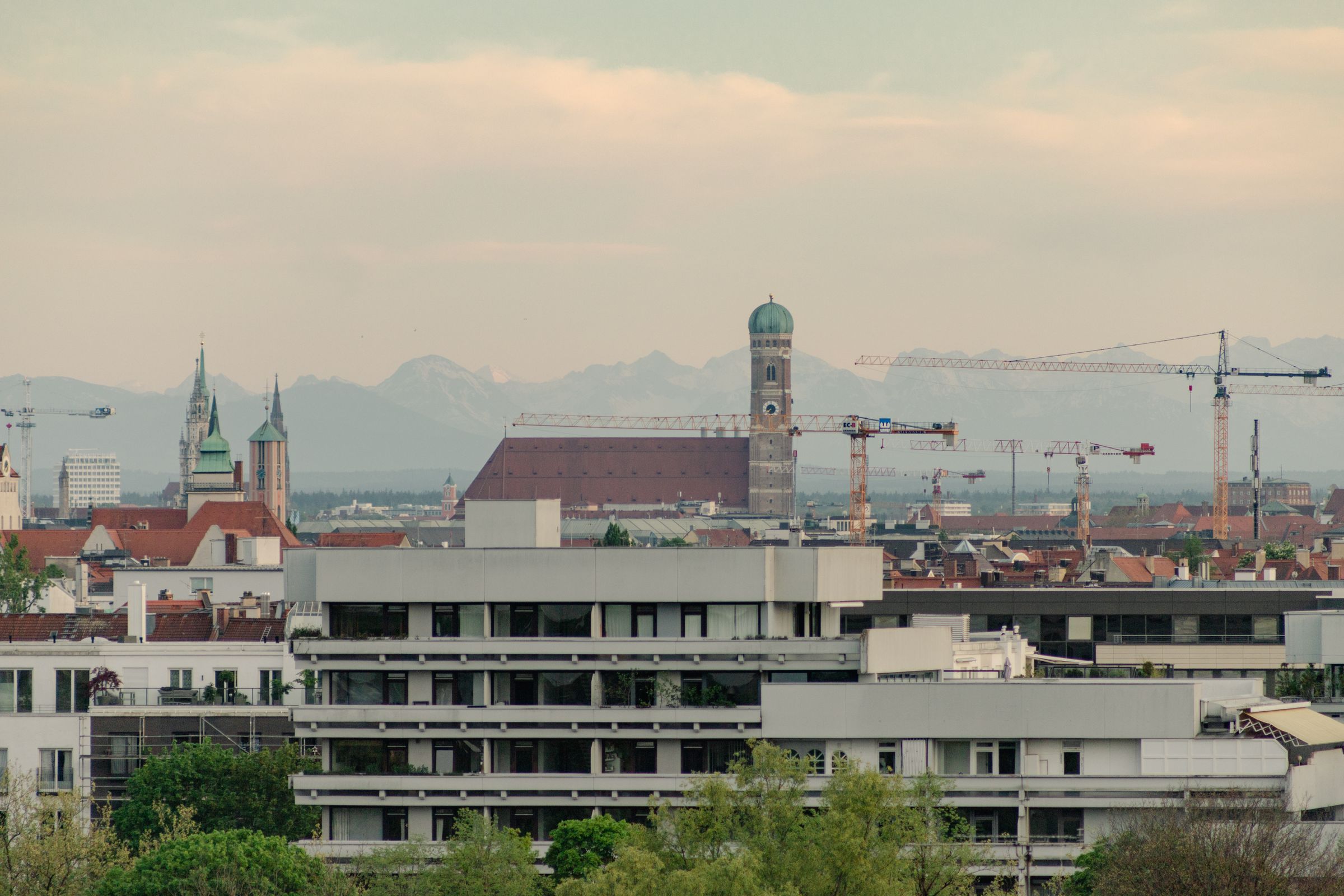
Two brick towers with green onion domes, finished in 1488, which no building in the old centre may be taller than under a rule the city keeps voting to renew. The interior is plain after wartime rebuilding. A black footprint in the entrance is said to be the devil's and the story is worth the two minutes.
-
Hofbräuhaus am Platzl
A ducal brewery of 1589 opened to the public in 1828, now seating about three thousand across a vaulted hall, a first-floor room and a courtyard. Regulars keep padlocked lockers for their own steins. It is a coach stop and makes no secret of it; the beer garden under the chestnuts is the better half.
-
Neue Pinakothek
Nineteenth-century painting, from Goya and Turner to Van Gogh's sunflowers and the German romantics, closed since 2019 for a structural rebuild with no confirmed reopening. A selection hangs in the Alte Pinakothek and the Sammlung Schack meanwhile. Check the current arrangement rather than assuming the building is open.
-
Residenz München
The Wittelsbach town palace, grown from a moated castle of 1385 into one hundred and thirty rooms around ten courtyards, almost all of it rebuilt after 1945 from photographs and salvaged fragments. The Antiquarium is a barrel-vaulted Renaissance hall sixty-six metres long. The treasury and the rococo theatre are ticketed separately.