Things to do
12-
Außenalster
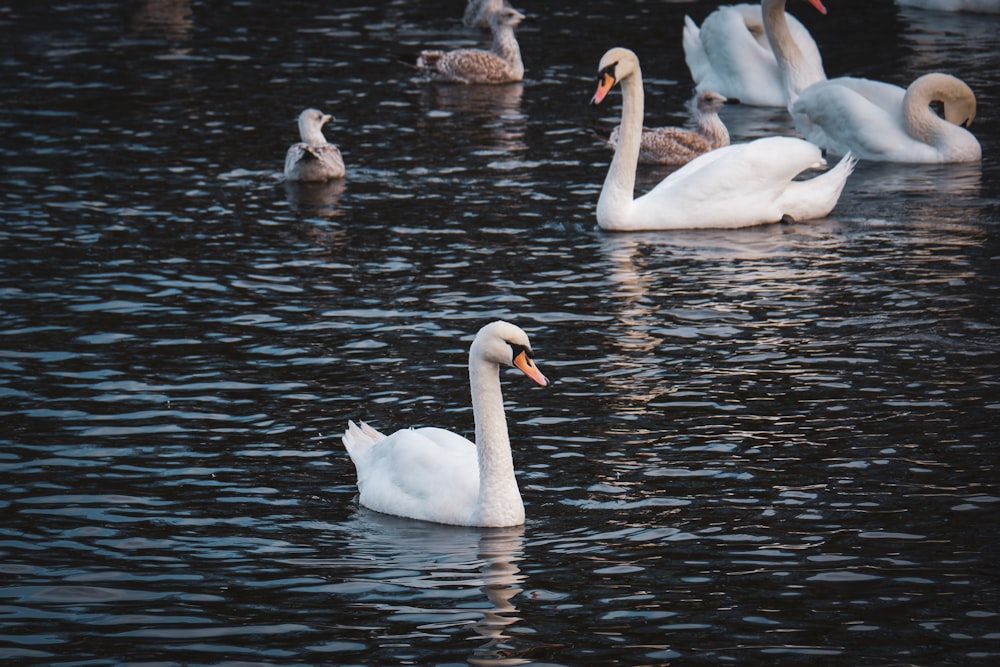
A dammed tributary that became two lakes in the middle of the city, the outer one ringed by parks and villas and the inner one by banks. A path of about seven and a half kilometres runs round the outer lake. Sailing and rowing boats are rented in season and ferries call at nine landings.
-
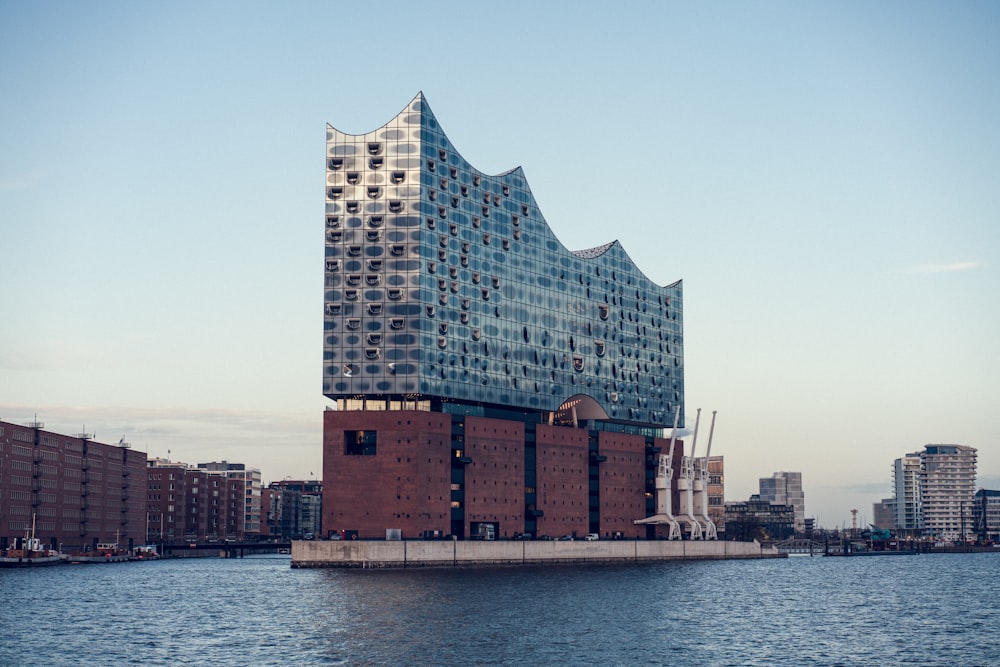
Elbphilharmonie
A glass wave set on a brick warehouse of 1963, opened in 2017 seven years late and at ten times the first budget, and instantly the emblem of the city. A curved escalator climbs to a public viewing plaza between the two halves, free with a timed ticket. The concert hall above is vineyard-seated and needs booking months out.
-
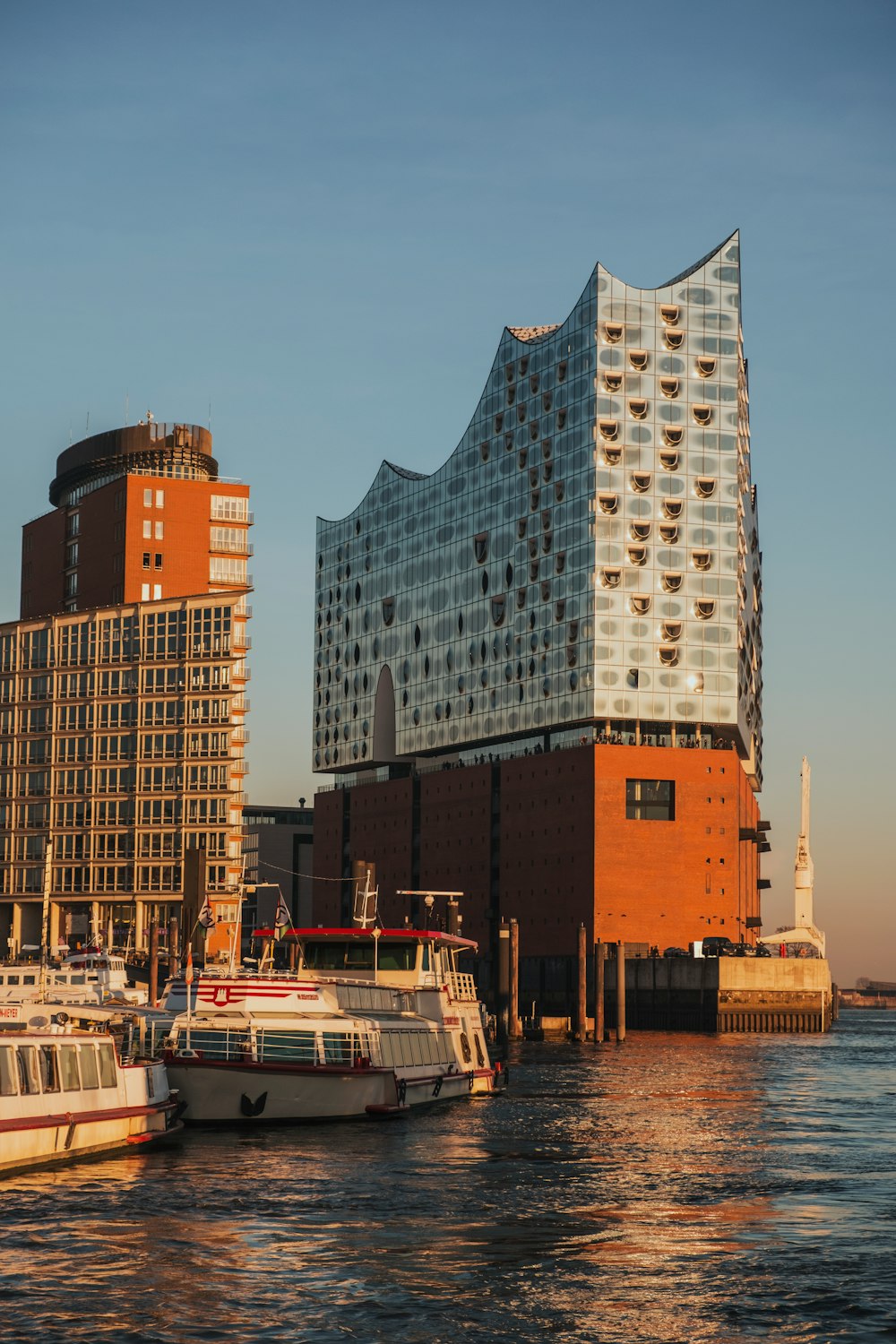
Internationales Maritimes Museum
One collector's lifetime of ship models, charts and uniforms, in the oldest surviving Speicherstadt warehouse, arranged over nine floors he called decks. Forty thousand models are held and a fraction shown. The navigation and shipbuilding decks are the ones that repay time; the whole thing takes longer than it looks.
-
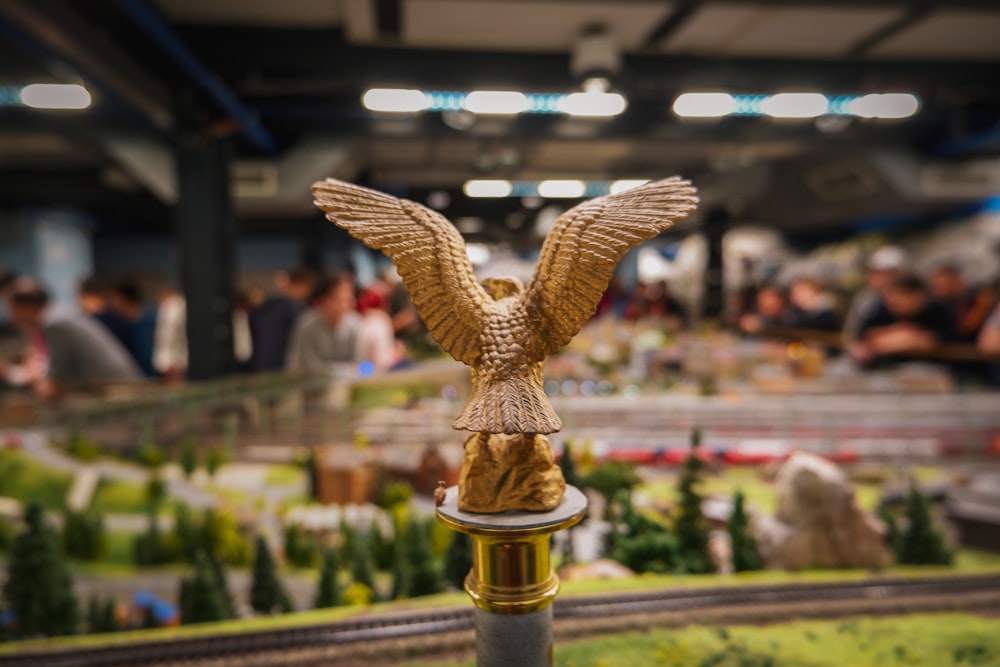
Miniatur Wunderland
Sixteen thousand metres of track fill a Speicherstadt warehouse, laid out as Scandinavia, the Alps, Venice and an airport where the aircraft actually take off, which makes this the largest model railway anywhere. A day and night cycle runs every fifteen minutes. It sounds like a diversion for children and is booked out by adults; reserve.
-
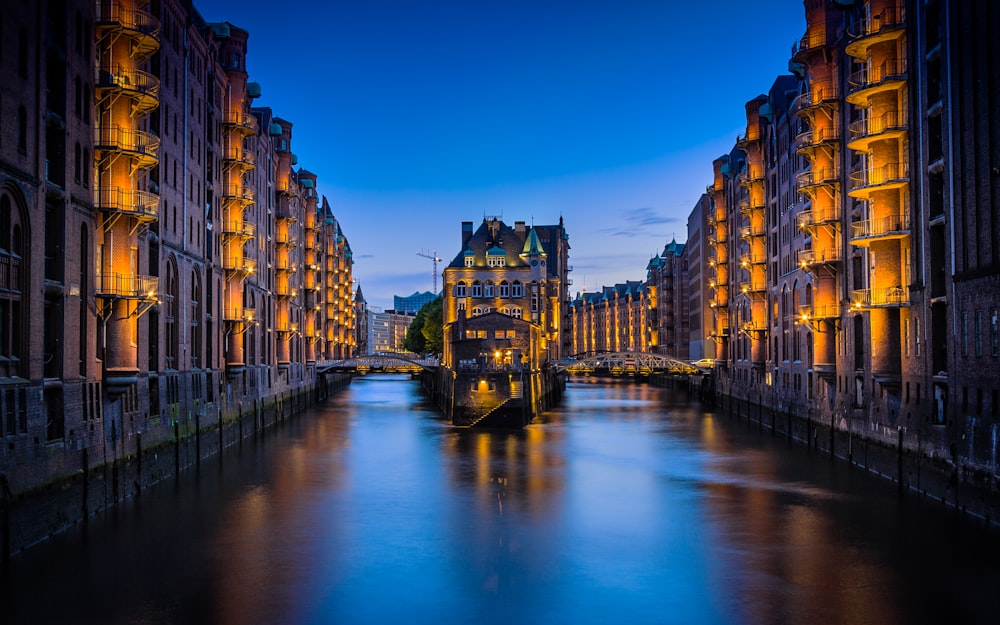
Speicherstadt
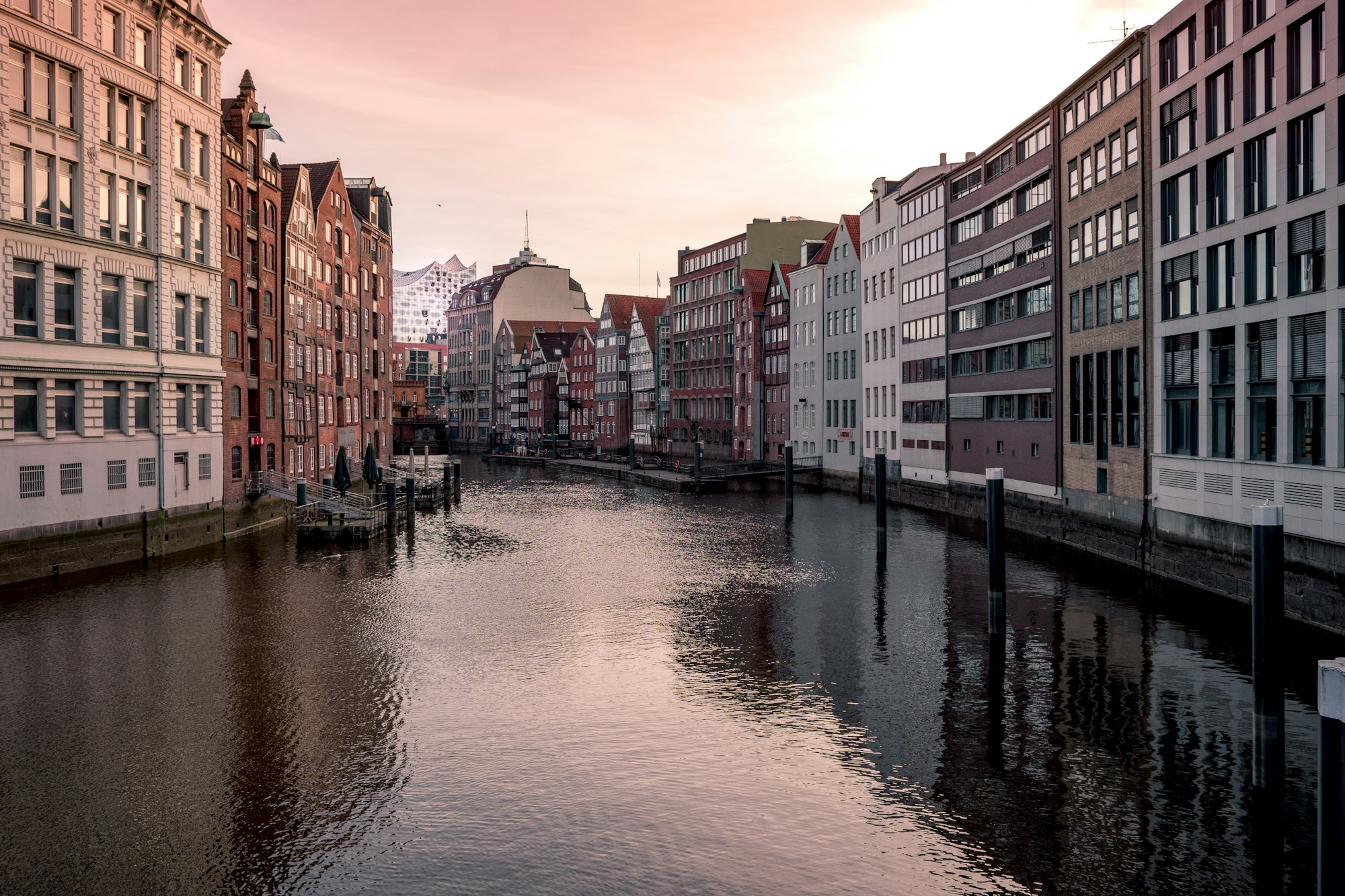
The largest warehouse district in the world, built from 1883 on oak piles when Hamburg joined the German customs union and needed somewhere duty-free to hold coffee, spice and carpets. Neo-Gothic brick, iron winches on every gable, canals underneath. Unesco listed it in 2015 and it is at its best after dark, lit.
-
Altonaer Fischmarkt
Trading since 1703 on the Elbe bank at Altona, and open on Sunday mornings only, from five in summer and seven in winter, closing sharp at half past nine. Traders sell fish, fruit and plants by shouting. A brass band plays in the auction hall next door and the crowd mixes shoppers with drinkers who have not yet gone home.
-
Hamburger Kunsthalle
Three linked buildings holding seven centuries in order: medieval altarpieces, then Friedrich's wanderer above the sea of fog, then Manet, Munch and Klee, and a white cube of contemporary work at the end. It is among the strongest collections in the country and rarely as busy as Berlin's. Allow at least two hours.
-
Hamburger Rathaus
Six hundred and forty-seven rooms of neo-Renaissance sandstone, finished in 1897 on four thousand oak piles, with a courtyard fountain to the cholera dead of 1892. It houses both the city parliament and the state government, because Hamburg is a city and a federal state at once. Guided tours run through the day in several languages.
-
Hauptkirche Sankt Michaelis
The baroque church sailors steer by, burnt twice and bombed once and rebuilt each time to the same design. A lift or four hundred and fifty-three steps reach the platform at eighty-two metres for the whole port. A trumpeter plays from it twice daily. Bach's second son is buried in the crypt below.
-
Landungsbrücken
Floating pontoons seven hundred metres long, rising and falling with a tidal range of over three metres, where the harbour ferries dock. Public transport line 62 crosses to Finkenwerder for the price of a bus ticket and gives the same view as the tour boats. The old Elbe tunnel of 1911 starts at the western end.
-
Planten un Blomen
Forty-seven hectares on the line of the old ramparts, with a Japanese garden and tea house, the largest of its kind in Europe, and tropical glasshouses that are free. Fountains on the lake are played to music and light on summer evenings at ten. Ice skating replaces the roller rink in winter.
-
Reeperbahn
A rope-walk that became the port's entertainment street, now a strip of clubs, theatres and sex trade running through St Pauli. The Beatles played here for two years from 1960 and learned to hold a stage. It is loud and worn and the side street of Herbertstraße is screened off to women and minors by law.