Silver towns in the highlands, Maya cities in the jungle and two coasts, a short flight apart.
Ten days covers two regions: four or five nights in Mexico City with a day at Teotihuacan, then Oaxaca, or the silver towns of Guanajuato and Querétaro by coach. A week suits the Yucatán alone, from Mérida to Valladolid, Chichén Itzá and the Caribbean coast. Two weeks joins the capital, Oaxaca and the Yucatán with two domestic flights.
Not for the cities. Domestic flights link the regions, and first-class coaches run by ADO, ETN and Primera Plus cover the routes between towns, with reserved seats. The Tren Maya circles the Yucatán Peninsula between Cancún, Mérida, Campeche, Palenque and Bacalar, though some stations, Mérida among them, sit well outside the centre. A car suits the Yucatán back roads and Baja, on the toll highways and by day.
November to April is the dry season across most of the country. The rains run from about June to October, mostly as afternoon storms, and the hurricane season lasts from 1 June to 30 November on the Caribbean and from 15 May on the Pacific, peaking from August to October. Sargassum seaweed reaches the Caribbean beaches most heavily from May to August. Semana Santa, 21 to 28 March in 2027, fills the beaches and colonial towns.
In the resort towns, yes; elsewhere, less than visitors expect. Spanish is the language of the country, and the EF English Proficiency Index for 2025 ranks Mexico 103rd of 123, in its lowest band. Hotel and tour staff in Cancún, Tulum, Los Cabos and Puerto Vallarta speak English, while markets, colectivos and small towns run in Spanish. The state also recognises 68 Indigenous languages, Maya, Zapotec and Nahuatl among them.
The Mexican peso. Cards work in hotels, restaurants and larger shops in the cities and resorts, but markets, street food, colectivos, taxis and small towns run on cash. Cash machines inside bank branches, used by day, are the safer choice. US dollars are taken in the resort areas, at a poor rate, and rarely anywhere else.
Mexico City and Cancún. The capital's Benito Juárez airport is the busiest in the country, with more than 40 million passengers a year, and Metrobús Line 4 runs from both terminals to the historic centre. Cancún handled close to 30 million in 2025 and is the door to the Caribbean coast. Guadalajara, Los Cabos and Puerto Vallarta take direct flights from the United States and Canada, and most flights to Oaxaca and Mérida connect through the capital.
Ninety seconds on the country
Mexico puts very different trips within a short flight of each other. The capital holds the Templo Mayor, Teotihuacan and one of the great anthropology museums, Oaxaca cooks the country’s most admired food, and the Yucatán adds Maya cities, cenotes and the Caribbean.
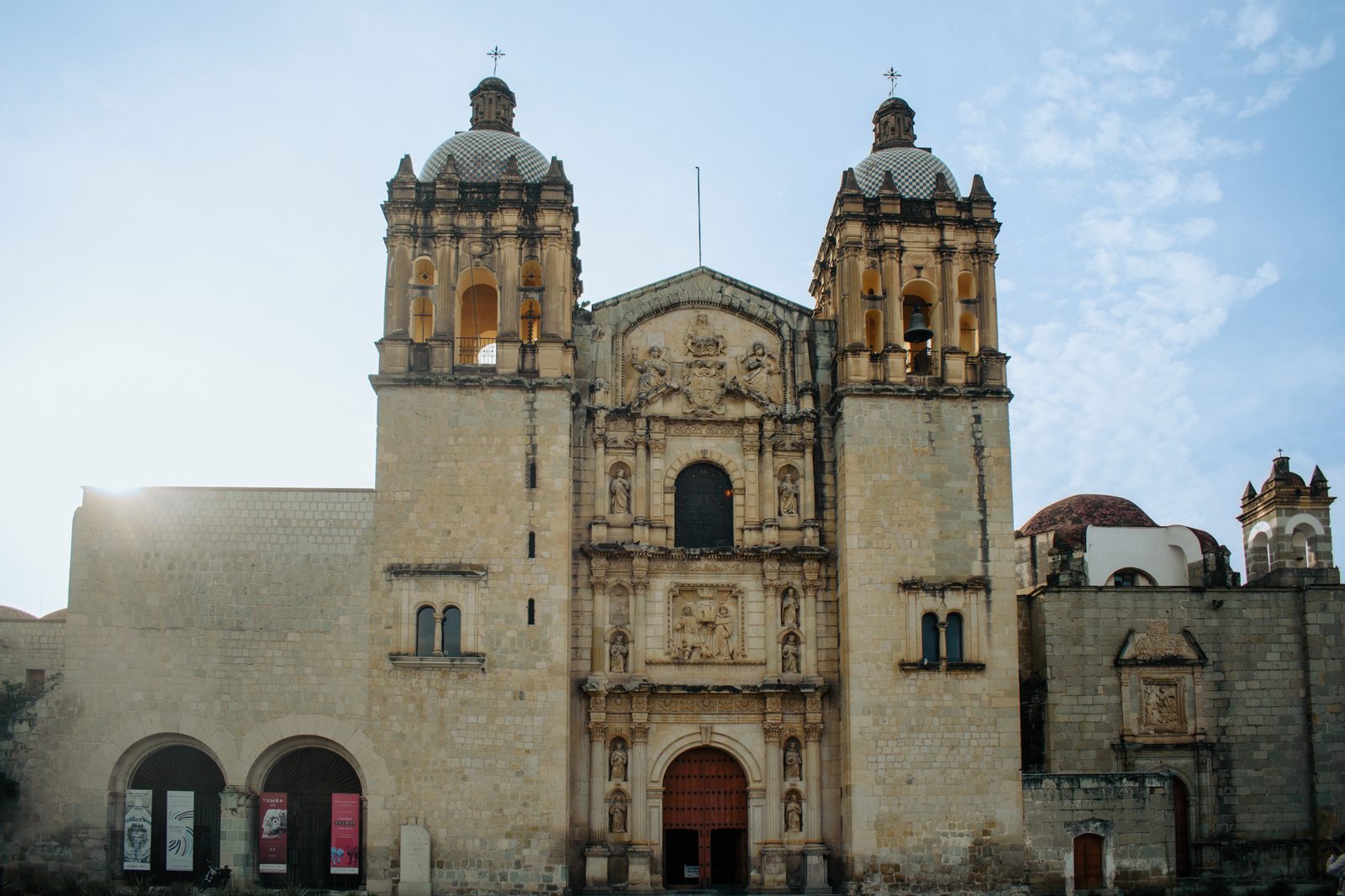
UNESCO lists 36 sites here, among them the historic centres of Oaxaca, Puebla, Guanajuato, Zacatecas, Querétaro, Morelia and Campeche and the Maya cities of Chichén Itzá, Uxmal and Palenque. Most are joined by first-class coach or a domestic flight from Mexico City.
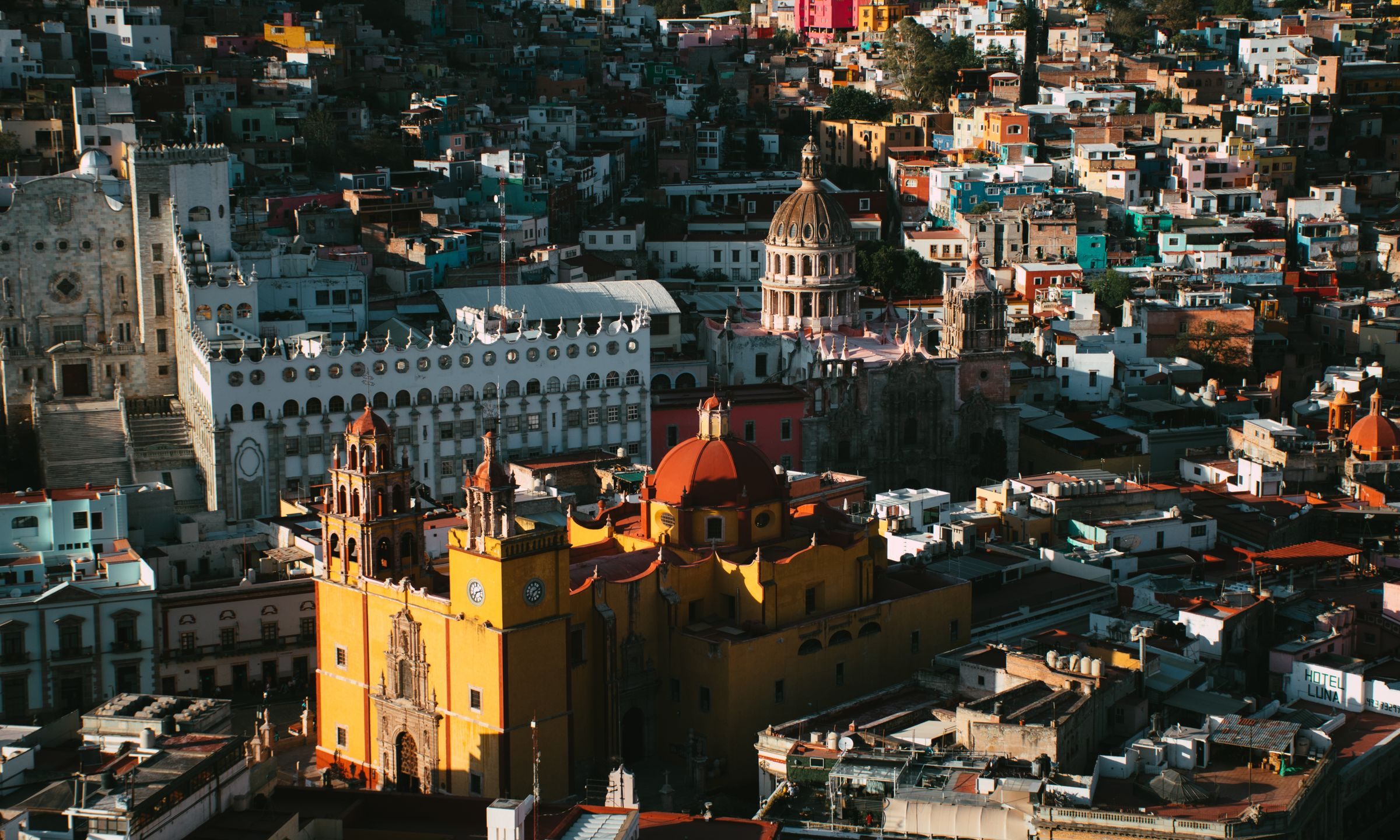
The highlands reward the most time. Guanajuato, San Miguel de Allende and Zacatecas were built on silver and keep their churches and plazas, and the nights are cool at altitude. Oaxaca deserves four nights for its markets, its weaving villages and Monte Albán above the valley.
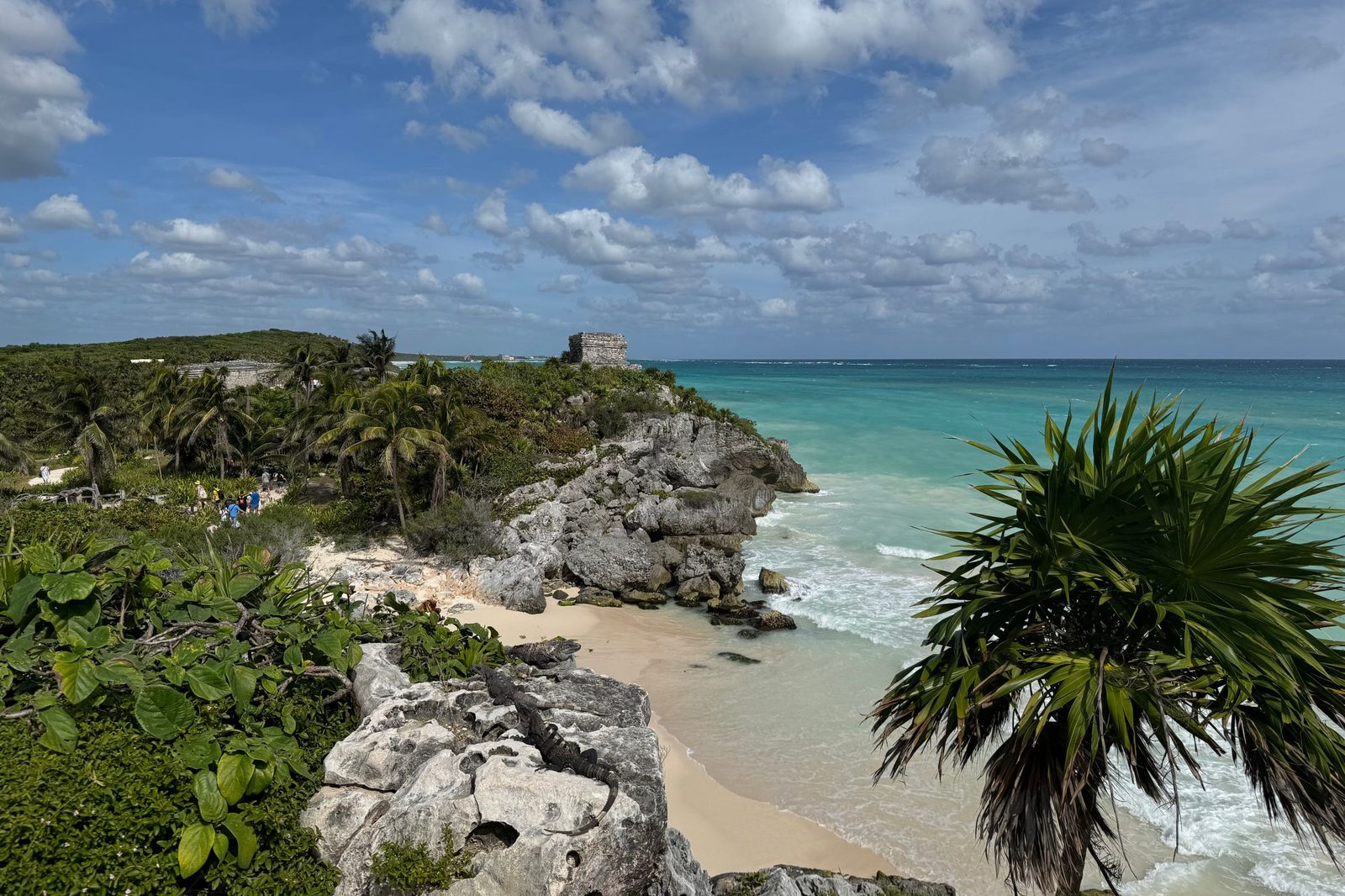
The coasts are the counterweight. The Caribbean side from Cancún to Tulum and Bacalar is easy and well served, the Pacific is wilder, with surf at Puerto Escondido and Sayulita, and Baja looks onto the Sea of Cortez, where whale sharks and sea lions feed off La Paz.
Start with the best of the country, or pick how you want to travel. The towns, the things to do and the map all change with it.
Start with four nights in Mexico City and give one day to Teotihuacan, about an hour north. Then fly to Oaxaca for four nights of markets, mezcal villages and Monte Albán, or take the coach north to Guanajuato and San Miguel de Allende.
Finish in the Yucatán. Base yourself in Valladolid for Chichén Itzá, Ek’ Balam and the cenotes, then Mérida for Uxmal, and end on the coast at Tulum or Bacalar. Fly into Cancún for this half of the trip, and out of Mexico City for the other.
Begin in Mexico City at the National Museum of Anthropology, which explains the Aztec, Maya and Zapotec sites you will see later. Most federal museums close on Mondays, so plan the capital around them.
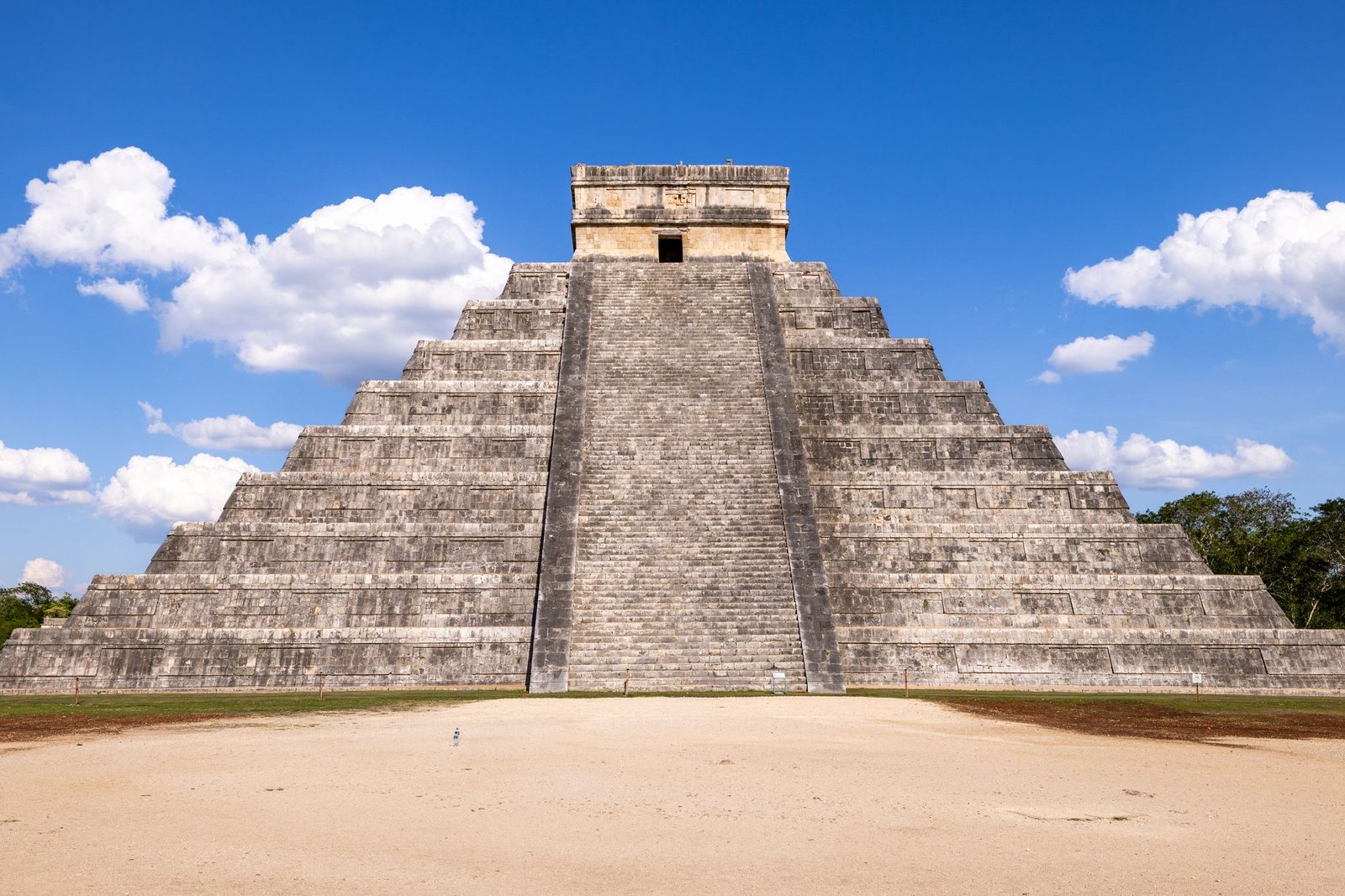
The colonial towns are best walked. Oaxaca, Puebla, Guanajuato, Querétaro, Morelia and San Miguel de Allende each repay two or three nights, and the Maya cities of Palenque, Uxmal and Chichén Itzá are visited from bases nearby. The pyramids of Chichén Itzá and Teotihuacan are closed to climbing.
The Yucatán has no rivers on the surface, only cenotes, the flooded sinkholes you can swim in near Valladolid, Tulum and Mérida. Bacalar’s lagoon runs in seven shades of blue, and Sian Ka’an, south of Tulum, is a reserve of mangrove and reef.
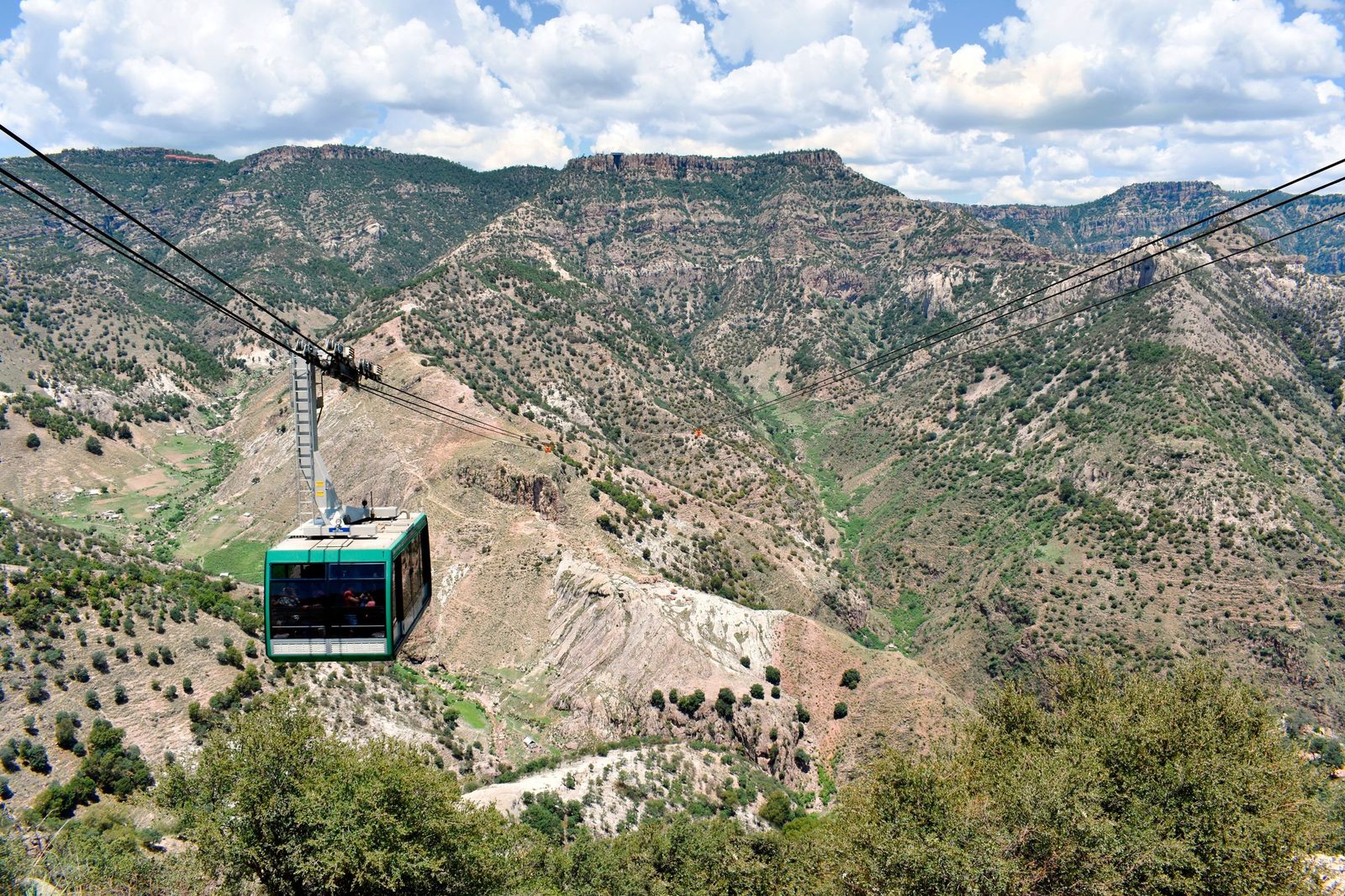
In the north, the Copper Canyon is a system of gorges deeper in places than the Grand Canyon, reached by the Chepe train to Divisadero. Come between November and March for the monarch butterflies in the forests east of Morelia.
The Caribbean coast is the easy one: white sand and reef from Cancún and Isla Mujeres down to Tulum, with Holbox and Cozumel offshore. Check the sargassum reports before booking between May and August, when the seaweed is heaviest.
The Pacific is rougher and quieter. Puerto Escondido and Mazunte on the Oaxaca coast, Sayulita north of Puerto Vallarta, and the beaches of Baja around La Paz and Todos Santos suit you if you want towns rather than resorts.
Take the Chepe train into the Copper Canyon and stay on the rim at Divisadero, where the cable car and zip lines cross the gorge. The train runs on set days only, so build the trip around its timetable.
Underwater, Cozumel’s Palancar Reef is one of the classic drift dives, and from La Paz you can swim with whale sharks in season with a licensed boat. Puerto Escondido’s Zicatela beach is a big-wave break for experienced surfers only.
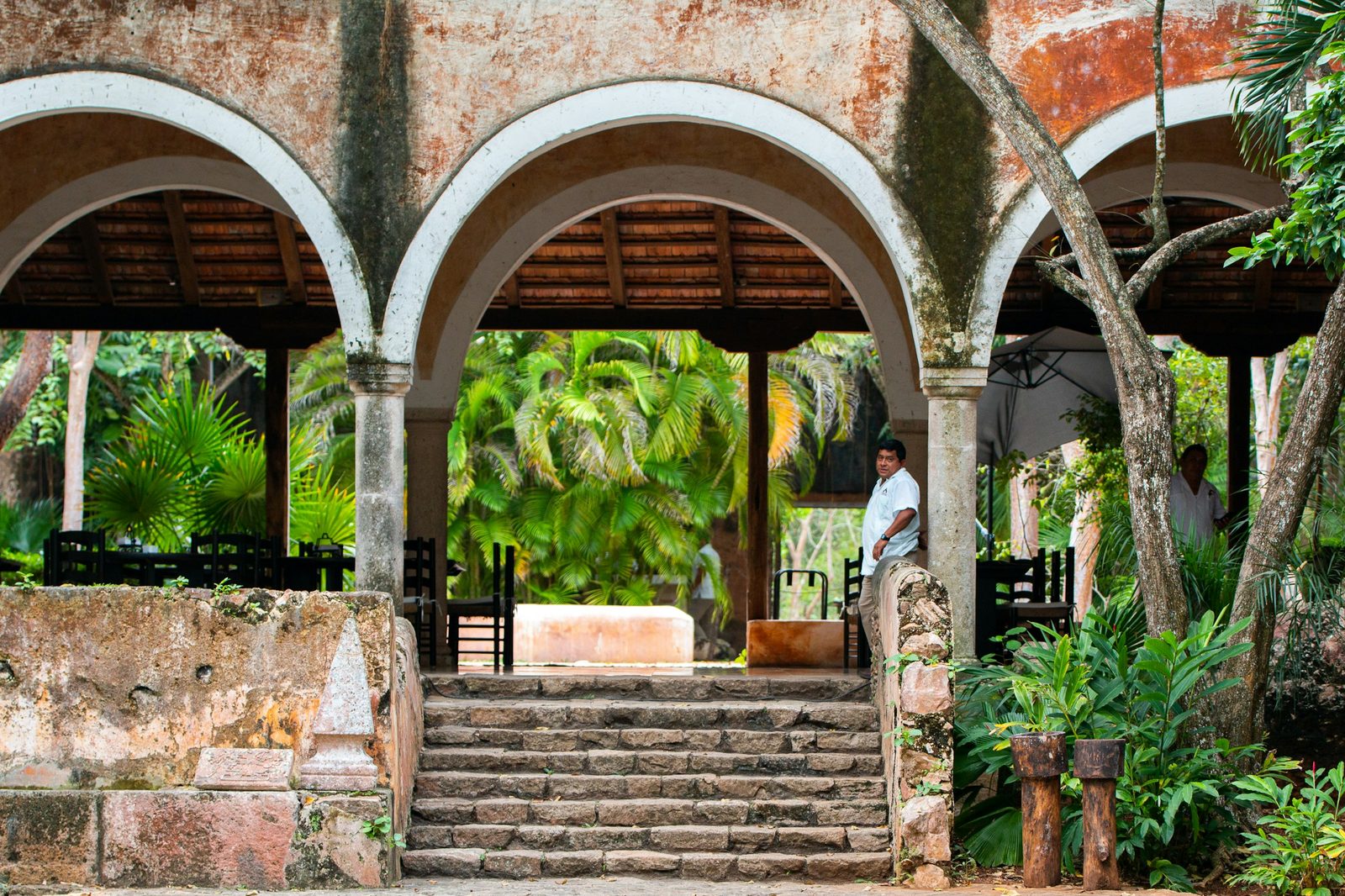
In the Yucatán, luxury means a hacienda: a restored henequen estate with a pool in the old machine house and rooms around a garden. Temozón and Xcanatún sit outside Mérida, and Uayamón near Campeche.
On the coasts, the Rosewood Mayakoba near Playa del Carmen and Las Ventanas al Paraíso in Los Cabos set the standard. In the highlands, Casa de Sierra Nevada in San Miguel de Allende and the Quinta Real in Zacatecas are historic buildings made into hotels.
The places on this page are in the app, each with a verdict: why to go, how far from your hotel, how long to stay. Forward your confirmations and the days fill themselves in.