Things to do
5-
Cascada de Cusárare
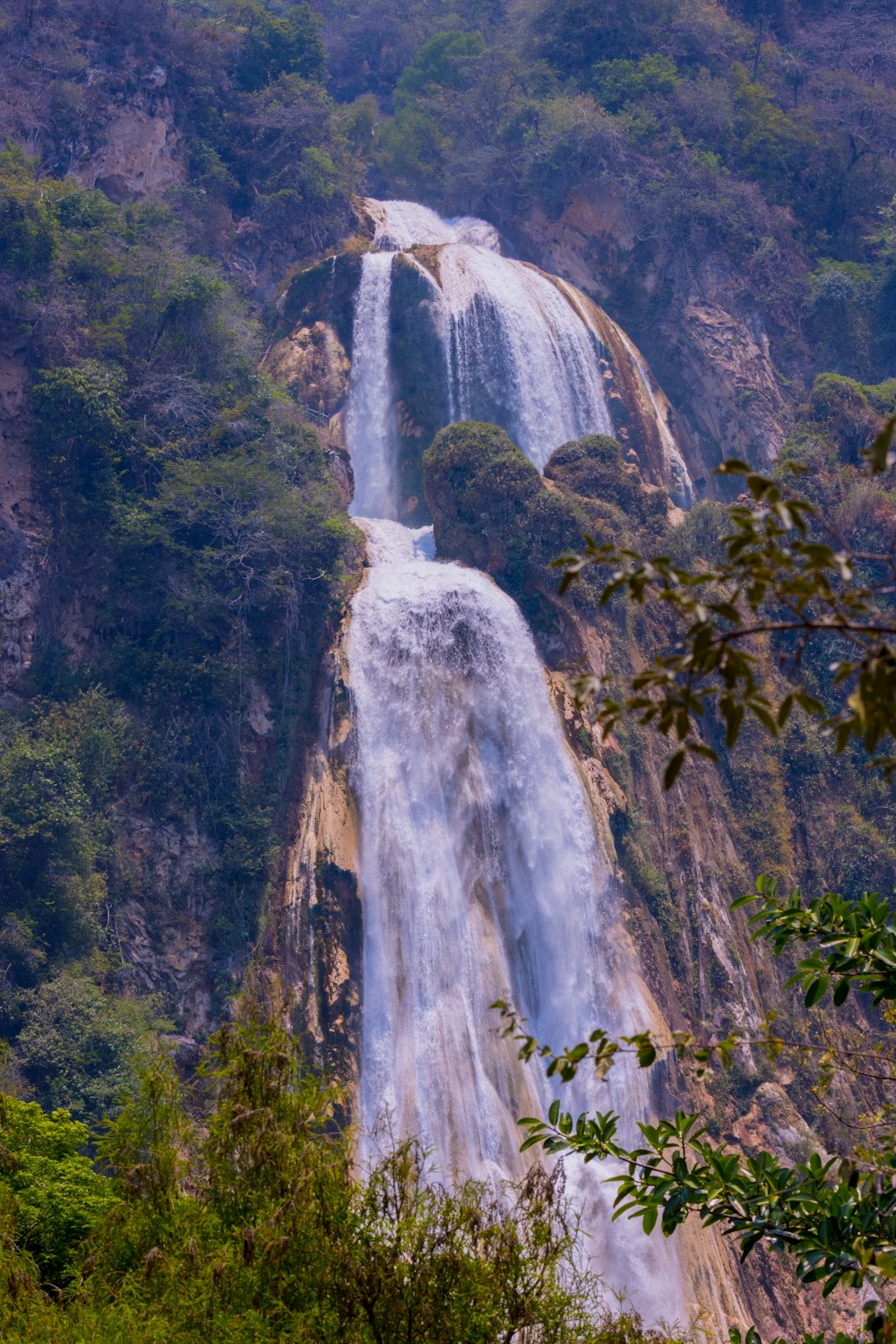
Pine forest and a marked path of half an hour lead to a fall of about thirty metres dropping into a rock amphitheatre. Rarámuri vendors lay out baskets along the trail. Flow depends entirely on the rains: full from the summer storms into autumn, thin by spring. A mission church stands at the village above, its walls hung with colonial paintings.
-
Batopilas
One street along a river at the bottom of the gorge, a silver town that drew American capital in the mining decades. Getting there means a paved road of relentless switchbacks dropping well over a kilometre, several hours from the rim, and the climate at the end is subtropical: mangoes, citrus, heat. Ruins of the mine owner's hacienda face the town, and a domed church of unrecorded builders stands downstream.
-
Copper Canyon
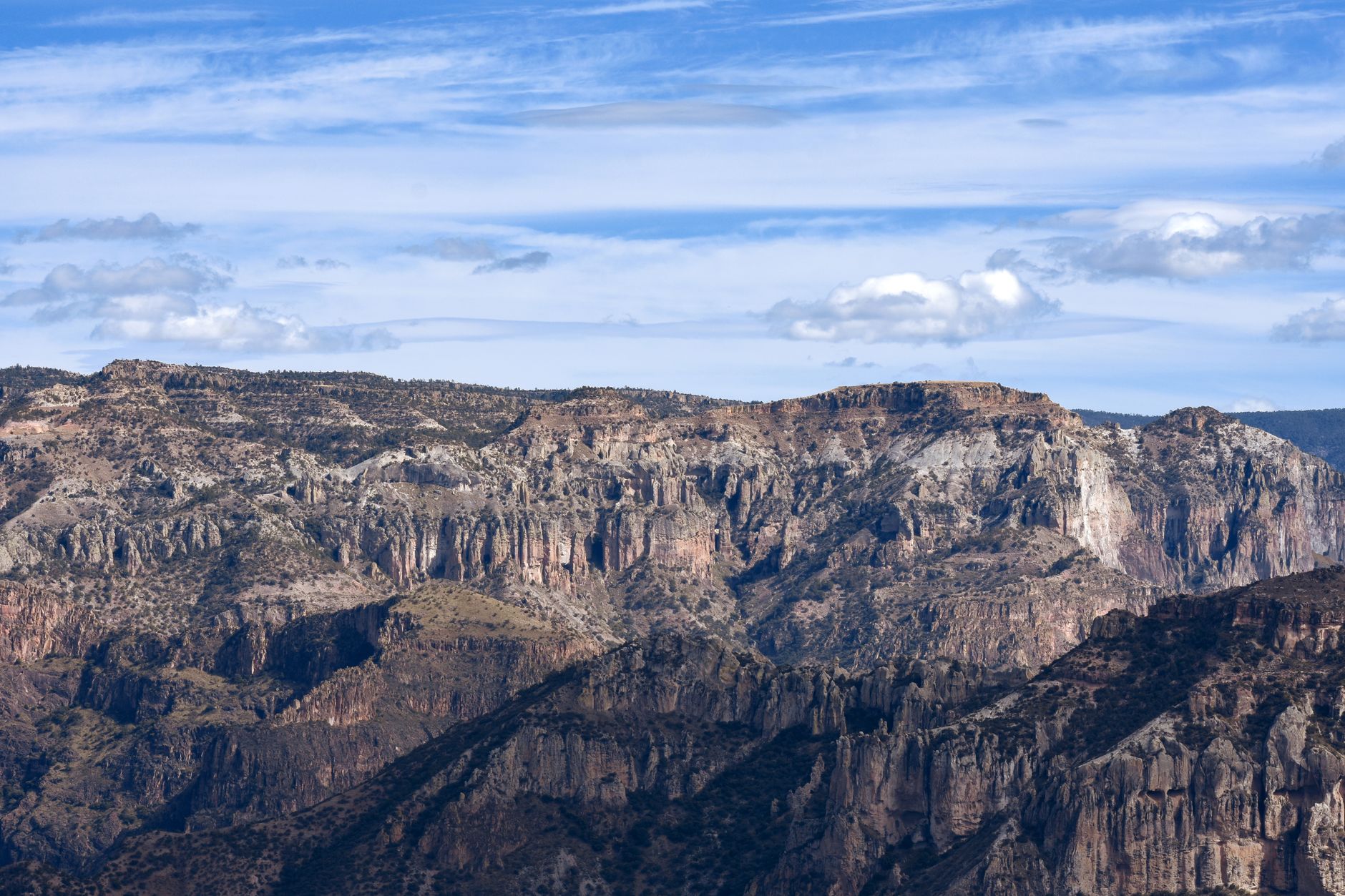
Six major gorges cut by rivers through the Sierra Madre Occidental, a system wider than the Grand Canyon and deeper in parts, with the floor lying more than a kilometre and a half below the rim. Rarámuri families farm the terraces and shelter in rock overhangs. From Divisadero the rim view takes in three of the gorges at once; reaching the bottom takes days by road or on foot.
-
Creel
A logging and railway town at around two thousand three hundred metres, an hour south of the rim and the main base in the Sierra Tarahumara. Wooden storefronts face the tracks; a Rarámuri crafts centre sells baskets and carved figures. Day trips run out to rock formations shaped like mushrooms and frogs, a mission church and a lake. Winters are cold and clear; the rains reach the Sierra in late summer.
-
Parque de Aventura Barrancas del Cobre
Built along the canyon rim beside the station, an adventure park whose cable car crosses to a pinnacle on the far side and back, hanging above a drop of hundreds of metres. A zip line circuit of seven stages descends the gorge, one of the longest strung anywhere, with a via ferrata and rim trails alongside. Weather closes the lines; winter mornings often start iced.