Things to do
14-
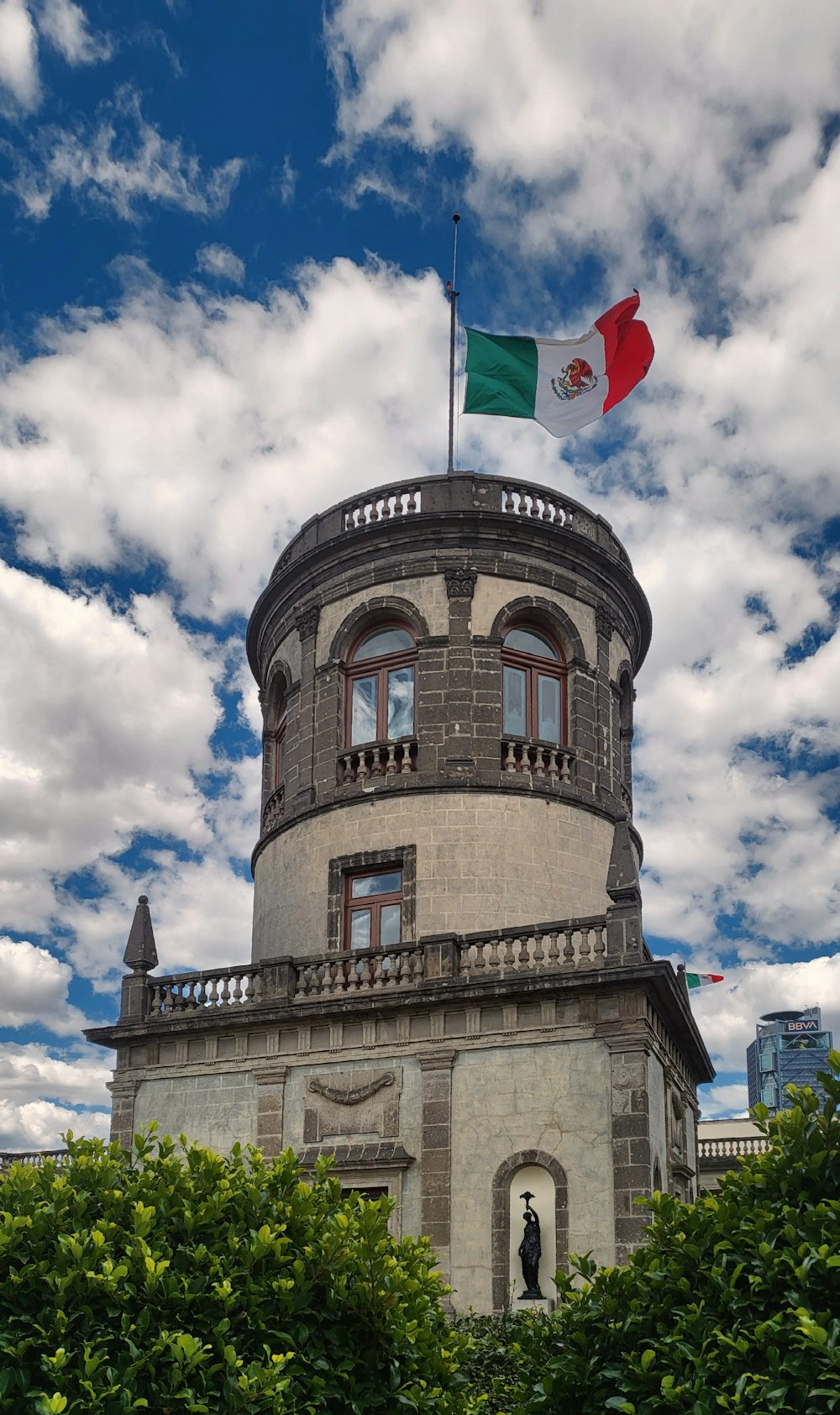
Chapultepec Castle
Crowning the hill above Chapultepec park, begun in 1785 as a viceregal retreat and later the home of the emperor Maximilian, a military academy, then the residence of presidents until 1939. It now holds the national history collection, along with Maximilian's roof garden and state carriage, and a terrace looking straight down the Paseo de la Reforma. The climb takes some twenty minutes. Shut on Mondays.
-
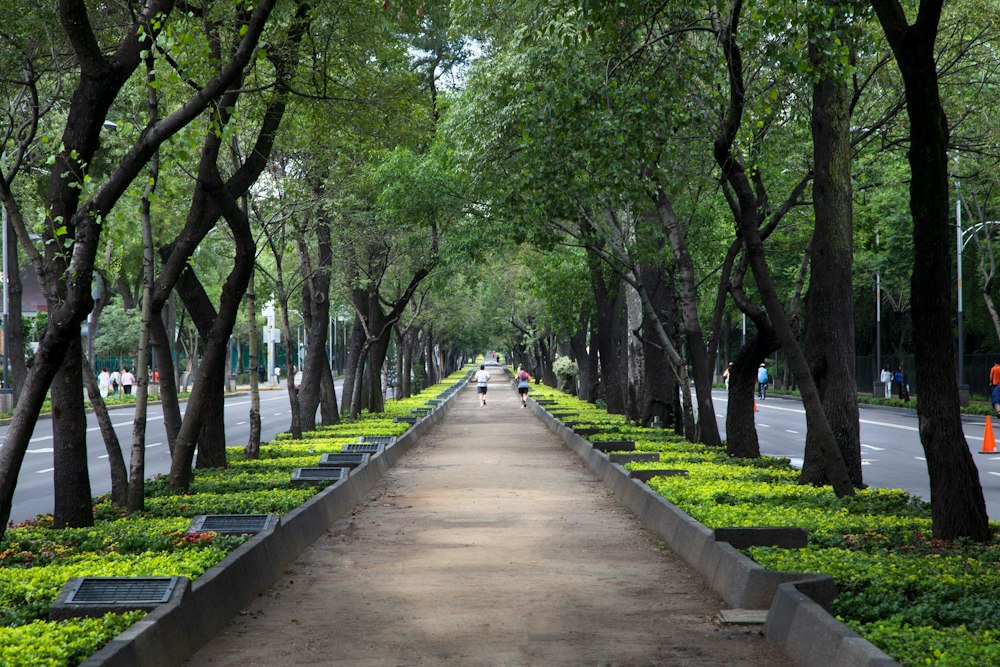
Chapultepec Park
Ahuehuete cypresses, springs and a hill made this a retreat for Aztec rulers long before it became the city's lungs. Four sections now spread west from Reforma, holding the anthropology museum, the castle, a free zoo with pandas, lakes with rowing boats and open-air concerts. Sundays are family day and the paths fill. The first section shuts on Mondays for maintenance, which catches out museum visitors.
-
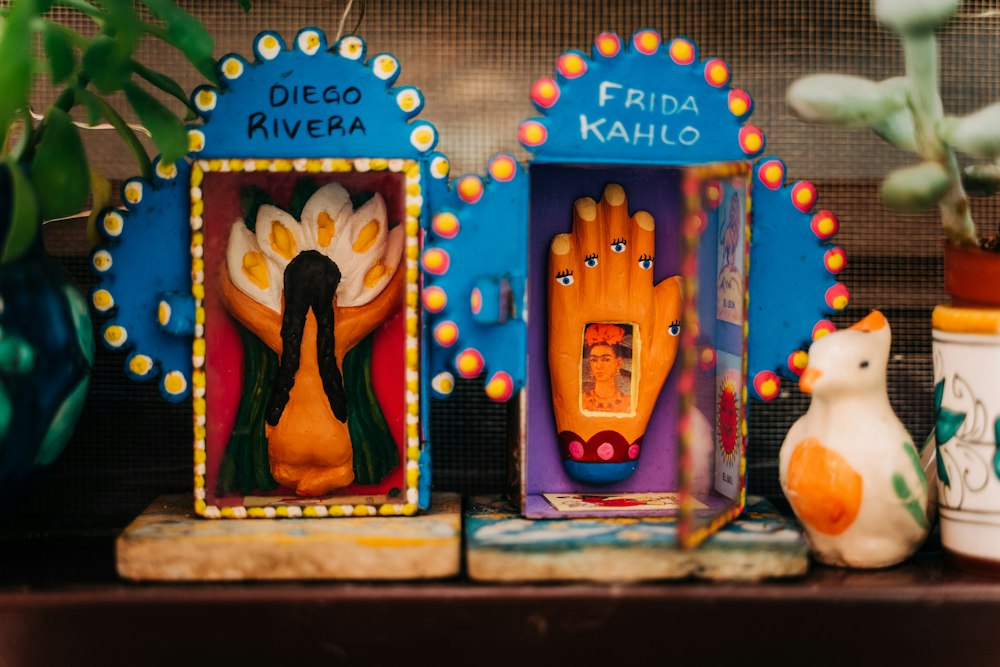
Frida Kahlo Museum
The cobalt house in Coyoacán where Kahlo was born, lived with Rivera and died, kept much as she left it: the studio with a wheelchair drawn up to the easel, the painted plaster corsets, the bed with a mirror fixed above it. Rooms are small and the queue outside is long. Timed tickets are sold online only and go well ahead. Closed on Mondays.
-
Mexico City Metropolitan Cathedral
Construction ran for close to two and a half centuries from 1573, which is why the building carries Renaissance, Baroque and Neoclassical work in one shell, some of it cut from the stones of the Aztec temple it replaced. The ground beneath is lakebed clay and the floor still tilts; engineers spent the nineteen nineties underpinning it. The gilded Altar of the Kings closes the far end.
-
National Museum of Anthropology
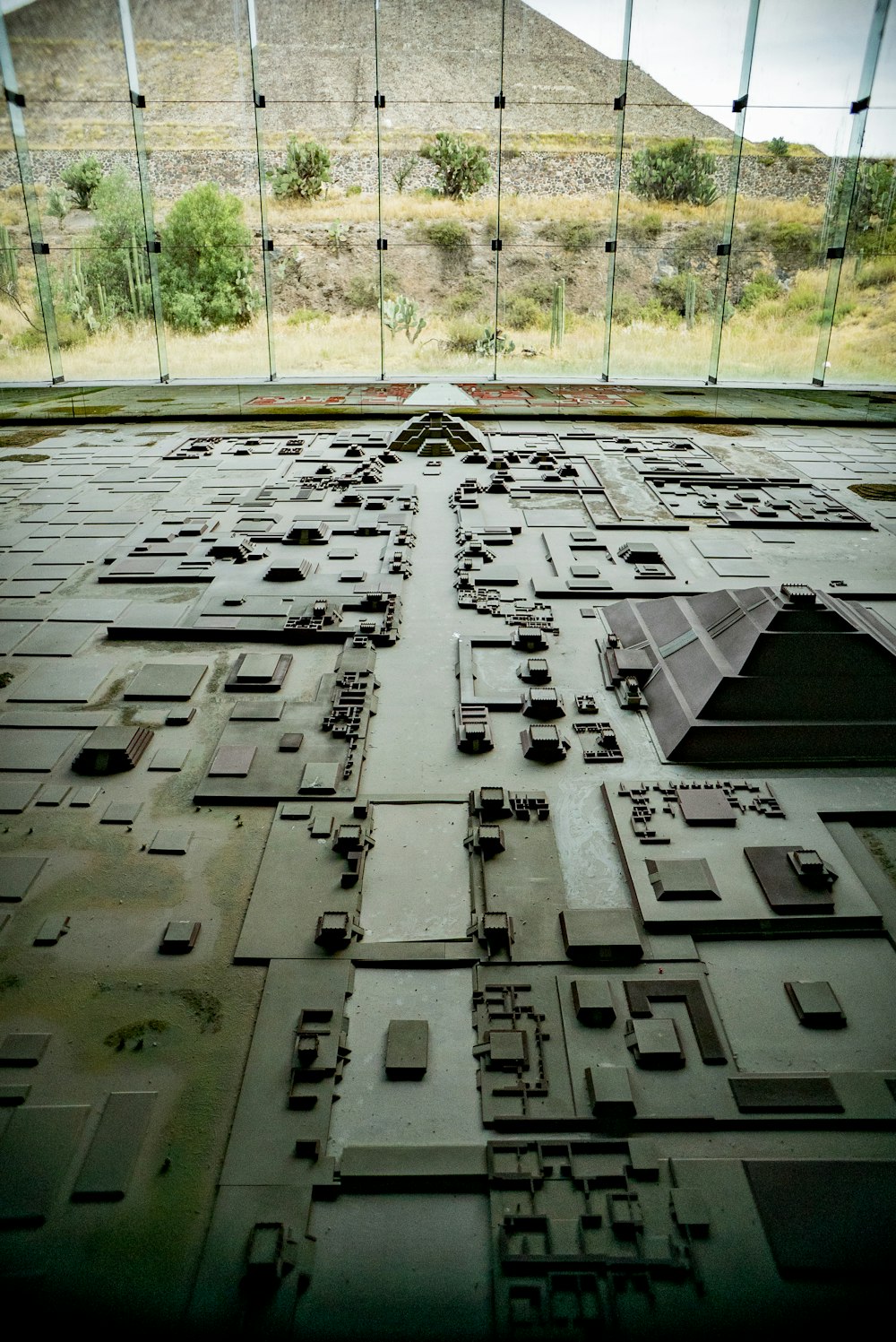
Pedro Ramírez Vázquez's building of 1964 arranges the pre-Hispanic cultures around a courtyard shaded by one vast concrete canopy with water falling from its column. The Sun Stone, the Olmec heads and the jade mask from Palenque are here, with ethnography of living Indigenous cultures upstairs. Twelve ground-floor halls will absorb a whole day, so choose two or three regions and skip the rest.
-
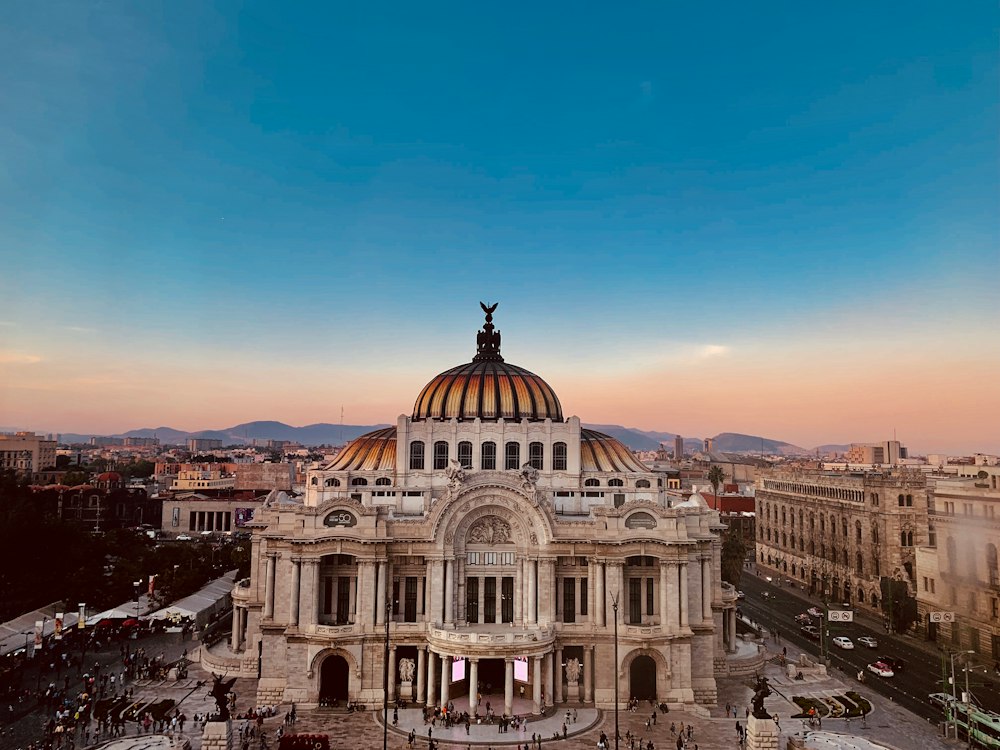
Palacio de Bellas Artes
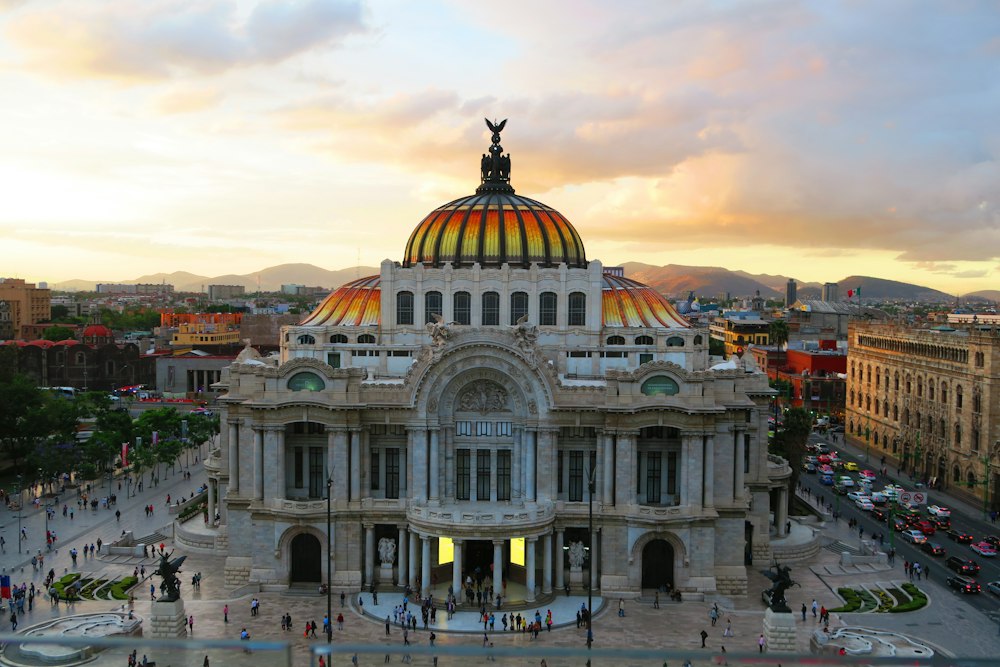
Marble outside, Art Deco within: a concert hall begun in 1904 and stalled by revolution until 1934, which left one architect's Art Nouveau shell around another's interior. Murals by Rivera, Orozco and Siqueiros line the upper floors, and the stage curtain is a glass mosaic of the valley volcanoes made by Tiffany. The building has settled visibly into soft ground. Galleries close on Mondays.
-
Basilica of Our Lady of Guadalupe
Mexico's principal Marian shrine stands at the foot of Tepeyac hill, where an Indigenous convert is said to have gathered roses in his cloak in 1531. The cloak, bearing the image, hangs above the altar of a circular modern basilica, and a moving walkway carries the queue past it. The old church alongside tilts badly on sinking ground. The December pilgrimage brings millions and closes the district.
-
Coyoacán
Cortés made his base in this southern village after Tenochtitlan fell, and the cobbled streets, low painted walls and two linked plazas still read as somewhere apart from the capital. A coyote fountain marks the centre; the market sells tostadas piled to collapse. Trotsky was killed in a fortified house a few streets north, now a museum. Weekday mornings are quieter.
-
Museo Soumaya
Fernando Romero's windowless silver curve in Nuevo Polanco, clad in thousands of hexagonal aluminium tiles and opened in 2011, holds the collection of the Slim family. Rodin bronzes fill the skylit top floor, reached by a ramp that spirals up past European painting and Mexican colonial work. Entry is free and there is no ticket queue. The building divides opinion more than the art inside it.
-
Palacio Nacional
Rivera's staircase mural is the reason to cross the Zócalo: a panorama of the country from Quetzalcoatl to the industrial age, painted through the nineteen thirties and continued along the upper corridor as a sequence of pre-conquest scenes. The building sits on Moctezuma's palace and houses the federal executive. Entry is free with photographic identification, and closures for state business come without much notice.
-
Templo Mayor
Electricity workers digging beside the cathedral in 1978 struck a carved monolith of the dismembered moon goddess, and the main temple of Tenochtitlan came out of the ground with it. Raised walkways cross the superimposed platforms of successive rebuildings. The adjoining museum holds the monolith itself along with thousands of buried offerings, and deserves as long again.
-
Teotihuacan
An hour northeast of the capital stands a planned city that was already long ruined when the Aztecs found it and gave it a name. Its builders left no readable writing. The Avenue of the Dead runs for over two kilometres between the pyramids of the Sun and the Moon, past the plumed serpent heads of the Quetzalcoatl temple. Shade is almost absent; arrive at opening and carry water.
-
Xochimilco
Canals and chinampas, the raised planting beds that fed Tenochtitlan, survive across the southern boroughs and carry a UNESCO listing with the historic centre. Painted flat-bottomed trajineras are poled along them by the hour, trailed by boats selling food and mariachi songs. Sundays are loud and packed. For herons, axolotl habitat and working flower farms, take an early ecological launch from the Cuemanco landing.
-
Zócalo
Bare paving on a monumental scale fills the main square of the historic centre, laid over the ceremonial heart of Tenochtitlan and ringed by the cathedral, the National Palace and colonial arcades. Soldiers raise an outsize national flag at the middle each morning and lower it at dusk. Protests, concerts and temporary installations occupy the space for weeks at a time, so an empty square is never guaranteed.