Things to do
7-
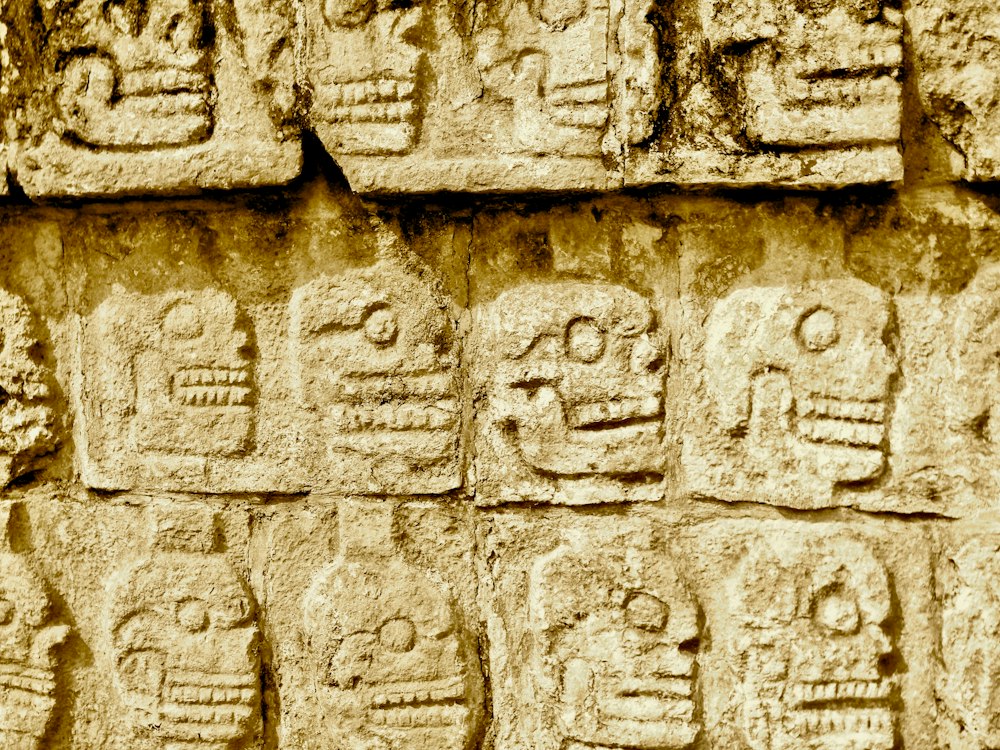
Gran Museo del Mundo Maya
A white lattice shell, meant to suggest the ceiba tree sacred to Maya cosmology, holds the Maya collections of Yucatán state in the northern suburbs. Stelae, jade burial masks and a reclining chacmool figure sit alongside rooms on the meteorite that struck this coast. Labels run in Spanish, English and Maya. Projections play on the façade after dark, and the building stays cool when the city does not.
-
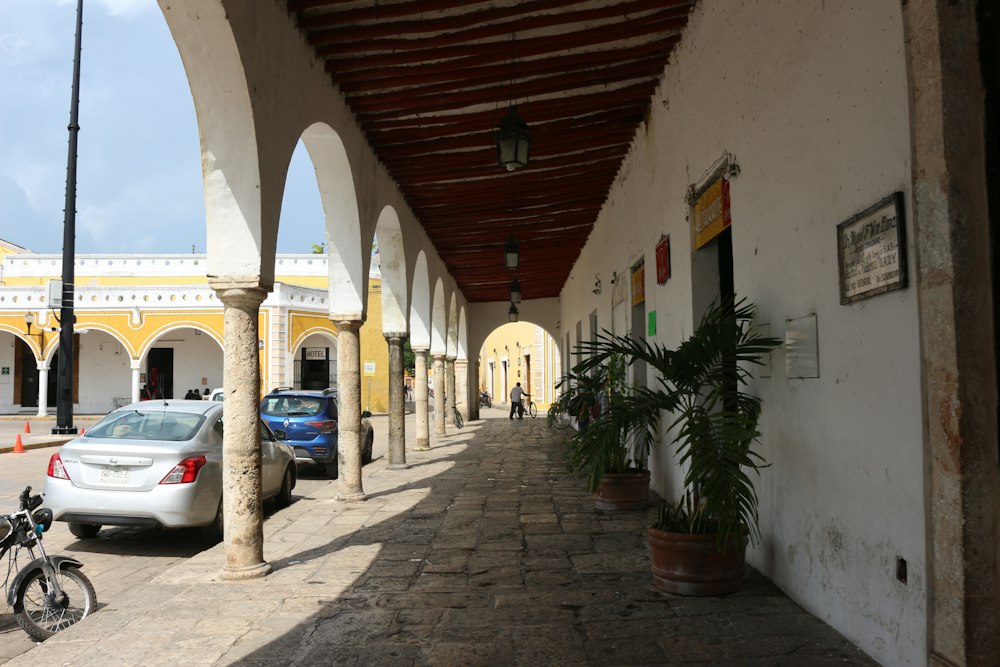
Izamal
Yellow paint covers almost every wall in this town, ochre with white trim, unbroken for street after street. Franciscans built the convent of San Antonio de Padua on a levelled Maya pyramid in the fifteen sixties; its arcaded atrium is vast enough to hold a crowd of thousands. Kinich Kakmó, a stepped pyramid a few streets north, can still be climbed free of charge.
-
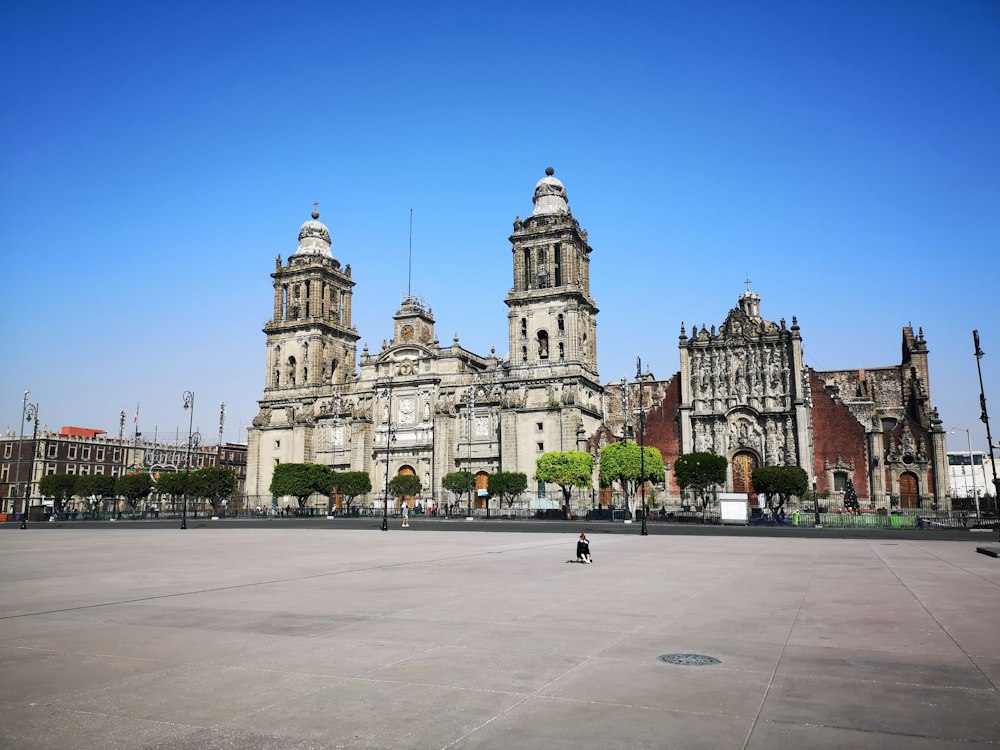
Plaza Grande
Stone quarried from the Maya city of T'hó went into the cathedral on the east side, finished in the fifteen nineties. Casa de Montejo faces the square from the south, its carved conquistadors treading on severed heads. Murals by Castro Pacheco fill the upper gallery of the Palacio de Gobierno to the north. Laurels, white S-shaped confidente seats and shoeshine stands hold the square through the afternoon.
-
Celestún
Flamingos gather in thousands on the estuary behind this Gulf-coast fishing village, in greatest number through the winter months. Boats leave from the bridge on the approach road and from the beach, running out to the feeding flats, then into mangrove tunnels and a freshwater spring. Book the first departure: wind rises by midday and the birds scatter. Roughly two hours west of Mérida.
-
Cenotes de Cuzamá
Narrow-gauge tracks laid to haul henequen still carry horse-drawn flatcars, and the ride is half the outing: an hour of jolting between sisal fields to three flooded caverns. Wooden ladders drop through holes in the limestone to water lit blue from above. Swimming is the point, so bring a towel. Departures run from Chunkanán, southeast of Mérida.
-
Paseo de Montejo
Henequen money built this boulevard in the last years of the nineteenth century, on the model of a Parisian avenue: a double row of laurels, mansions with wrought iron and marble imported whole. Palacio Cantón holds the state anthropology museum, and the carved Monumento a la Patria closes the northern end. Sunday mornings the lanes go to cyclists.
-
Uxmal
Puuc architecture at its most elaborate: friezes of stone lattice, masks of the rain god Chaac and serpent mouldings across the Nunnery Quadrangle and the Governor's Palace. The oval-sided Pyramid of the Magician dominates the entrance. With no cenote nearby, the city stored rain in bottle-shaped cisterns. An hour south of Mérida on the Puuc route, and far quieter than Chichén Itzá.