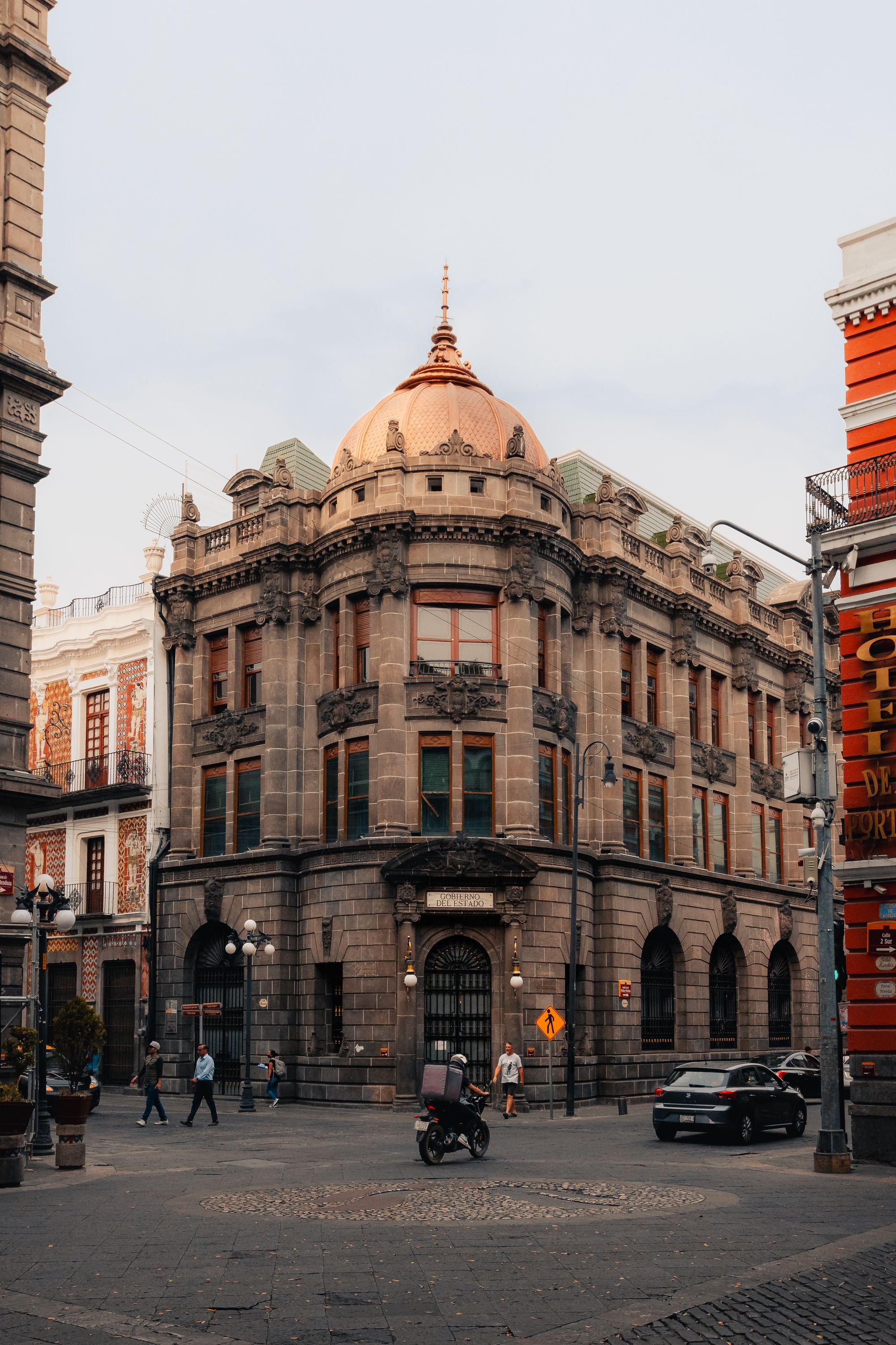
Things to do
11-
Great Pyramid of Cholula
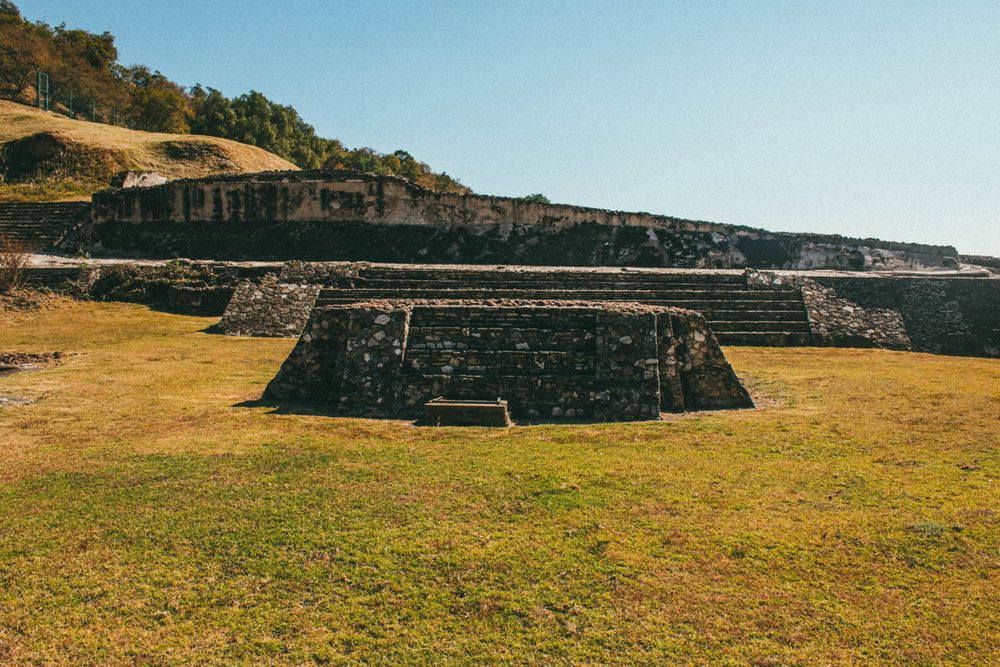
Grass and trees cover a mound in Cholula that is in fact an adobe pyramid, enlarged over centuries until its volume passed that of anything in Egypt, with a yellow Spanish church planted on the summit in place of the old temple. Archaeologists drove tunnels through the core and a stretch is open. The climb takes twenty minutes and, on clear mornings, ends with Popocatépetl in view.
-
Puebla Cathedral
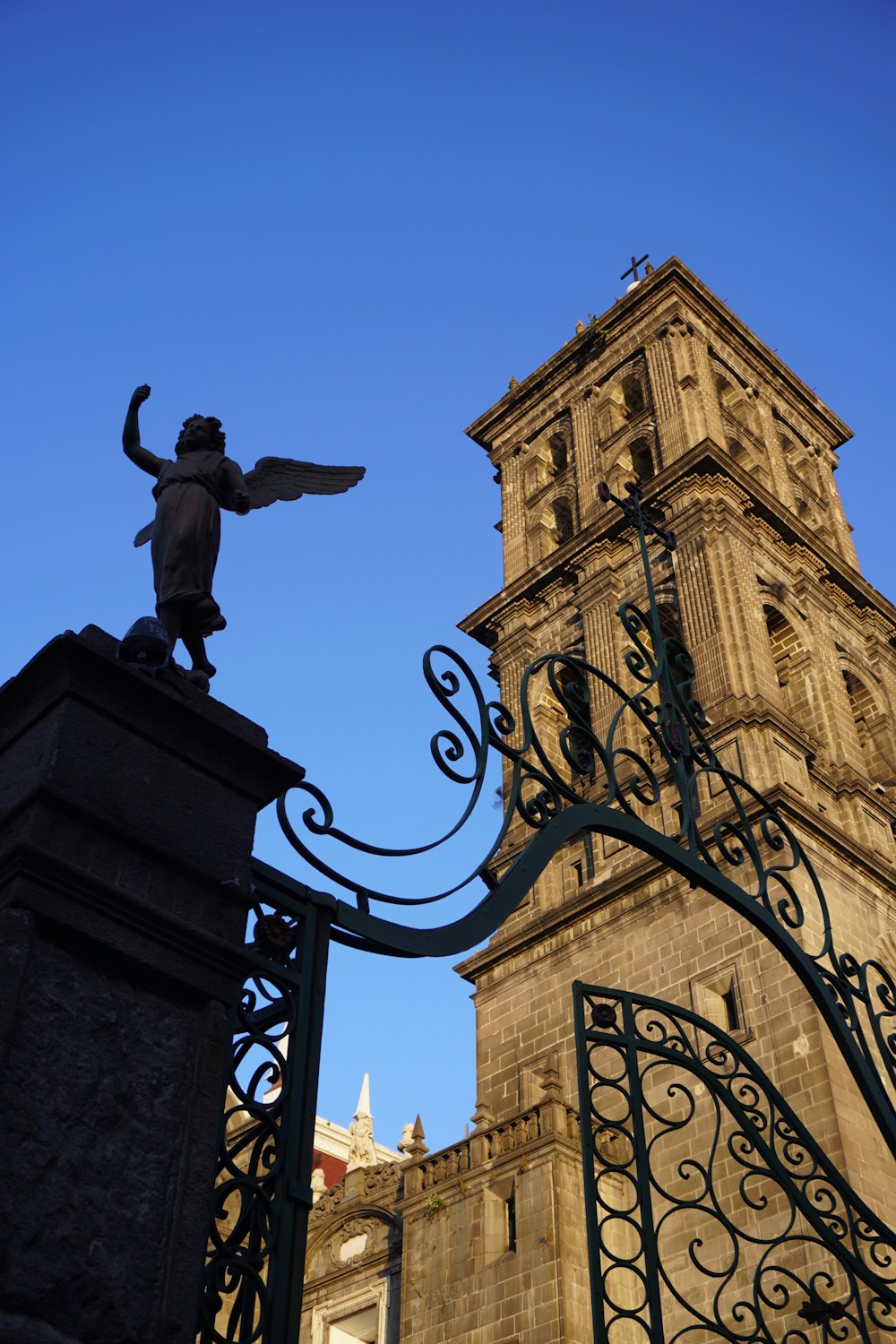
Two bell towers of close to seventy metres, the tallest in the country, rise over the main square from a cathedral begun in 1575 and finished under Bishop Palafox seventy years later. Inside, Manuel Tolsá designed the octagonal altar canopy in onyx and marble. Grey cantera stone keeps the whole thing sober. Free to enter, though the towers open only for guided climbs.
-
Biblioteca Palafoxiana
Bishop Palafox gave his library to the seminary in 1646 on condition that anyone able to read be admitted, which makes it the earliest public collection in the Americas. Three tiers of carved cedar shelving hold forty five thousand volumes beneath a gilded altarpiece, a room UNESCO has placed on its Memory of the World register. Visitors keep to a walkway along one side, and a quarter of an hour is enough.
-
Capilla del Rosario
Every surface of this side chapel in Santo Domingo is gilded plaster: angels, vines, saints and allegories crowded up into a dome that drops light onto a silver-framed image of the Virgin. Completed in 1690, it was being called the eighth wonder of the New World within a generation. The chapel is small, free and still used for prayer, so twenty quiet minutes suffice.
-
Casa de Alfeñique
White stucco ornament piped across a red brick and tile facade gave this eighteenth century mansion its name, after a sugar paste sweet. Inside, a regional museum shows colonial furniture, carriages, costume and a recreated Pueblan kitchen. The house stands a block from the Parián crafts market and the Barrio del Artista. A visit takes under an hour; closed on Mondays.
-
Church of San Francisco Acatepec
Glazed Talavera tiles in yellow, blue and green clad the entire facade and tower of this small Franciscan church a short ride from Tonantzintla. The interior was largely lost to fire in the twentieth century and has been restored with gilded altars. A quick stop on the road between Puebla and Cholula, best seen in late afternoon light when the tiles glow.
-
Church of Santa María Tonantzintla
Indigenous craftsmen covered the inside of this village church near Cholula with polychrome and gilded stucco: cherubs with feathered headdresses, tropical fruit and dark-skinned angels climbing into the dome. The exterior gives little warning. Photography inside is forbidden and wardens enforce it. Combine it with Acatepec and the Cholula pyramid in one half day by taxi or colectivo.
-
Fuerte de Loreto
Stone ramparts on a hill north of the centre held off the French army on 5 May 1862, the victory now marked as Cinco de Mayo. The fort holds a museum of arms, uniforms and battle maps, and the Guadalupe fort stands on the same ridge. Lawns and a planetarium surround the site. Taxis reach it in a few minutes; closed on Mondays.
-
International Museum of the Baroque
Toyo Ito's white curving walls, folded like starched cloth around reflecting pools, house this museum in the Angelópolis district southwest of the centre. Galleries trace the Baroque through painting, music, theatre and architecture, with models, projections and Pueblan colonial pieces. The building is half the visit. A taxi from the historic centre takes about twenty minutes, and the museum closes on Mondays.
-
Museo Amparo
Two linked colonial houses on the street south of the cathedral hold a private collection running from Olmec and Maya sculpture through colonial painting to changing shows of contemporary work. Enrique Norten's remodelling added steel and glass upstairs and a roof terrace whose view takes in the tiled domes of the centre and, in clear weather, the volcanoes. The café up there is worth the lift.
-
Uriarte Talavera
Founded in 1824, this workshop north of the cathedral still throws, glazes and hand paints Talavera pottery in the courtyard of a colonial house. Guided tours walk through the clay preparation, the wheels, the painters' tables and the kilns. A shop sells the finished plates, vases and tiles. Tour times vary, so check at the door.