Things to do
11-
Grutas de Rancho Nuevo
Off the road to Comitán, ten kilometres south-east, a limestone cave opens in a pine forest, and a lit walkway follows it in among stalactites and flowstone. The forest park around the entrance has picnic areas and horses for hire. Colectivos for the caves leave from the edge of town. Cool and damp inside year round, so a layer helps even on a warm day.
-
Iglesia de Guadalupe
A long flight of steps climbs from the end of Real de Guadalupe, the pedestrian street east of the square, to this hilltop church, and the view at the top runs straight back down the street to the cathedral. December brings the town's largest pilgrimage, with runners, fireworks and torches in the days before the twelfth.
-
Mercado Municipal José Castillo Tielemans
North of Santo Domingo, the town's main food market spills out of its building into the surrounding streets, where women from the highland villages sell vegetables, flowers, herbs, live chickens and candles by the bundle. Inside, the lanes run to butchers, dried chillies and stalls cooking breakfast. Mornings are when the villages come in. Photographing traders without asking causes real offence here.
-
Museo del Ámbar de Chiapas
Set in the former convent of La Merced, the museum explains the amber mined around Simojovel in northern Chiapas, with pieces holding trapped insects and leaves, carvings, and a section on how to tell real amber from glass and plastic. The cloister itself, with its arcades and garden, repays a slow look. Amber sold on the streets outside is often fake, which the displays help to judge.
-
Na Bolom
The house of Frans and Gertrude Blom, archaeologist and photographer, who spent decades documenting the Lacandón Maya and left their home as a museum, library and guesthouse. Rooms hold Gertrude's portraits, Lacandón objects and the couple's own furniture, and the garden nursery still grows trees for reforestation in the Lacandón forest. Guided tours run in the afternoon. A quiet half hour, a few blocks east of the centre.
-
Parador San Juan de Dios
A small hotel on the northern edge of town, its rooms arranged around stone courtyards and gardens. The setting is quieter than the centre, which lies a short taxi ride or a longer walk away. The house restaurant and grounds stay within the walls, and the highland nights are cold enough that a heated room matters.
-
San Cristóbal Cathedral
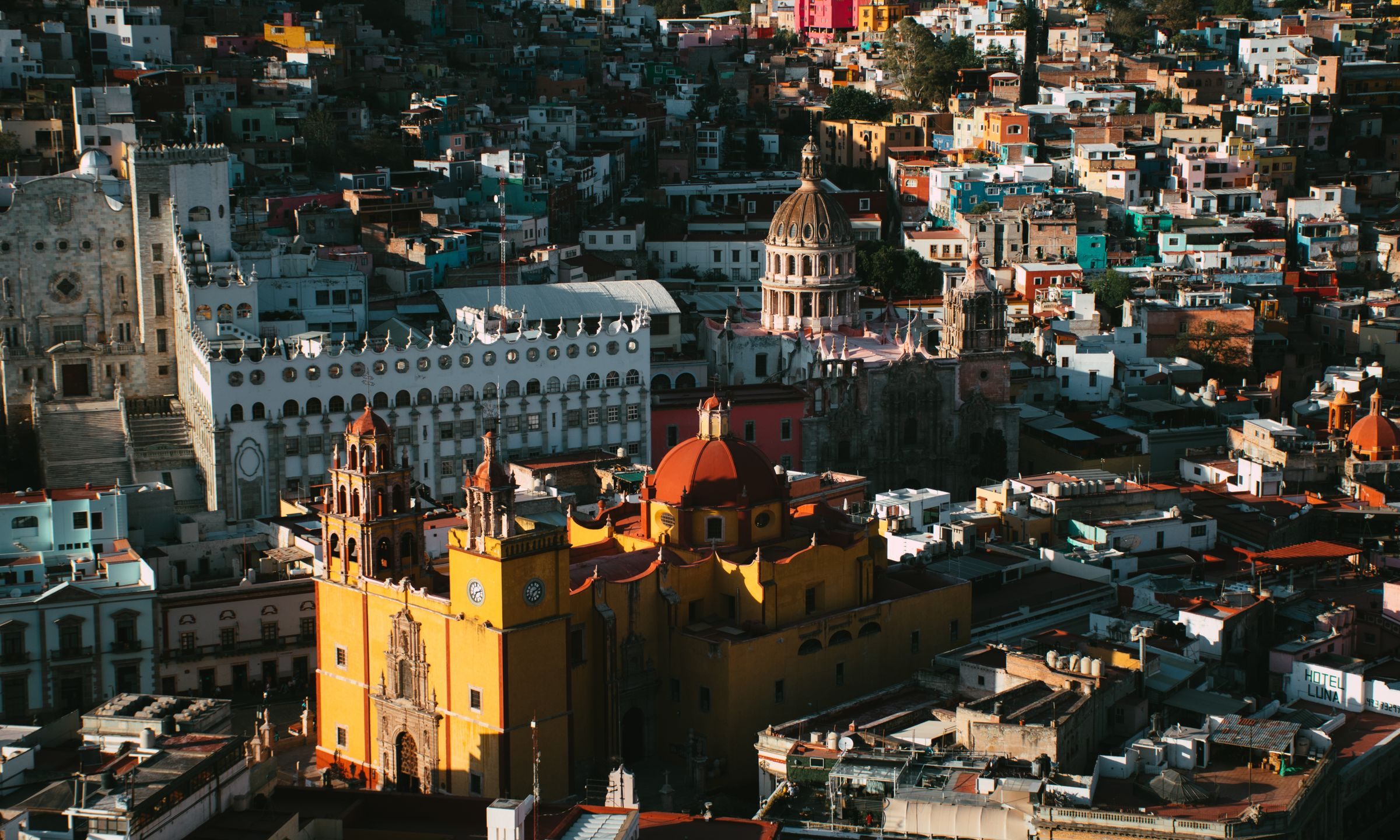
Ochre and red on the west side of the main square, a sixteenth-century foundation given its present front in the eighteenth, and the seat of the diocese where Bartolomé de las Casas, the friar who argued for the rights of the Indigenous peoples, was bishop. The interior is plainer than the facade suggests, with gilded altarpieces and a carved pulpit. Ten minutes, and the square outside is the town's meeting point.
-
San Juan Chamula
Ten kilometres from San Cristóbal, a Tzotzil town whose church has no pews and no priest: worshippers kneel on pine needles among thousands of candles, with soft drinks and, sometimes, a chicken as part of the healing. Photography inside is forbidden and enforced, and the rule extends to ceremonies in the square. Go with a local guide, who explains what is happening and where to stand, and dress plainly. Sunday market mornings are the fullest.
-
Sumidero Canyon
Walls close to a kilometre high hem the Grijalva River for a dozen kilometres below Chiapa de Corzo, and the visit is a boat: launches leave from the embarcadero and run to the dam and back in about two hours, passing crocodiles on the banks and a moss formation shaped like a Christmas tree. Five lookouts along the rim road give the view from above. Chiapa de Corzo is an hour from San Cristóbal.
-
Templo de Santo Domingo
Baroque stonework covers the whole front of this Dominican church in a lace of columns and figures, and the interior answers it with gilded altarpieces and a pulpit carved from a single piece of wood. Around the church and the old convent beside it, the daily craft market spreads across the plaza, with textiles from the highland villages. Mornings before the market builds are the quietest for the church itself.
-
Zinacantán
Flowers are the trade here: greenhouses fill the valley floor and the Tzotzil women of the town embroider them onto their shawls and skirts, in a style that changes every year or two. Visits usually pair with Chamula and turn on a family workshop, where backstrap weaving is shown and tortillas come off the comal. The church of San Lorenzo is worth a look for its flower decoration. A short drive west of San Cristóbal.