Things to do
5-
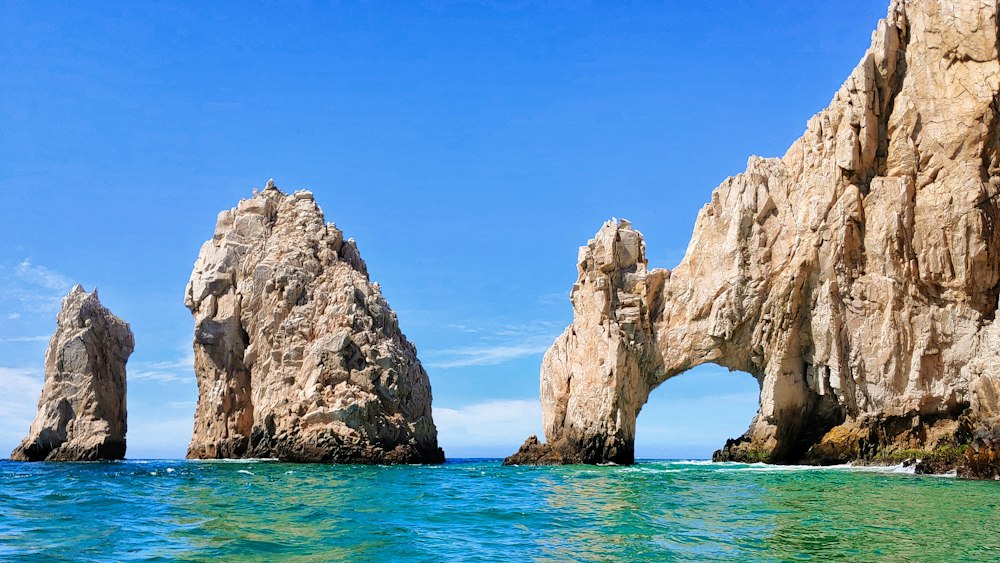
El Arco
Granite fin pierced by a sea cave at Land's End, the last rock of the peninsula, where Pacific swell meets the calmer Sea of Cortez. No path reaches it: pangas and glass-bottom boats run out from the marina in a quarter of an hour. Sea lions haul out on the ledges below. Morning light works best, and the swell is usually flattest then too.
-
San José del Cabo
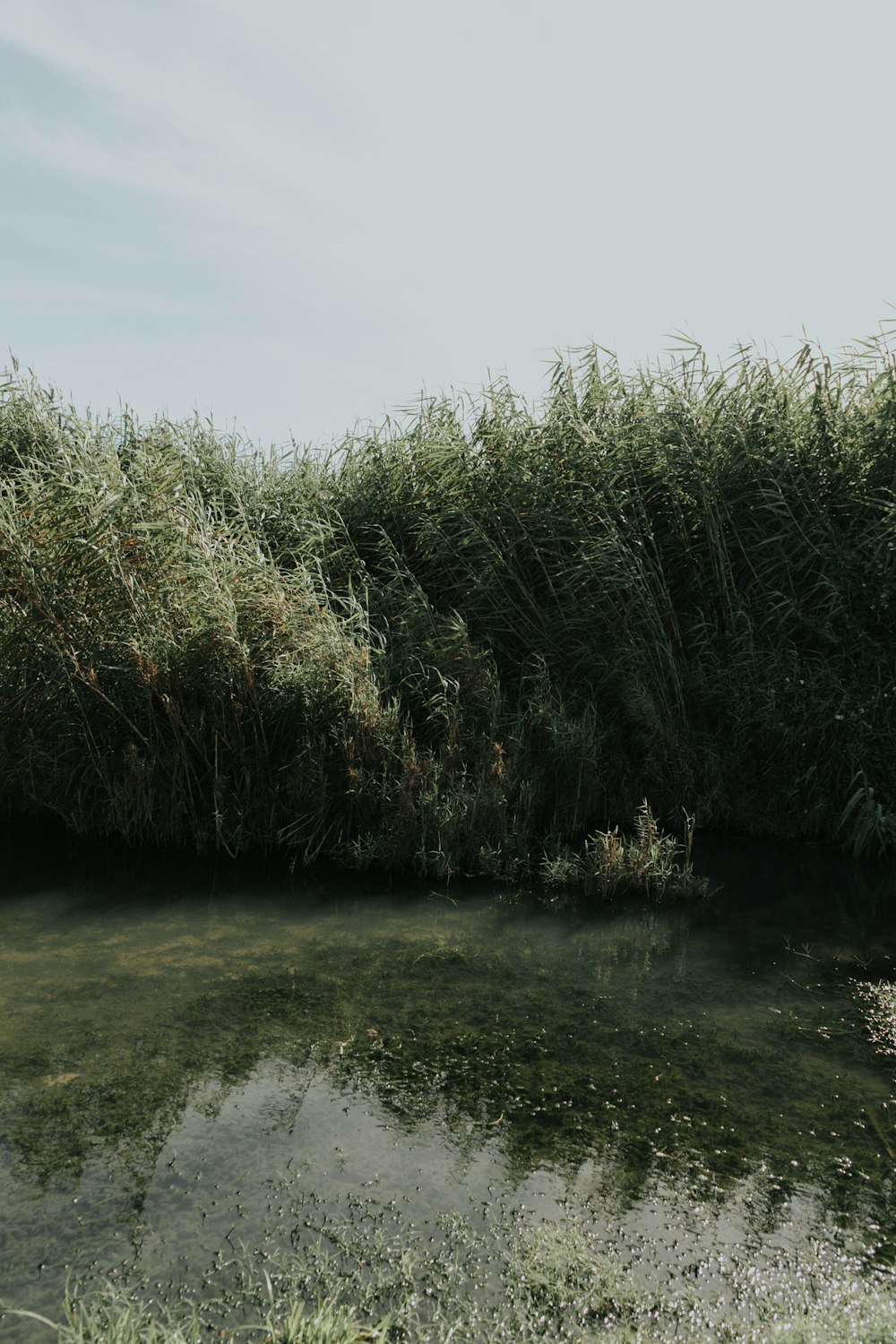
Thirty kilometres east, the older of the two Cabos: a mission town around a shaded plaza, with a church whose tiled panel over the door shows the killing of a Jesuit priest by the Pericú. Galleries fill the lanes of the art district behind it, and open late together one evening a week through the cooler half of the year. An estuary at the edge of town draws herons and migrating birds.
-
Park
Cabo Pulmo National Park
A living hard coral reef in the Sea of Cortez, closed to fishing since the nineteen nineties by the village that used to fish it. Biomass came back so completely that biologists cite the recovery worldwide: tornadoes of jacks, bull sharks in summer, a sea lion colony at the southern point. Dirt road in, a handful of houses, solar power, no cash machine. Diving is arranged through the operators in Cabo Pulmo itself.
-
Playa del Amor
Sand at the foot of the cliffs at Land's End, reached by panga and by nothing else. A short walk over the neck of rock leads to the Pacific side, called Divorce Beach, where undertow makes swimming dangerous and signs say so. The sheltered Cortez side is calm and good for snorkelling. There is no shade and no kiosk, so water comes in the bag.
-
Playa El Médano
Walkable from the marina, a long curve of sand on the sheltered bay and the one beach in town where swimming is reliably safe. Beach clubs run the length of it with loungers, music and food service; vendors work the sand hard and a polite no is understood. Jet skis, parasails and banana boats churn the water offshore. Calmest early, loudest by mid-afternoon.