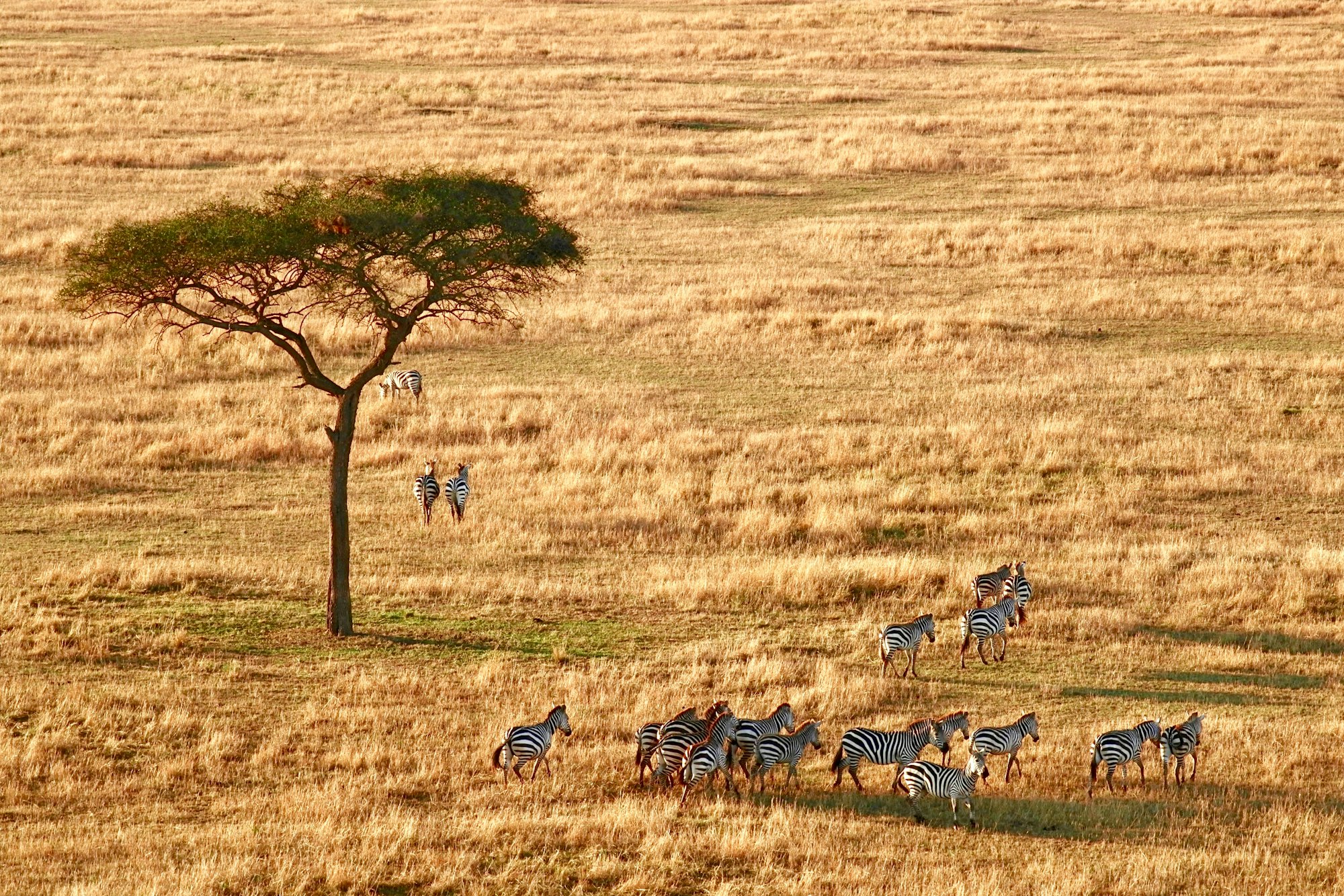
No. 1 Park in Arusha, Tanzania
Serengeti National Park
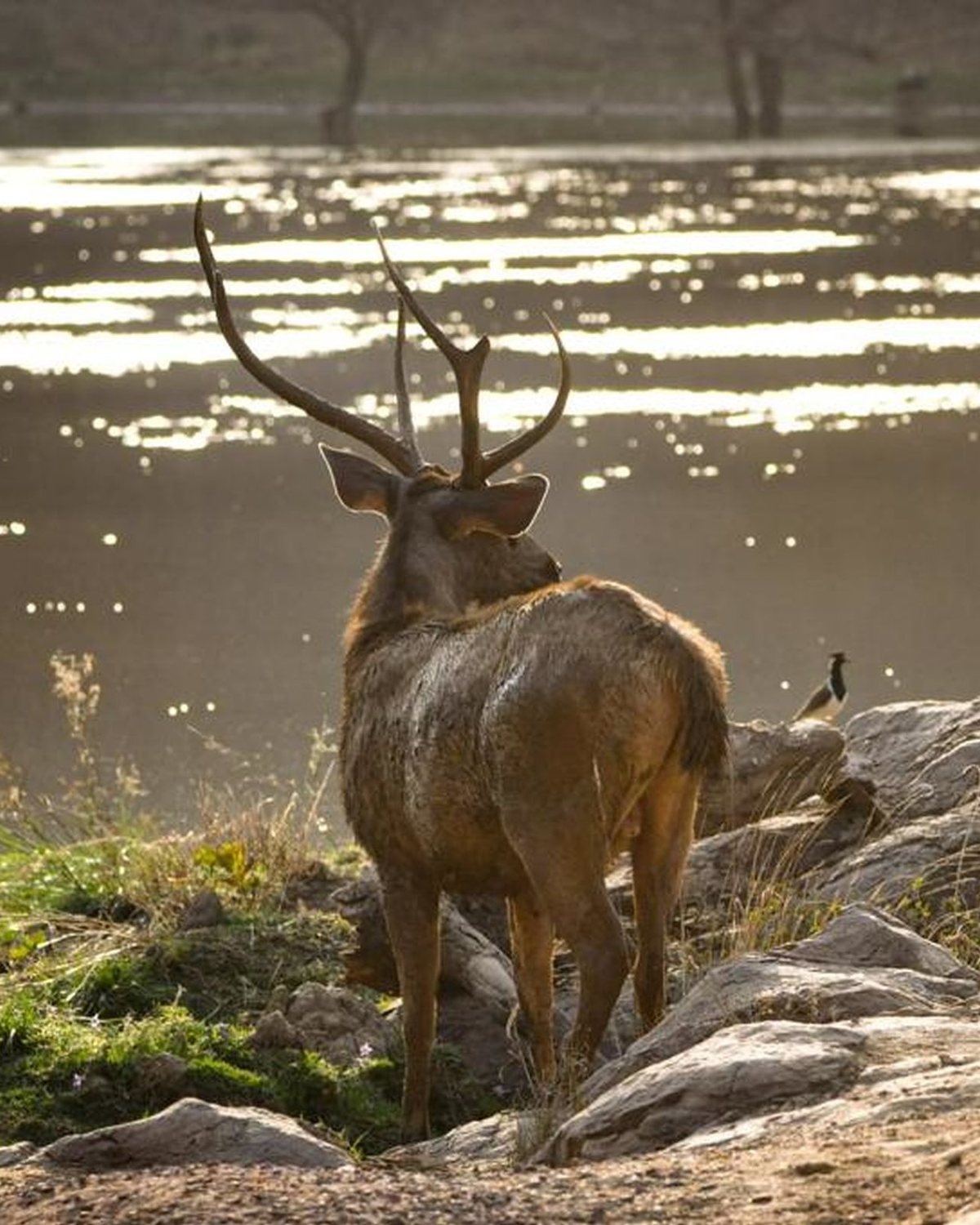
You watch the Serengeti from a 4x4, and the first choice is the month, because the herds never stop moving. Over 1.5 million wildebeest and zebra circle the grass plains after the rain, with the big cats and crocodiles that hunt them.
From December to March they graze the short grass around Ndutu in the south, where around 500,000 calves are born in two to three weeks and the predators gather for them. From July to October, stay near Kogatende for the Mara River crossings, and give it more than two nights, because some days no herd crosses.
On the tracks you pass kopjes, outcrops of bare rock standing up out of the grass like islands. The Moru Kopjes in the central plains carry Maasai cave paintings.
Read the Serengeti National Park guide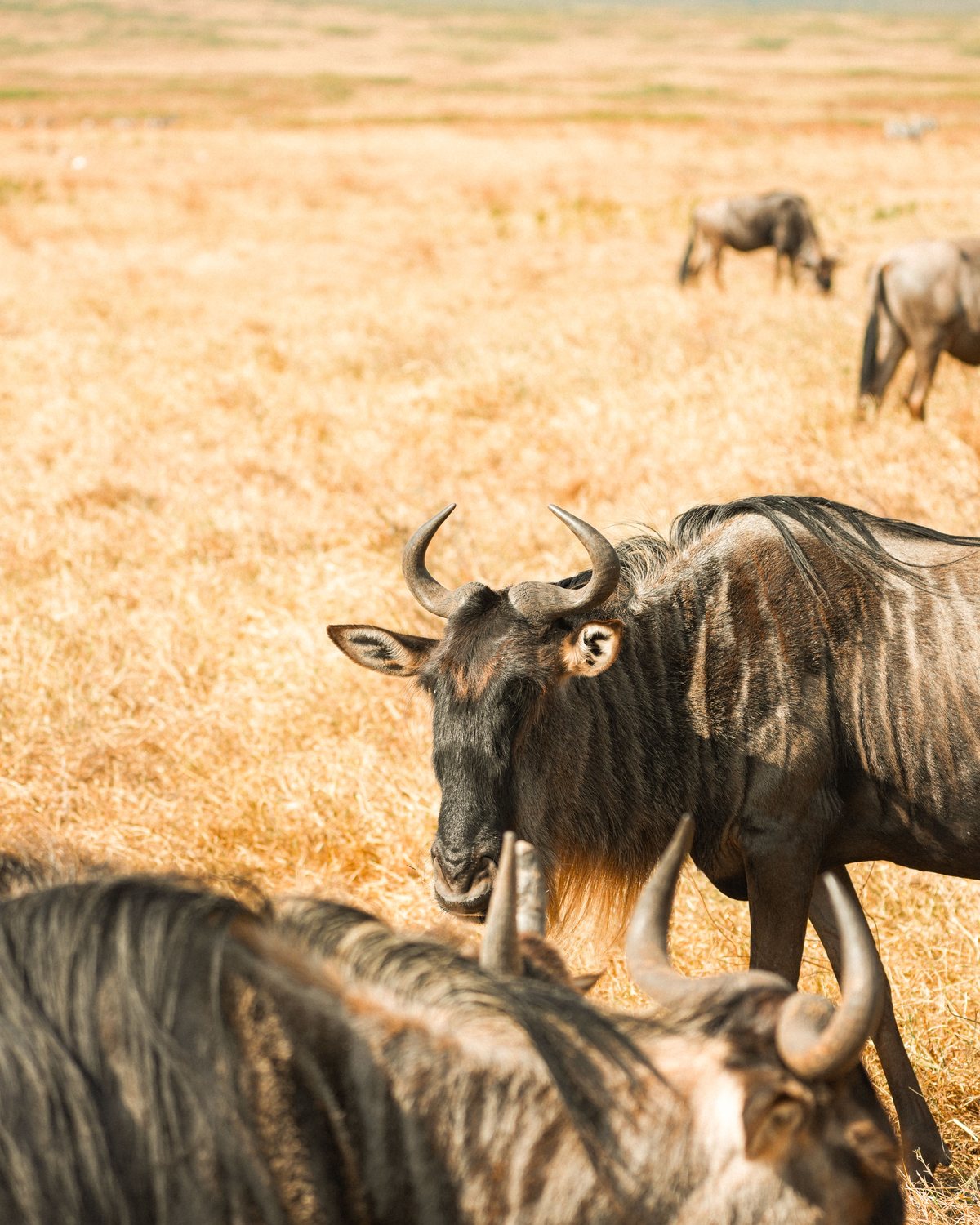
No. 2 Park in Puerto Ayora, Ecuador
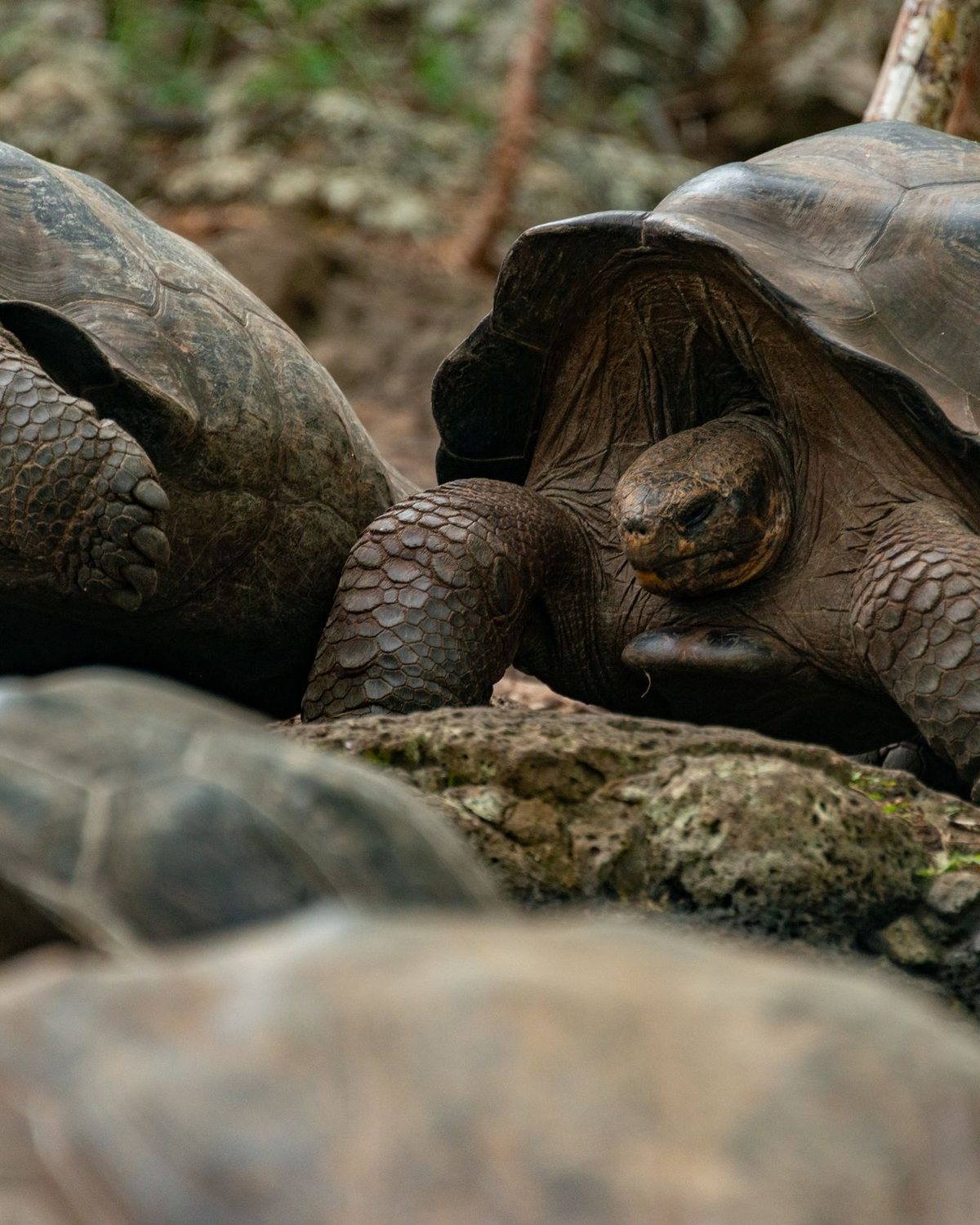
Galápagos National Park
The Serengeti's herds have to be followed across the plains. In the Galápagos the sea lions sleep beside the docks, and most of the wildlife can be watched from a couple of metres away.
Much of it lives nowhere else. Giant tortoises move through the highlands, and marine iguanas, the world's only sea-going lizards, lie in groups on the shore lava. On North Seymour, a short loop trail passes nesting frigatebirds, with blue-footed boobies along the way.
Pack a mask. At Bartolomé you snorkel beside Galápagos penguins, with reef fish around Pinnacle Rock. A cruise reaches more islands than the day boats from Puerto Ayora.
Read the Galápagos National Park guide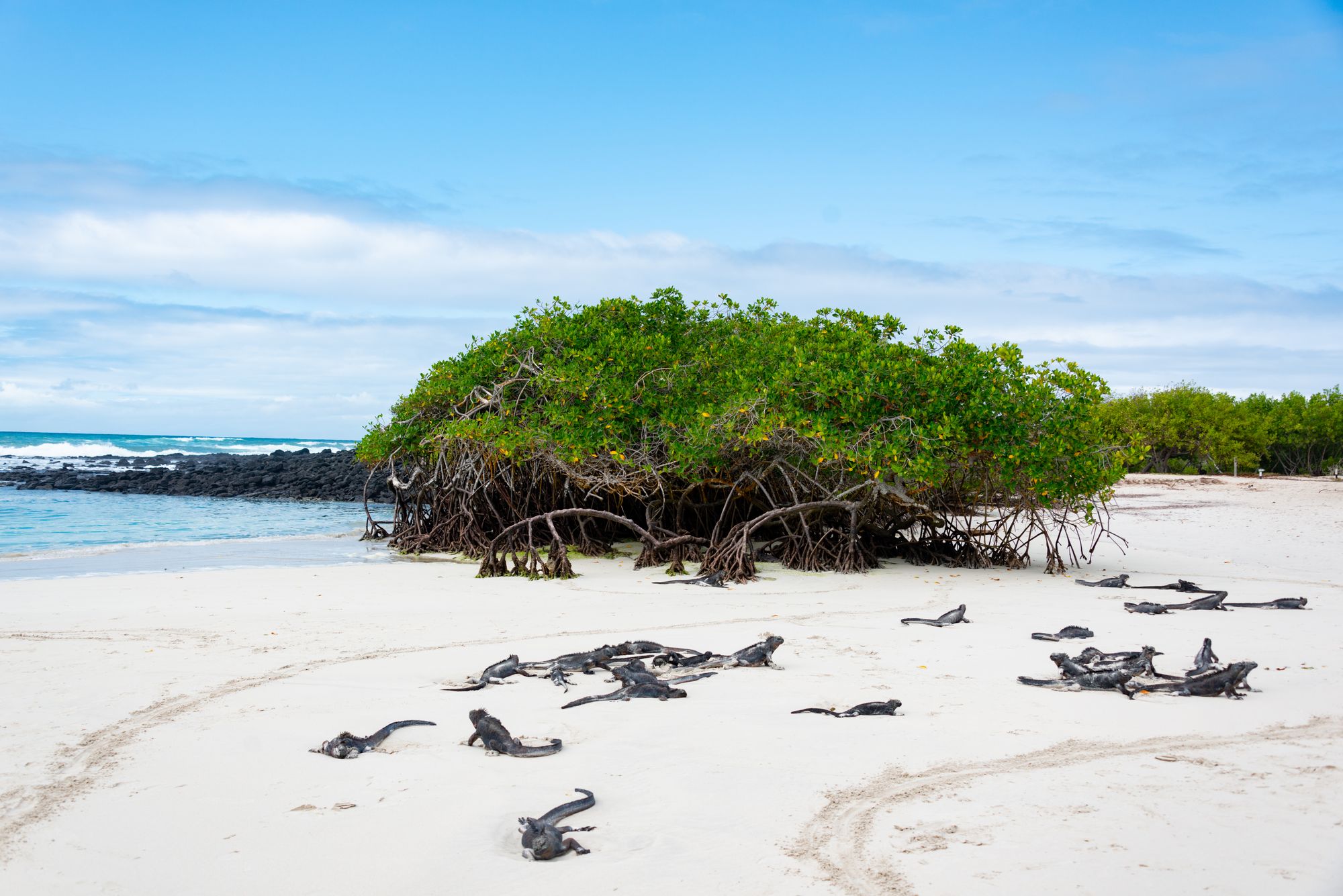
No. 3 River Delta in Maun, Botswana
Okavango Delta
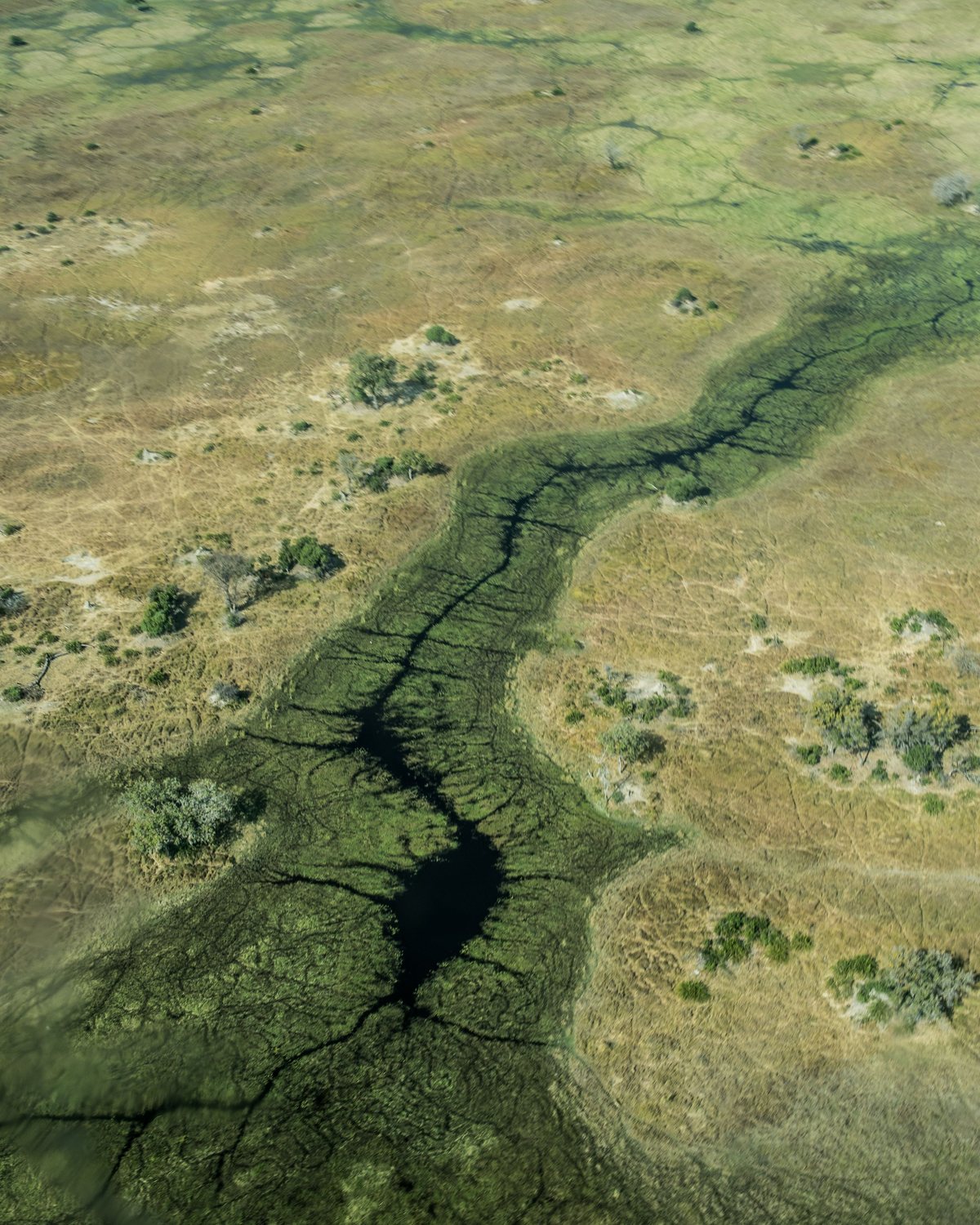
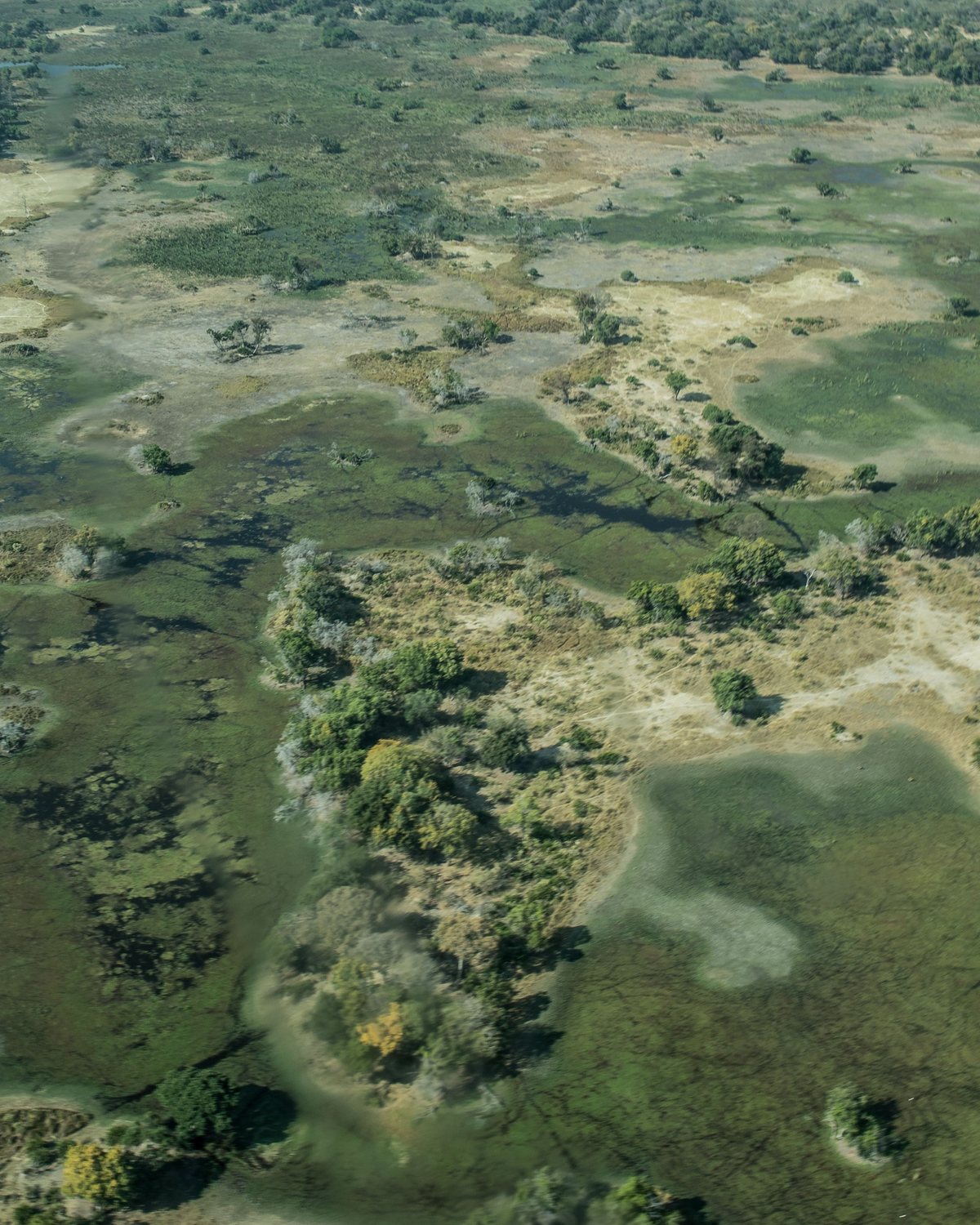
At Bartolomé the animals swim around you; in the Okavango Delta you float just above them. You sit low in a mokoro, a dugout canoe, usually two passengers to a boat, and glide through the reed channels low enough to meet a hippo's eye.
The water falls as rain in the Angolan Highlands months earlier. It reaches the inner delta by June and peaks in July and August, the dry winter. Camps on permanent channels still run mokoro trips in October and November, with a shorter reach.
Fly from Maun to a concession camp, which runs its own game viewing and boat trips, or drive into Moremi Game Reserve, where a day's drive crosses open floodplain in the north and mopane woodland in the south.
Read the Okavango Delta guide
No. 4 Park in Musanze, Rwanda
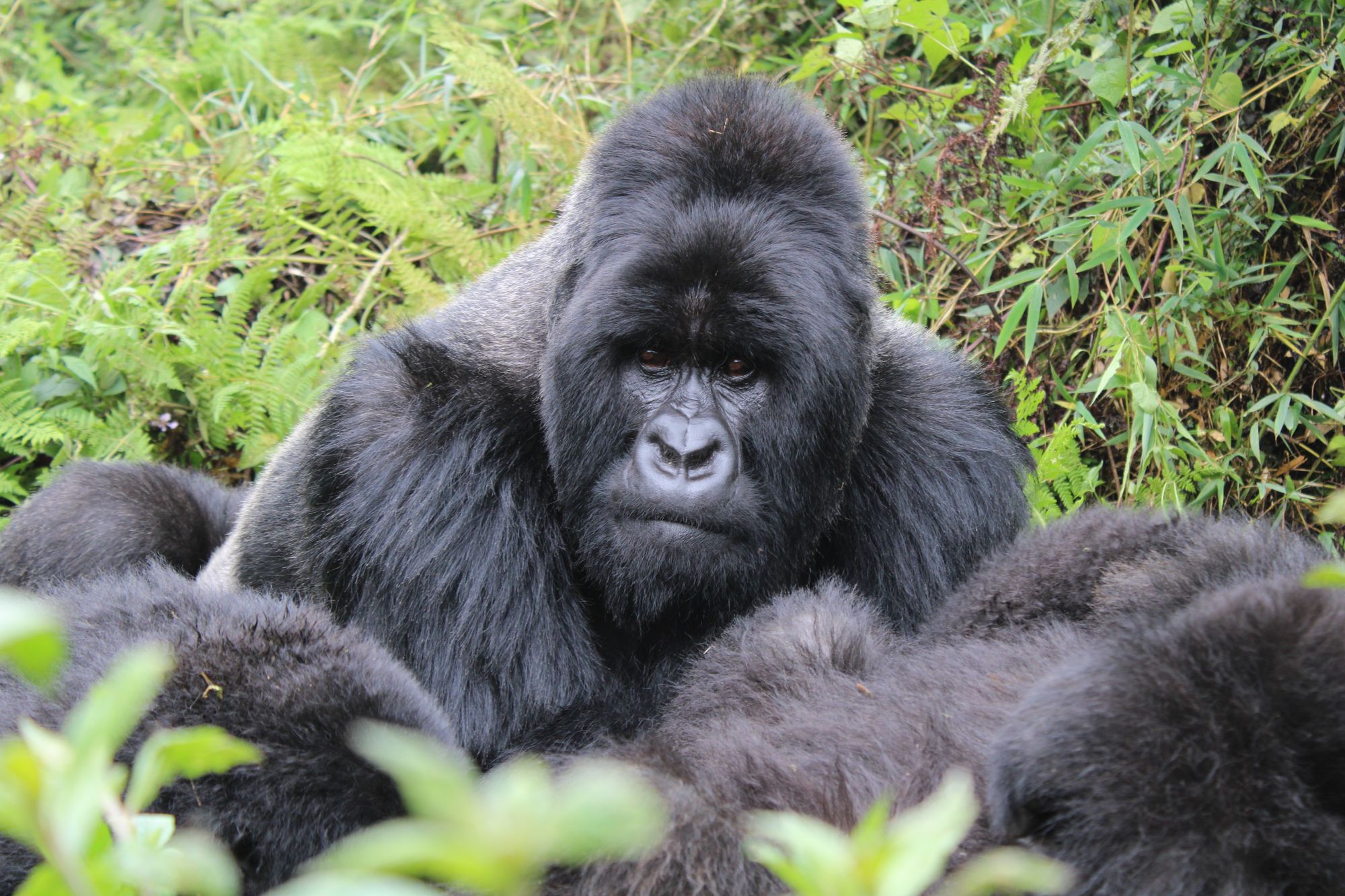
Volcanoes National Park
Moremi is seen from a vehicle by day, with no walks allowed. In Volcanoes National Park you walk, climbing through bamboo on the Virunga slopes to spend an hour with a habituated mountain gorilla family.
About 1,000 mountain gorillas live in the wild, 604 of them across the Virunga Massif, and twelve troops here are habituated to visitors. Each has at least one silverback with several females and young, and keeps to a preferred stretch of slope.
At the Kinigi headquarters, rangers match each visitor to a family by fitness on the day. The hike in takes from 30 minutes to more than four hours, and the group shifts through the hour as the gorillas move and feed. Golden monkeys are a separate trek on another day.
Read the Volcanoes National Park guideNo. 5 Park in Hazyview, South Africa
Kruger National Park
At Kinigi a ranger picks your gorilla family; in Kruger you pick the route and the stops. You drive your own car through nearly two million hectares of bush looking for the Big Five, then sleep in a rest camp inside the park.
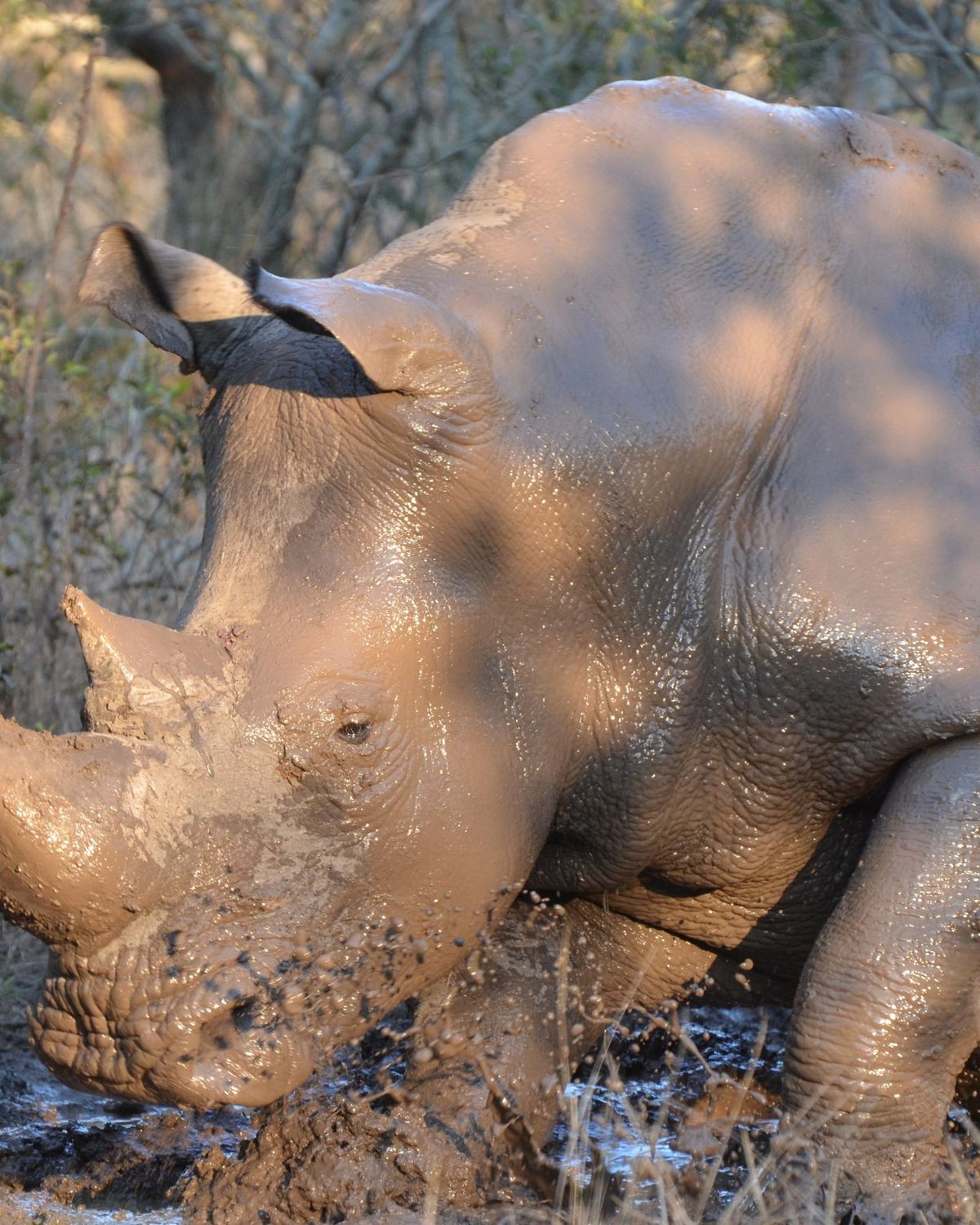
An estimated 1,500 lions and 1,000 leopards live here, with elephant, buffalo, black and white rhino, and wild dog. From Hazyview, enter by Phabeni Gate, stop at Nyamundwa Dam on the S1, and have breakfast at Skukuza, where the sightings board at reception shows where animals were seen that day.
At midday the animals retreat into the shade, so sit at Lake Panic Hide, just before Skukuza. After dark, look for genets, thick-tailed bush babies and fruit bats inside the camp itself.
Read the Kruger National Park guide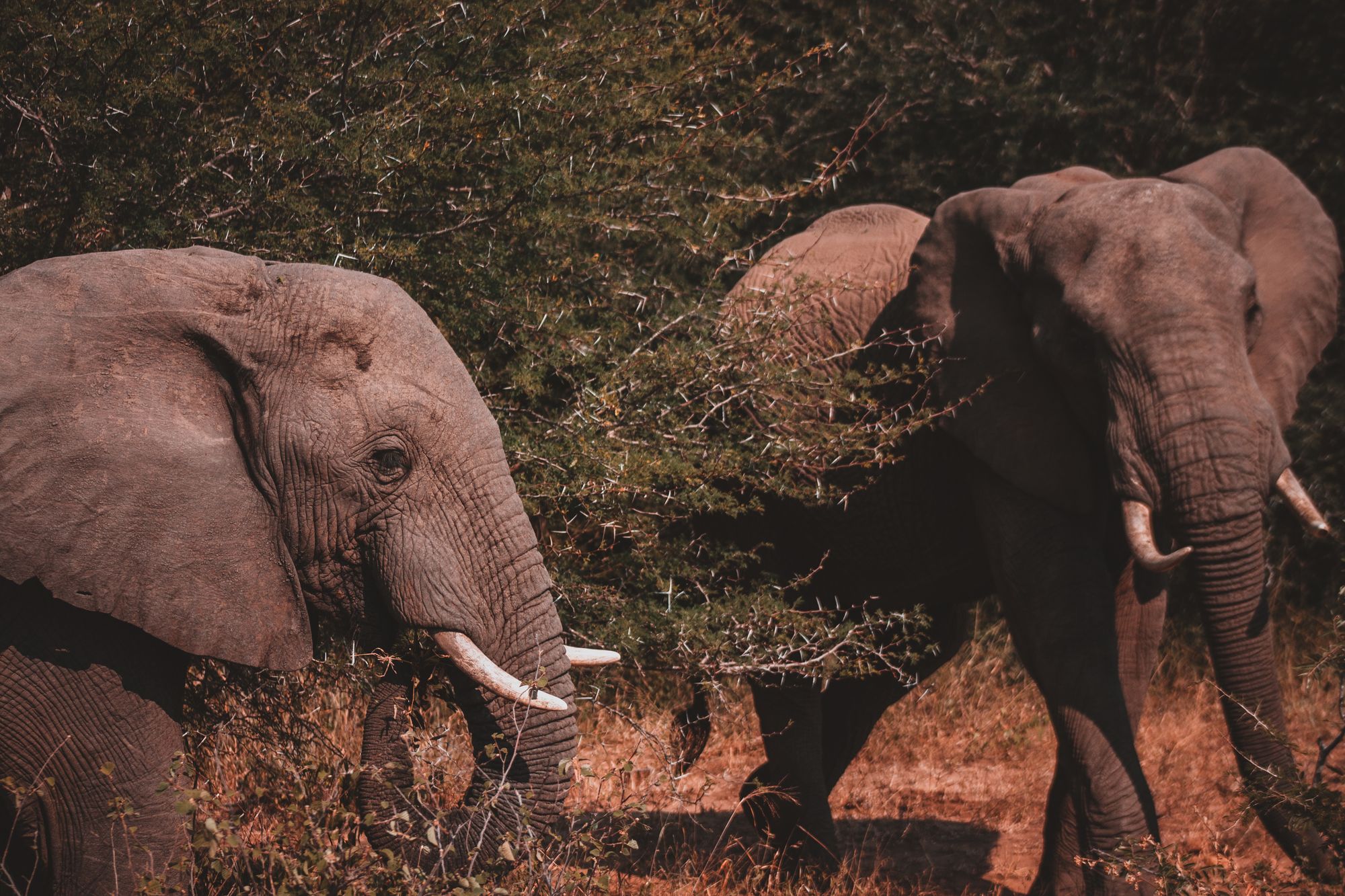
No. 6 Park in Poconé, Brazil
Parque Estadual Encontro das Águas
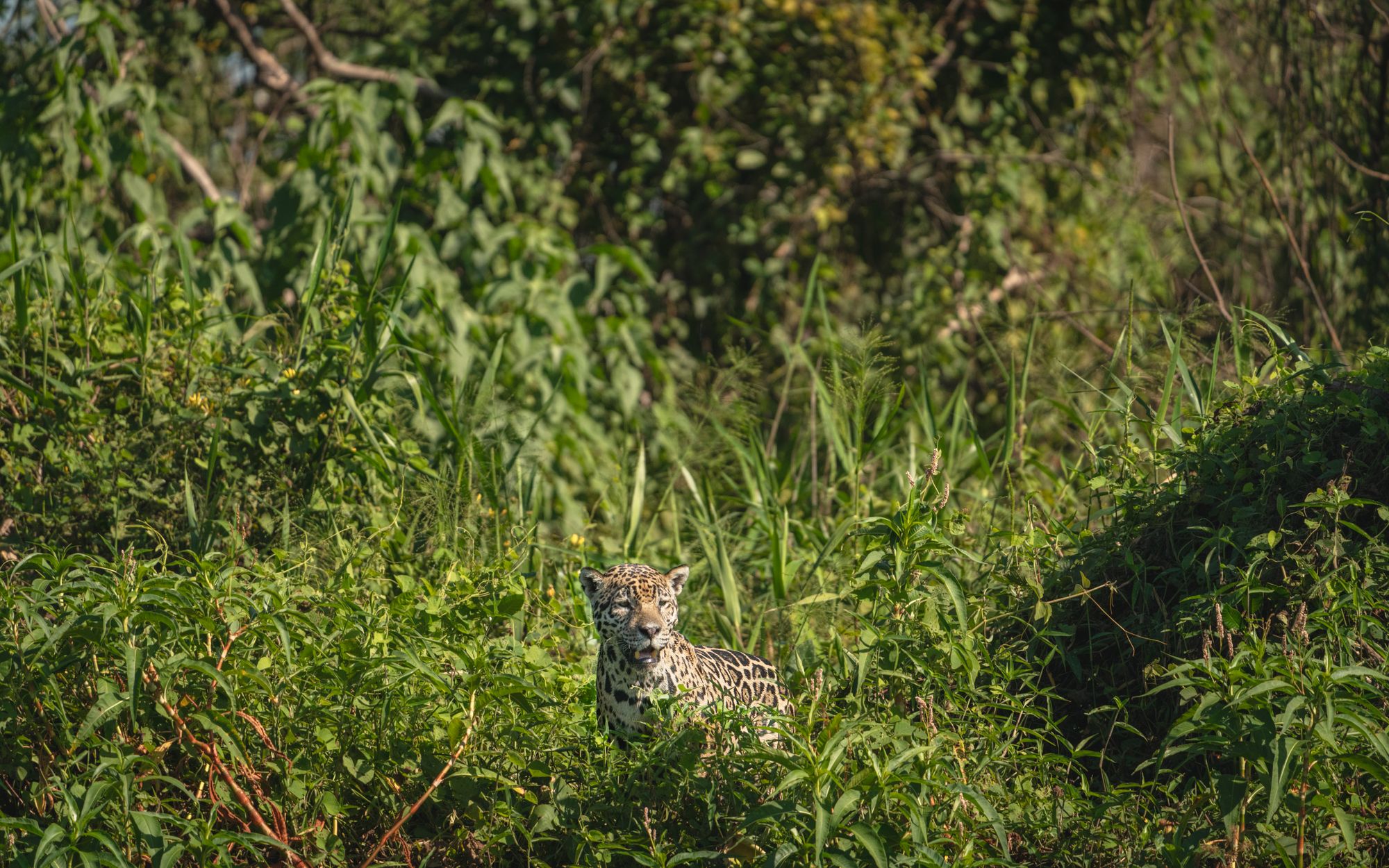
At Skukuza you watch hippo and buffalo from the river front on the Sabie. At Encontro das Águas, in the Pantanal, you watch the banks from a boat for wild jaguars hunting caiman and capybara, in one of the largest concentrations of the cat in the world.
Boats leave from Porto Jofre, where the Transpantaneira ends south of Poconé. Ask your pilot to pass the confluence, where the murky Cuiabá and São Lourenço join the clear Piquiri and the colours mix, and to run up the Corixo Negro, a dark side channel where jaguars live.
Once a cat is found, boats keep at least 10 metres off the bank, or 30 if it is swimming, and you watch in silence. Giant otters, hyacinth macaws and jabiru storks share the park.
Read the Parque Estadual Encontro das Águas guide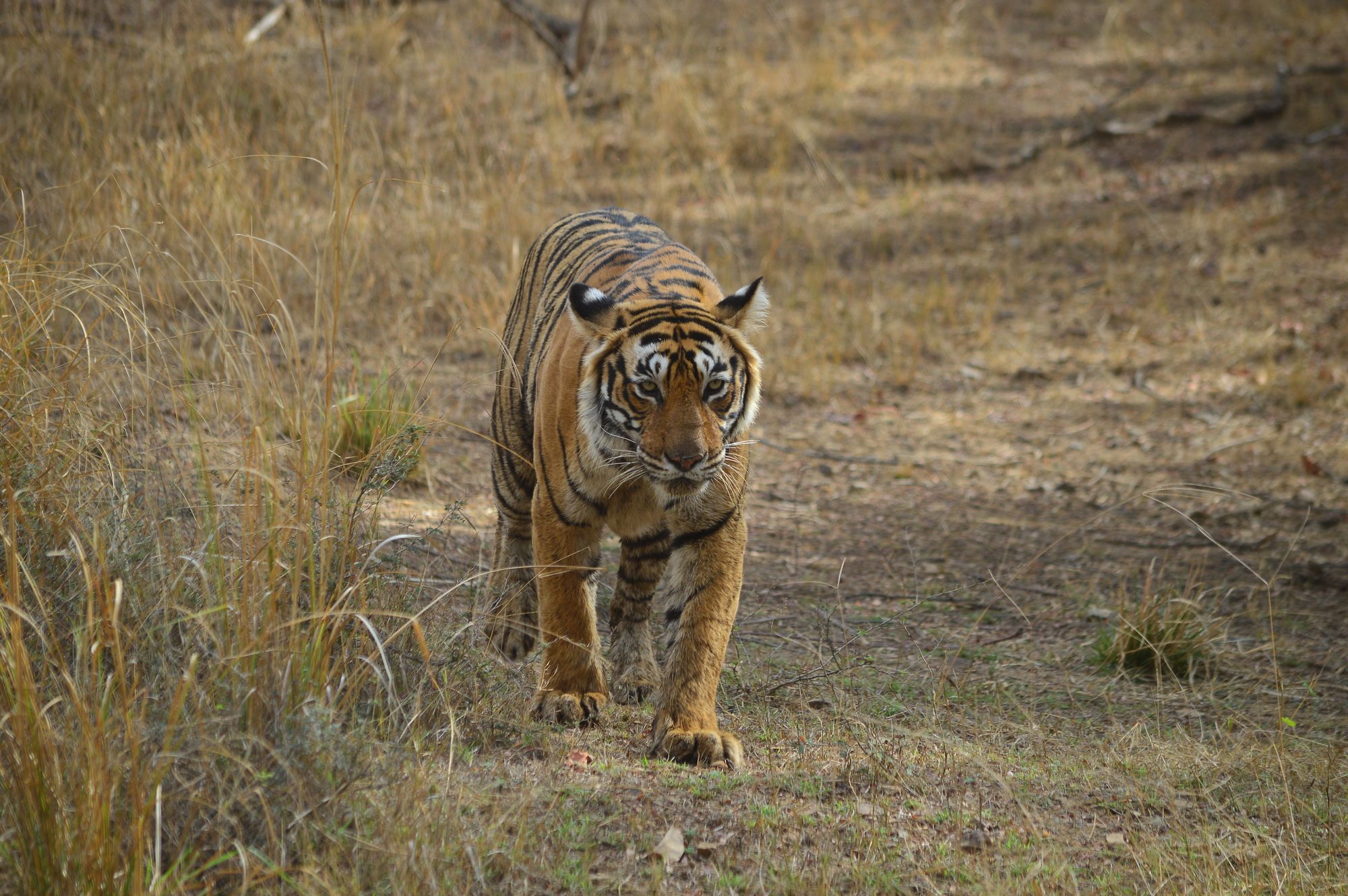
No. 7 Park in Sawai Madhopur, India
Ranthambore National Park
Swap the boat for an open jeep and the jaguar for a tiger. In Ranthambore you look for wild tigers around three lakes, Padam Talao, Rajbagh and Malik Talao, and the hot months from April to June draw them to the water.
Ruins stand at the water's edge at Rajbagh, and Ranthambore Fort stands on a hill above the plain. Each safari runs in one zone, morning or afternoon, and the zone shapes the day: tigresses with cubs at Bakula's waterholes, leopards in Kachida Valley, sloth bears at the anthills of Lakarda Anantpura.
Ride in a gypsy, a small open jeep, or a canter, a larger open truck kept to fewer zones. Marsh mugger crocodiles live in the lakes, and peacocks and kingfishers line the banks of Malik Talao.
Read the Ranthambore National Park guide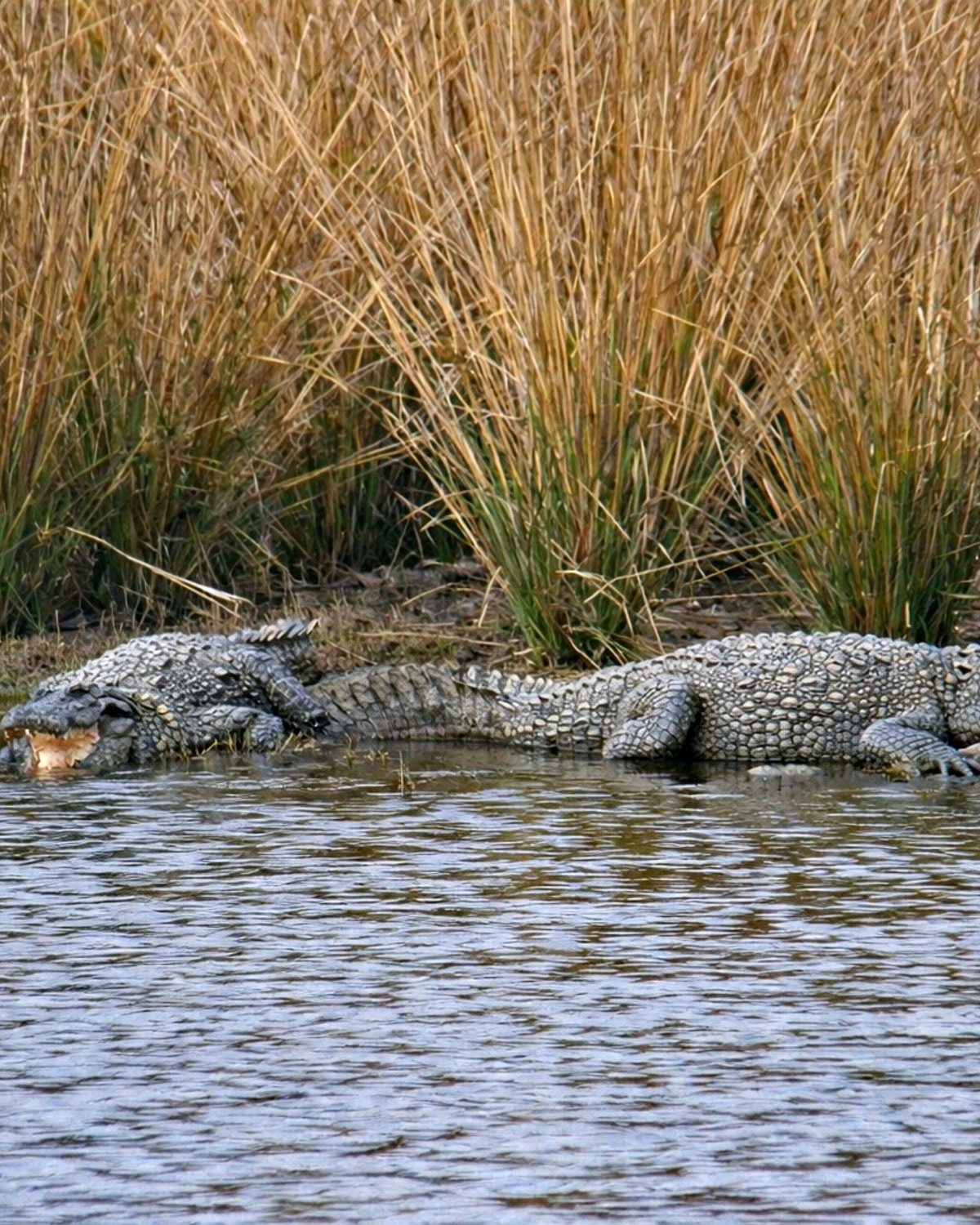
No. 8 Park in Churchill, Canada
Churchill Wildlife Management Area
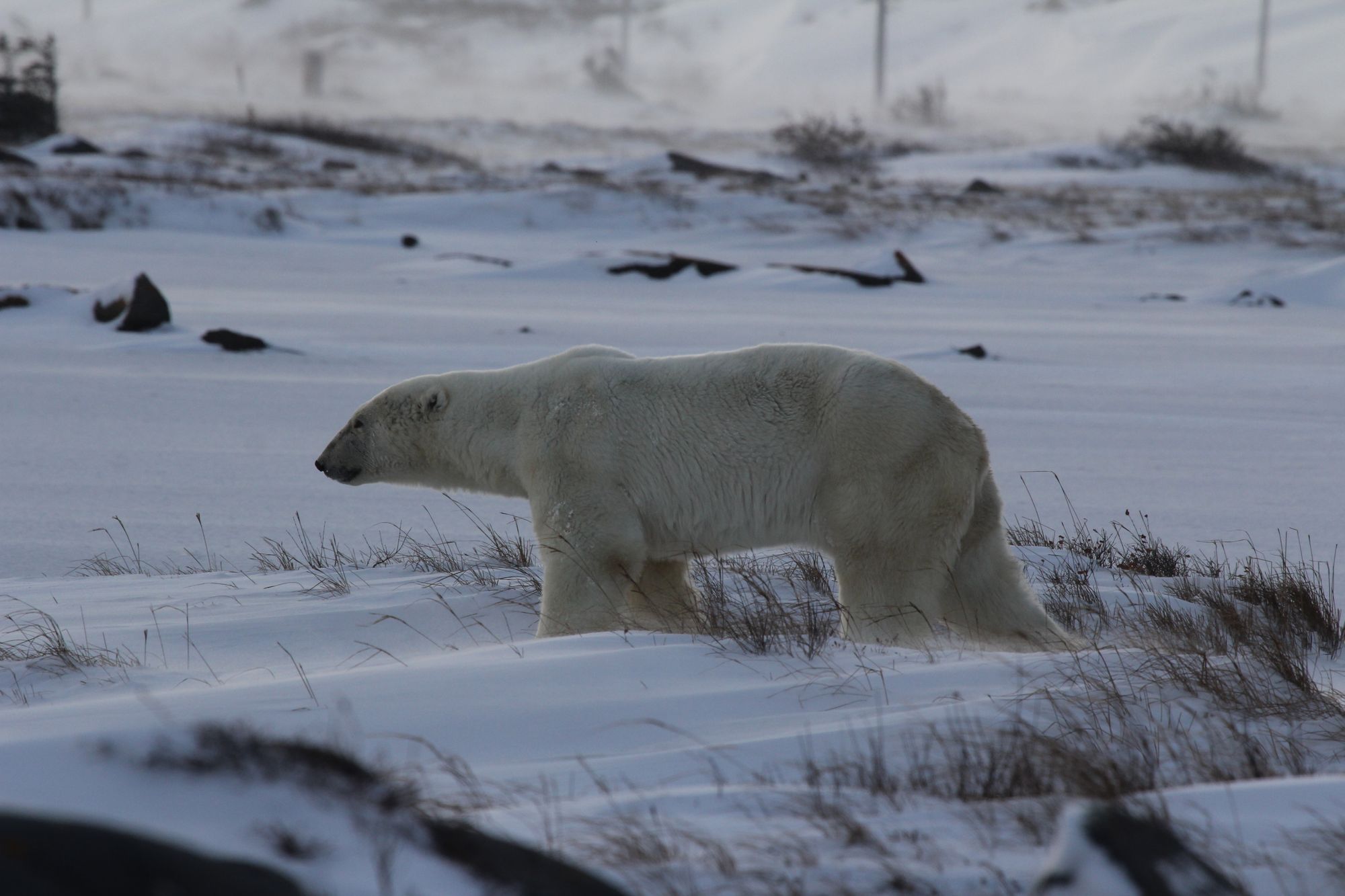
A Ranthambore canter keeps to the forest tracks. At Churchill the tundra vehicle, an off-road coach, leaves the road at the operators' boarding pads on Launch Road and follows designated trails across the protected coast of Hudson Bay.
Polar bears come ashore when the bay's ice melts and wait on land for it to freeze again, drifting north past the town in autumn. Peak viewing runs from the start of October to mid-November. Out on the tundra the bears rest, play and spar, and sometimes walk up to the vehicle themselves.
Stay a night at a tundra lodge and a bear can be outside your window when you wake. From mid-June to mid-July, the coastal wetlands fill with shorebirds and waterfowl.
Read the Churchill Wildlife Management Area guide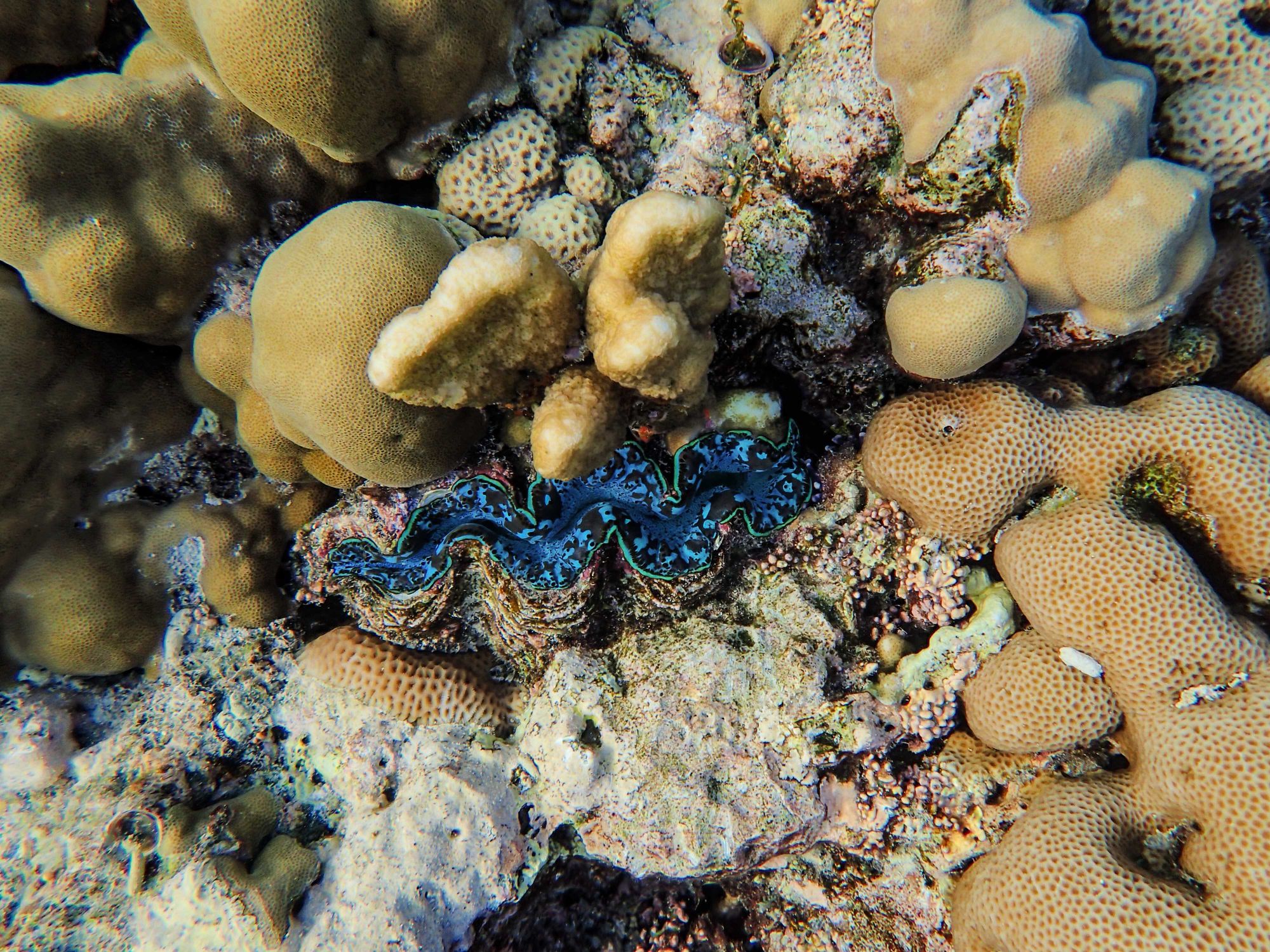
No. 9 Reef in Cairns, Australia
Great Barrier Reef
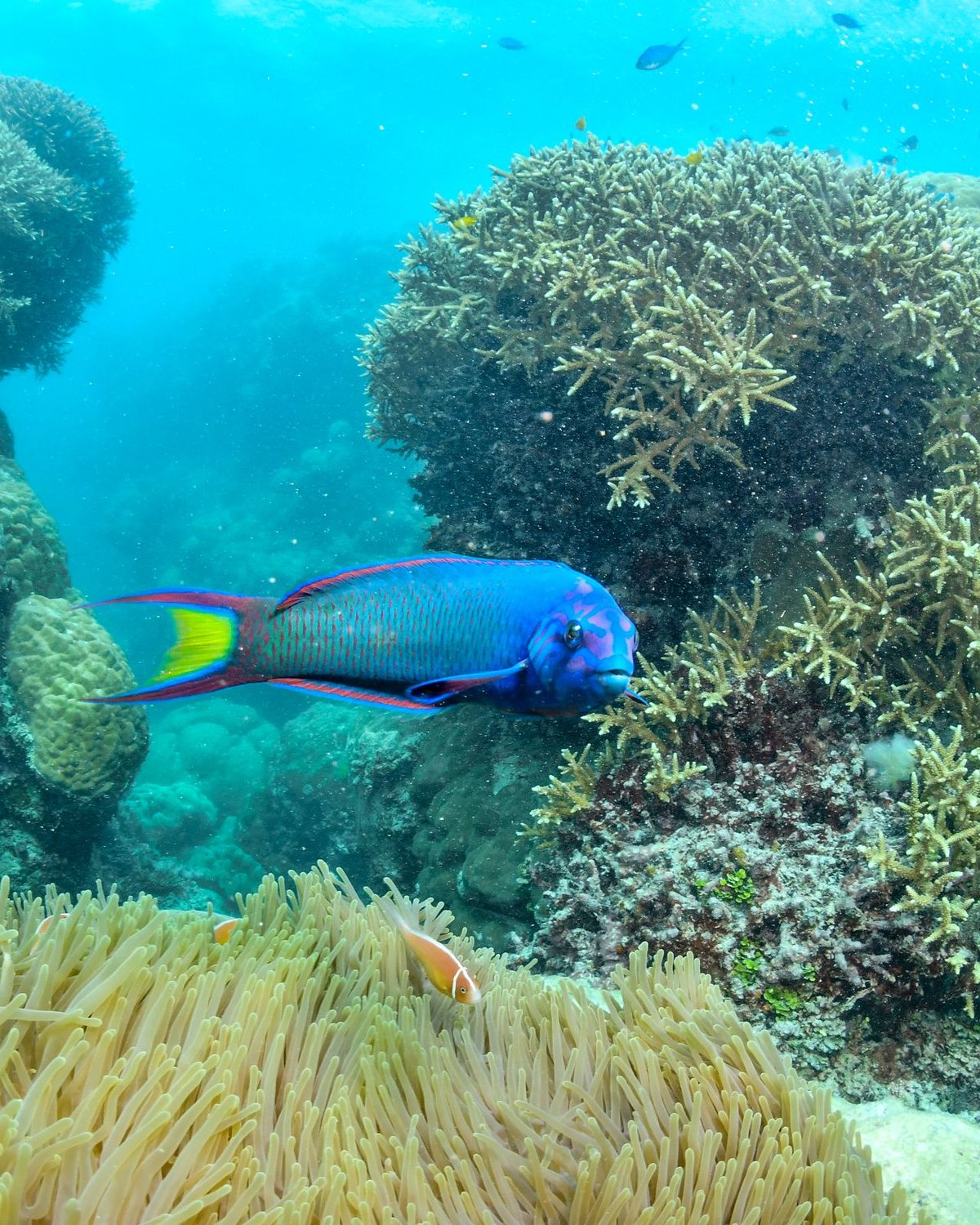
A tundra lodge puts a window between you and the bear. On the Great Barrier Reef you float face down over coral gardens a few metres beneath you, with no dive training. Boats from Cairns reach the outer reef, where the coral cover is richest and the visibility best.
For children or less confident swimmers, choose a pontoon, a moored platform where you snorkel off the deck and a glass-bottom boat runs all day. On a calm day at Moore Reef, snorkellers have met an eagle ray, reef sharks and green turtles around one platform. From November to May, wear the stinger suit the crew offers.
White patches are bleached coral: in warm water it expels the algae that feed it. Bleached coral can recover or die.
Read the Great Barrier Reef guide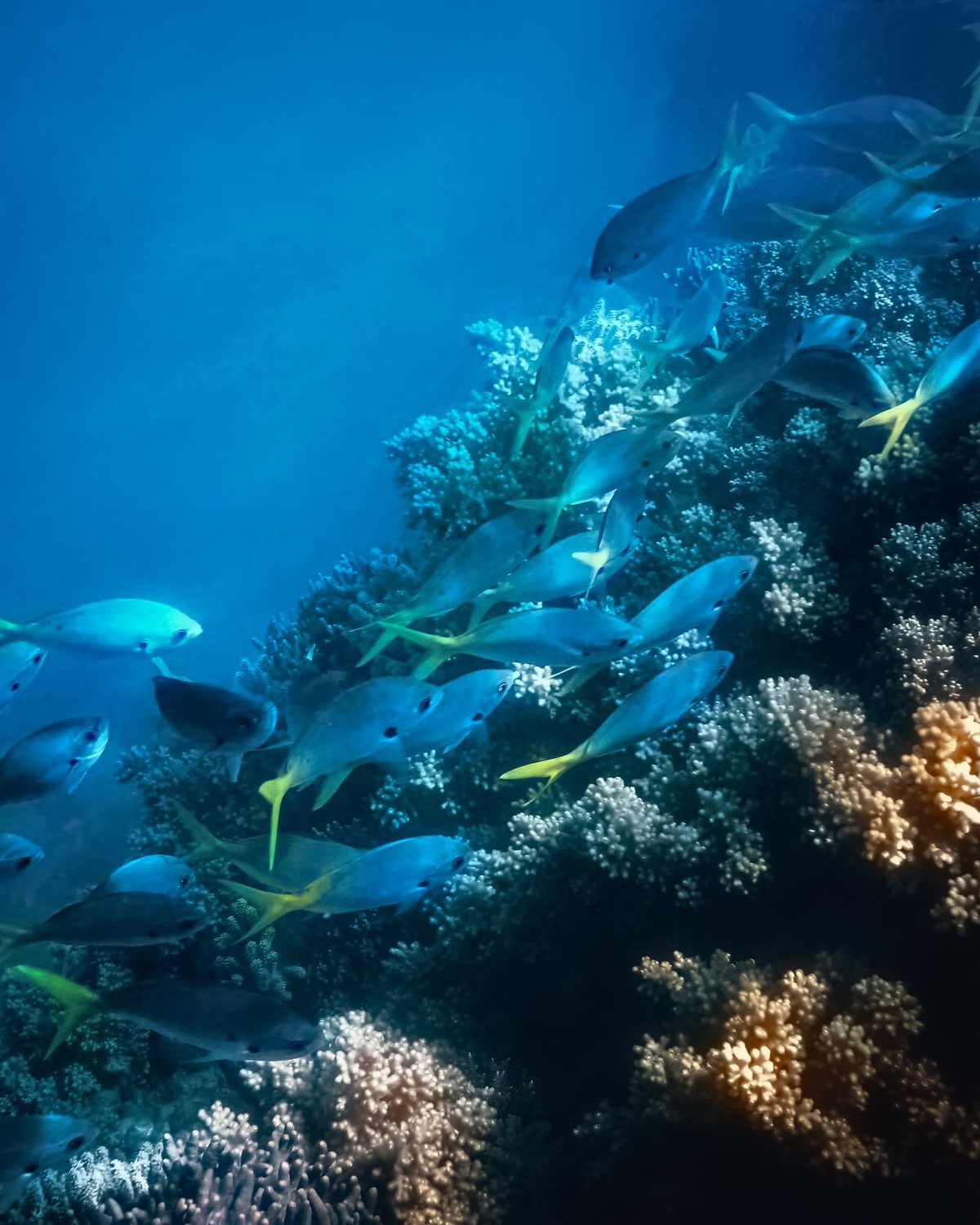
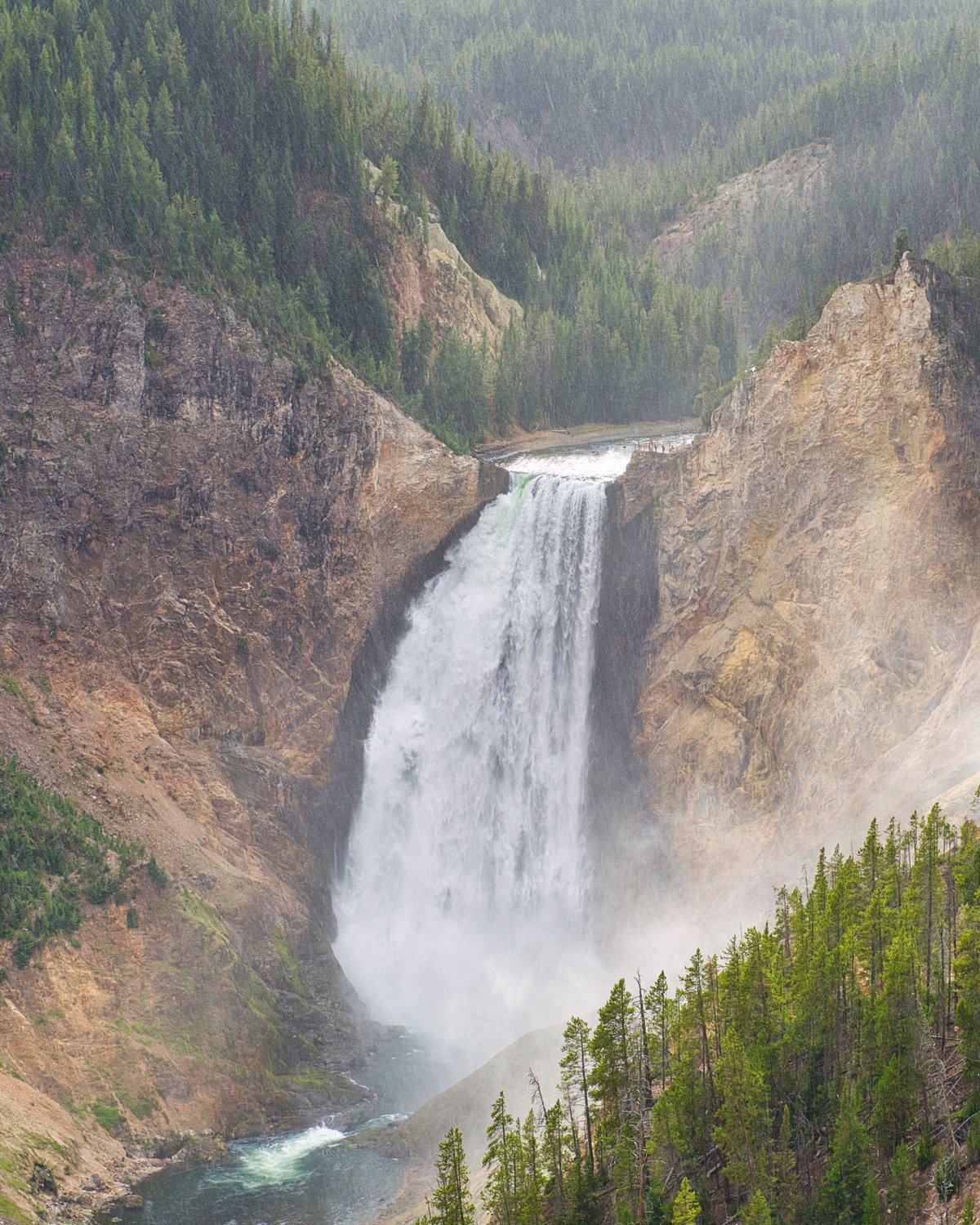
No. 10 Park in West Yellowstone, United States
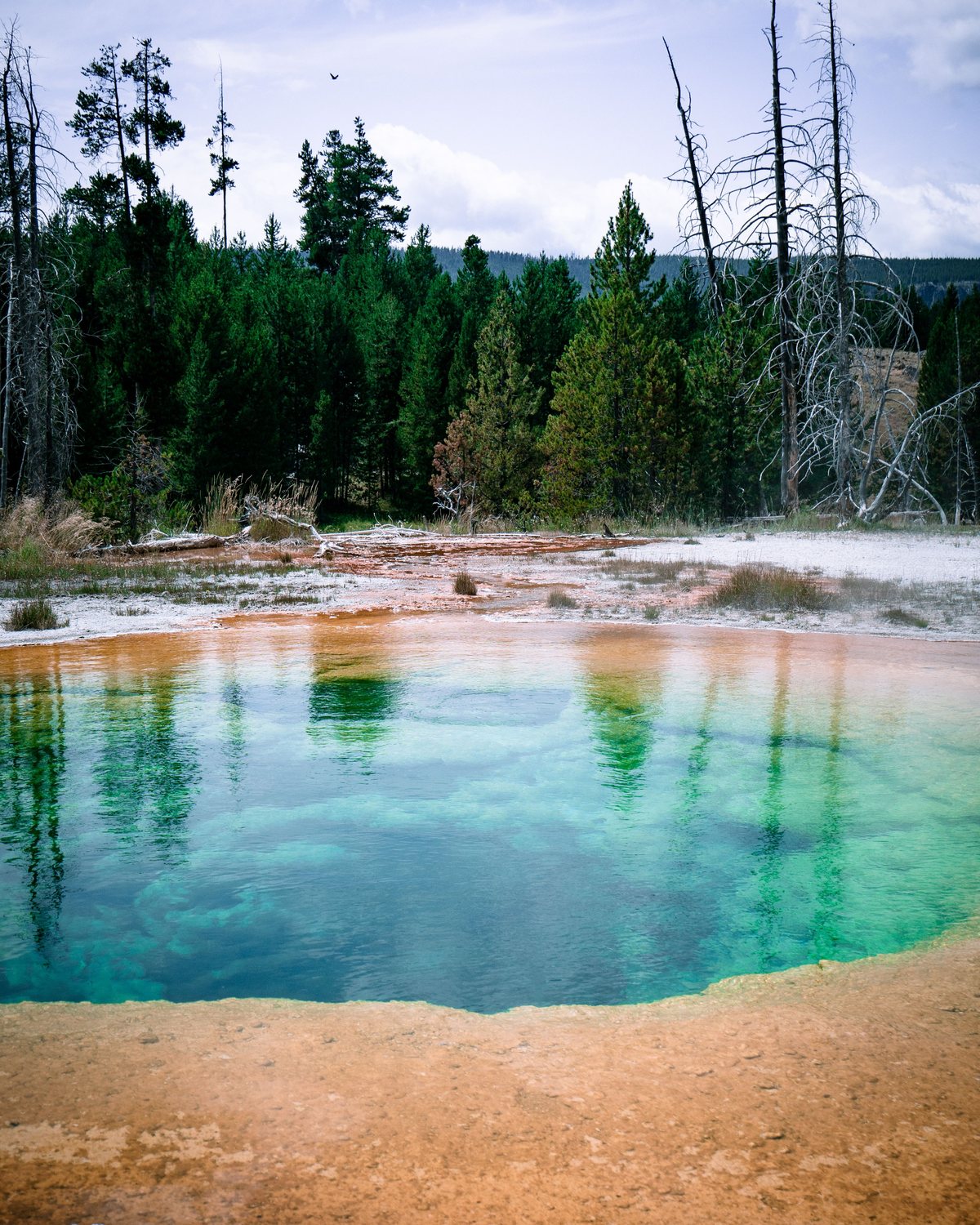
Yellowstone National Park
On the reef, white patches tell you the coral is bleached. In Yellowstone's Lamar Valley, a cluster of parked cars and a row of tripods at a pullout tell you an animal is in view.
The northern range is one of the best places in the world to watch wolves, and what you see is often the aftermath of a kill: ravens arrive almost at once, and coyotes wait until the wolves have eaten. Bison gather here for the rut from late July through August.
Base yourself in Gardiner, within an hour of the valley, and wait at the gravel pullouts by the Slough Creek campground road. Stay 91 metres from wolves and bears; a scope on a tripod shows you more than walking closer would.
Read the Yellowstone National Park guide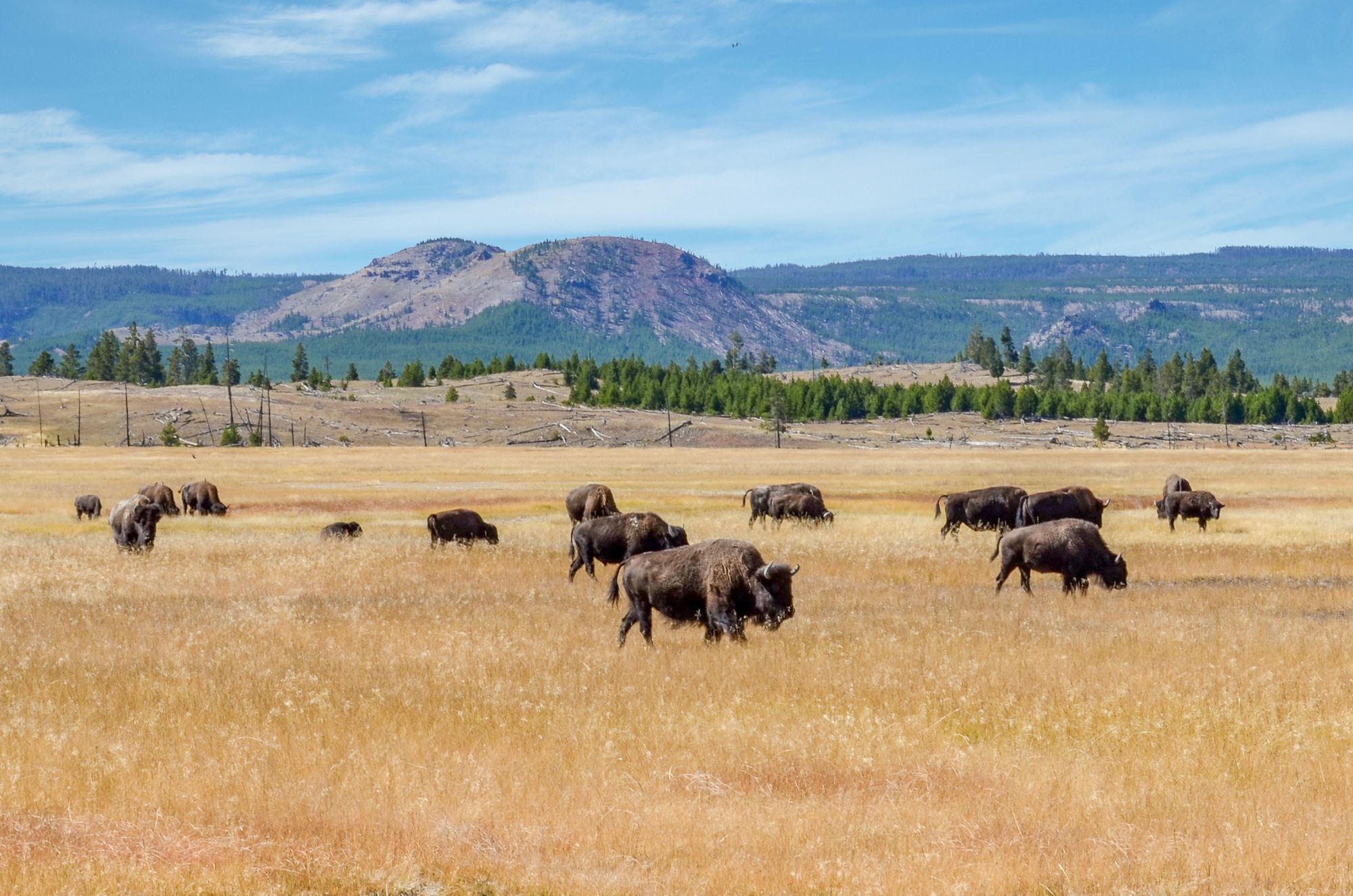
Choose the way of watching before the country. A vehicle covers more ground and shows you more animals in a day; a mokoro, a trek or a mask shows you fewer, from much closer to their level.
Many trips pair the two: a few days of drives, then a slower stretch on foot or on the water, with nights close enough that the time with the animals is not cut short by the road.