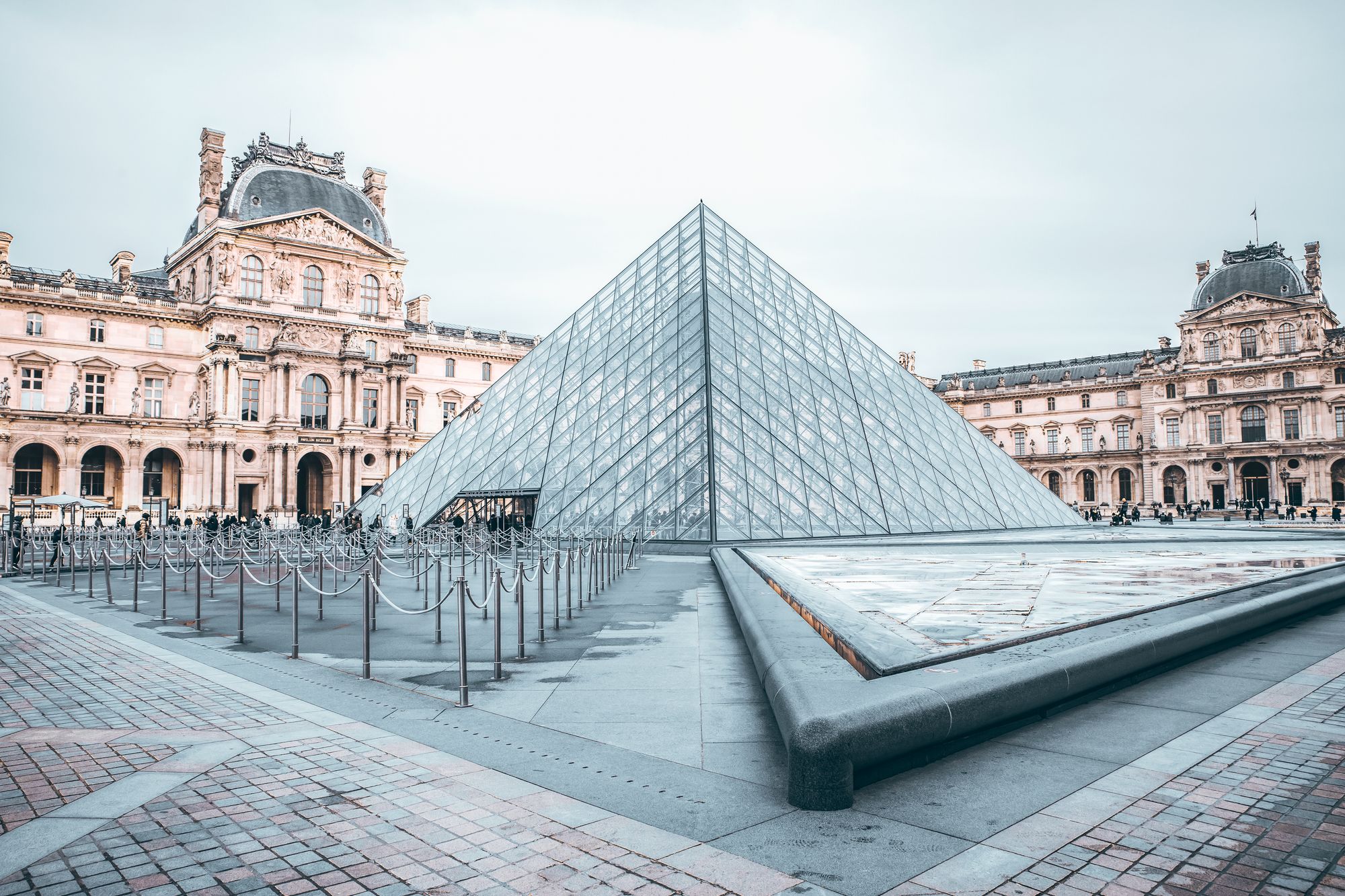
No. 1 Museum in Paris, France
Louvre Museum
The Louvre fills a former royal palace in Paris, spread over three wings, with I.M. Pei's glass pyramid at its main entrance. Some 35,000 works are on show, from the ancient world to 1848.
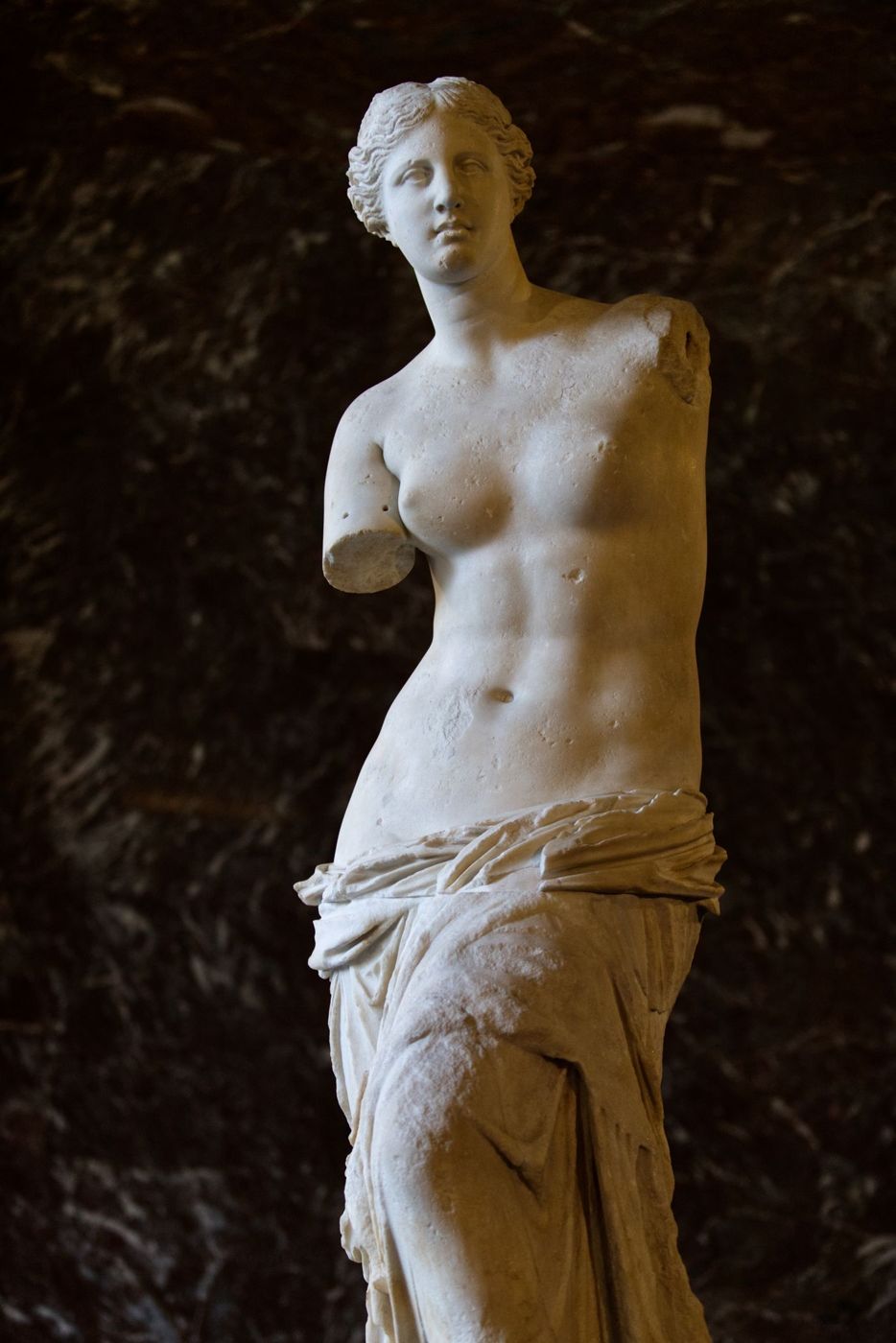
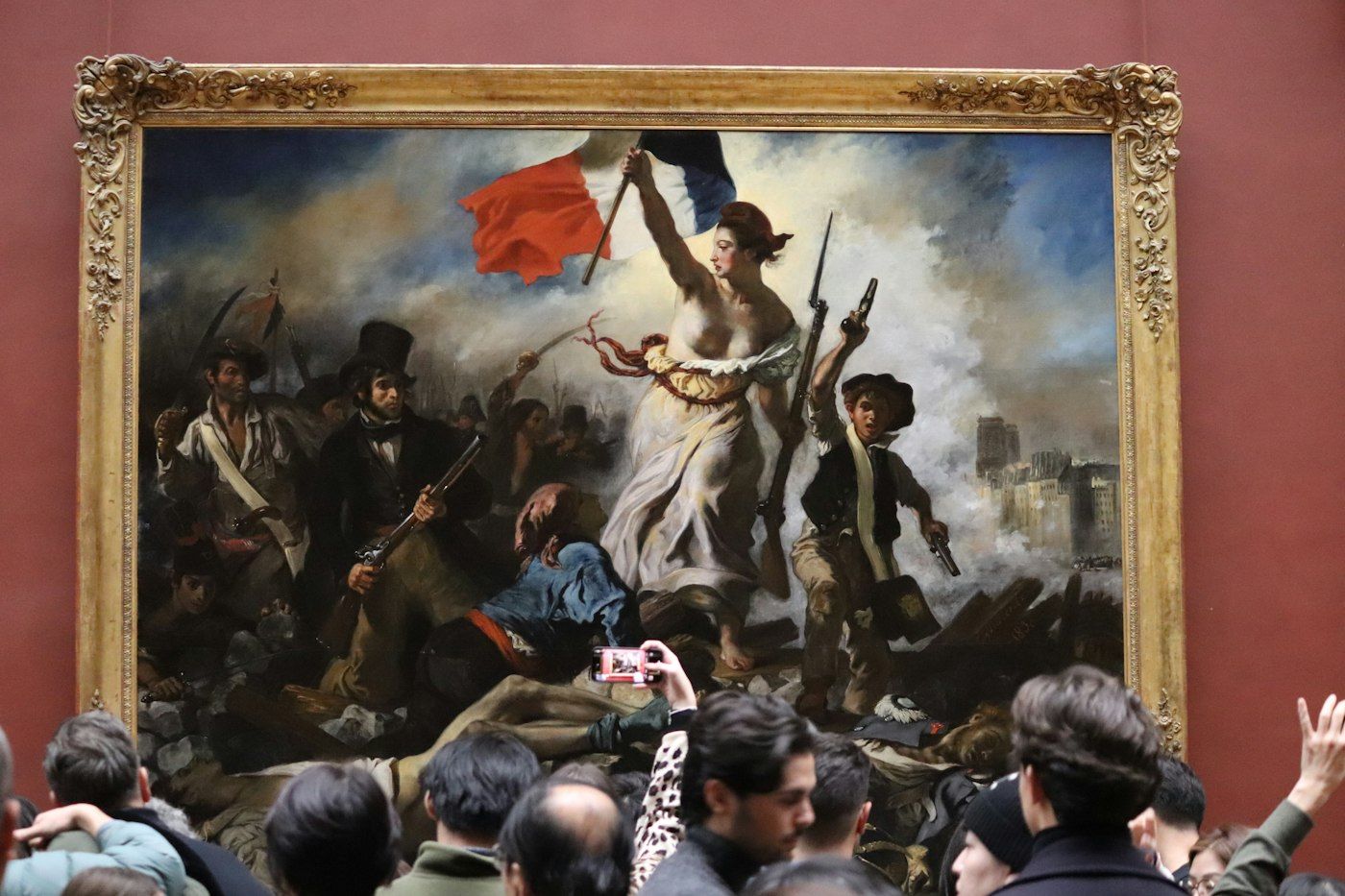
What you cross the world for is three works a few rooms apart: the Mona Lisa, the Venus de Milo and the Winged Victory of Samothrace.
Pick a short list rather than trying every room. Then carry on into the Tuileries Garden, and to the Musée de l'Orangerie if you still have the appetite for painting.
Read the Louvre Museum guide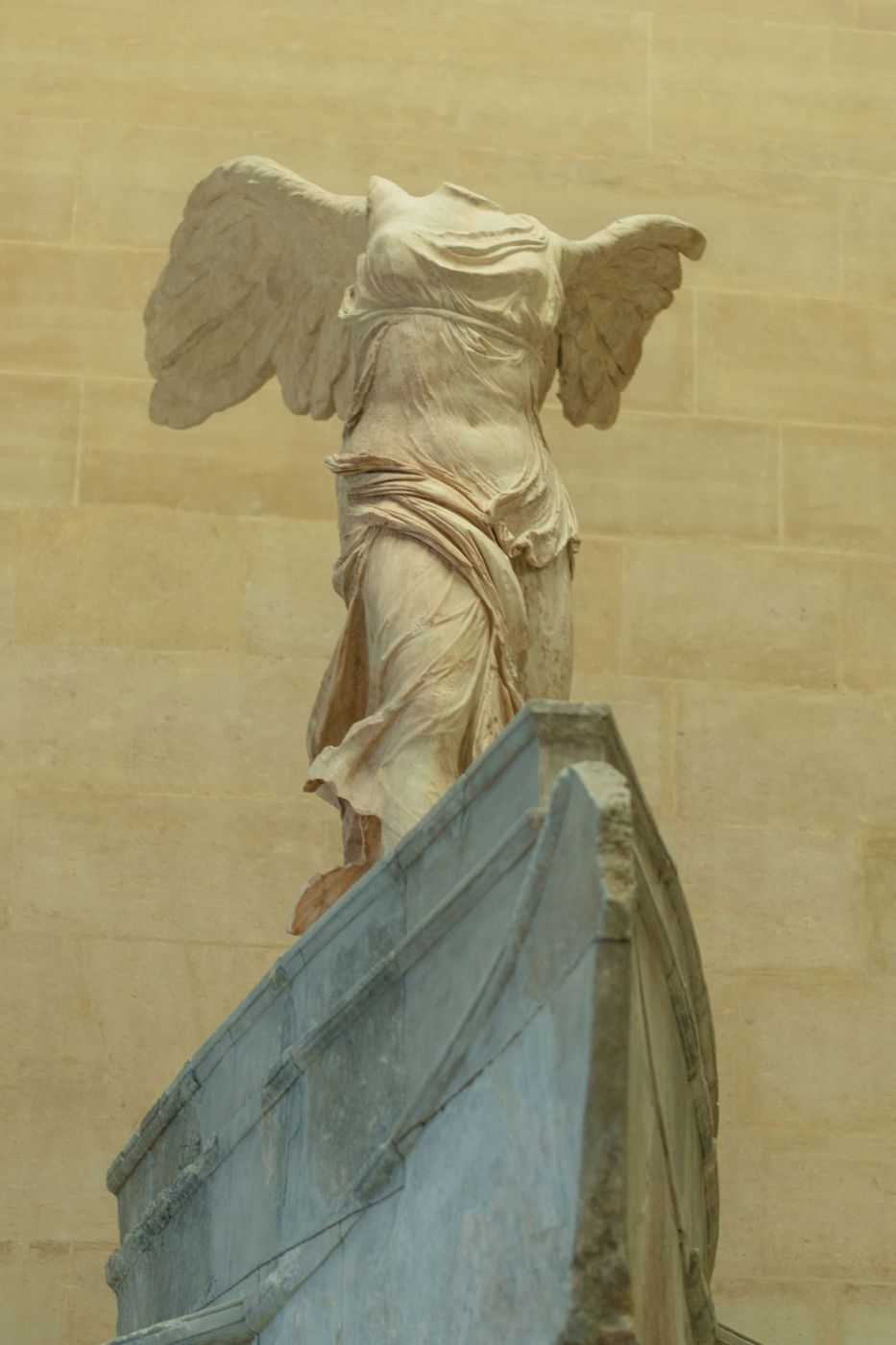
No. 2 Museum in Rome, Italy
Vatican Museums
Where the Louvre leaves the route to you, the Vatican Museums in Rome set it. One route carries you through the collection towards the Sistine Chapel, where Michelangelo painted the ceiling.
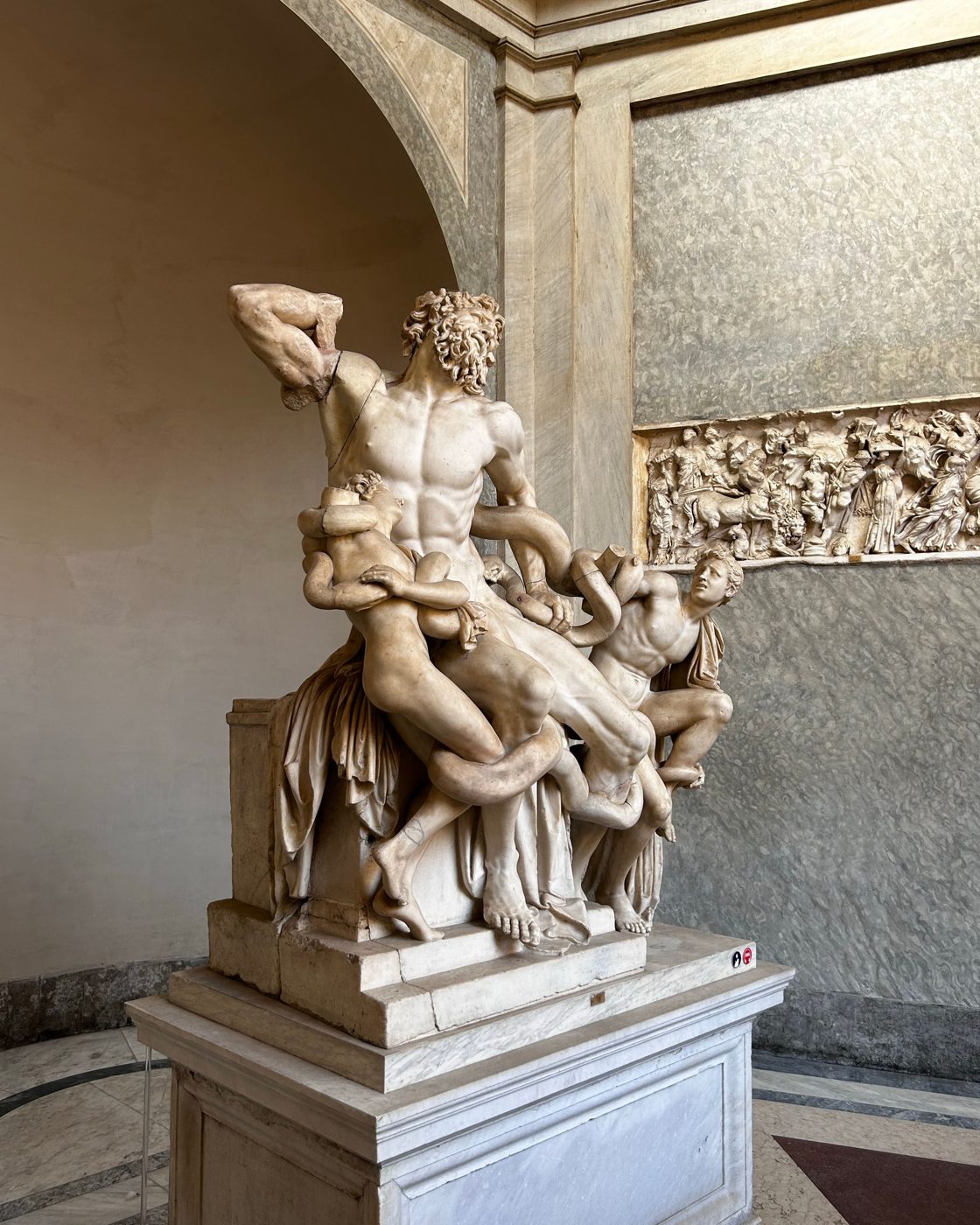
Step off it on the way. The Pio Clementino holds the Laocoön and the Apollo Belvedere, and the Gallery of Maps runs 120 metres under a gilded ceiling, its walls painted with maps of Italy.
Raphael's School of Athens is in the Raphael Rooms, and the Pinacoteca holds his Transfiguration and Caravaggio's Deposition. The chapel comes near the end, kept in silence.
Read the Vatican Museums guide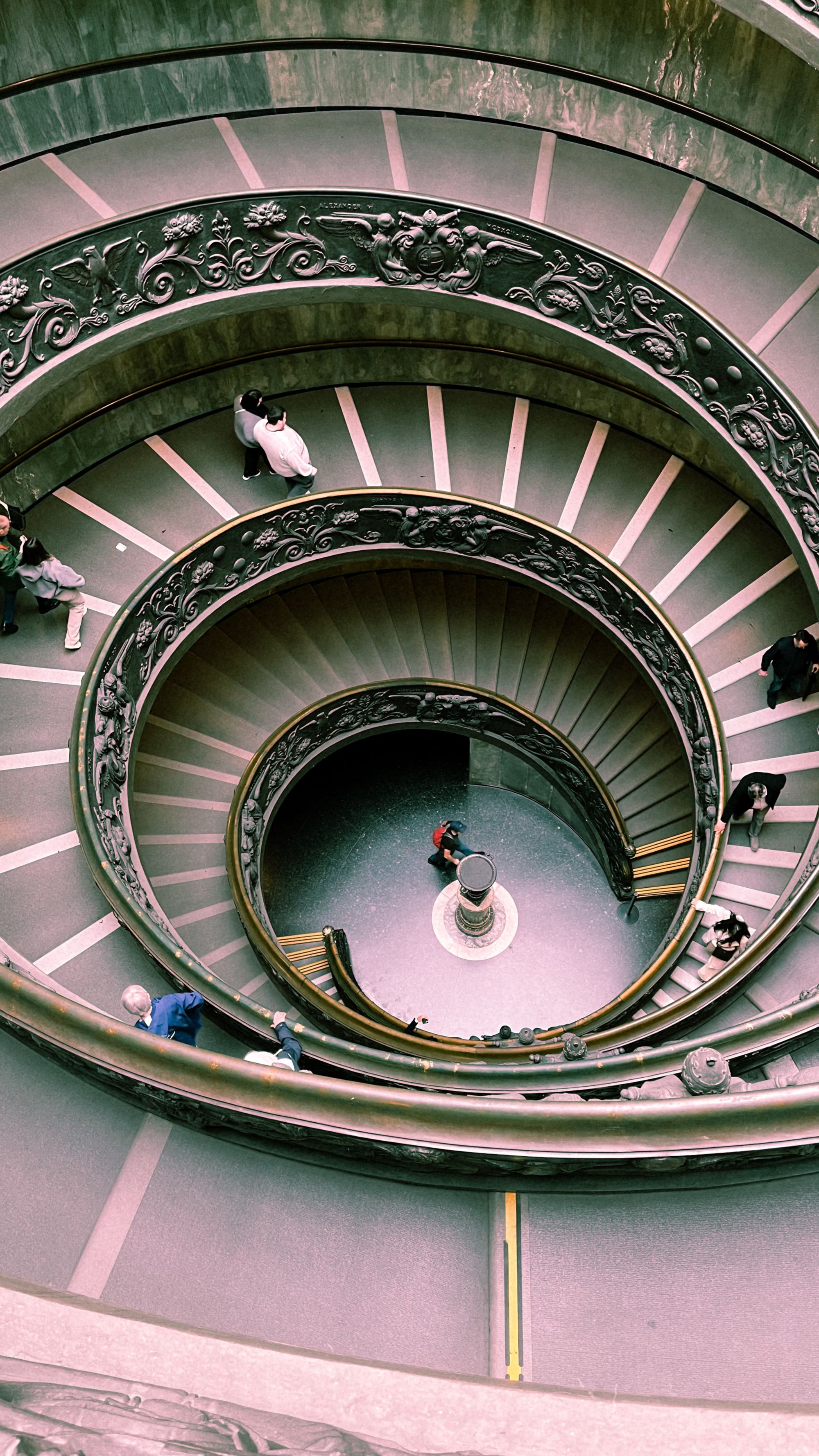
No. 3 Museum in London, United Kingdom
British Museum
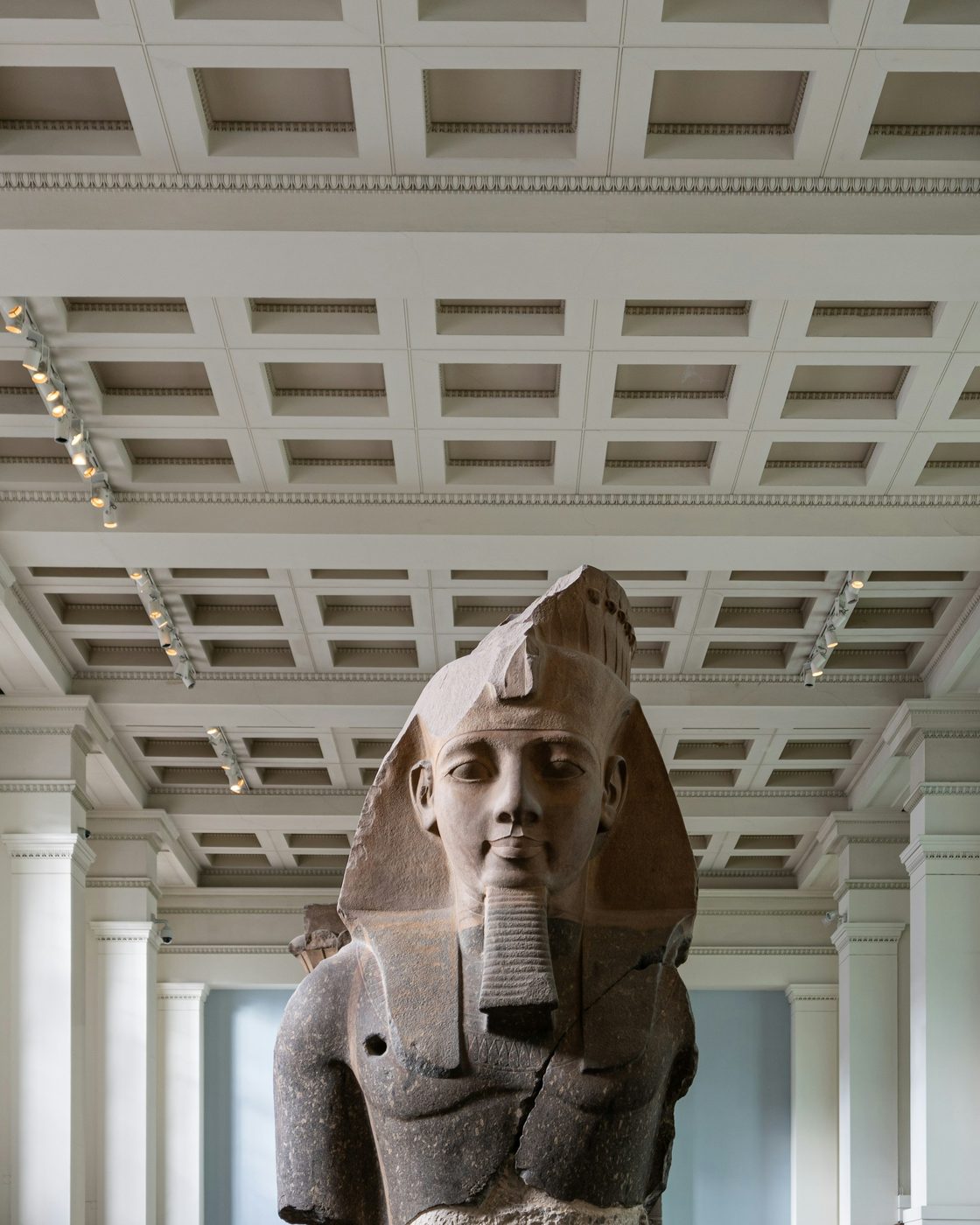
The British Museum opens on its Great Court in Bloomsbury, a covered square built around the round Reading Room. Look up: every pane in the roof is a different shape.
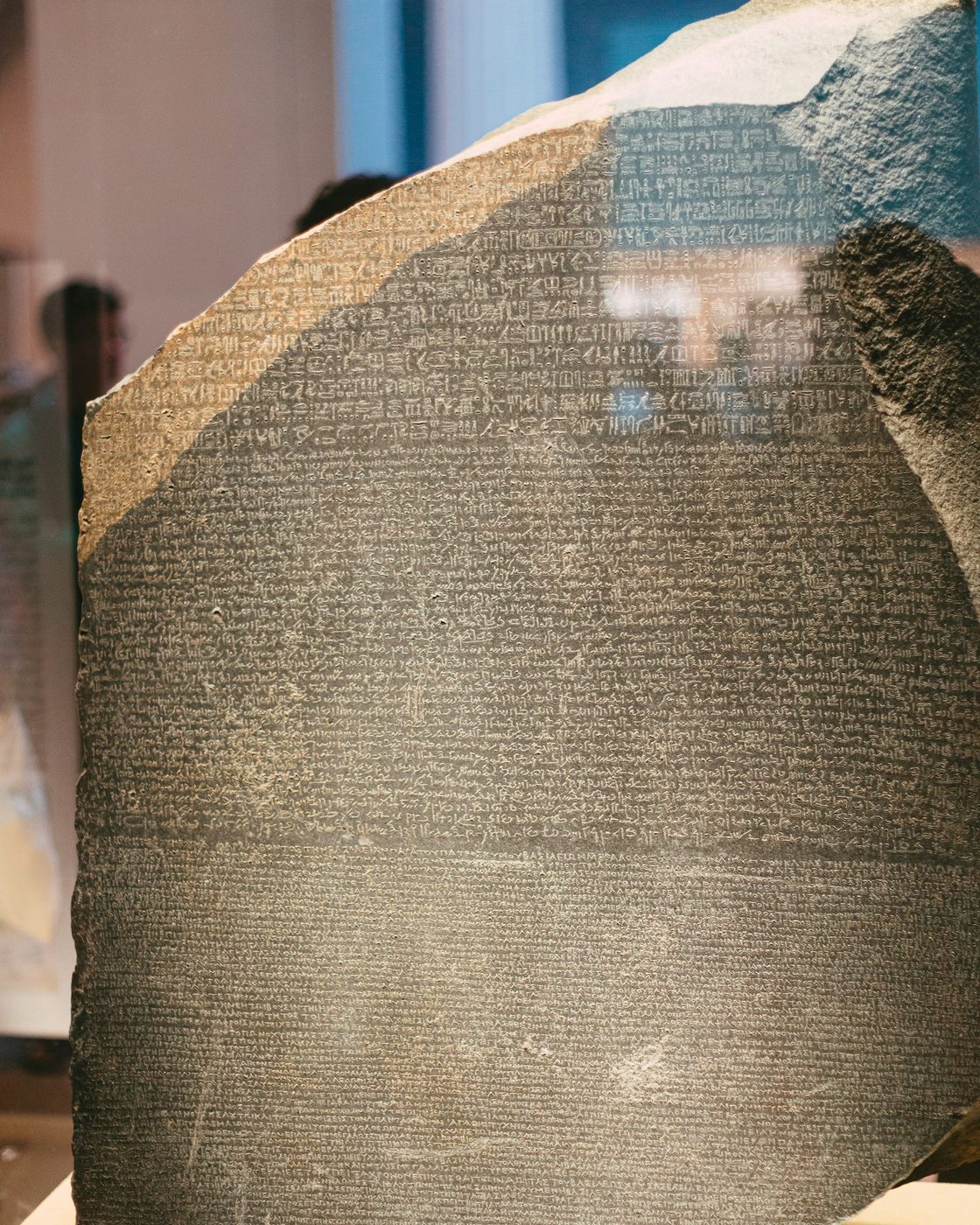
After the Vatican's sculpture rooms, the Parthenon sculptures here have a hall of their own. The Rosetta Stone stands in the Egyptian sculpture gallery, and the Assyrian winged bulls and lion hunt reliefs run on from it.
The collection runs to eight million objects and entry is free, so the mummies upstairs can wait for a second visit.
Read the British Museum guide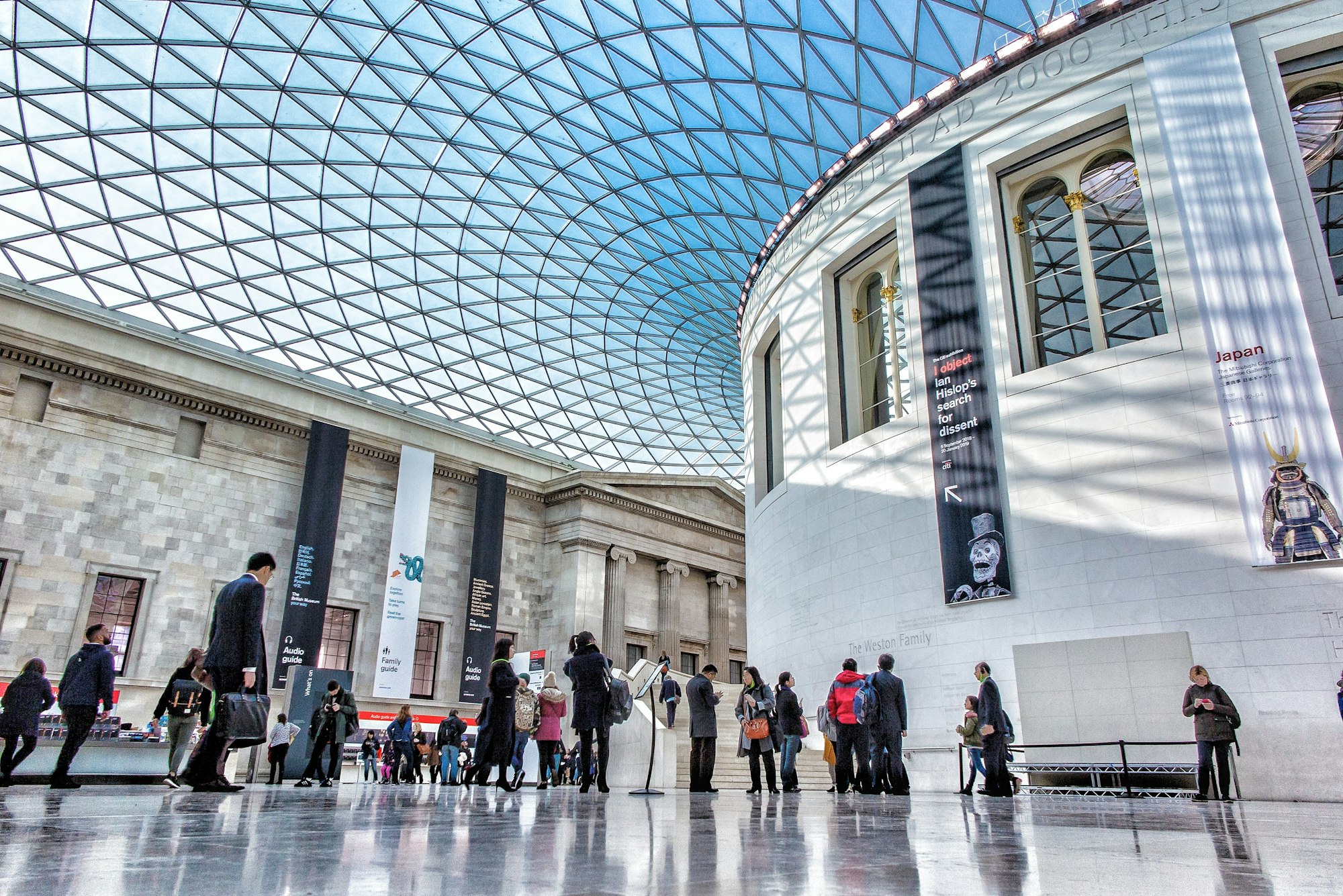
No. 4 Museum in New York, United States
Metropolitan Museum of Art
The Metropolitan Museum of Art is more than twenty buildings joined into one on the edge of Central Park. Its galleries run from Egyptian tombs to twentieth-century painting.
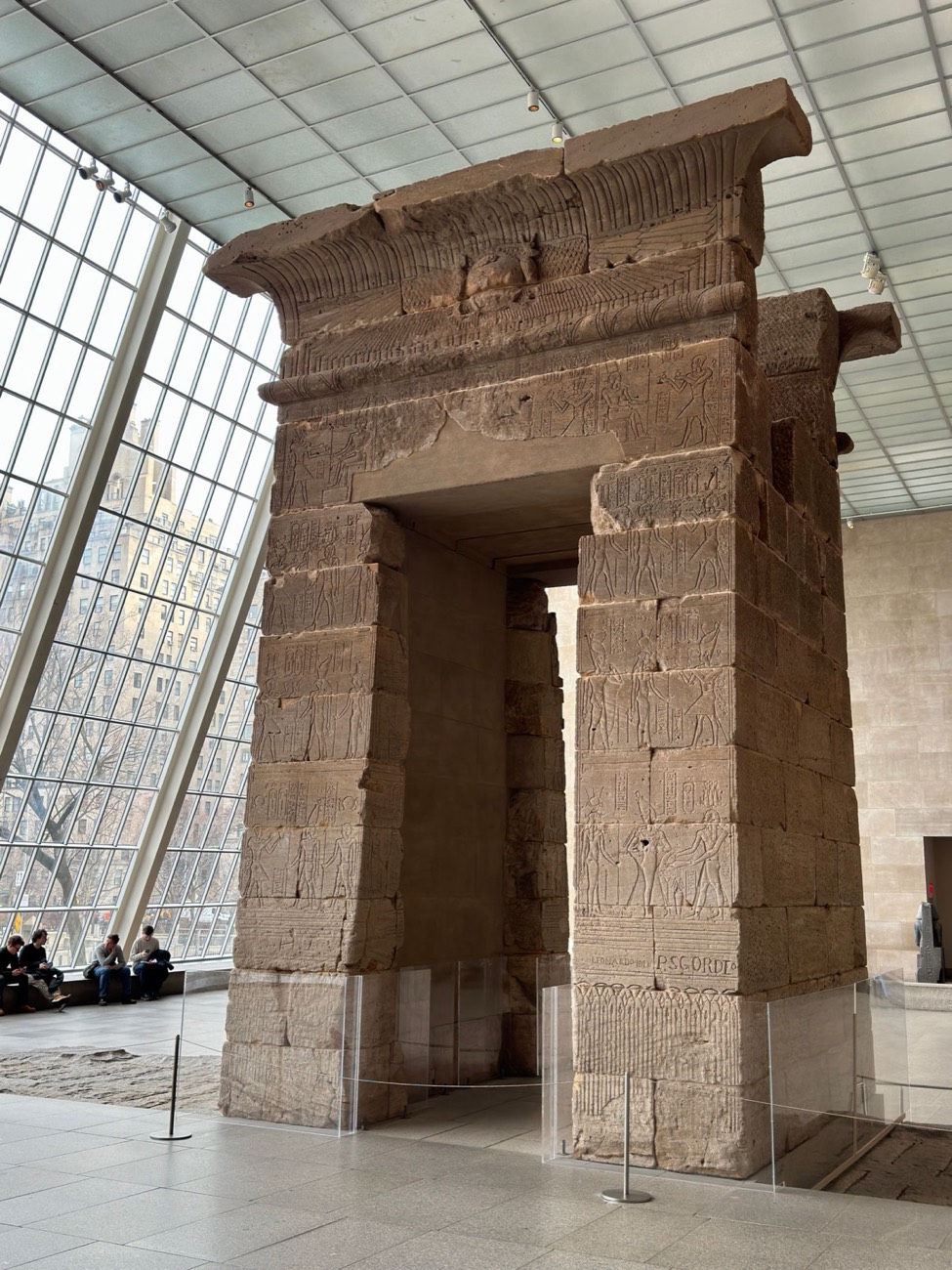
Where London has the Rosetta Stone, the Met has a whole Egyptian temple. The Temple of Dendur, moved from Nubia ahead of the Aswan dam, stands in a glass-walled hall facing the park, on the same floor as the armoured riders of Arms and Armor.
Upstairs, the Vermeers hang together. For a calmer hour there is the Astor Court, a Ming-style Chinese garden court, and between May and October a roof garden over Fifth Avenue.
Read the Metropolitan Museum of Art guide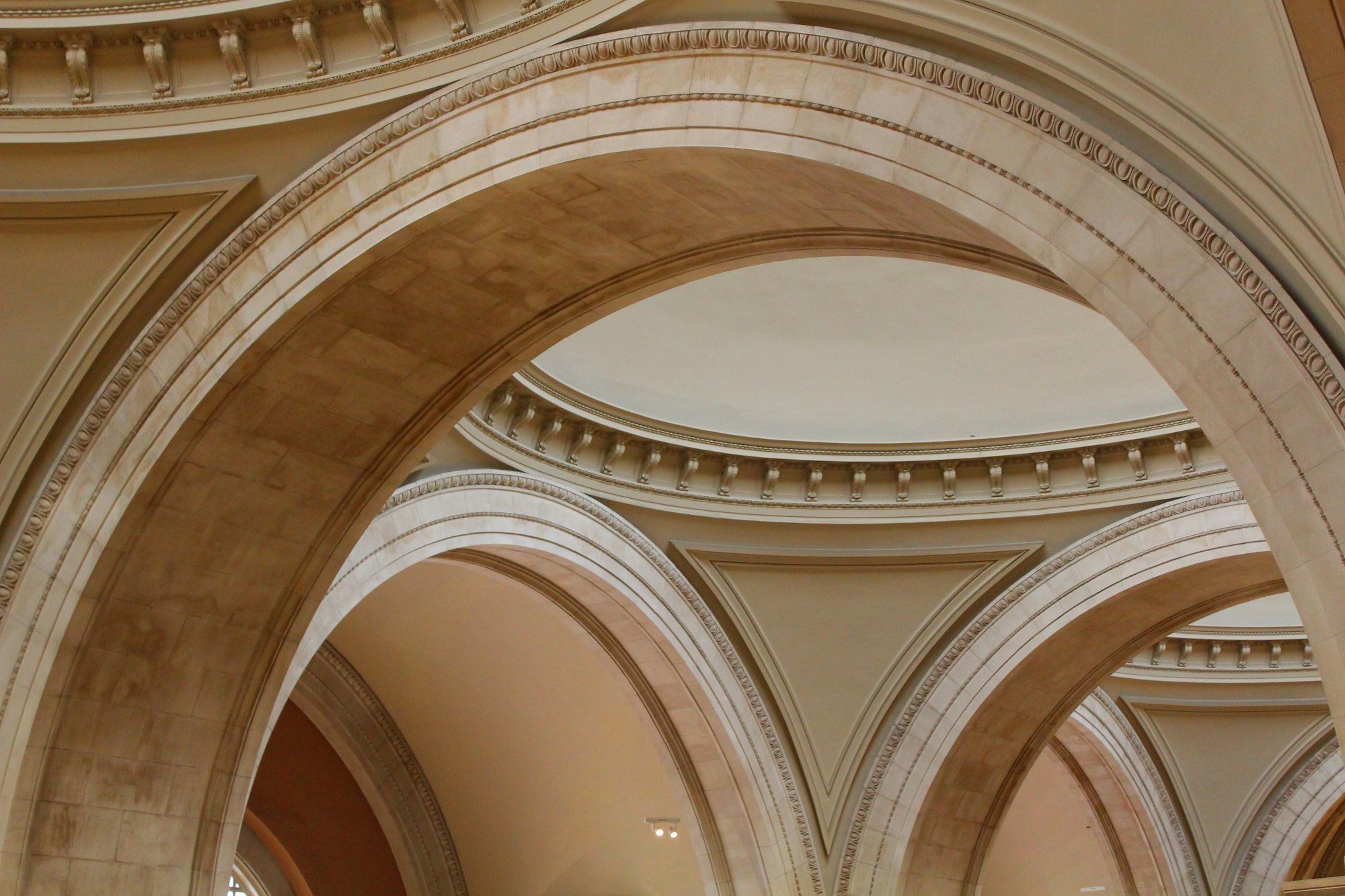
No. 5 Gallery in Florence, Italy
Uffizi Gallery
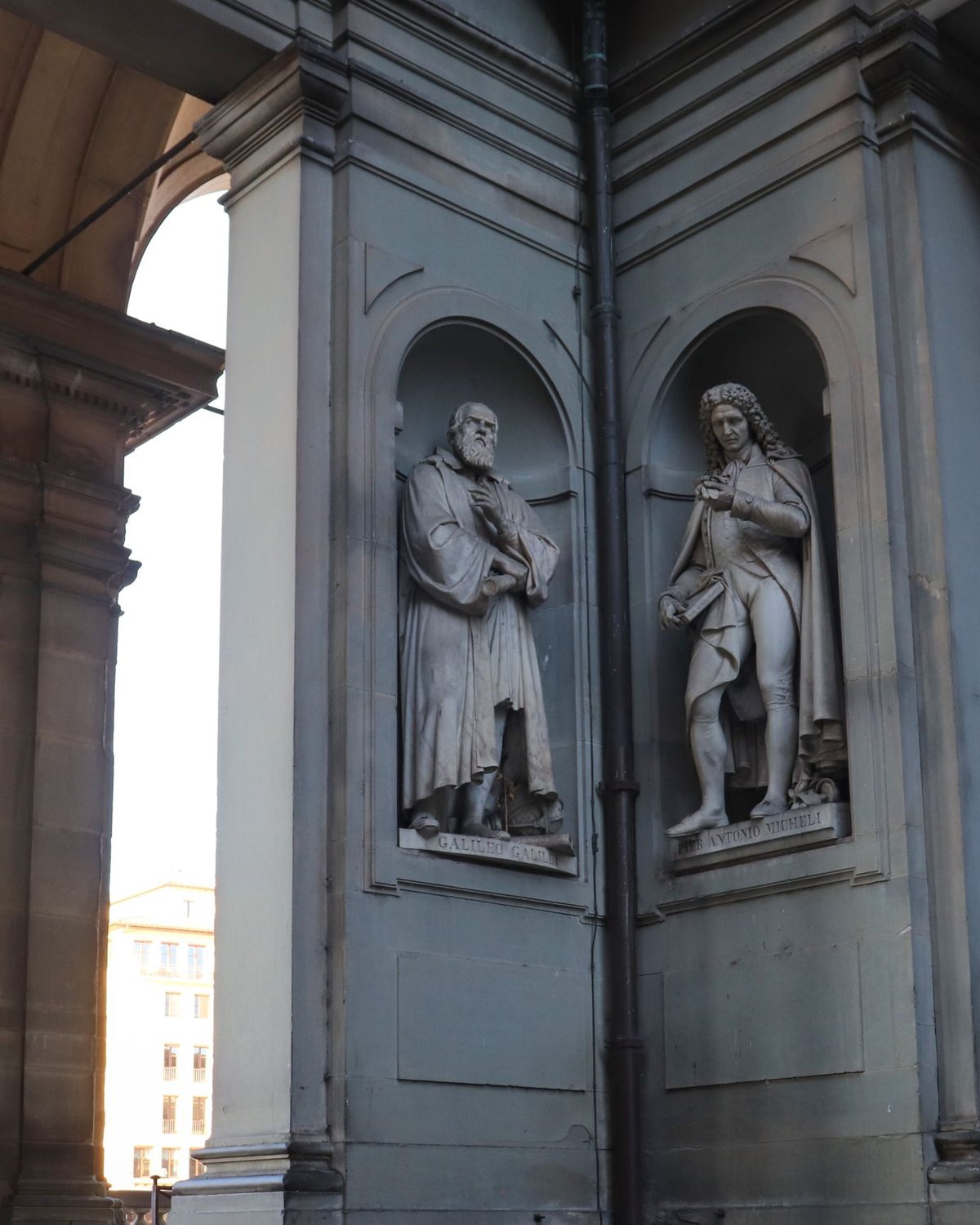
From a museum that takes more than one visit to cross, the next stop is one family's collection. The Uffizi Gallery in Florence holds the Medici's, beside the Piazza della Signoria on the river.
The reason to go is Botticelli. His Birth of Venus and his Primavera both hang here, and they are the two paintings to plan the visit around.
Read the Florence guide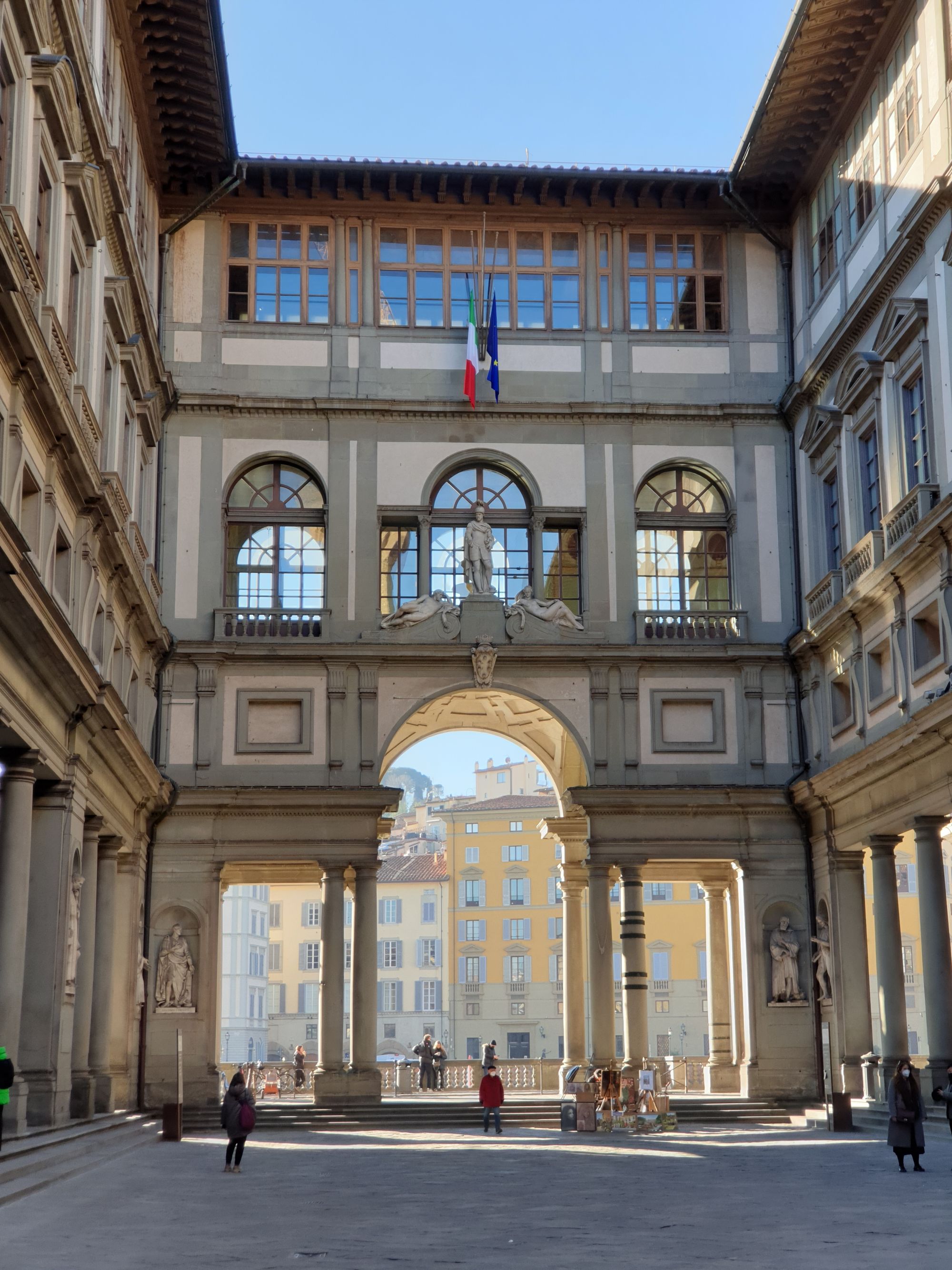
No. 6 Museum in Paris, France
Musée d'Orsay
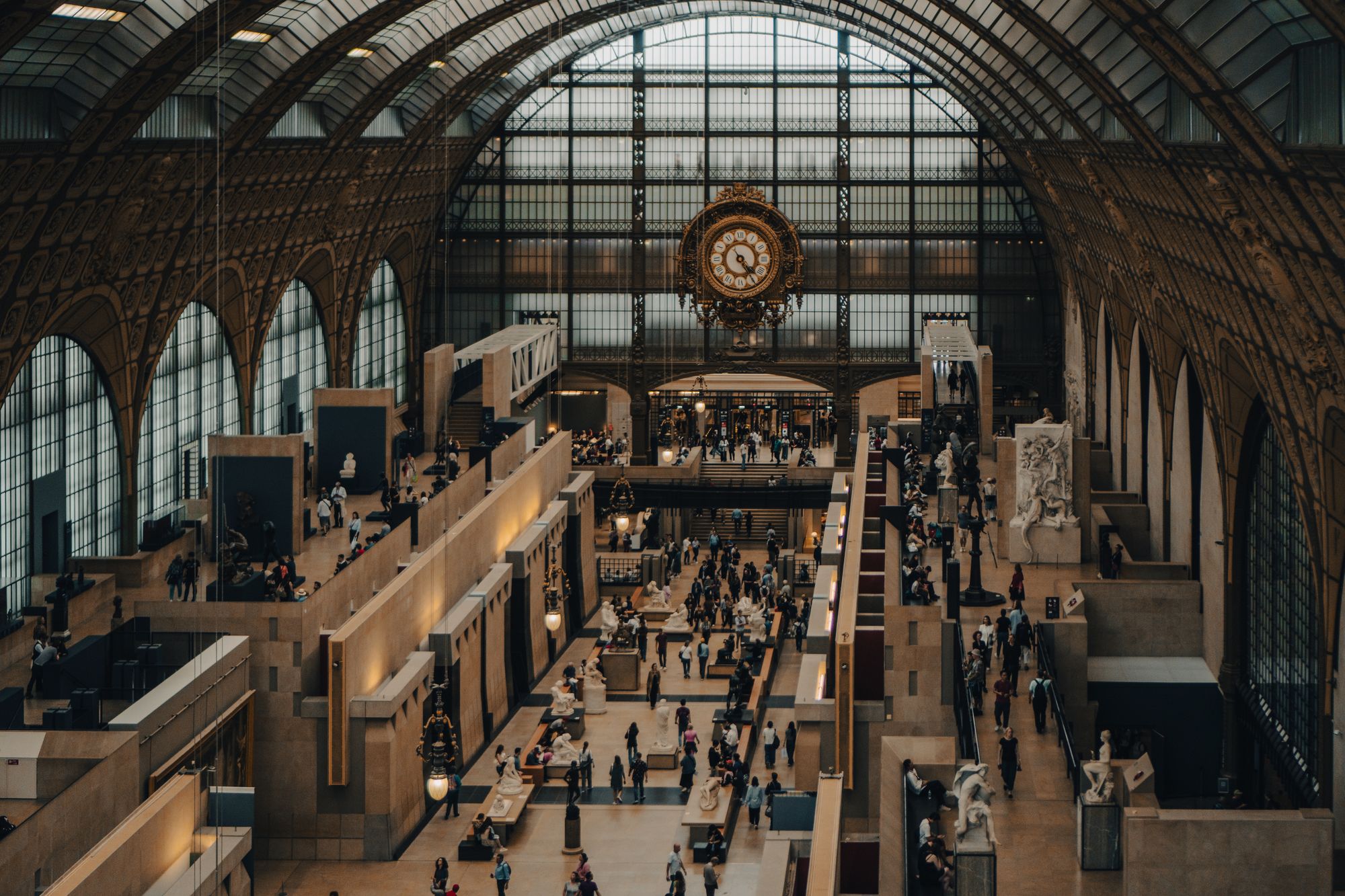
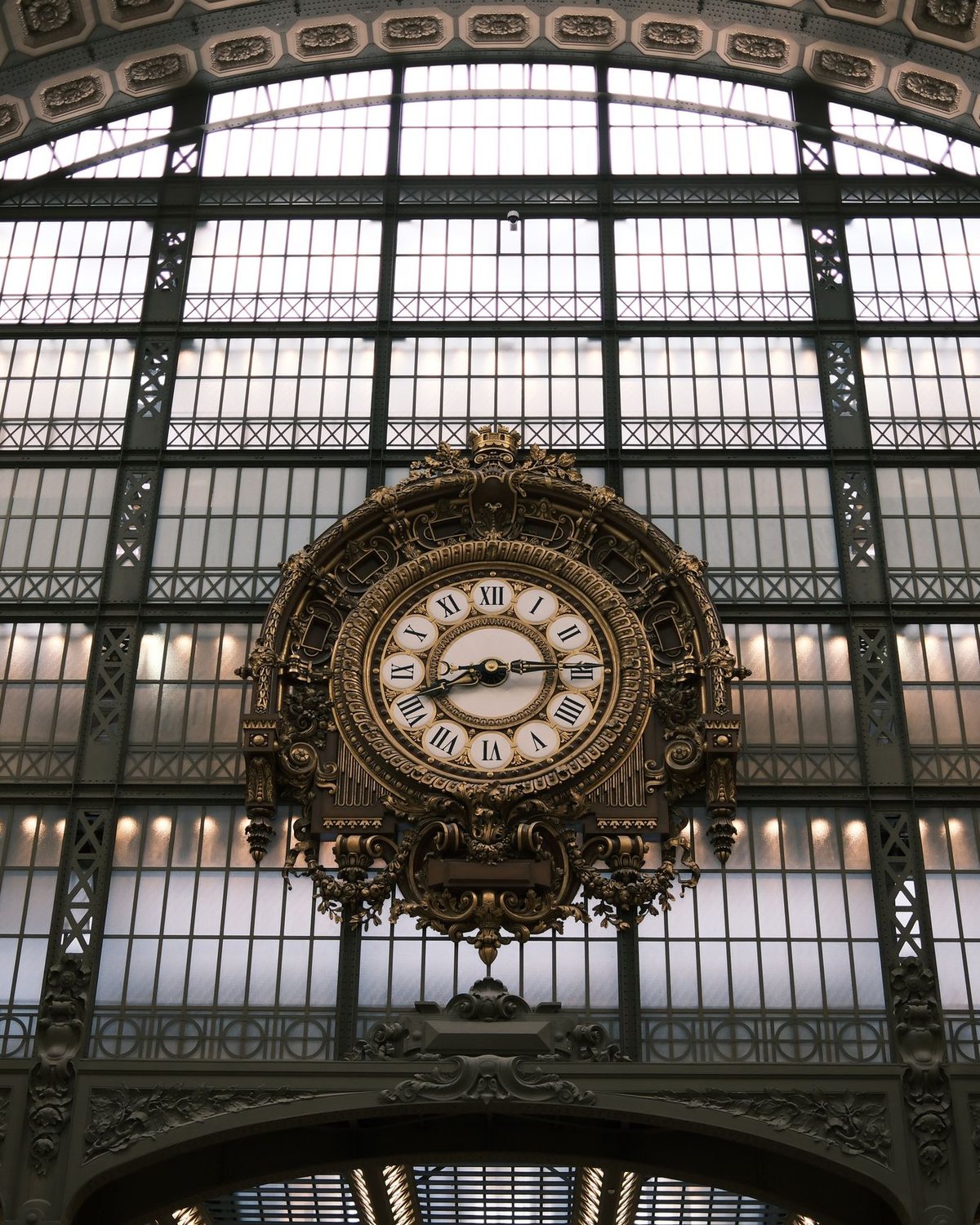
From Botticelli's Venus, the next nude to see is Manet's Olympia, at the Musée d'Orsay in Paris. The museum was built as a Beaux-Arts railway station for the 1900 World's Fair, and its old train shed is now the grand hall, with sculpture by Rodin and Carpeaux down its length.
The paintings fill the station's former hotel: Manet's Déjeuner sur l'herbe, Renoir's Bal du Moulin de la Galette, Monet's Poppy Field, Van Gogh's Bedroom in Arles. No collection of Impressionist and post-Impressionist painting is larger.
From the window behind the great station clock you look out over the Seine towards Sacré-Cœur.
Read the Musée d'Orsay guide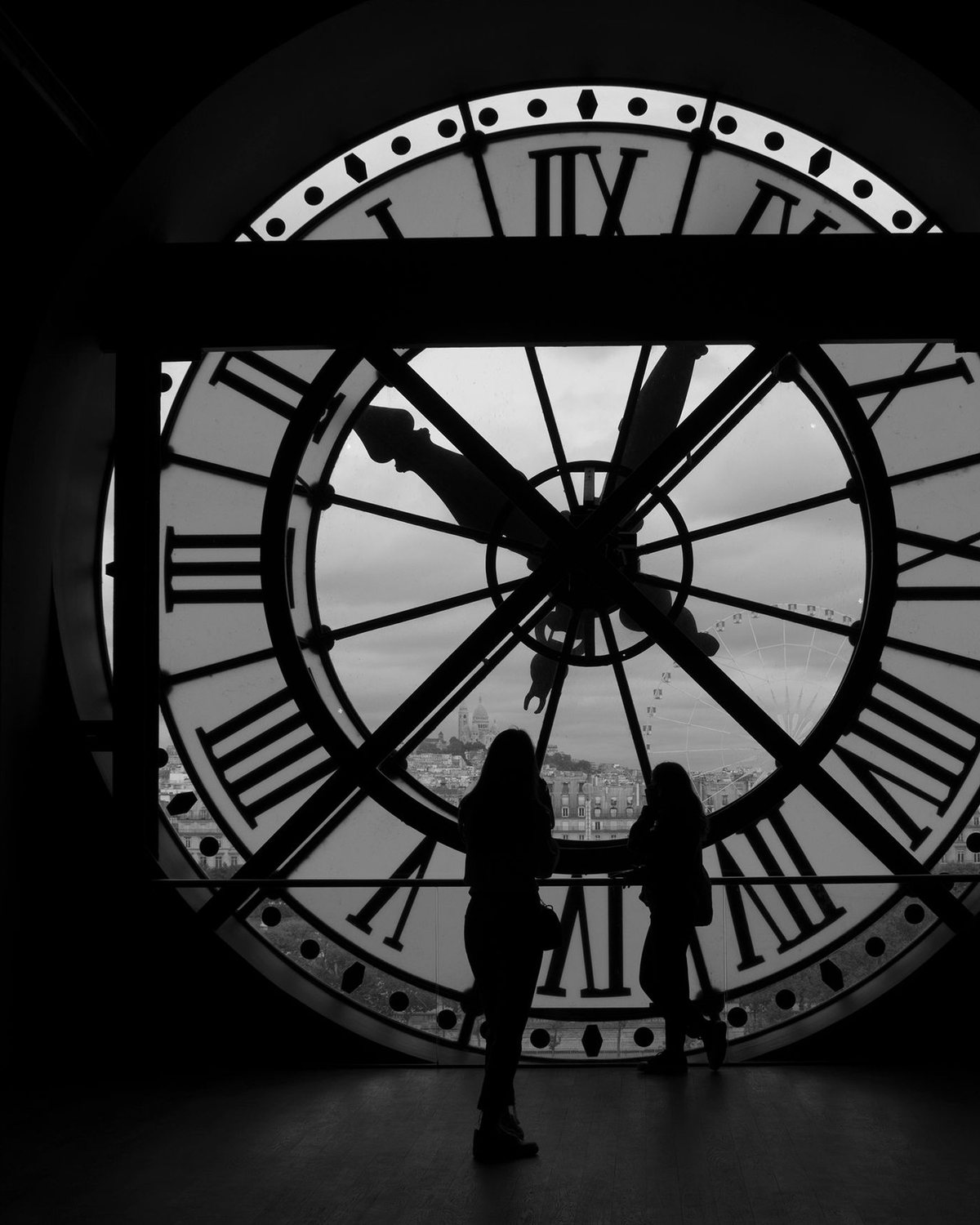
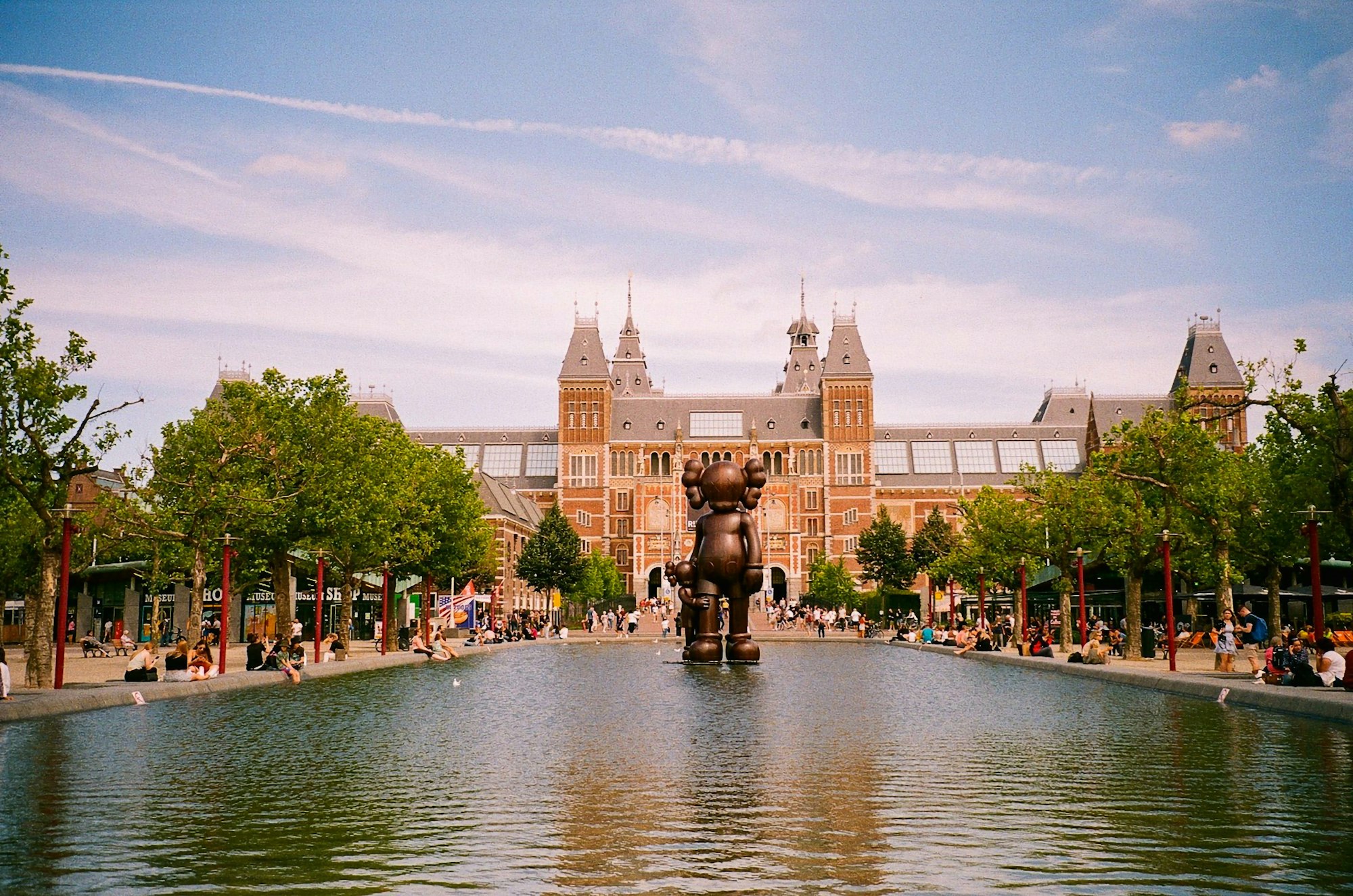
No. 7 Museum in Amsterdam, Netherlands
Rijksmuseum
Trains no longer pull into the Musée d'Orsay, but bicycles still pass through the Rijksmuseum. A public cycle path runs straight through the middle of Amsterdam's national museum, a brick palace.
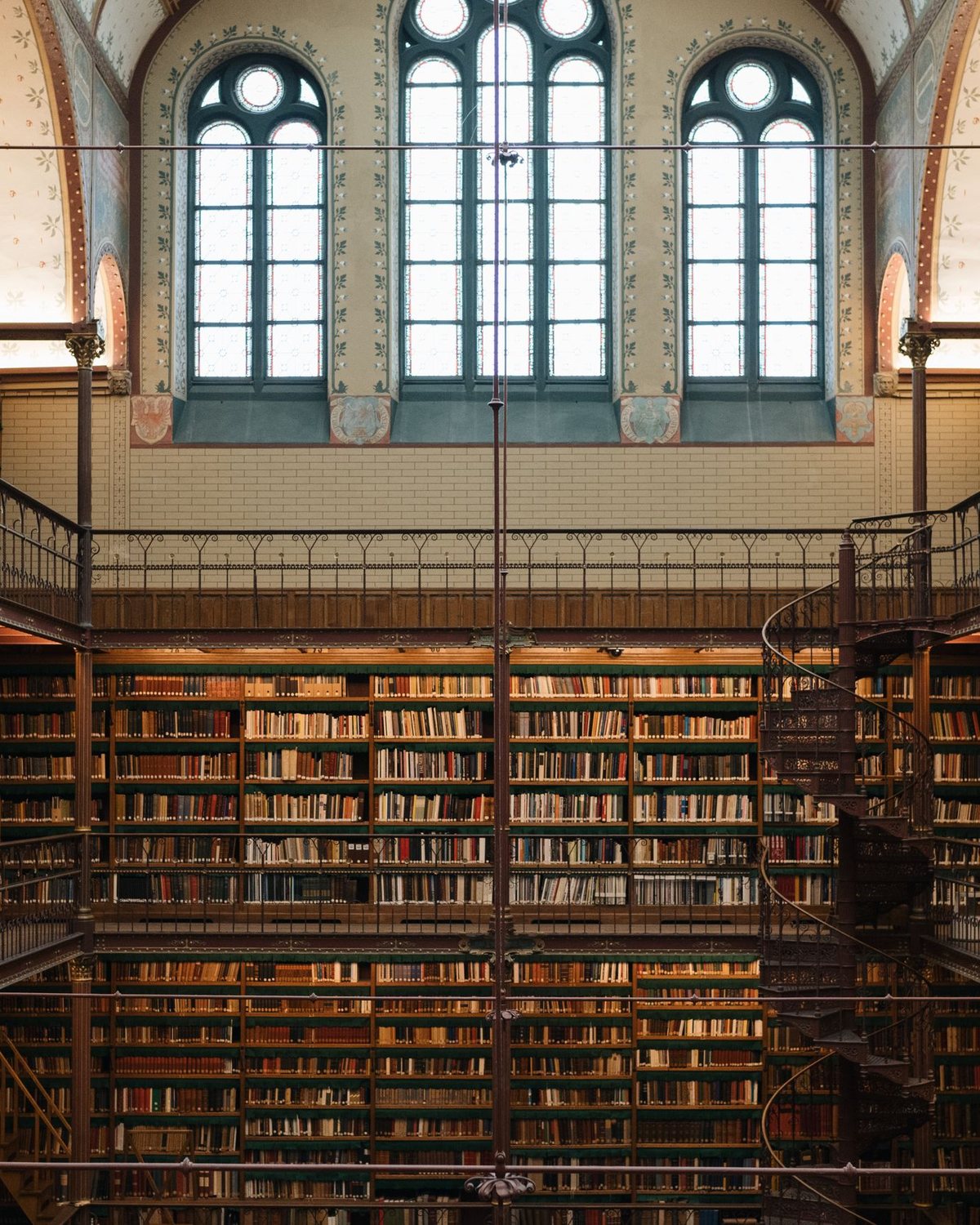
Inside, the Gallery of Honour leads past Vermeer's Milkmaid and the late Rembrandts to The Night Watch. The painting is being studied and restored inside a glass chamber, and it stays in full view while that goes on.
Upstairs are the dolls' houses, the Delftware and the ship models.
Read the Amsterdam guide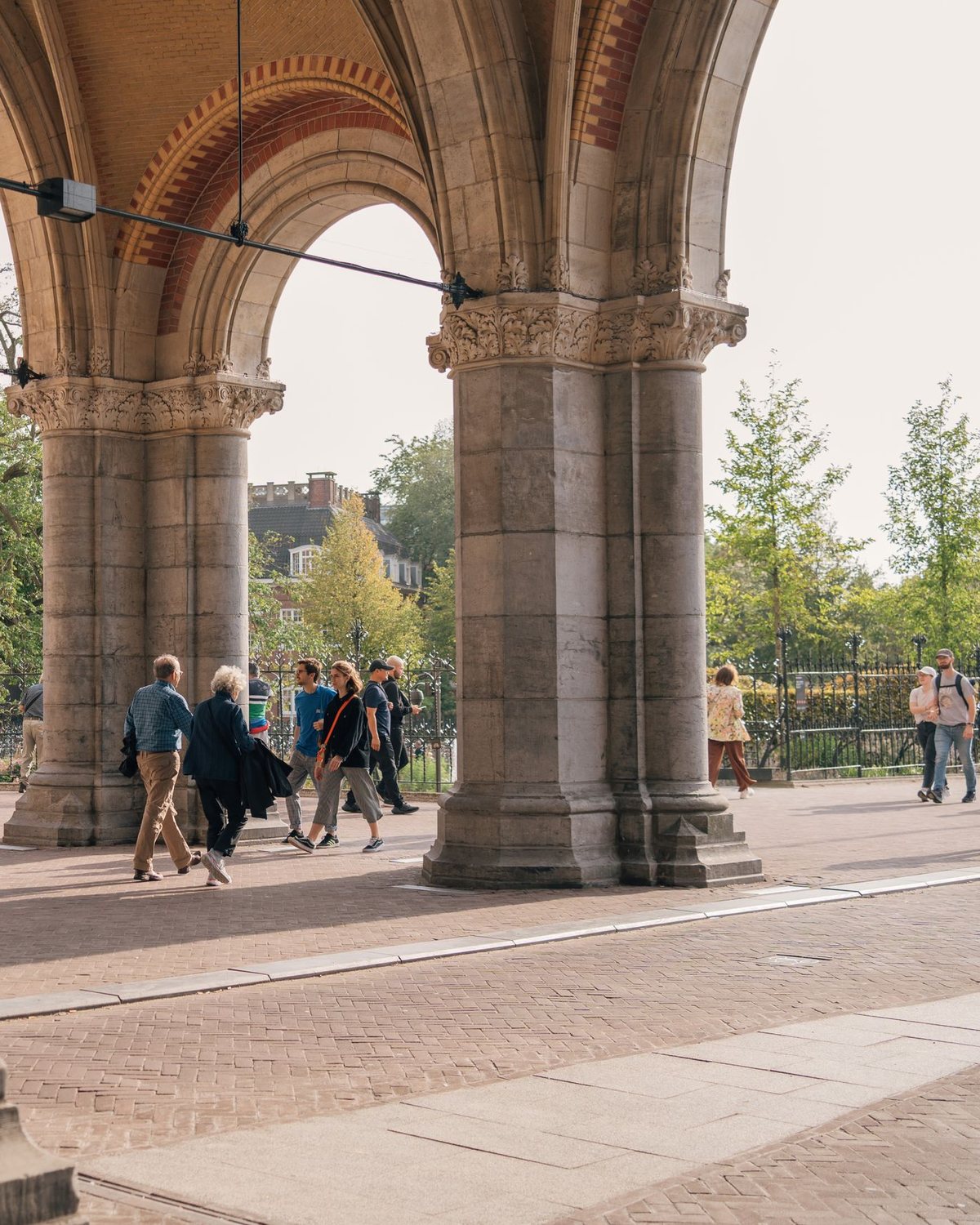
No. 8 Gallery in London, United Kingdom
National Gallery
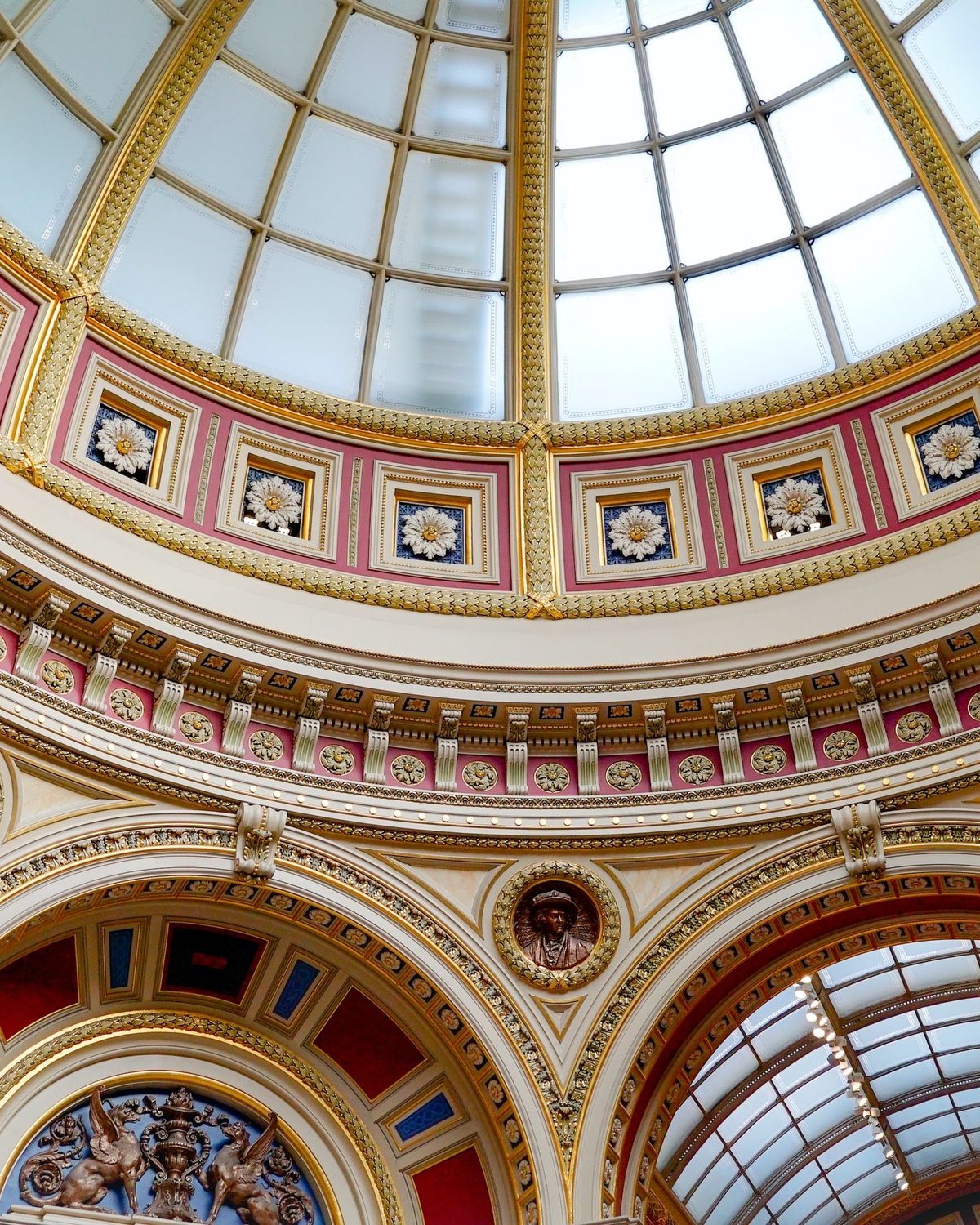
London's National Gallery hangs Western European painting in date order on the north side of Trafalgar Square, from the medieval rooms of the Sainsbury Wing to Van Gogh's Sunflowers.
After a painting kept behind glass, here you can stand close enough to see how each picture was made. In Van Eyck's Arnolfini Portrait, the convex mirror on the back wall shows two men coming into the room, one raising his arm, with the painter's signature just above.
Stand close to Sunflowers and the paint is thick and raised, which no print shows. Turner's The Fighting Temeraire, an old warship towed away for scrap, needs a few minutes for the light in its sky.
Read the National Gallery guide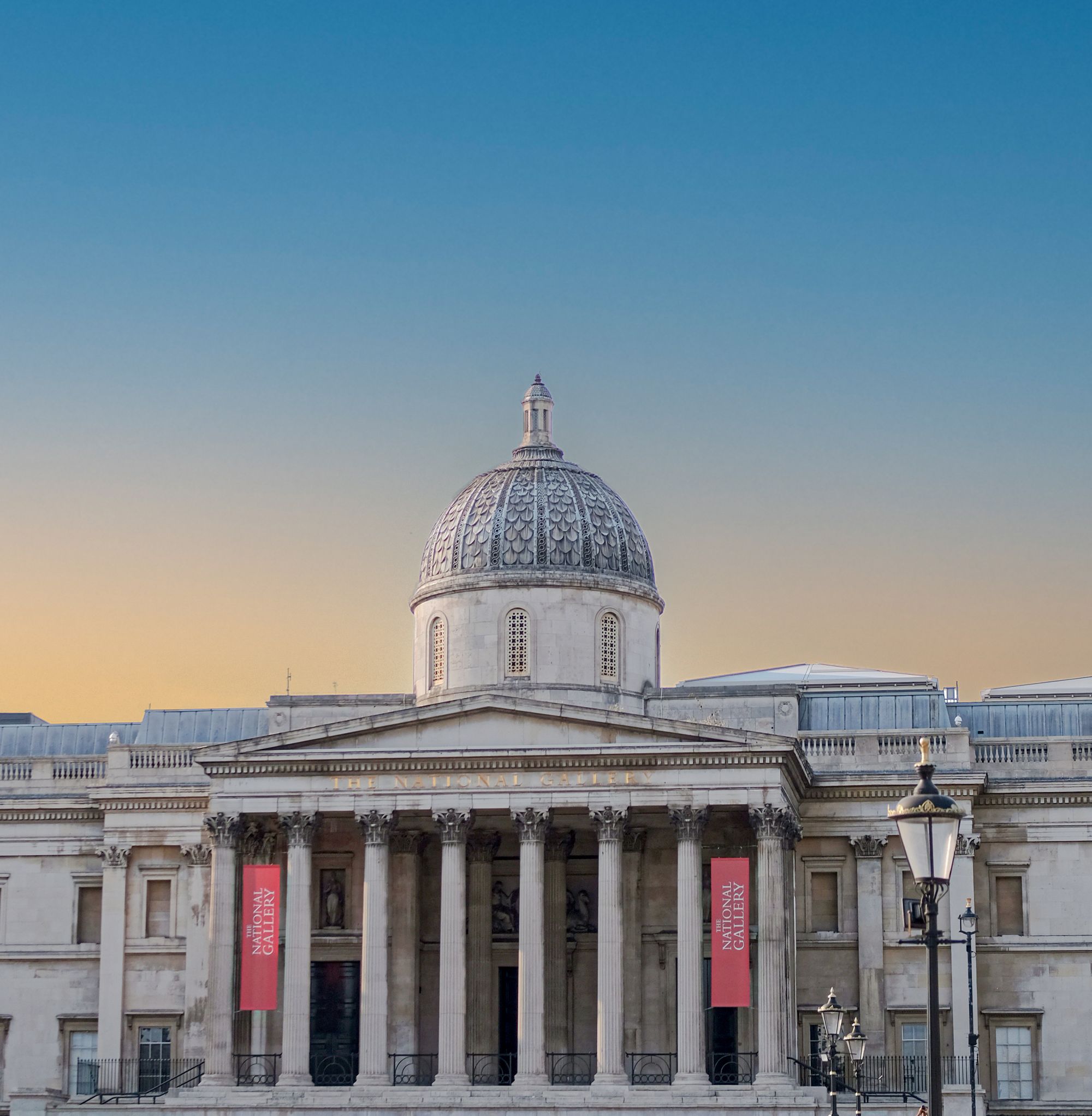
No. 9 Museum in Bilbao, Spain
Guggenheim Museum Bilbao
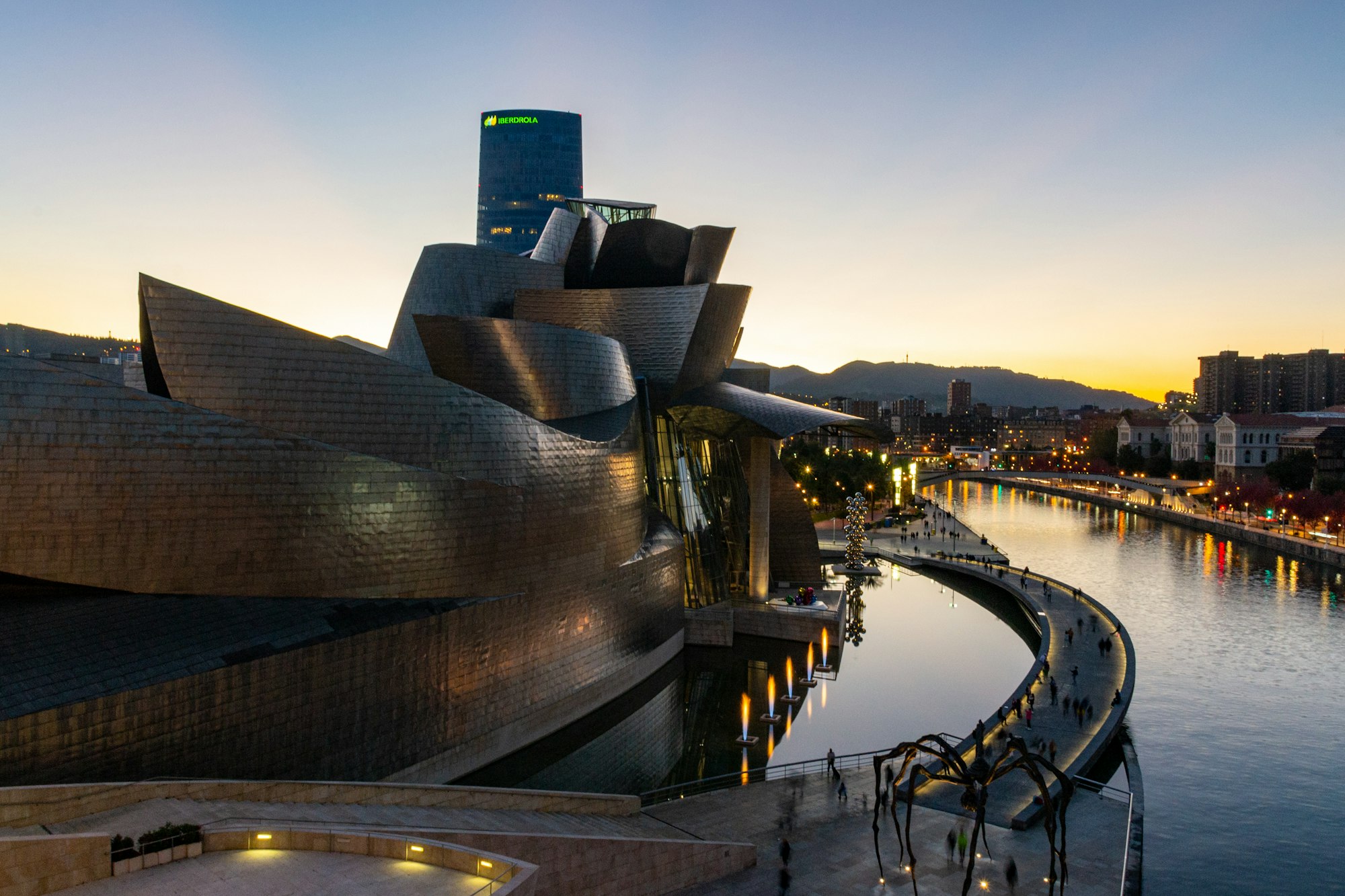
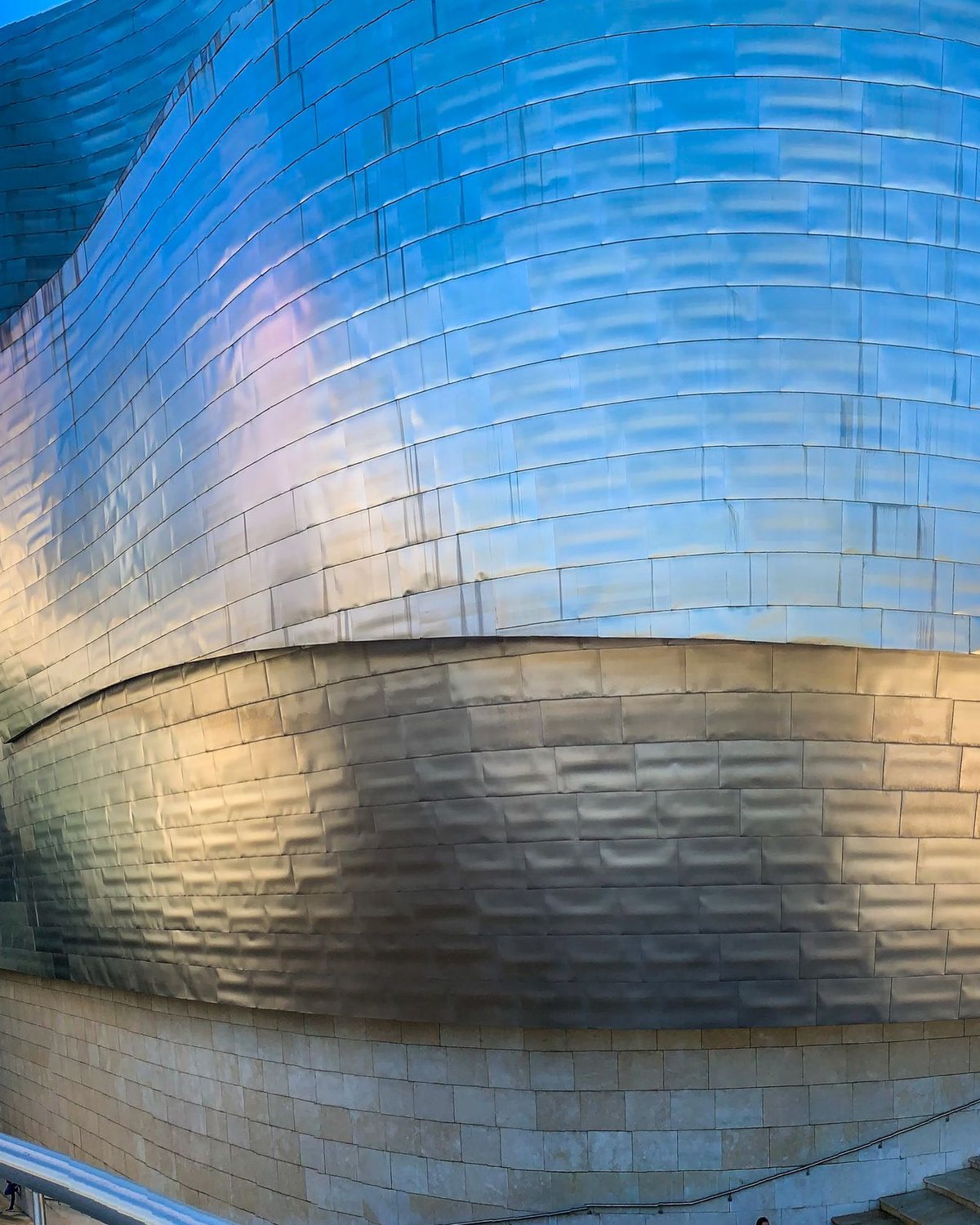
After a gallery hung in date order, the Guggenheim in Bilbao keeps one permanent display and rotates the rest. Frank Gehry's titanium building on the Nervión is the city's headline sight, and the building itself is the main thing you come to see.
That permanent display is Richard Serra's steel ellipses, which fill the long gallery.
Save time for the outside. A circuit along the river, past the spider and the flower terrier, takes half an hour and goes all the way round the building.
Read the Bilbao guide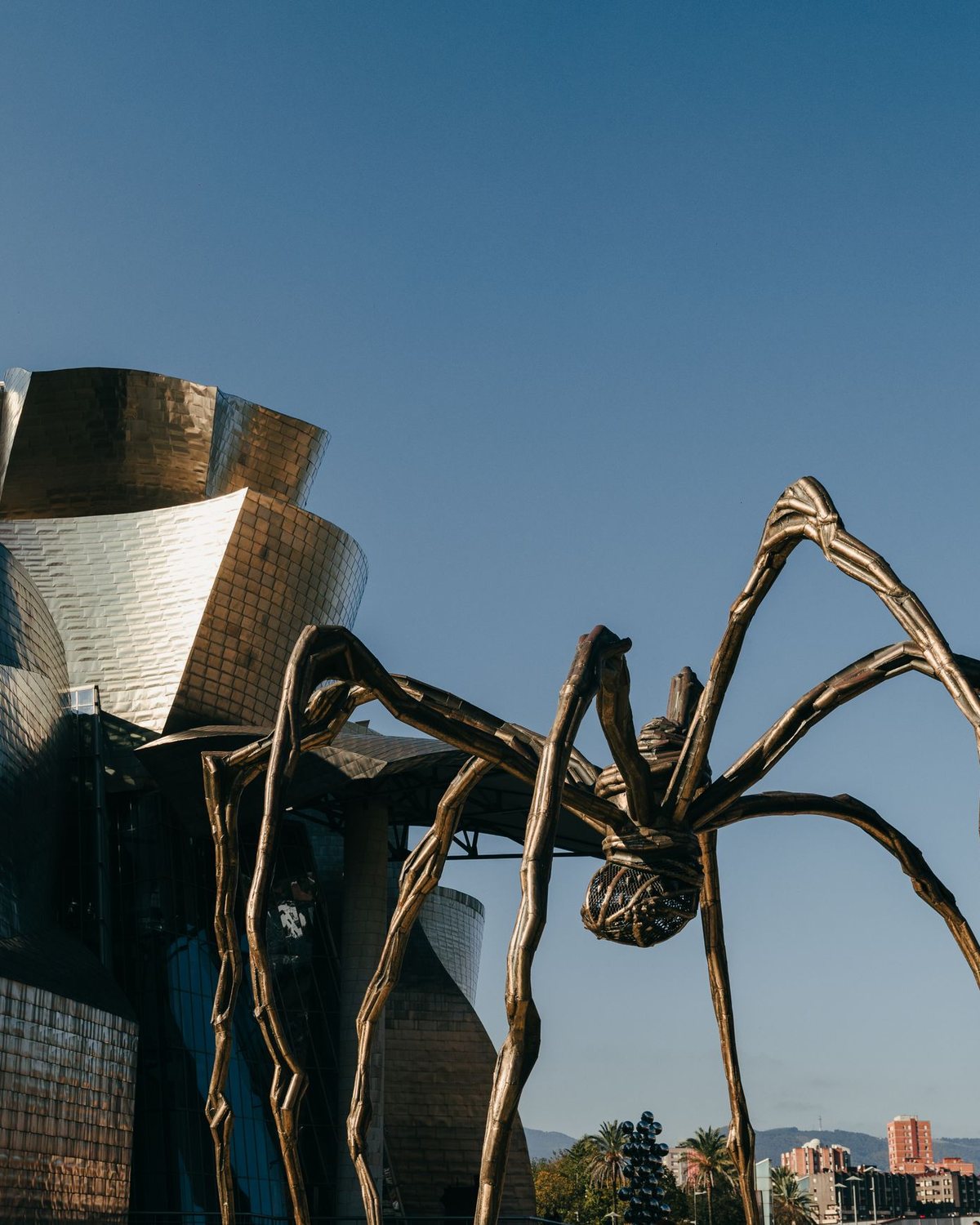
No. 10 Museum in Tokyo, Japan
Tokyo National Museum
Bilbao's museum is one building to circle; Tokyo National Museum is five to walk between. Its halls of Japanese and Asian art stand at the north end of Ueno Park, around a garden of old teahouses that opens for a few weeks each spring and autumn.
Start in the Honkan, listed as an Important Cultural Property in its own right. Its second floor runs room by room from Jomon times to the Edo period, so one floor takes you through the whole of Japanese art, past samurai armour and swords close enough to study.
Then cross to the Gallery of Horyuji Treasures, more than 300 pieces from the temple. Dozens of small gilt Buddhas stand under spotlights, each lit to show how it differs from the next.
Read the Tokyo National Museum guide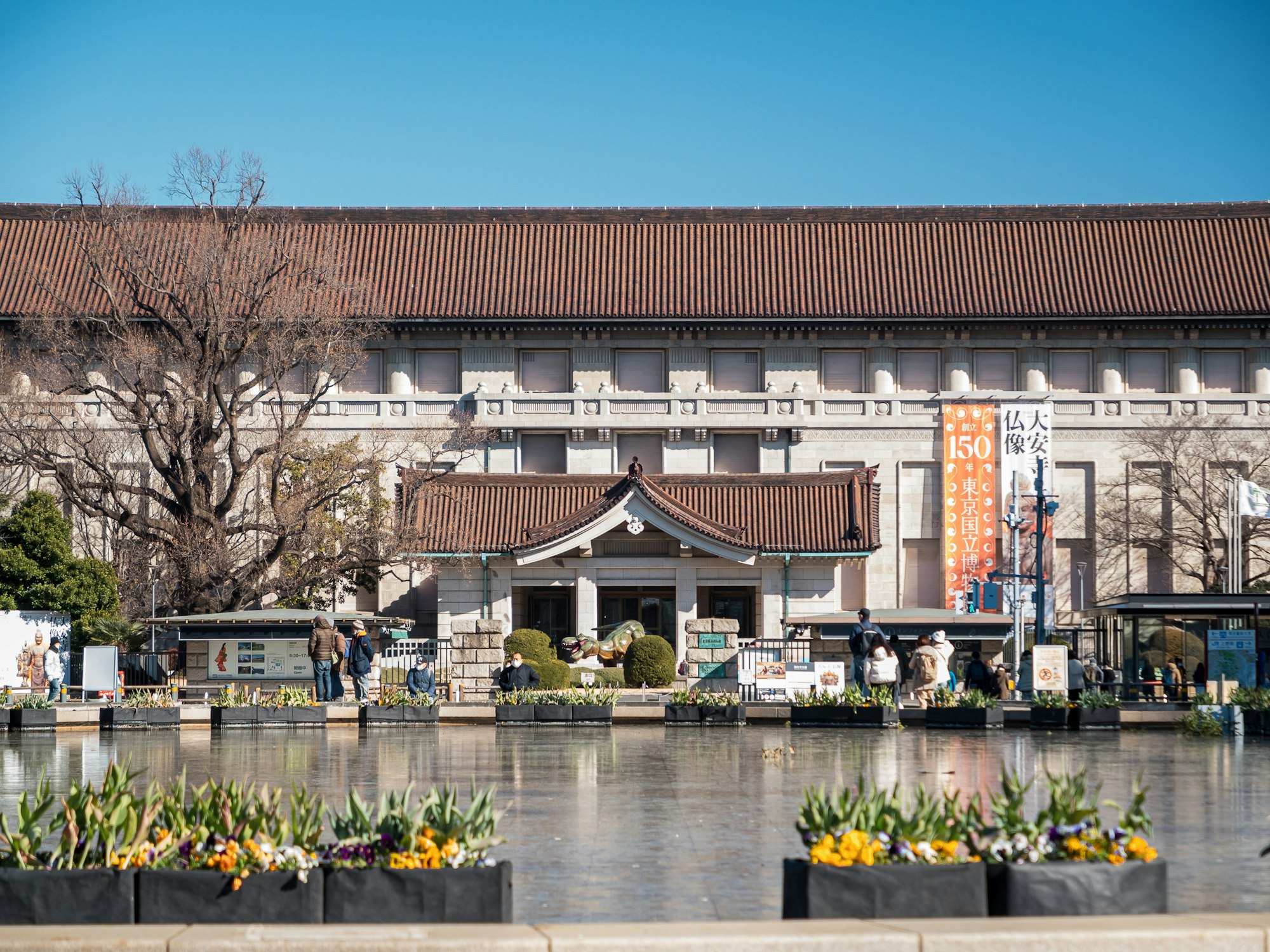
A print gives you the picture but not its size, its surface or the light in the room. Every museum here keeps a few works that only make full sense when you stand in front of them.
Build the journey around those few, and give the rest of each building whatever time is left over.