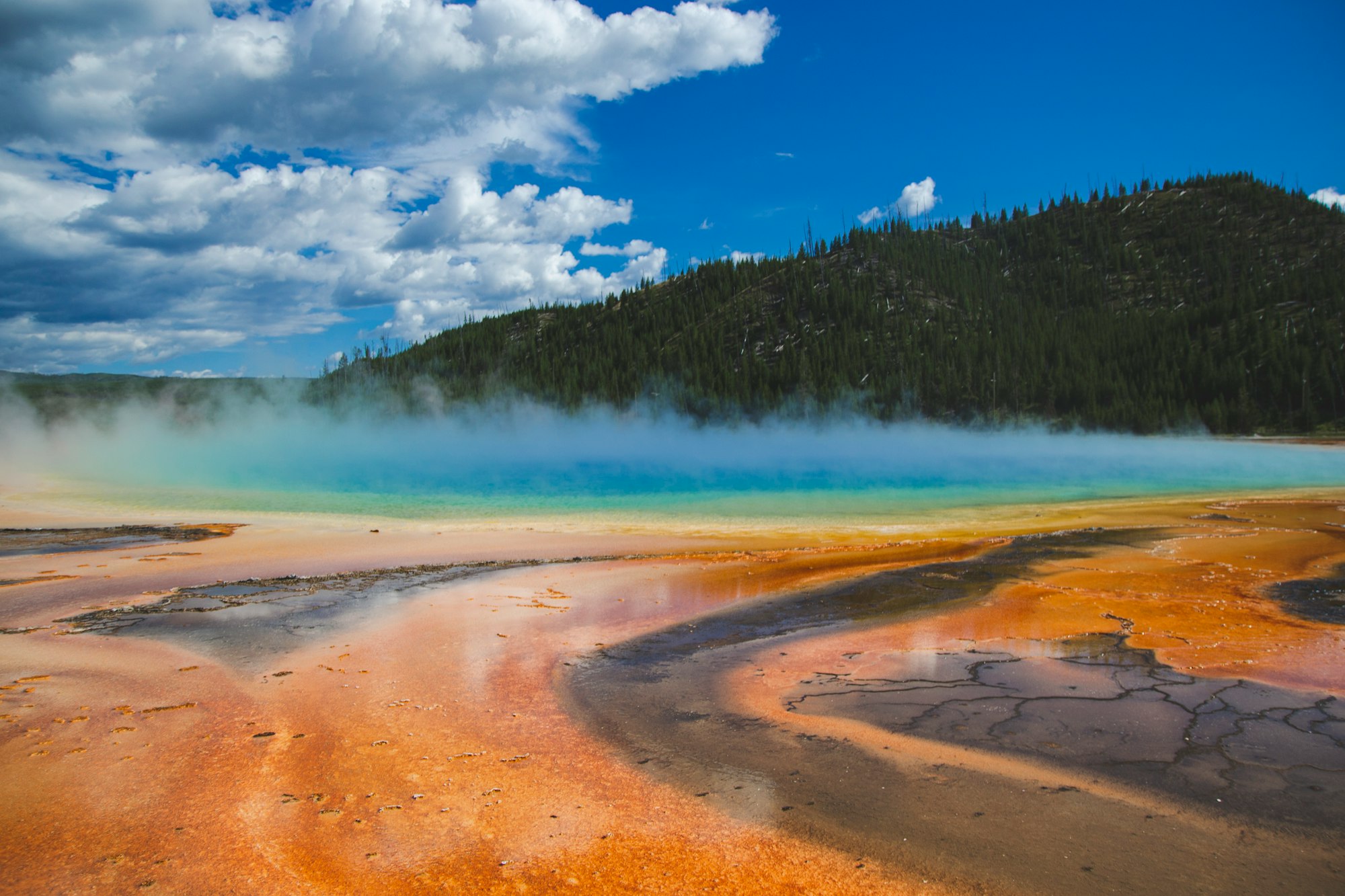
No. 1 Park in West Yellowstone, United States
Yellowstone National Park
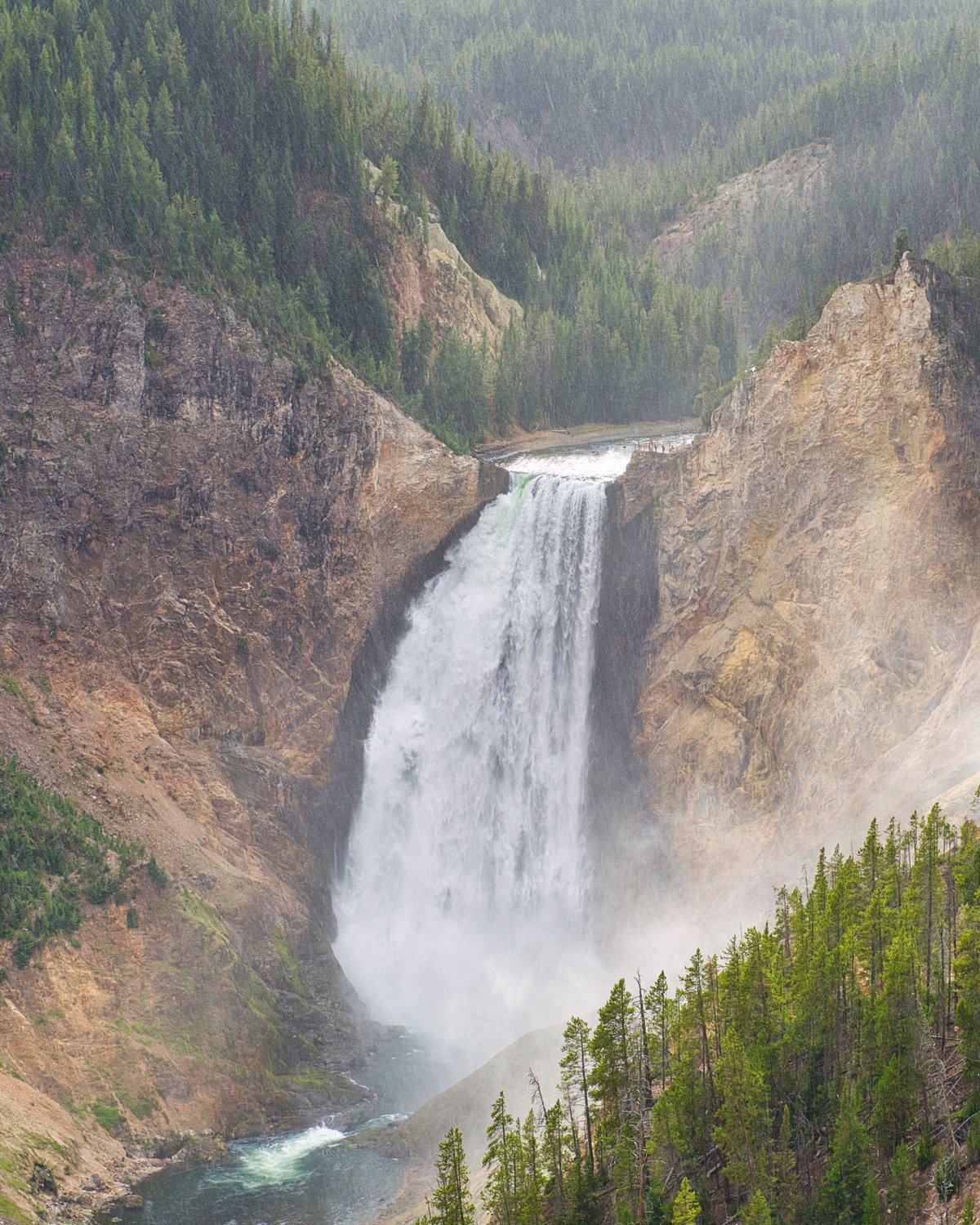
You cross Yellowstone by road. A figure-of-eight loop links the geyser basins, the canyon and Lamar Valley, and under it the ground is still active, a caldera that drives half the known geysers on the planet.
Old Faithful erupts more often than any other big geyser in the park, throwing boiling water 30 to 55 metres high. Grand Prismatic Spring is best from the hillside overlook reached from the Fairy Falls Trailhead.
Lamar Valley is one of the best places in the world to watch wolves, and the bison herd gathers there for the rut in late summer. What you see is often the aftermath of a kill, with ravens arriving almost at once and coyotes waiting nearby.
Read the Yellowstone National Park guide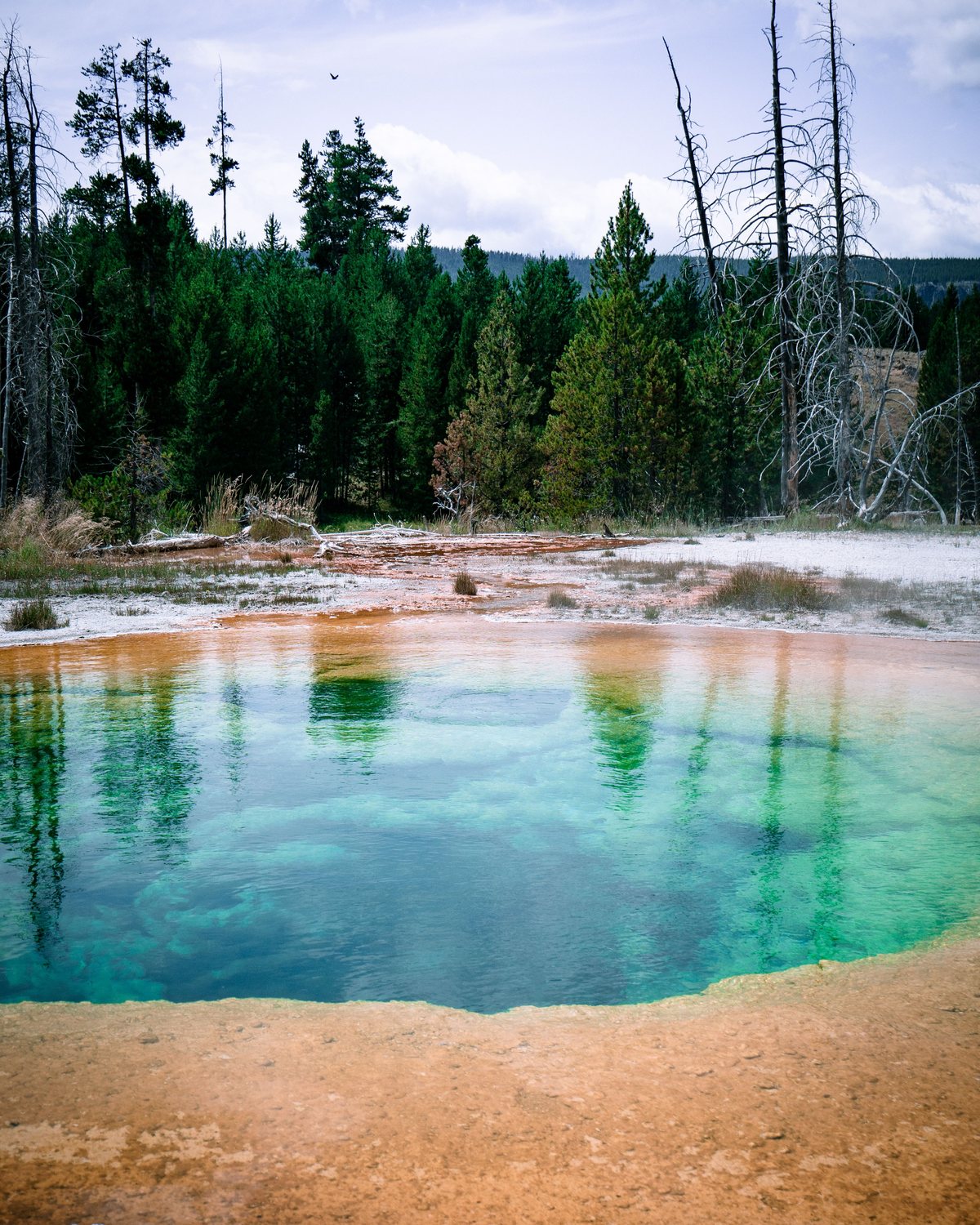
No. 2 Park in Leh, India
Hemis National Park
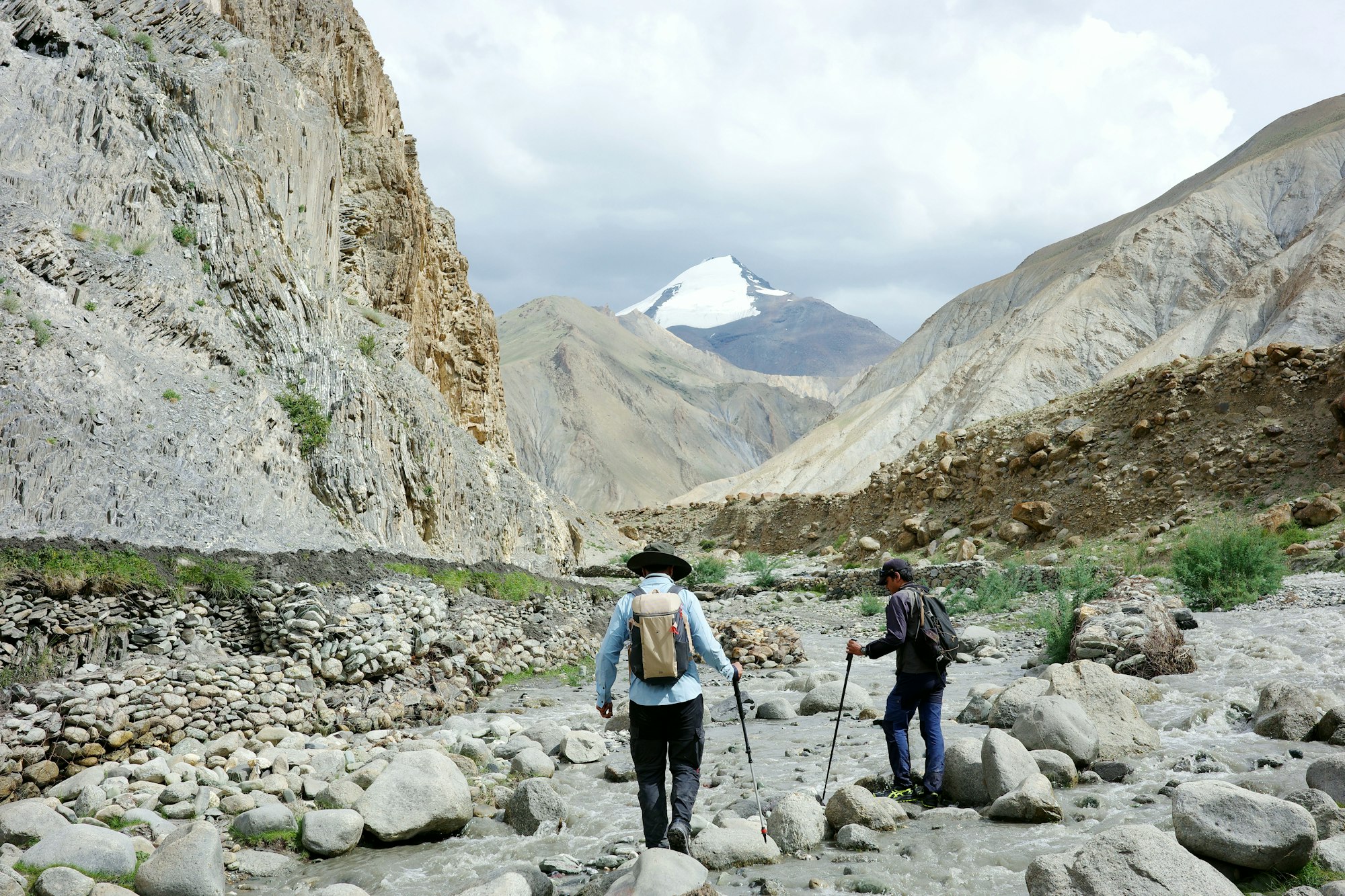
Tibetan wolves range Hemis National Park, in Ladakh, too, on slopes closed to vehicles. With no cars allowed inside, you see all of it on foot: high peaks, open valleys and the villages along the Markha river.
In July and August you walk up the valley from village to village, sleeping most nights in a family's house, and cross a pass above 5,200 metres.
In February and March the draw is the snow leopard. About 200 live in the park, most around the Rumbak valley, and you sit above it with a local tracker scanning the ridges, though a sighting is never guaranteed.
Read the Hemis National Park guide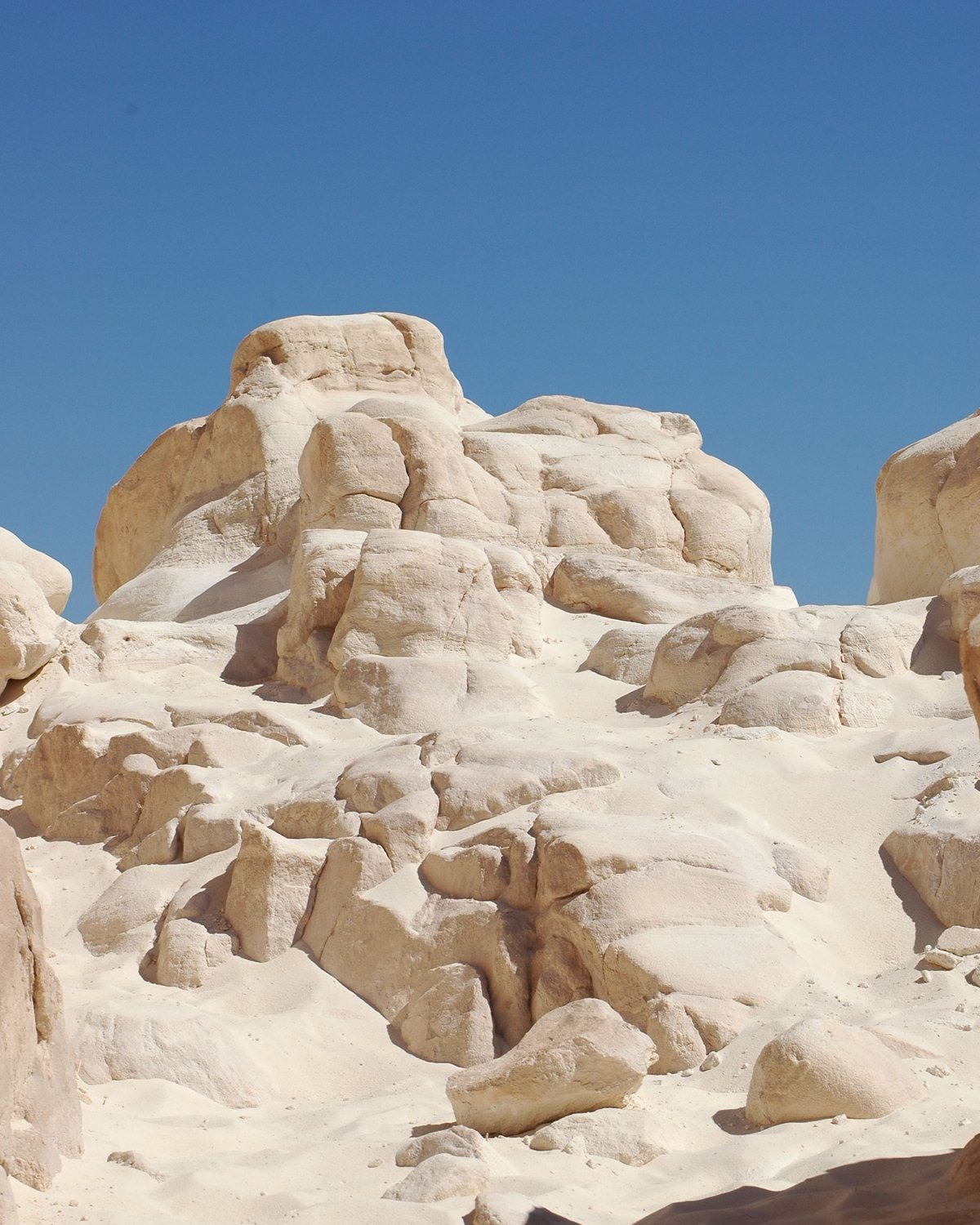
No. 3 Park in Farafra, Egypt
White Desert National Park
From a distance the white ground north of Farafra, in Egypt, looks like the snow on Ladakh's ridges, but it is chalk, set in golden Sahara sand.
Wind and sand have worn it into hundreds of shapes. Mushroom Rock is a hard limestone cap on a narrow chalk stem, and your guide walks you from rock to rock to find the Chicken, the Sphinx, dogs and camels.
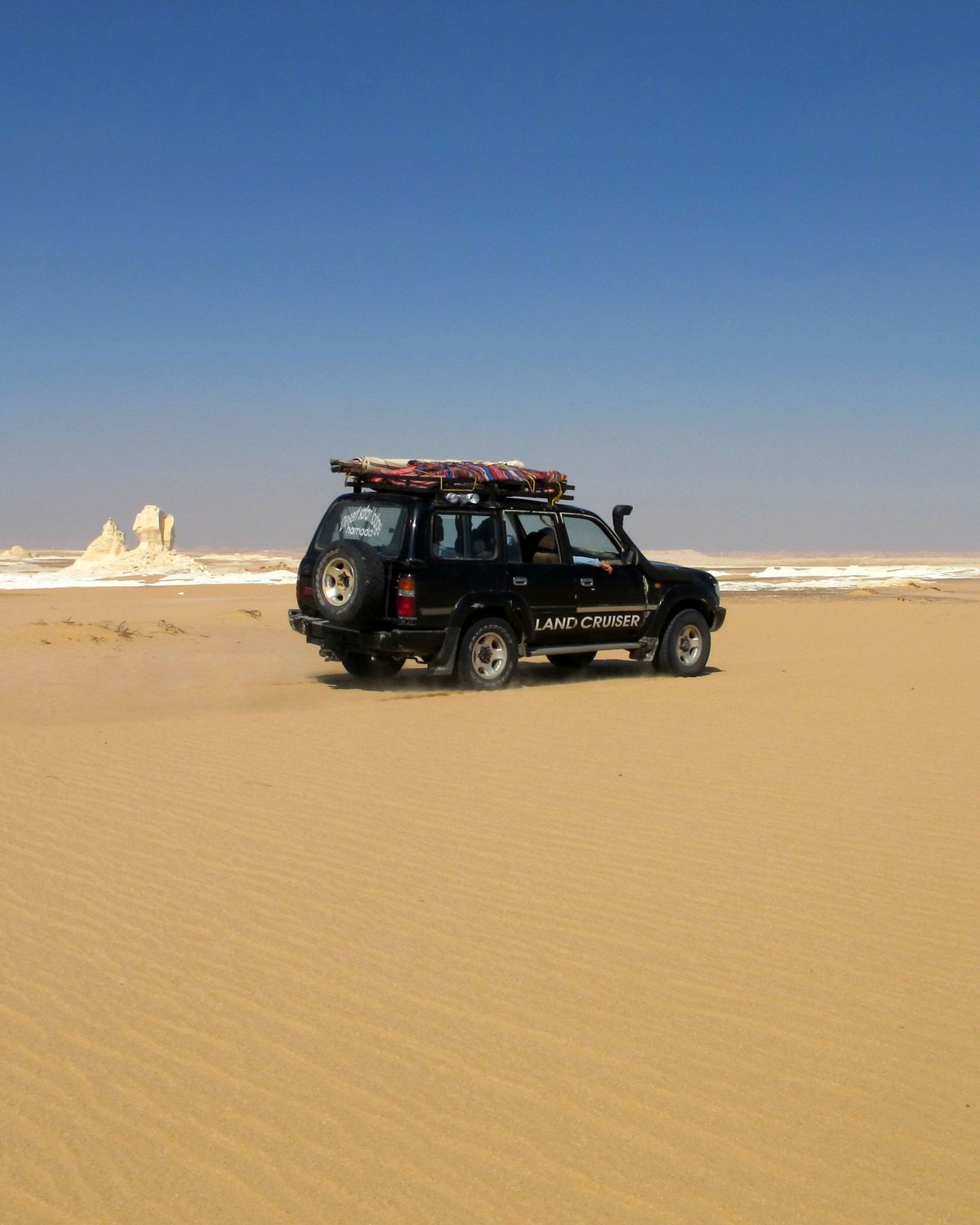
You come in by 4x4 from Bahariya oasis, across the black hills of the Black Desert, and sleep in a tent pitched on open desert among the formations. You see them at sunset and again at sunrise, when the low sun lights the chalk orange and pink.
Read the White Desert National Park guide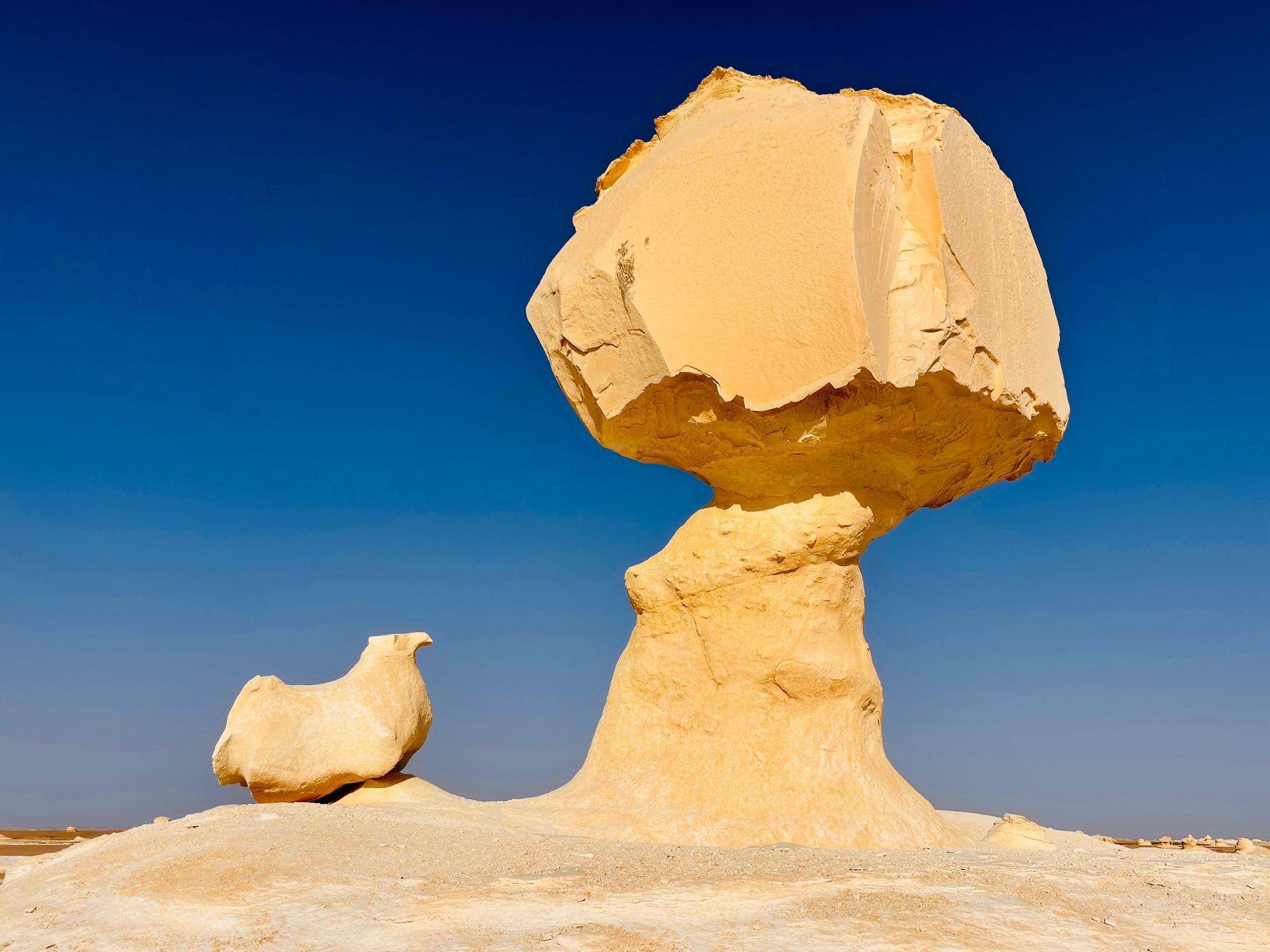
No. 4 Park in Chaitén, Chile
Pumalín Douglas Tompkins National Park
Pumalín Douglas Tompkins National Park, in Chilean Patagonia, trades the desert chalk for wet temperate rainforest. It runs from sea fjords to glaciers, with hundreds of waterfalls dropping down granite walls, and you walk it on short trails straight off the Carretera Austral.
The tree to come for is the alerce, a relative of the redwood that lives for thousands of years. A quarter of the alerces left in Chile grow inside the park, and Sendero Los Alerces, an easy walk, passes trees close to 3,000 years old.
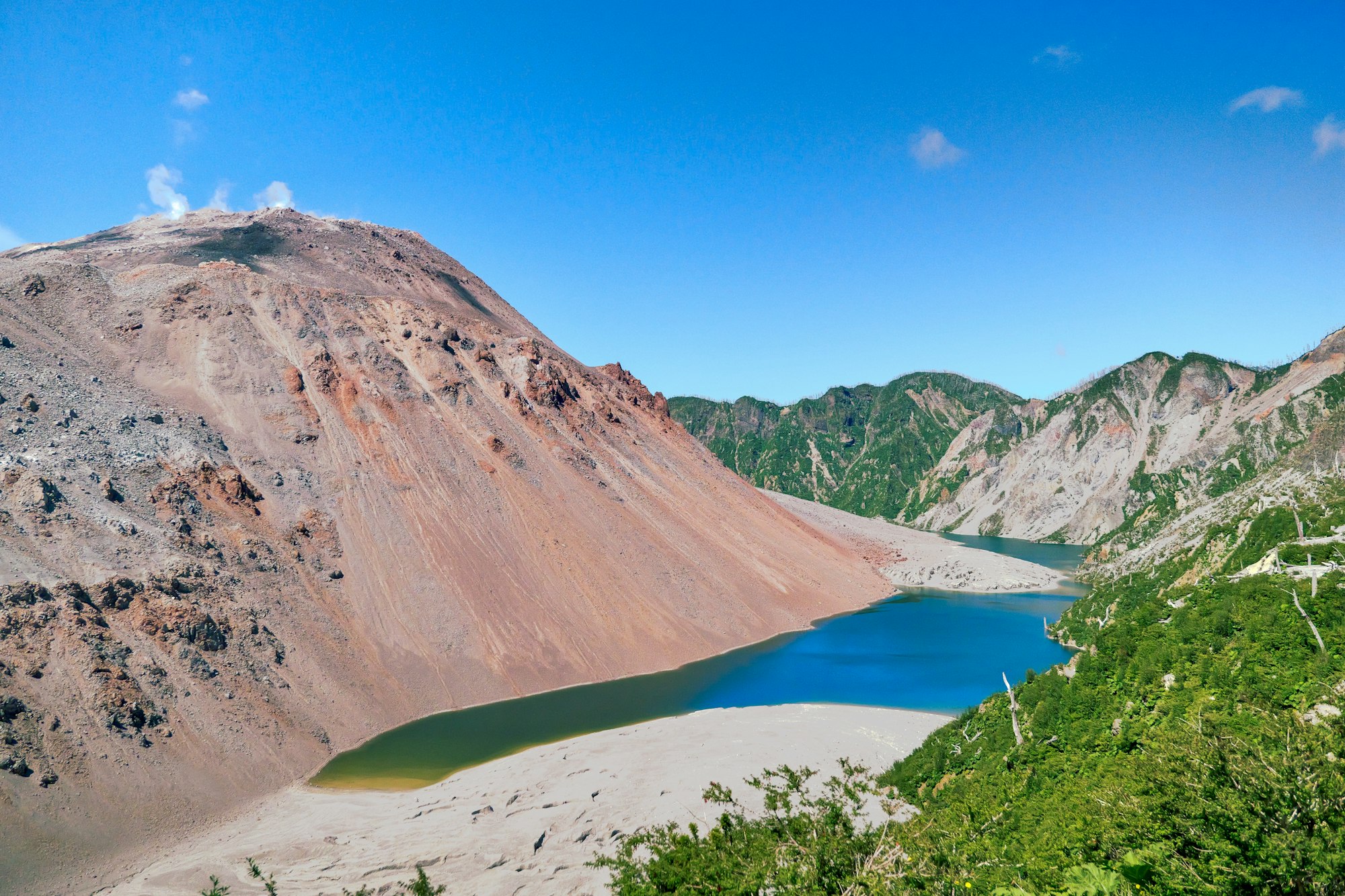
On a clear day, climb Chaitén volcano. Its 2008 eruption flattened the forest on its slopes, and the trail rises past bleached dead trunks to a rim above a dome that still smokes, with a lagoon at its foot.
Read the Pumalín Douglas Tompkins National Park guideNo. 5 Park in Manaus, Brazil
Anavilhanas National Park
More forest, this time standing in the river. Upstream of Manaus, more than four hundred islands split the black water of the Rio Negro into channels and lakes, and you travel all of it by boat.
At high water many islands go under until only the trees show, and a small boat leaves the channels to run between the trunks of the igapó, the flooded forest. On a calm day the near-black water mirrors the trees so cleanly that the forest appears twice.
From September the river drops and white sand beaches spread out from the islands. Stay a night on the river, and the boats go out after dark for caimans, owls and frogs.
Read the Anavilhanas National Park guide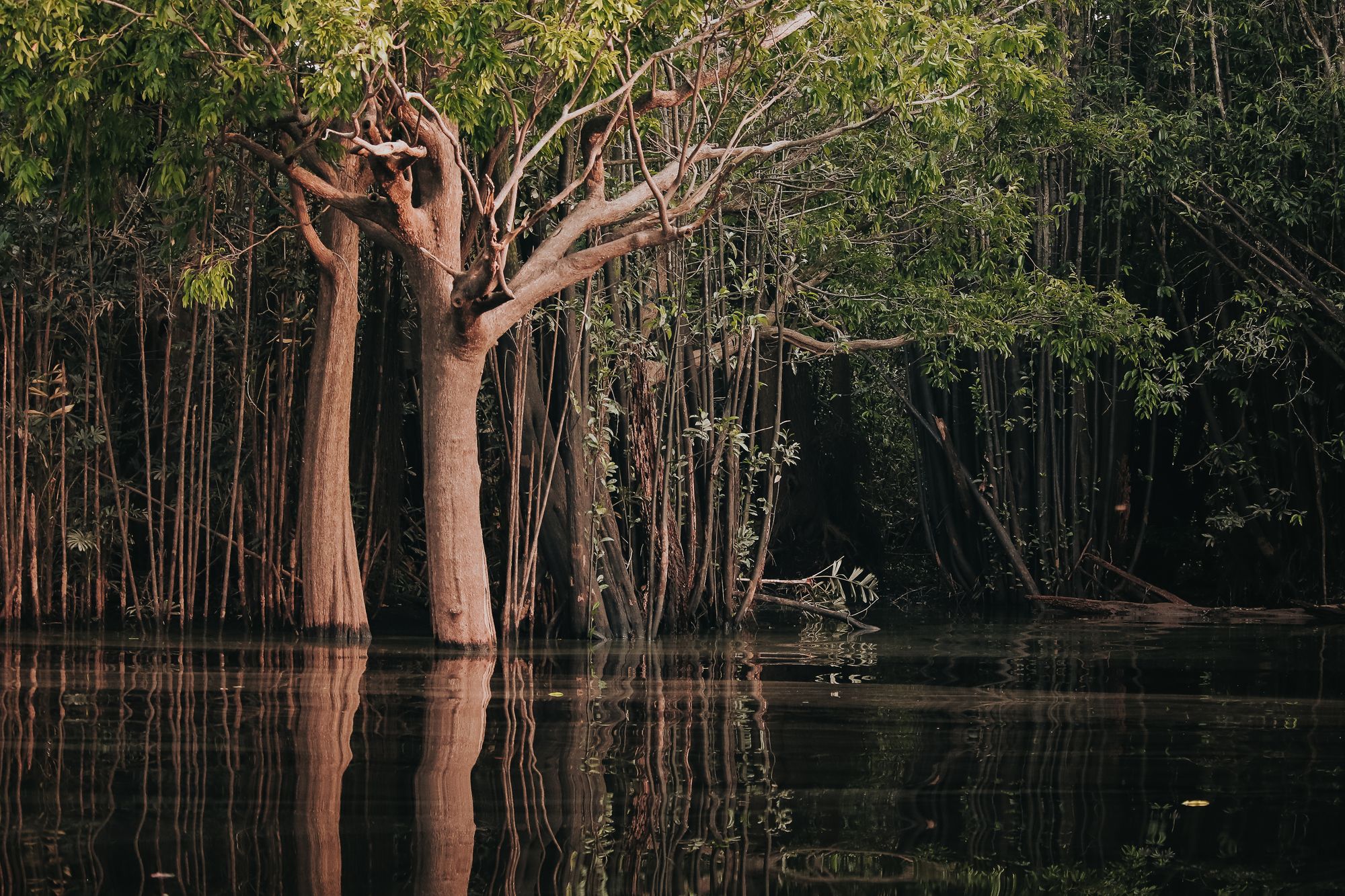
No. 6 Park in Höfn, Iceland
Skaftafell
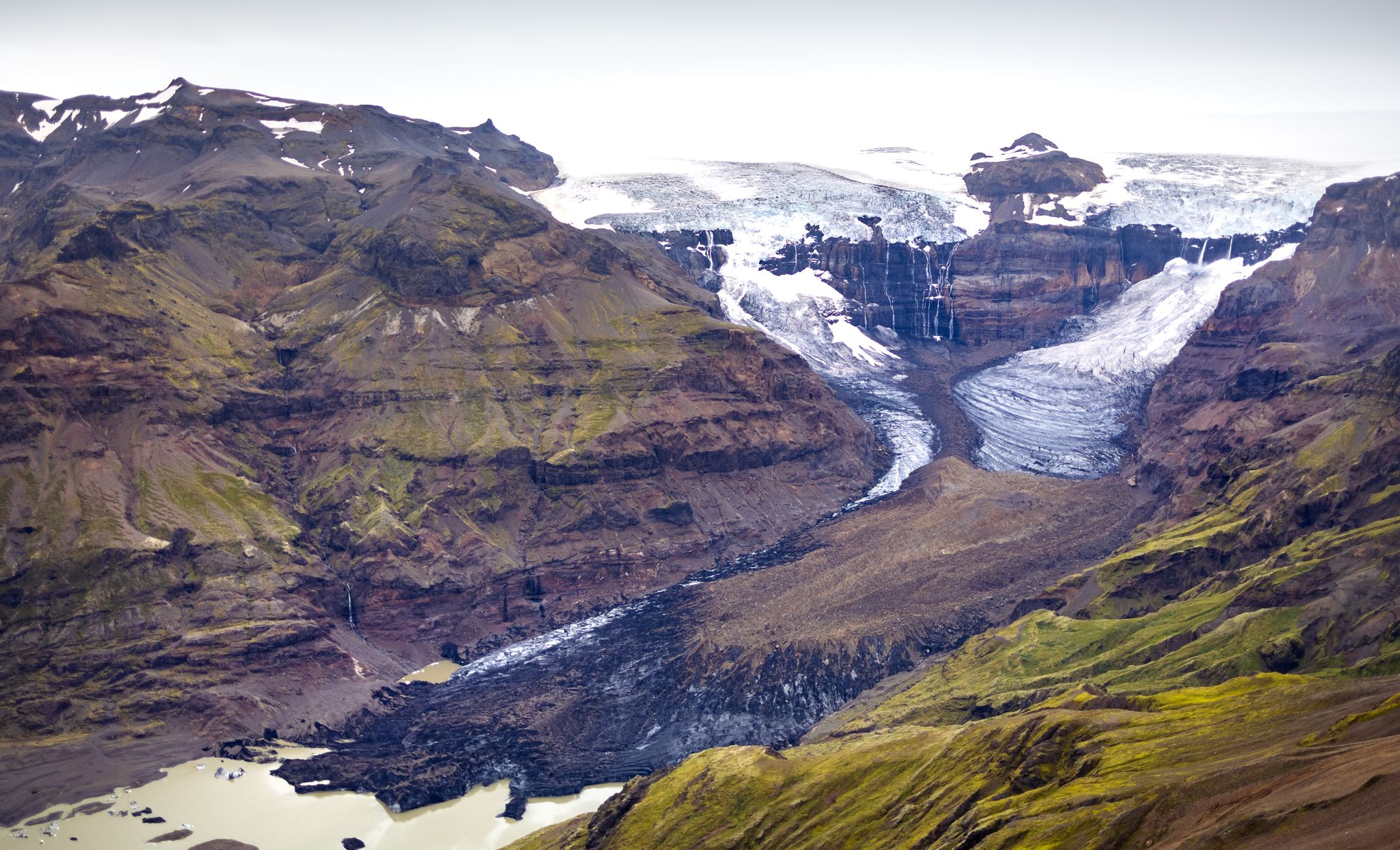
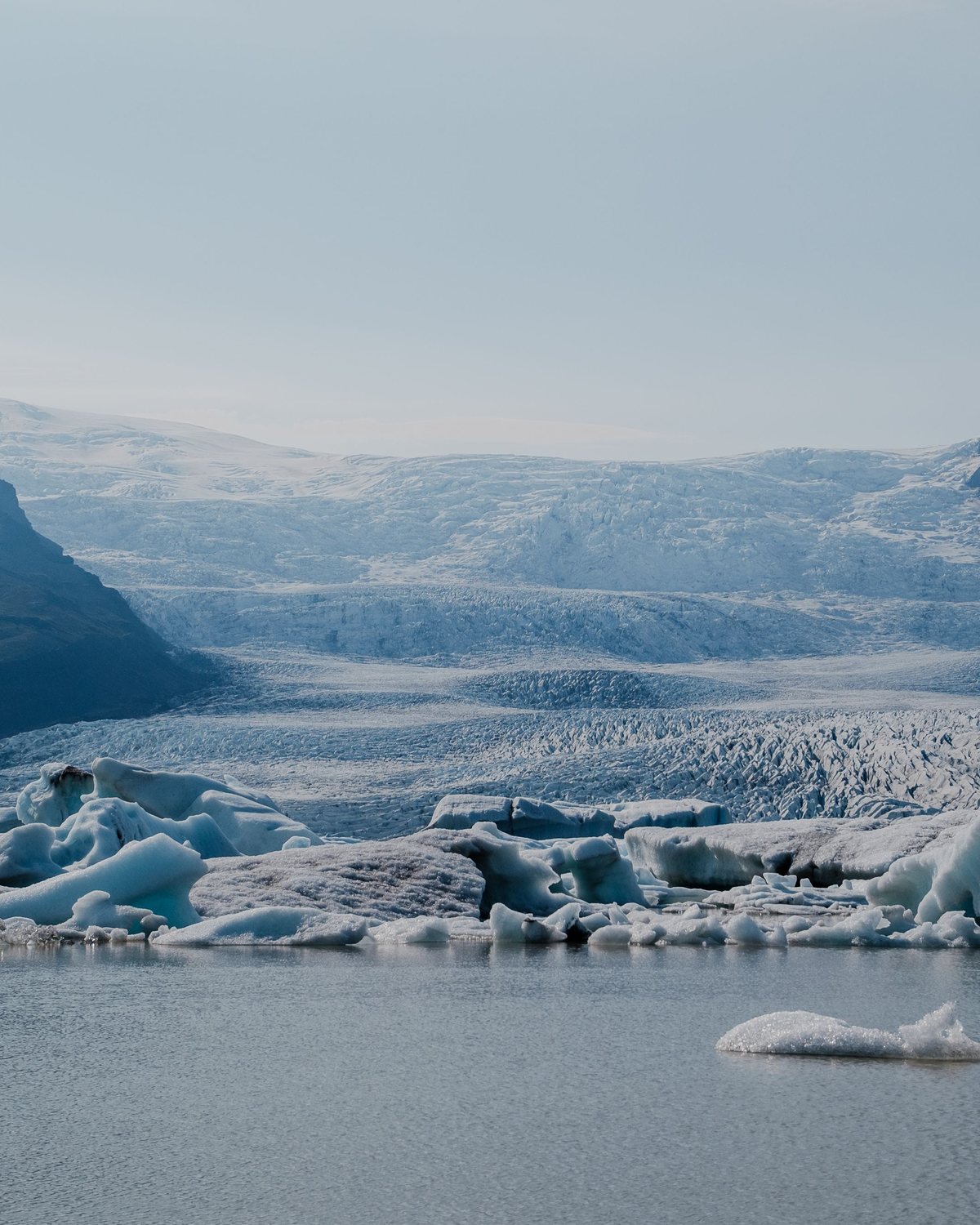
At Skaftafell, in south Iceland, the water is still ice. A green slope of birch and moss rises under the Vatnajökull ice cap, and Skaftafellsjökull, one of its outlet glaciers, ends a short walk from the visitor centre in a lake where small icebergs float.
Further up the same trails you reach Svartifoss, a narrow white stream falling inside a frame of dark, unusually even basalt columns. Higher still, the Sjónarnípa lookout looks down on the glacier tongue with Öræfajökull behind.
On foot, half a day covers glacier, waterfall and lookout. Öræfajökull also shelters the slope, so the weather here is often kinder than elsewhere on the south coast.
Read the Skaftafell guide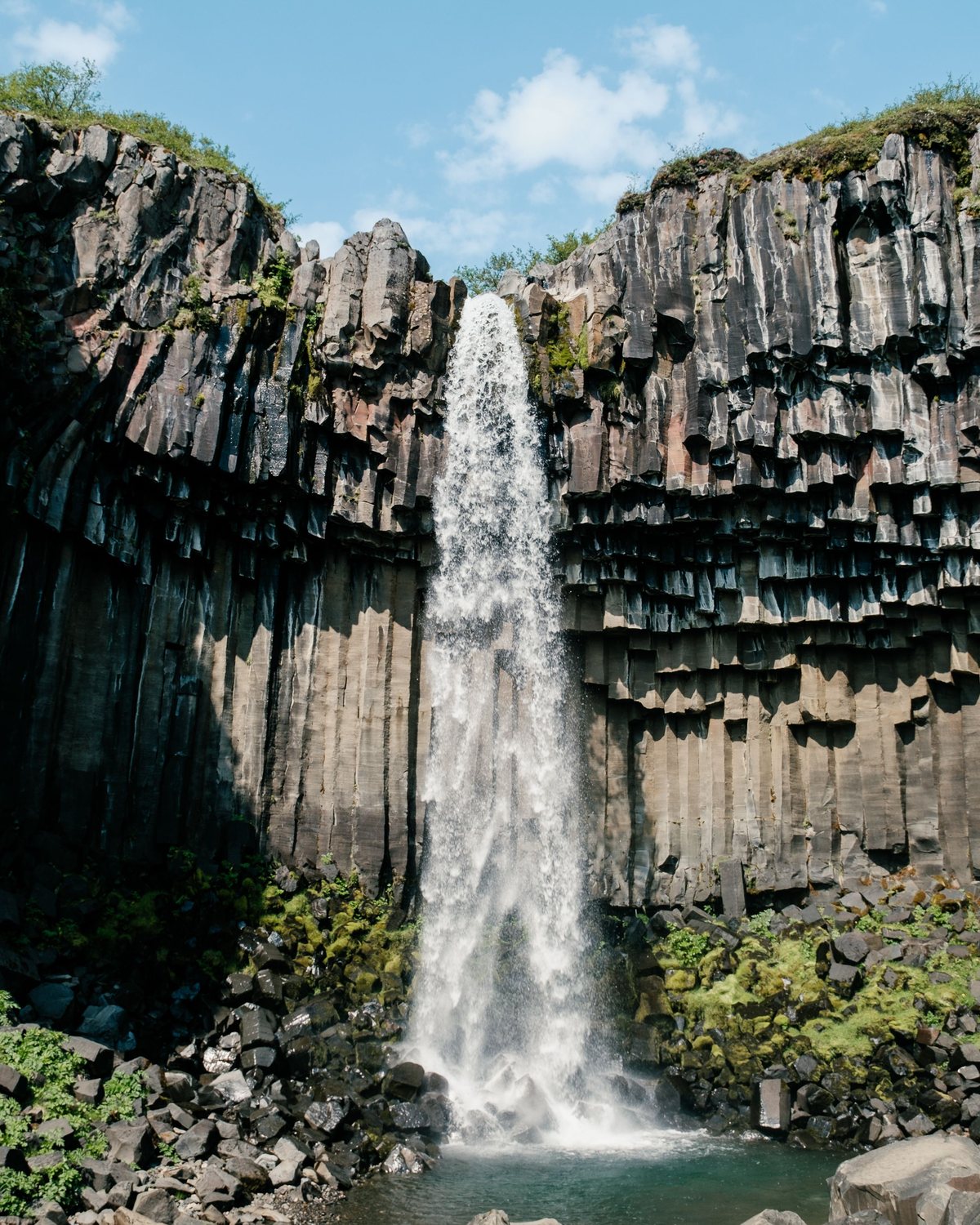
No. 7 Park in Healy, United States
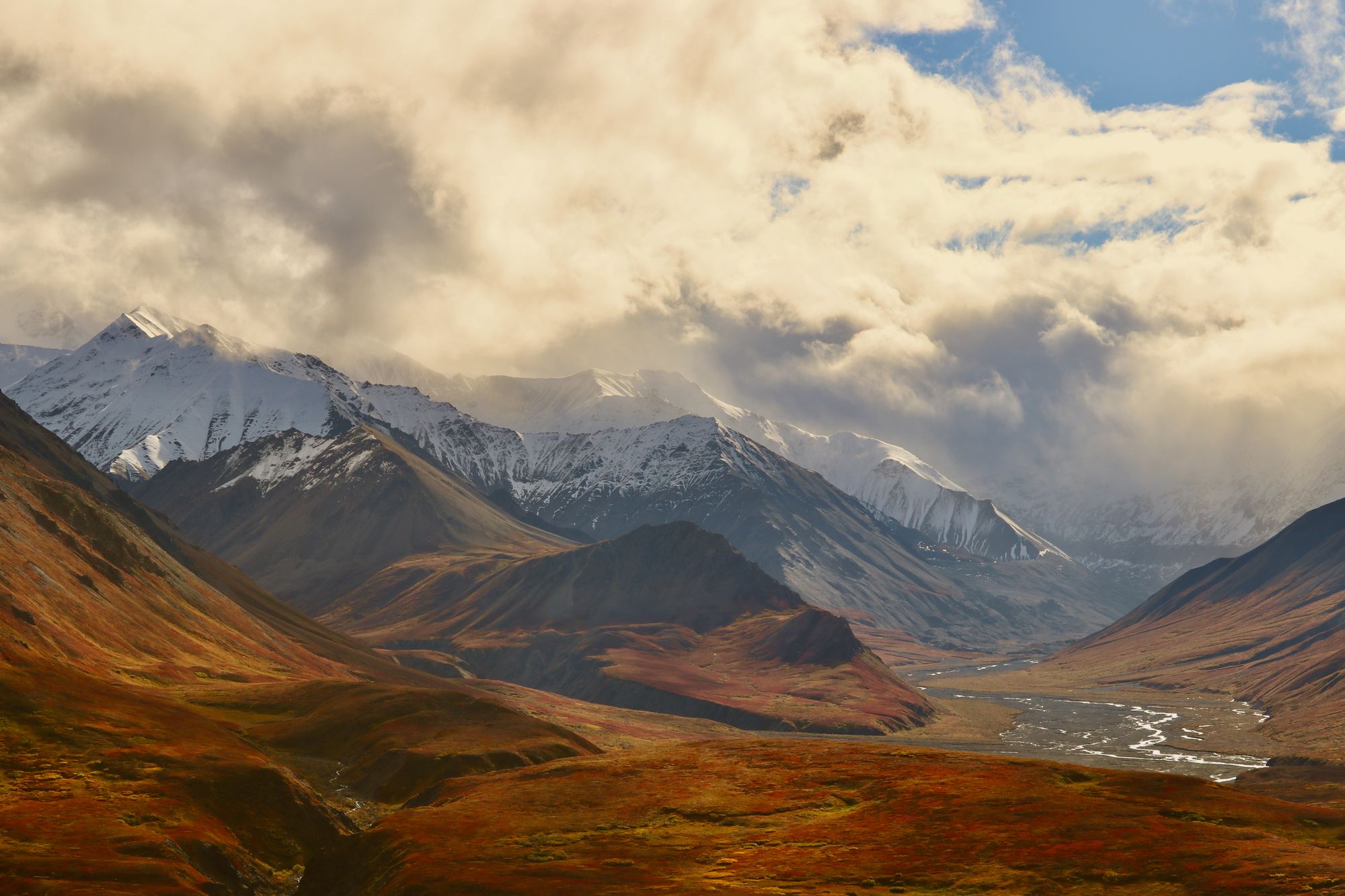
Denali National Park and Preserve
Skaftafell's trails all start from one place; Denali's interior hangs on one road. Private cars mostly stop at Savage River, and past it the road belongs to buses, bicycles and walkers.
Ride a green transit bus as far as its turnaround at Mile 43 and step off wherever you like onto open tundra with almost no trails. Grizzlies, caribou and Dall sheep are commonly seen along the way.
Denali itself, North America's tallest peak at 6,190 metres, stands inside the park, though cloud hides it on most summer days. Near the entrance, rangers keep the only sled dog kennel in the National Park Service, and in summer you can walk through it to meet the huskies.
Read the Denali National Park and Preserve guide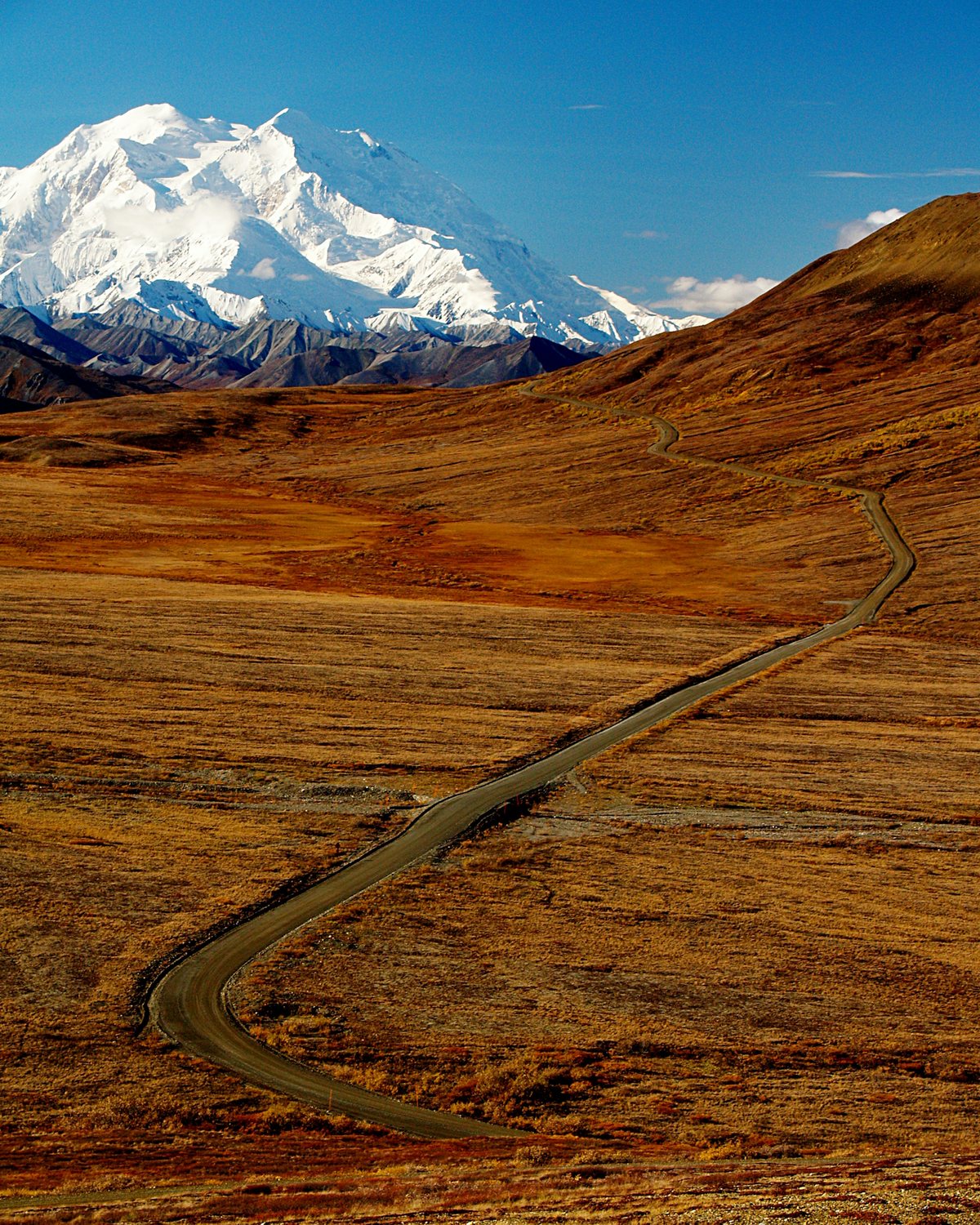
No. 8 Park in Wadi Rum, Jordan
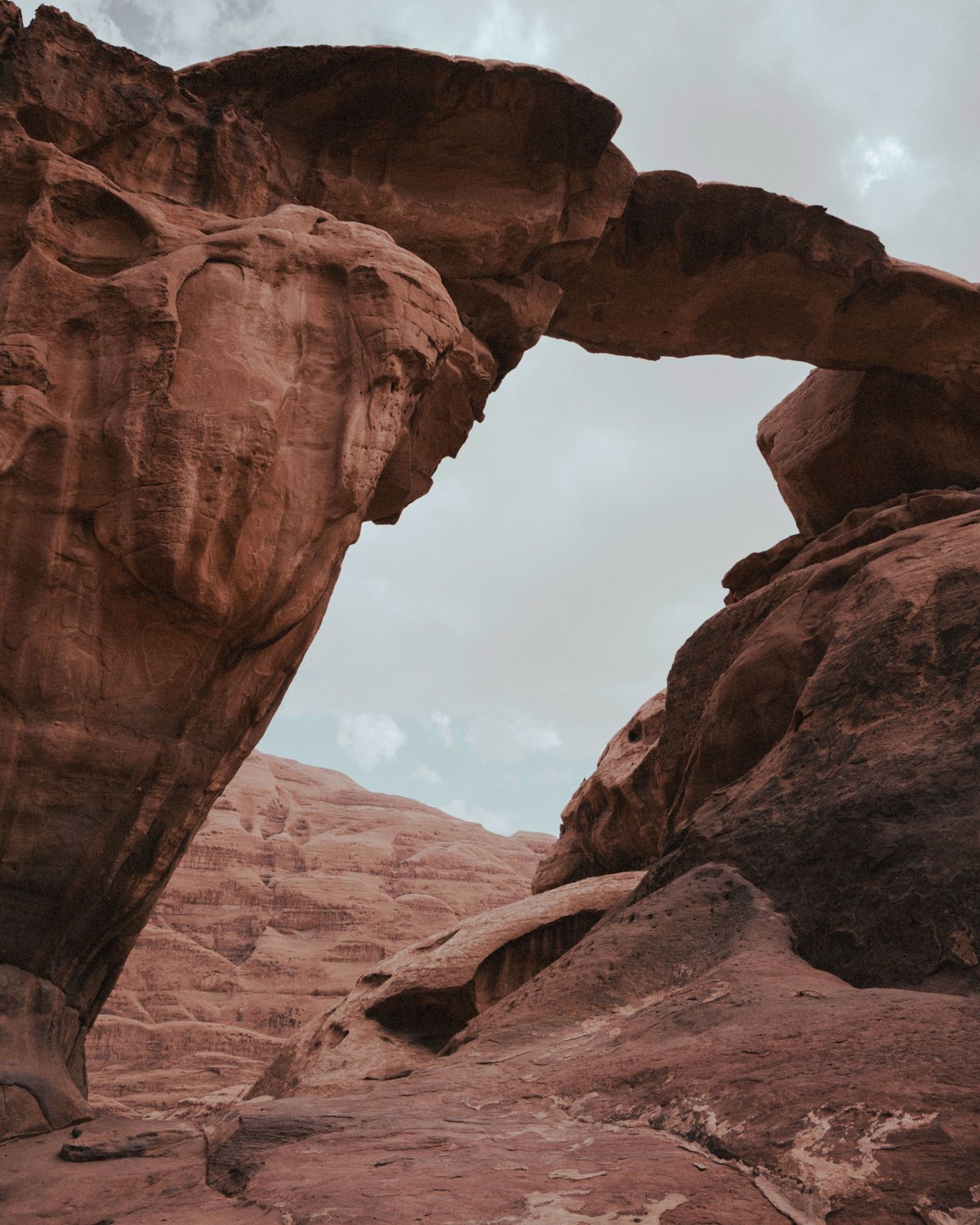
Wadi Rum Protected Area
In Wadi Rum, in southern Jordan, the tarmac stops at Rum village, and past it the tracks are for 4x4s. You ride in an open one between near-vertical cliffs of iron-rich sandstone rising out of red sand.
Bedouin guides run the jeep tours. In Khazali Canyon, a cleft about 100 metres long, people, animals and footprints are cut into the walls beside Thamudic, Nabataean and Islamic script, part of 12,000 years of life recorded in this desert.
Stay the night in camp. Your hosts feed you in the evening, and the sky above ranks among the best on earth for stargazing.
Read the Wadi Rum Protected Area guide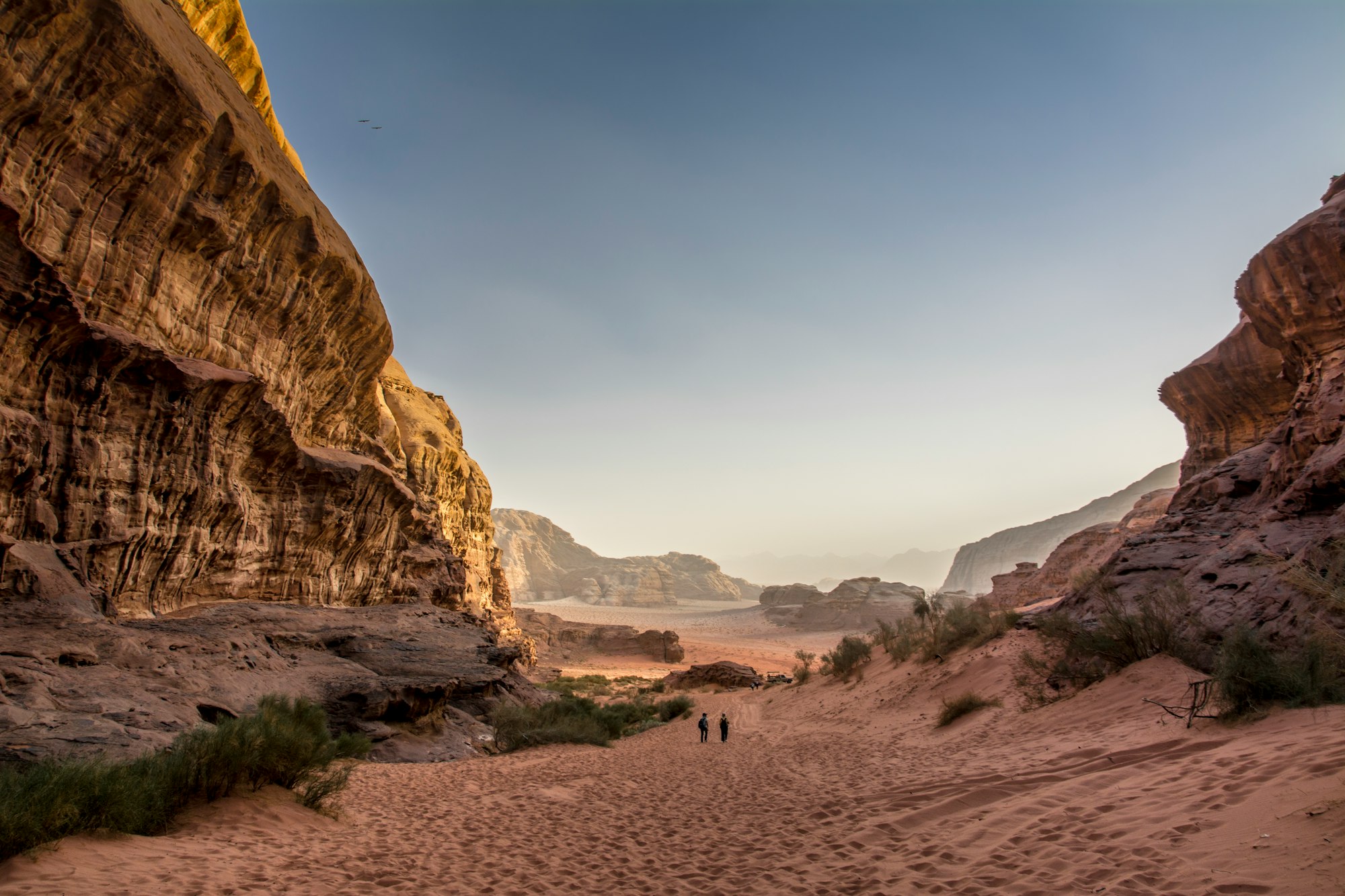
No. 9 Park in Arusha, Tanzania
Serengeti National Park
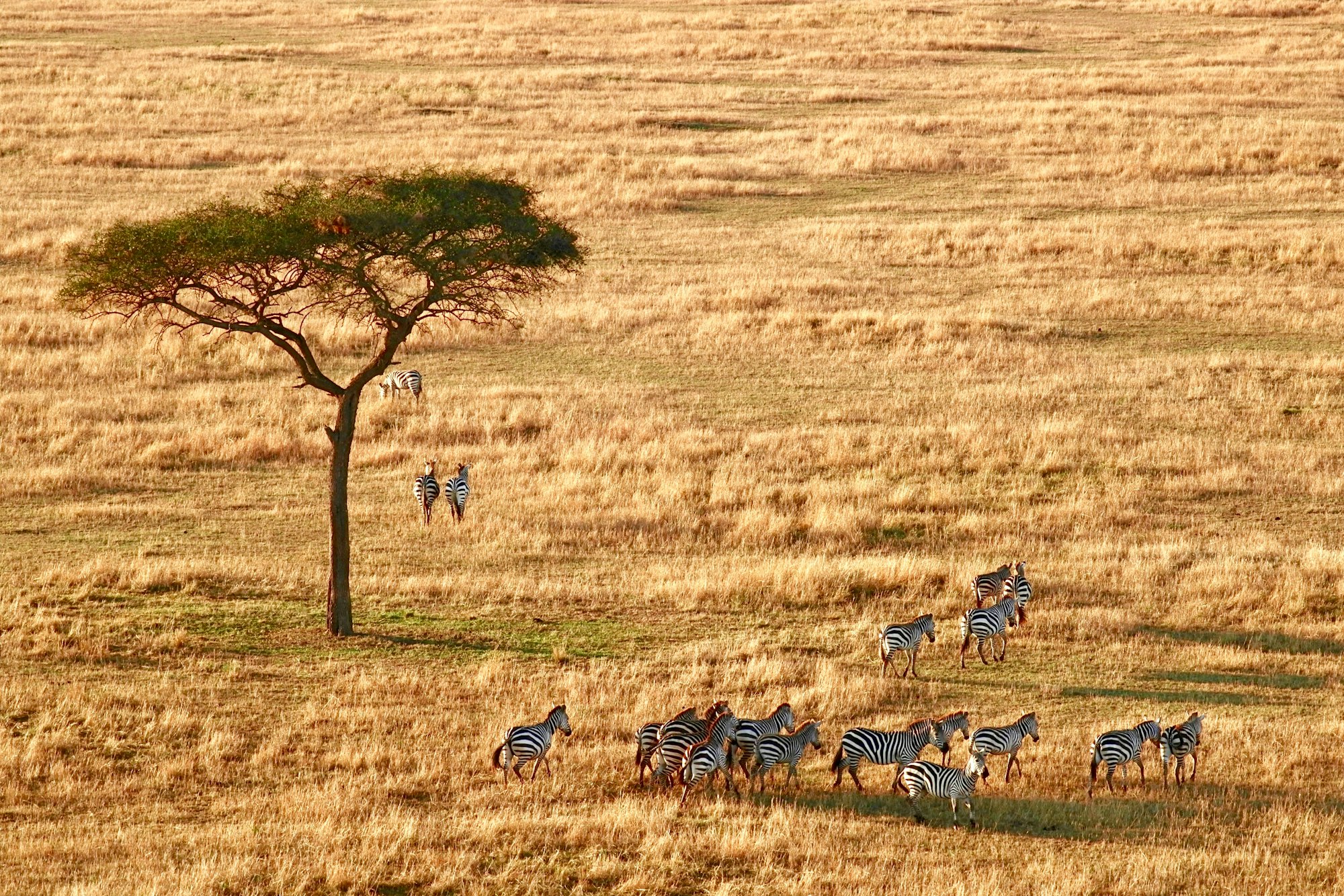
Like Wadi Rum's sandstone, the rock of the Serengeti carries old marks. Kopjes, outcrops of bare rock, stand out of the grass like islands, and the Moru Kopjes in the central plains hold Maasai cave paintings.
Around them the grass runs flat to the horizon, and over 1.5 million wildebeest and zebra circle it through the year following the rain, with the big cats and crocodiles that hunt them. You watch from a 4x4 on game drives out of camp, morning and late afternoon.
Because the herds move, you choose your camp by the month. From December to March they graze the plains around Ndutu in the south, where around 500,000 calves are born in two to three weeks; from July to October they are in the north, by the Mara River.
Read the Serengeti National Park guide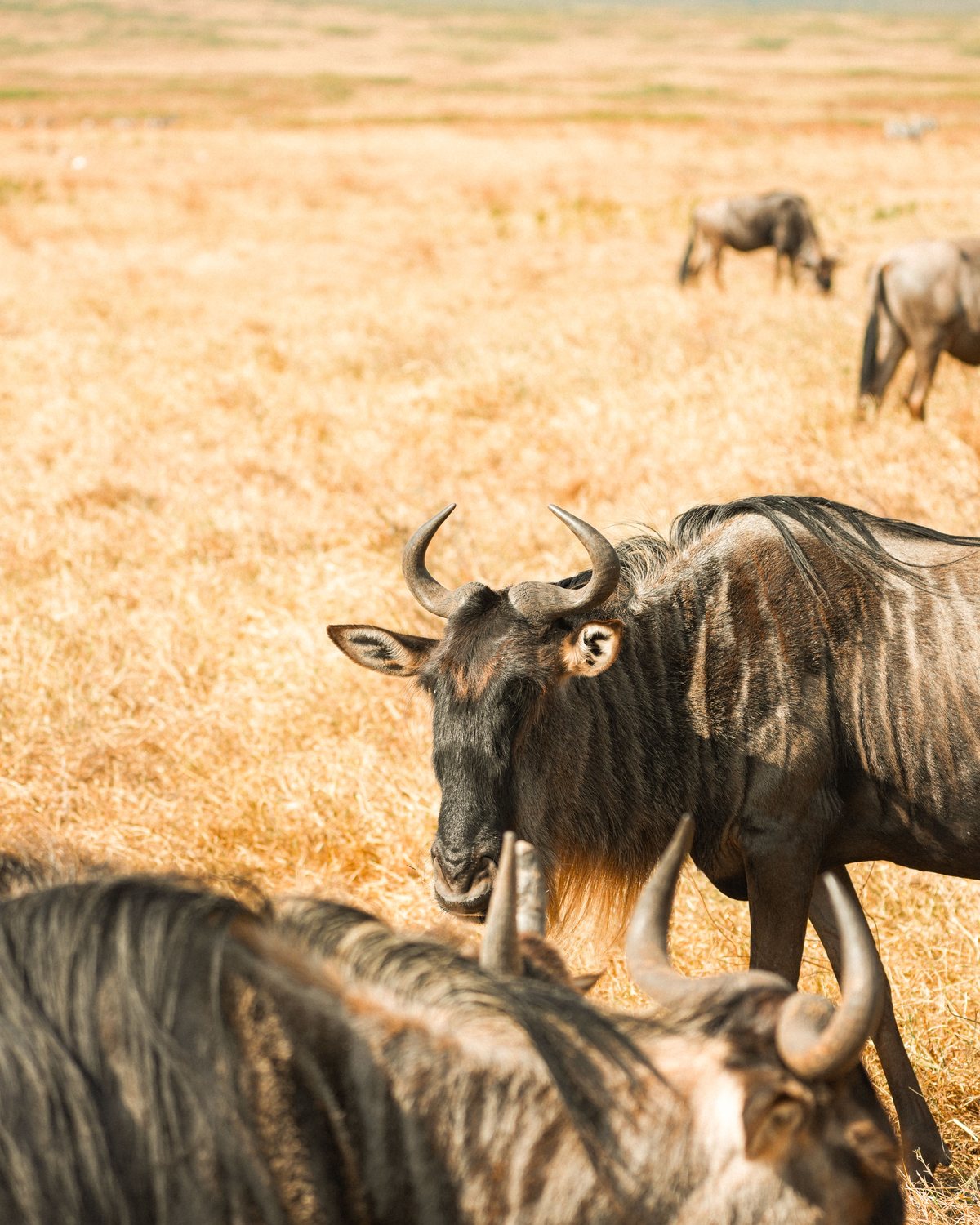
No. 10 River Delta in Maun, Botswana
Okavango Delta
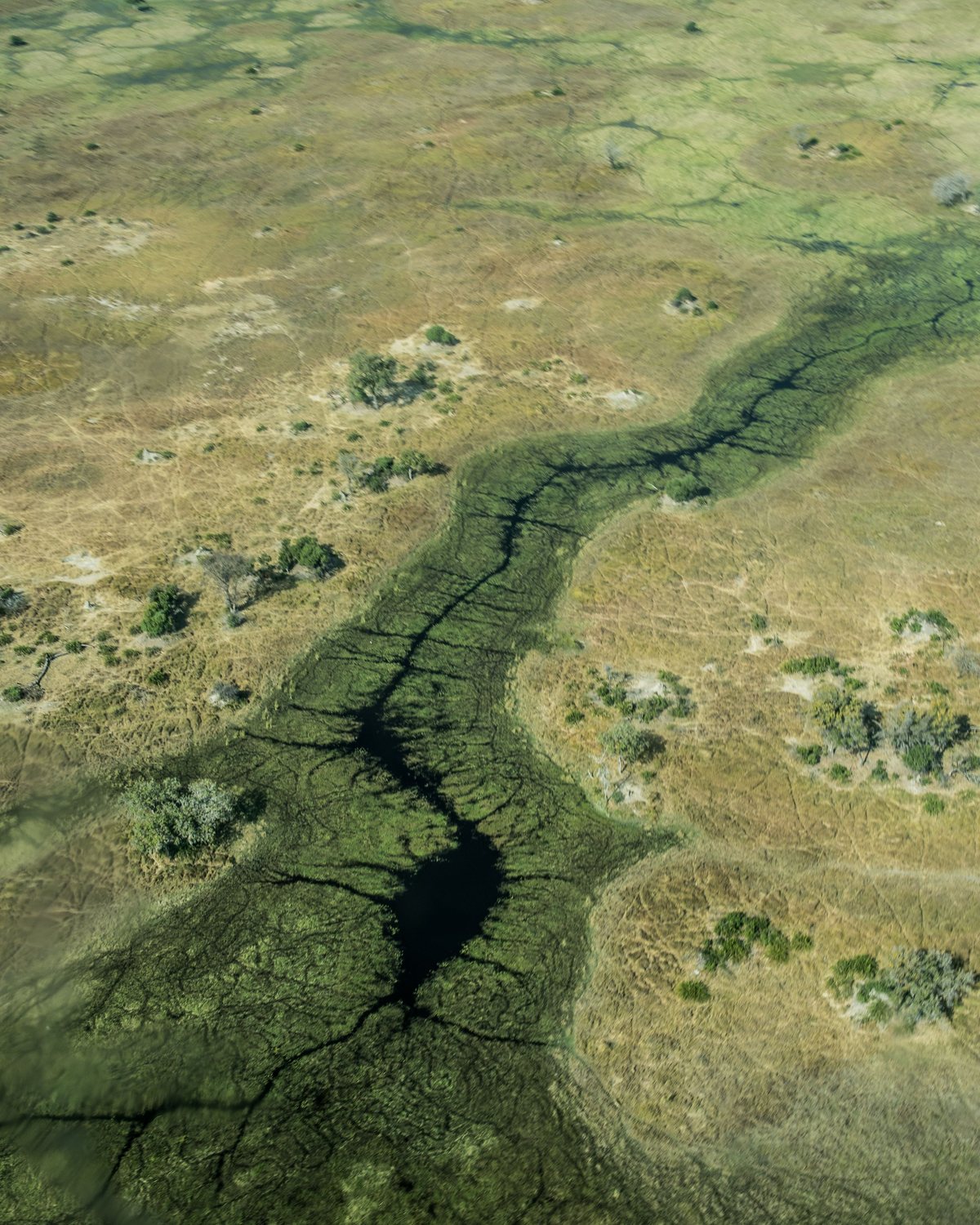
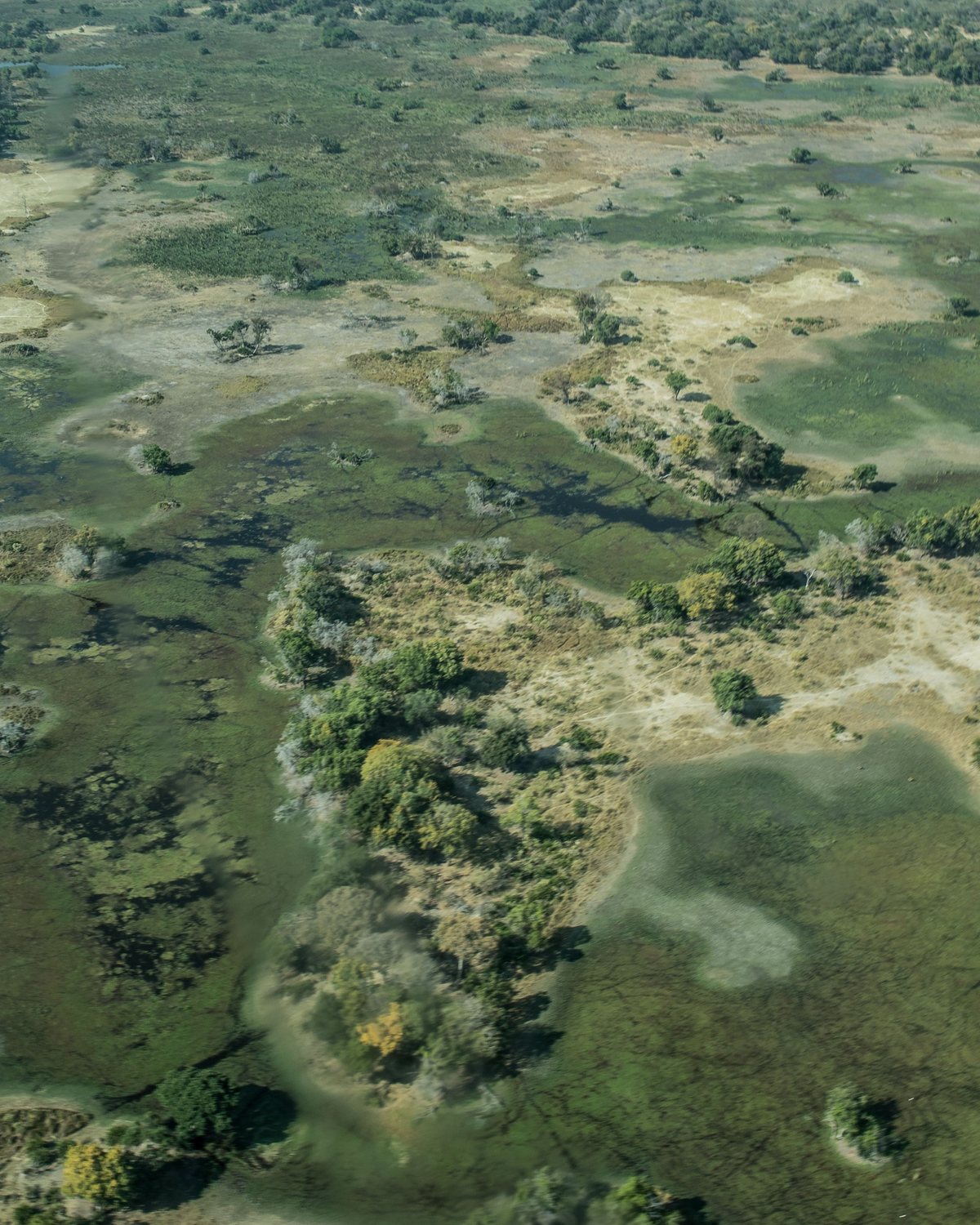
The Okavango Delta's flood is rain too, rain that fell months before in the Angolan Highlands. The water winds over almost level ground and spreads across the Kalahari sand, peaking in July and August.
You move through the channels in a mokoro, a dugout, usually two passengers to a boat, sitting low at water level among the reeds.
Moremi Game Reserve protects part of the delta, open floodplain in the north and mopane and acacia woodland in the south, so a day's drive crosses both. The Big Five live here, rhino included.
Read the Okavango Delta guide
Choose by how you want to spend your days as much as by what you hope to see. Days on foot at altitude in Ladakh and days in a 4x4 out of a Serengeti camp both lead to wild animals, and they feel nothing alike. Pick the movement that suits you first, then the month that suits the place you have chosen.