No. 1 Beach in Zakynthos, Greece
Navagio Beach
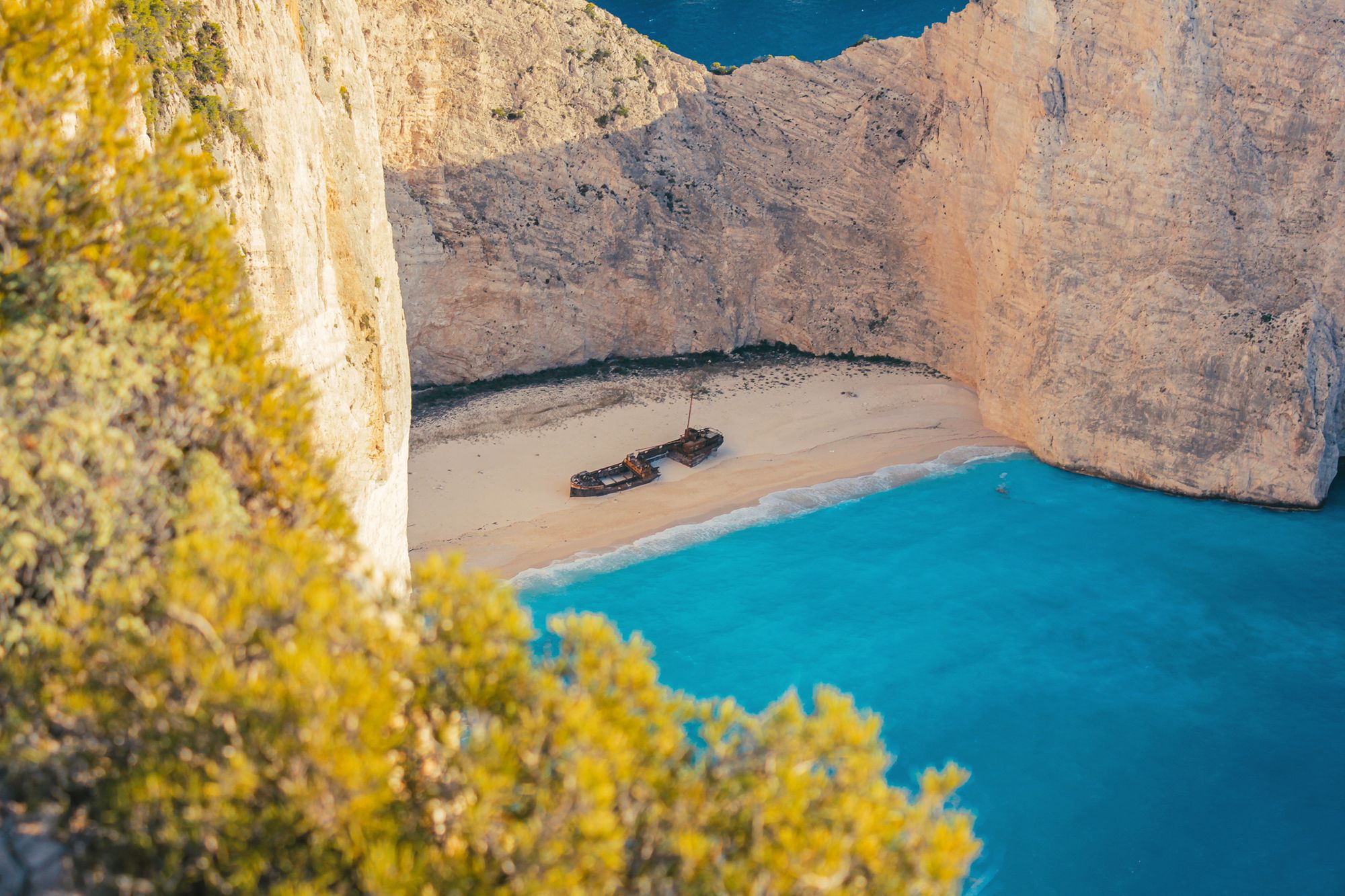
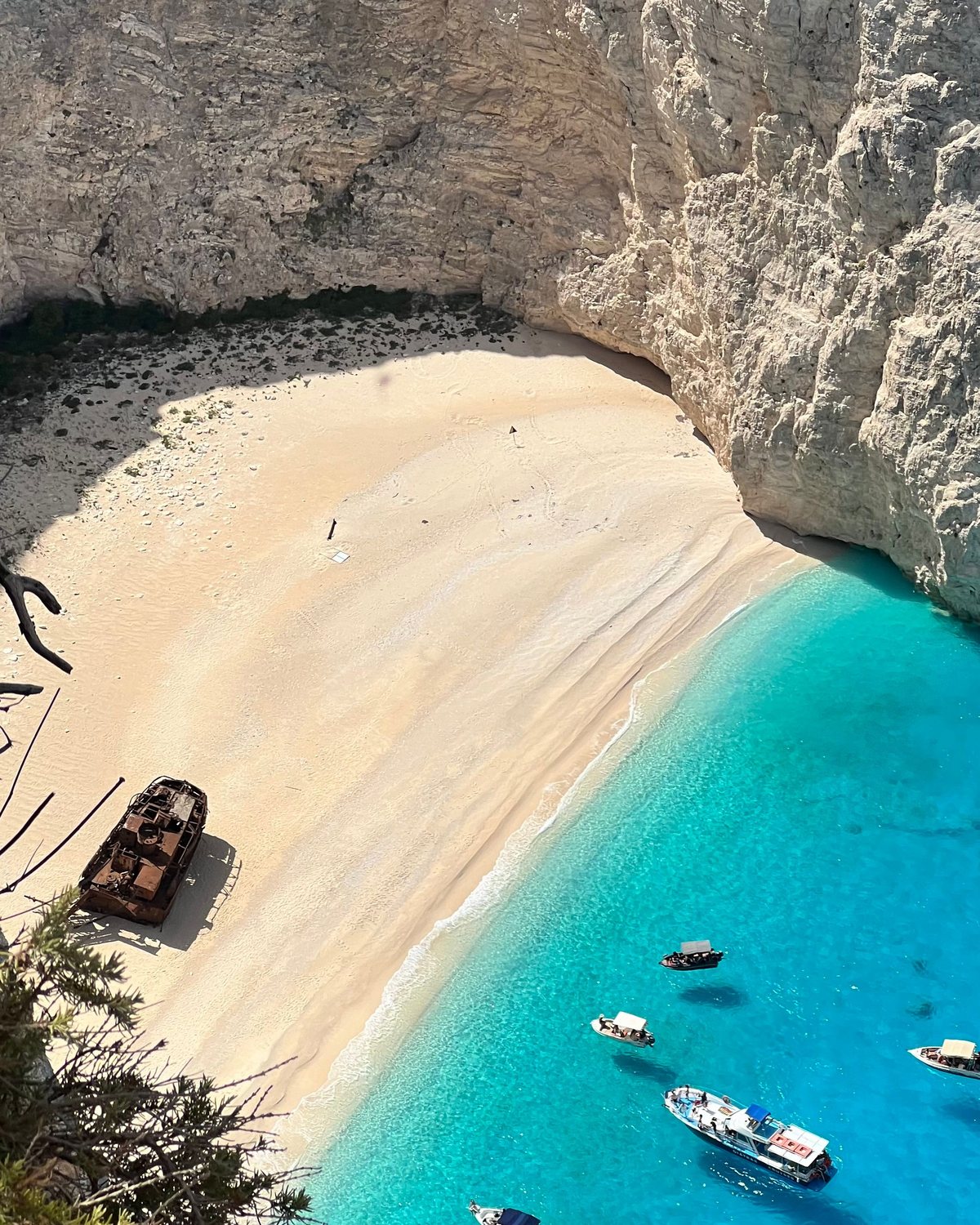
Stand on the clifftop platform above Anafonitria, on the north-west coast of Zakynthos, and the freighter Panagiotis lies straight below you on the sand of a small cove walled in by white limestone cliffs. It has been stranded there since 1980, and the cove's name, Navagio, means shipwreck in Greek.
Rockfalls closed the bay to landings, so the ship is seen only from above or from the water. Boat trips circle offshore while you look in at its rusting hull from the deck.
A morning boat and an afternoon at the lookout fit into one day.
Read the Navagio Beach guide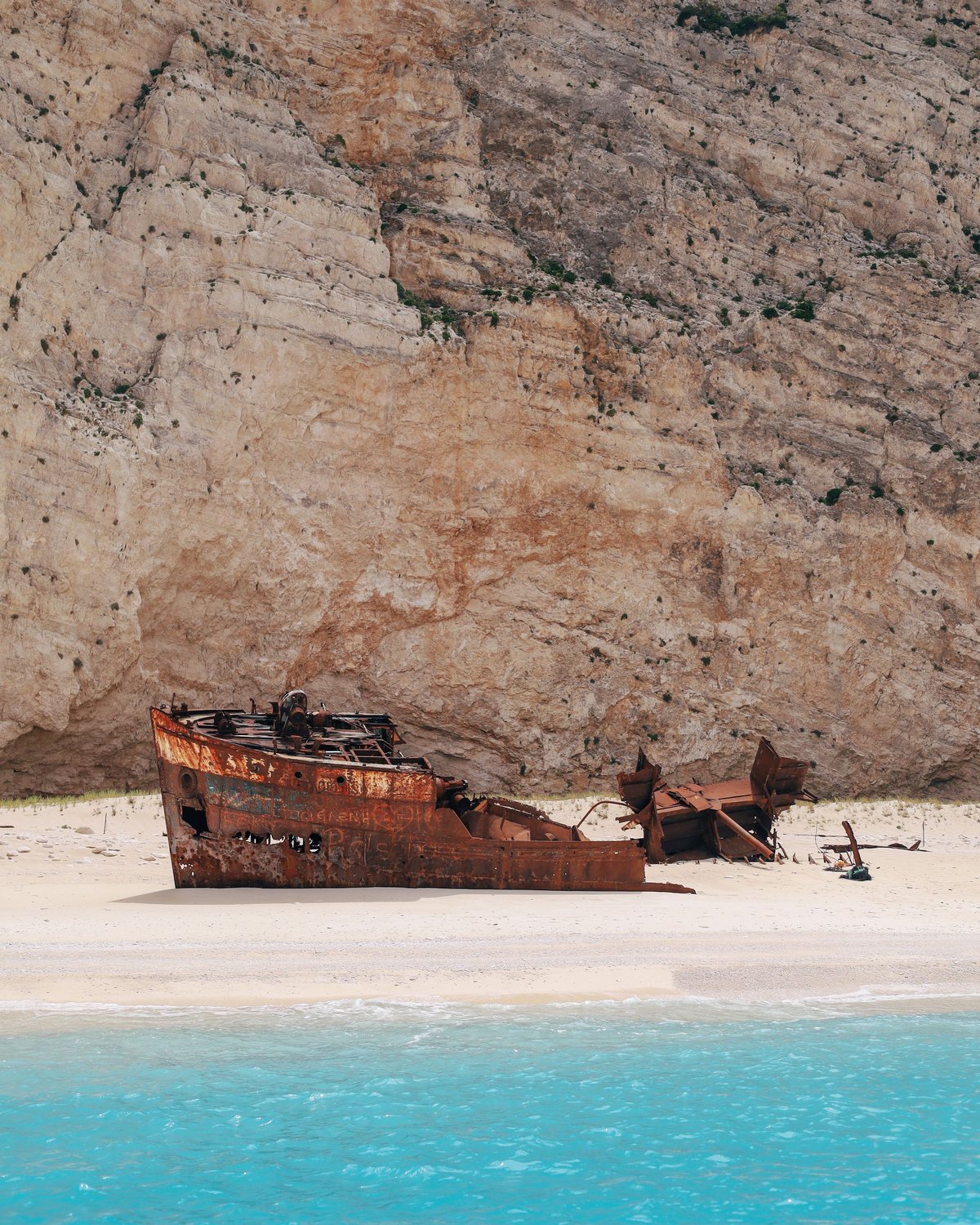
No. 2 Beach in Chania, Greece
Elafonisi
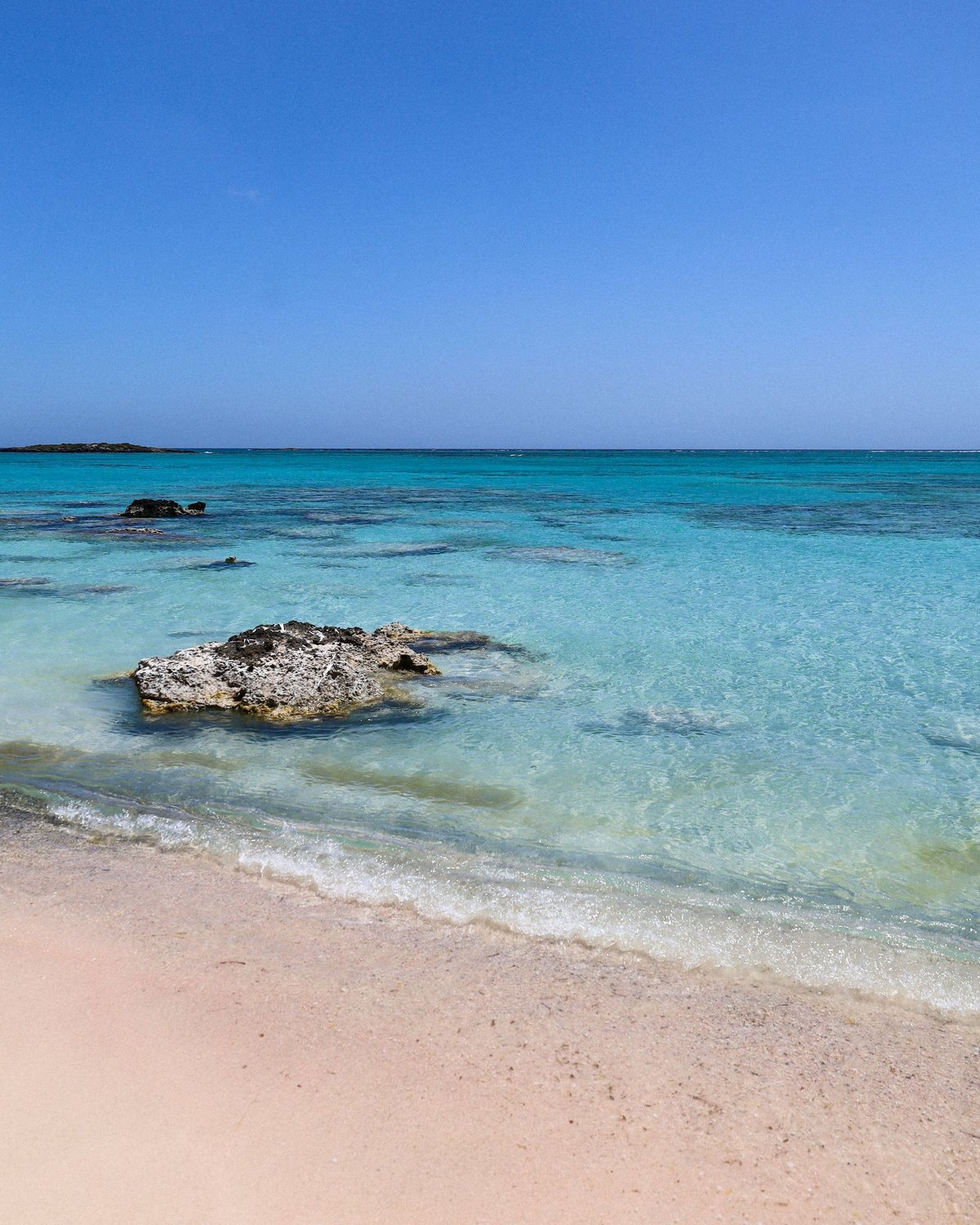
Elafonisi, on the south-west tip of Crete, is a beach you cross on foot. The lagoon stays knee-deep for long stretches, and you wade it to a low island with quiet coves.
The view at Zakynthos is taken from high above; here the colour is under your feet. The island's sand is tinged between coral and salmon, softer than the fuchsia of widely shared photographs, and it gathers most thickly around the rocks on the shore.
Sea daffodils grow on the island, a small chapel stands at its far end, and endangered loggerhead turtles visit the reserve it forms with the beach. Come from late May through June, or late September to late October.
Read the Elafonisi guide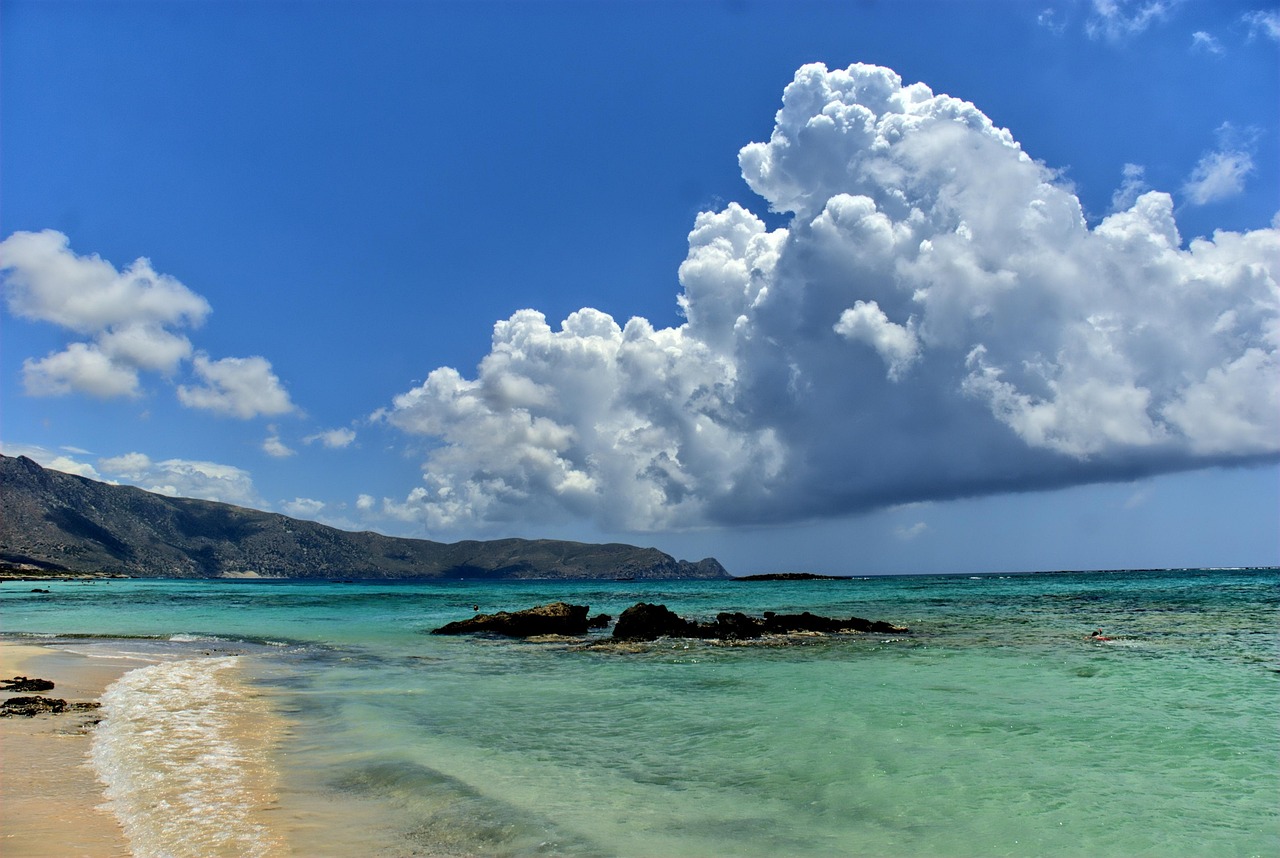
No. 3 Beach in Krabi, Thailand
Railay Beach
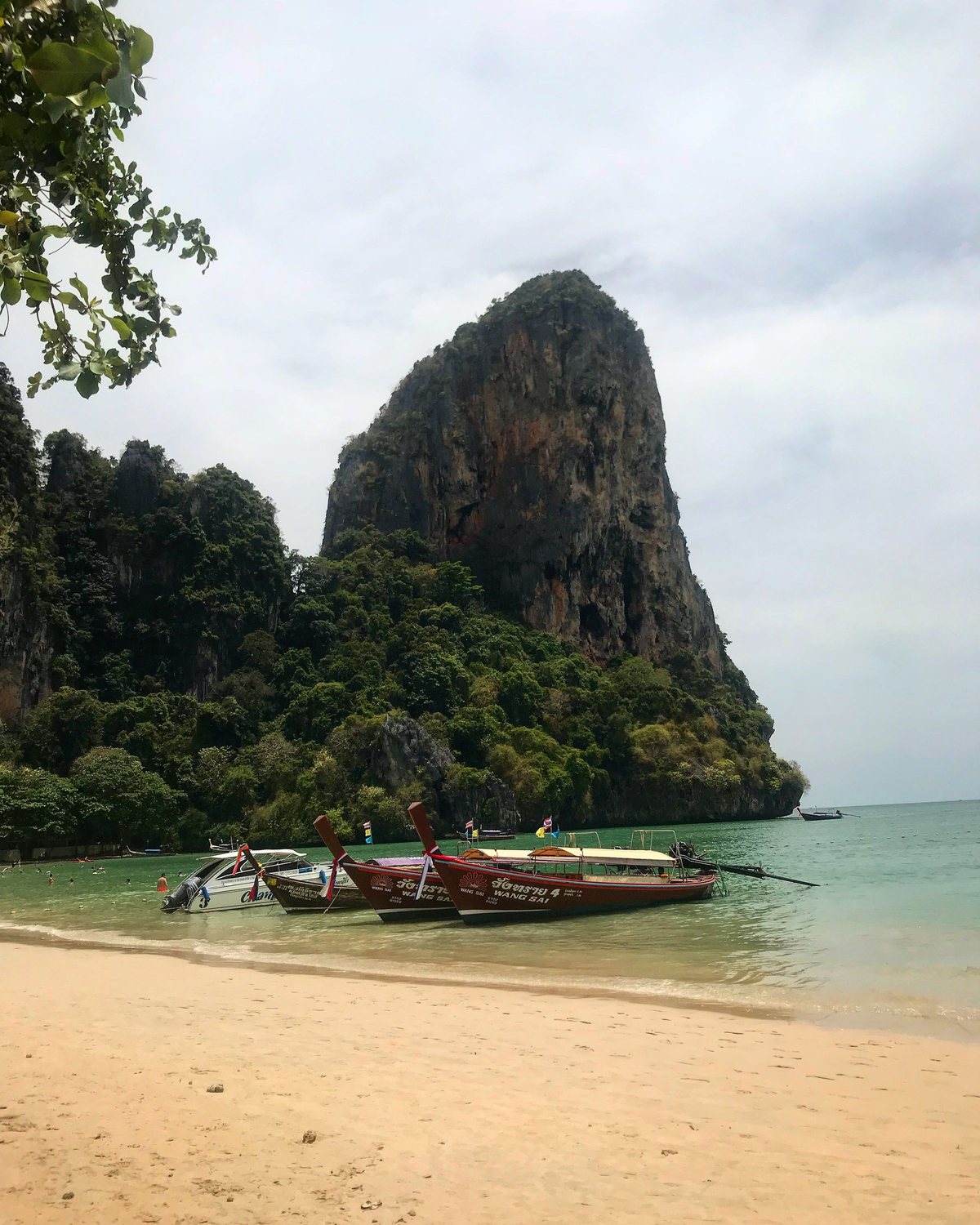
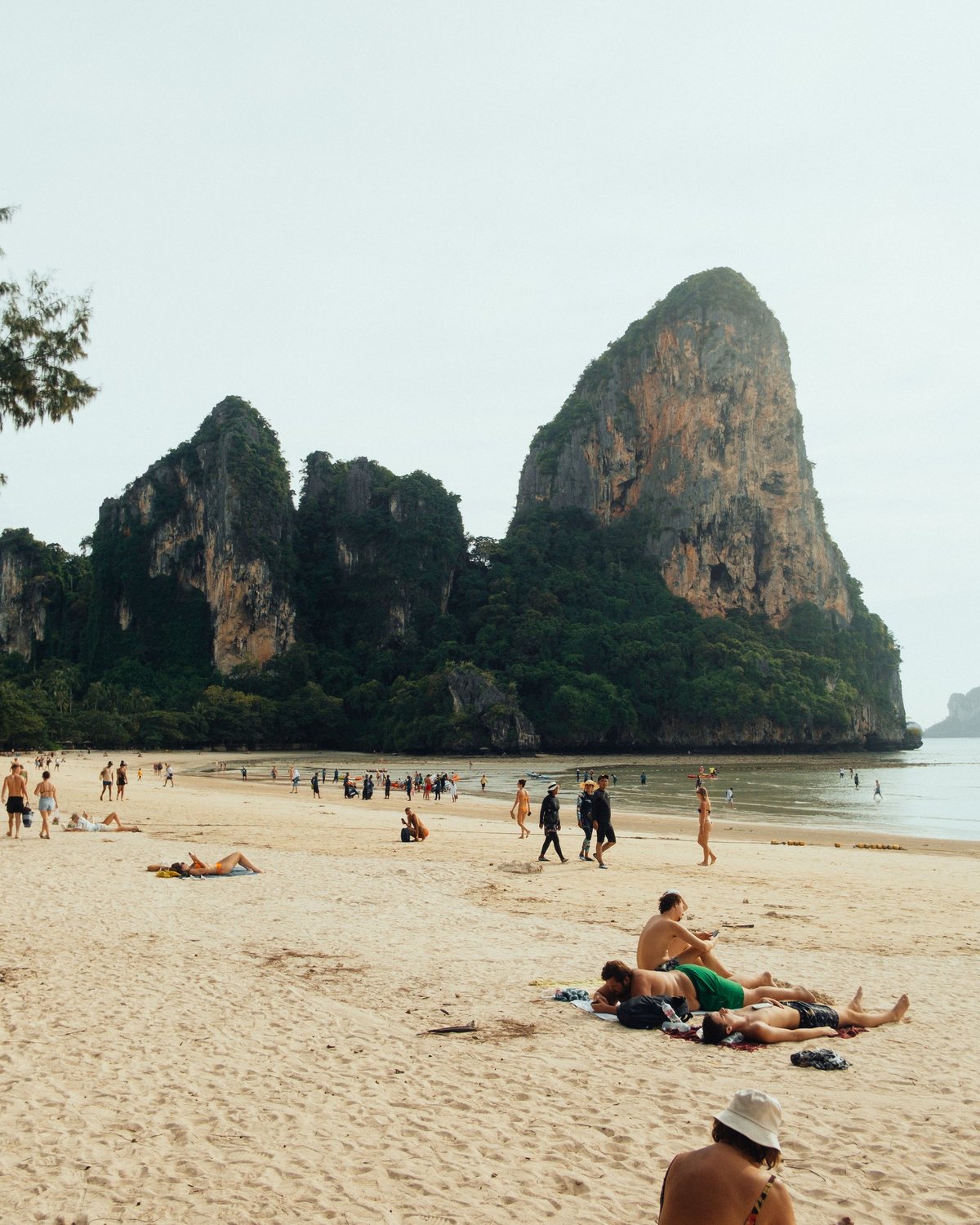
Limestone cliffs cut Railay off from the road, so this peninsula south of Ao Nang, on Thailand's Krabi coast, is reached only by longtail boat, ten minutes from the Ao Nang seafront.
Bolted routes on those cliffs made Railay one of the better known climbing areas in the world. Climbing schools teach beginners every day, so a beach day here can include a climb.
Crete's island ends at a chapel, and Railay has its own holy place, in a cave. At Phra Nang beach, at the eastern end, the cave shrine is stacked with carved wooden offerings to a sea princess.
Read the Krabi guide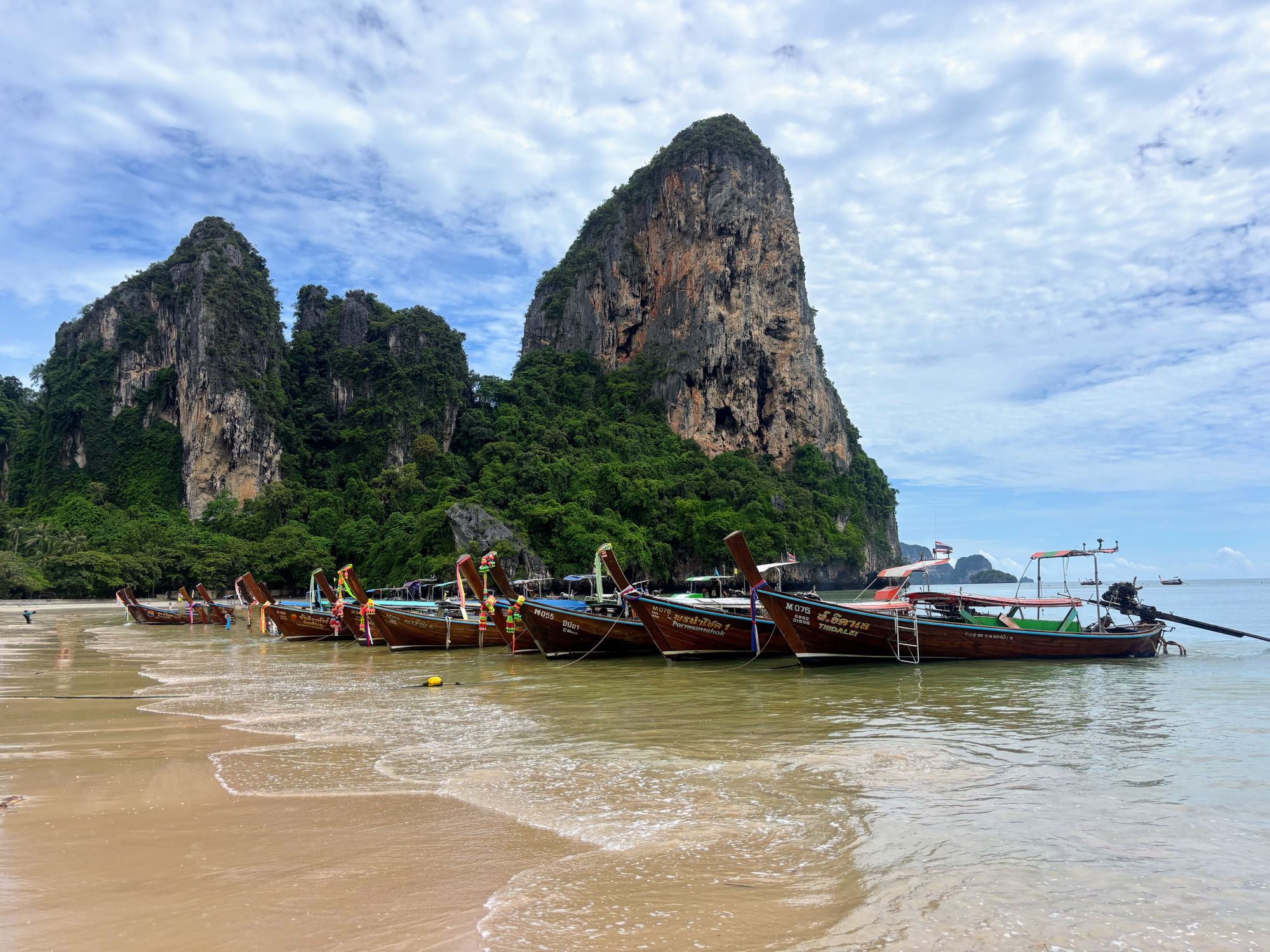
No. 4 Beach in Southampton, Bermuda
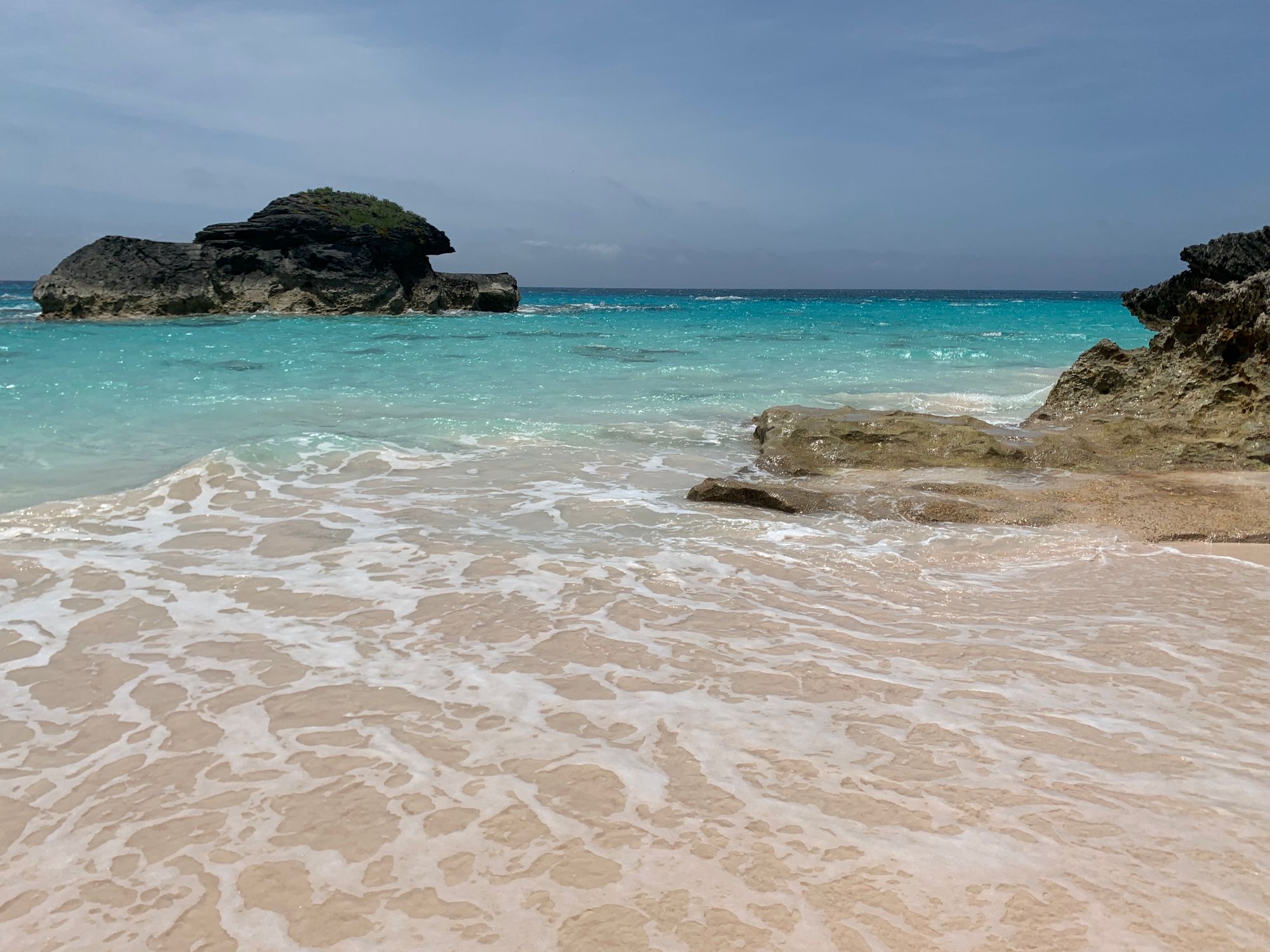
Horseshoe Bay
Tilted, weather-worn outcrops frame Horseshoe Bay, a deep crescent on Bermuda's South Shore, and break its ends into nooks and small coves. They are the same stone as Railay's cliffs, limestone, twisted here into shapes you can walk among.
Then look at the sand. Scoop up a handful and the pink turns out to be a scatter of red grains in white: the shells of Homotrema rubrum, a tiny red foraminifer that grows under coral ledges offshore and washes ashore when it dies.
Horseshoe Bay is the only beach in Bermuda with a lifeguard on duty in every month of the year. Come in the evening, when the low light falls best on the rocks.
Read the Horseshoe Bay guideNo. 5 Beach in Vík, Iceland
Reynisfjara Beach
The Reynisdrangar, basalt pillars 66 metres tall, rise out of the surf off Reynisfjara on Iceland's south coast. Folklore holds that they are trolls turned to stone, and from the black sand they look like a line of dark figures wading out to sea.
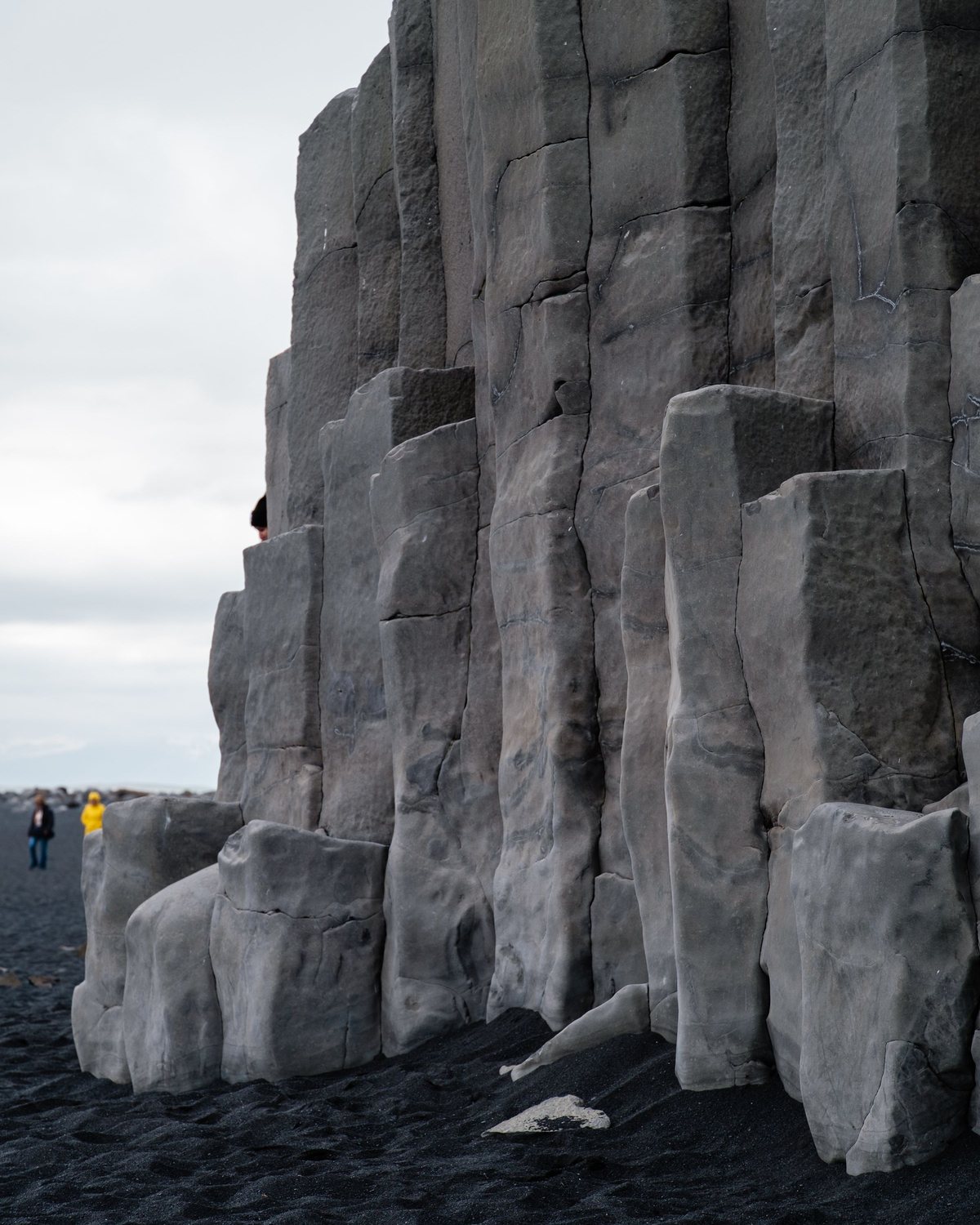
Behind the beach the rock is as orderly as Bermuda's is twisted. A wall of hexagonal columns rises against the cliff of Reynisfjall, formed as thick lava from the Katla volcano cooled slowly, and at the eastern end the waves have cut Hálsanefshellir, a shallow cave whose column walls look like organ pipes.
On a clear day glaciers stand on the skyline inland. Storms keep reshaping this shore, so the sand you find may not match older photographs.
Read the Reynisfjara Beach guide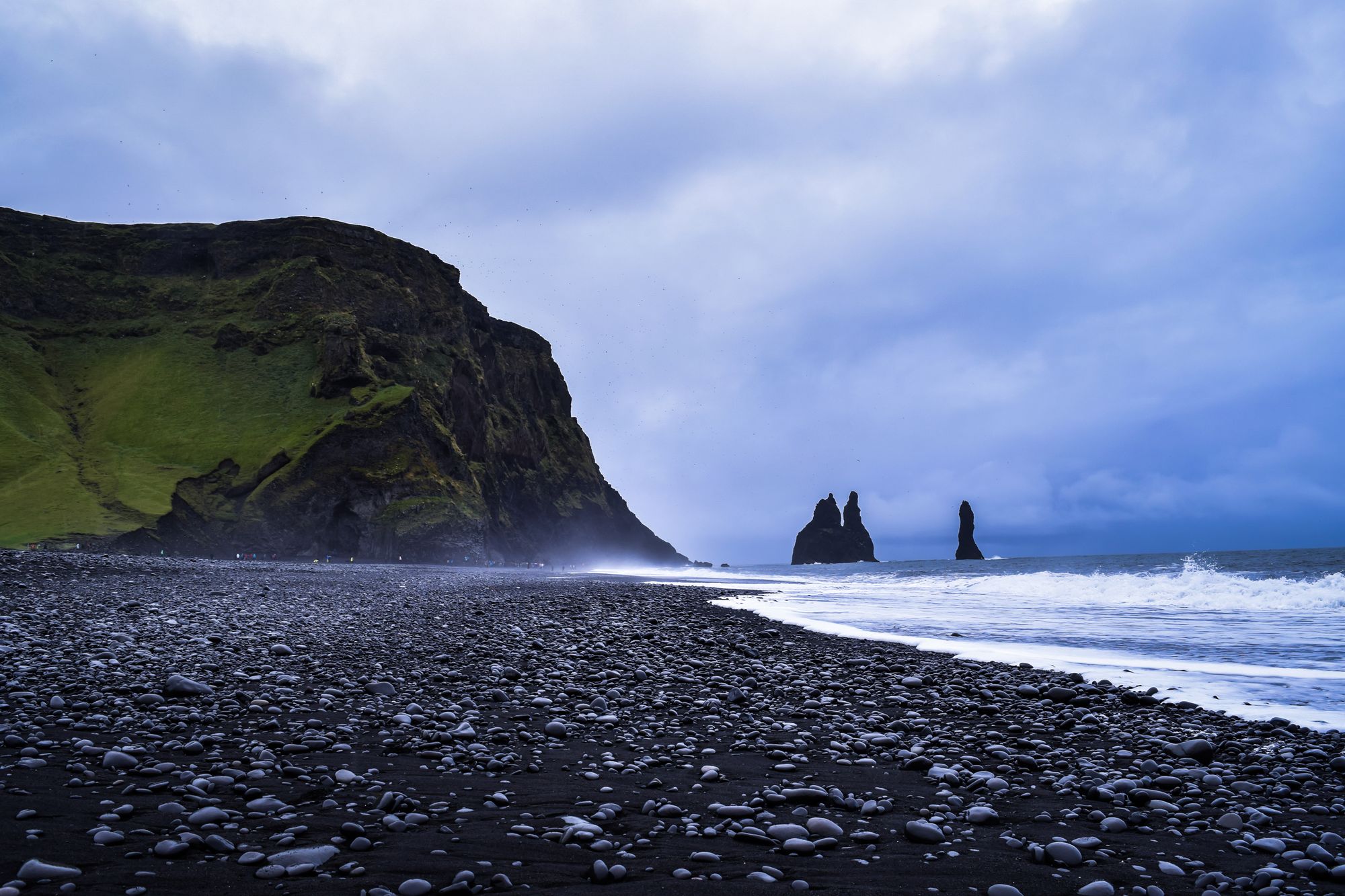
No. 6 Beach in Sydney, Australia
Bondi Beach
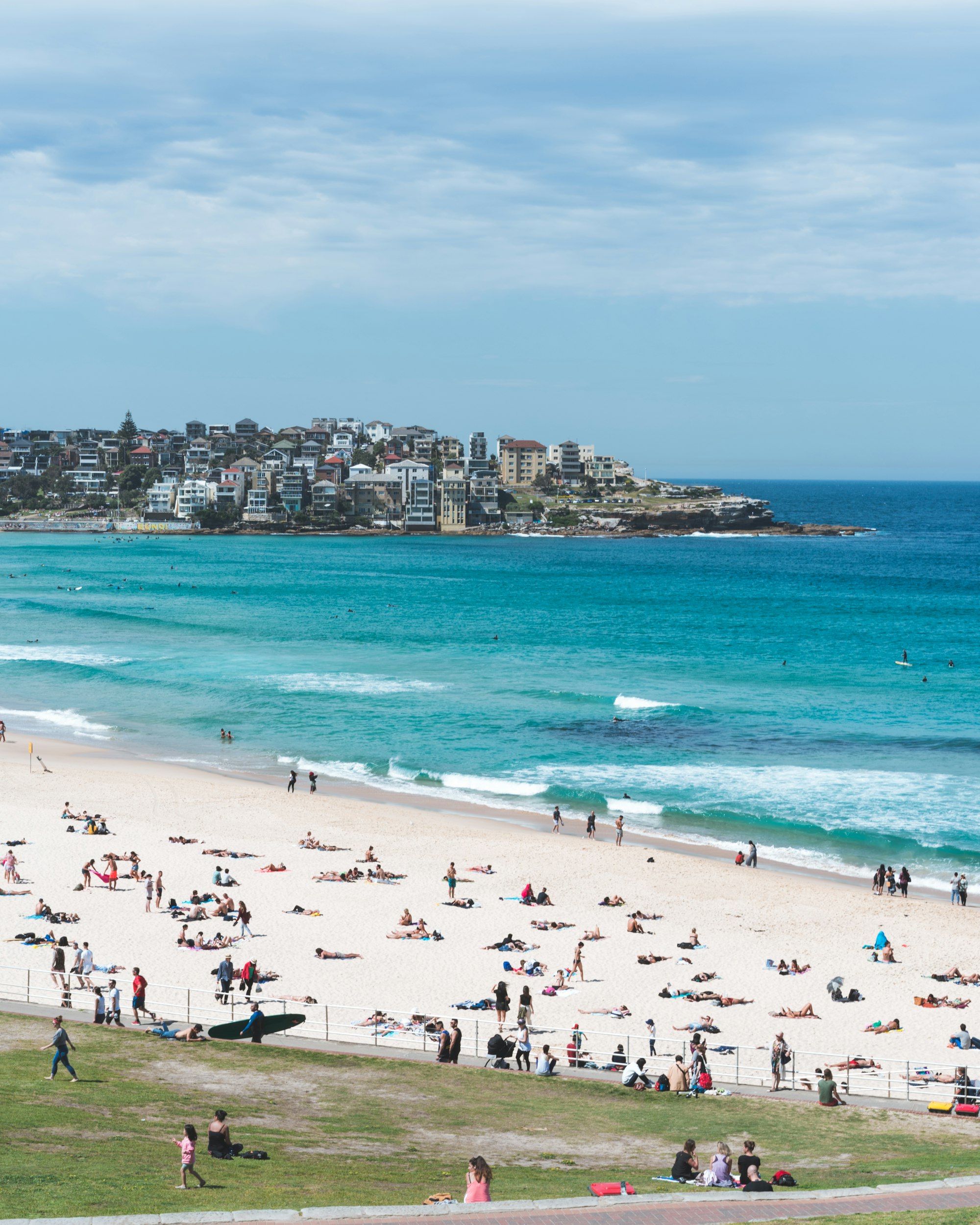
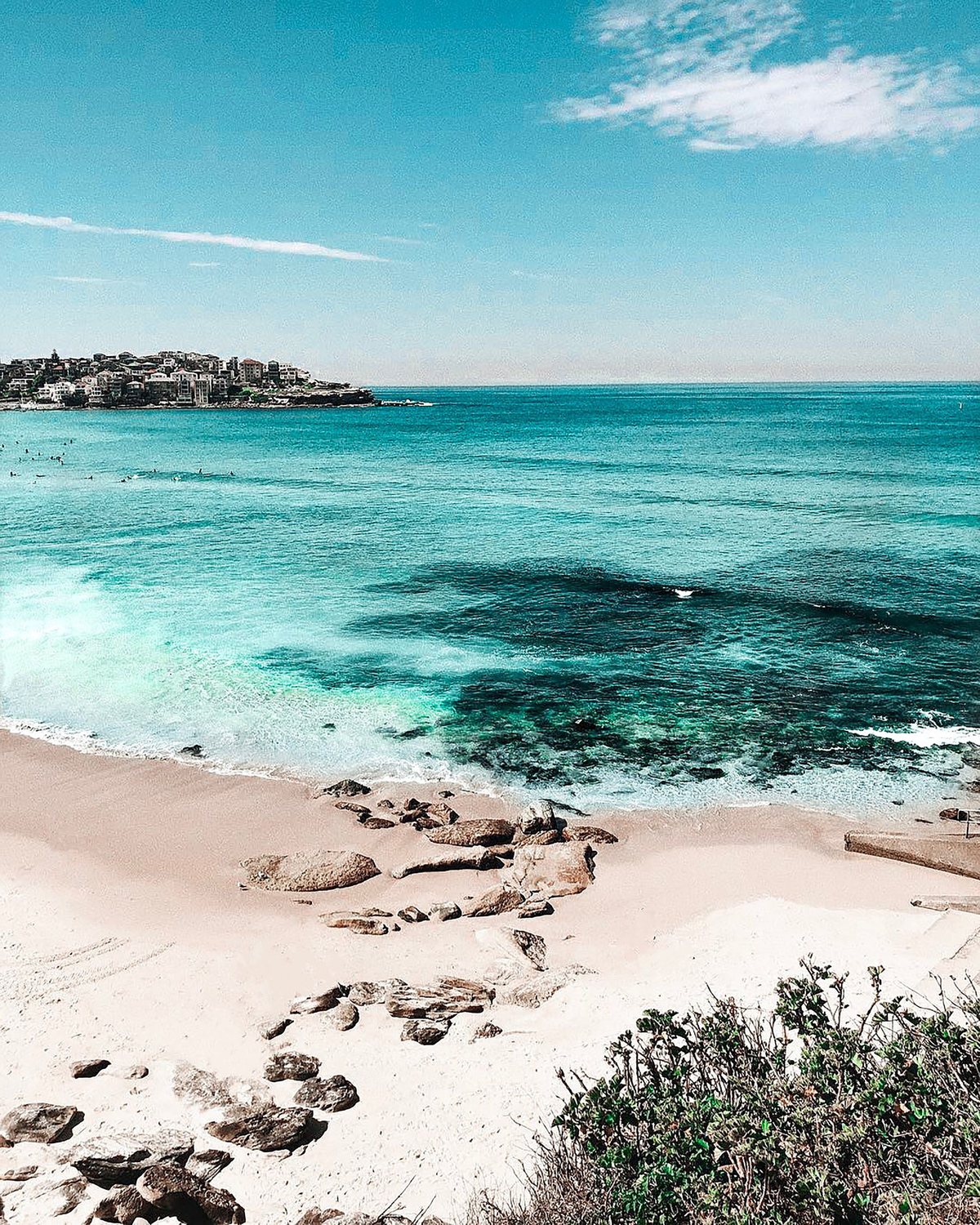
Swim lengths of seawater at Bondi, in Sydney. The Icebergs pool is cut into the cliff at the southern end of the beach, eight lanes and 50 metres long, with an 18-metre children's pool beside it at the edge of the Pacific.
The view here runs out to sea rather than inland. From the sauna on the deck you look across the pool to a bay often full of fish, where dolphins and migrating whales sometimes pass, and the club behind it calls itself the only licensed winter swimming club in the world.
Beyond the pool runs a kilometre of surf beach between two headlands, a bus ride from the city, and a clifftop path leads south past Bronte to Coogee.
Read the Bondi Beach guide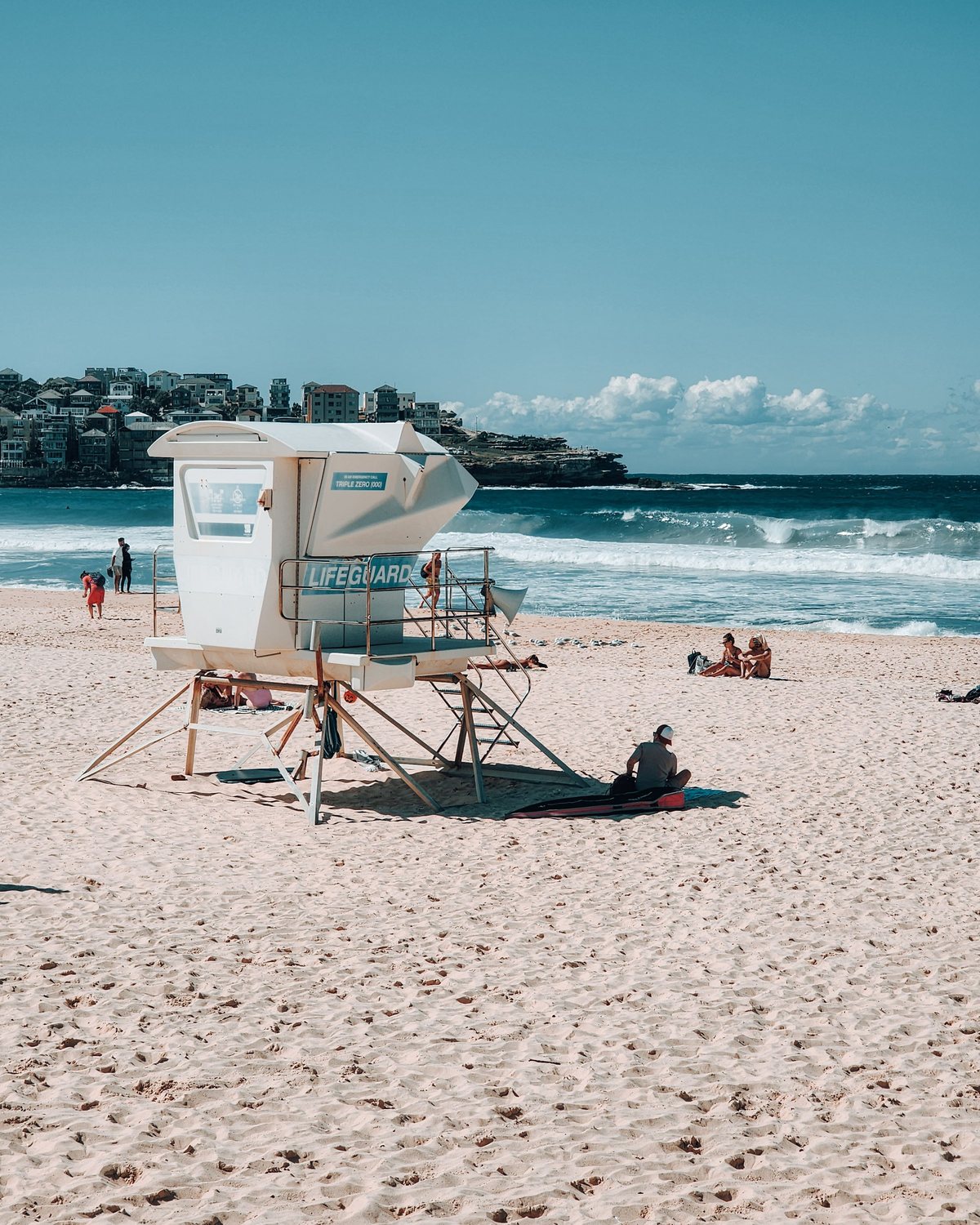
No. 7 Beach in Rio de Janeiro, Brazil
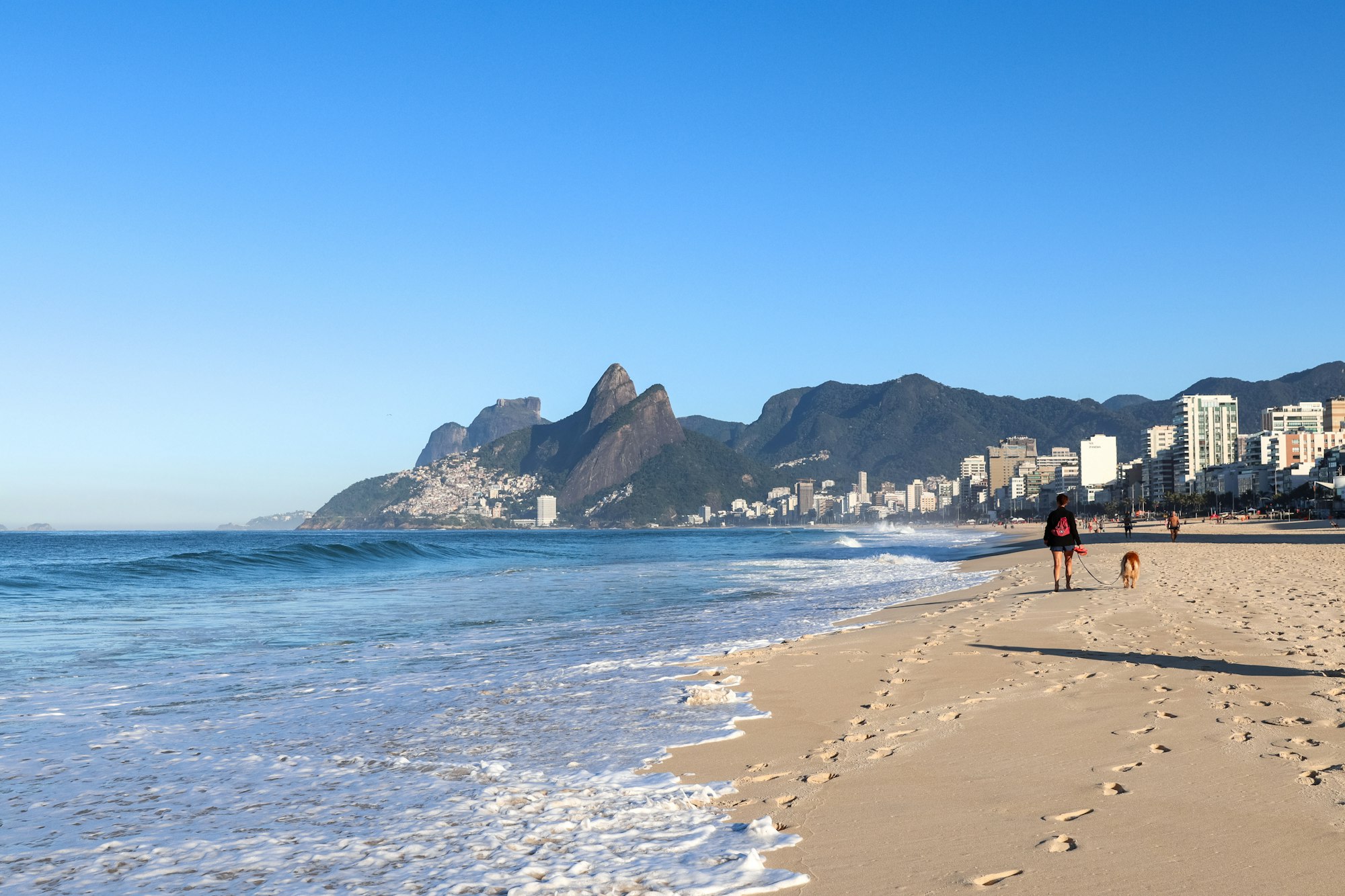
Praia de Ipanema
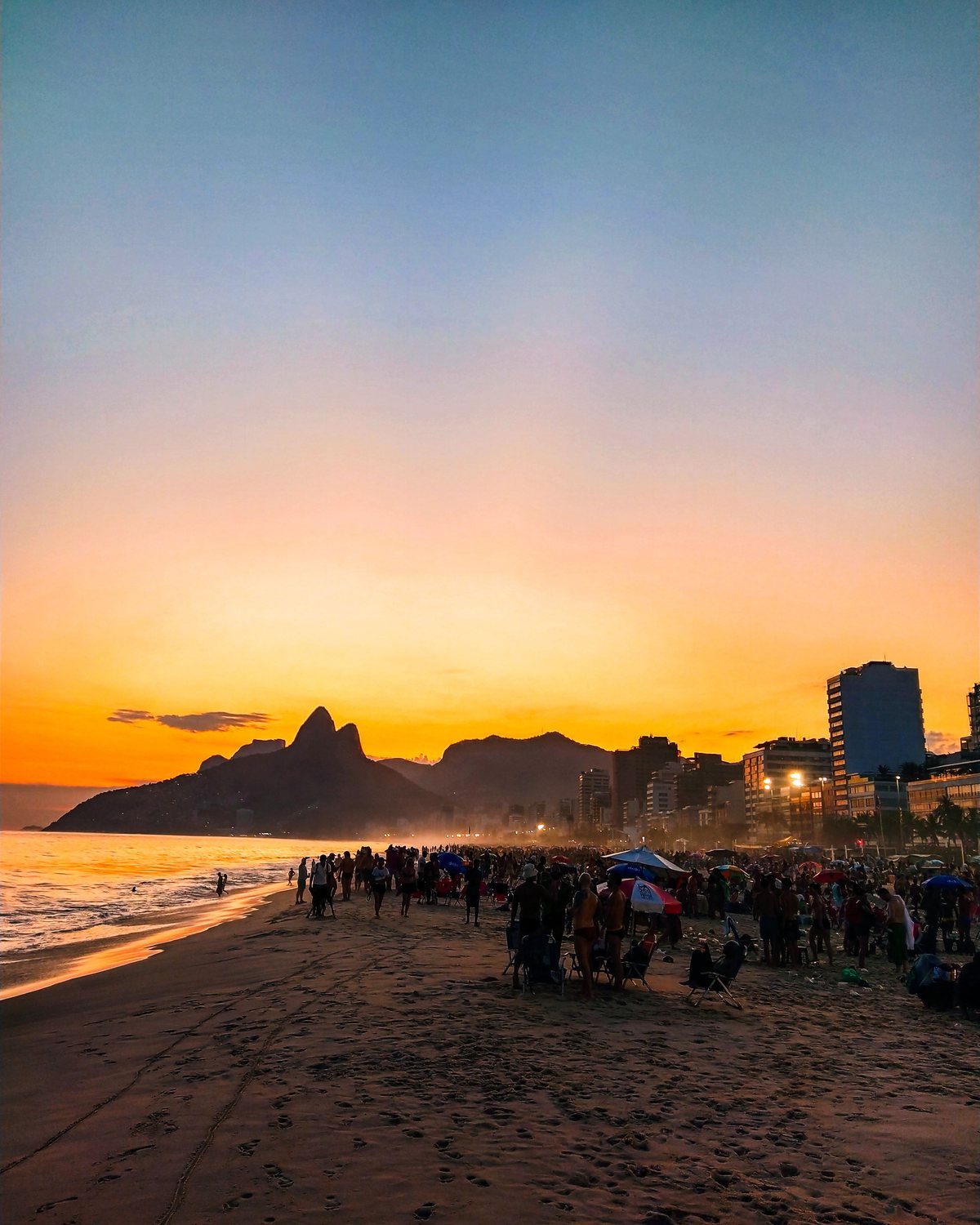
Bondi's cafes sit on a promenade behind the sand. At Ipanema, in Rio de Janeiro's south zone, the food and drink come to you: sellers walk the beach all afternoon, pouring mate and lemonade to order from two metal tanks on their shoulders.
Very little has to come with you. Brazilians leave the towel at home, and the postos, numbered lifeguard posts on the sand, help you find your spot again after a walk along the four-kilometre beachfront.
The Arpoador rock juts into the Atlantic between Ipanema and Copacabana. At sunset the rock fills with watchers, and when the sun drops they applaud; join in.
Read the Praia de Ipanema guide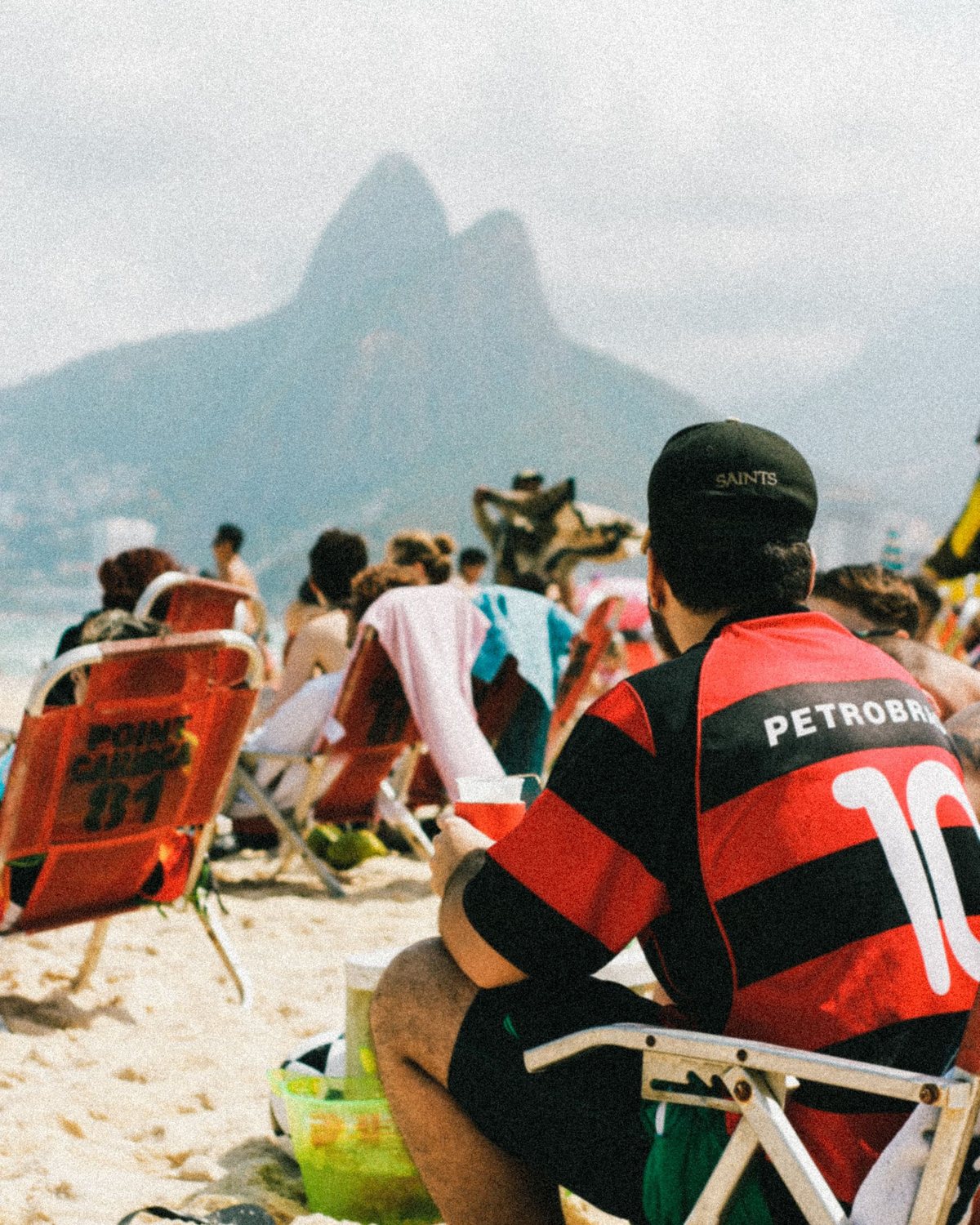
No. 8 Beach in Rapa Nui, Chile
Anakena
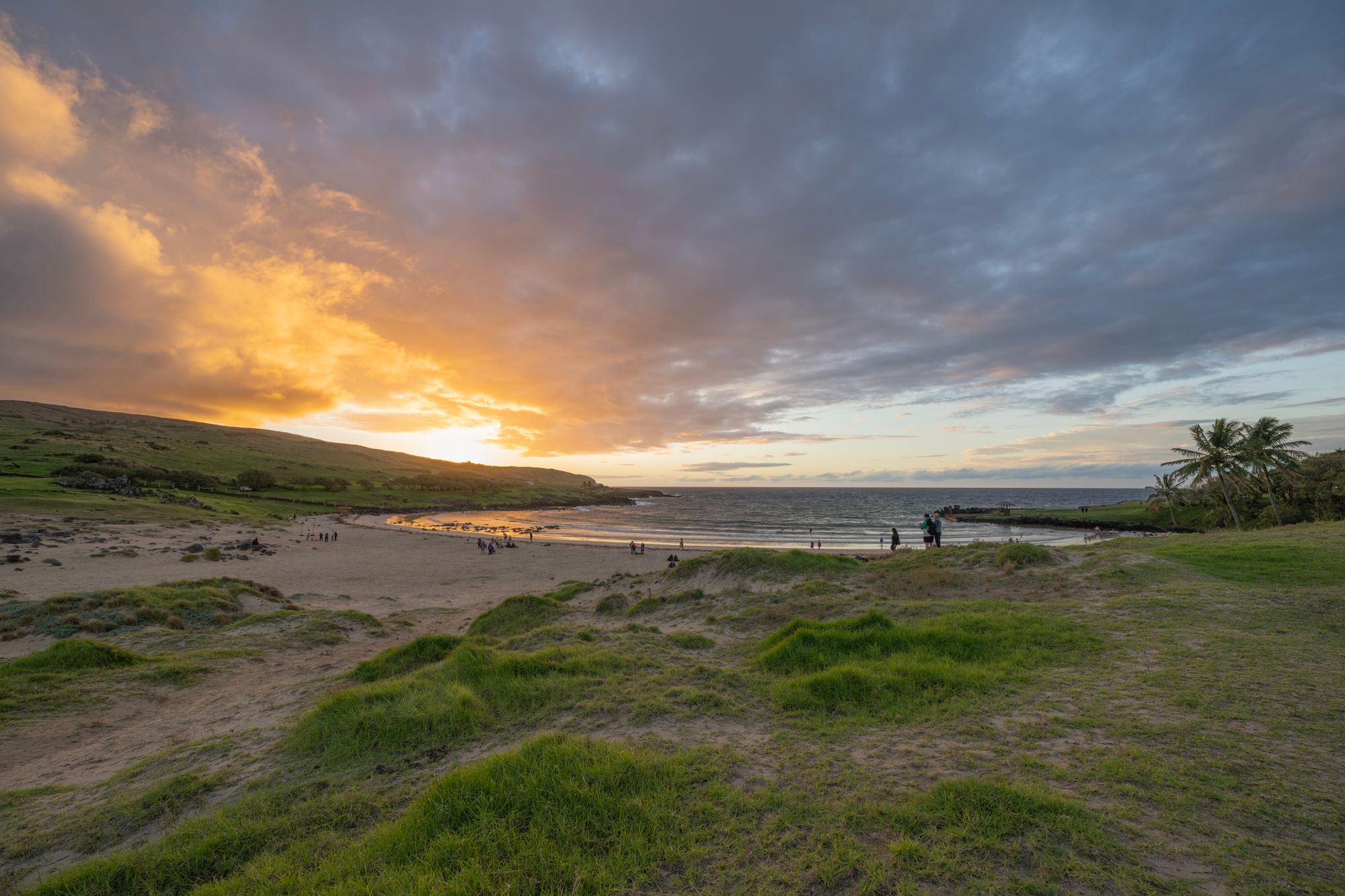
Seven moai stand on Ahu Nau Nau, a platform built on the dune behind Anakena, on the north coast of Rapa Nui. Four of them still wear their pukao topknots.
The statues lay toppled under the sand for centuries, out of the wind and rain, so the designs on their backs still show, a detail most moai on the island have lost. Walk round behind the row to see it.
Ipanema has a city at its back; Anakena has palms, shading a bay of pale coral sand that is the place to swim on an island otherwise ringed by cliffs and lava. The water stays close to 20 °C all year.
Read the Anakena guide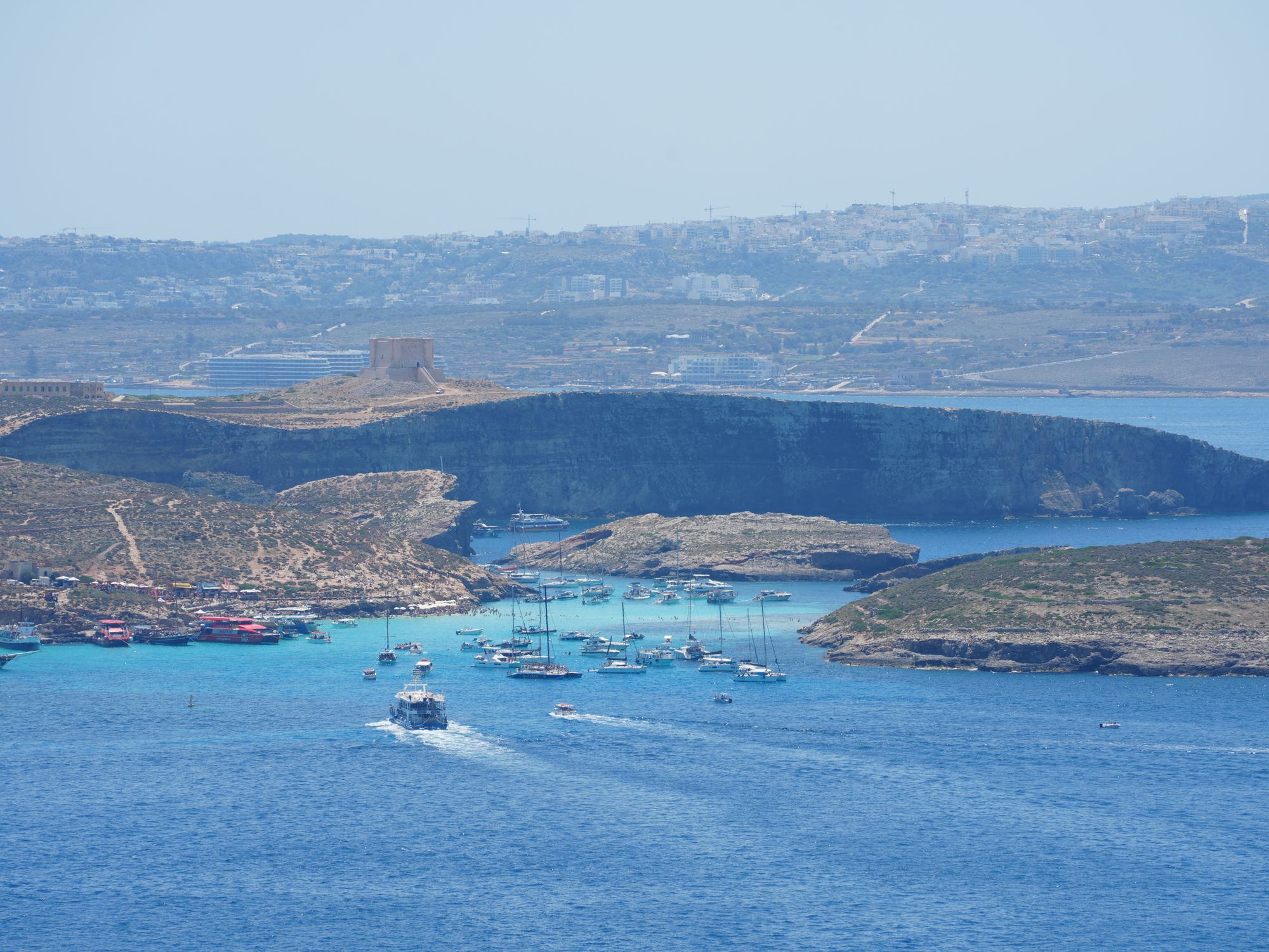
No. 9 Beach in Mellieħa, Malta
Blue Lagoon
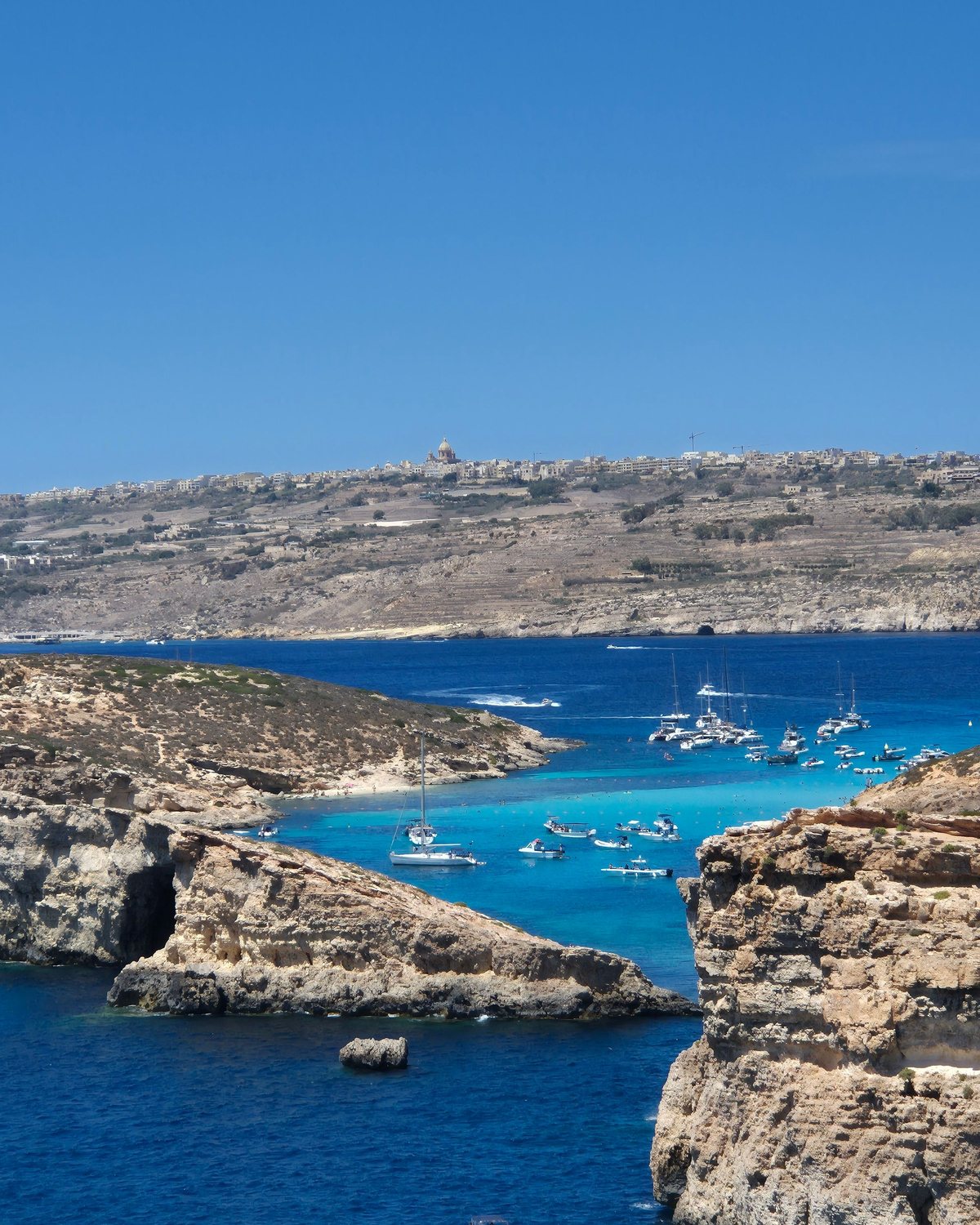
Turquoise fills the channel between Comino and the islet of Cominotto, in Malta, over a shallow sandy seabed that colours the whole stretch. This is the Blue Lagoon, reached only by boat and about the size of a couple of football pitches.
There are no palms here. The shore is bare rock, with no trees and almost no cover, so the day is spent in the water.
Comino's paths lead away through the scrub. Santa Marija Bay, about 15 minutes across the island, is its only proper sandy beach, with tamarisk shade and a small chapel above, and Crystal Lagoon is a deep inlet between high cliffs, with no kiosks at all.
Read the Blue Lagoon guide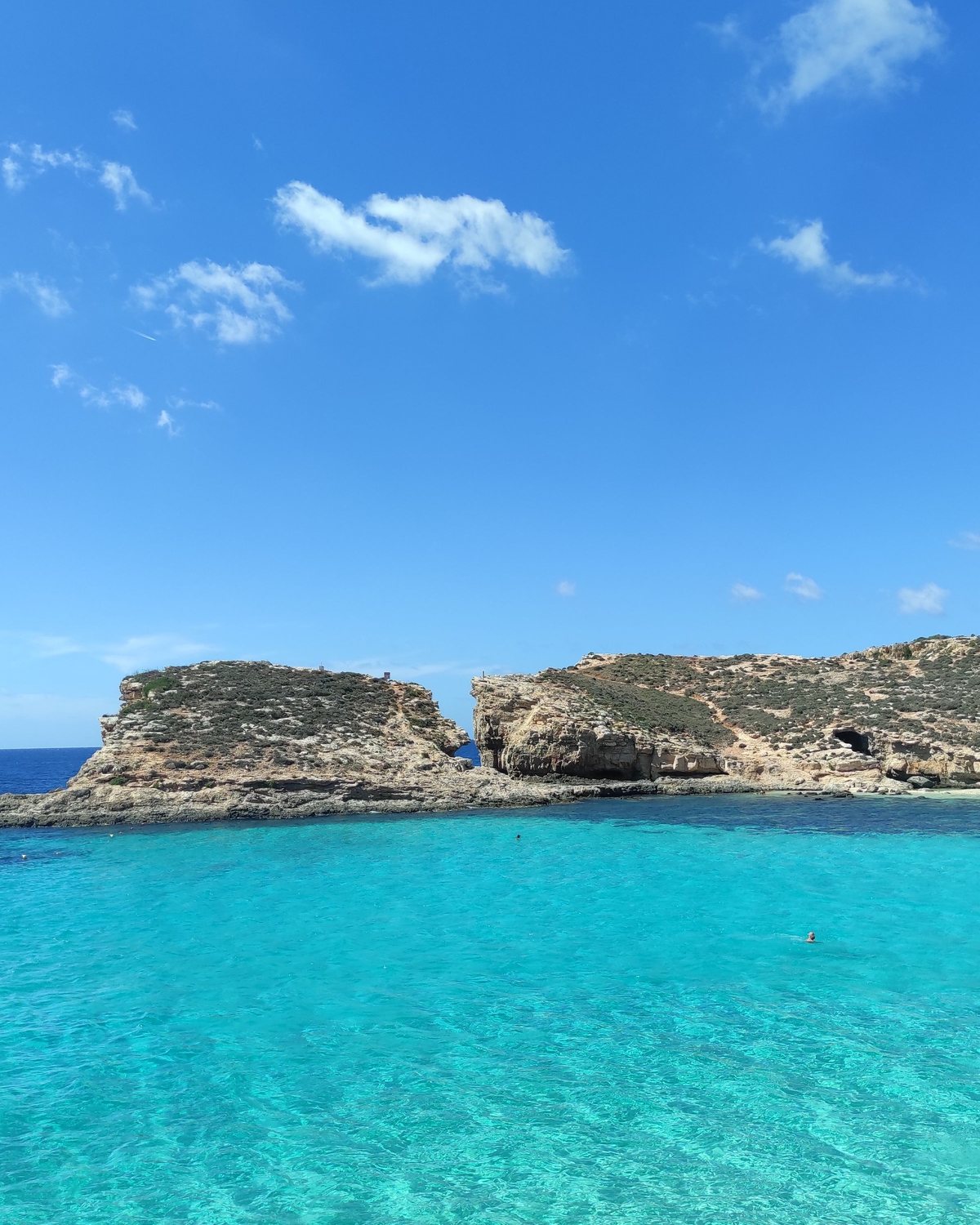
No. 10 Beach in Honolulu, United States
Waikiki Beach
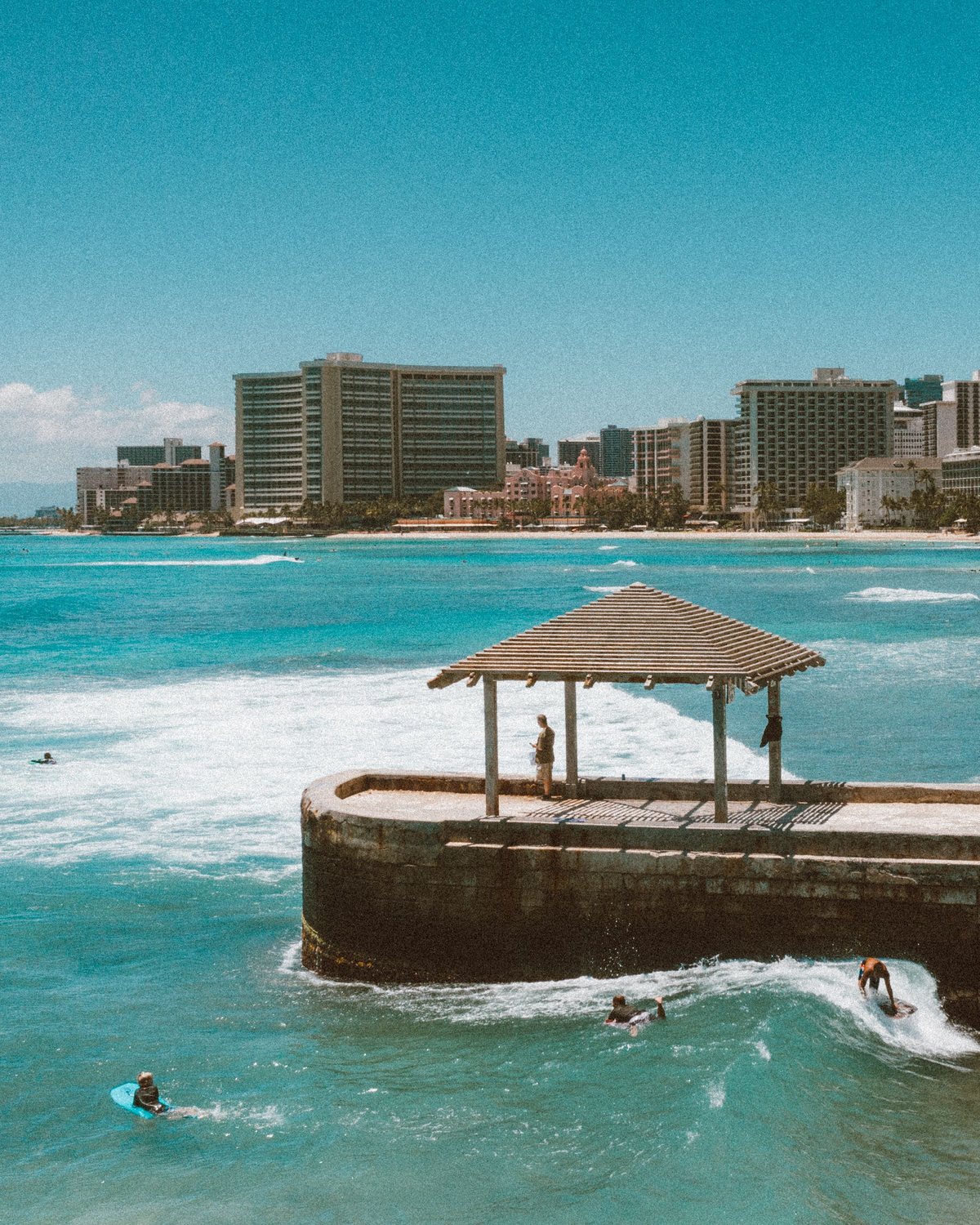
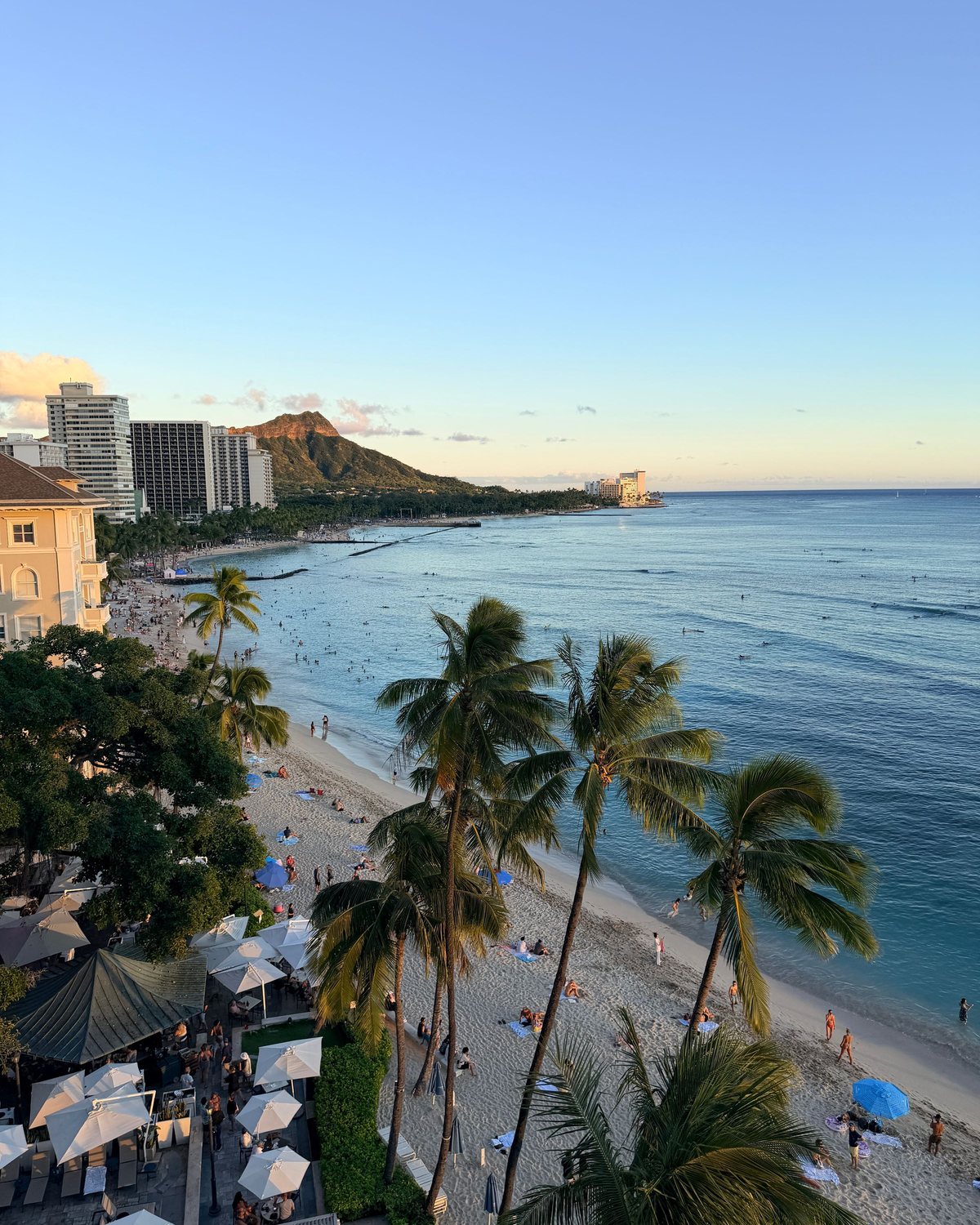
Take a first surf lesson at Waikiki, on the south shore of Oahu in Honolulu. Off the pink Royal Hawaiian, Canoes is the traditional beginner break, with slow waves for a longboard, and outrigger canoes work the same forgiving reef.
The beach is a shallow crescent of imported sand about 3 km long, backed by hotel towers, with Diamond Head closing the eastern end.
Comino's lagoon is sheltered by two islands; at Kuhio Beach the water is held in calm, shallow pools by low stone breakwaters. A bronze Duke Kahanamoku stands on the sand beside them, arms open: the Olympic gold medallist learned to surf on these waves and helped carry the sport around the world.
Read the Waikiki Beach guide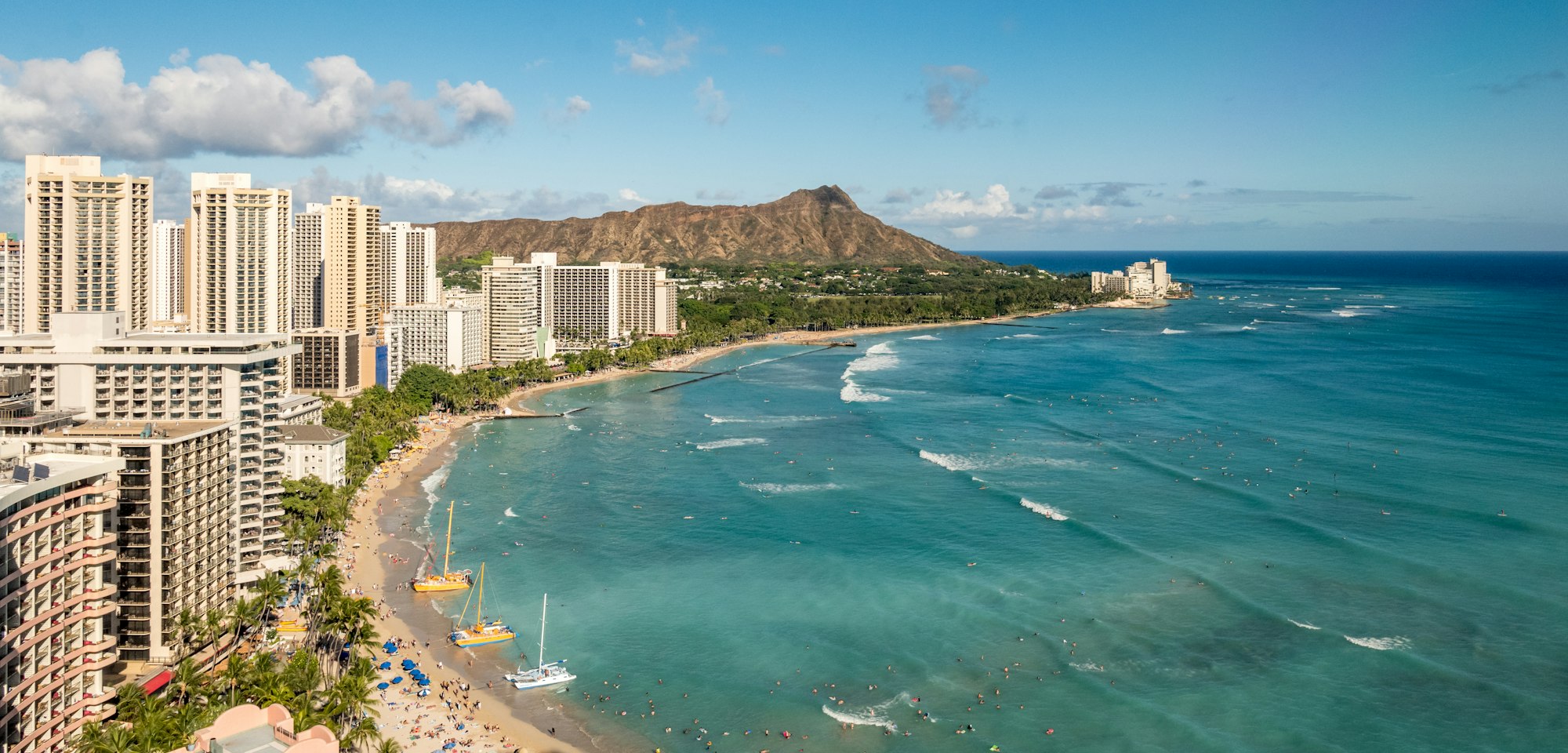
Choose by what you want to be doing in the middle of the day. Some of these shores are for watching, from a cliff edge or a deck offshore, and some put you on a rope, a board or a path across an island to the next bay.
Decide that first, and the beach picks itself.