The south coast takes five days and the full ring road takes ten. Almost every visitor picks the first without realising it was a choice.
Ten days for the full ring road. Five covers the south coast and stops there, and that is what most visitors do
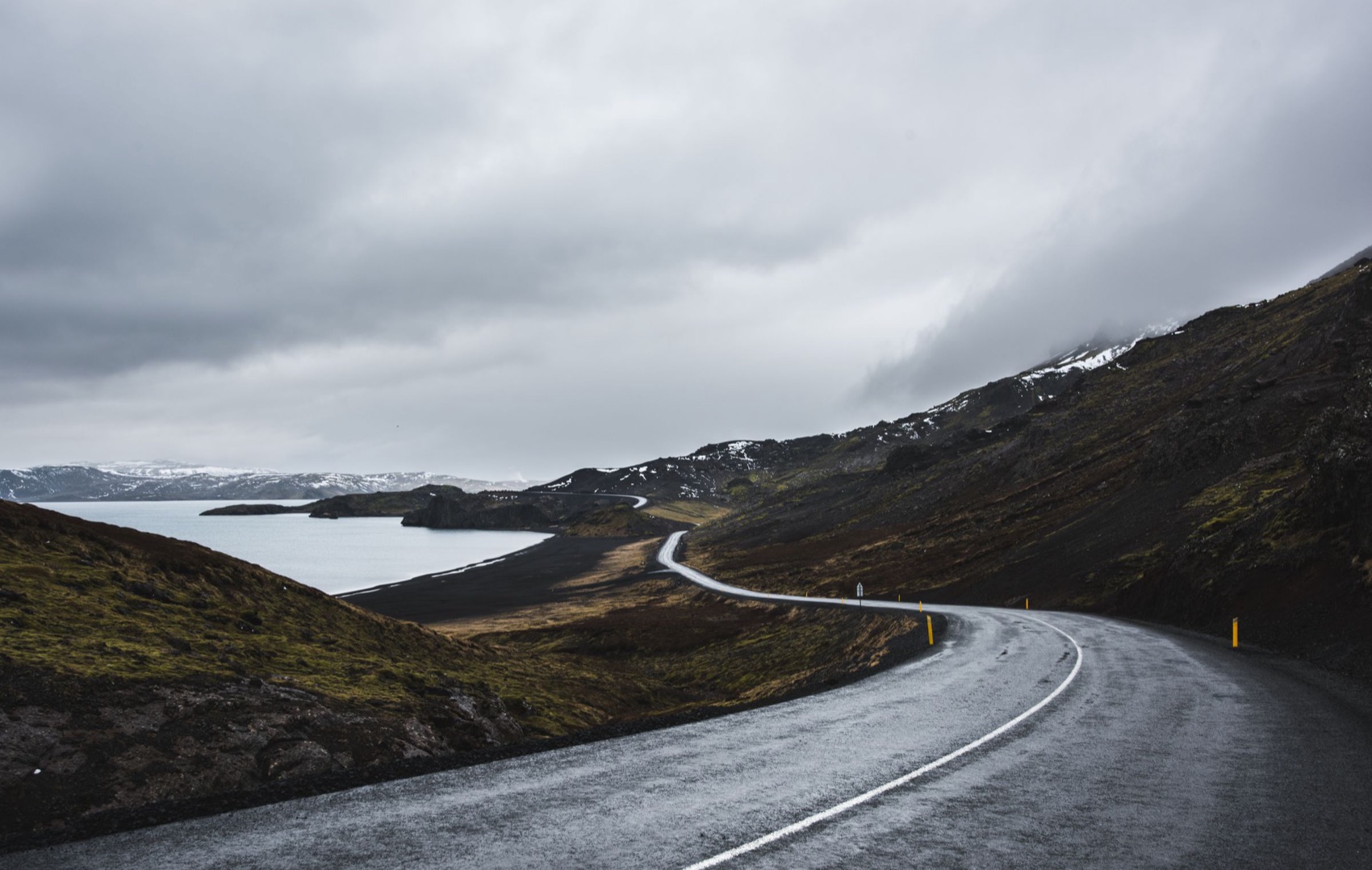
Drive, because there are no trains. Route 1 is paved the whole way round; the highland F-roads need a 4x4 and open between late May and early July
Summer for the interior, winter for the light. The midnight sun runs 21 May to 23 July and the aurora season September to April, and the two never overlap
Icelandic, spoken by about 390,000 people. English is compulsory from the fourth year of school and is universal in the trades a visitor meets
The króna, and almost no cash. Cards and contactless work everywhere including the fuel pumps, and tipping is not expected
Keflavík KEF, 50 km from Reykjavík and about 45 minutes on the Flybus. Reykjavík RKV flies the domestic network, Akureyri AEY serves the north and Egilsstaðir EGS the east
Ninety seconds on the country
Iceland sits on the seam where the North American and Eurasian plates pull apart. The ground there is new, mostly bare, and still moving.
About 389,000 people live on it, roughly two thirds of them in the southwest corner. Everywhere else means an hour of driving between one thing and the next, with nothing built in between.
Five days from Keflavík covers the south coast properly and goes no further, which is the trip most visitors actually take. The full loop wants ten days if the days are not to become driving.
Which half of the year matters more than the number of days. Interior roads stay shut under snow until late May at the earliest, and the aurora needs a dark sky that summer never gives. No single week holds both.
Pick how you want to travel. The towns, the things to do and the map all change with it.
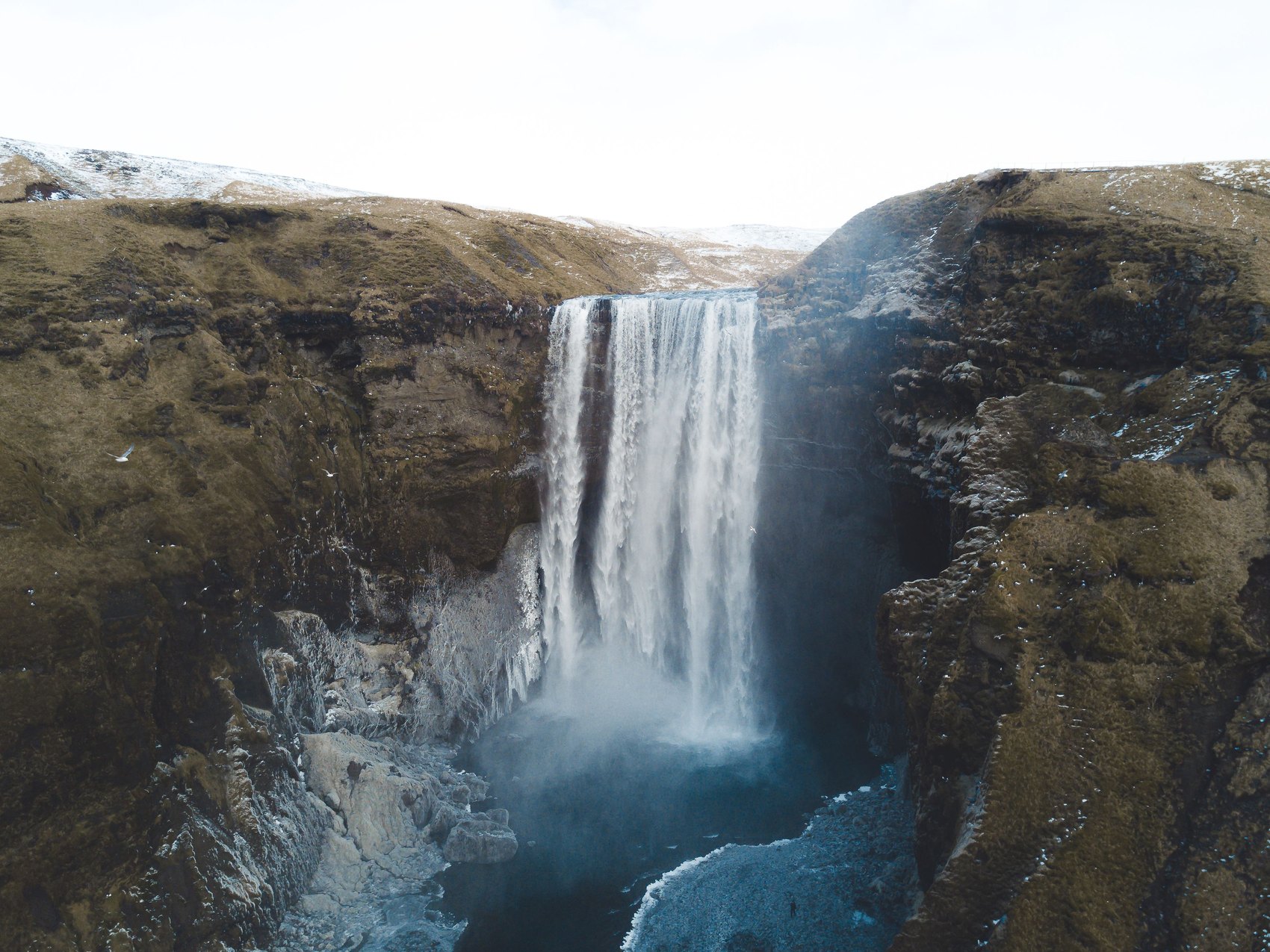
Skógafoss falls sixty metres over a cliff that was the sea coast until the land rose out from under it. The ice cap feeds the river, and the plate boundary that lifted the cliff is still steaming a few valleys east.
Almost none of it needs a guide. Route 1 puts a car park and a made path at nearly every one, which is why a first week here covers more ground than a visitor expects.
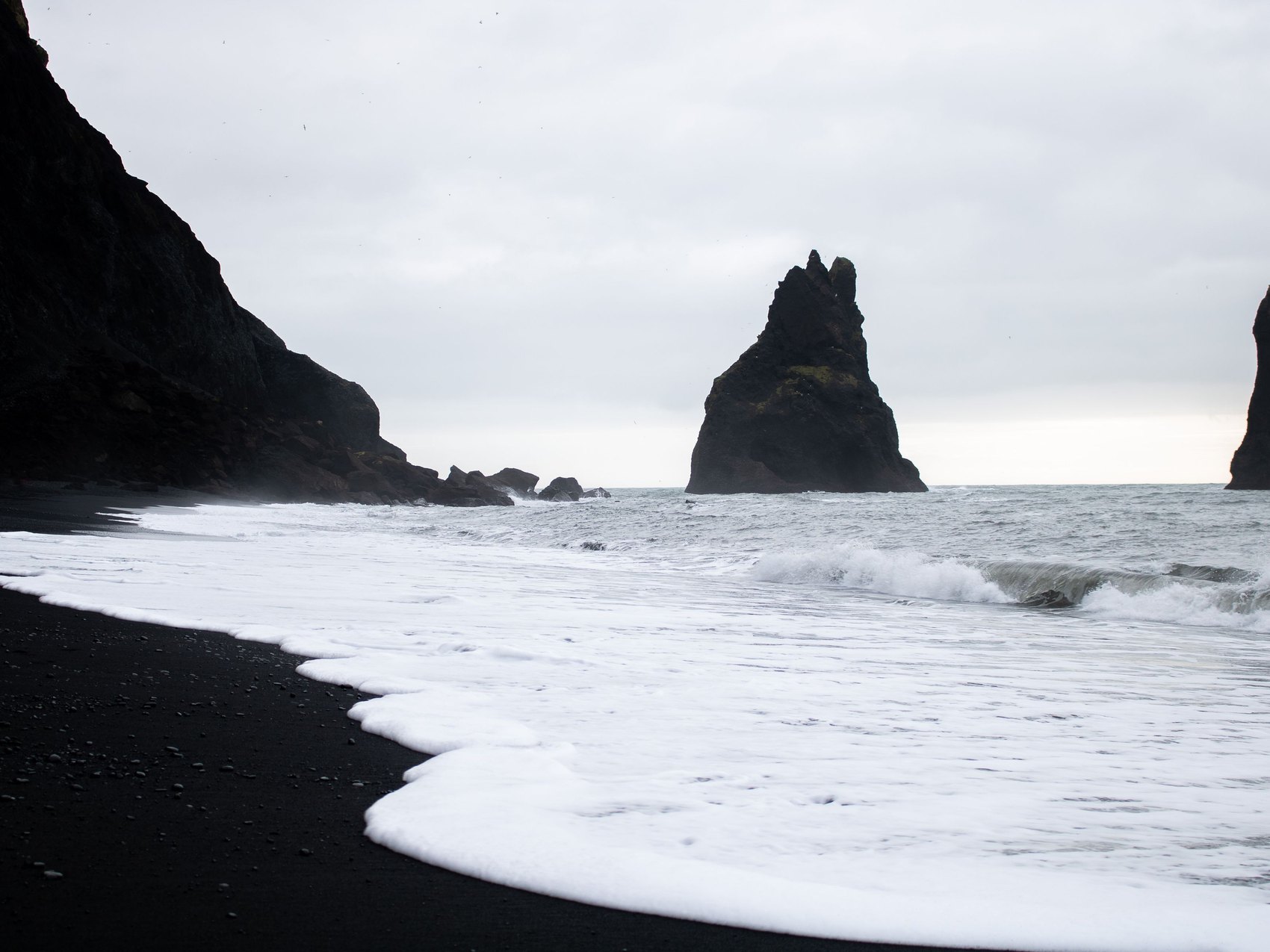
Read the signs before walking down to the water. Sneaker waves on this shore have killed at least six people since 2007, and Reynisfjara now runs a warning system whose red level closes the cave and the columns.
The shore below Vík runs black for sixty kilometres, with the Reynisdrangar stacks standing offshore and a wall of hexagonal basalt behind the beach. The wind arrives off the Atlantic with nothing in front of it.
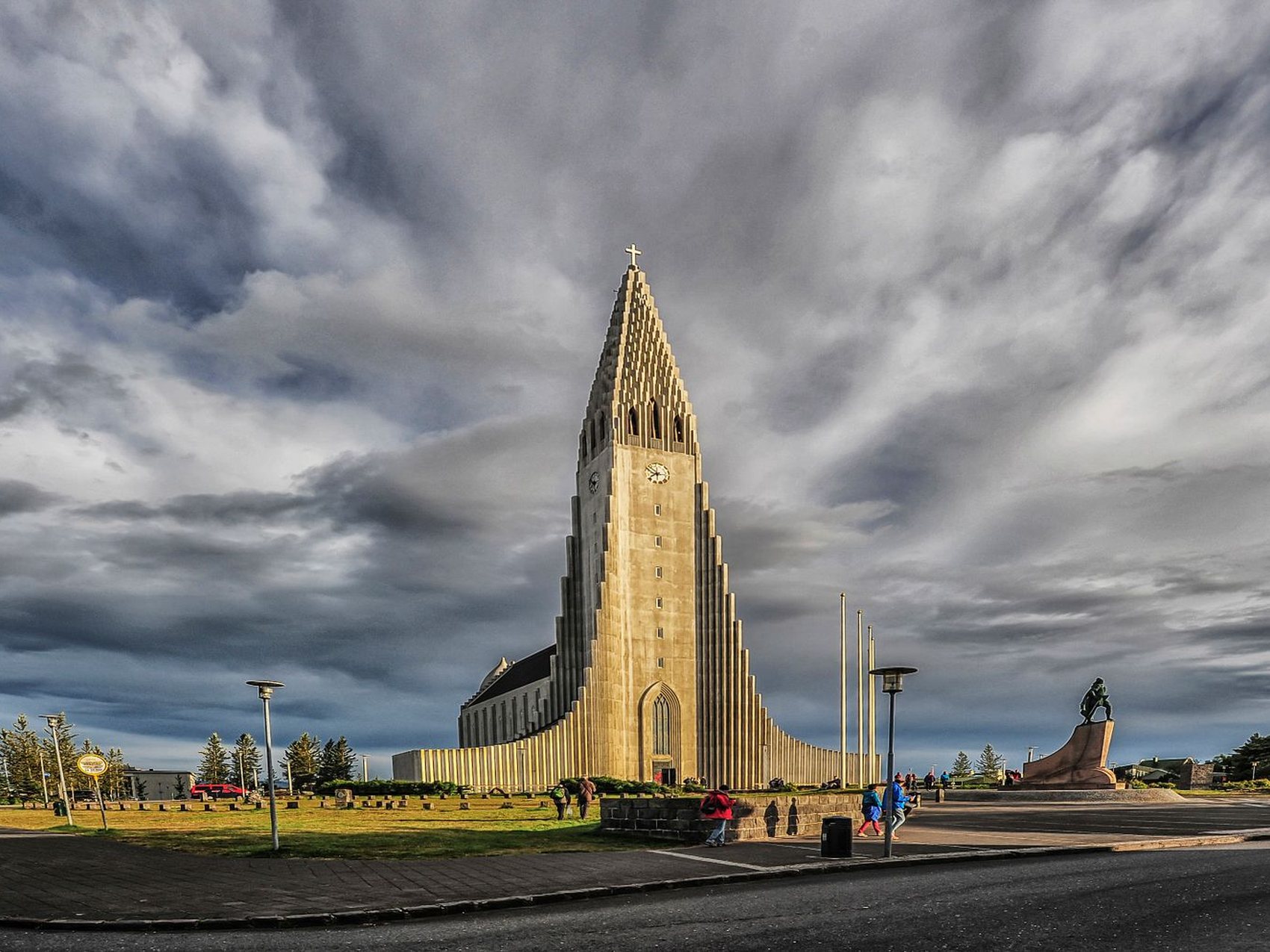
Hallgrímskirkja took forty years to build and its stepped flanks are columnar basalt copied into concrete. Iceland had no cut-stone tradition and no timber to spare, so the landmark architecture is twentieth century.
The older record is on vellum rather than in stone. The sagas were the national art, and the museums are built around manuscripts and turf rather than palaces.
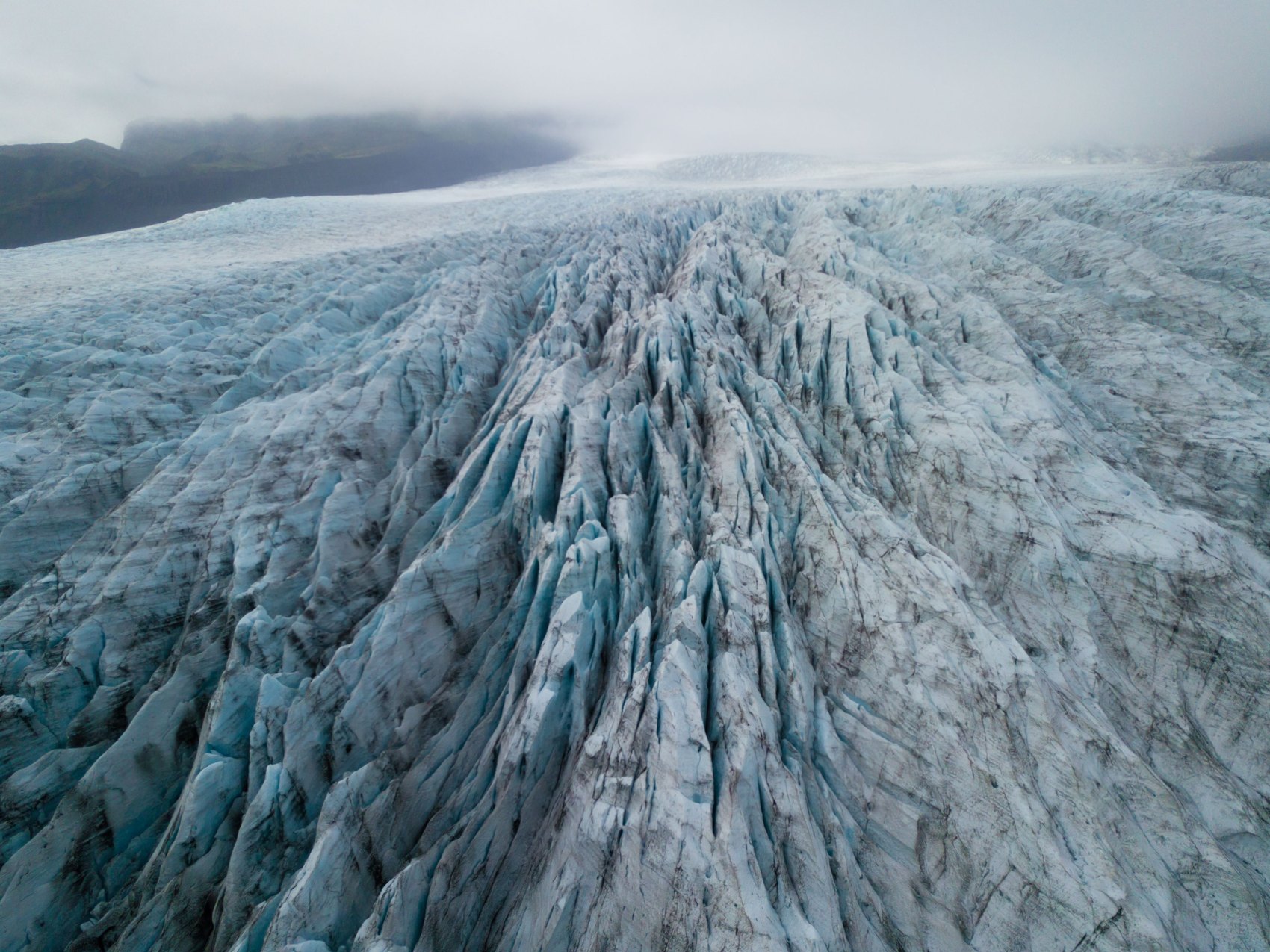
Askja sits at the end of an F-road that opens for a few weeks around midsummer and shuts again in September. Sólheimajökull and Skaftafell are ice a visitor is taken onto roped, with a guide and a booking made in advance.
The plane wreck is four kilometres of black sand each way on foot, with nothing to look at on the walk. Check the forecast the morning you go: wind and rain shut all four more often than the season does.
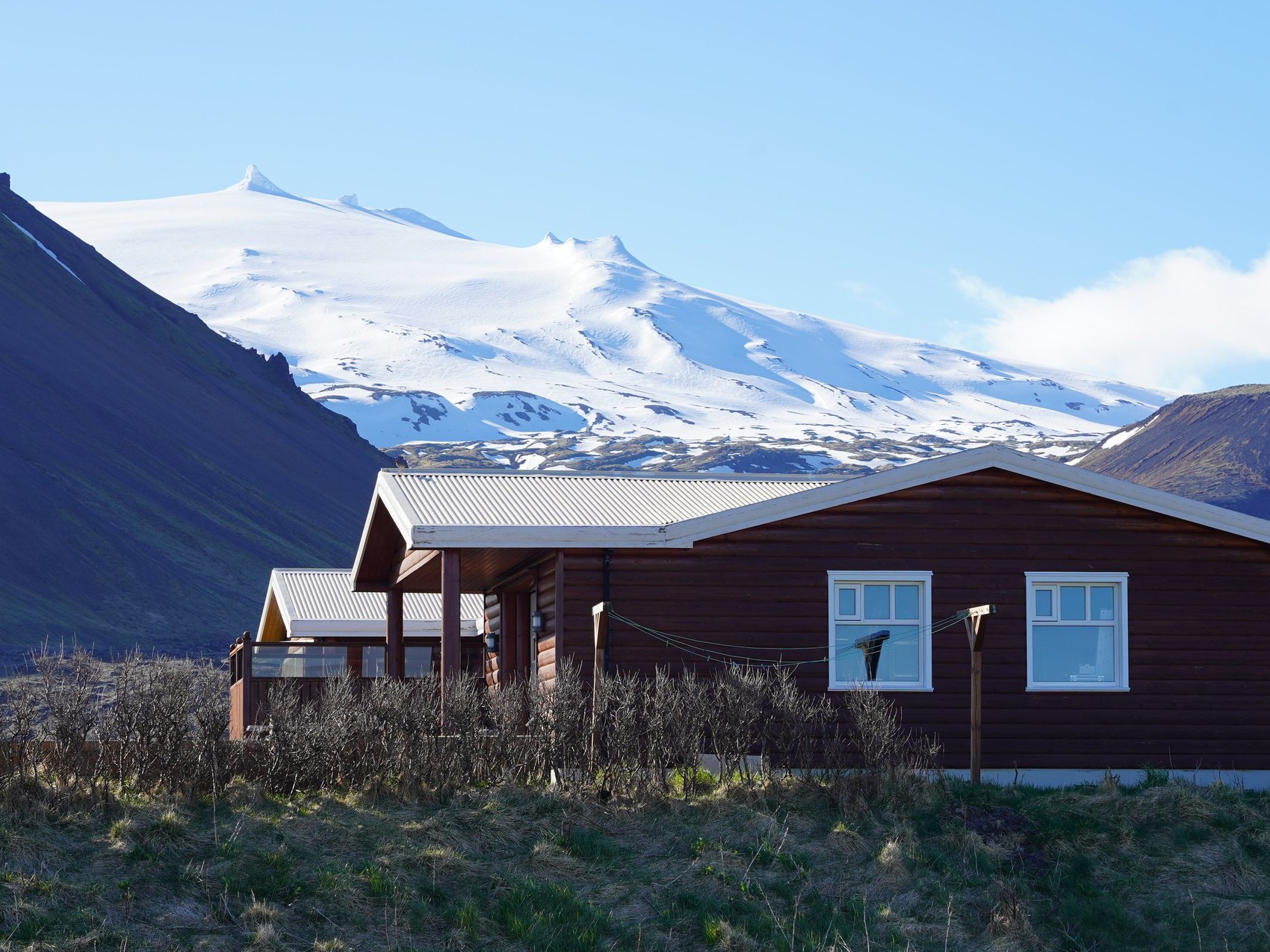
Hotel Rángá keeps an observatory on its own grounds and wakes guests when the aurora comes out. That is the shape of the good Icelandic hotel: built where something happens, rather than near a town.
Three of these are in Reykjavík. The rest sit an hour or more from the next one, which makes where a visitor sleeps a routing decision as much as a comfort one.
Last updated
The places on this page are in the app, each with a verdict: why to go, how far from your hotel, how long to stay. Forward your confirmations and the days fill themselves in.