Things to do
9-
Chiloé National Park
The rain forest and dune coast of the island's Pacific side, entered at Cucao about an hour west of Castro, with boardwalk trails through peat bog and tepú forest and a long grey beach under constant surf. The Sendero El Tepual is the short walk; the beach walk north runs for hours; the Pacific here is too cold and rough for swimming.
-
Iglesia de Dalcahue
A nineteenth-century UNESCO church facing the channel to Quinchao, with a nine-arched portico across its front and a single tower. It sits beside the Sunday craft market and the ferry ramp, so it is the natural stop on the way to Achao; the wool and wooden ware on the stalls are made on the islands.
-
Iglesia de Nercón
A UNESCO-listed church of the 1880s on the inlet south of Castro, built by shipwrights with the roof framed like an upturned hull and the pillars carved to look like stone. Cypress and larch throughout, the interior left unpainted; the keeper opens it most days in summer and the road out from the town is ten minutes by car.
-
Iglesia San Francisco
The largest of the Chiloé churches, finished in 1912 in wood clad with galvanised iron and painted yellow and violet, its two towers rising over the Plaza de Armas. Inside the frame is entirely timber, cypress and larch, with a vaulted ceiling of unpainted boards; it is on the UNESCO list with fifteen other churches of the archipelago.
-
Iglesia Santa María de Loreto de Achao
The oldest surviving church of the archipelago, begun by the Jesuits in the 1730s on Quinchao island and held together with wooden pegs because iron nails were unavailable. Reached from Castro by road and the short Dalcahue ferry, about an hour and a quarter each way; the baroque altar is the richest on the islands.
-
Muelle de las Almas
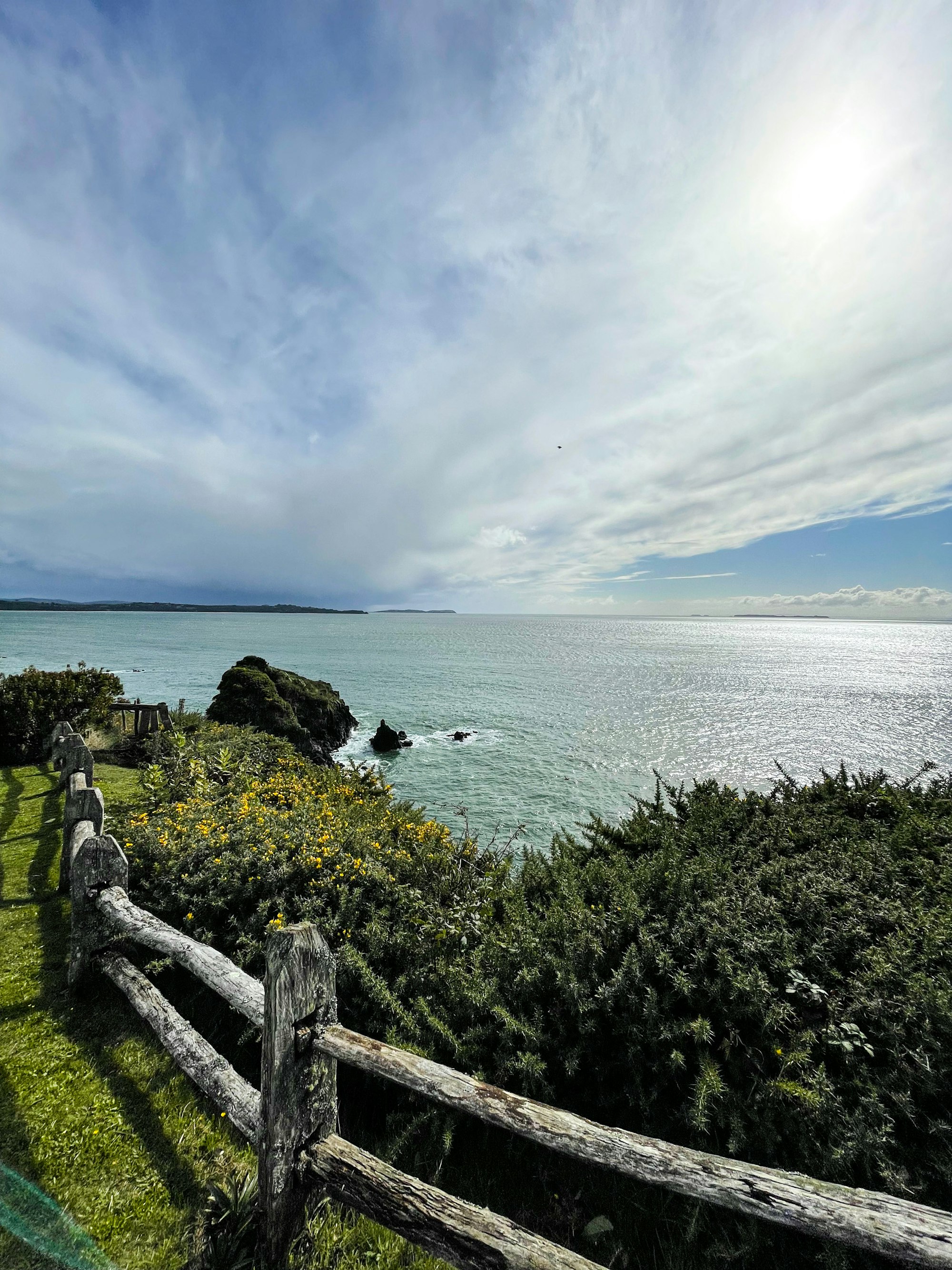
A wooden pier by the sculptor Marcelo Orellana that ends in mid-air over the Pacific cliffs at Punta Pirulil, on the Chilote belief that souls wait here for the ferryman. A private track from Cucao and then an hour's walk each way over farmland and headland, with a fee to the landowner, muddy after rain and closed in bad weather.
-
Palafito 1326
A boutique hotel in a restored stilt house on the Gamboa waterfront, its rooms in reclaimed cypress with the tide moving under the terrace at the back. Twelve rooms, breakfast over the water and a five-minute walk uphill to the square; it is the address that made staying in a palafito possible.
-
Palafitos de Gamboa
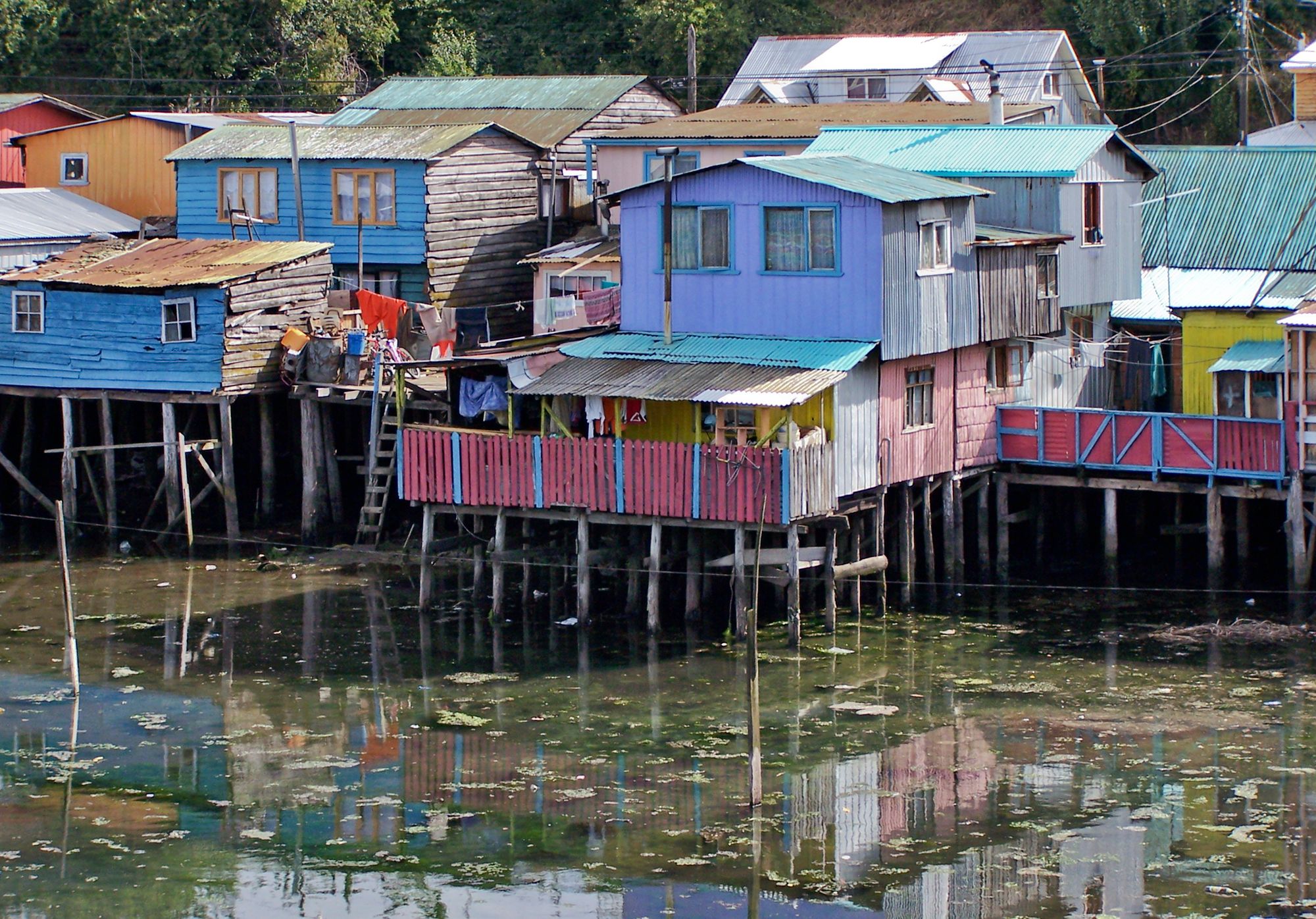
Rows of shingled wooden houses raised on stilts over the Gamboa inlet, built by fishermen so a boat could be tied to the back door and the front opened onto the street. The best-known view is from the Pedro Montt road above the bridge; at low tide they stand on mud, at high tide the water runs under the floors.
-
Tierra Chiloé
A low hotel of dark local wood on the Rilán peninsula across the fjord from Castro, with a view down the channel and a boat of its own for the churches and the islands. Stays are all-inclusive with guided excursions, and the spa and the bay-facing rooms are the reason it appears in the same sentence as its Atacama and Patagonia siblings.