Things to do
12-
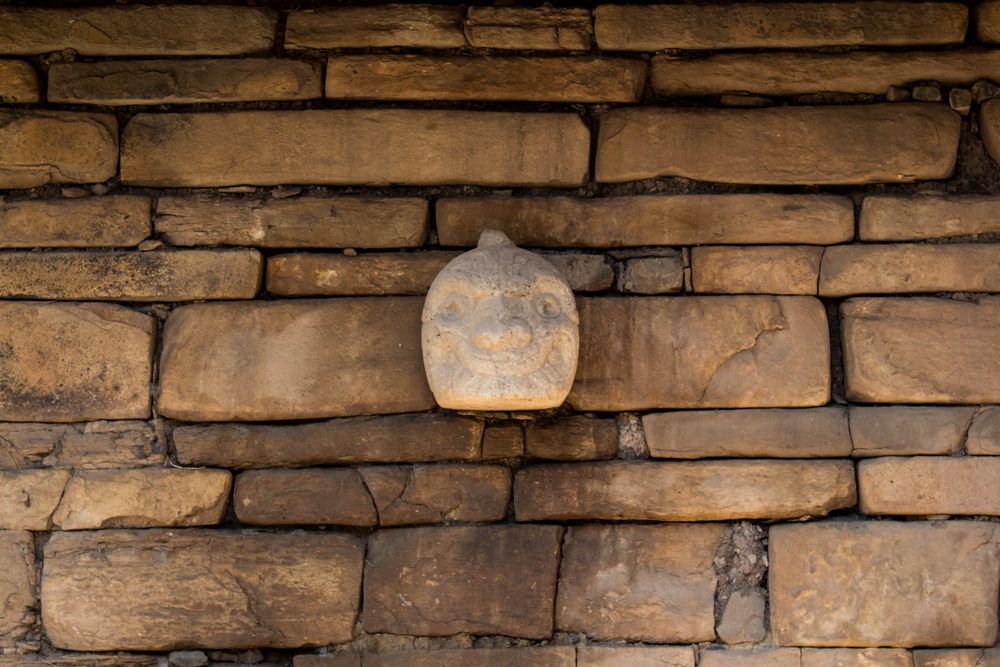
Chavín de Huántar
The ceremonial centre of the Chavín culture, built from about 1200 BC on the eastern side of the range and inscribed by UNESCO in 1985. The interest is underground, in a lattice of stone galleries where the Lanzón monolith still stands where it was set.
-
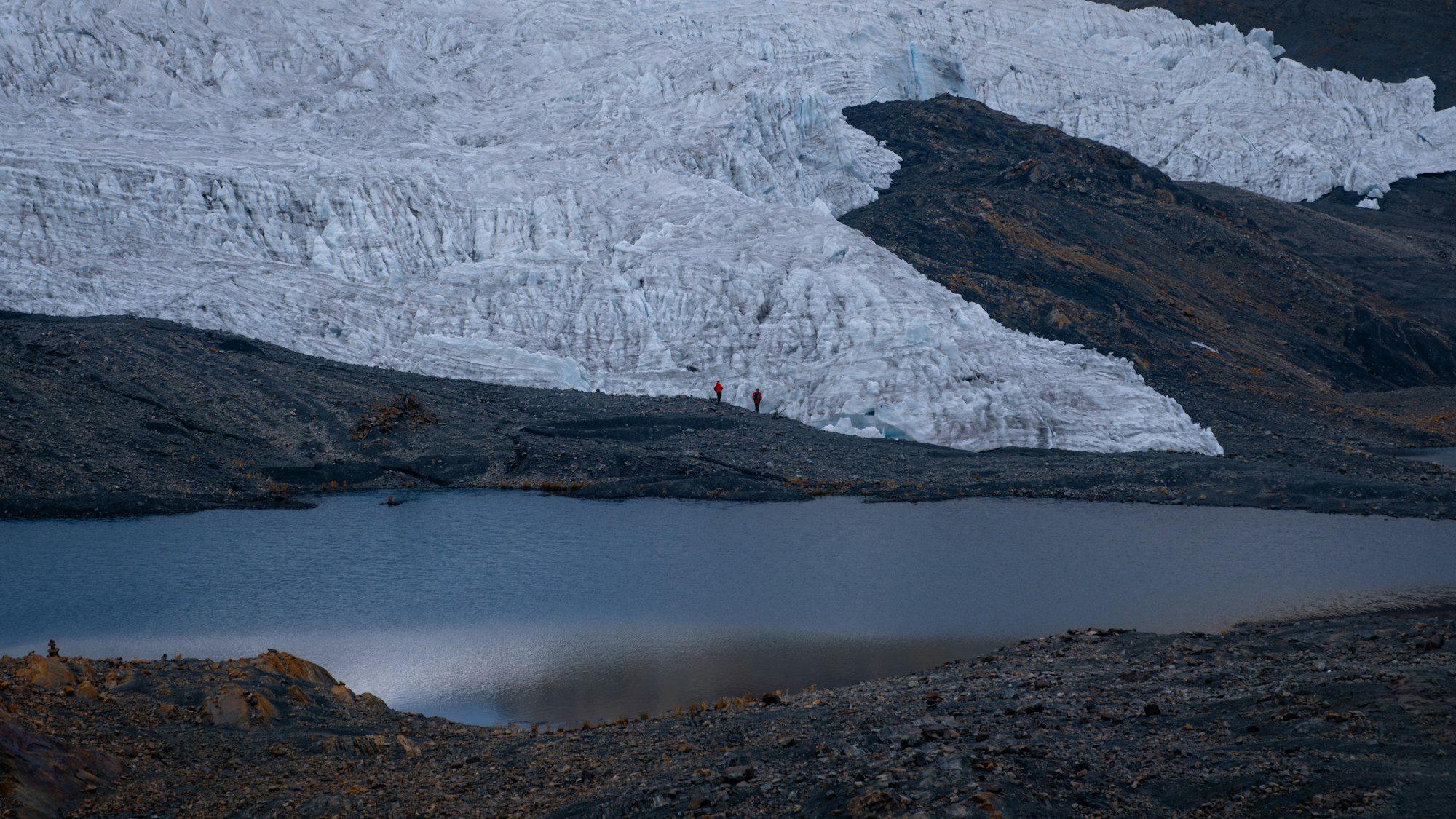
Glaciar Pastoruri
One of the few Peruvian glaciers that can be walked to on a made path, at 5,000 metres in the southern arm of the Huascarán park. It has lost more than half its surface since the 1980s, and the route to it is signed as the Ruta del Cambio Climático.
-
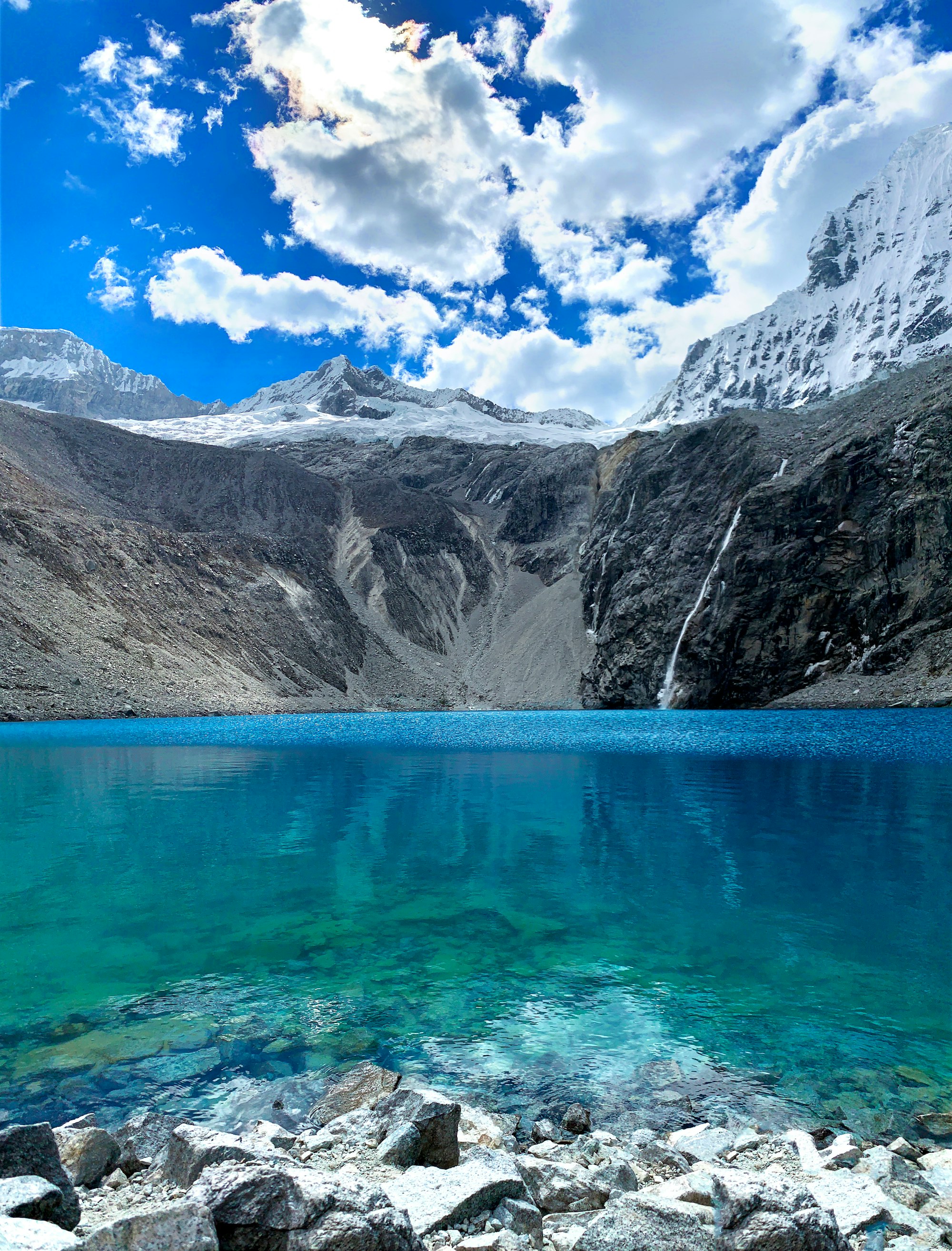
Laguna 69
A turquoise lake at 4,600 metres under the south face of Chacraraju, reached on a six hour return walk from the Cebollapampa trailhead in the Llanganuco valley. The climb gains about 700 metres and is unforgiving without a few days of acclimatisation in Huaraz first.
-
Laguna Parón
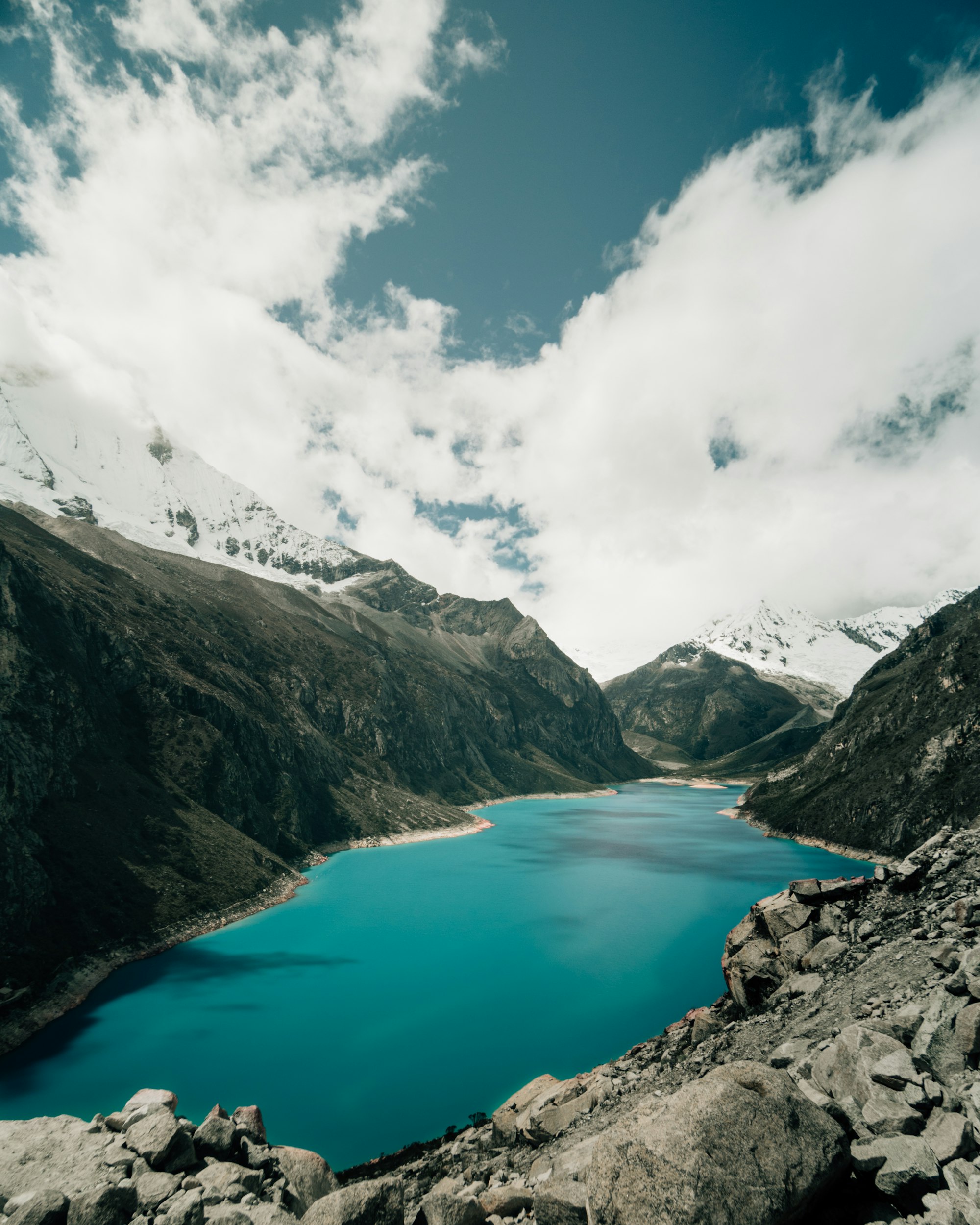
The largest lake in the Cordillera Blanca, held behind moraine at 4,200 metres with the tooth of Artesonraju standing at its head. A rough road climbs to it from Caraz, and a path along the north shore adds an hour and opens the whole view up the valley.
-
Laguna Willcacocha
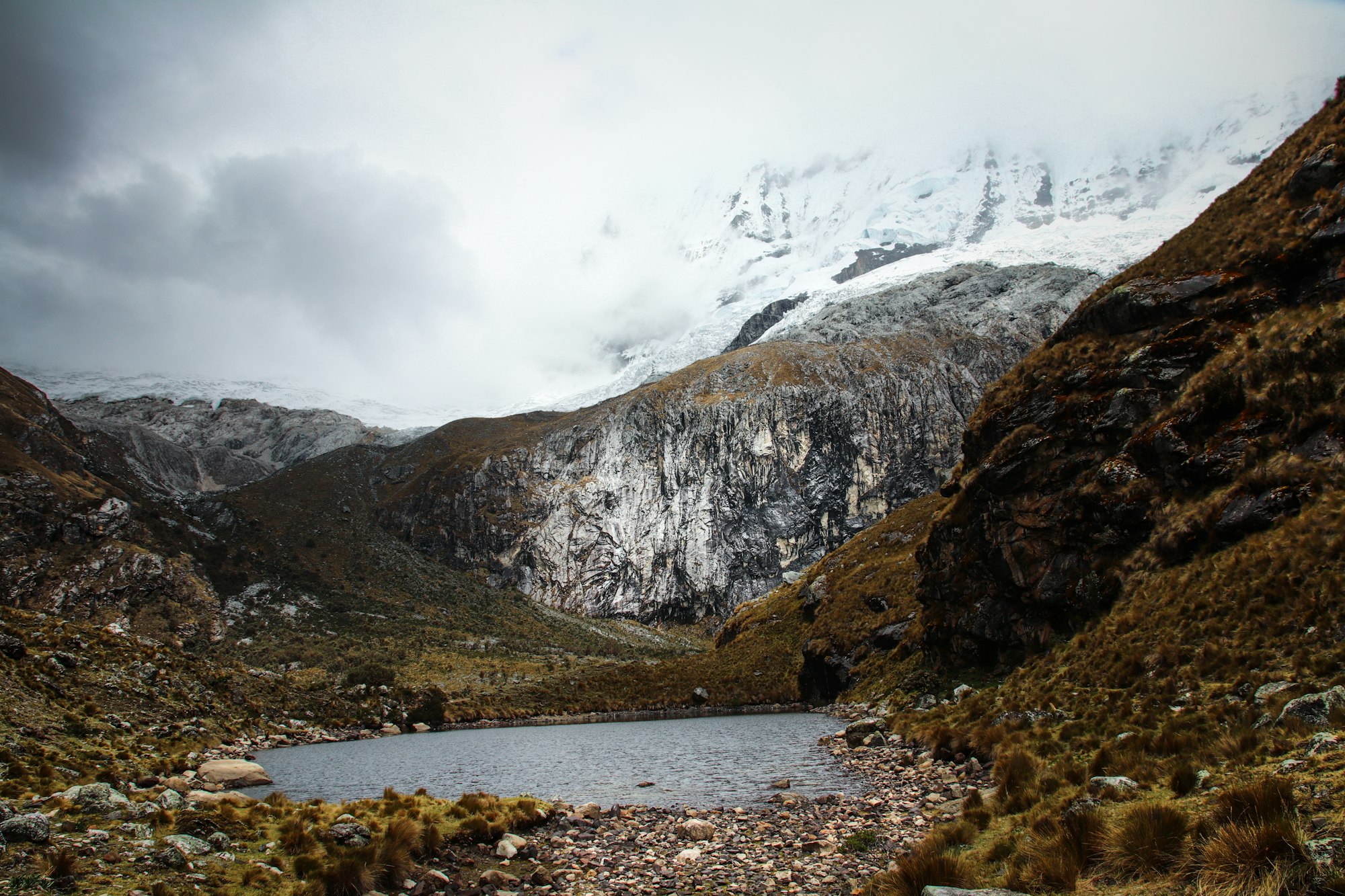
A shallow lake on the Cordillera Negra above Huaraz, valued less for the water than for what stands opposite it. The whole white range lines up across the valley from the ridge, which makes the three hour walk the standard first day of acclimatisation.
-
Parque nacional Huascarán
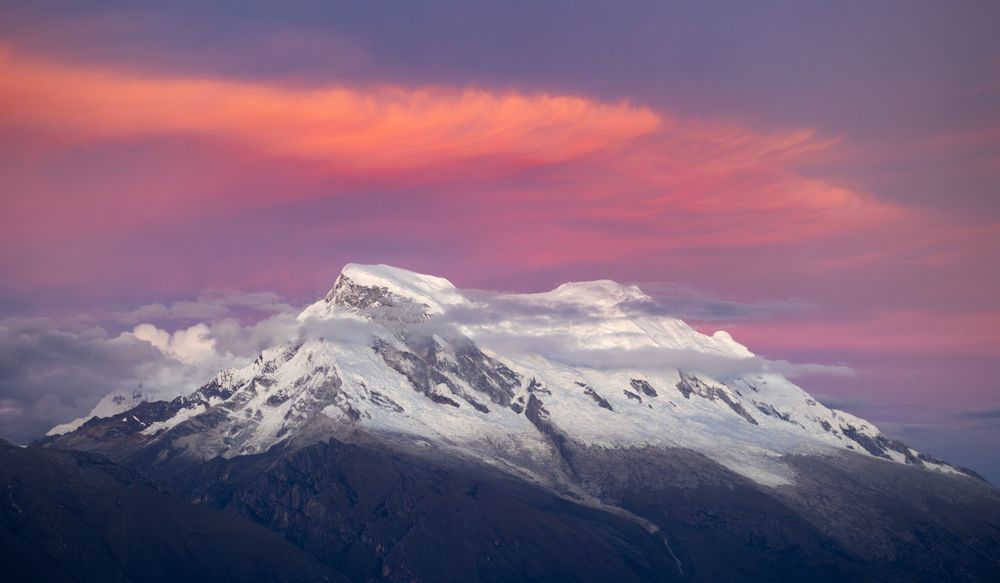
The park covers almost the whole Cordillera Blanca, the highest tropical mountain range on earth, with more than fifty summits above 5,700 metres and some three hundred glacial lakes. Every walk described from Huaraz enters it, and the ticket is bought at the control post on the way in.
-
Cashapampa
The road head above Caraz where the Santa Cruz trek begins, at 2,900 metres. Most parties walk the route from here over the Punta Unión pass at 4,750 metres and come out at Vaquería in the Llanganuco valley, which takes four days in the usual direction.
-
Laguna Churup
A lake at 4,450 metres above the Quilcayhuanca valley, close enough to Huaraz to be walked in a day and steep enough to be a test of it. The last section climbs a slabby rock step fitted with fixed ropes, which is where most walkers turn back.
-
Museo Arqueológico de Áncash Augusto Soriano Infante
The regional museum on the main square, holding the largest collection of Recuay stone sculpture anywhere, several hundred pieces standing in a garden behind the building. It is the clearest introduction to who built the ruins scattered around the valley before the Inca arrived.
-
Quebrada de Llanganuco
The glacial valley between Huascarán and Huandoy, holding the twin lakes of Chinancocha and Orconcocha at 3,850 metres. A road runs the length of it, so the water can be seen without walking, and the same valley carries the approach to Laguna 69.
-
The Lazy Dog Inn
An owner built lodge of adobe and eucalyptus at 3,700 metres on the Cordillera Negra side, twenty minutes above Huaraz, run as a not for profit that funds a village school and clinic. Rooms have wood stoves and the walking starts at the gate.
-
Willkawain
A Wari funerary building of about AD 900, three storeys of dry stone with the burial chambers still intact inside, standing eight kilometres above the town. Its slab roofs and internal ventilation shafts are the reason it has survived where later adobe sites have not.