Globe Countries Cities Dispatches About Get the App
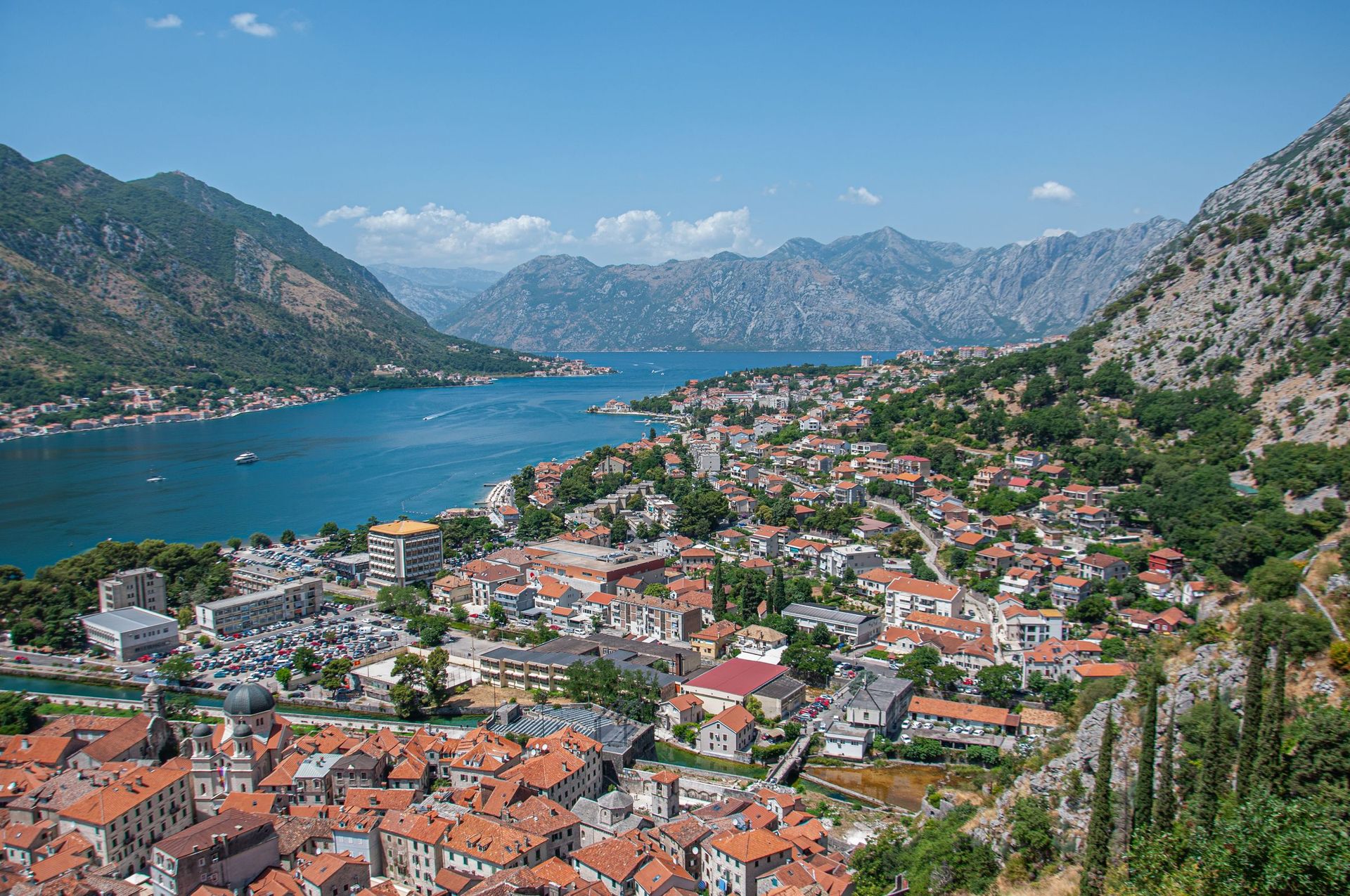
The Bay of Kotor from above, the walled town at the foot of grey limestone above still water
The inner Bay of Kotor · a drowned river valley rather than a fjord
Country brief · 42.7087°N 19.3744°E

Montenegro

The beach and the high mountains, three hours apart.

How long
Five daysten adds the lake and the east
Getting around
A carbetter roads than expected, slow in the mountains
When
May, June and SeptemberJuly and August fill the coast
Language
MontenegrinEnglish 38%, over half in Kotor and Budva
Money
The euroand not in the European Union
Airports
Tivat TIV, Podgorica TGDDubrovnik DBV in Croatia
How long

How many days do you need in Montenegro?

Five days covers the Bay of Kotor and one mountain base. Ten opens Lake Skadar and the east, and makes the drive north to Durmitor worth doing. Below three days the trip is the bay alone, because the mountains sit about three hours from the coast and three hours back again.

Getting around

Do you need a car in Montenegro?

For most trips, yes. The surfaces are better than the country's reputation suggests, but the roads wind enough that a straight line understates every drive, some by half, so journey times are governed by bends and not by distance. The coast is walkable town to town and served by buses; the mountains, Lake Skadar and Ostrog are much harder without one. Allow extra time on the bay road in July and August, and note that the ferry across the Verige narrows saves a long loop around the inner bay.

When

When is the best time to visit Montenegro?

May, June and September. July and August fill the coast, and Kotor's old town is worst between ten and four, when the ships are alongside. Up in Durmitor the high trails wait on the snow going, usually late June, and the ski season at Kolašin and Žabljak runs while the coast is shut.

Language

What language is spoken in Montenegro?

Montenegrin. English is the most widely spoken foreign language: 38 per cent of the country at the 2023 census, and over half in Kotor and Budva.

Money

What money does Montenegro use?

The euro, which surprises people, because Montenegro is not a member of the European Union. It adopted the currency unilaterally and has used it since the euro entered circulation, having switched from the Yugoslav dinar to the Deutsche Mark in 1999. No currency exchange is needed for visitors arriving from the eurozone.

Airports

Where do you fly into Montenegro?

There are two airports in the country and a third across the border. Tivat (TIV) sits on the bay and is about 15 minutes from Kotor and 25 from Budva. Podgorica (TGD) is the capital's airport, flies year round more reliably than Tivat, and is the way in for the north, Lake Skadar and Ostrog: about an hour to Budva and two and a half to Žabljak. Dubrovnik (DBV) in Croatia is cheaper and more frequent, about 90 minutes to Kotor, at the cost of a border crossing that can run one to three hours in summer.
Why you should visit

Ninety seconds on the country

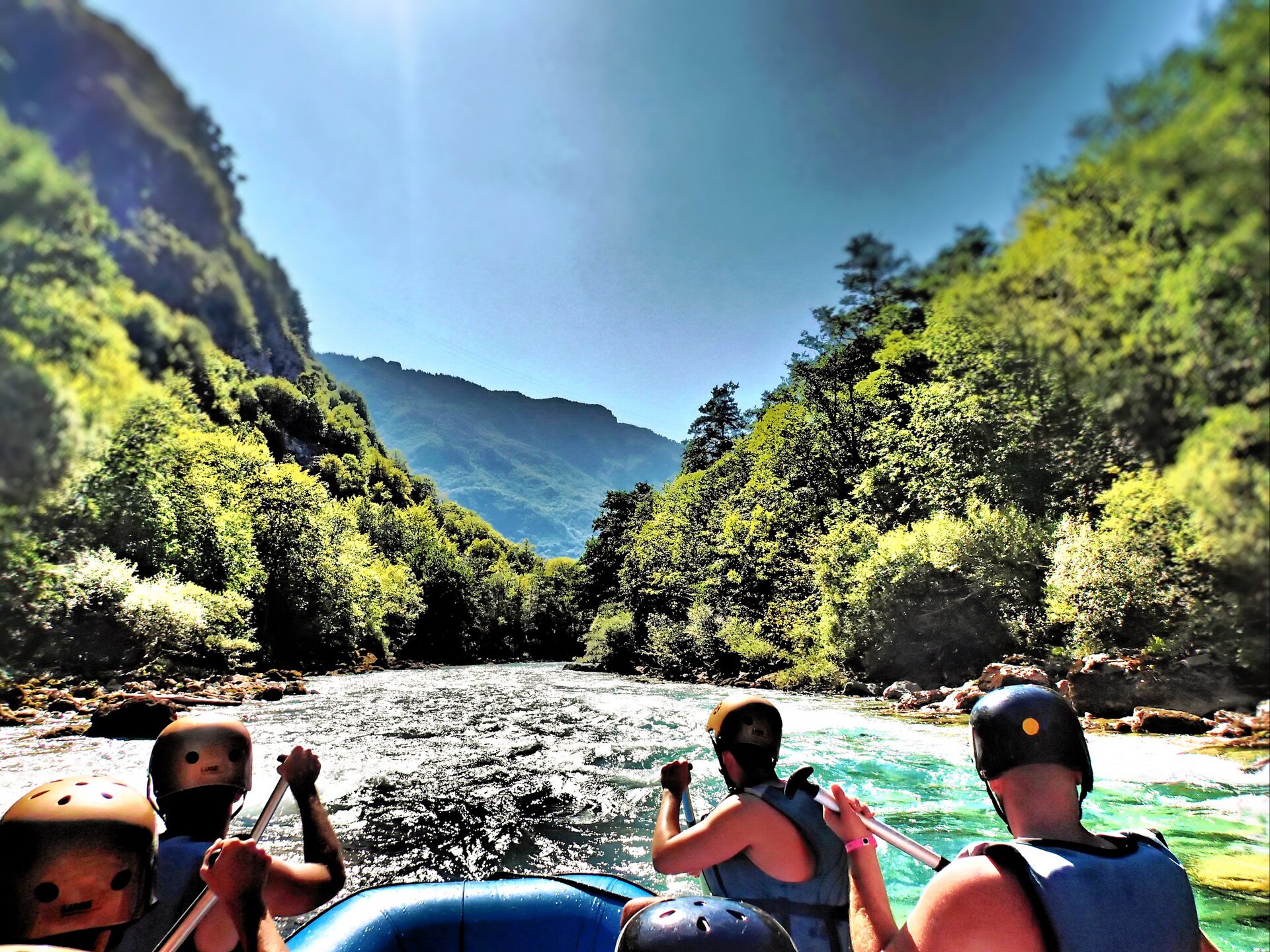
Montenegro is smaller than Northern Ireland, and you can drive across it in a morning. That is most of the argument for going: a bay of Venetian towns, a glacial massif, a river canyon and a lake full of birds, all within one short drive of each other. Anywhere else, any one of them would be a separate trip.

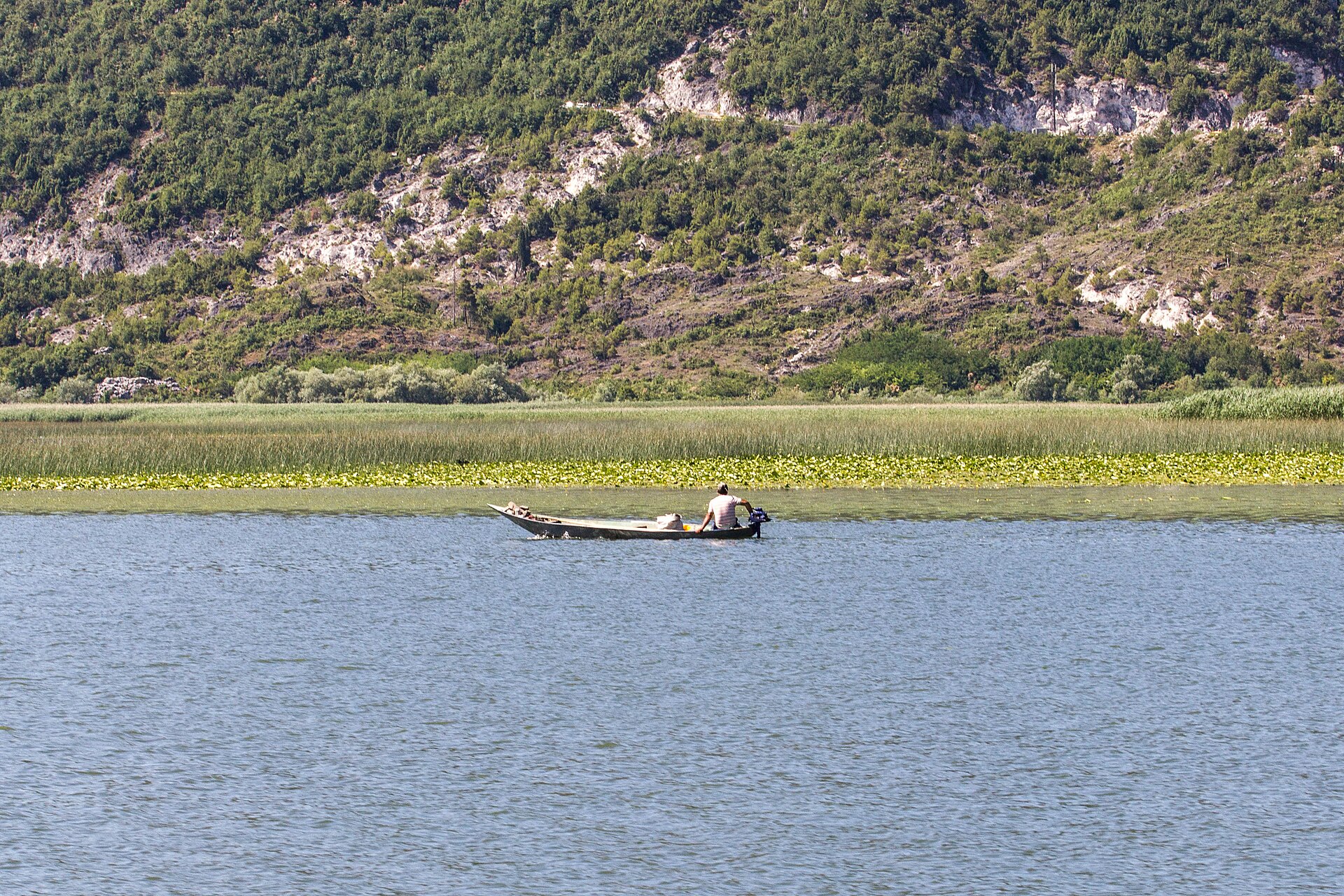
The name says the same thing. Montenegro is Venetian for black mountain, after the dark conifer on Lovćen standing over the bay, and the country is still shaped by that wall of limestone: rivers that run underground, karst plateaus with no surface water at all, and eighteen glacial lakes on Durmitor that the geographer Jovan Cvijić named the mountain eyes.

It is not the day out from Dubrovnik that most people make of it. The bay is olive terraces and stone rather than sand, and the sand lies an hour further south on the open Adriatic. Most of the coach traffic stops at the first walled town and turns back, which is a large part of why the rest stays quiet.

The north is where the country stops being a coastline. It keeps a different climate on a different calendar: the bay is warm enough to swim in May, when the high roads are still waiting on the plough. Five days is the least it takes to see both halves, and the mistake most people make is giving it two.

Five Ways to Travel It

Pick how you want to travel. The towns, the things to do and the map all change with it.

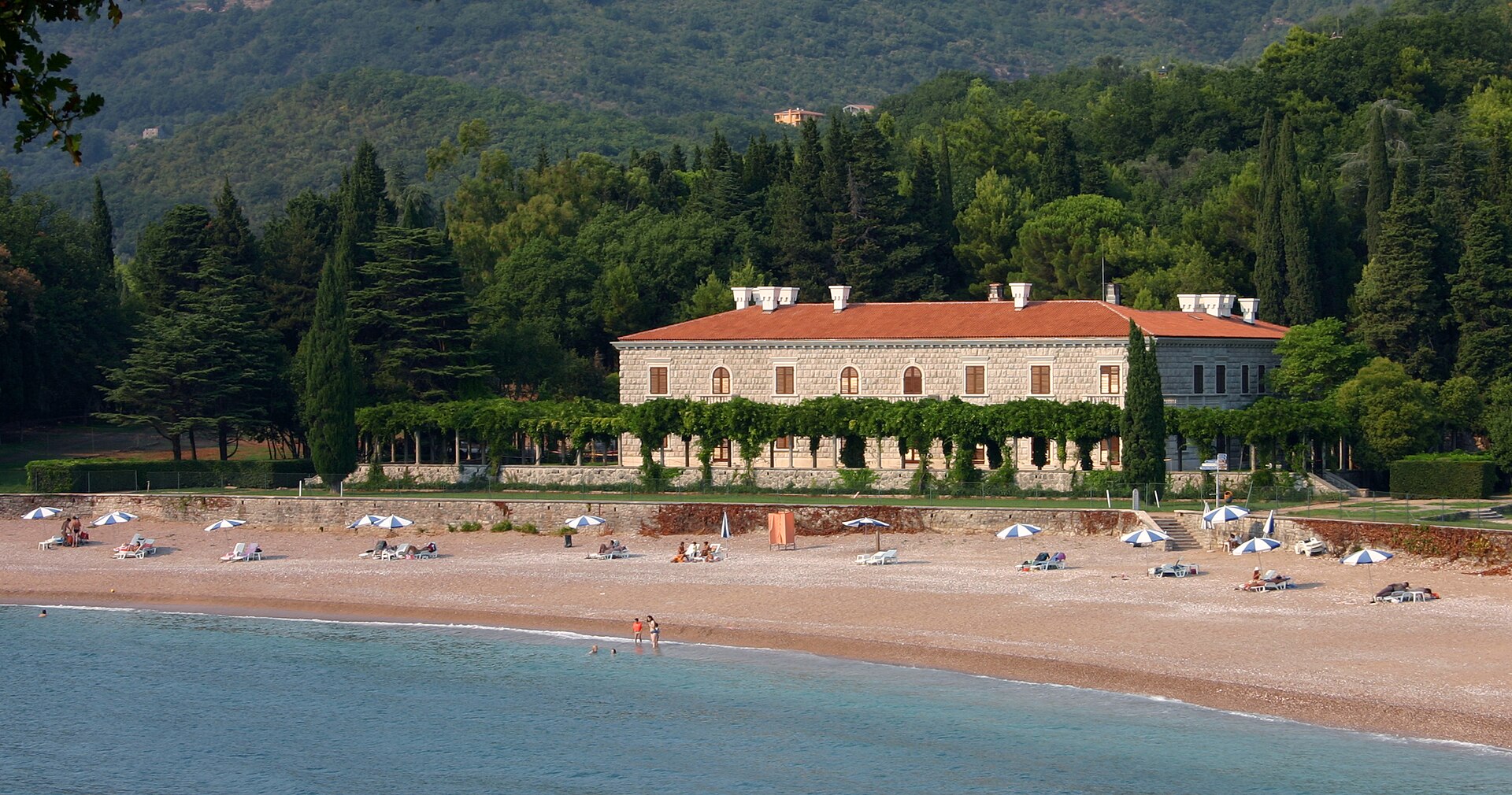
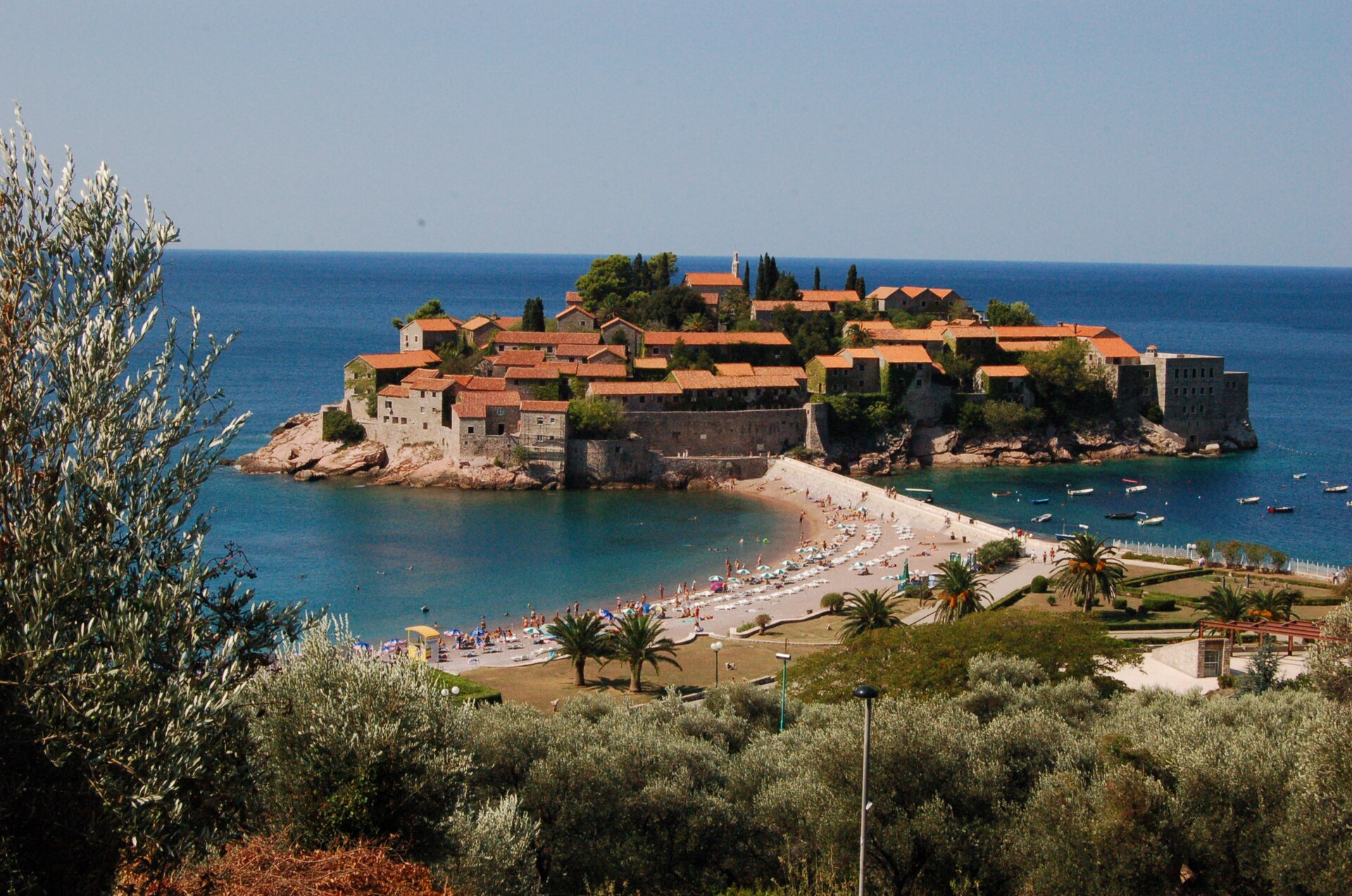
The fortified island of Sveti Stefan and its beach, seen from the coast road above
Sveti Stefan. A fifteenth-century village turned wholesale into one hotel in 1960.

Coast

The Best Places to Visit for Coastal Travel in Montenegro

The coast changes character twice in a hundred and fifty kilometres. Kotor sits at the head of a drowned river valley, warm enough to swim in and planted with olives, with almost no sand in it; Budva, an hour south, is the busiest town on the Montenegrin coast and among the oldest settlements on the Adriatic.

Below Budva the sand starts and does not stop. Bečići is nearly two kilometres of it, backed by the largest concentration of resort hotels in the country and a promenade that walks back around the headland in half an hour, and Velika Plaža at Ulcinj runs twelve kilometres to the Albanian border. July and August are the two months to avoid.

Plan the trip

Loading the map
See 1 town →

Last updated

Meridian Dispatch for iPhone

Start planning your trip
to Montenegro.

The places on this page are in the app, each with a verdict: why to go, how far from your hotel, how long to stay. Forward your confirmations and the days fill themselves in.