Things to do
7-
Gaziantep Castle
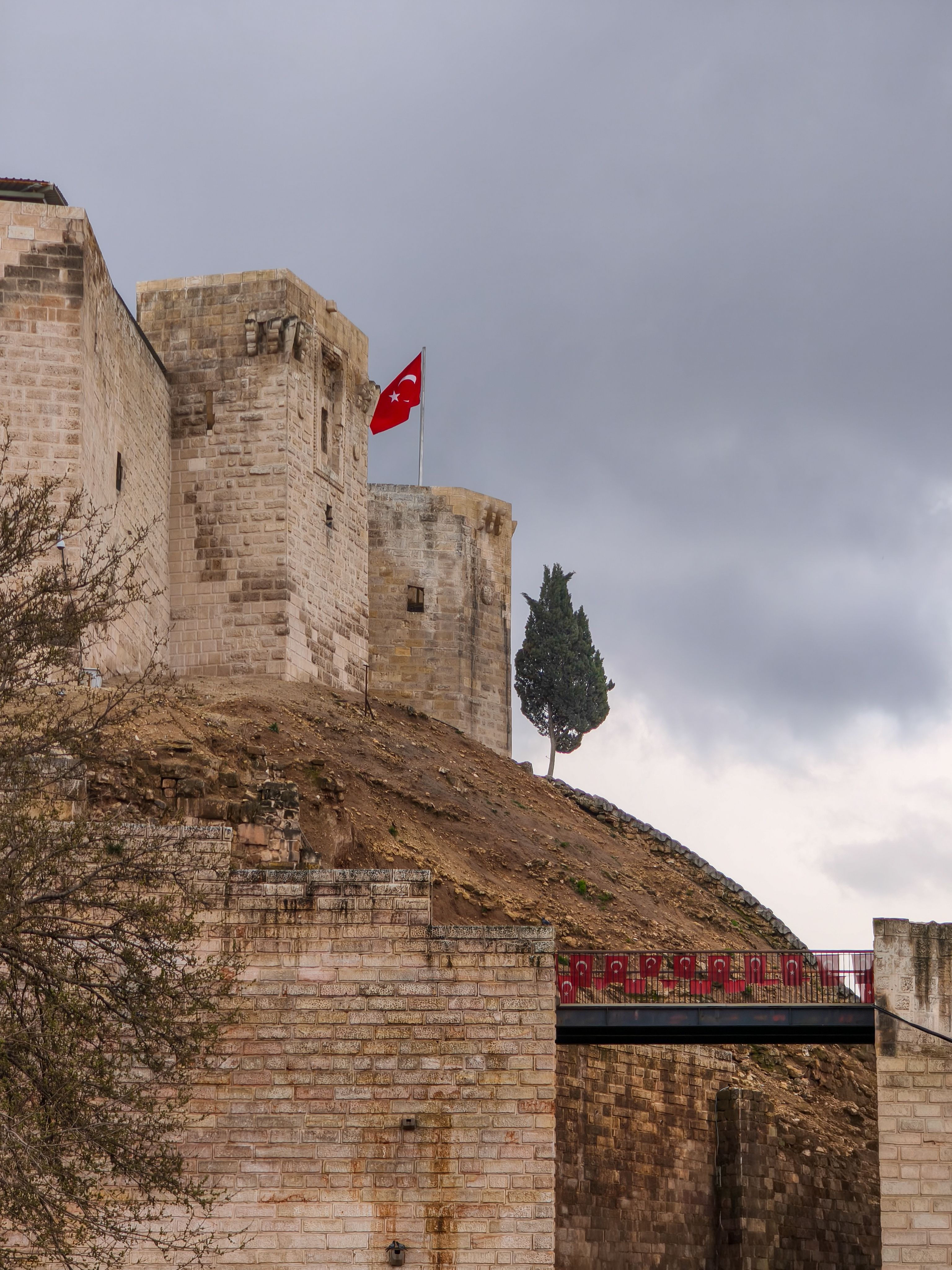
A Roman watchtower rebuilt by Justinian and again by the Seljuks, on a mound at the centre of the old city, with stone walls and twelve bastions. The February 2023 earthquake brought down sections of the walls and bastions, and access has been restricted since. Restoration began that September, and the castle houses a panoramic museum of the city's defence against the French.
-
Gaziantep Zoo
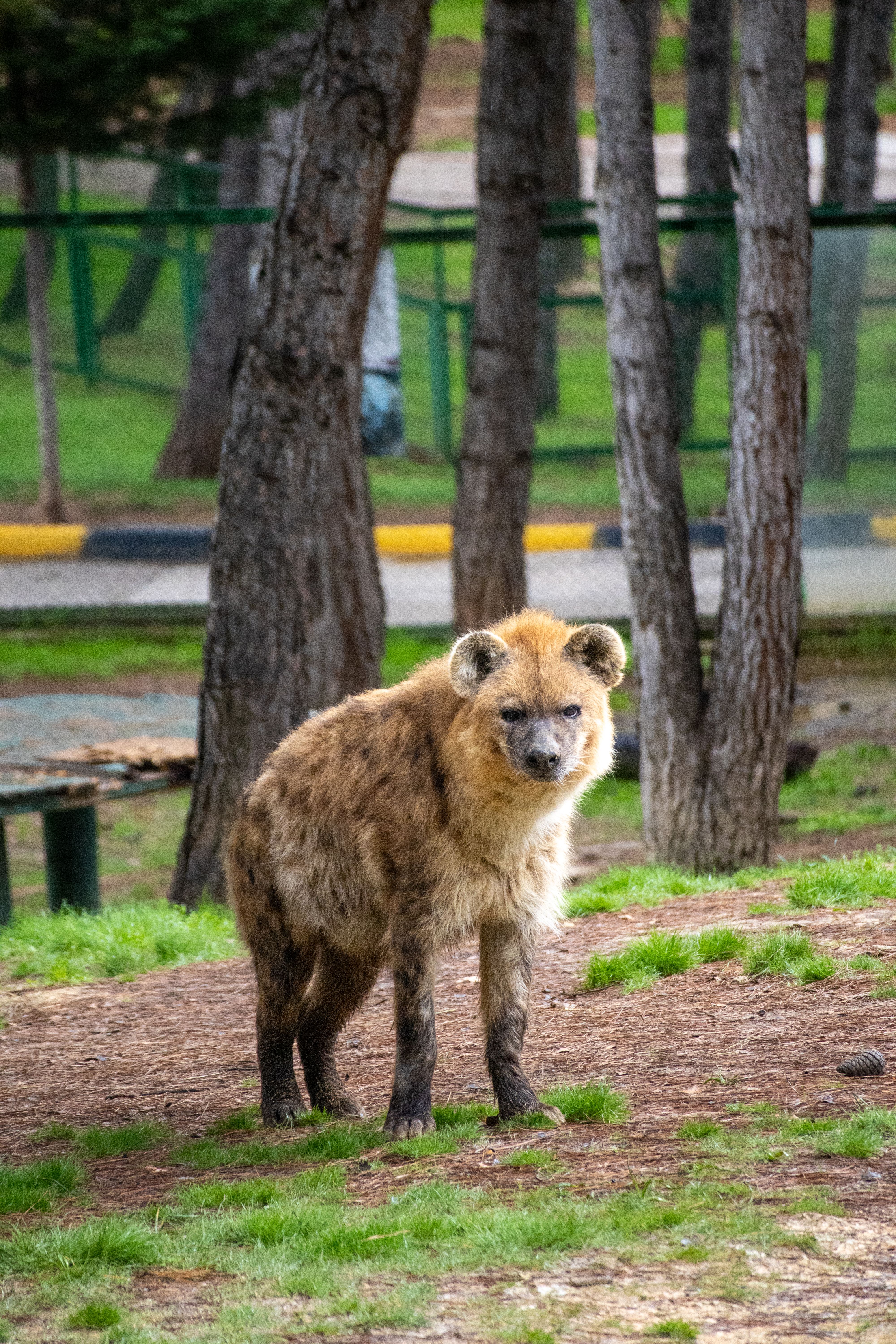
Opened in 2001 in the Burç forests on the northern edge of the city and run by the municipality, it is the largest zoo in Turkey by area. A safari park of African animals was added in 2018, alongside a zoology and nature museum, and the whole site fills a family half-day.
-
Halfeti
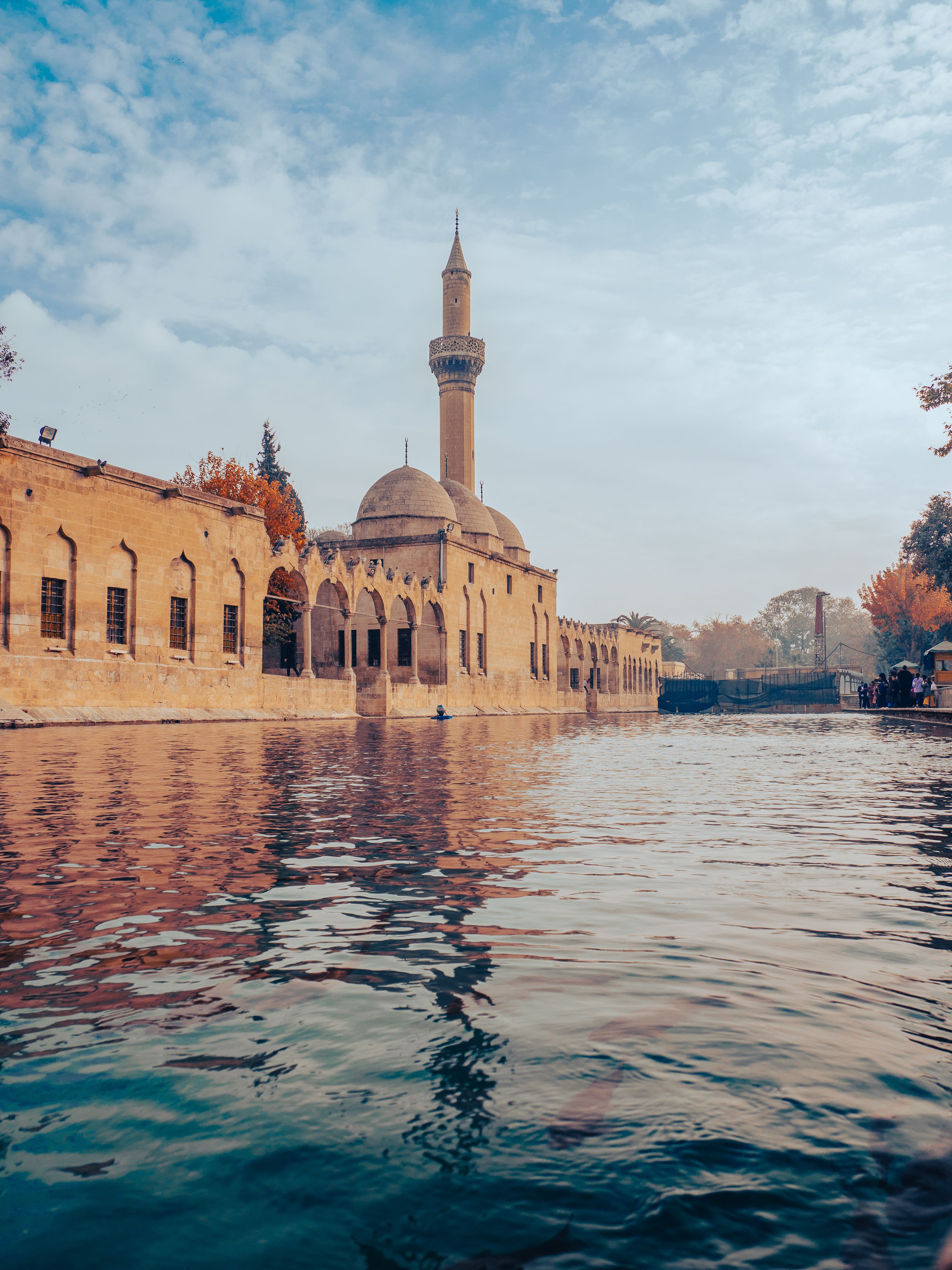
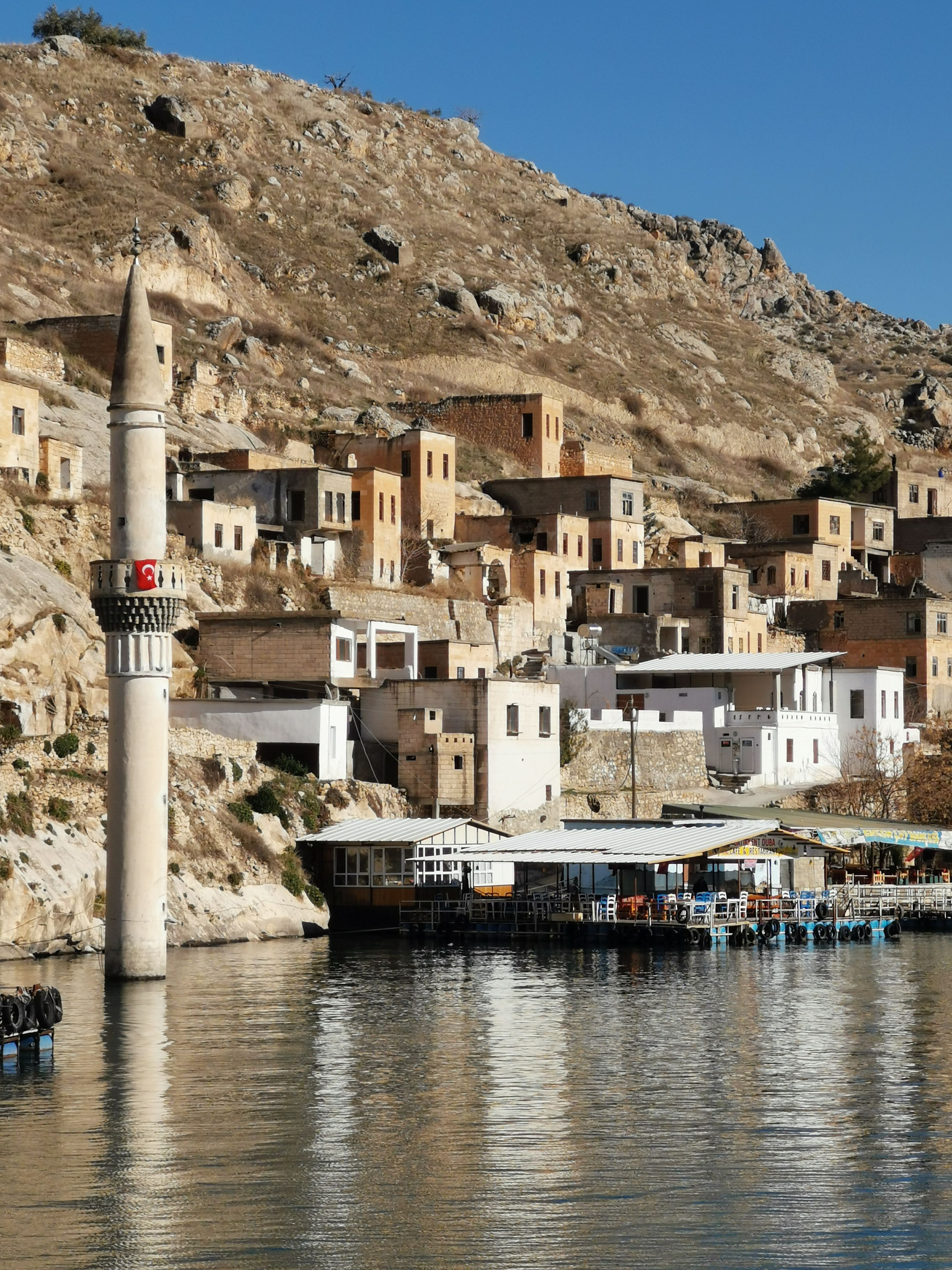
A town on the Euphrates partly drowned by the Birecik dam in 2000, where boats pass over the roofs of the old quarter and a minaret stands out of the water. The black roses grown here are the other local claim.
-
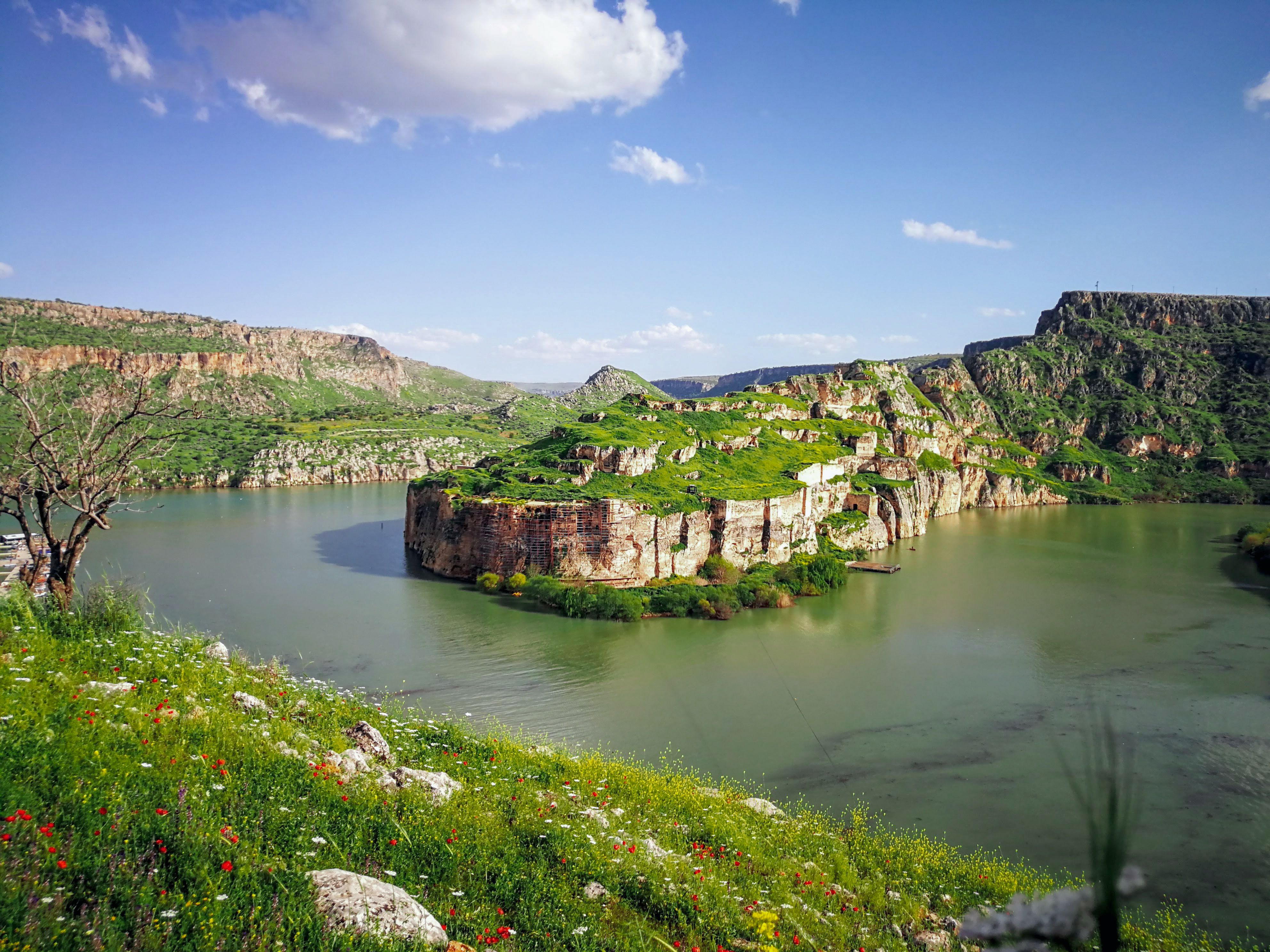
Rumkale
A fortress on a promontory where the Merzimen stream meets the Euphrates, seat of the Armenian Catholicos for most of the thirteenth century and later held by the Mamluks. The Birecik reservoir now half-surrounds it, and it is reached only by boat, from Halfeti or from the Zeugma side. Inside the walls are the ruins of its churches and a well.
-
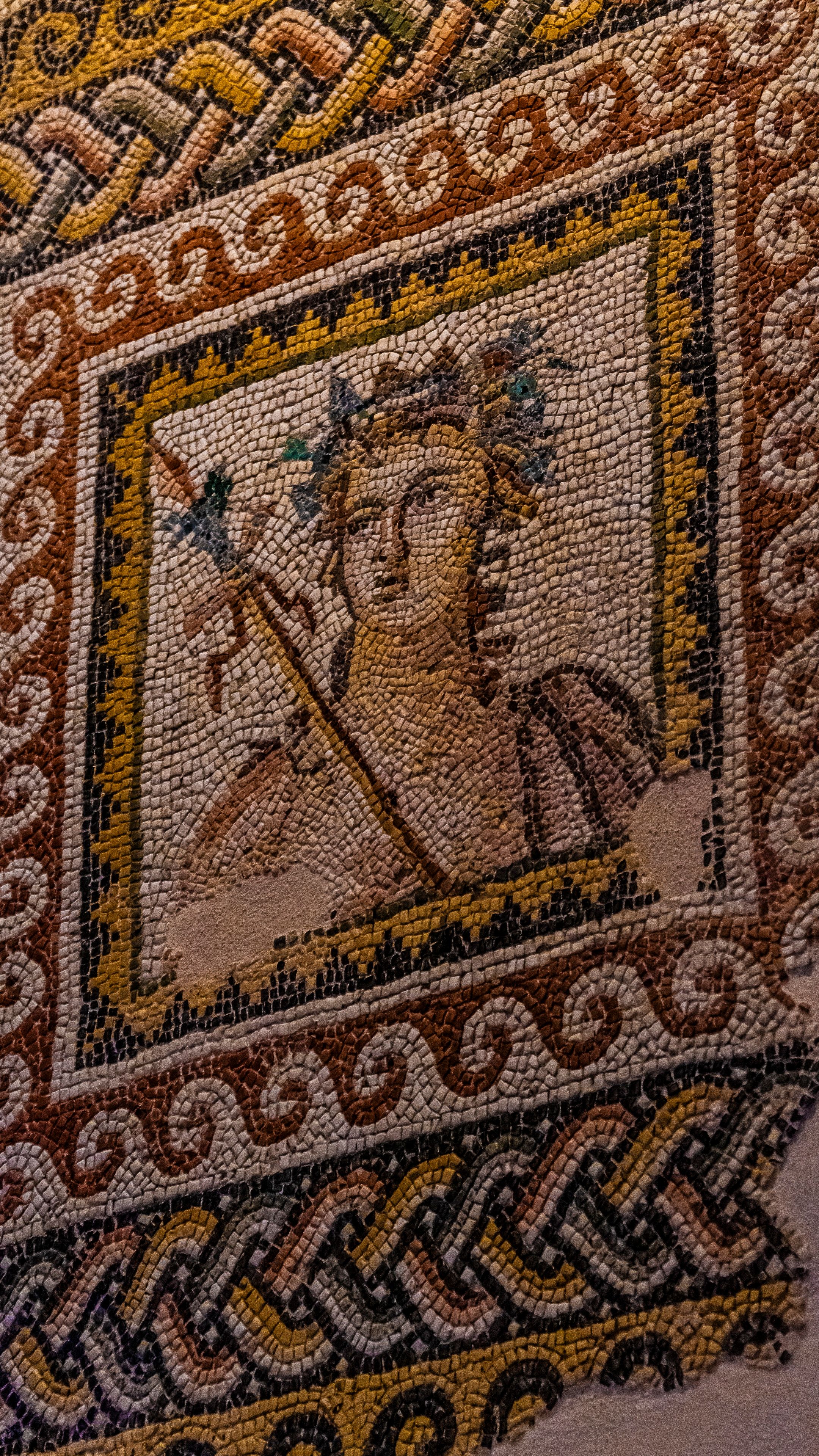
Zeugma Mosaic Museum
The mosaics rescued from the Roman city of Zeugma before the Birecik dam flooded it in 2000, shown since 2011 in what is now the largest mosaic museum in the world, with the Gypsy Girl panel as its centrepiece. It reopened in April 2023, within three months of the earthquake, and a full visit takes a couple of hours.
-
Bakırcılar Çarşısı
The coppersmiths' bazaar below the castle, where the trade is still worked by hand and the sound of it carries down the lanes. Copperware is one of the city's signature crafts, and the surrounding hans sell spice, pistachio and mother-of-pearl inlay. Recent work around the base of the castle has opened up the approach to the workshops.
-
Emine Göğüş Culinary Museum
A nineteenth-century courtyard house given over to the city's kitchen, which UNESCO lists as a creative city of gastronomy, covering the wheat, the pepper and the pistachio. It is small and it explains the region better than any label in the archaeology museum.